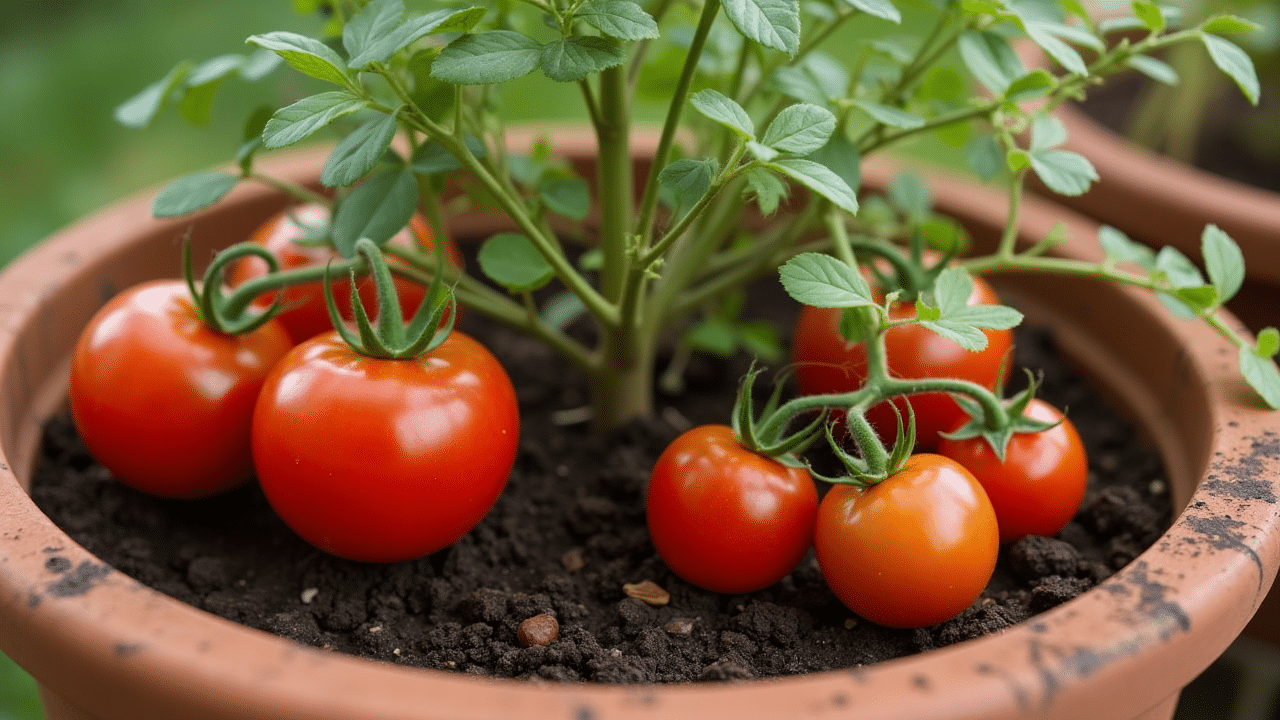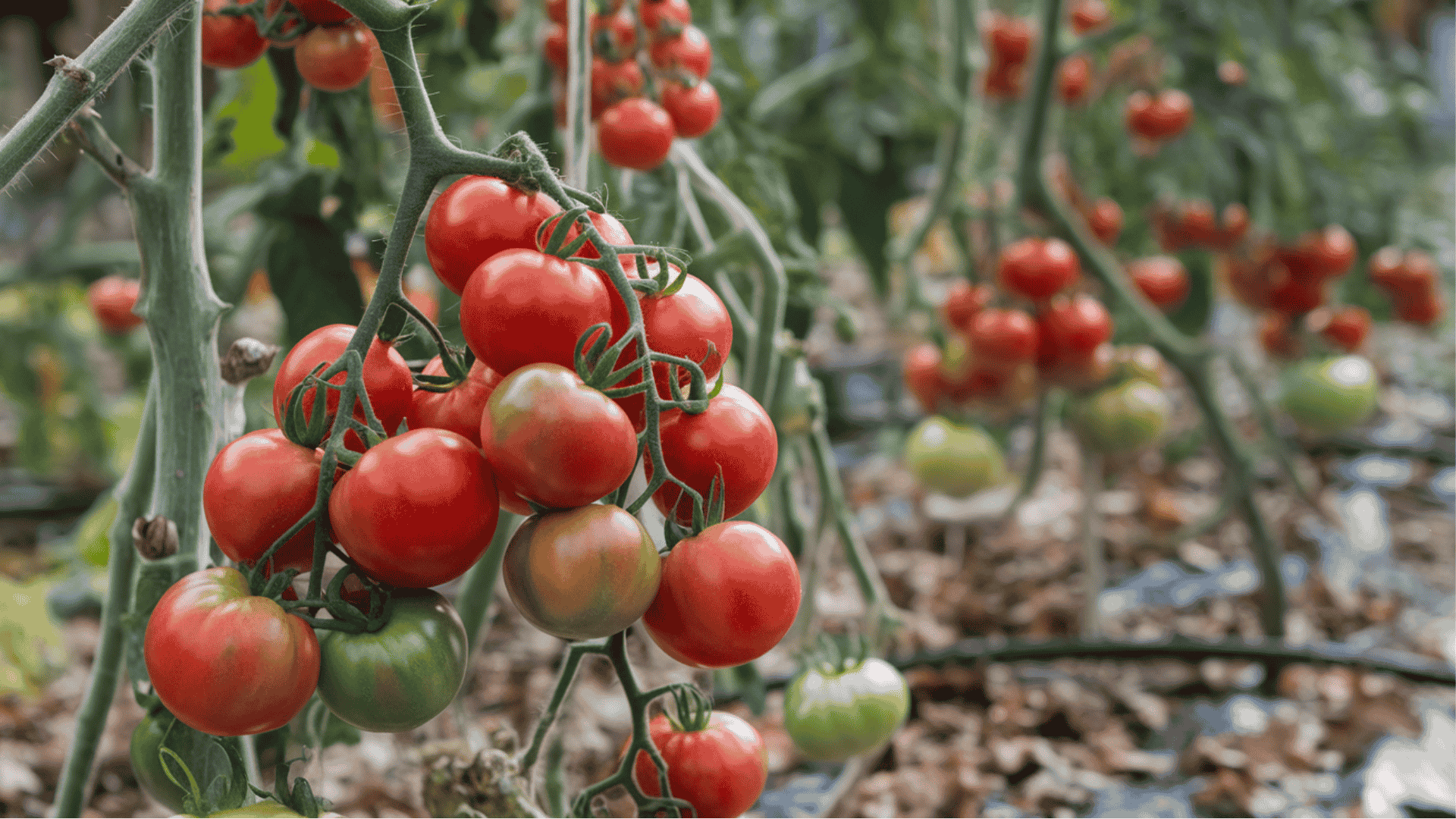
Welcome to the world of homegrown tomatoes!
If you’re new to gardening, you’ve picked the perfect crop to start with. Tomatoes rank as America’s favorite backyard vegetable, grown in millions of gardens across the country.
But knowing when to plant can make or break your harvest. Plant too early, and frost kills your seedlings. Plant too late, and you’ll miss the best growing season.
Getting the timing right isn’t hard once you know the basics. This guide covers everything you need to know about when to plant tomatoes, whether outdoors, in greenhouses, or in containers.
Ready to grow the best tomatoes of your life? Let’s get started!
Why Timing is Everything for Planting Out Tomatoes
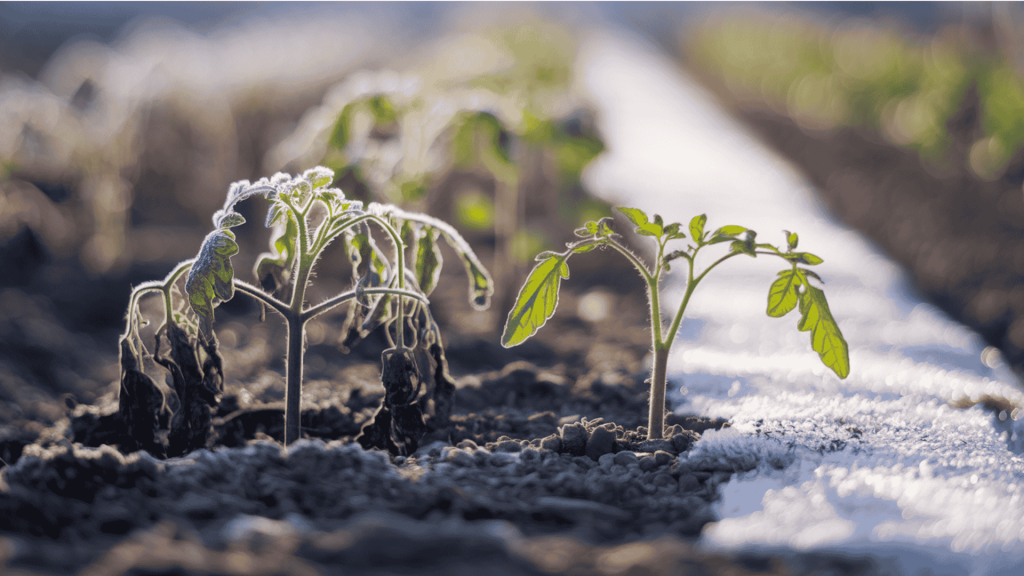
Tomatoes are warm-weather lovers. They simply cannot handle cold temperatures or frost. Even a light frost can damage or kill your tomato plants overnight.
Here’s what happens when you get the timing wrong:
Plant too early: Frost kills your seedlings. Cold soil stunts root growth. Your plants become weak and produce fewer tomatoes.
Plant too late: Shorter growing season means fewer tomatoes. You might miss the best harvest months before fall frost arrives.
Several factors that you should know for planting tomatoes:
- Last frost date in your area
- Soil temperature (needs to stay above 60°F)
- Your local regional climate patterns
- Night temperatures are staying consistently warm
The simple rule to remember: Only plant tomatoes outdoors when nighttime temperatures stay above 50°F for at least a week. This ideal tomato planting temperature ensures your plants won’t get shocked by sudden cold snaps.
Getting the timing right sets you up for healthy plants, bigger harvests, and sweeter tomatoes all season long.
Curious about the full journey of how tomatoes are grown? Check out this detailed guide here to see the entire process from seed to harvest.
When to Plant Tomatoes by Climate Zone
Knowing your region’s climate zone and frost dates is key to planting tomatoes at the optimal time. These dates give you a reliable starting point, helping you avoid frost damage and enjoy a longer, healthier harvest.
| Region / Zone | Typical Last Frost | Typical First Frost | Tips for Tomato Planting |
|---|---|---|---|
| Zone 5 (North – MN, ME, etc.) | Mid–late May | September | Short growing season? Start seeds indoors early and transplant in late spring. |
| Zone 7 (Mid-Atlantic – VA, TN, etc.) | April | October | Moderate season, good for multiple tomato plantings. |
| Zone 9 (South – FL, TX, etc.) | Feb–March | Nov–Dec | In a long growing season, you can plant early and harvest late. |
| Coastal Areas | Varies, often April–May | Oct–Nov | Milder temps, longer harvest window. |
| Desert Regions (AZ, NV, etc.) | Feb–March | Nov | Early planting is possible, but protect plants from extreme summer heat. |
Please note that these dates are general guidelines only. Every garden has its own ‘microclimate.’ Your backyard may be warmer or cooler than the average temperature forecast for your zone.
That’s why the most reliable way to know when to plant tomatoes is to check your local last frost date using extension websites, gardening apps, or by asking local gardeners.
When to Plant Tomatoes Outdoors
The golden rule for planting tomatoes outdoors is simple: Wait 1-2 weeks after your last frost date. This safety buffer protects your plants from surprise late frosts.
But frost dates aren’t the only factor. Your soil needs to be warm as well. Tomato roots grow best when the soil temperature stays above 60°F. Cold soil slows root development and weakens your plants.
Before transplanting seedlings outdoors, you must harden them off. This means gradually exposing indoor-grown seedlings to outdoor conditions over 7-10 days. Start with 1-2 hours outside, then increase daily.
Here’s the best time to plant tomatoes by region:
| Region | Best Planting Time | Example States/Areas |
|---|---|---|
| Northeast & Midwest | Late May to early June | New York, Pennsylvania, Ohio, Michigan, Wisconsin |
| Southern States | March to April | Georgia, Alabama, South Carolina, North Carolina |
| West Coast | Varies by location | California: March to May Pacific Northwest: Late May to June |
| Mountain States | Late May to mid-June | Colorado, Utah, Idaho (check elevation effects) |
Don’t worry if you’re a beginner – even experienced gardeners sometimes get caught by unexpected weather. Start with hardy varieties and keep row covers handy for protection.
The key is watching both air and soil temperatures, not just calendar dates.
When to Plant out Tomatoes in Greenhouses or Indoors
Growing tomatoes indoors or in greenhouses offers significant benefits. You get a longer growing season, earlier harvests, and protection from unexpected weather.
The primary advantage is that you can control the temperature, allowing you to start planting weeks or even months earlier than outdoor gardeners.
Safe Planting Temperatures Inside:
- Air temperature: 65-75°F during the day, 60-65°F at night
- Soil temperature: Above 60°F consistently
- No frost concerns since you’re protected
Unheated Greenhouses: Start planting 2 to 4 weeks prior to your outdoor planting date. The structure provides wind protection and traps some heat, but you still need to be mindful of cold snaps.
Heated Greenhouses: Plant anytime once you maintain proper temperatures. Many gardeners start seeds in January or February for spring transplants.
Indoor Growing Tips:
- Use grow lights if natural light is limited
- Heat mats help warm the soil for faster germination
- Good ventilation prevents disease problems
- Start with compact varieties that fit your space
When to plant tomatoes in a greenhouse depends on your heating setup. With heat, you can grow year-round in most climates. Without heat, follow outdoor guidelines but add 2 to 4 weeks to the schedule.
Growing Tomatoes in Containers and Small Spaces
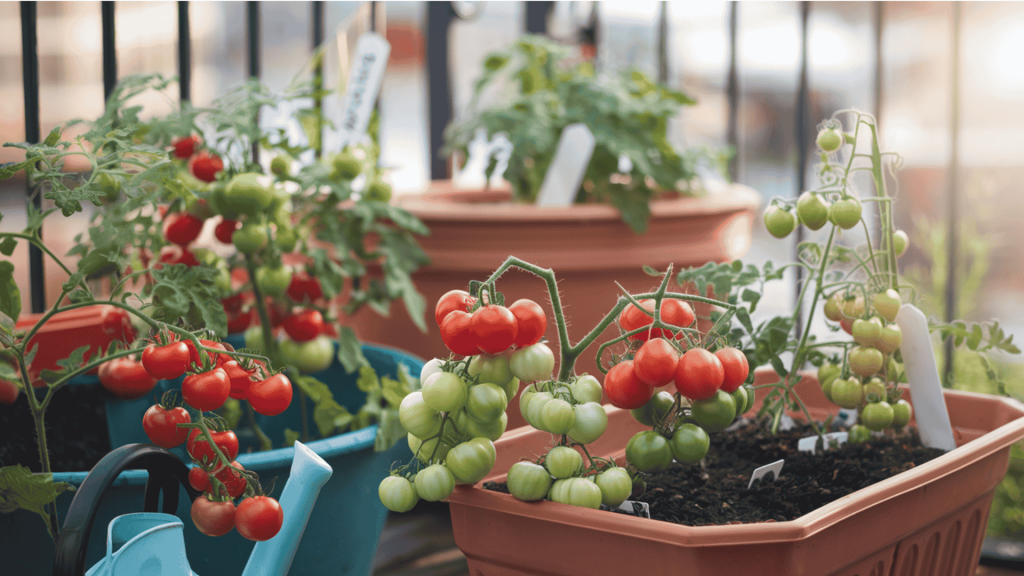
Growing tomatoes in pots is perfect for new gardeners. Containers give you complete control over your plants’ environment and growing conditions.
The biggest advantage is flexibility. You can move containers indoors during cold snaps or storms. This means you can start planting earlier and extend your season longer than ground gardeners.
Timing Differences with Containers
- Soil warms faster in pots than in garden beds
- You can move plants to sunny spots as needed
- Protection from ground frost (containers sit above cold soil)
- Start 1 to 2 weeks earlier than garden planting dates
Container Growing Benefits for Beginners
- No digging or soil preparation needed
- Easier pest and disease management
- Perfect for apartments and small spaces
- Less weeding required
Best Tomato Varieties for Pots and Balconies
- Cherry tomatoes (Sweet 100, Patio Princess)
- Determinate varieties (Roma, Celebrity)
- Dwarf types (Tiny Tim, Red Robin)
- Bush varieties that don’t need tall supports
Balcony tomato gardening is highly effective, even in small spaces. Use 5-gallon containers minimum for full-size plants. Smaller pots work fine for cherry tomatoes.
The movable nature of containers makes them ideal for beginners who want to experiment without committing to permanent garden space.
What Can Be Planted with Tomatoes and What to Avoid
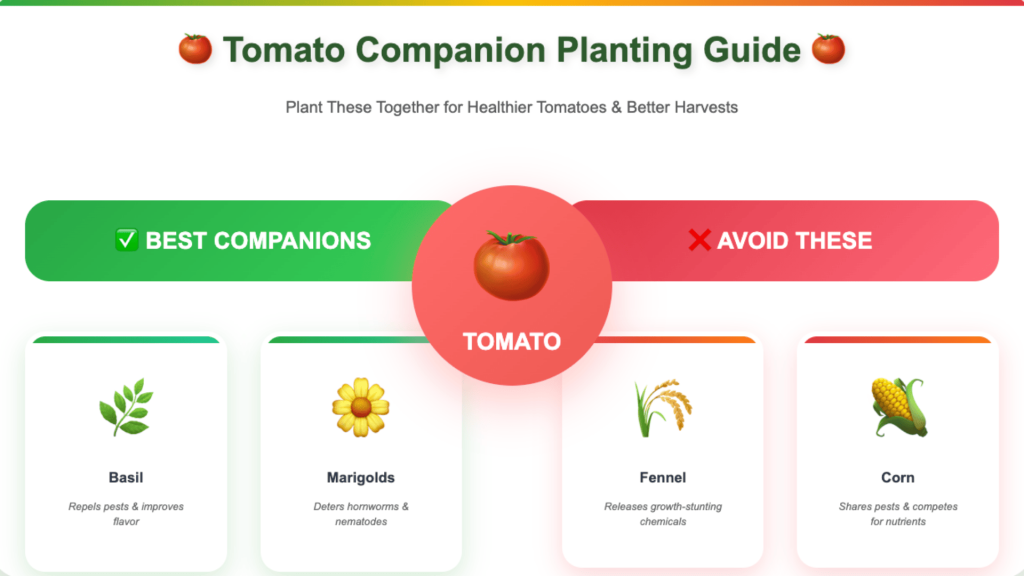
Tomatoes thrive best when they’re paired with the right garden neighbors. Some plants can boost their growth, flavor, and resilience, while others may invite pests or compete for nutrients.
Best Companion Plants
Basil: This is one of the best companions for tomatoes. It repels common pests, such as aphids and mosquitoes, while also enhancing the flavor of your tomatoes.
Marigolds: These cheerful flowers protect tomatoes by deterring nematodes and hornworms. They also attract pollinators, which improves fruit production.
Carrots: Carrots grow well under tomato plants, making good use of space. Their roots help loosen compact soil, allowing tomato roots to spread more easily.
Lettuce & Spinach: Leafy greens thrive in the shade of taller tomato plants. They don’t compete for nutrients aggressively and help keep the soil cooler and moister.
Plants to Avoid Near Tomatoes
Fennel: It secretes compounds that stunt tomato growth and attract pests. It’s best to plant fennel far from your vegetable beds.
Corn: It attracts tomato fruitworms and corn earworms, which can quickly damage your tomato crop. Its tall stalks also cast too much shade.
Potatoes: Potatoes and tomatoes are both nightshades, which means they share the same diseases, especially blight. Planting them together increases the risk of outbreaks.
Cabbage Family: These heavy feeders compete with tomatoes for vital nutrients in the soil. As a result, both crops may end up stunted and less productive.
Think of companion planting as a form of garden matchmaking. Pair your tomatoes with helpers like basil, marigolds, or carrots, and steer clear of crops like fennel, potatoes, and corn.
With the right companions, your tomato plants will remain healthier, resist pests, and yield a bigger, tastier harvest.
Conclusion
Timing is everything when growing tomatoes. The difference between a successful harvest and plant failure comes down to understanding your local climate and frost dates.
The key factors for success include waiting for nighttime temperatures above 50°F, ensuring soil reaches 60°F, and planting 1 to 2 weeks after your last frost date.
Whether you choose outdoor gardens, greenhouse growing, or container planting, these temperature guidelines remain constant.
Remember to harden off seedlings, prepare your soil properly, and avoid common mistakes like overcrowding or inadequate support structures. Use natural signals and soil thermometers to confirm the right planting conditions.
With proper timing and preparation, you’ll enjoy fresh, homegrown tomatoes throughout the growing season.
So grab your trowel and get planting! Your best tomato harvest is waiting.