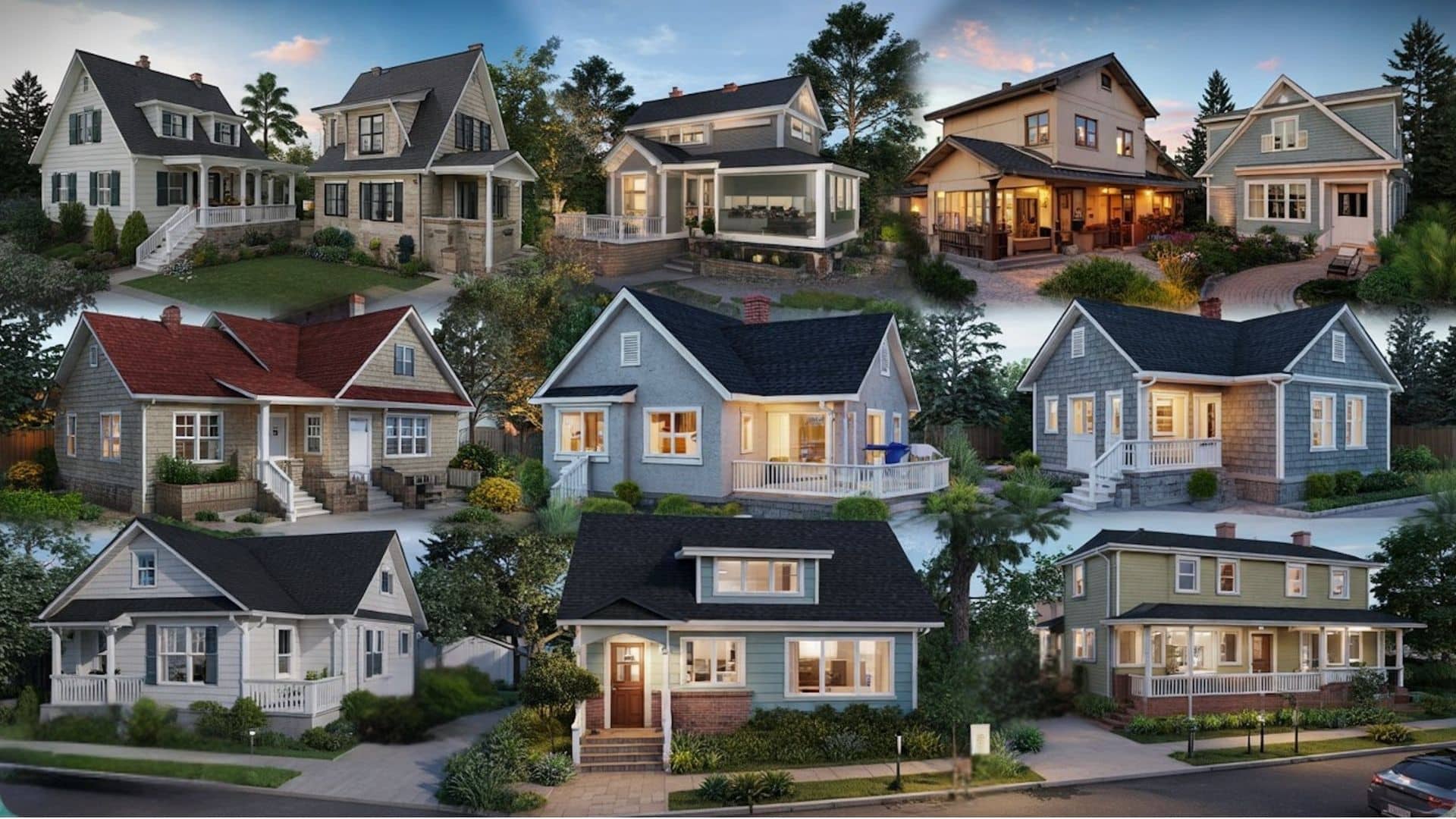

Finding the right home is one of the most important decisions you’ll make in life. With so many options available, learning about the different types of houses can help you make an informed choice that fits your lifestyle and budget.
From traditional single-family homes to modern tiny houses, each style offers unique advantages and considerations.
Some prioritize space and privacy, while others focus on affordability and low maintenance.
Location, climate, and personal preferences also play significant roles in determining which housing option works best for you.
This comprehensive guide breaks down the popular types of houses, highlighting their key features and benefits.
By the end, you’ll have a clearer sense of what each style offers and how to match your needs with the right property type.
Types of Houses
Choosing the right home starts with understanding your options. From classic architectural styles to modern living solutions, each house type is unique in its own way.
1. Craftsman House
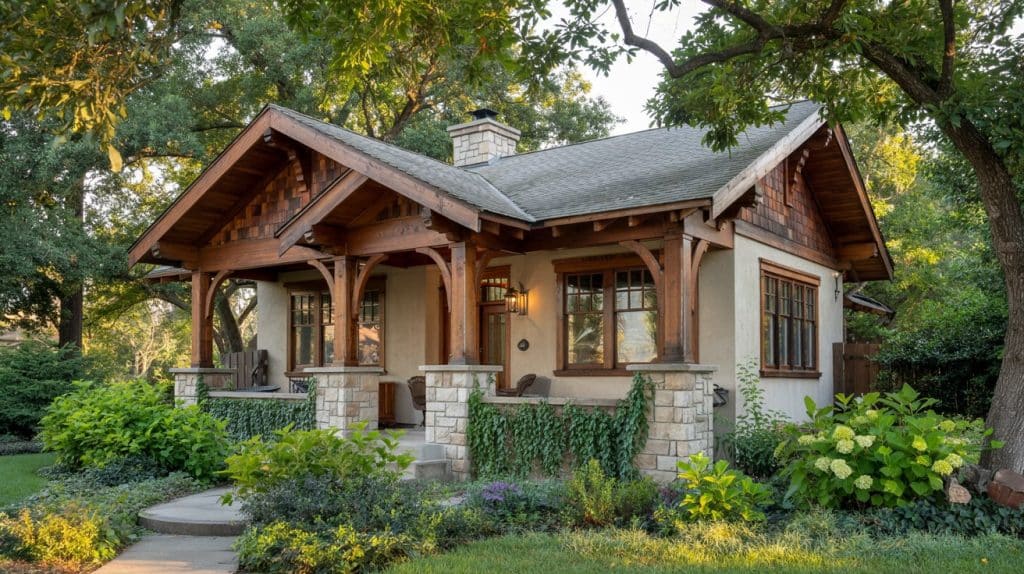
Craftsman homes emphasize quality construction and natural materials with distinctive architectural details. They’re perfect for buyers who appreciate traditional craftsmanship and cozy designs.
Key Features:
- Exposed wooden beams and built-in cabinetry
- Low-pitched roofs with wide eave overhangs
- Large front porches with tapered columns
2. Duplex / Multi-Unit House
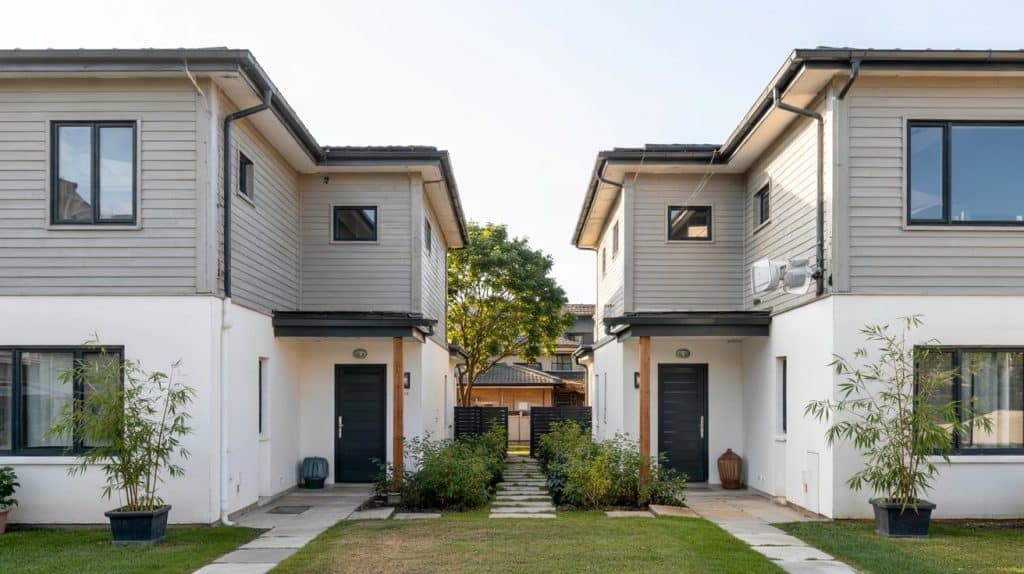
A duplex consists of two separate living units within a single building structure, while triplexes and fourplexes contain three or four units.
These multi-unit properties offer flexibility for owners and provide manageable investment opportunities.
Key Features:
- Two to four independent residential units sharing one structure
- Side-by-side or stacked unit configurations
- Separate utilities and entrances for each unit
3. Mediterranean House
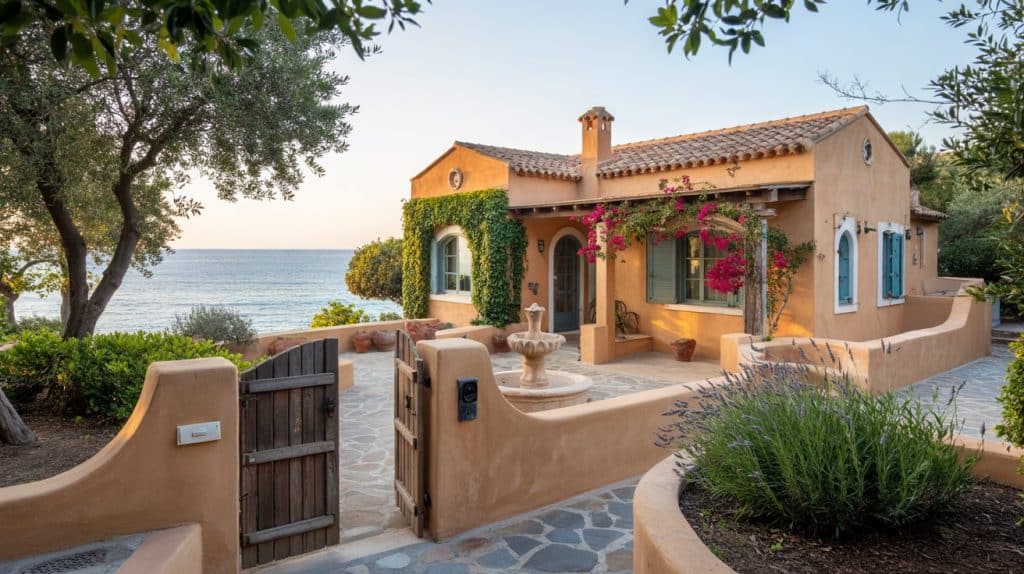
Mediterranean-style homes draw inspiration from coastal regions of Spain, Italy, and Greece. They create a resort-like atmosphere with refined architectural elements.
Key Features:
- Stucco or plaster exterior walls in earth tones
- Red clay or terracotta tile roofing
- Arched doorways and windows
4. Townhouse / Row House
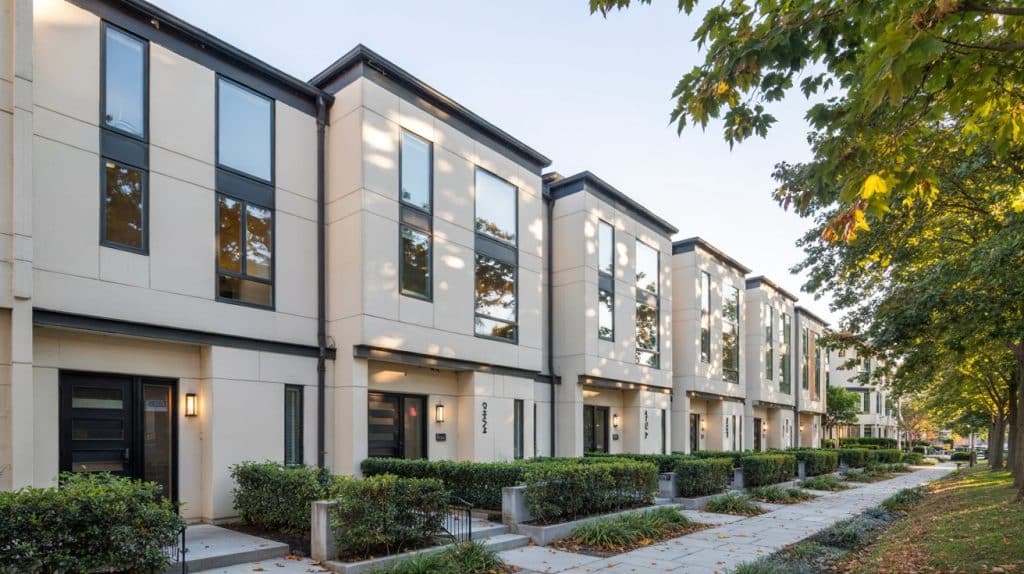
Townhouses are multi-story homes attached to neighboring units in a row configuration. They offer a balance between affordability and space with minimal exterior maintenance responsibilities.
Key Features:
- Shared side walls with adjacent properties
- Multiple floors with vertical living layouts
- Private entrances for each unit
5. Luxury Home / Mansion
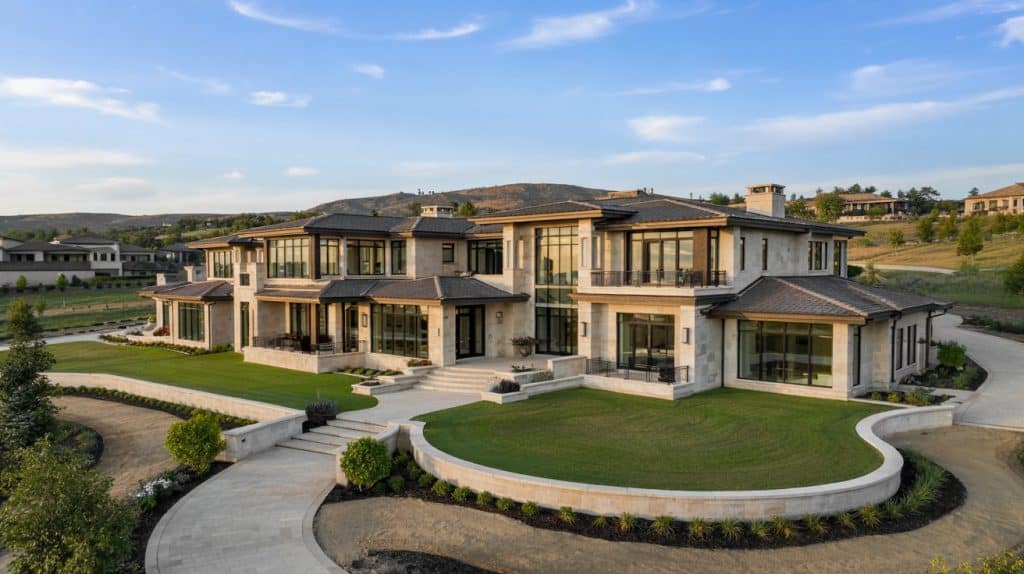
Luxury homes are high-end properties featuring premium materials, custom designs, and expansive square footage. These residences are located in desirable neighborhoods and offer top-tier amenities.
Key Features:
- Large floor plans exceeding 5,000 square feet
- High-end finishes like marble, hardwood, and granite
- Multiple bedrooms, bathrooms, and living areas
6. Colonial House
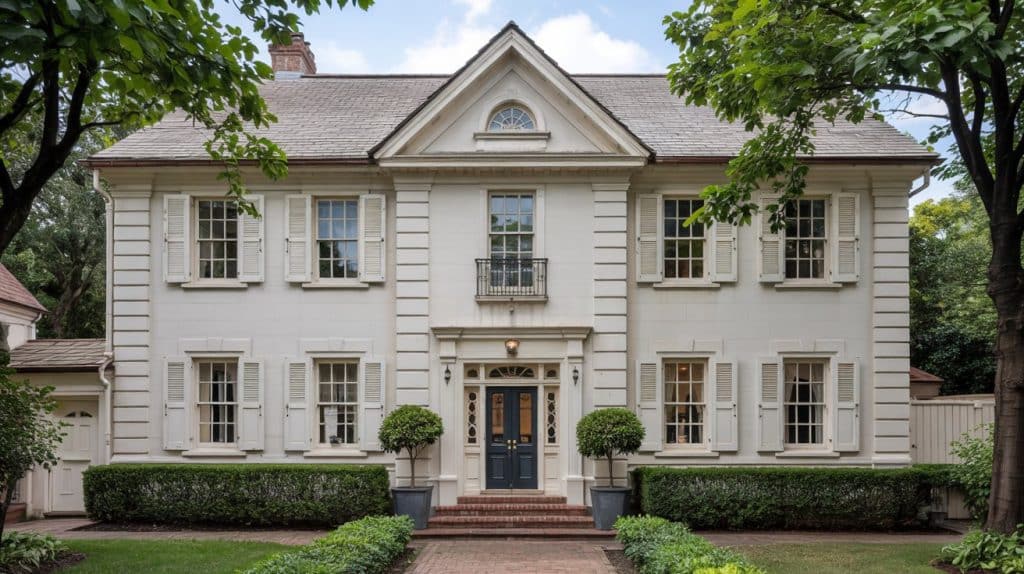
Colonial-style homes reflect traditional American architecture with a symmetric design and a formal layout. These houses became popular during the colonial period and continue to appeal to buyers seeking classic charm.
Key Features:
- Symmetrical façade with centered front door
- Two or three stories with a rectangular shape
- Evenly spaced windows on either side
7. Container Home
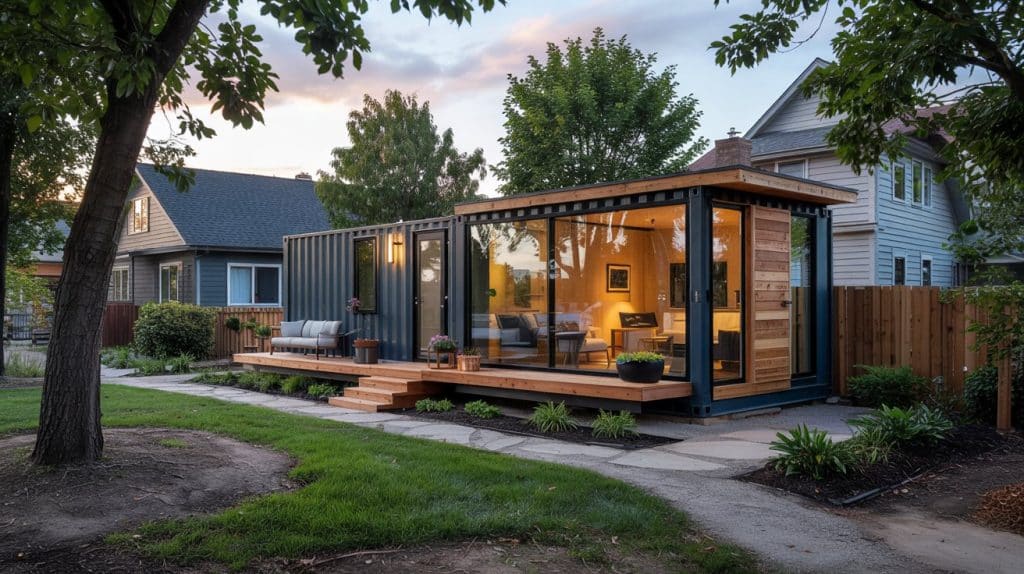
Container homes are constructed using repurposed shipping containers for residential living. These innovative structures have gained popularity for their eco-friendly approach and modern industrial look.
Key Features:
- Built from steel shipping containers
- Cost-effective construction method
- Durable and weather-resistant materials
8. Ranch-Style House
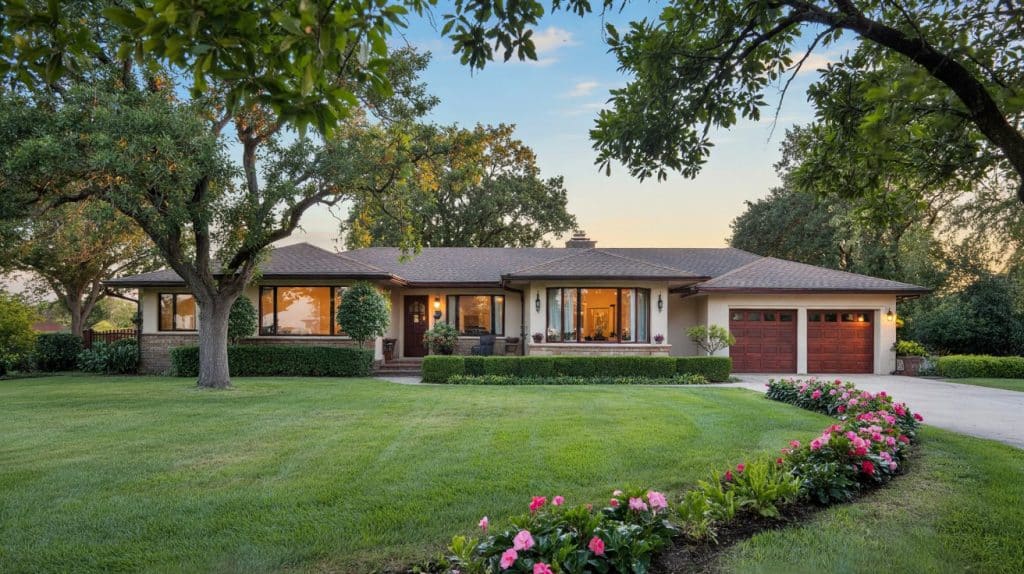
Ranch-style homes feature single-story layouts with long as well as low profiles close to the ground. This design gained widespread popularity in the mid-20th century for its practical and accessible floor plan.
Key Features:
- Single-level living with no stairs
- Open floor plans connecting main living areas
- Attached garages and large windows
9. Apartment
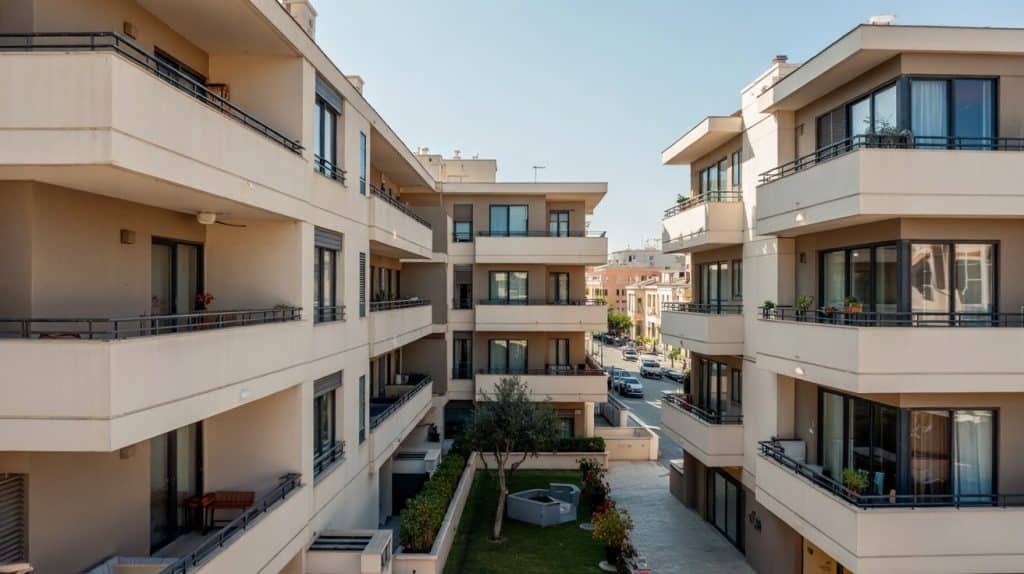
Apartments are individual rental units within larger multi-unit residential buildings. They provide convenient housing options, particularly in urban areas where space is limited and amenities are readily available.
Key Features:
- Rental units managed by landlords or property companies
- Shared building facilities and common areas
- No exterior maintenance responsibilities
10. Tudor House
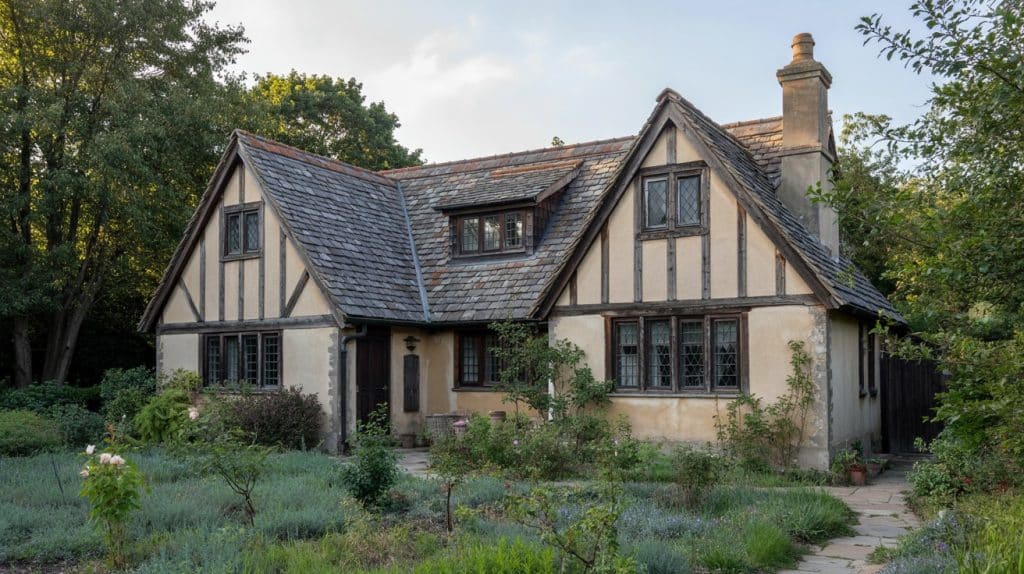
Tudor-style homes showcase typical medieval English architectural elements with theatrical rooflines and decorative half-timbering. These houses stand out in any neighborhood with their storybook appearance and Old World character.
Key Features:
- Steeply pitched gabled roofs
- Decorative half-timbering on exterior walls
- Tall, narrow windows often in groups
11. Manufactured / Mobile Home
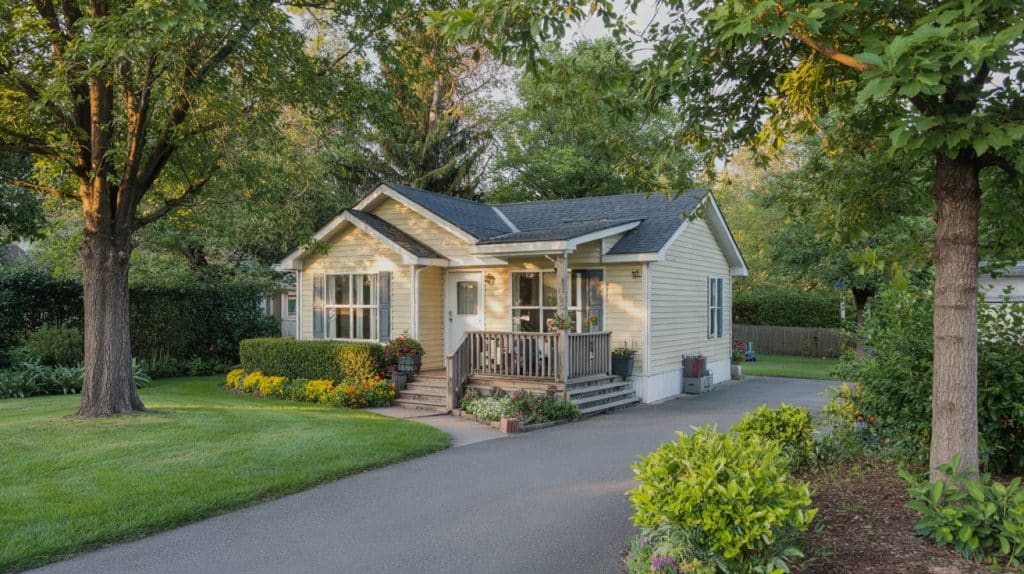
Manufactured and mobile homes are factory-built residences on permanent steel chassis meeting HUD codes. These budget-friendly options can be placed in parks or on private land.
Key Features:
- Built entirely in a controlled factory setting
- Transported as a complete unit to the site
- Lower cost compared to traditional construction methods
12. Detached Single-Family Home
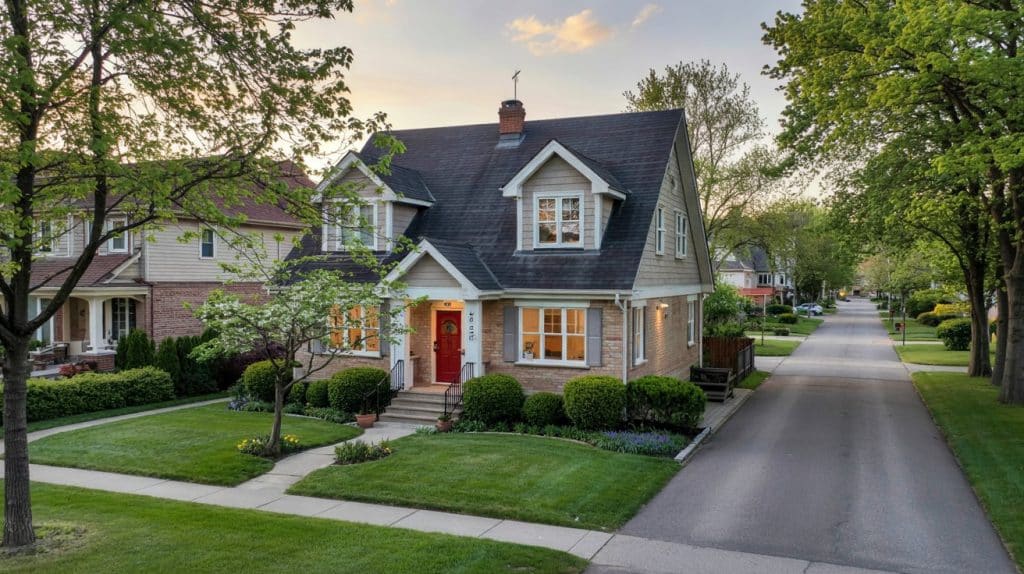
Detached single-family homes are standalone structures with no shared walls or connections to other properties. This is the most common residential option for families seeking complete independence and space.
Key Features:
- Fully independent structure on its own lot
- No shared walls with neighboring properties
- Complete ownership of land and building
13. Cottage
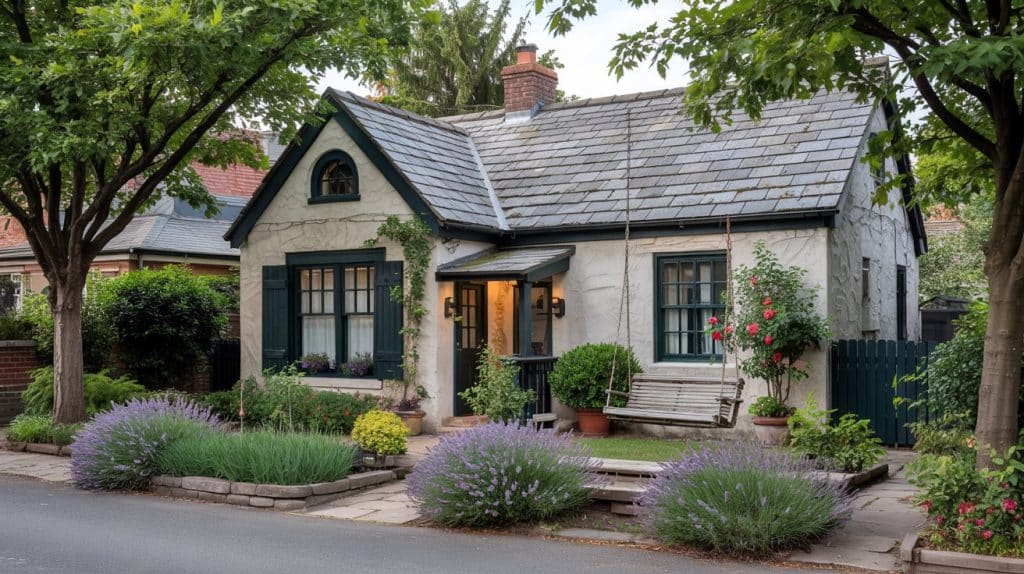
Cottages are small, cozy residences often found in scenic or rural areas. These charming homes emphasize comfort and simplicity, making them popular as vacation retreats or primary residences.
Key Features:
- Compact footprint with efficient use of space
- Quaint architectural details and character
- Often located near water, woods, or countryside
14. Modular Home
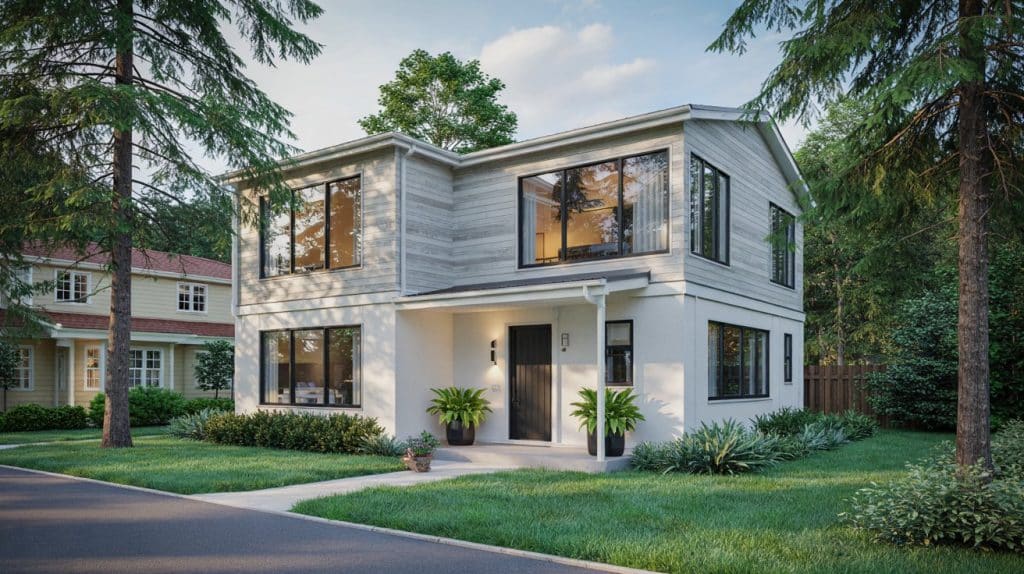
Modular houses are built in factory sections and assembled on-site to create a complete residence. This construction method reduces building time while maintaining quality standards comparable to those of traditional homes.
Key Features:
- Sections constructed indoors under controlled conditions
- Transported and assembled at the final location
- Faster completion than stick-built construction
15. Tiny House
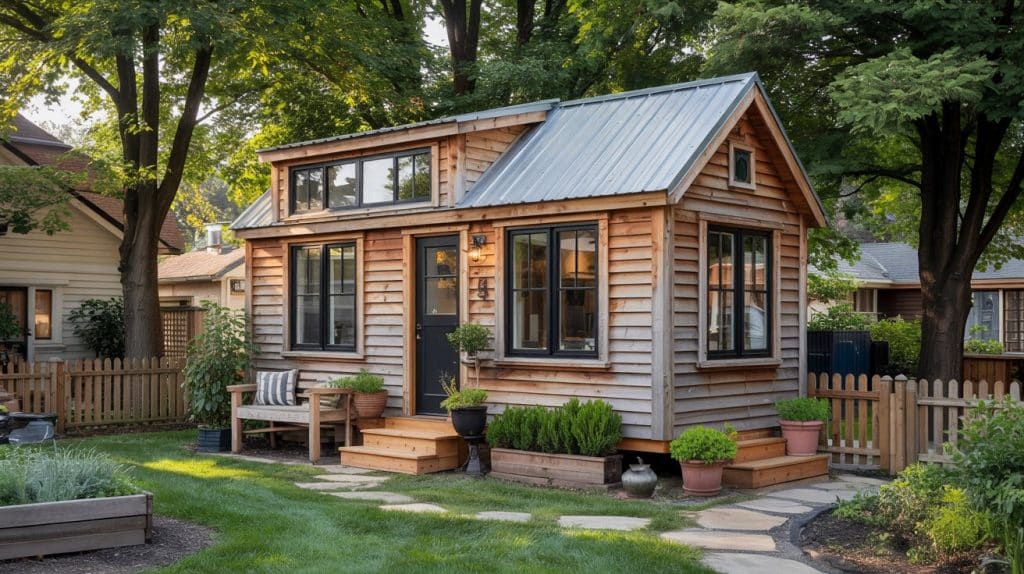
Tiny houses are compact dwellings typically under 400 square feet designed for minimalist living. These small-scale residences have become a movement for those seeking financial freedom and simplified lifestyles.
Key Features:
- Extremely compact living space under 400 square feet
- Multi-functional furniture and storage solutions
- Lower utility bills and reduced environmental impact
16. Victorian House
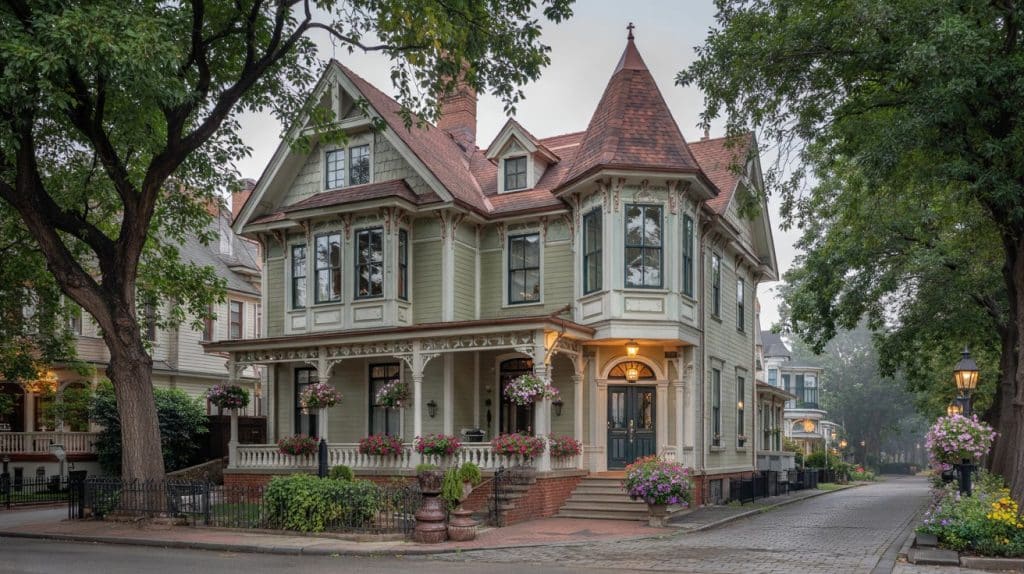
Victorian homes display ornate architectural details and decorative elements from the late 1800s. These historic residences feature intricate craftsmanship and romantic styling, creating visual interest.
Key Features:
- Elaborate trim work and decorative brackets
- Asymmetrical facades with multiple roof lines
- Bay windows and wrap-around porches
17. Condo
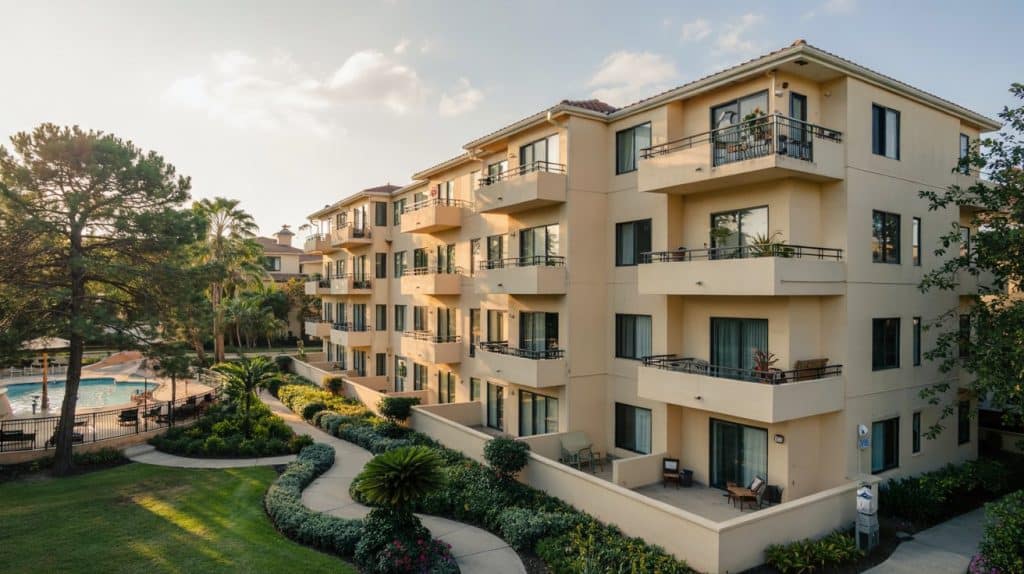
Condos are individually owned units within a larger building or community complex. Owners hold the title to their specific unit while sharing common areas and amenities with other residents.
Key Features:
- Private ownership of interior living space
- Shared amenities like pools, gyms, or clubhouses
- HOA fees cover exterior maintenance and services
18. Cabin
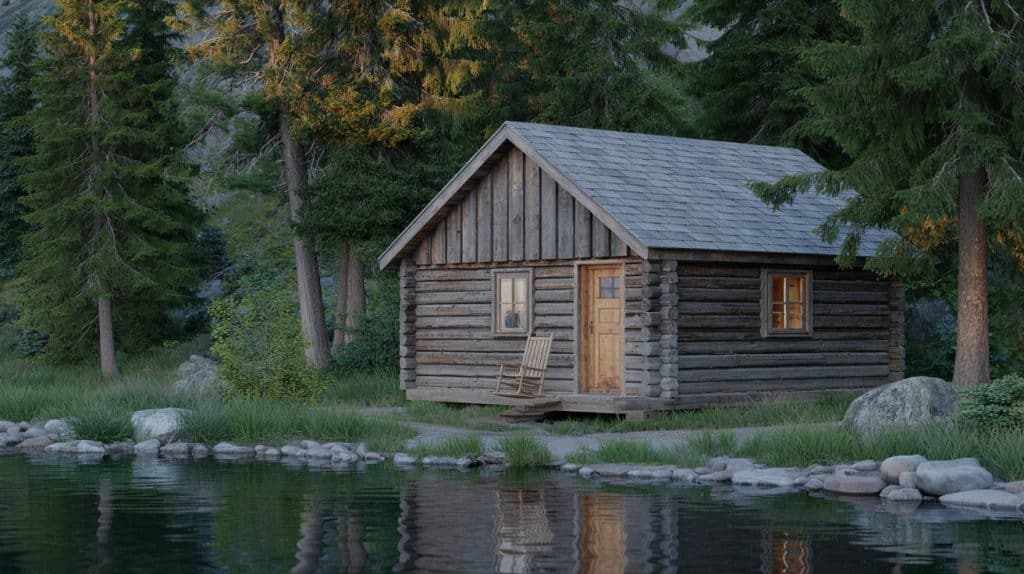
Cabins are rustic homes typically constructed from wood and situated in natural settings. These retreats provide a getaway from urban life and work well as vacation properties or year-round residences.
Key Features:
- Wood or log construction with natural materials
- Located in forests, mountains, or lakeside areas
- Simple, functional layouts with cozy interiors
19. Split-Level House
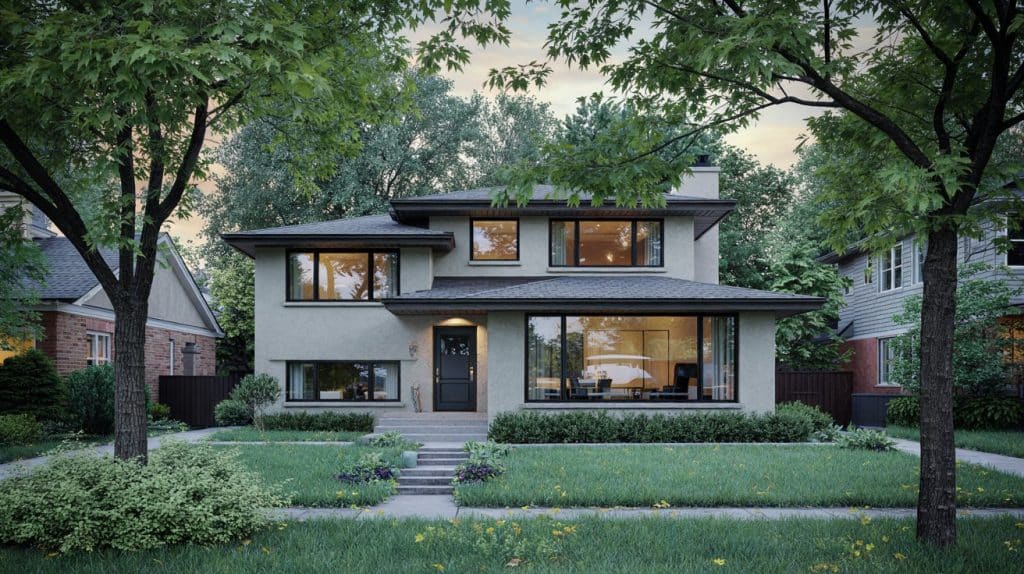
Split-level homes feature multiple floors staggered at different heights, connected by short staircases. This design maximizes vertical space while creating distinct zones for various household activities.
Key Features:
- Staggered floor levels with half-flights of stairs
- Separate zones for living, sleeping, and recreation
- Efficient use of sloped or uneven lots
20. Semi-Detached House
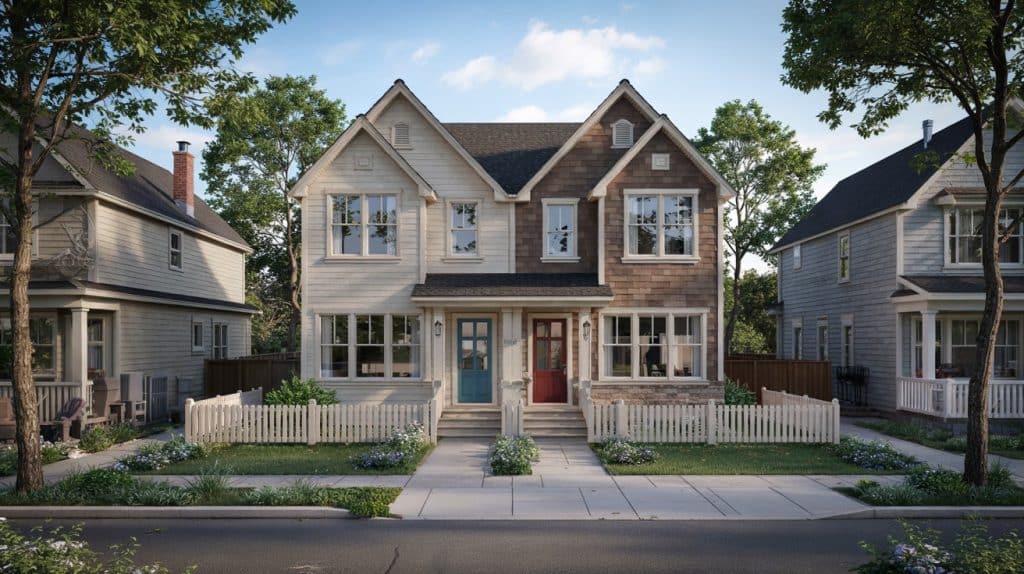
Semi-detached homes share one common wall with a neighboring property while remaining separate structures. This housing style provides a middle ground between fully detached homes and townhouses.
Key Features:
- One shared wall with the adjacent unit
- Independent entrances and separate lots
- More affordable than fully detached properties
21. Farmhouse
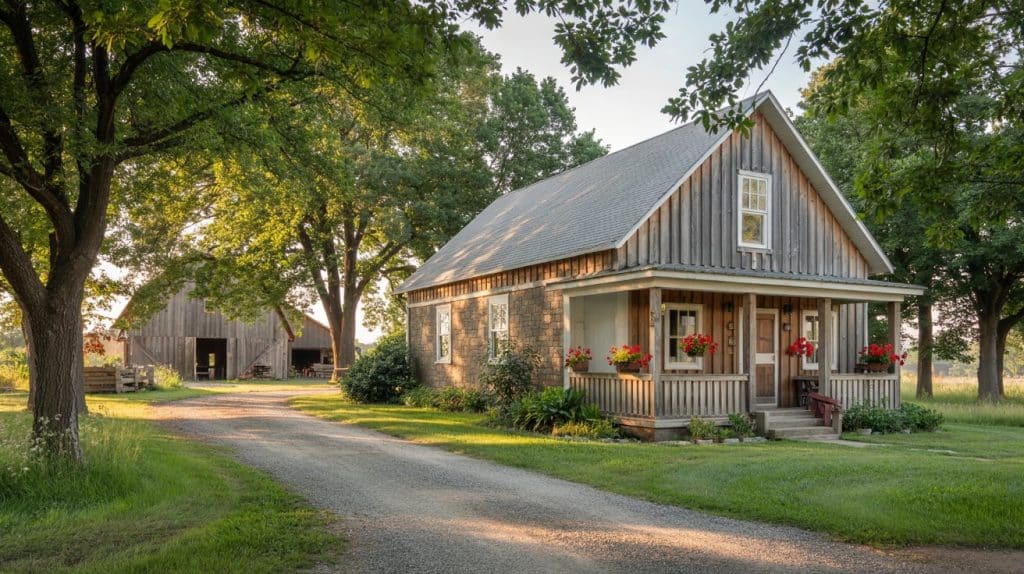
Farmhouses combine functional design with rustic charm and practical living spaces. Originally built on agricultural land, these homes now appeal to buyers seeking country-style living in various settings.
Key Features:
- Large wrap-around or covered front porches
- Simple, rectangular layouts with practical rooms
- Wood siding or board-and-batten exteriors
22. Cape Cod House
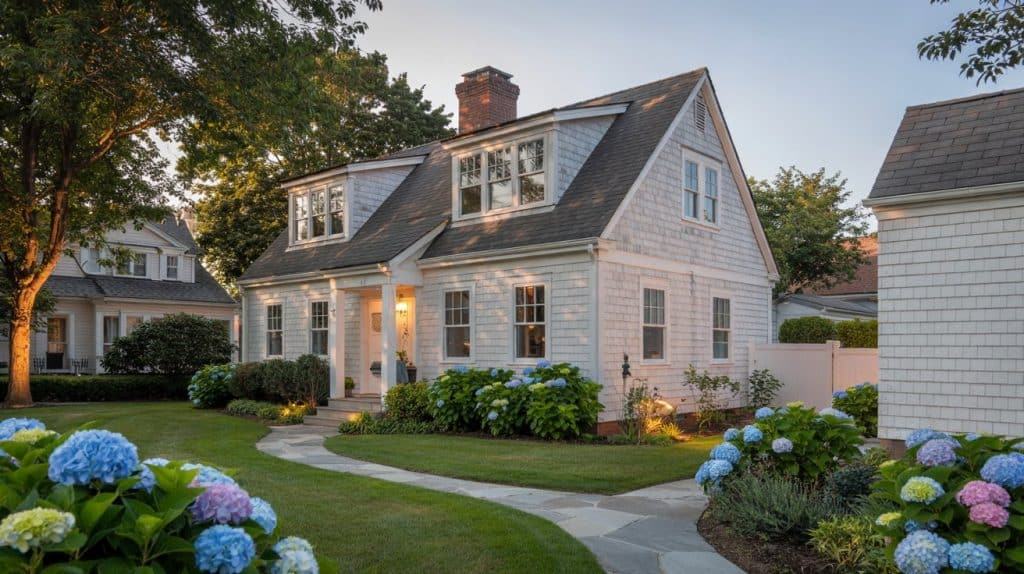
Cape Cod homes originated in New England with practical designs suited for harsh coastal weather. These symmetrical residences feature steep roofs and modest exteriors that have become iconic American architecture.
Key Features:
- Steeply pitched roofs to shed snow and rain
- Central chimney and symmetrical window placement
- One to one-and-a-half stories with dormer windows
23. Bungalow
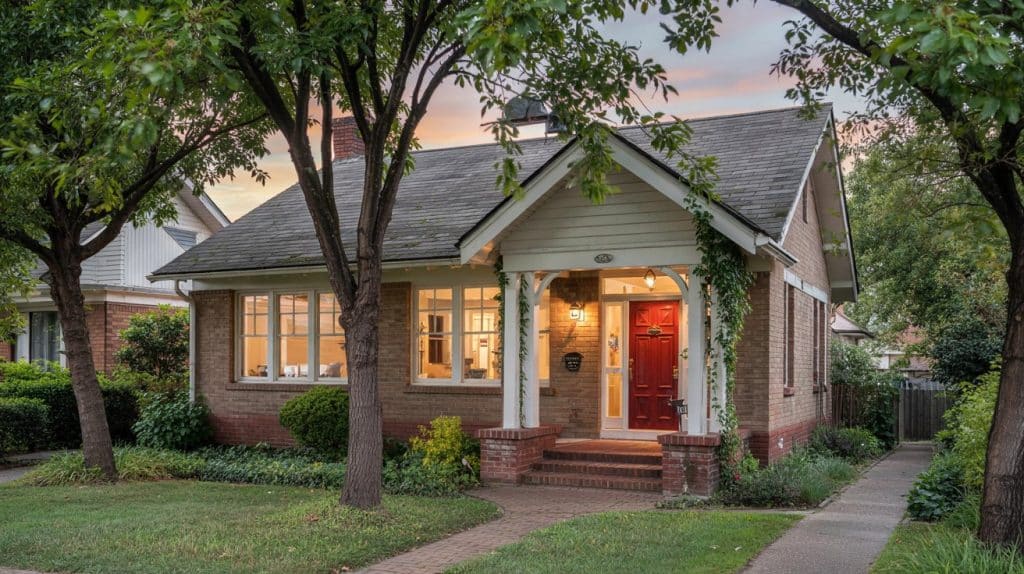
Bungalows are single-story homes with compact footprints and efficient layouts. These practical residences gained popularity in the early 20th century and remain ideal for those seeking easy maintenance and accessibility.
Key Features:
- Single-level living with all rooms on one floor
- Low-pitched roofs and wide eaves
- Front porches with columns or supports
Now that you’re familiar with the available housing options, the next step is to determine which one best aligns with your specific needs and circumstances.
How to Choose the Best House Type?
Selecting the right home depends on several important factors that align with your current and future needs. Start by evaluating your budget, including purchase price, maintenance costs, and potential HOA fees.
Consider your lifestyle preferences. Do you value outdoor space, low maintenance, or urban convenience? Location matters too, as climate and neighborhood amenities influence which housing styles work best.
Think about long-term plans like family growth, aging in place, or resale value. Match these priorities with the features of each house type to find your ideal fit.
Conclusion
Knowing the various types of houses available helps you make a confident and informed decision about your next home.
Each residential style offers distinct benefits, from the classic charm of Craftsman homes to the modern efficiency of tiny houses and the investment potential of multi-family properties. Your perfect home balances practical needs, personal preferences, and financial considerations.
Take time to explore different types of houses, visit properties, and envision your daily life in each space. Consider important factors like maintenance requirements, location advantages, climate suitability, and long-term resale value.
With this comprehensive knowledge of residential options, you’re better equipped to find a home that truly fits your lifestyle and supports your goals for years to come.