
Do You Really Need a Permit for Your Feature Wall? (Probably Not… But Sometimes Yes.)
Feature walls are the gateway drug of home projects.
One minute you’re innocently painting a little “accent” wall, and the next thing you know you’re googling “how to install wood slats” at 11:47 p.m. while holding a tape measure in your teeth like a raccoon with a Pinterest board.
So let’s talk about the unsexy but very real question: do you need a permit for a feature wall?
Most of the time: nope.
But the times you do need one? Those are the times that can turn your cute weekend project into a “why is the city telling me to undo my entire life” situation.
Let’s keep you out of that.
The quick answer (the one you actually came for)
You usually DON’T need a permit if your feature wall is:
- paint, wallpaper, peel and stick anything
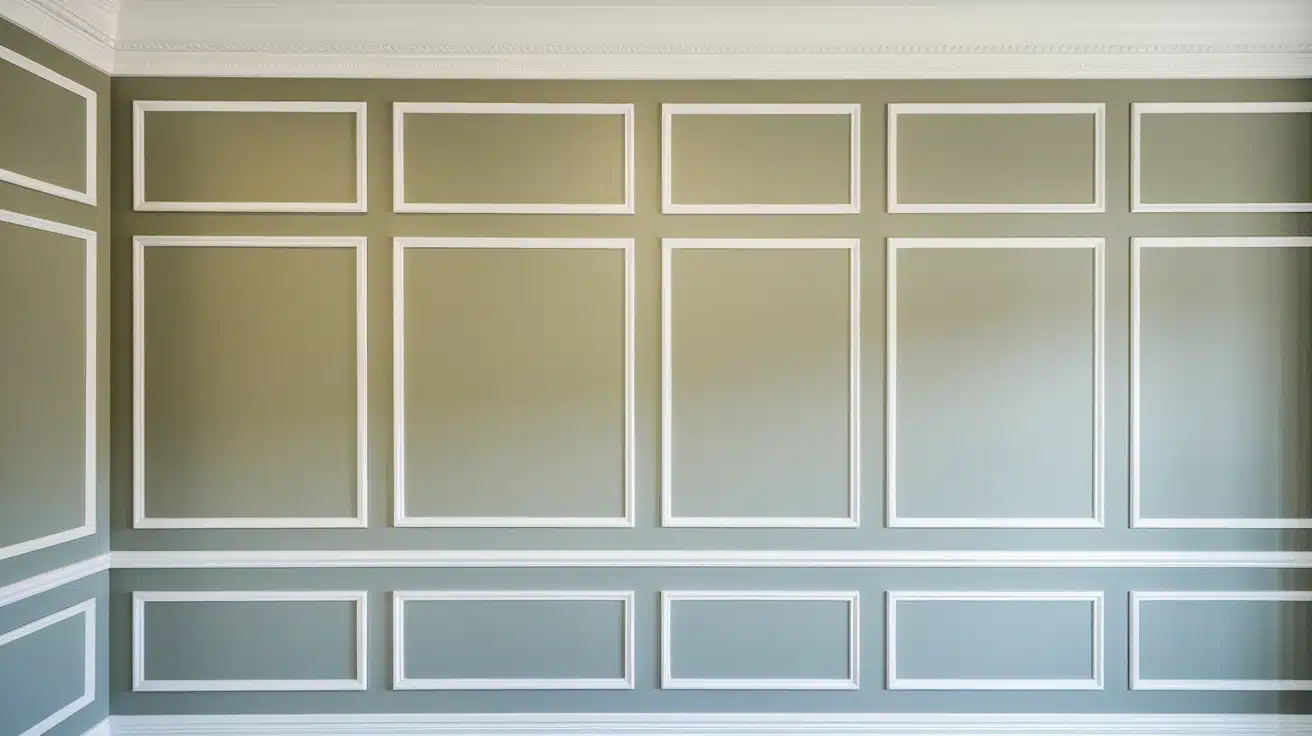
- shiplap, beadboard, wainscoting, picture frame molding
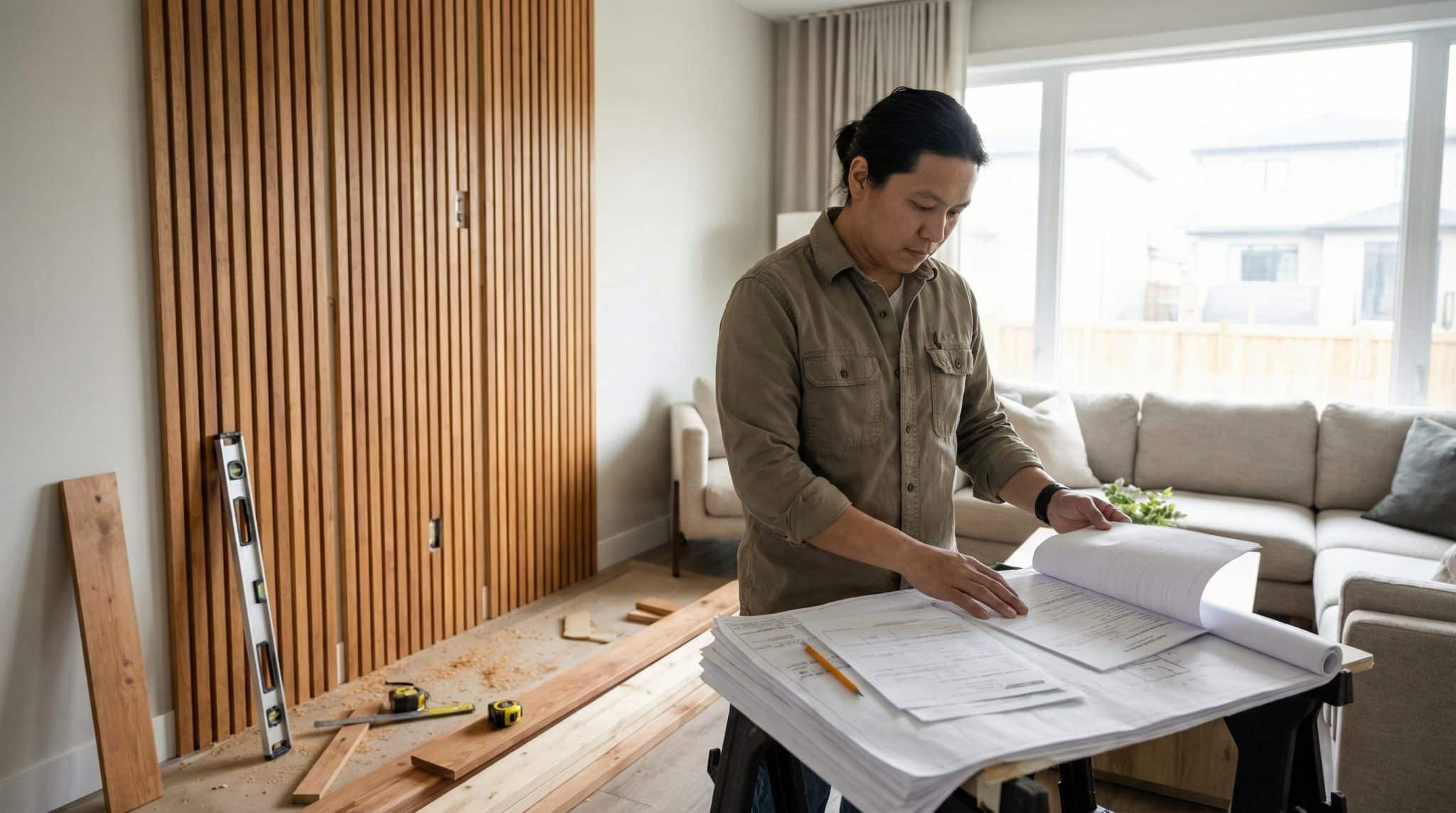
- wood slats or decorative panels screwed/nail gunned into studs
- lightweight faux brick/stone veneer (the foam-ish or thin stuff, not the “this belongs on a castle” stuff)
- plug in lighting or battery powered picture lights / LED strips
You usually DO need a permit if your feature wall involves:
- messing with a load bearing wall (cutting openings, removing framing, etc.)
- new electrical (new circuit, new hardwired fixture, new recessed outlets behind a TV)
- plumbing or gas (wet bar, sink, pot filler, built in gas fireplace… you get the idea)
- HVAC changes (moving a vent, adding a return, altering ducting)
- turning a space into a new “room use,” like making a legal bedroom (hello, egress rules)
And then there’s the wild card: HOAs, condos, and historic districts the holy trinity of “surprise, there are extra rules.”
The real deciding factor: are you staying cosmetic, or are you going “inside the wall”?
Here’s my very scientific method:
If you’re just adding pretty stuff on top of the wall…
You’re usually in the clear. You’re basically putting the wall in a cute outfit.
Paint? Outfit.
Wallpaper? Outfit.
Trim? Jewelry.
Wood slats? A dramatic cape.
No permit needed in most places because you’re not changing how the house works you’re just changing how it looks.
If you’re cutting, rewiring, rerouting, or re-engineering…
That’s when permit world starts circling like a shark that smells blood in the water.
The moment you say things like:
- “We’ll just move this outlet real quick…”
- “What if we add sconces?”
- “It’ll be easy to open this up…”
- “I think this wall is probably not load bearing…”
…you might need permits, and you definitely need a deep breath.
“Wait… is my wall load bearing?” (aka: the question that causes grown adults to sweat)
If your feature wall plan is purely surface level, you can stop reading this section and go back to picking paint swatches like a normal person.
But if you’re planning to cut into the wall, create a big recessed niche, widen an opening, remove studs, etc. you need to know what you’re dealing with.
Here’s the not too scary version:
- Load bearing wall: holds up weight from above (roof, floor, beams). Messing with it often requires a permit and sometimes an engineer.
- Non-load bearing wall: basically a divider. Still can contain electrical/plumbing, but it’s not holding up your house like Atlas.
Clues a wall might be load bearing:
- It lines up with a wall directly above/below it (stacked through floors).
- In the basement/attic, the joists run into it or there’s a beam/post situation happening nearby.
- It’s a big central wall in the house that seems suspiciously important.
And my favorite clue:
- You’re saying, “It’s probably fine,” while your eye twitches.
If you’re truly unsure and your project goes beyond cosmetics, ask a pro (contractor or structural engineer). This is not the place for vibes.
The “don’t accidentally trigger permits” checklist (5 minutes, tops)
Before you buy twelve boxes of slat panels and rent a nail gun like you’re starring in your own HGTV pilot, do this:
- Describe the project in one sentence.
Example: “I’m installing MDF picture frame molding and painting it.” - Ask yourself: am I adding/changing anything electrical, plumbing, gas, or HVAC?
If yes → you’re likely in permit territory for that part. - Ask yourself: am I opening the wall or changing framing?
If yes → pause and verify. - Do you live under The Rule Makers? (HOA, condo board, historic district)
If yes → you may need approval even if the city doesn’t care. - Make one quick call to your local building department and get it in writing (more on that below).
That’s it. That’s the whole strategy. No 47 step flowchart required.
The sneaky stuff that does require permits (even when your wall is “just decorative”)
This is where people get tripped up, so let me give you a few super common scenarios:
1) “It’s just a feature wall… with hardwired sconces.”
Hardwired = electrical permit in many areas, especially if you’re adding a circuit or running new wire inside the wall.
Plug in sconces with a cord that goes to an existing outlet? Often fine (and honestly a great workaround).
2) “We’re mounting a TV and adding outlets behind it.”
New outlets or moving outlets commonly requires a permit/inspection when you’re thinking about TV placement by fireplace. Not always, but often enough that it’s worth checking.
3) “We’re doing a stone wall.”
Lightweight faux stone? Usually fine.
Actual heavy stone veneer? That can become a structural/load issue fast. If your wall is about to gain the weight of a baby elephant, someone official may want to talk to you about it.
4) “We’re making this a bedroom now.”
If your feature wall is part of a room conversion (like turning a basement nook into a legal bedroom), code stuff kicks in especially egress (that’s the “can you escape in an emergency” rule, usually involving window size and access).
The other approvals people forget (and then regret)
Even if the city doesn’t require a permit, you might still have to answer to…
HOA rules (aka: the décor police with paperwork)
If you’re in an HOA, skim your CC&Rs and ask what needs approval. Some HOAs don’t care about interior changes. Some absolutely do especially anything that affects exterior appearance or noise/work hours.
And yes, it is deeply annoying to get fined for something inside your own home. Ask me how I know. (Spoiler: I once watched a neighbor have to redo something they’d already finished. Brutal.)
Condos/co-ops (because “your wall” might not be your wall)
In condos, walls can contain common elements (shared plumbing stacks, electrical runs, structural components). Your building may require board approval even for interior changes.
If you share a wall with neighbors (party wall), be extra careful about anything involving wiring, cutting, or soundproofing assemblies.
Historic districts (the place where time slows down)
If your home is in a historic district, you may need a Certificate of Appropriateness for changes sometimes even for things that feel “interior,” depending on visibility and local rules.
Also: historic review timelines can stretch. If you’re on a tight schedule, find out early so you’re not sitting on a pile of materials for two months whispering, “It was supposed to be a weekend project…”
Exactly how to verify your local rules (without spiraling)
You don’t need to write a dissertation. You just need a simple, clear description.
When you call the city/county building department, have this ready:
- What you’re doing (“decorative wood slat feature wall” / “adding hardwired sconces”)
- Where it is (living room, bedroom, basement)
- Whether you’re opening the wall or changing framing
- Whether utilities are involved (electric/plumbing/HVAC/gas)
- A photo or quick sketch if they ask (phone pics are usually fine)
What to say (steal this)
“Hi! I’m adding a feature wall in my [room]. It’s [surface only / includes new outlets / includes hardwired lights]. Do I need a building permit or any planning/zoning approval for this?”
Then this is the part people skip email a summary of what you were told and ask them to confirm you understood correctly.
It’s not being extra. It’s being smart. Written confirmation can save your butt later (insurance, resale, disagreements, all that fun adult stuff).
“Okay but what if I just… don’t get a permit?”
I mean, you can eat cheese directly over the sink at midnight too, but that doesn’t mean it’s consequence free.
Unpermitted work tends to get discovered:
- during a home sale inspection
- after a neighbor complaint (especially in condos/HOAs)
- after damage happens and insurance starts asking questions
And the consequences can include:
- stop work orders (the project freezes instantly)
- fines (sometimes daily)
- paying more for an after the fact permit
- ripping out work that doesn’t meet code
- insurance claim denial if unpermitted work contributed to a fire/damage
If your feature wall is truly cosmetic, this is rarely a big deal. If it involves wiring, structure, gas, plumbing don’t gamble.
A few quick FAQs (because I know you’re thinking them)
Do decorative feature walls need permits?
Usually no paint, trim, panels, slats, wallpaper are typically permit free as long as you’re not altering structure or utilities.
What about lighting?
Plug in or battery lighting is usually fine. Hardwired lights or new circuits often require permits/inspection.
Can I do a feature wall in a rental?
You need landlord approval, even if the city doesn’t require a permit. And anything structural or electrical is usually a hard no in lease land.
If I’m not sure, what’s the safest move?
Assume “inside the wall” changes require verification. A 10 minute call beats a 10 week headache.
My honest pep talk before you start
Most feature walls are blissfully simple from a permit standpoint. If you’re painting, adding trim, sticking on wallpaper, or installing decorative paneling, you’re probably good to go.
But if your project involves structure or utilities for a modern fireplace feature wall, don’t wing it. Make the call. Get the email. Keep your receipts. Be boring for five minutes so you can be fun all weekend.
Now go make that wall the main character without accidentally starring in a building code drama.