
When should you plant hydrangeas for the best chance of success in your garden?
If your hydrangeas look tired every year or barely bloom, the problem is probably timing. Most gardeners don’t realize that the month you put a hydrangea in the ground matters just as much as where you plant it or how you water it. Your variety and your climate zone together decide the best window, and getting it right saves you years of guessing.
| Quick answer: Plant hydrangeas in spring (April to June) or early fall (September to October), depending on your climate zone. In cold regions (zones 3-5), plant in May or June. In moderate zones (6-7), April through May or September through October both work. In warm zones (8-10), October through February is the best window. |
What are Hydrangea?
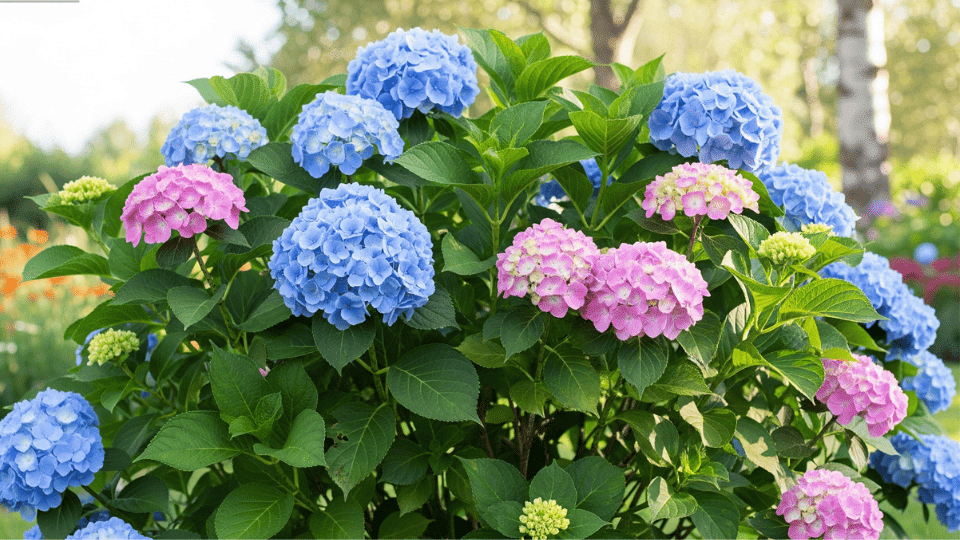
Hydrangeas are flowering shrubs loved by gardeners worldwide. These plants produce large, showy flower clusters in summer. Most varieties grow 3-8 feet tall and wide.
They bloom for months, change color as they age, and thrive in partial-shade gardens. Hydrangeas attract butterflies and bees while being easy to grow once established.
The key to successful planting starts with identifying your specific hydrangea variety.
Different hydrangea varieties have different needs. Old wood bloomers prefer spring planting, while new wood bloomers do better in spring or fall.
The key to successful planting starts with identifying your specific hydrangea variety.
Different hydrangea varieties have different needs. Old wood bloomers prefer spring planting, while new wood bloomers do better in spring or fall.
Knowing which type you have prevents common mistakes. It guides your planting timing, pruning schedule, and winter protection needs.
When to Plant Hydrangeas by Type?
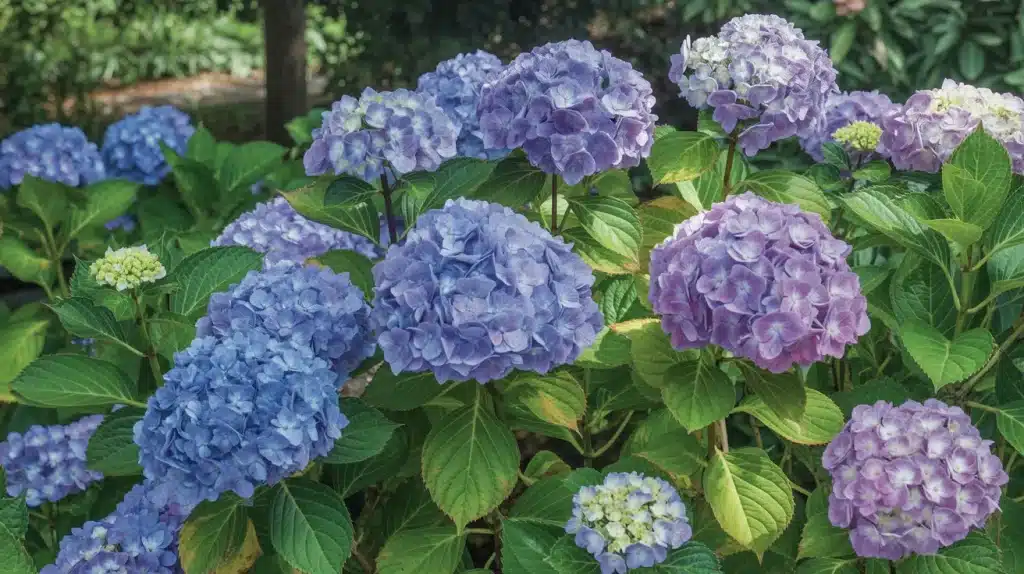
Different hydrangea types have different planting windows based on how they bloom. Knowing your specific variety helps you choose spring or fall timing for the strongest roots and best flowers.
| Hydrangea Type | Best months to plant |
|---|---|
| Bigleaf (Mophead and Lacecap) | April to May, or September to early October (zones 6-9) |
| Panicle | April to June, or September to October. Most flexible type. |
| Smooth (Annabelle) | April to June, or September to October. Handles cold zones well. |
| Oakleaf | April to May in zones 5-9. September works in warmer zones. |
| Mountain | April to May, after last frost. |
| Climbing | April to May, or September. Needs time to root before winter. |
Skip winter and summer entirely. Frozen soil stops root growth, and summer heat stresses a plant that hasn’t rooted in yet.
Spring vs Fall: Which is Better for Your Zone?
This is where most of the confusion happens, so here it is broken down by climate.
In cold climates (zones 3-5), plant in May to June; spring is your only real option. The growing season is short, and winters are harsh, so a fall transplant rarely has enough time to root before the ground freezes. Wait until the soil has warmed up and frost risk has passed.
Moderate climates (zones 6-7): plant in April to May or September to October. You have the most flexibility here. Spring gives a full season of root growth. Fall works too because the soil holds summer warmth while cooler air reduces transplant shock, and rain handles much of the watering for you. If you’re planting an old wood bloomer like bigleaf or mountain hydrangea, lean toward spring so the stems harden off before winter.
Warm climates (zones 8-10): plant in October to February: Fall and winter are actually the best window because temperatures are mild enough for roots to grow without the stress of summer heat. Spring planting can work but you’ll need to water heavily through your first summer. Avoid planting when daytime temperatures regularly stay above 85 degrees.
How to care for hydrangeas?
These don’t need much, but a few basics go a long way in the first year.
- Water deeply once or twice a week. Skip the daily light sprinkle. Deep soaking pushes roots down where they’re more resilient.
- Mulch 2 to 3 inches around the base each spring. Keep it a few inches from the stem so the crown stays dry.
- Fertilize once in early spring (March or April) with a balanced 10-10-10. Don’t feed late in the season because it forces soft growth that frost kills.
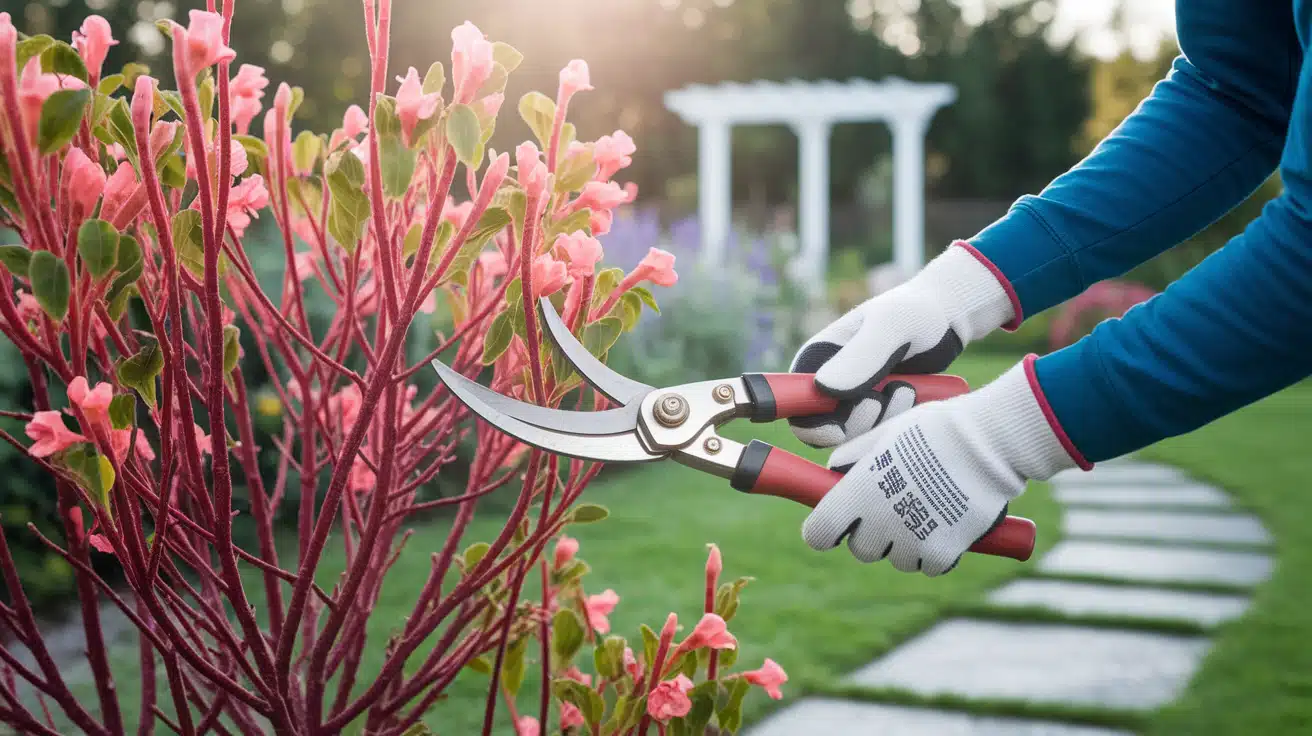
- Prune old wood types (bigleaf, mountain, oakleaf) right after they finish flowering. Prune new wood types (panicle, smooth) in late winter before new growth starts.
- Soil pH below 5.5 pushes bigleaf and mountain blooms toward blue. Above 6.0 turns them pink. White varieties stay white no matter what.
- Morning sun with afternoon shade works for most varieties. Full afternoon sun in hot zones will scorch the leaves.
- Shield first-year plants from heavy wind and direct afternoon heat until they’re established.
Conclusion
Hydrangeas are one of those plants where timing does most of the work for you.
Plant in the right month for your zone, give the roots a season to settle, and you’ll have a shrub that blooms year after year without much handholding.
Cold zone gardeners should aim for May or June. If you’re in a moderate or warm climate, you have a wider window stretching from early fall through spring. The variety you pick and the month you plant it are the two decisions that matter most.
Everything else, the watering, the mulch, the fertilizer, just supports what good timing already started.
Frequently Asked Questions
Do Hydrangeas Like Full Sun or Shade?
Most hydrangeas prefer morning sun with afternoon shade. Full sun works in cooler climates, but afternoon shade is necessary in hot zones to prevent leaf scorch.
What are Common Hydrangea Planting Mistakes?
Planting too deep, watering shallow instead of deep, skipping mulch, and planting in the wrong season for your zone. These cause most first-year failures.
What are Good Companion Plants for Hydrangeas?
Hostas, ferns, astilbe, heuchera, and azaleas pair well. They share similar light and moisture needs and fill in the space around hydrangea bases nicely.