
Your offer is accepted. The survey came back clean. Then your solicitor says “flying freehold,” and suddenly you are not sure what to do next.
A flying freehold is one of the most misunderstood terms in UK property law. It tends to come up during conveyancing, often when the purchase feels almost done.
This does not have to stop your purchase. Most cases are manageable once you understand the legal position and have the right people around you.
This post explains what a flying freehold is and covers real examples. It breaks down the legal risks and mortgage requirements. By the end, you will know whether buying this type of property is the right call.
What Is a Flying Freehold?
A flying freehold describes a situation where part of your property sits above land owned by someone else.
You own your home outright. But a portion of it physically extends over your neighbor’s land.
The word “flying” does not mean the home is floating. It simply means that part of your property sits above land you do not own.
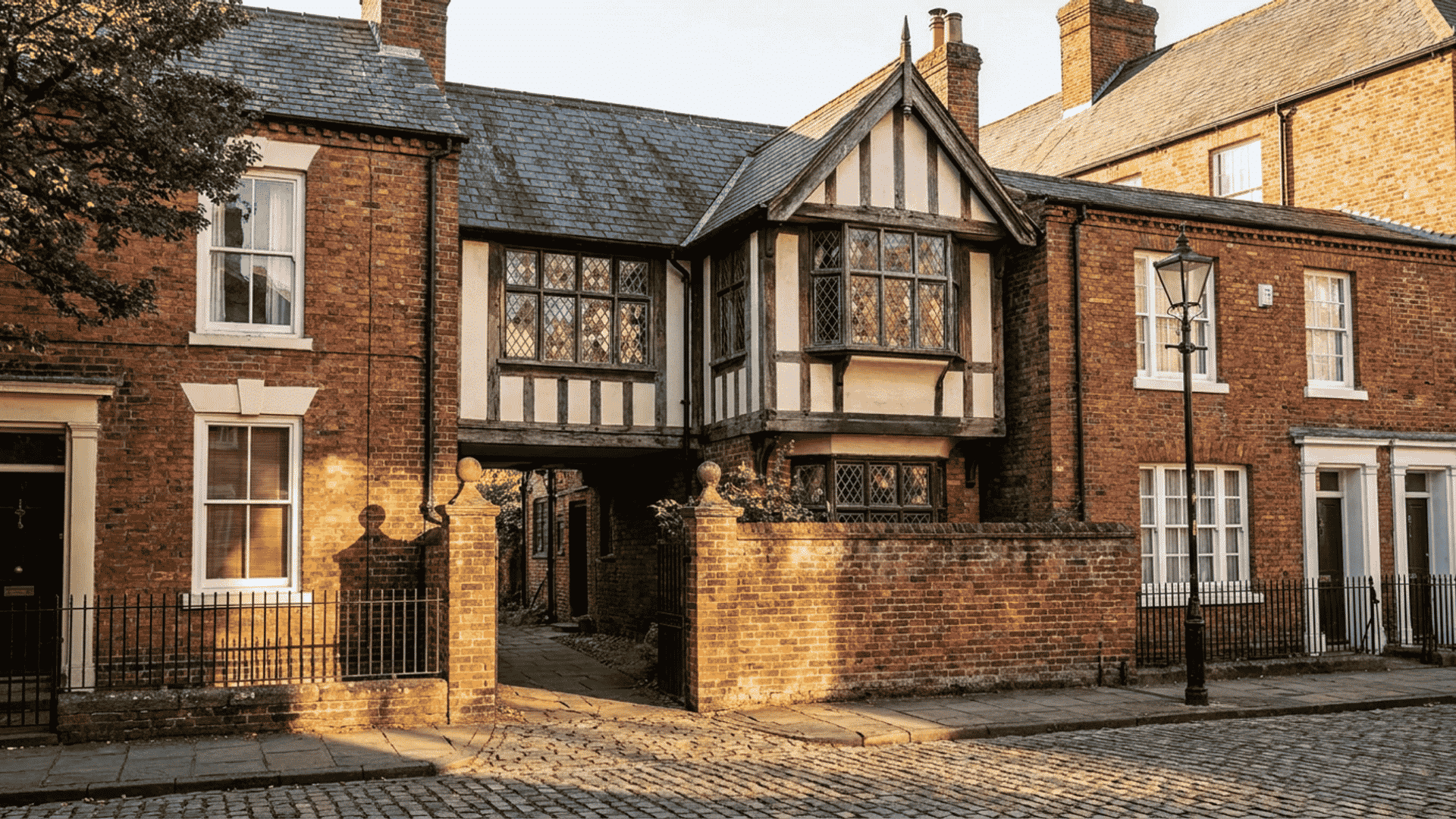
A common example is a room that overhangs a shared passageway. The room belongs to you. The ground beneath it belongs to your neighbor.
This ownership structure differs from leasehold. With a leasehold property, you own the home for a fixed term but not the land. With a flying freehold, you own the property outright, but part of it overlaps with land belonging to someone else.
Real Flying Freehold Examples
Real situations make this easier to understand. Here are the most common types found across older UK properties.
- A room above a shared passageway. An upstairs bedroom or living space extends over a shared walkway. The room is yours. The passageway below is not.
- A coach house with an upper floor above an archway. Older town center buildings often have upper rooms built over a shared driveway or archway. The upper floor belongs to one property. The archway belongs to another.
- A converted terraced property. When a building is divided into separate homes, the boundaries may not follow a straight vertical line. One flat can end up sitting partly above a section of a neighboring property.
- A balcony overhanging a neighbor’s garden. The balcony is part of your freehold. The ground beneath it belongs to your neighbor.
- A basement extending under a neighboring property. This is technically a creeping freehold, but it carries the same legal complications.
Flying Freehold vs Creeping Freehold

These two terms describe opposite situations but create the same legal problem.
| Term | What It Means | Typical Example |
|---|---|---|
| Flying freehold | Your property sits above another property’s land | A room overhanging a shared passageway |
| Creeping freehold | Your property sits below another property’s land | A basement under a neighboring home |
In both cases, the core problem is the same. There is often no formal legal agreement in place between the two property owners. That gap creates uncertainty over maintenance, access, and structural responsibility.
Lenders treat both types with similar caution. The steps a buyer needs to take are the same for either situation.
Where Flying Freeholds Are Most Common

These property arrangements became common because older buildings were constructed before modern land registry rules were in place. Property layouts were not designed with separate ownerships in mind.
You are most likely to find one in:
- Victorian and Georgian terraced houses were built before property boundaries were clearly defined. If you are looking at a Victorian terraced house, ask your solicitor early whether a flying freehold arrangement exists.
- Converted buildings, where a house was divided into separate homes without following a straight vertical line
- Older town center properties, which grew around shared alleyways and archways over time
- Hillside properties, where one home may rely partly on the structure of another
These arrangements are common in older UK property stock. The majority of owners never face disputes. But knowing one exists puts you in a stronger position before you commit.
What Are the Legal Problems with a Flying Freehold?
The biggest concern is not the physical structure itself. It is the legal rights that may or may not be attached to it.
Unless the title deeds clearly set out the rights and responsibilities of both property owners, several problems can arise.
1. Repair and Access Disputes
If part of your home needs repair, you may need access to your neighbor’s land to carry out the work. Without formal access rights in the title deeds, your neighbor can legally refuse.
This works the other way too. If your neighbor’s property supports part of your structure, they have no automatic legal duty to maintain it. Their neglect could directly affect your home, with limited ways to force a resolution.
2. No Deed of Mutual Covenant
A Deed of Mutual Covenant (DMC) is a formal legal agreement between the two property owners. It sets out what each side must do to protect the other’s property. Without one, neither side has an enforceable obligation.
Any existing covenant is made between the individuals who own the properties at the time. It does not automatically carry over when either property changes hands. This means a dispute can restart with every new owner.
Many lenders require a DMC to be in place, or in progress, before approving a flying freehold mortgage application.
3. Flying Freehold Not on Title Deeds
In some cases, the flying freehold arrangement is not properly documented in the title deeds. This creates legal uncertainty and can delay or collapse a transaction entirely.
If your solicitor cannot find clear written evidence of the arrangement, the issue must be resolved before you proceed.
4. Specific Structural Risks
Flying freehold arrangements can also create practical hazards. If the flying section contains a bathroom, a water leak could damage the property below. Without a formal agreement in place, the question of who is responsible for the damage quickly becomes complicated.
5. Impact on Future Sales
A flying freehold can reduce your pool of future buyers. If a buyer’s lender refuses to approve a mortgage on the property, that buyer has no choice but to withdraw. A smaller buyer pool can put pressure on the price you achieve.
This is not a reason to avoid flying freehold properties. It is a reason to have the legal documentation in order before you list.
Can You Get a Flying Freehold Mortgage?

Yes. Mortgage approval on this type of property is possible from a wide range of lenders. The process requires more preparation than a standard purchase, but it is achievable.
What Lenders Check
Lenders focus on three main factors:
- Whether formal access rights for repair work are clearly recorded in the title deeds
- Whether a Deed of Mutual Covenant is in place and enforceable on future owners
- What percentage of the total floor area does the flying section cover
Most lenders follow the guidance in the UK Finance Mortgage Lenders’ Handbook. This sets out that formal rights of structural support and entry for repair work must exist. Enforceable covenants that bind future owners are also required before a lender can accept a flying freehold title. If those conditions are not met, indemnity insurance must be in place before completion.
The 15 to 25 Percent Rule
Most lenders set a maximum threshold for the flying element. This typically ranges from 15 to 25 percent of the property’s total floor space.
Some lenders assess each case individually with no fixed limit. Others will not lend on this type of property at all, regardless of the size of the flying section.
LTV Restrictions
Some lenders apply lower loan-to-value ratios on flying freehold properties. This means you may need a larger deposit than on a standard purchase. A broker can identify which lenders apply these restrictions and which do not.
Work With a Mortgage Broker
A whole-of-market broker will identify which lenders accept your specific property and on what terms. Some lenders only take flying freehold applications through brokers. Going direct may close off your best options without you knowing it.
Your broker will need a legal report from your solicitor. This should confirm any covenants in place and whether indemnity insurance is obtainable.
If you remortgage in the future, the new lender will apply the same flying freehold checks. Getting documentation right at purchase protects you at every stage of ownership.
Flying Freehold Indemnity Insurance
Flying freehold indemnity insurance is a one-off policy. It protects you and your lender against financial loss from legal disputes linked to the arrangement.
What It Covers
- Legal costs if a dispute arises over access or maintenance
- Financial losses from structural disagreements between the two properties
- Situations where the neighboring property is uninsured or under-insured
What It Does Not Cover
This is a point that catches many buyers off-guard. Indemnity insurance does not create legal rights where none exist. It does not force your neighbor to carry out repairs or allow access to their land. It is a financial safety net, not a legal fix for the underlying problem.
How Much Does It Cost?
Policies typically cost between £100 and £300 as a one-off payment. There are no annual premiums. The cover usually lasts for the lifetime of your ownership.
In most cases, the seller pays for the policy during conveyancing. Most mortgage lenders require an indemnity policy before completion. Even where a lender does not insist on one, taking it out is a sensible step.
Should I Buy a House With a Flying Freehold?
This depends entirely on the specific legal position of the property. The risk is not the physical structure. The risk is the extent to which legal rights are, or are not, in place.
| Risk Level | What This Means | Recommended Action |
|---|---|---|
| Low | Legal access rights documented, DMC in place, insurance available, no dispute history | Generally fine to proceed with normal checks |
| Medium | Some rights are in place, but documentation is incomplete or unclear | Proceed only after additional legal review |
| High | No formal access rights, no DMC, neighbor can legally refuse essential repairs, lender concerns flagged | Strong reason to reconsider or walk away |
Buyer Checklist Before You Proceed
- Ask your solicitor to review the title deeds and report specifically on the flying freehold element
- Confirm that formal access and maintenance rights are clearly documented
- Find out what percentage of the property the flying section covers
- Speak to a mortgage broker before making any financial commitment
- Check whether indemnity insurance is needed and who will pay for it
- If no DMC exists, ask whether one can be arranged before the exchange of contracts
- Get a structural survey done on the flying section if there are any signs of existing wear
Landlords considering a flying freehold as a buy-to-let investment should know that lenders apply the same requirements for rental properties. The legal checks and insurance conditions are identical to a standard residential purchase.
For context, a share of freehold is one alternative ownership structure worth knowing about. It can help clarify your options when comparing different property types.
Selling a Flying Freehold Property

Selling is possible, but preparation matters. A buyer who cannot get mortgage approval on your property has no choice but to withdraw. Sorting the documentation before you list avoids last-minute problems.
Before marketing the property, confirm with your solicitor that:
- Legal covenants and access rights are clearly recorded in the title deeds
- Any existing indemnity insurance policy can be transferred to a new buyer
- Potential lender concerns have been identified and addressed in advance
Being transparent about the flying freehold from the start builds buyers’ confidence and reduces the risk of a late withdrawal.
If you are remortgaging rather than selling, lenders apply requirements similar to those at the time of your original purchase. Having documentation already in order makes the process much faster.
Conclusion
A flying freehold does not make a property a bad buy. These arrangements exist across thousands of older UK properties, and the majority never cause practical problems.
The deciding factor is not the physical structure. It is whether the legal rights for access, maintenance, and structural support are clearly set out in the title deeds.
Get your solicitor involved early. Speak to a mortgage broker before you commit. Make sure indemnity insurance is in place where your solicitor or lender recommends it.
Have you come across a flying freehold in your property search? Leave your questions in the comments below.
Frequently Asked Questions
What percentage of a property can be a flying freehold?
Most lenders set a threshold of 15 to 25 percent. If the flying section is larger, the number of lenders willing to consider it drops significantly.
Does a flying freehold affect property value?
It can. Fewer mortgage lenders mean fewer potential buyers. A smaller buyer pool can put downward pressure on you resale value.
What is the difference between a flying freehold and a leasehold?
Leasehold means you own the property for a set period but not the land. A flying freehold means you own the property outright, but part of it overhangs a neighbor’s land.