Imagine starting your dream renovation only to find your standard owner’s policy won’t cover the structural damage that occurs during construction.
This is the harsh reality many U.S. property owners face when they skip building works insurance.
Whether you’re adding an extension, gutting an interior, or building from scratch, the risks multiply rapidly. Standard policies simply don’t protect you during active construction phases.
Building works insurance fills that gap. It covers damage to materials and structures, as well as liability issues arising during work.
This article walks you through what it is, when you need it, what it covers, and how to choose the right policy. Learning these essentials now saves you from expensive mistakes and claim denials later.
What Is Building Works Insurance?
Building works insurance, also known as construction-phase cover or builder’s risk insurance, protects property owners during renovation, extension, and self-build projects.
This specialized insurance activates when major structural work begins, covering the property while it’s under construction or being modified.
Unlike standard owner’s insurance, which assumes a finished and occupied home, building works insurance addresses the unique risks associated with an active construction site.
Benefits of Building Insurance:
- Theft and Vandalism Protection: Construction sites are vulnerable to theft and vandalism.
- Weather and Environmental Risks: Exposed structures are at risk of weather damage.
- Liability for Structural Modifications: Major changes, such as removing load-bearing walls, increase liability risks.
Ensuring you have building works insurance from the start of construction protects your investment, minimizes potential risks, and fills gaps left by standard owner’s insurance.
Types of Building Works Insurance
Renovation projects vary in complexity, and each type brings different risks. Knowing the main insurance options helps you choose the right protection before any construction work begins.
- Renovation Builder’s Risk Insurance: Covers damage to the existing structure and new work during remodeling or refurbishment.
- New Construction Builder’s Risk Insurance: Protects a ground-up build from foundation to completion, including materials and the full structure.
- Structural Renovation Builder’s Risk Insurance: Provides higher-level protection for risky work such as removing load-bearing walls or altering foundations.
- Course of Construction (Single Project) Policy: Insures one specific construction or renovation project for the duration of the build.
- Reporting Form / Blanket Builder’s Risk Policy: A master policy that covers multiple projects by adding each job as it begins.
Choosing the right type of building works insurance gives your project the protection it needs from day one, helping you avoid gaps in coverage and costly surprises as construction progresses.
What Building Works Insurance Covers and Doesn’t Cover?
Building works insurance protects your project from unexpected risks. The table below clearly breaks down what’s covered and what’s not, helping you understand essential inclusions and exclusions.
| Covers | Does NOT Cover |
|---|---|
| Damage from fire, wind, storms, or accidental collapse | Wear and tear or gradual deterioration |
| Vandalism or deliberate damage by third parties | Poor workmanship or incorrect construction |
| Theft of materials, tools, fixtures, or fittings | Issues caused by ignoring building regulations |
| Protection for new works and the existing building | Faulty design or planning errors |
| Liability for worker or visitor injuries | Natural disasters like floods or earthquakes without added cover |
| Liability for damage to neighboring properties | Losses from contractor insolvency or project delays, unless added |
Knowing these coverage details helps you prepare for risks and avoid costly gaps. Review your policy carefully to ensure you have the protection your construction project needs.
When Should You Consider Building Works Insurance?

When starting major renovations or construction projects, it’s essential to understand when building works insurance is necessary to protect your investment.
This coverage safeguards your home during structural changes and potential risks.
Projects That Need Coverage
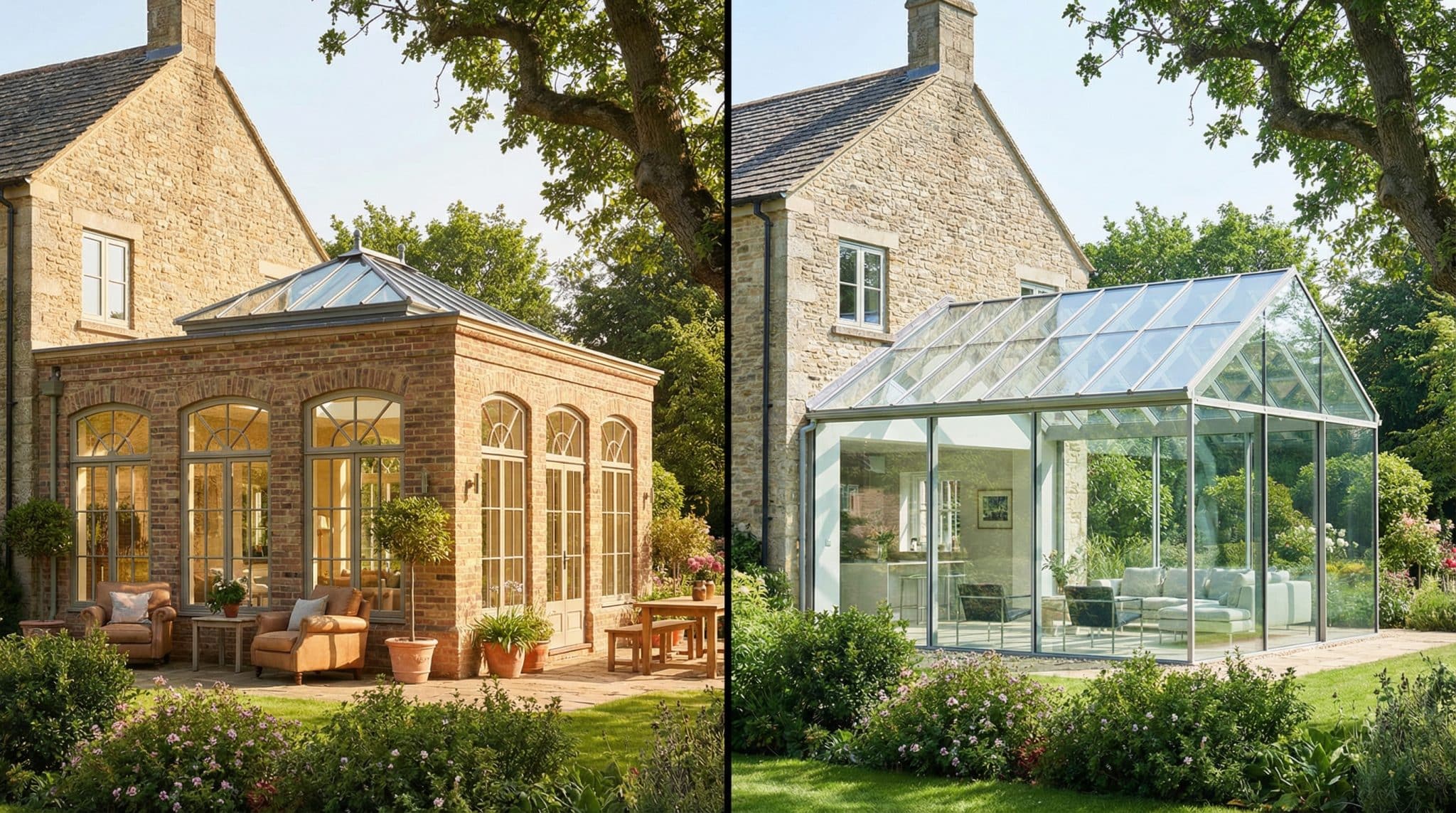
Building works insurance is essential for large-scale renovations involving structural changes, such as adding an extension, converting a garage, building a second story, or self-builds.
Any project altering the property’s footprint or structure triggers the need for specialized coverage. Minor cosmetic updates typically stay under existing insurance.
When to Start Coverage
Coverage should begin before demolition starts. Better yet, before materials arrive on site. The moment your property becomes an active construction zone, you’re exposed to risk. Waiting until work begins leaves you unprotected during the vulnerable setup phase.
Notify your insurer and secure specialized cover before work starts. This timing prevents coverage gaps and protects your investment from day one.
How It Affects Your Current Insurance
During construction, your residents or building insurance requires adjustments. As the rebuild cost increases with added square footage and the structure becomes exposed, your risk profile changes.
Vacancy periods during major work also add exposure. Failure to update your insurer may invalidate your existing coverage entirely, leaving you unprotected.
Building works insurance protects your property and materials during construction, ensuring coverage from day one. Notify your insurer early and adjust your existing policy to prevent coverage gaps and safeguard your project.
How It Applies to Building Works, Renovations & Self-Builds
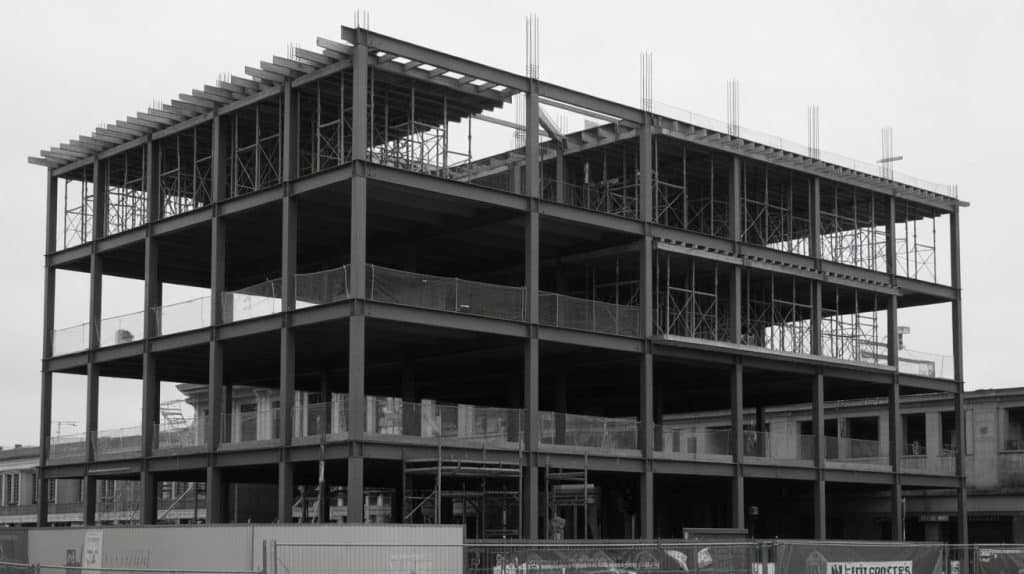
When you’re taking on renovations, self-builds, or extensions, your insurance doesn’t just sit in the background. Each type of project changes how risky your property is to insure and what your policy needs to cover.
1. Vacancy Clause Triggers
Many standard policies have a vacancy or unoccupancy clause. If you move out during major works, or parts of the property are unusable for a set period, your cover can be restricted or even suspended.
Building works insurance is designed to step in when normal cover is limited.
2. Increased Risk Profile
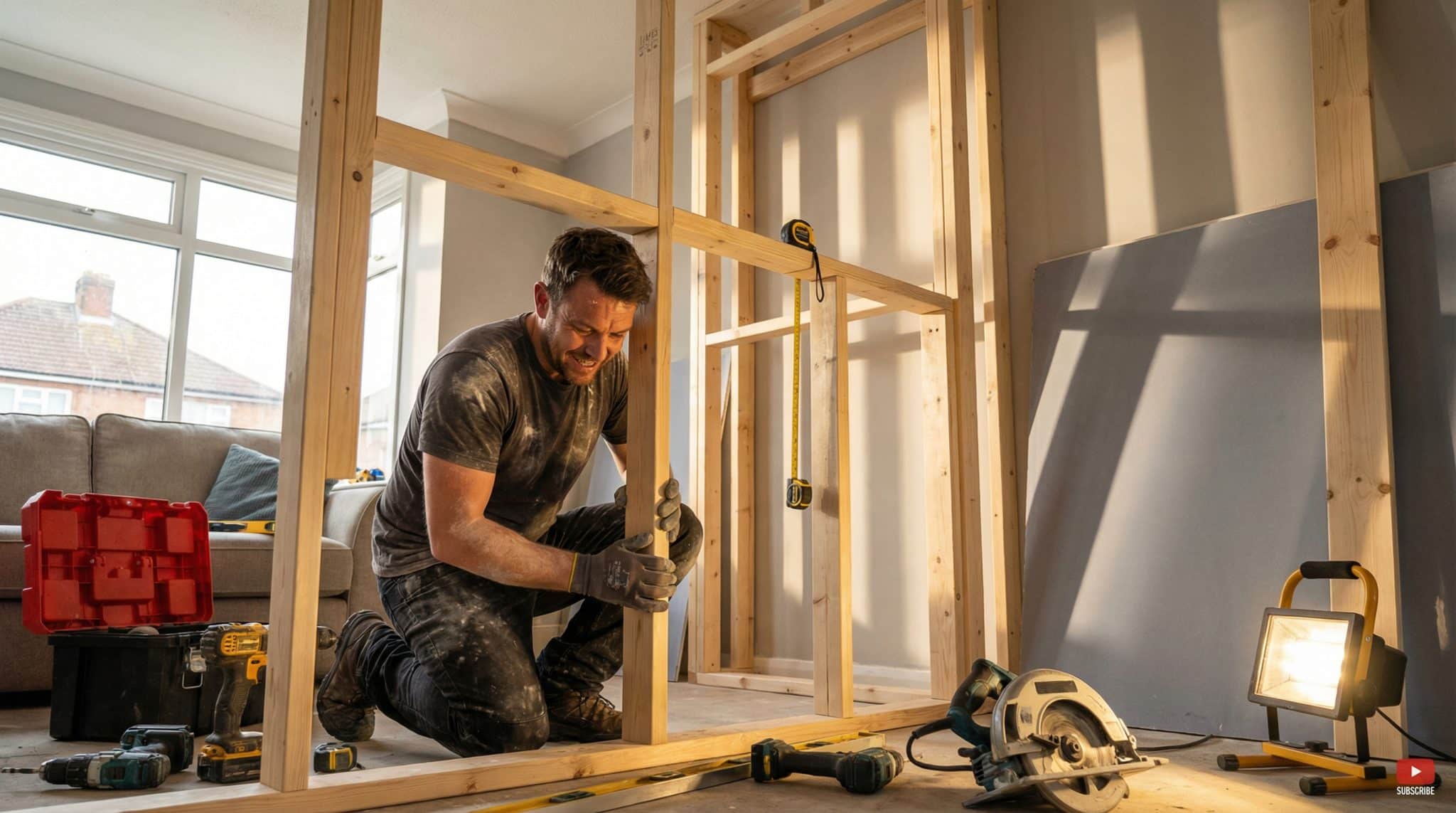
Construction work brings extra hazards: open structures, exposed wiring, hot works, scaffolding, and more people on-site.
Renovations and extensions increase the risk of fire, water leakage, material theft, and accidental damage to the existing structure.
3. Rebuild Cost Adjustments
Once an extension is added or major renovations are completed, the rebuild cost of the property nearly always increases. If your sum insured isn’t updated to reflect this, you risk being underinsured, which can reduce any future payout.
4. Why Insurers Must Be Notified Before Work Begins
Insurers expect to be told about significant building works, structural changes, or self-build projects before they start.
This allows them to reassess the risk, adjust terms, and arrange appropriate building works or renovation cover. Not telling them can be treated as non-disclosure.
5. What if You Don’t Notify Them (claim Denial)
If you go ahead without notifying your insurer and something goes wrong, they may:
- Refuse a claim altogether
- Reduce the claim payment because the risk was misrepresented
- Apply higher excesses or exclusions after the fact
- Cancel or void the policy in serious cases
By matching your cover to the nature of the project, whether it’s a light renovation, a big extension, or a full self-build, you reduce the risk of disputes and properly protect your investment from day one.
Cost of Renovation or Building Works Insurance
Renovation insurance costs vary depending on your project’s size and complexity. This table shows realistic price ranges so you can budget accurately and avoid unexpected expenses.
| Project Type | Description | Typical Insurance Cost Range |
|---|---|---|
| Small Projects | Non-structural updates like painting, flooring, and minor room refreshes | $150 – $500 |
| Medium Projects | Structural renovations, garage conversions, internal wall changes | $500 – $2,500 |
| Large Extensions | Adding new rooms, expanding the footprint, and major structural work | $1,500 – $4,000 |
| Full Self-Builds | Ground-up construction with multi-phase risks and materials on-site | $1,500 – $5,000+ |
| Builder’s Risk (New Builds) | Lender-required cover for full construction, based on project value | 1% – 4% of the total construction cost |
These cost ranges help you estimate what your project may require. By understanding how size and risk affect pricing, you can secure proper coverage without overspending.
How to Choose the Right Building Work Policy

Choosing the right renovation insurance ensures your home and project are fully protected. By assessing your renovation scope, verifying contractor coverage, and avoiding common mistakes, you can confidently secure the proper protection for your investment.
- Assess Your Project Scope: List all renovation details, including structural changes, upgrades, and timelines. Calculate your renovation budget and property replacement value to determine appropriate coverage limits and ensure adequate protection for your home.
- Verify Contractor Coverage: Ensure your contractor carries proper general liability and workers’ compensation insurance. Confirm that coverage limits match your project’s size and complexity. Always request certificates to verify their insurance to avoid coverage gaps.
- Understand Common Mistakes: Avoid common mistakes like failing to notify your insurer or underestimating project costs. Ensure contractors are insured, document all work, and understand policy exclusions, such as flood or earthquake, to prevent coverage issues.
Selecting the right renovation insurance policy requires careful planning. By assessing your project scope and confirming contractor coverage, you can ensure complete protection and peace of mind throughout your renovation.
Common Building Works Insurance Mistakes to Avoid
Renovating your property comes with its own set of risks, and mismanaged insurance can lead to costly setbacks. To ensure your building works are fully protected, avoid these common errors.
| Mistake | Why It’s a Problem | Solution |
|---|---|---|
| Not informing your insurer about building works | Leads to claim denial or reduced payouts. | Notify your insurer before starting work. |
| Assuming your standard resident’s policy covers major work | Excludes construction or structural changes. | Review your policy with a professional. |
| Not accounting for the increased rebuild cost | Results in underinsurance. | Calculate your new rebuild cost before starting. |
| Hiring an unverified contractor | Increases risk and may void your insurance. | Verify contractor credentials and insurance. |
| Ignoring site security | Leads to theft and damage. | Install security measures during construction. |
| Not updating the insurer if the project scope changes | Causes coverage gaps. | Update your insurer if the project scope changes. |
Taking driven steps to avoid these mistakes ensures your renovation is properly insured and reduces potential risks. By notifying your insurer, reviewing your policy, and securing the right professionals, you’ll safeguard your investment and keep your project on track.
Final Thoughts
When undertaking renovation, extension, or self-build projects, securing the right building works insurance is crucial to protect your property and investment.
These projects come with substantial risks, and the consequences of insufficient coverage can be severe.
Building works insurance ensures you’re protected against damage, theft, and liability during construction, covering both the active project and its long-term value.
It’s important to start discussions with your insurer early to ensure your policy aligns with your project’s specific needs. Don’t let coverage gaps disrupt your plans or leave you vulnerable.
Take action now, review your current insurance policy, speak with your insurer about your project scope, and ensure you have the right building works insurance in place. Secure peace of mind and protect your investment today!