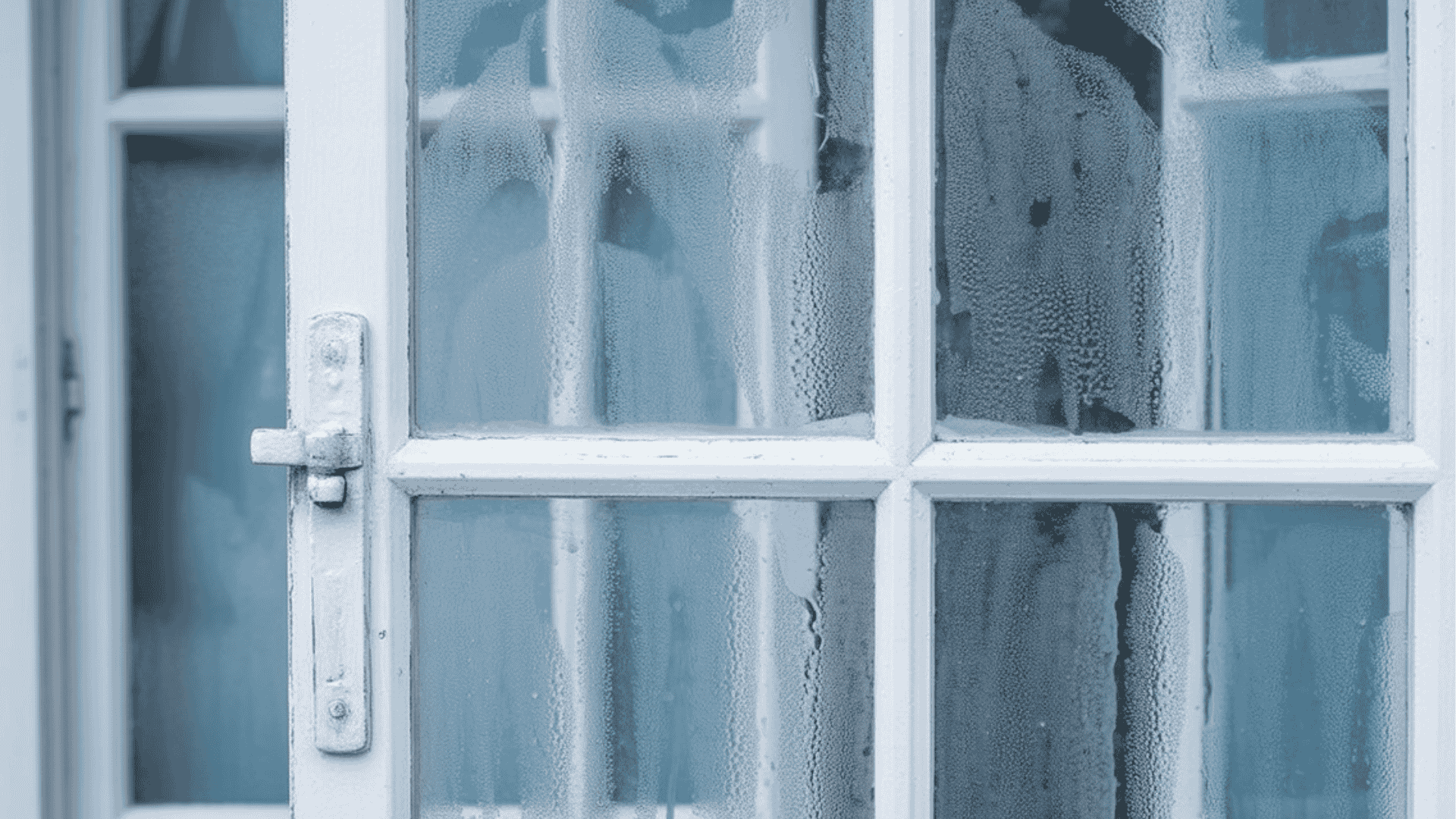

Imagine waking up on a cold morning, only to find your windows covered in fog. You wipe the surface, but the moisture stays trapped between the panes.
This is condensation between double glazing, a common issue for many homeowners.
When moisture breaches the seal, it disrupts your windows’ insulating properties, making your home less energy-efficient. As a result, heating and cooling costs rise, and mold can begin to grow in hidden areas.
While condensation inside double glazing can seem like a minor inconvenience, it signals a deeper problem. The good news is that with the right knowledge and timely action, this issue is preventable and fixable.
In this article, we’ll walk you through the causes, symptoms, and solutions to protect your home.
What Is Condensation?
Condensation is the process by which water vapor in the air turns into liquid when it comes into contact with a cold surface.
This occurs because air holds moisture, and when it cools below its dew point, the moisture is released as liquid water.
Types of Condensation:
- Interior Condensation: Forms on the room-facing window pane due to high indoor humidity. It can be easily wiped away.
- Exterior Condensation: Appears on the outside pane, typically in colder weather. It’s a sign that your windows are functioning well if they maintain temperature differences.
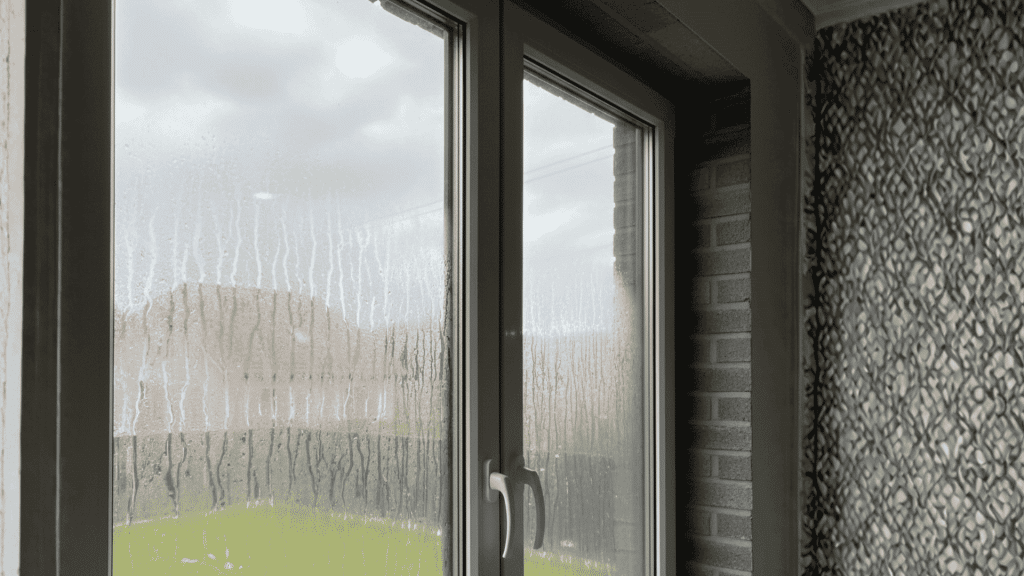
- Condensation Between Panes: This is the serious issue. It’s trapped inside the sealed cavity, cannot be wiped away, and signals seal failure.
Condensation between panes occurs when seals fail, allowing moisture to enter. High indoor humidity and poor ventilation exacerbate the issue, as warm, humid air meets the cold glass surface, causing water to condense inside the cavity.
What is a Double-Glazed Window?
Double-glazing windows consist of two glass panes separated by a spacer, creating an insulating air cavity between them. This space is typically filled with gases such as argon or krypton, which provide better insulation than regular air.
The two panes are sealed with special materials: an inner seal to prevent moisture from entering and an outer seal for structural strength.
This design helps to reduce heat transfer, making your home more energy-efficient, improving comfort, and reducing outside noise.
Double glazing is commonly used in homes to enhance insulation and energy savings while maintaining a comfortable indoor environment.
Causes of Condensation Between Double Glazing
Condensation inside double-glazed windows is primarily caused by a failure in the seals, allowing moisture to enter the cavity. However, several factors contribute to this issue:
- Seal Failure: Over time, UV rays, temperature fluctuations, and wear can degrade seals, allowing moisture into the cavity.
- Temperature Fluctuations: Differences between indoor and outdoor temperatures cause condensation, especially when seals are compromised.
- High Indoor Humidity: Excess moisture from activities like cooking or showering increases the risk of condensation, especially when seals fail.
- Poor Ventilation: Inadequate airflow traps humid air indoors, which can condense on cold glass and seep into the sealed cavity.
- Solar Pumping: The constant expansion and contraction of glass due to temperature changes weaken seals over time, especially on sunny windows.
- Improper Installation: Incorrect installation or alignment of windows damages seals, making them more prone to failure.
By knowing the causes of condensation between double glazing, you can take proactive steps to prevent seal failure and moisture buildup, ensuring your windows remain energy-efficient and functional for years.
Steps to Solve Condensation Issues of Double-Glazed Windows
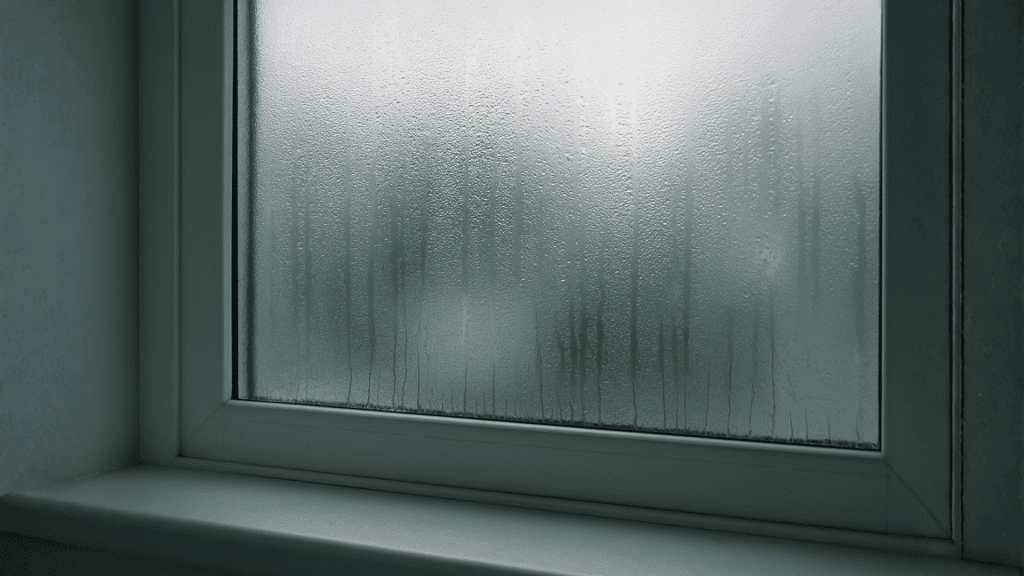
Condensation between double glazing can be resolved with proper attention and maintenance. Follow these simple steps to address the issue, protect your home’s energy efficiency, and extend the lifespan of your windows.
Step 1: Inspect Your Window Seals
Examine the area between the panes for permanent fogging. If it remains after wiping, the seal is likely broken. Look for water droplets or tide marks that indicate moisture buildup.
Inspect frame edges for cracks, discoloration, or dark stains. Check the spacer bar for visible damage. Any of these signs points to a seal failure that needs attention.
Step 2: Measure Indoor Humidity Levels
Use a hygrometer (costing $10-20) to measure indoor humidity in different rooms. Bathrooms and kitchens tend to have higher humidity. Maintain a target relative humidity range of 30-50%.
A significant temperature difference between your window panes and the room air can also increase the risk of condensation, indicating poor insulation.
Step 3: Control Indoor Humidity
Run exhaust fans during and after showers or cooking to reduce moisture. Vent dryers outside, not into the basement or attic. Open windows briefly to allow fresh air exchange.
Avoid blocking window vents, as they help release moisture. Keeping humidity levels in check reduces the risk of condensation and improves comfort.
Step 4: Improve Air Circulation
Boost airflow in your home by using ceiling fans on low speed. Clear window vents to ensure continuous fresh air exchange. Avoid tightly drawn curtains that trap moisture against the windows. If your windows have trickle vents, keep them open to allow constant ventilation.
Step 5: Repair or Replace the Window
If condensation persists, professional help is needed. Sealed-unit replacement is often the best solution, costing $150-400 per window. If the frame is damaged, a full window replacement might be necessary.
Choose certified installers for proper installation, ensuring long-lasting seals and efficient windows. Don’t forget to ask about warranties.
Step 6: Maintain Your Windows Regularly
Check your windows every spring and fall for cracks or damage in the seals. Clean the drainage holes to prevent water from getting trapped, and replace old weatherstripping every 3-5 years.
Regular maintenance ensures proper performance and prolongs the lifespan of your windows, preventing moisture buildup and seal failure.
By following these steps, you can effectively manage and prevent condensation between double glazing. Regular maintenance, humidity control, and prompt repairs will protect your home’s comfort and save on future costs.
Risks of Ignoring Condensation Between Double Glazing
Ignoring condensation between double glazing can lead to significant issues. From increased energy costs to mold growth and structural damage, it’s essential to address the problem early to prevent escalating risks.
-
Loss of Insulating Power: Moisture reduces the gas cavity’s effectiveness, causing heat loss in winter and cool air loss in summer. HVAC systems overwork, leading to a 20-30% increase in energy bills.
-
Aesthetic Damage: Fogging and haze permanently block your view, creating a cloudy, dirty appearance. This reduces your home’s aesthetic appeal and resale value, making it a red flag to potential buyers.
-
Health Risks: Trapped moisture promotes mold and mildew growth, which can lead to respiratory infections, especially among children, the elderly, and those with asthma or allergies.
-
Structural Damage: Moisture can cause wood rot in frames and penetrate surrounding walls, leading to extensive structural damage and costly repairs.
-
Loss of Warranty: Moisture in the sealed unit voids the warranty, making you responsible for repair or replacement costs. Waiting too long can leave you with fewer repair options and higher expenses.
Delaying action on condensation between panes can cause irreversible damage and higher repair costs. Acting promptly ensures your home’s comfort, health, and value are protected. Contact a professional for timely solutions today.
Mistakes to Avoid with Condensation Between Double Glazing
Condensation between double-glazed windows can lead to significant problems, including energy inefficiency and mold growth. knowing its causes and addressing them early is key to maintaining your home’s comfort.
| Mistake | Why Avoid It | Solution |
|---|---|---|
| Ignoring minor fogging | Small condensation worsens over time, damaging seals. | Address fogging early to save on costly repairs. |
| Relying on heat alone | Heating doesn’t solve moisture or seal issues. | Control humidity and repair seals to prevent condensation. |
| Blocking ventilation | Trapping humid air increases condensation risk. | Keep ventilation open to reduce moisture buildup and save on repairs. |
| Buying cheap windows or installers | Low-quality materials and improper installation lead to faster seal failure. | Invest in quality windows and professional installation for long-term savings. |
| Assuming exterior condensation is always bad | Exterior fogging is normal and shows your windows are working. | Don’t worry about exterior fog; it clears as the morning warms up. |
| Attempting DIY seal repairs | Improper repairs lead to failure and wasted time. | Hire professionals for precise seal repairs to ensure reliability. |
Addressing condensation between double glazing early prevents costly repairs, improves energy efficiency, and maintains your home’s value. Contact a professional today to resolve any issues and protect your investment for the long term.
Conclusion
Condensation between double glazing is preventable and fixable when addressed early. Surface moisture and exterior condensation are manageable, but moisture between panes indicates seal failure and requires professional attention.
Regular humidity monitoring, proper ventilation, and annual window inspections protect your investment and maintain your home’s value. Ignoring this issue can lead to rising energy bills, mold growth, and structural damage, making it harder to sell your home.
Prevention is inexpensive, while repairs caught early can cost only a few hundred dollars. If you notice fogging between your panes, contact a window professional for an evaluation today.
Sealed-unit replacement is quick, affordable, and restores your windows’ insulating power. Protect your home now. Reach out to a specialist and stop the problem before it escalates.