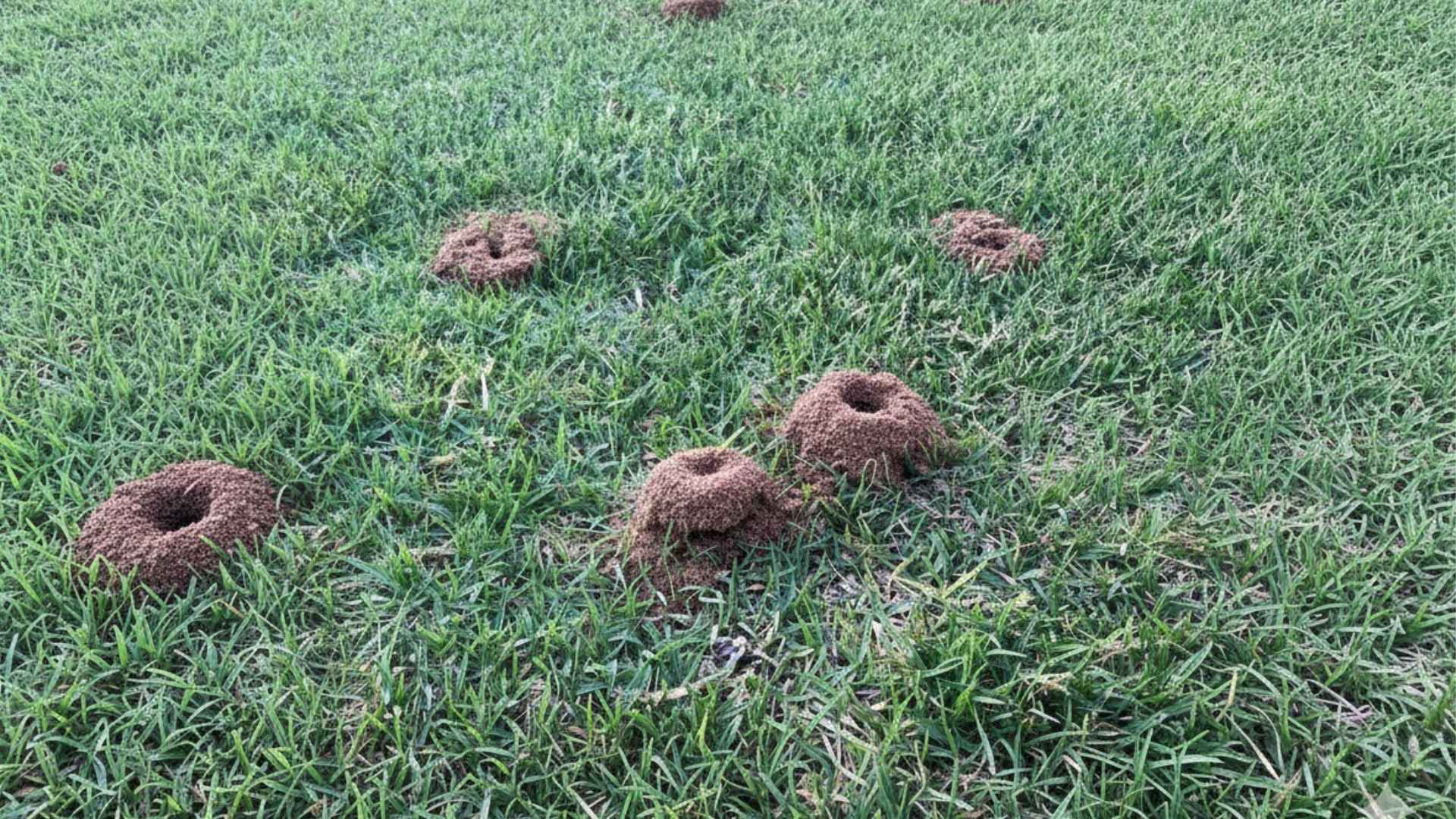

Spotted ants marching across your garden? It’s a more common sight than you’d think. These tiny invaders show up uninvited, building mounds and protecting pests that damage plants.
But here’s the thing, not all ants are enemies. Some actually help your garden thrive by aerating soil and hunting harmful insects.
The trick is knowing when to act and which methods work best.
This guide shows you how to get rid of ants in the garden using safe, natural solutions. You’ll learn why ants appear, how to spot real problems, and proven remedies that actually work.
Ready to reclaim your garden? Let’s get started with simple strategies that protect your plants without harsh chemicals.
Why Ants Appear in Gardens?
Ants need three things to survive. Food, water, and shelter. Gardens provide all three. Let’s look at some reasons they are having a great time in your backyard.
Honeydew is the main attraction. Aphids, mealybugs, and scale insects produce this sweet liquid while feeding on plants, and ants, in return, protect these pests in exchange for honeydew.
If you see them climbing stems, check for sap-sucking insects.
They’re looking for nesting sites. Dry soil in pots, lawns, and garden beds makes perfect homes. Ants dig tunnels and create mounds where they lay eggs.
Moisture draws them in. Watering plants and rainfall create damp conditions. Providing favourable conditions for them to thrive.
Now that you know why ants settle into garden spaces, the next step is understanding whether they’re actually causing harm.
Are Ants Always a Problem?
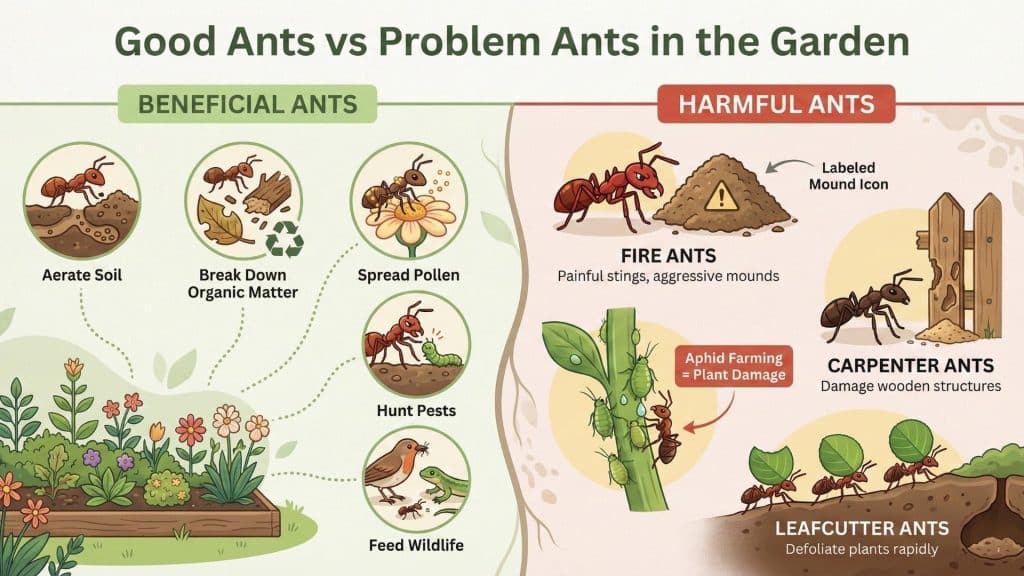
Not every ant colony requires action. Knowing which types help or harm plants is important.
Most garden ants provide benefits:
- They aerate soil by digging tunnels
- Help break down organic matter
- Spread pollen while searching for nectar
- Hunt harmful caterpillars and larvae
- Feed birds, lizards, and other wildlife
But some situations cause trouble. Black garden ants and red ants rarely damage plants directly. They become problematic when populations grow too large.
Three types require immediate attention:
- Fire ants: Small, reddish-brown ants that swarm aggressively when disturbed. They feed on seeds, young seedlings, and sometimes damage fruits on the soil surface. Their mounds are easy to spot in garden beds.
- Carpenter ants: Much larger than typical garden ants, they tunnel through wooden structures like trellises, raised beds, and fences. Look for sawdust-like debris near wood. Left unchecked, they can reach your home.
- Leafcutter ants: Easy to spot marching in long lines while carrying leaf pieces back to their nest. They strip leaves from citrus trees and other plants, clearing foliage in hours.
The real concern? Aphid farming. Even beneficial ants can become a problem when colonies get too large, so here’s how to tell when it’s time to step in.
Signs You Need to Get Rid of Ants in the Garden
Knowing when to get rid of ants in the garden prevents bigger issues. Watch for these warning signals.
- Multiple anthills are appearing rapidly: A few small mounds are normal. Dozens of hills around plants mean the population is out of control.
- Plants are wilting for no apparent reason: Check the base. Ants disturb roots while building nests. This causes dehydration even when the soil stays moist.
- Sticky residue on leaves and stems: This honeydew coating indicates the presence of aphids or scale insects. Follow the ant trails upward. You’ll spot the pests.
- Ants are constantly climbing stems: They’re farming honeydew-producers. The more ants present, the worse the plant damage becomes.
- Soil mounds bury small plants: Excavated dirt from tunnels covers seedlings and ground covers. Low-growing plants suffer the most.
- Getting bitten while gardening: Fire ants defend their territory. Bites cause burning, painful welts. Some people are allergic to some ants as well.
- Trails leading to wooden structures: Carpenter ants hollow out trellises, raised beds, and fences. Inspect wood for holes and sawdust.
Before jumping into natural treatments, it helps to understand how to prevent future colonies from forming.
How to Keep Ants Out of Your Garden?
These methods work, but prevention stops future infestations. Make your garden less inviting to ants with these practical steps.
- Keep your garden clean: Remove fallen leaves, dead flowers, and yard debris weekly. Ants nest in clutter.
- Fix drainage issues: Standing water attracts ants. Check that gutters drain properly. Avoid overwatering plants.
- Eliminate food sources fast: Pick up fallen fruit immediately and clean outdoor eating areas after meals. Seal trash cans tightly.
- Control aphids early: Spray infested plants with water to remove pests. Release ladybugs to eat aphids naturally. No aphids means no honeydew.
- Create physical barriers: Sprinkle DE around garden perimeters. Apply petroleum jelly to pot rims. Use sticky tape on plant stems.
- Plant repellent herbs strategically: Line borders with mint, lavender, or tansy. Their scents keep ants away continuously.
Once prevention is in place, you can safely target existing colonies using simple natural remedies.
Natural Ways to Get Rid of Ants in the Garden
Now that you’ve identified the problem, here are proven methods to control ant populations naturally.
1. Lemon Juice
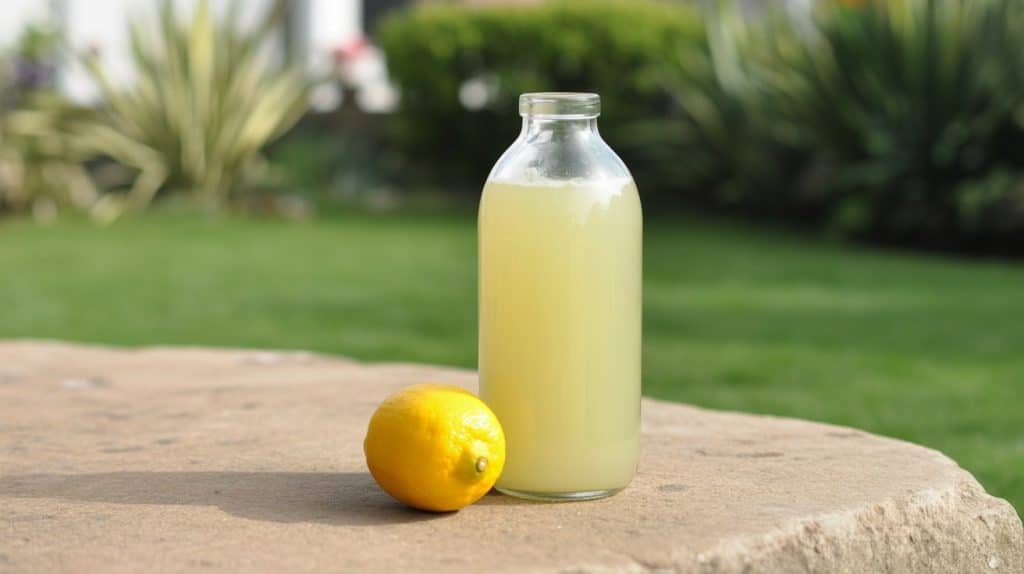
How it works: The acidity destroys scent trails ants follow.
Application:
- Mix equal parts lemon juice and water in a spray bottle
- Spray directly on ant paths and around plants
- Test on a small leaf first to avoid plant damage
- Apply every few days for best results
2. Cinnamon or Cinnamon Oil
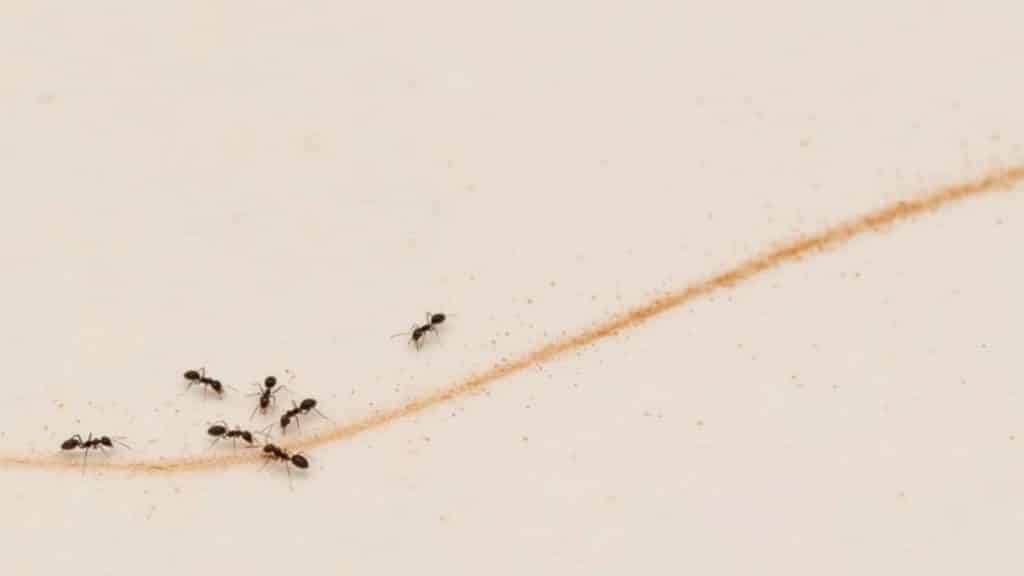
How it works: Ground cinnamon acts as a Repellent for ants when inhaled.
Application:
- Sprinkle powder along trails and near entry points
- For stronger effects, mix cinnamon oil with water
- Soak cotton balls in the mixture
- Place near problem areas
3. Peppermint Oil Spray
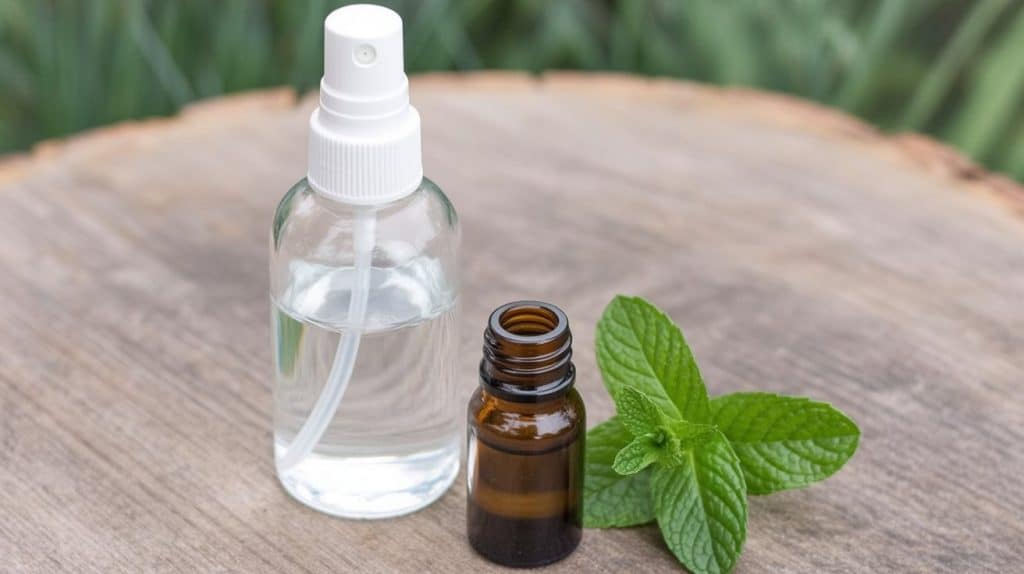
How it works: The strong scent disrupts communication between ants.
Application:
- Combine ten to fifteen drops of peppermint oil with two cups of water
- Spray around garden beds and entry points
- Reapply weekly for continuous protection
4. Vinegar Solution
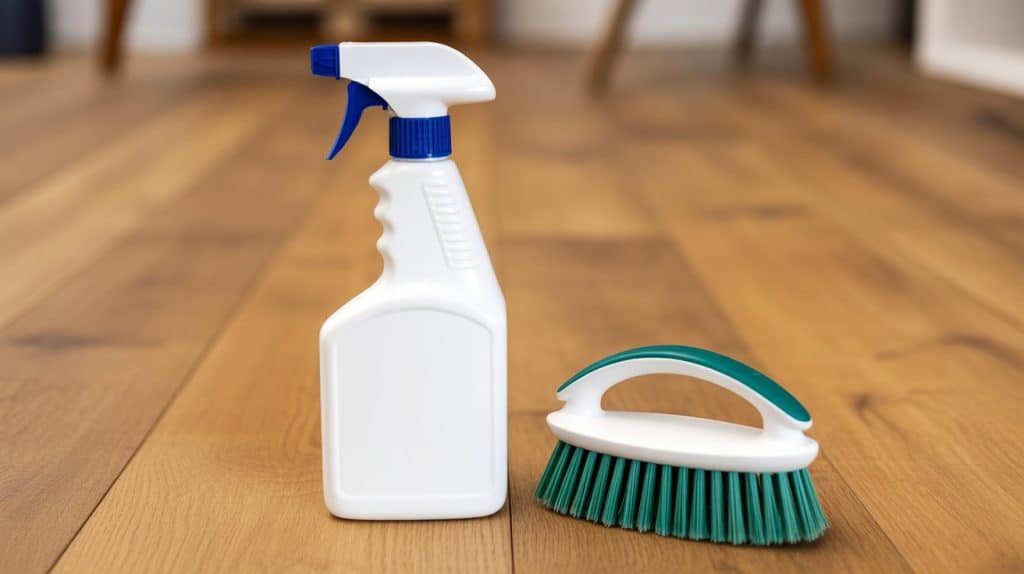
How it works: Kills ants on contact and erases scent markers.
Application:
- Mix equal parts white vinegar and water
- Spray on soil, trails, and nest locations
- Test on plants first, vinegar can burn fragile leaves
5. Diatomaceous Earth
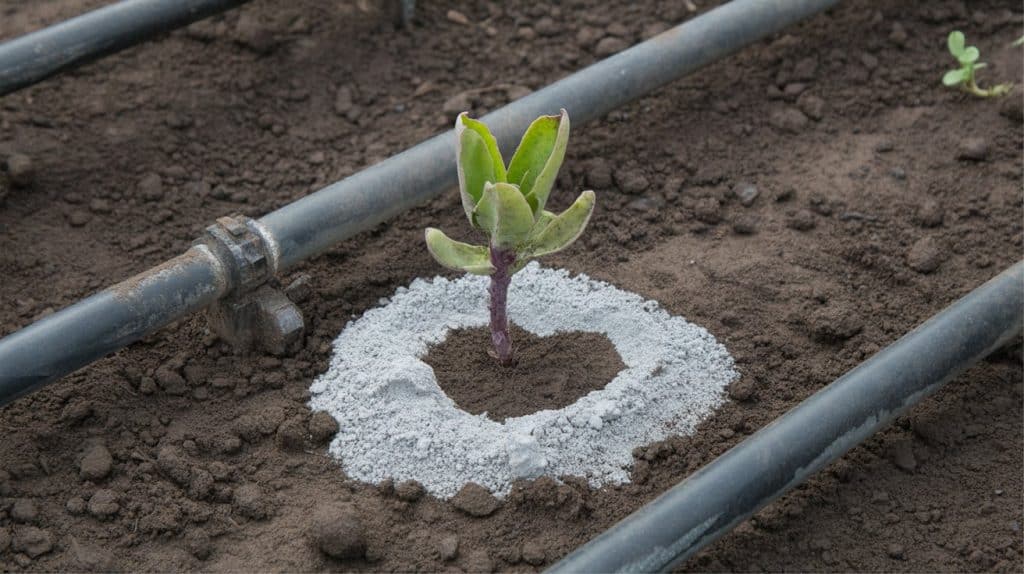
How it works: Food-grade DE cuts through ants’ exoskeletons, causing dehydration.
Application:
- Sprinkle around plants and anthills
- Must stay dry to work effectively
- Reapply after rain
- Wear gloves during application
6. Borax and Sugar Bait for Outdoor Use
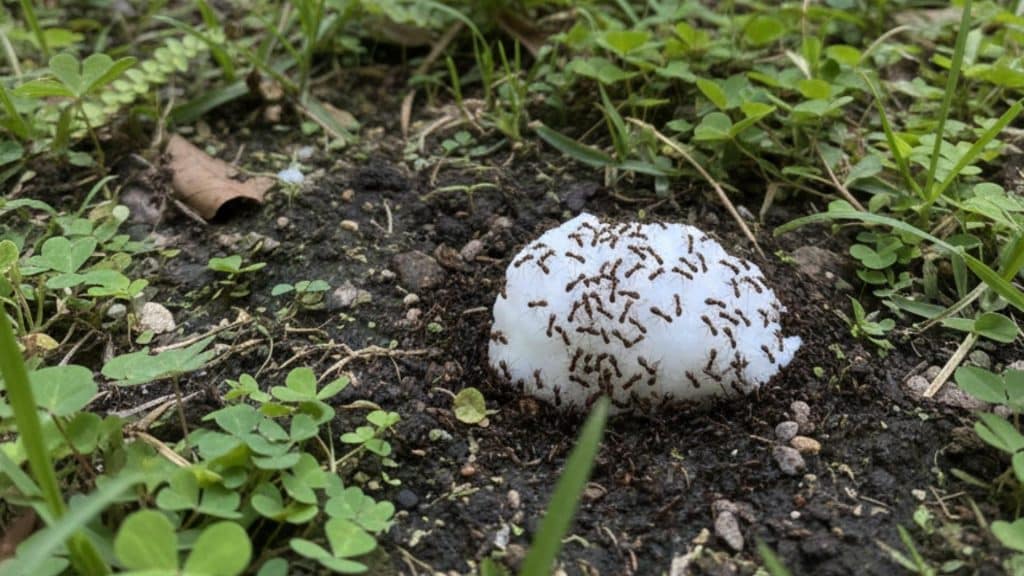
How it works: Ants carry poison back to the colony, targeting queens.
Application:
- Mix half a cup of sugar, two teaspoons of borax, and twelve ounces of water
- Soak cotton balls in the solution
- Place near nests in containers
- Keep away from pets and children
7. Boiling Water on Accessible Mounds
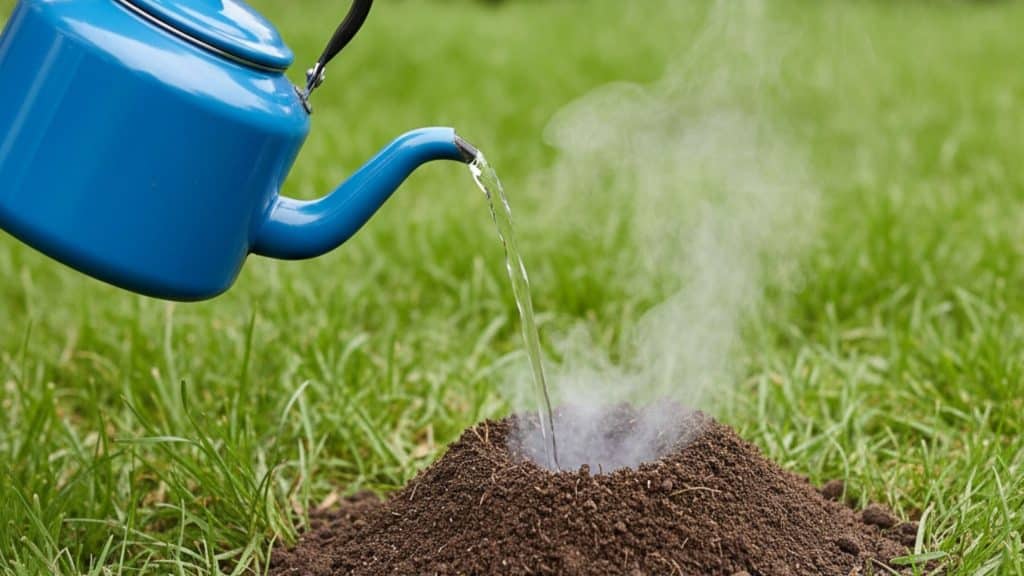
How it works: Kills ants instantly deep in the nest.
Application:
- Pour directly onto anthills
- Works best on open mounds
- Avoid using near plants you want to keep
8. Coffee Grounds
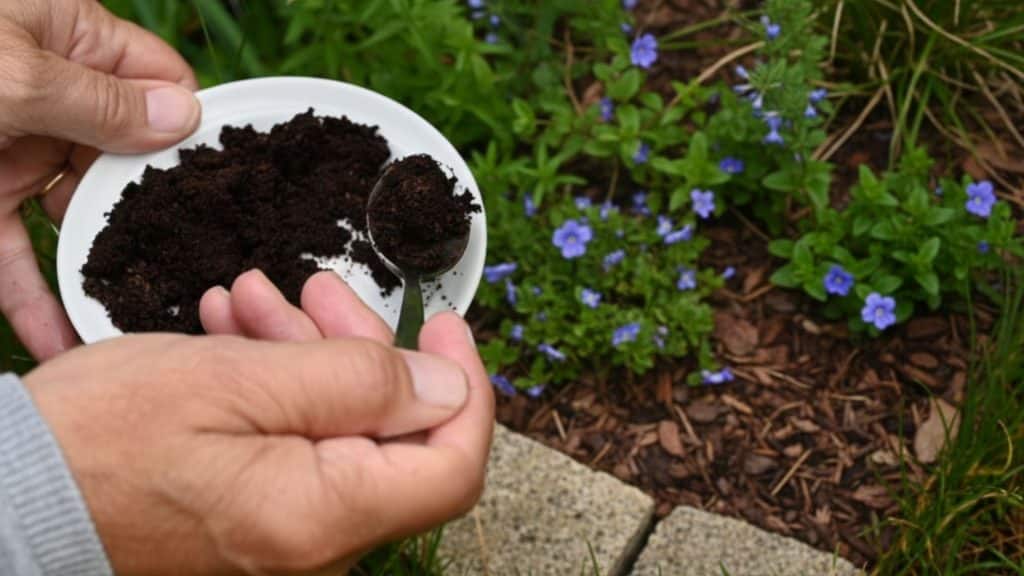
How it works: The smell repels ants while adding nitrogen to soil.
Application:
- Spread used grounds around the garden perimeter and on anthills
- Also benefits the soil as it breaks down
- Refresh every two weeks
9. Plant-Based Repellents
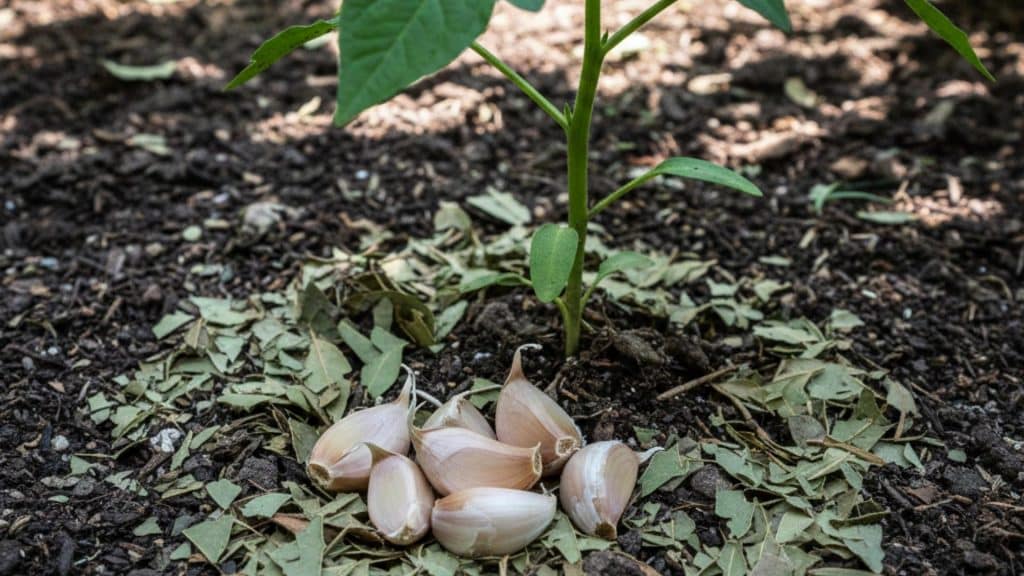
How it works: Strong natural scents deter ants continuously.
Application:
- Grow mint, lavender, or chamomile around garden borders
- Place garlic cloves where ants gather
- Crush bay leaves and scatter near plants
Safety Note: Always keep borax baits, essential oils, and DE out of reach from pets and children. If ingested, contact a veterinarian or poison control immediately.
Natural solutions work for most mild infestations, but sometimes you’ll need stronger support.
When to Use Stronger Ant Control Options
Sometimes, natural methods aren’t enough. Here’s when professional help makes sense.
- Natural remedies failed after several attempts. You’ve tried multiple approaches, but colonies keep returning. The population stays high despite consistent treatment.
- Fire ant infestations threaten safety. These aggressive ants sting repeatedly. Children and pets facea serious risk. Professional products work faster and more effectively.
- Carpenter ants damage structures. You find sawdust piles or hollow-sounding wood. These ants destroy foundations, decks, and fences. Structural damage requires immediate expert attention.
- Colonies span multiple locations. Ants nest under your home, in walls, and throughout the yard. Large-scale infestations need comprehensive treatment plans.
- Time constraints matter. You can’t maintain weekly applications. Professional treatments last months with single applications.
- Store-bought products show limited results. Consumer-grade options work temporarily. Professionals use stronger concentrations and specialized baits that target entire colonies, including queens.
Call licensed exterminators when problems exceed DIY capabilities. They identify species accurately and apply treatments safely around pets and plants.
With the right mix of prevention and safe treatments, managing ant activity becomes much easier.
Conclusion
Learning how to get rid of ants in the garden doesn’t mean eliminating every single one. Small populations help aerate soil and control pests naturally.
The key is balance. Act when colonies grow too large or protect harmful insects. Start with gentle methods for minor problems.
Prevention matters most. Clean regularly, control aphids early, and plant mint or lavender as natural deterrents. Monitor weekly to catch problems before they escalate.
When natural solutions fail repeatedly, call professionals. Fire ants, carpenter ants, and massive colonies require expert treatment.
Your garden should bring joy, not frustration. With these strategies, maintain healthy plants while keeping ant populations controlled.
Start today and enjoy your pest-free garden tomorrow.
Frequently Asked Questions
What Is the Best Thing to Kill Ants in the Garden?
Borax and sugar bait work best. Mix with water, place near nests. Ants carry it to the colony, killing the queen and workers.
Why Do I Have So Many Ants in My Garden?
Ants seek food, water, and shelter. Gardens offer all three. They’re likely attracted to honeydew from aphids or nesting in dry soil.
How Do I Get Rid of Ants in My Garden Soil?
Pour boiling water on anthills or sprinkle diatomaceous earth around affected areas. Both methods kill ants without harming soil quality.