You spent weeks picking the perfect color. You painted the wall. And then the finish looked nothing like what you pictured.
That happens more often than you’d think with satin paint on walls.
Satin is one of the most popular wall finishes for good reason. It’s washable, holds up to daily wear, and gives walls a soft, polished look that flat paint can’t match. But pick the wrong room, misjudge the lighting, or skip one prep step, and you’re staring at a result you can’t live with.
I’ve watched homeowners fall in love with a satin sample at the store, only to feel completely blindsided once it’s on their walls. The color shifts. The sheen catches every flaw they didn’t know they had. That’s a frustrating (and expensive) lesson.
This guide covers exactly how satin paint behaves on walls, how it changes the way color reads in a room, which rooms it actually belongs in, and how to apply it so you’re not repainting six months from now.
What Is Satin Paint and How Does It Look on Walls?
s dry and on a wall. That is where things go wrong.
Paint finishes work on a scale. Flat paint sits at one end with zero shine. Gloss paint sits at the other end with full shine. Satin sits in the middle, leaning toward the lower end. It has just enough shine to give walls a clean, polished look without looking glossy or plastic.
In a real room, satin walls have a soft glow. The surface catches light gently. It looks smooth, almost silky, and feels more finished than a flat or matte wall.
Here’s how satin stacks up against the finishes closest to it:
| Finish | Sheen Level | Hides Flaws? | Washable? | Best For |
|---|---|---|---|---|
| Matte/Flat | None | Yes, the best | No | Ceilings, low-traffic rooms |
| Eggshell | Barely there | Yes, pretty forgiving | Somewhat | Living rooms, bedrooms |
| Satin | Soft, noticeable glow | Not great | Yes | Kitchens, bathrooms, hallways |
| Semi-Gloss | Clearly shiny | No | Very | Trim, doors, cabinets |
Satin gives you a finish that looks good and holds up to daily use. But it does come with trade-offs that matter depending on the room you are painting.
How Satin Paint Changes the Way Your Color Looks?
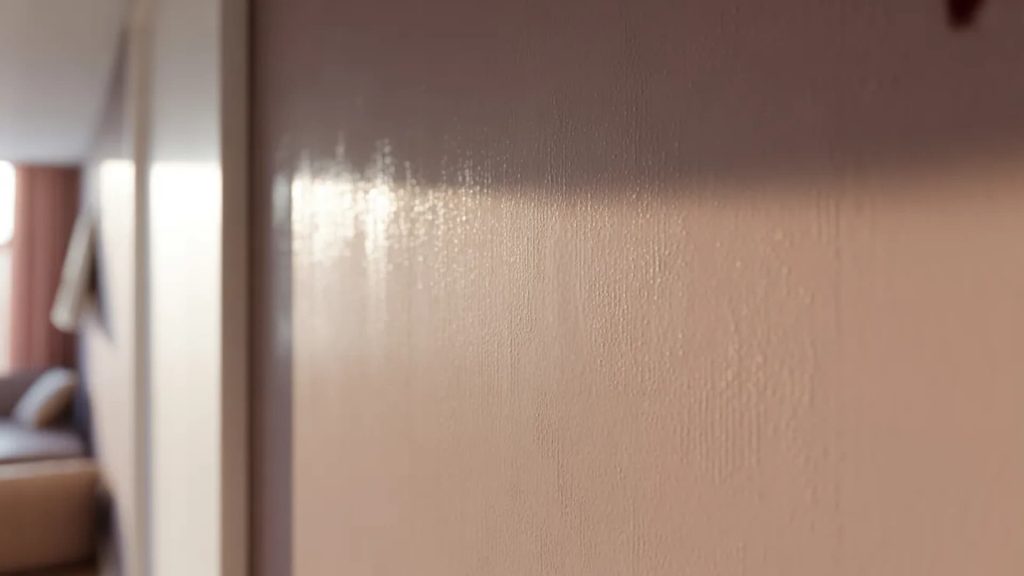
Here’s something most paint counter staff won’t mention. The same color looks different depending on the finish you apply.
I’ve had clients pick a color from a matte swatch, buy it in satin, and then call me confused about why the wall doesn’t match what they chose. It’s one of the most common repaint triggers I see.
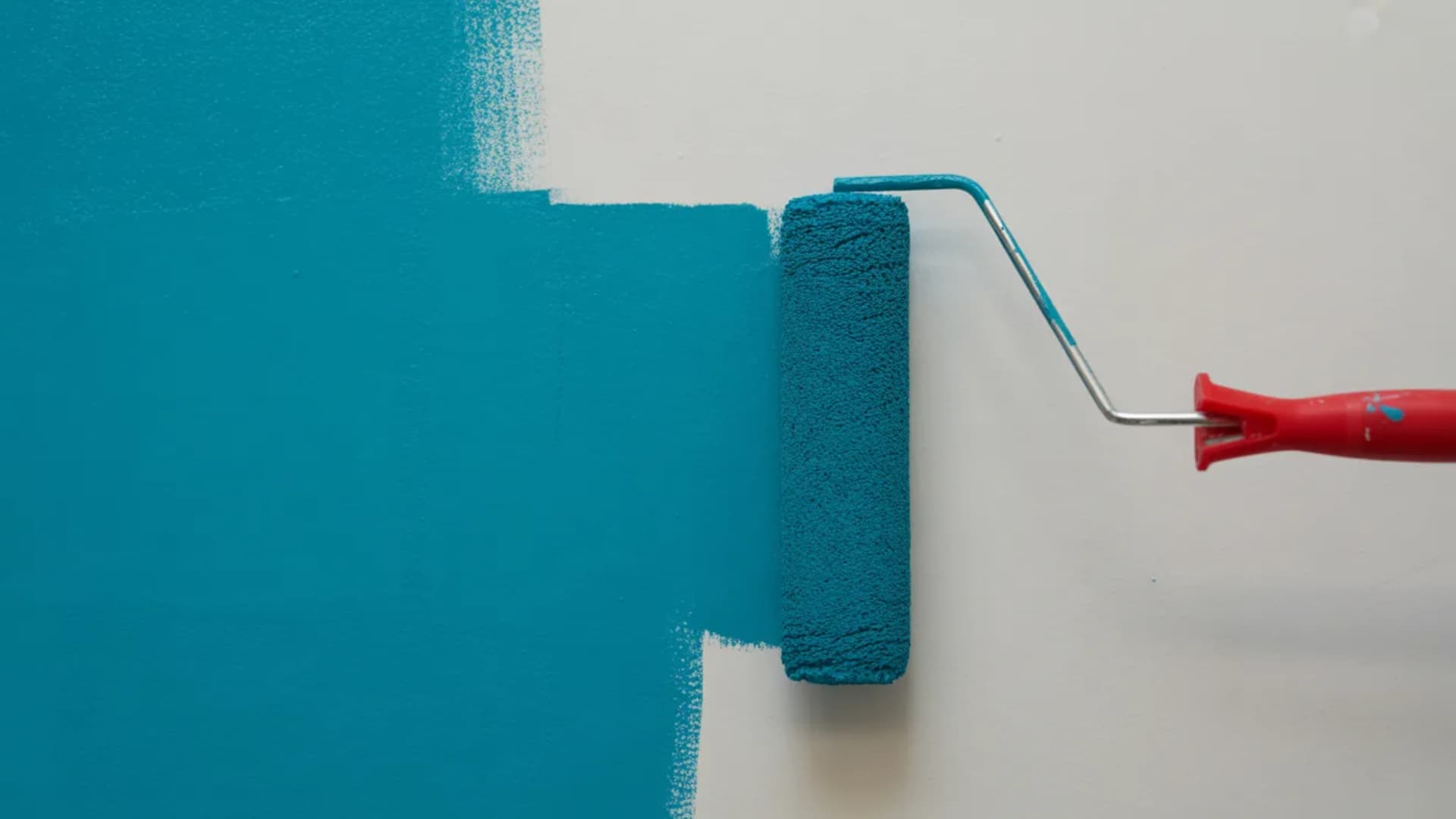
Satin reflects light. That reflection changes how your eye reads the color on the wall. A warm beige in matte can look soft and cozy. That same beige in satin can suddenly feel lighter and cooler than you expected.
Warm tones shift. Bright colors feel more intense. Dark shades get richer but may show brush marks more easily in rooms that get a lot of natural light.
The finish is not just a texture. It is part of the color itself.
So here’s the rule: test your paint in the exact finish you plan to use. Not a matter. Not a flat sample card. The actual satin.
Paint a 2-by-2-foot patch on the wall, let it dry overnight, and then check it at three different times: morning, midday with full sun, and evening under your room’s artificial lights. Colors shift dramatically between those conditions. That one step can save you a $300-plus repaint.
Paint manufacturers like Benjamin Moore and Sherwin-Williams both note on their sheen guides that higher-sheen finishes can make colors appear lighter and cooler due to increased light reflection.
What Are the Best Rooms for Satin Paint on Walls?
Not every room in your home has the same demands. That is exactly why one finish does not work everywhere.
Satin performs best in rooms that see a lot of daily action. Kitchens collect grease and splashes. Bathrooms deal with steam and moisture. Hallways take scuffs from bags, hands, and kids running through. Kids’ rooms need walls that can be wiped down without the paint wearing off. In all of these spaces, satin holds up where other finishes fail.
But move into quieter parts of the home, and the case for satin gets weaker.
Bedrooms and formal living rooms are low-traffic. Walls in these spaces rarely need scrubbing. Using satin here means you are getting a shinier wall without any of the practical benefits that justify it.
Ceilings are a hard no. Any shine on a ceiling pulls the eye upward and highlights every uneven patch and roller mark above your head.
Here is a simple room-by-room breakdown:
| Room | Use Satin? | Reason |
|---|---|---|
| Kitchen | Yes | Resists grease, moisture, and splashes |
| Bathroom | Yes | Holds up well against steam and humidity |
| Hallway | Yes | Survives daily scuffs and heavy foot traffic |
| Kids’ Room | Yes | Easy to wipe clean after everyday mess |
| Bedroom | No | Low traffic means shine adds no real benefit |
| Living Room | No | A softer finish creates a warmer, more relaxed feel |
| Ceiling | No | Shine makes every flaw and roller mark visible |
One thing I’ve learned after years of working on residential projects: the best-looking homes almost always use different finishes in different rooms. I worked on a 1920s bungalow renovation a few years ago, where the homeowner wanted satin everywhere for consistency.
We painted one bedroom as a test. Under the bedside lamp at night, the walls looked almost wet. She hated it. We switched the bedrooms to eggshell, kept satin in the kitchen and bathrooms, and the whole house felt right.
Should You Use Satin Paint on Every Wall in Your Home?
A lot of homeowners land on satin and think: great, problem solved. One finish, whole house, done.
That is where things go sideways.
Satin was built for function. It earns its place in the rooms we covered above. But use it everywhere, and something starts to feel off. Every room looks the same.
Your home loses its rhythm. A hallway is supposed to feel like a transition. A bedroom is supposed to feel like a breath. When every surface has the same sheen, those shifts disappear, and the whole place feels flat (ironically, by being too shiny).
Professional painters almost never paint an entire home in one finish. They treat each room as its own decision.
The most common approach pairs satin in high-traffic areas with eggshell in living spaces and bedrooms.
Satin handles the mess. Eggshell handles the mood. That pairing works in about 90% of homes I’ve seen. You get durability where you need it and warmth where you want it.
Mixing finishes isn’t an inconsistency. It’s a deliberate choice, and it’s what professionals do.
But even in the right rooms, satin will only look as good as your prep work.
What Does Satin Paint Expose on Your Walls?
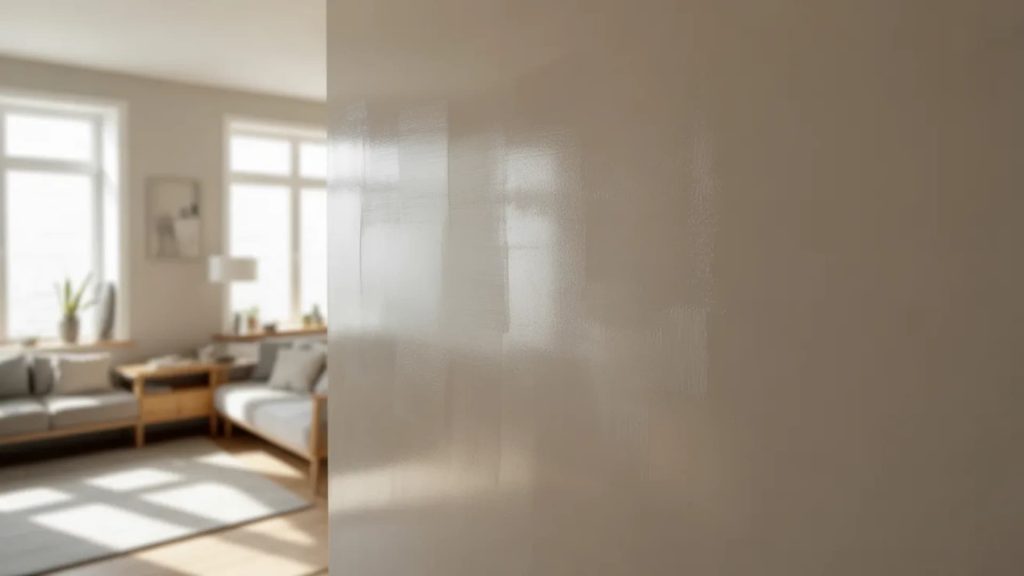
Satin is an honest finish. It will not cover you.
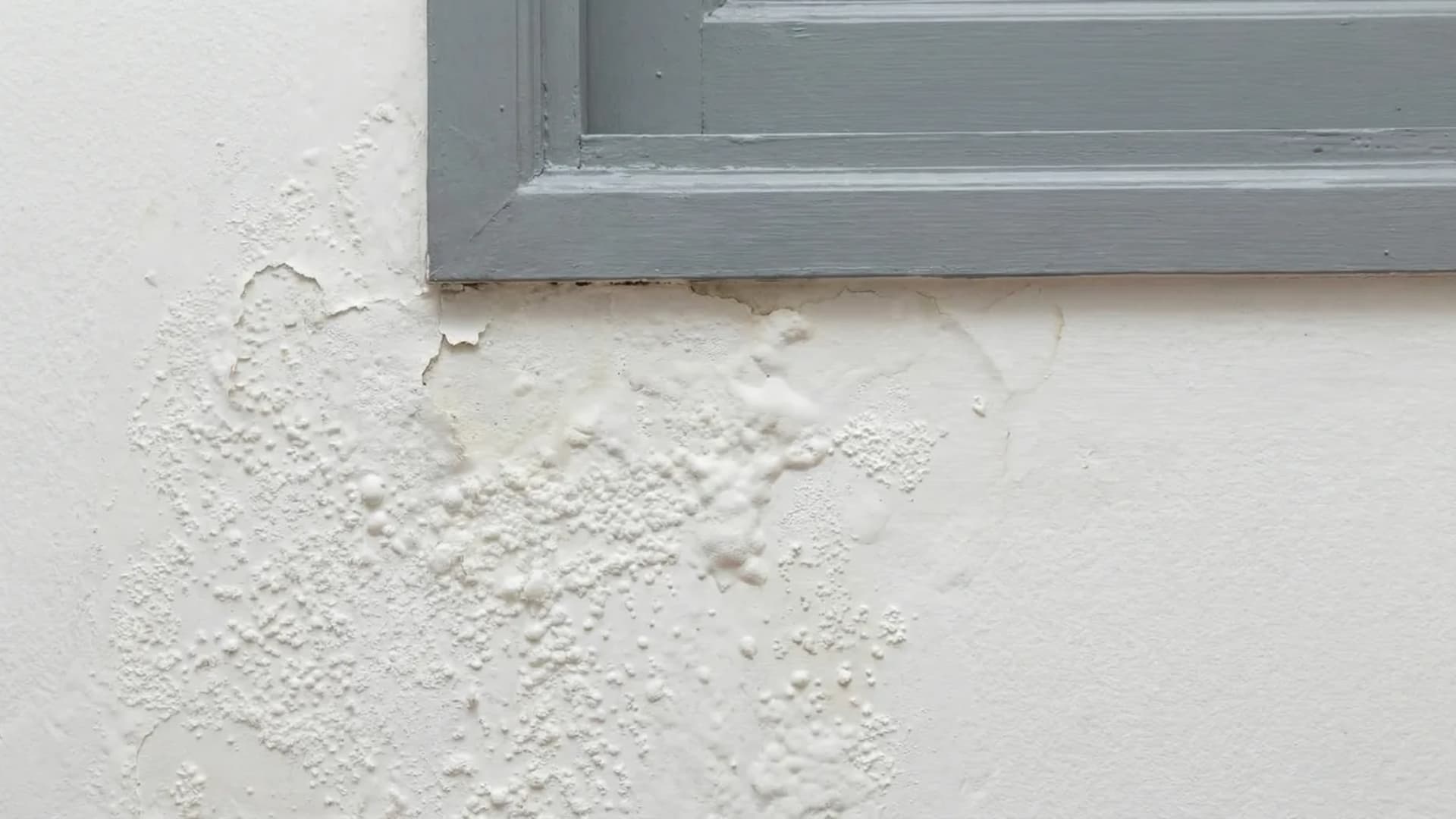
Matte paint is forgiving. Small dents, old patches, and uneven surfaces get absorbed into a flat finish and quietly disappear. Satin does the opposite. Its slight shine catches light from every angle, and that light finds every flaw your wall is trying to hide.
A patch you could barely see before painting becomes the first thing anyone notices after the job is done.
That’s not a reason to skip satin. It’s a reason to prep, because with this finish, it really does.
Before you apply a single coat, fill every dent and crack with lightweight spackle (I like DAP DryDex for small patches because it turns pink and dries white, so you know it’s ready). Sand repaired spots with 150-grit paper until they feel flush. Then, prime every patched area with a good bonding primer so the satin coat absorbs evenly across the whole wall.
Skip those steps, and the finished wall will broadcast every shortcut. If your walls are in rough shape or you’re working with bare masonry, it’s worth preparing walls with dry lining before painting to get a smooth, even base for satin.
Pro Tip: Run a bright torch along your wall at a low angle before painting. Any bumps or uneven patches will show up immediately. Fix them now so you don’t have to stare at them for years.
Lighting is the other factor most people only think about after the paint is already dry. Satin in a north-facing room adds welcome brightness to a space that needs it.
But in a room with strong direct sunlight, that same finish creates unwanted glare. Test your satin sample at different times of day before committing. What looks great at 9 am can look harsh by 2 pm.
Should You Use Oil-Based or Water-Based Satin Paint?
Most people walk into a paint store knowing the color they want. Very few know which type of satin paint they should actually be buying. That one choice affects how the finish looks, how long it lasts, and how much patience you will need during the process.
There are two types: oil-based and water-based. Both come in satin. Both look good on walls. But they behave very differently once you bring them home.
| Factor | Oil-Based Satin | Water-Based (Latex) Satin |
|---|---|---|
| Coverage | Excellent, often fewer coats | Good, may need an extra coat |
| Dry time | Slower between coats | Faster, about 2-4 hours per coat |
| Odor | Strong, lingers for days | Mild, clears quickly |
| Yellowing | Yes, especially on whites and light neutrals | No, holds color over time |
| Cleanup | Requires mineral spirits | Soap and water |
| Best for | Trim, cabinets, high-wear surfaces | Most interior walls |
A quick note on VOCs (volatile organic compounds): oil-based paints contain higher VOC levels than latex. If you’re painting an enclosed room, especially a nursery or bedroom, water-based satin is the safer bet. Look for low-VOC or zero-VOC options from brands like Benjamin Moore Regal Select or Sherwin-Williams Harmony.
For the majority of homeowners painting interior walls, water-based satin is the smarter pick. It is easier to work with, holds its color better over time, and performs well across most room types.
How Do You Apply Satin Paint on Walls Without Mistakes?
You can buy the best satin paint on the market and still end up with a finish that looks uneven, streaky, or patchy. The paint is rarely the problem. The application is.
Getting satin right comes down to a few steps that most people either rush or skip entirely.
Pick the right roller: A 3/8-inch nap works best on smooth drywall. Textured walls do better with a 1/2-inch nap. The wrong nap leaves an uneven stipple pattern that satin’s sheen makes painfully obvious. If you’re buying rollers at Home Depot or Lowe’s, the Purdy White Dove or Wooster Pro are solid choices for satin.
Two thin coats, always: One heavy coat takes forever to dry, sags in corners, and leaves you with uneven sheen. Let the first coat dry completely (check the can for recoat time; usually 2-4 hours for latex) before applying the second coat.
Keep a wet edge the entire time: Roll into paint that’s still slightly wet. If you go back over an area that’s already started drying, you’ll get lap marks: visible lines where wet paint overlapped dry. With satin, those lines catch light and they’re permanent. No second coat will fix them.
Be honest about touch-ups: Satin is notoriously hard to touch up. A small dab of new paint over a dried satin wall almost never blends. The sheen difference is visible from across the room. If you need to fix a spot, repaint the full wall from corner to corner. It’s annoying, but it’s the only way to get a clean result.
Pro Tip: Paint under consistent lighting. Satin shows sheen differences while still wet, so catching them early means fixing them before the paint dries.
Which brings up the comparison most people eventually land on.
What’s the Difference Between Eggshell and Satin Paint?
These two get confused constantly, and for good reason. They sit right next to each other on the sheen scale. But the differences matter more than most people expect.
Eggshell has a barely-there glow. It’s softer, more muted, and more forgiving on surfaces that aren’t perfectly smooth.
Satin steps the shine up a notch. It catches more light, which makes colors feel slightly richer and rooms feel a touch brighter, but that extra reflection works against you on walls that haven’t been prepped well.
Here’s the practical breakdown:
| Factor | Eggshell | Satin |
|---|---|---|
| Sheen | Low, almost matte | Soft but noticeable |
| Durability | Moderate | Higher, withstands more scrubbing |
| Hides wall flaws | Better | Worse, reflects light onto imperfections |
| Washability | Fair, needs gentle cleaning | Good, handles regular wiping |
| Touch-ups | Blend in easier | Harder to match sheen |
| Cost per gallon | About $25-40 | About $28-45, roughly $3-5 more |
| Best rooms | Bedrooms, living rooms, dining rooms | Kitchens, bathrooms, hallways, kids’ rooms |
If I’m being honest, eggshell is the safer default for most rooms. You only need satin’s extra durability in spaces that genuinely get dirty or wet. Everywhere else, eggshell gives you a cleaner look with fewer trade-offs.
One more thing: if you’re using satin on your walls and eggshell in adjacent rooms, stick with the same brand and color line. Sheen differences between brands can be noticeable, and the last thing you want is a visible transition where two rooms meet.
That same logic applies when you’re picking the right finish for your staircase walls, where the finish has to hold up to constant contact. And if you’d rather skip paint altogether in some areas, consider adding wall panelling for a different look that sidesteps the sheen question entirely.
Is Satin or Semi-Gloss Better for Interior Walls?
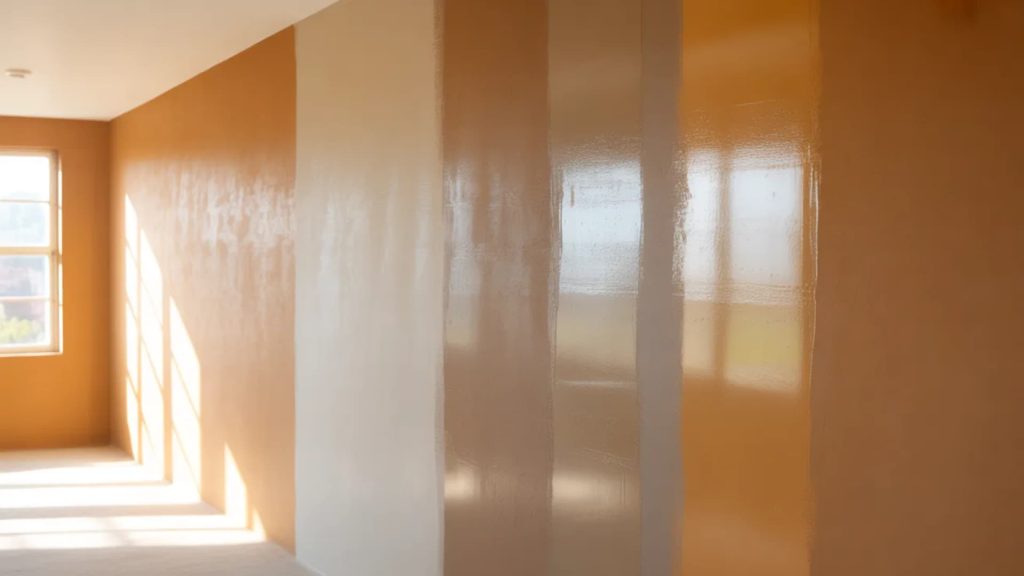
Short answer: satin for walls, semi-gloss for trim. But here’s why.
Semi-gloss has a clear, visible shine. It’s harder, more moisture-resistant, and easier to scrub than satin. Contractors and painters love it on doors, baseboards, window casings, and cabinets because it stands up to constant contact and cleans beautifully.
On walls, though, semi-gloss is usually too much. The reflectivity amplifies every surface flaw you haven’t fixed, and in a room with big windows, semi-gloss walls can create genuine glare.
Here’s the side-by-side:
| Factor | Satin | Semi-Gloss |
|---|---|---|
| Sheen | Soft glow | Clearly shiny |
| Durability | High | Very high |
| Washability | Good | Excellent |
| Hides flaws | Fair | Poor; reflects everything |
| Touch-ups | Difficult | Very difficult |
| Cost per gallon | ~$28-45 | ~$30-50 |
| Best for | Walls in busy rooms | Trim, doors, cabinets, baseboards |
The smartest approach I’ve seen (and recommend to clients): satin on the walls, semi-gloss on the trim. That contrast creates visual definition between the wall surface and the architectural details, and it gives you the right durability level where each surface needs it.
If you’re painting a bathroom or laundry room where walls get regularly splashed, you might consider semi-gloss on the walls.
Conclusion
Satin paint on walls isn’t a one-size-fits-all solution, and treating it like one is the fastest way to end up repainting. It belongs in the rooms that earn it, and the rest of your home deserves a finish that matches how each space actually gets used.
The finish you pick affects how the color reads on the wall, how long the paint job lasts, and how much maintenance it requires down the road. Get your prep right. Understand how your lighting affects the sheen.
Test your color in the actual finish before you commit. And don’t be afraid to mix finishes room by room. That’s not cutting corners. That’s good decision-making.
If you’re about to start a project and you’re still not sure, grab a satin and an eggshell sample in the same color and test them side by side on your wall. You’ll know within 24 hours which one belongs.
Frequently Asked Questions
How Many Coats of Satin Paint Does a Wall Need?
Most walls need two coats. Dark or bold colors may need a third coat to achieve a fully even finish and consistent sheen across the wall.
Can You Use Satin Paint Over Old Wallpaper?
It is not recommended. Satin highlights seams and bubbles more than flat paint. Remove the wallpaper, prep the wall properly, and then paint for the best results.
How Long Should You Wait Before Cleaning Satin-Painted Walls?
Wait at least two weeks after painting before wiping or scrubbing. This gives the paint enough time to cure fully and harden on the wall surface.
Does Satin Paint Work on Exterior Walls?
Yes. Satin handles outdoor conditions well and resists dirt and moisture. However, exterior satin will need repainting every five to seven years, depending on weather exposure.