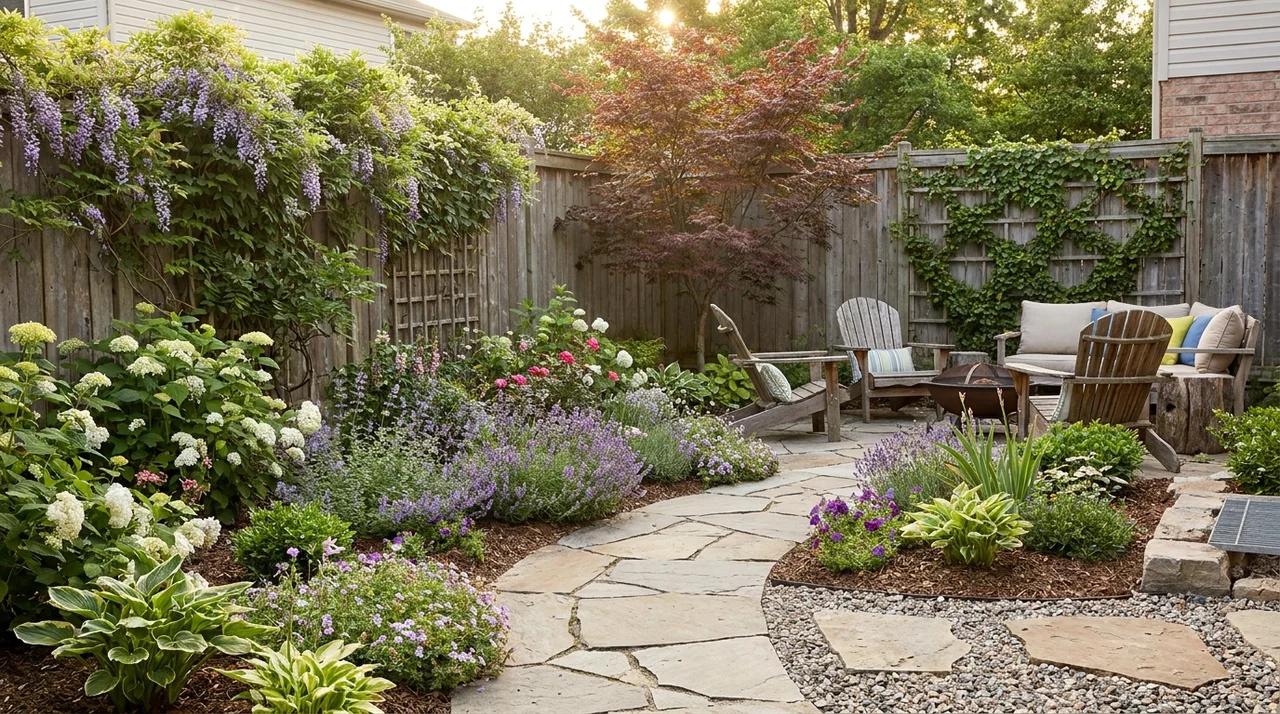

A small backyard does not need a large area to become a useful and inviting outdoor space.
With thoughtful planning, even compact yards can include greenery, seating, pathways, and relaxing features without feeling crowded.
The right layout can help you make better use of every corner while matching your style, budget, and maintenance needs.
Thesesmall backyard landscaping ideas include creative ways to add plants, improve privacy, create functional areas, and bring more life to your outdoor space.
Whether you have a narrow yard, a small garden area, or limited room to work with, these ideas can help you plan a backyard that fits your needs.
How Do You Plan a Small Backyard Landscape?
A well-planned backyard starts with knowing how you want to use the space. Before adding plants or features, check the yard size, sunlight, drainage, and maintenance needs.
Dividing the area into simple zones can help create a balanced layout without making the space feel crowded.
| Consideration | What to Plan |
|---|---|
| Space | Measure the yard and note existing structures |
| Purpose | Decide on seating, gardening, dining, or play areas |
| Sunlight | Choose plants based on available light |
| Drainage | Check areas where water collects |
| Maintenance | Pick features that match your available time |
Keeping the design practical first makes it easier to create a backyard that looks good and works well for everyday use.
31 Ways to Landscape a Small Backyard
A small backyard can be improved with the right mix of plants, layouts, and features. These ideas offer practical ways to add beauty, function, and personality to compact outdoor spaces
1. Layered Green Border Around the Backyard
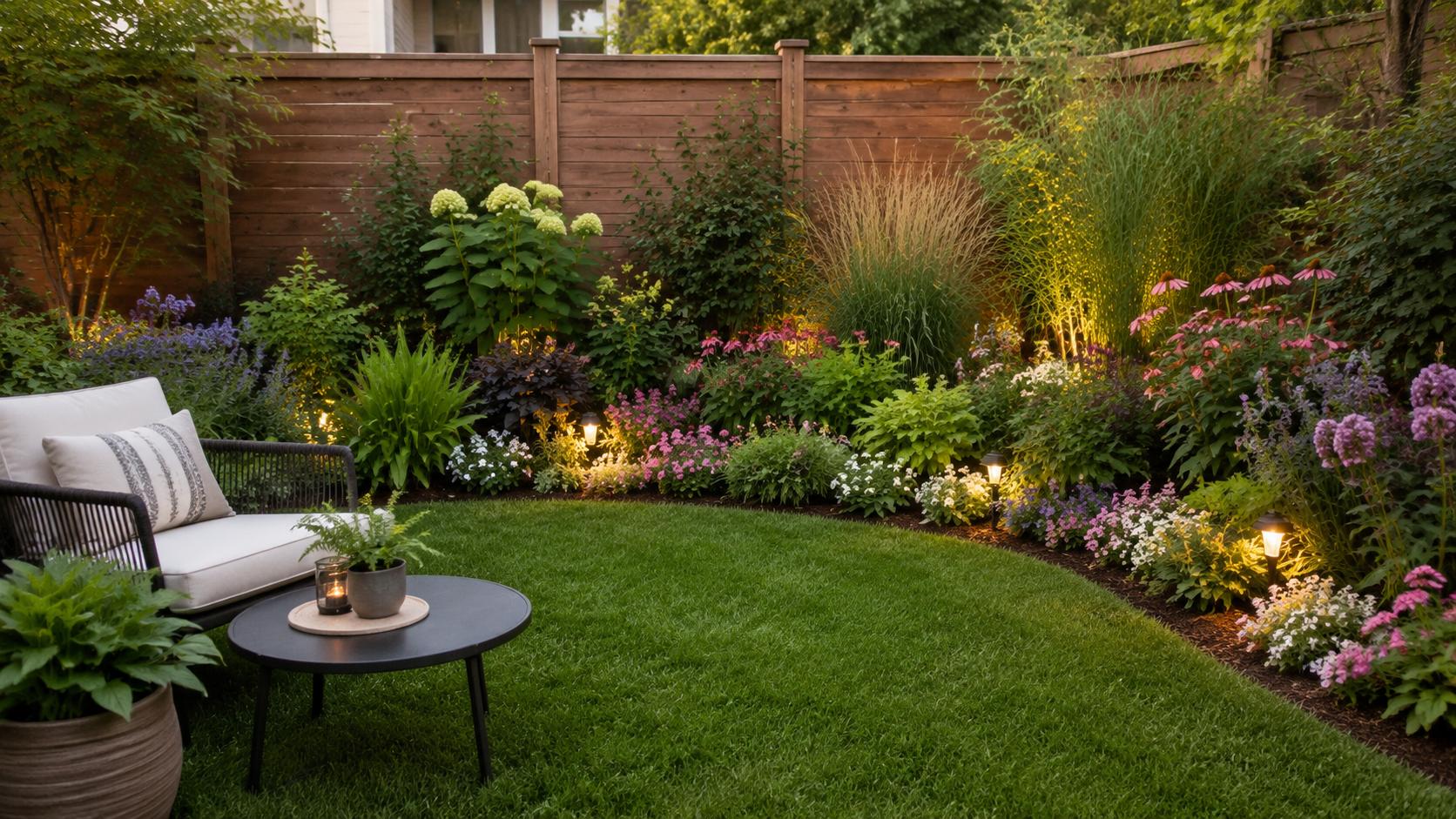
A layered planting border adds depth to a small backyard without taking away usable space.
Place taller shrubs or ornamental grasses at the back, medium-sized plants in the middle, and flowers or ground covers along the front.
This arrangement creates a fuller garden appearance while keeping the center open for seating, pathways, or activities.
2. Built-In Bench Along the Fence
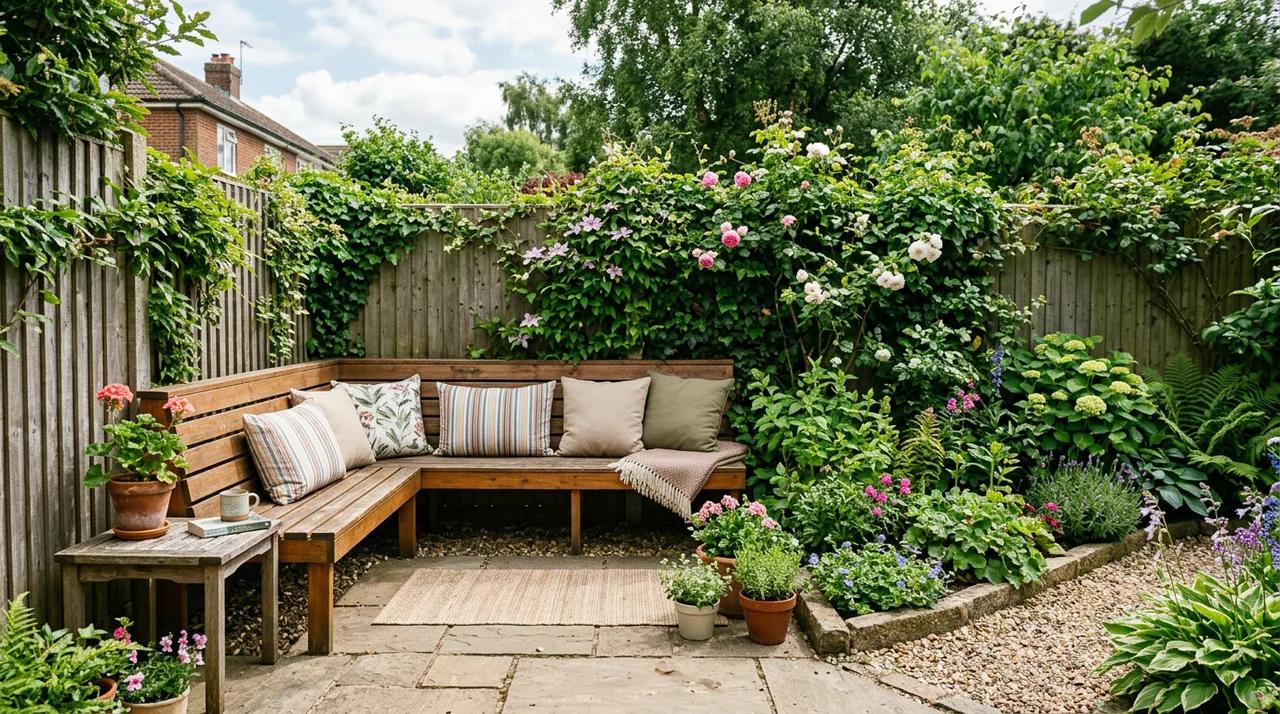
A built-in bench along the fence turns unused edges into a practical seating area. Add weather-resistant cushions, nearby planters, or climbing plants to soften the structure.
This design works especially well in compact yards because it keeps furniture close to the boundary while leaving more open space for movement and planting.
3. Slim Garden Path Through the Yard
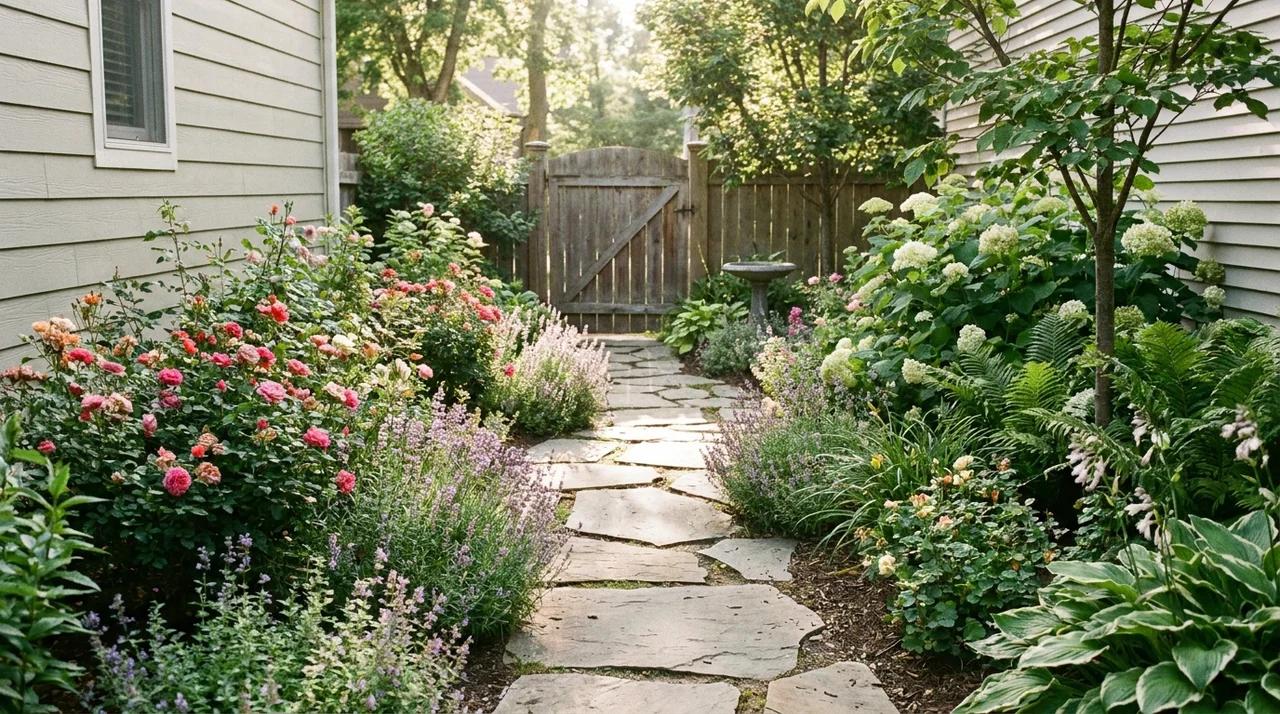
A narrow garden path can make a small backyard feel more spacious by creating a sense of movement. Use stepping stones, brick, or compact pavers to connect different areas of the yard.
Surround the walkway with low-growing plants, flowers, or mulch beds to create a natural transition between seating and garden spaces.
4. Small Courtyard Garden
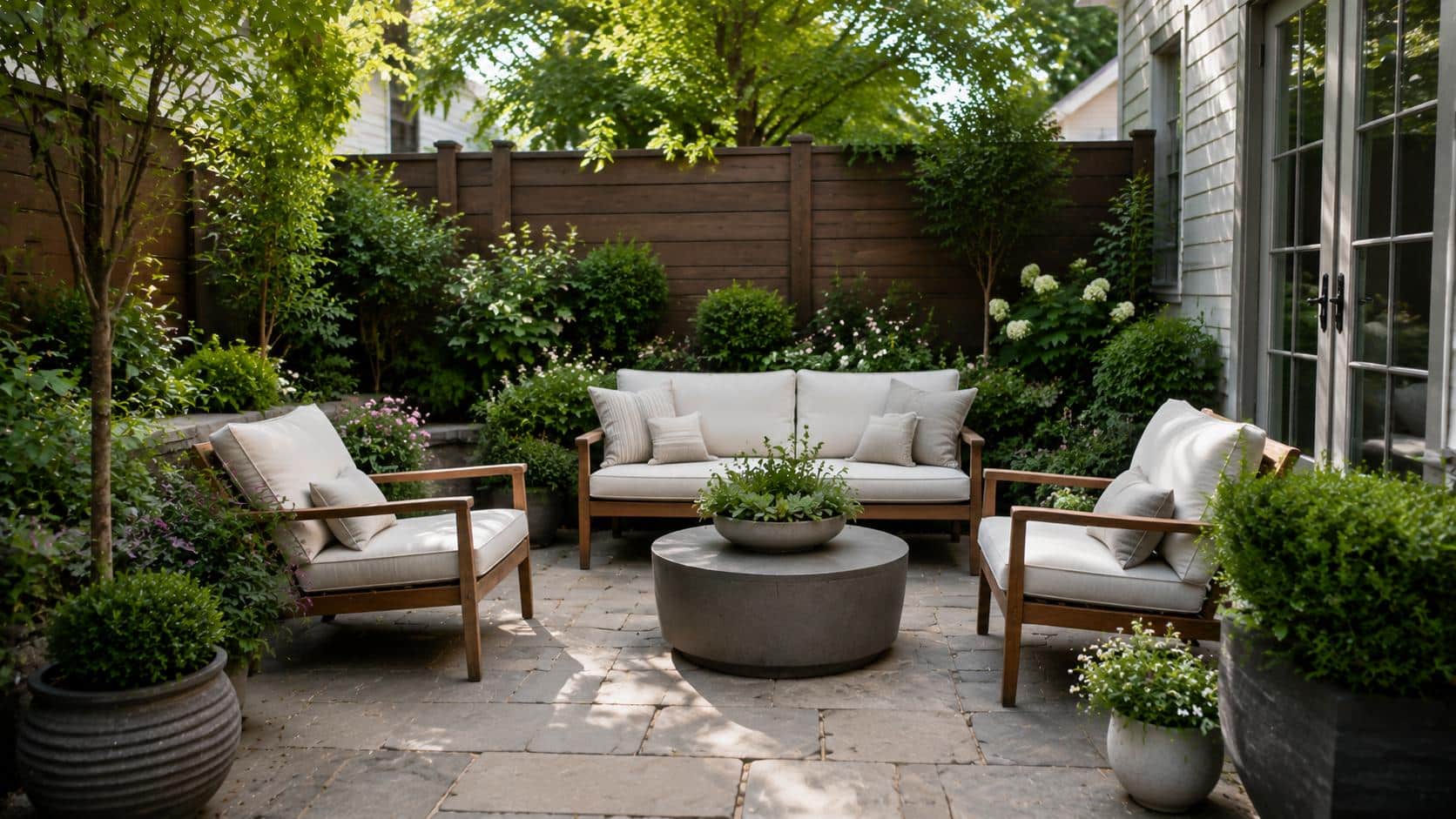
A courtyard garden brings structure to a small backyard by creating a defined outdoor room. Use walls, fencing, or hedges as natural boundaries, then add compact trees, planters, and comfortable seating.
This layout works well for urban homes where space is limited, but homeowners still want a private and welcoming garden area.
5. Backyard Reading Corner
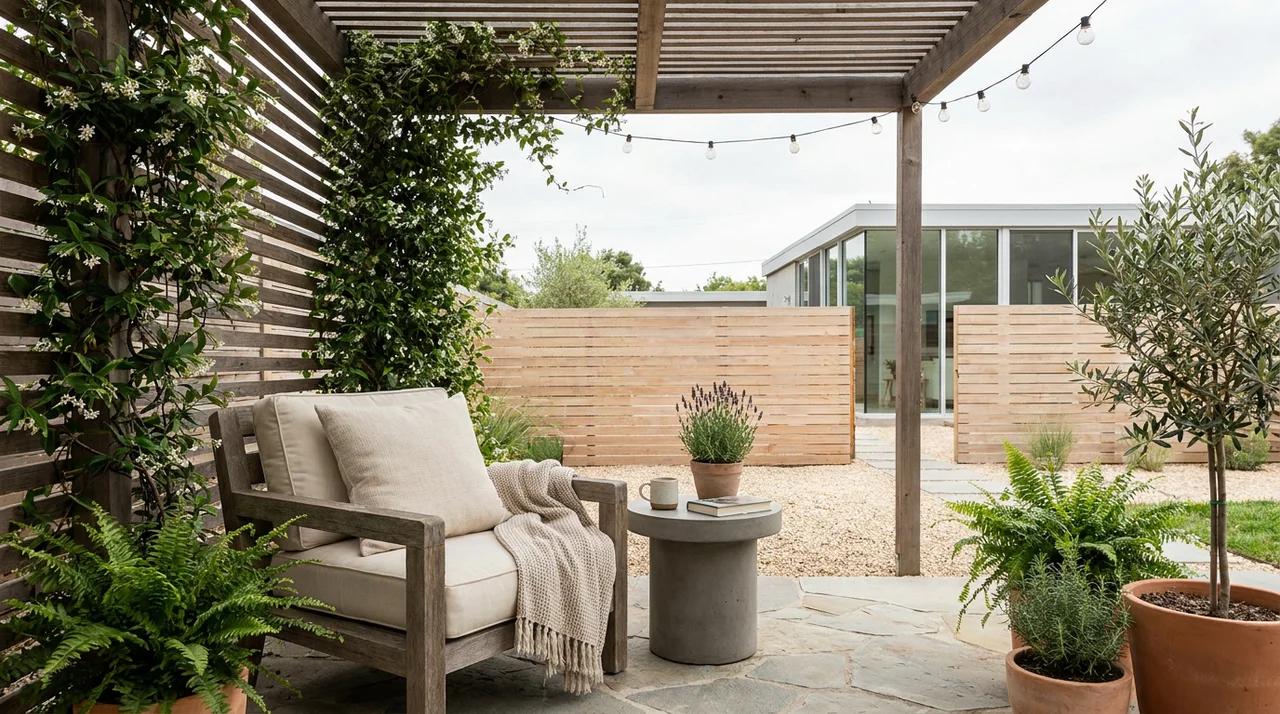
A quiet reading corner can change an unused backyard area into a relaxing retreat. Place a comfortable chair or small bench under shade, add a side table, and surround the space with greenery.
Fragrant plants, soft lighting, and natural materials can make even a tiny corner feel like a peaceful outdoor escape.
6. Climbing Plants Covering Blank Walls
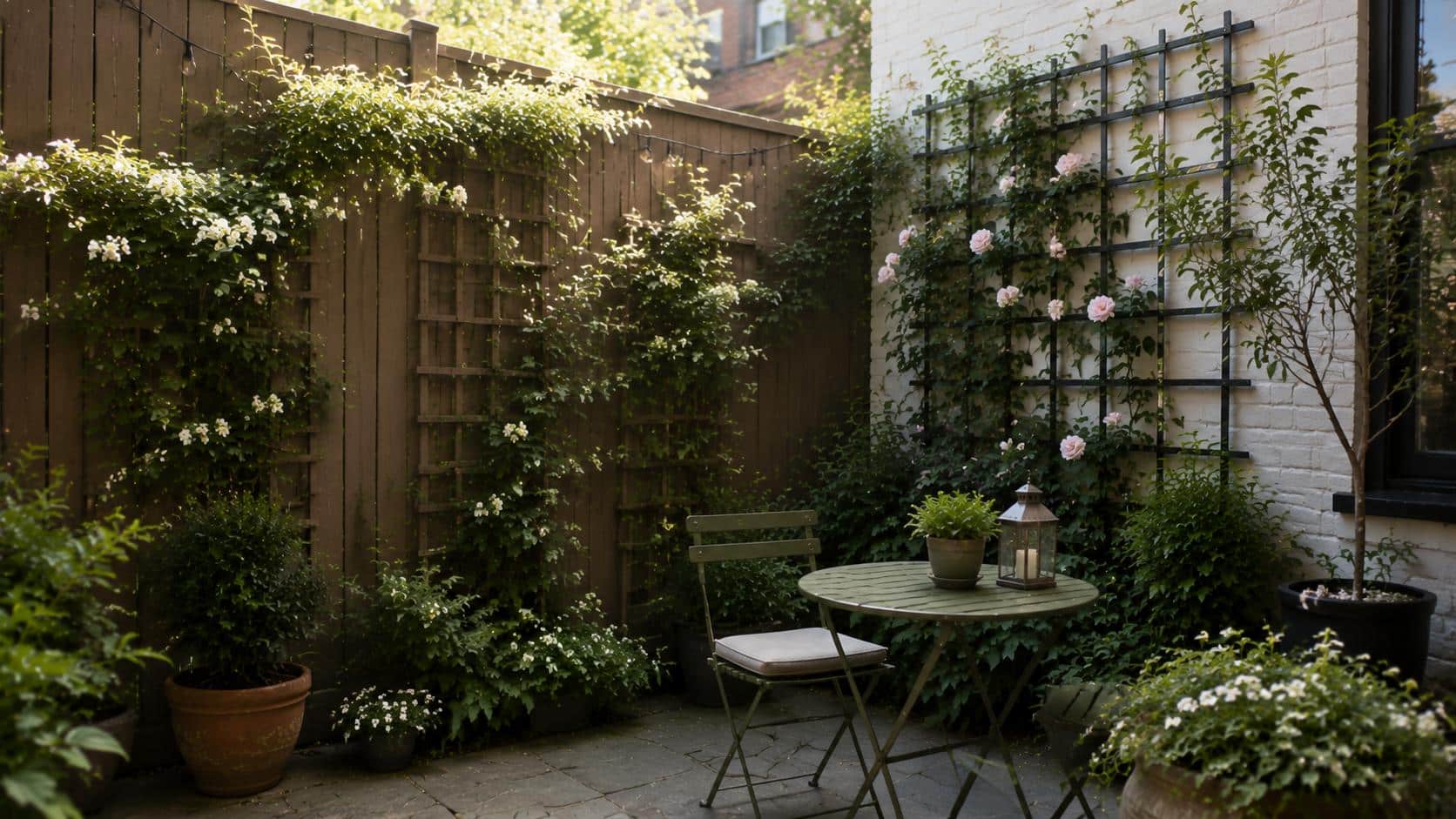
Blank fences and walls offer valuable vertical space in a small backyard. Install trellises and grow climbing plants like jasmine, clematis, or climbing roses to add texture and greenery.
This approach creates privacy, improves the appearance of plain surfaces, and lets you add more plants without reducing the available ground area.
7. Circular Lawn Area
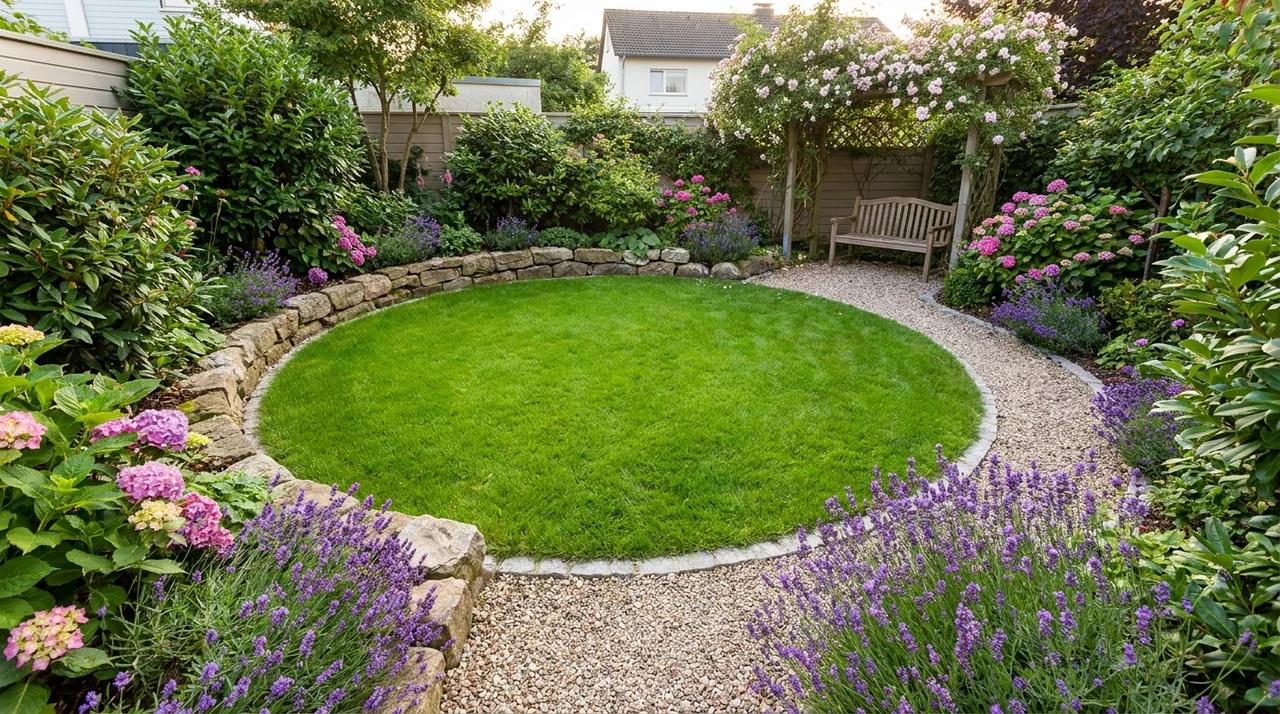
A circular lawn adds a softer shape to a compact backyard compared with traditional rectangular layouts. Surround the grass with planting beds, small shrubs, or decorative borders to create a clear focal point.
The curved design helps break up straight lines and can make the overall landscape feel more spacious and balanced.
8. Ornamental Tree Focal Point
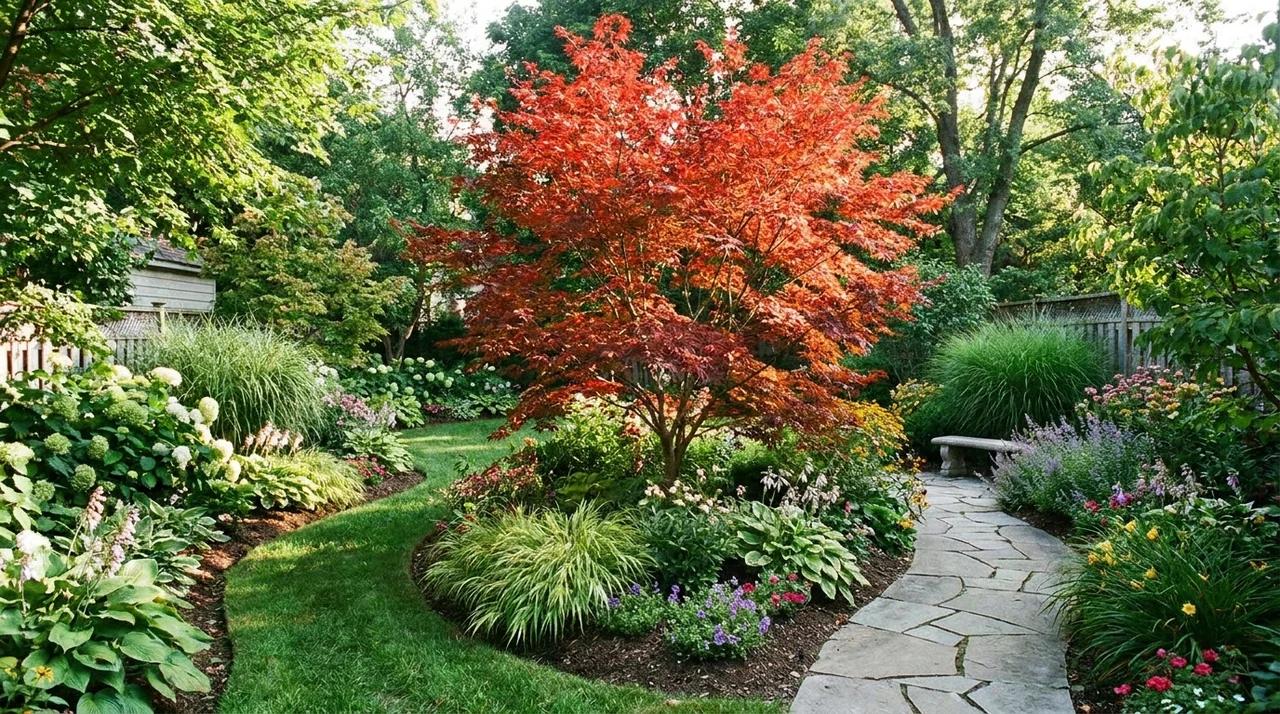
A small ornamental tree can add height, shade, and seasonal interest without overwhelming the space. Choose compact varieties that suit your climate and available area.
Position the tree where it can be viewed from seating areas or windows, then surround it with smaller plants for a complete garden composition.
9. Butterfly-Friendly Garden
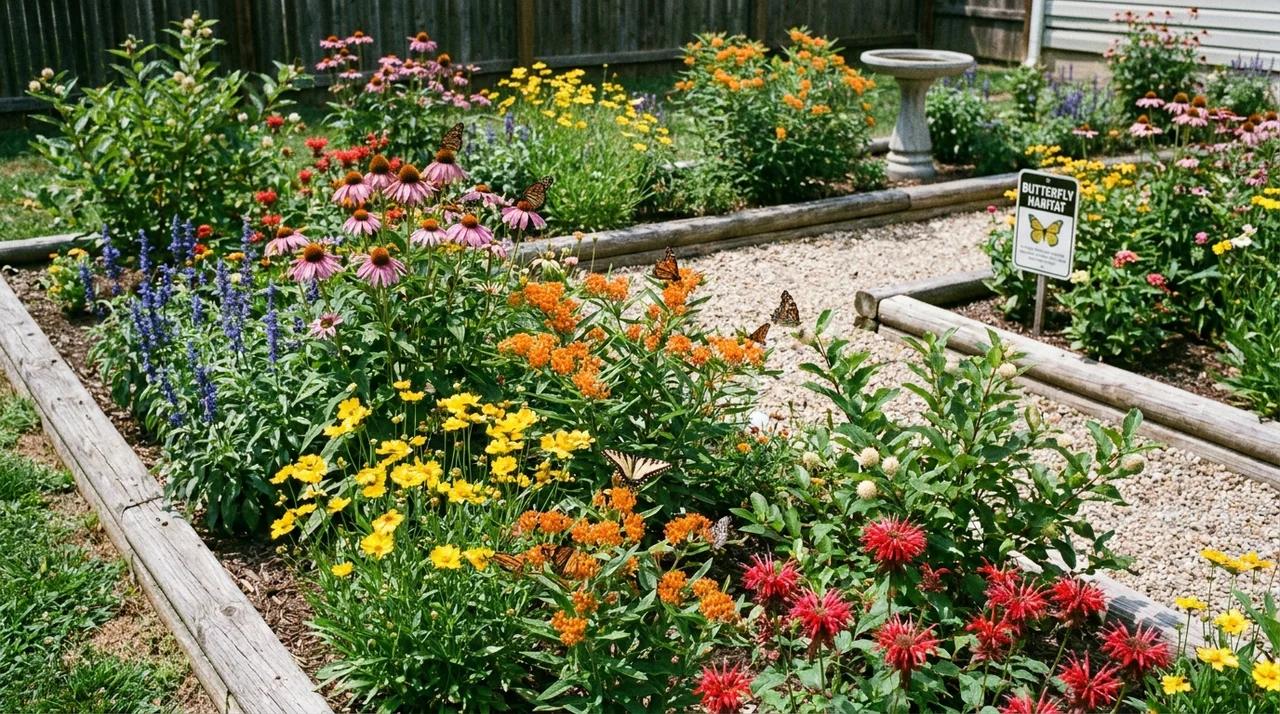
A butterfly garden adds color and movement to a small backyard while supporting local pollinators. Choose flowering plants that provide nectar and select native varieties whenever possible.
Arrange plants in groups rather than scattered individually to create a stronger visual impact and make maintenance easier throughout the growing season.
10. Design a Backyard Lounge With Floor Seating
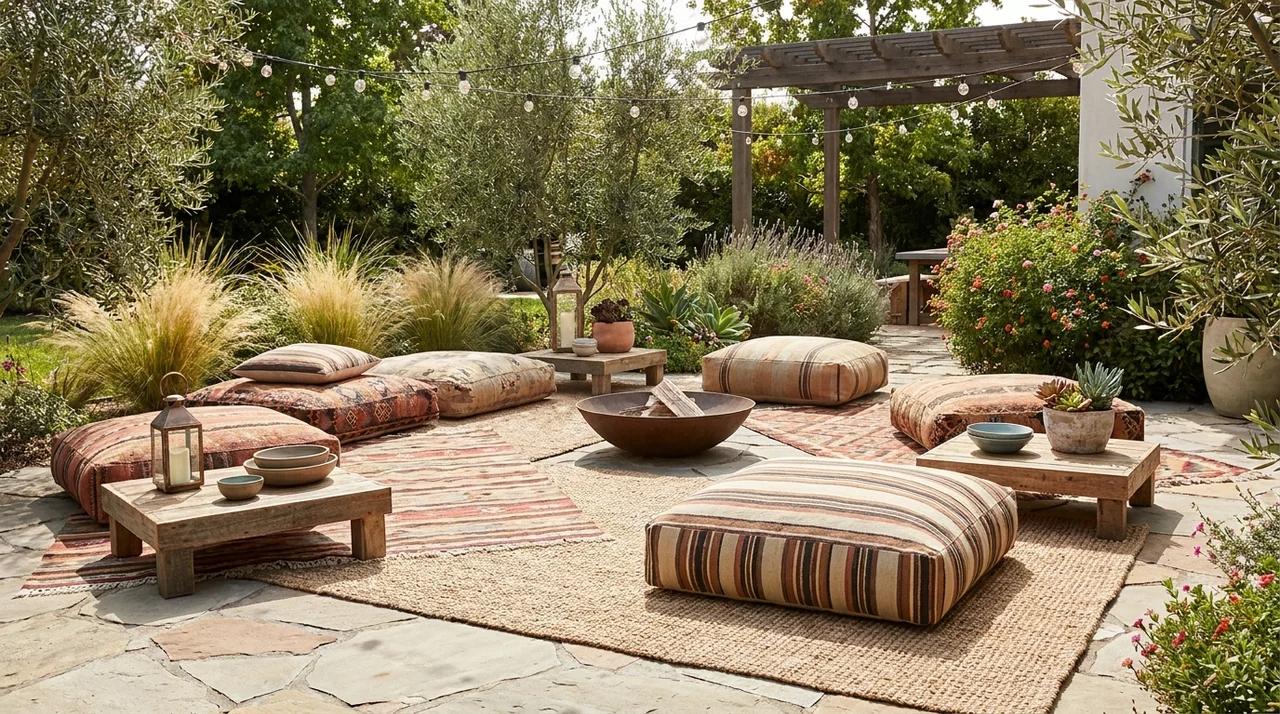
Floor seating creates a relaxed outdoor area while using minimal space. Add outdoor cushions, low tables, and weather-resistant rugs to create a comfortable lounge zone.
This setup works well for casual gatherings and can be rearranged easily when the backyard needs to serve different purposes.
11. Window Boxes and Wall Planters
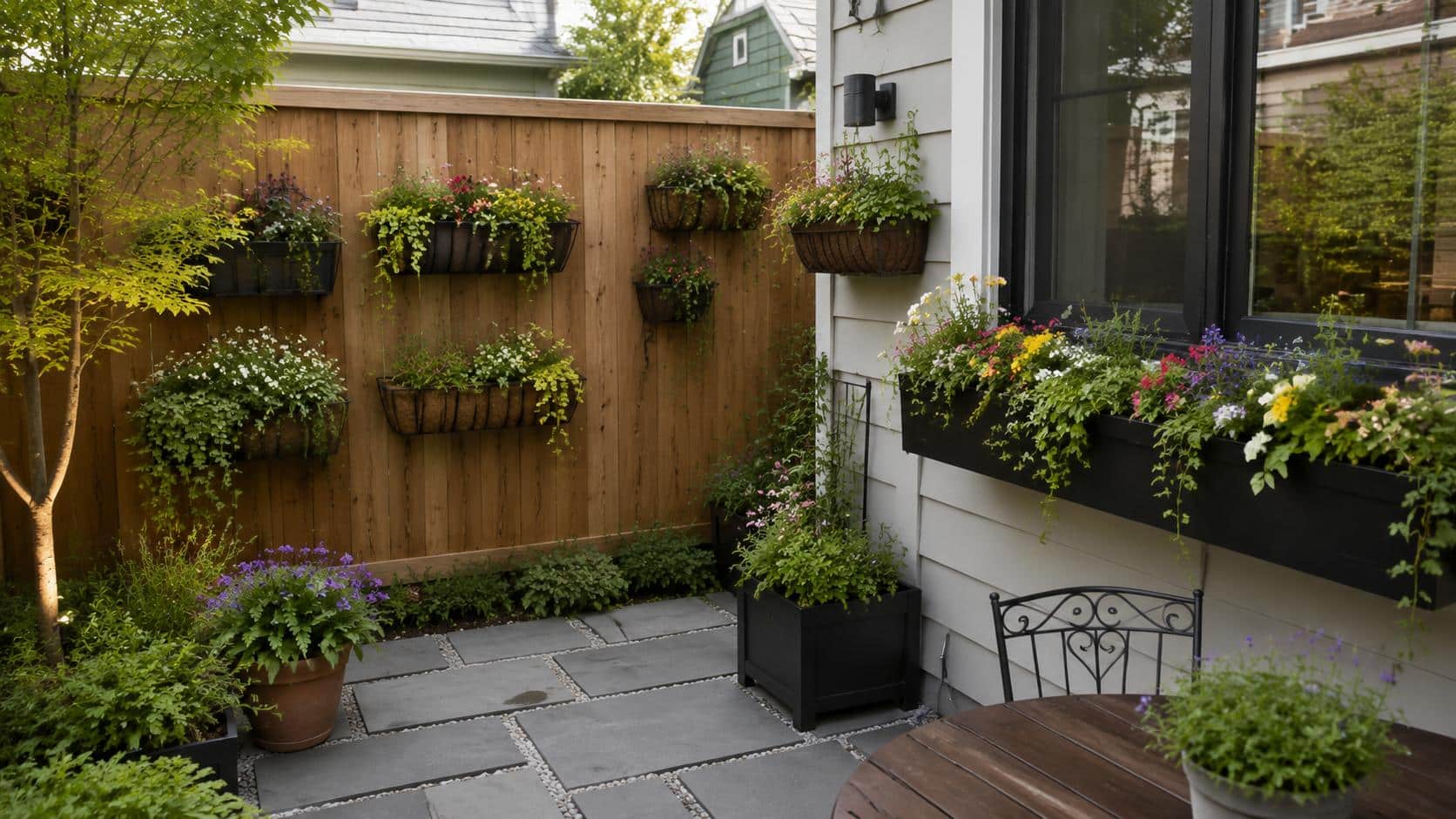
Window boxes and wall planters help add greenery when ground space is limited. Attach them to fences, walls, or exterior surfaces to grow flowers, herbs, and trailing plants.
These vertical features bring color into small backyards while keeping pathways and seating areas clear for everyday use.
12. Backyard Kitchen Garden Wall
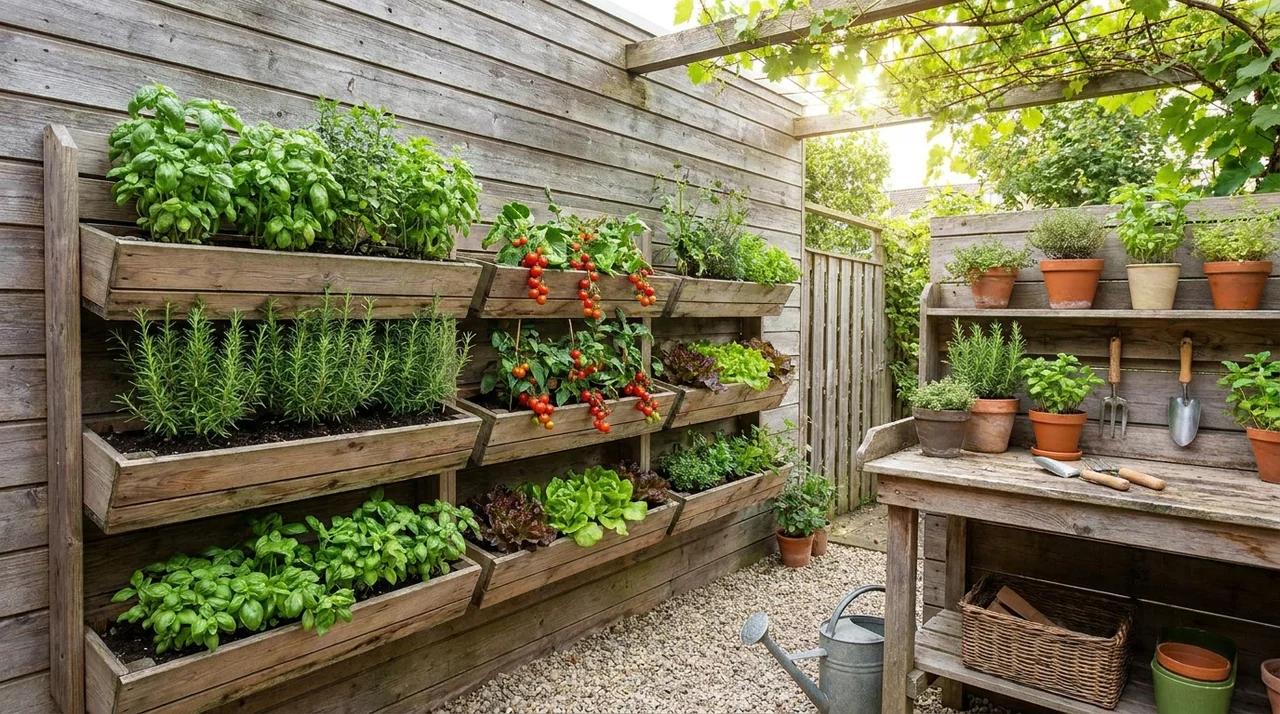
A vertical kitchen garden allows you to grow fresh herbs and vegetables without needing large planting beds. Use wall-mounted planters, shelves, or hanging containers to organize edible plants.
Place frequently used herbs like basil, rosemary, and mint near outdoor seating or kitchen areas for easy access.
13. Small Pond With Aquatic Plants
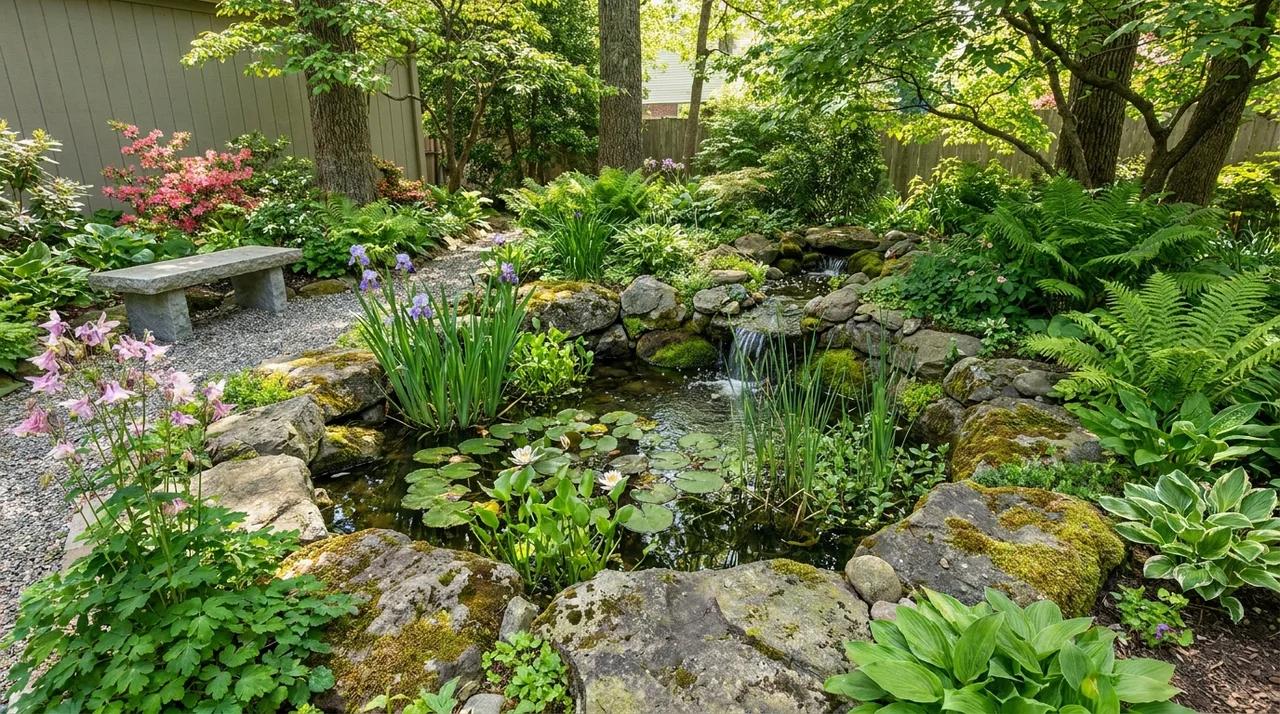
A compact pond can introduce a relaxing water element without taking over the backyard. Choose a small container pond or preformed basin surrounded by stones and moisture-loving plants.
Water features add sound, movement, and visual interest while creating a natural focal point in a limited outdoor area.
14. Create a Backyard Color-Themed Garden
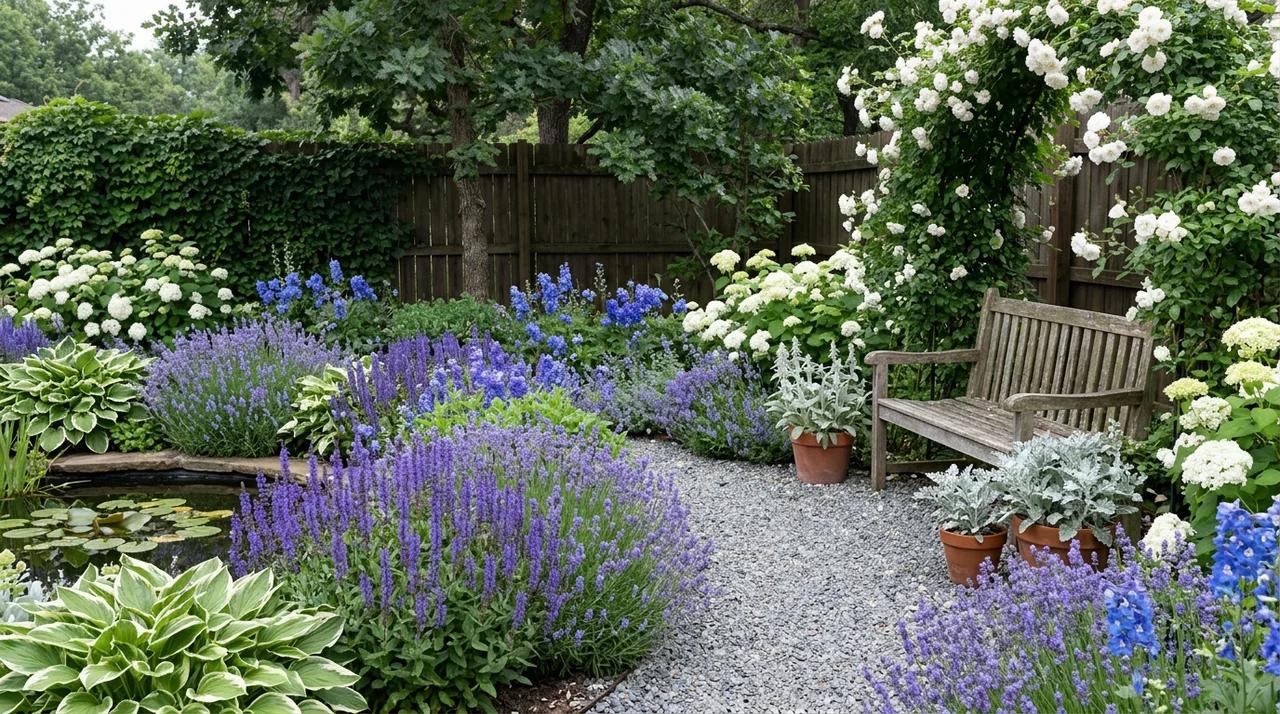
A color-themed garden uses a planned palette to create a coordinated look. Choose flowers and foliage in shades like white and green, warm tones, or cool blues and purples.
A limited color scheme helps small backyards feel more organized and visually balanced.
15. Small Backyard Composting Corner
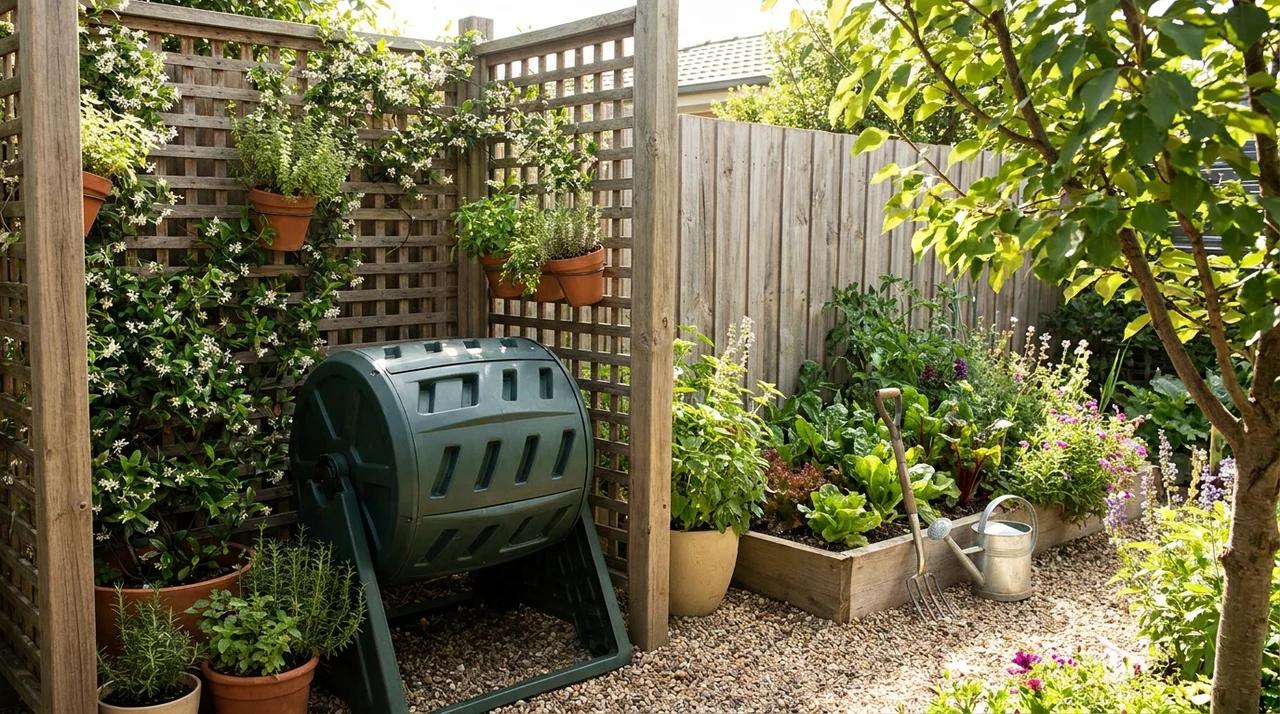
A composting corner adds function to a small backyard while reducing garden waste. Use a compact compost bin or enclosed area near planting spaces for easy access.
Surround it with plants or a small screen to blend it into the landscape. This idea works well for gardeners who want a more sustainable backyard setup.
16. Privacy Hedge Around the Yard
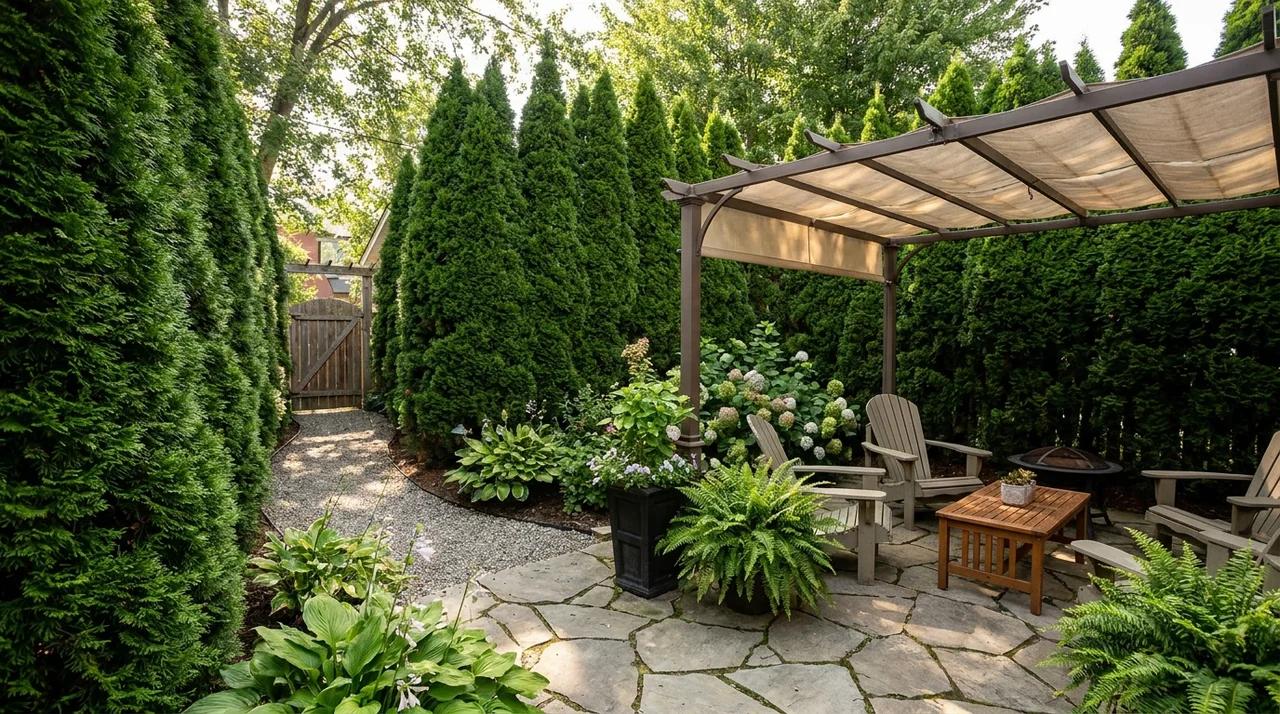
A privacy hedge around the yard creates a natural barrier while adding greenery, texture, and year-round structure to the landscape.
Fast-growing shrubs, evergreen trees, or layered plantings can block outside views and reduce noise.
Choose plants based on sunlight, climate, and available space to create a living screen that feels private without making the yard feel enclosed.
17. Outdoor Workspace
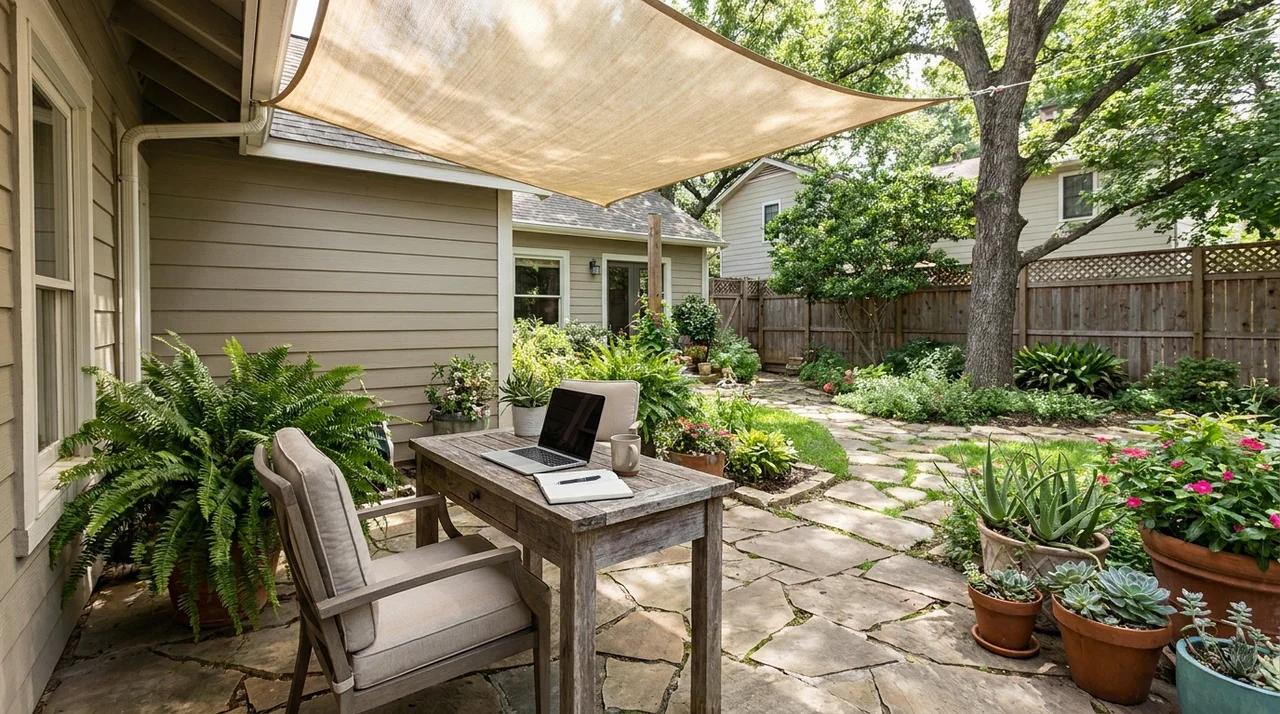
An outdoor workspace makes a small backyard more functional beyond traditional gardening or entertaining. Add a compact desk, weather-resistant chair, and shade solution in a quiet corner.
Surround the area with plants to create a comfortable setting for reading, hobbies, gardening tasks, or working outdoors during pleasant weather.
18. Kid-Friendly Backyard Zone
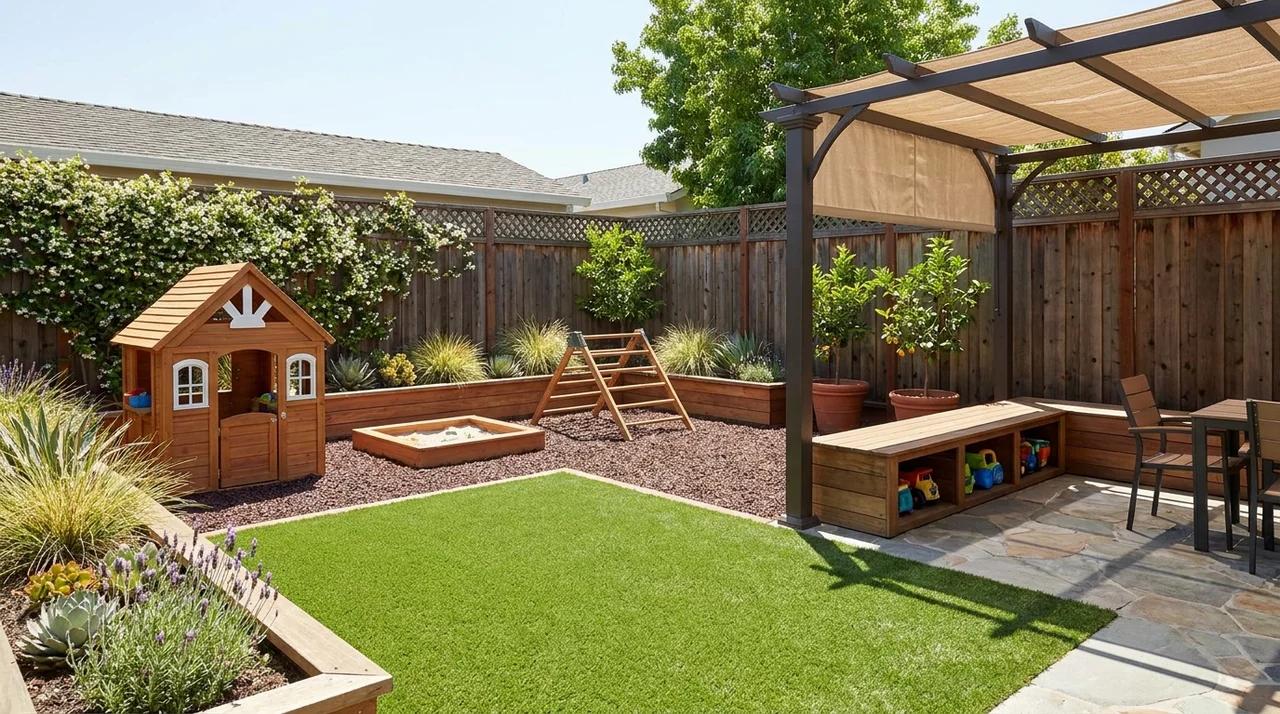
A small backyard can still include space for children by creating a dedicated activity area. Keep open space available for play, then surround it with durable plants and safe surfaces.
Adding shade, storage, and low-maintenance landscaping helps create a backyard that works for both children and adults.
19. Decorative Garden Steps on Sloped Yard
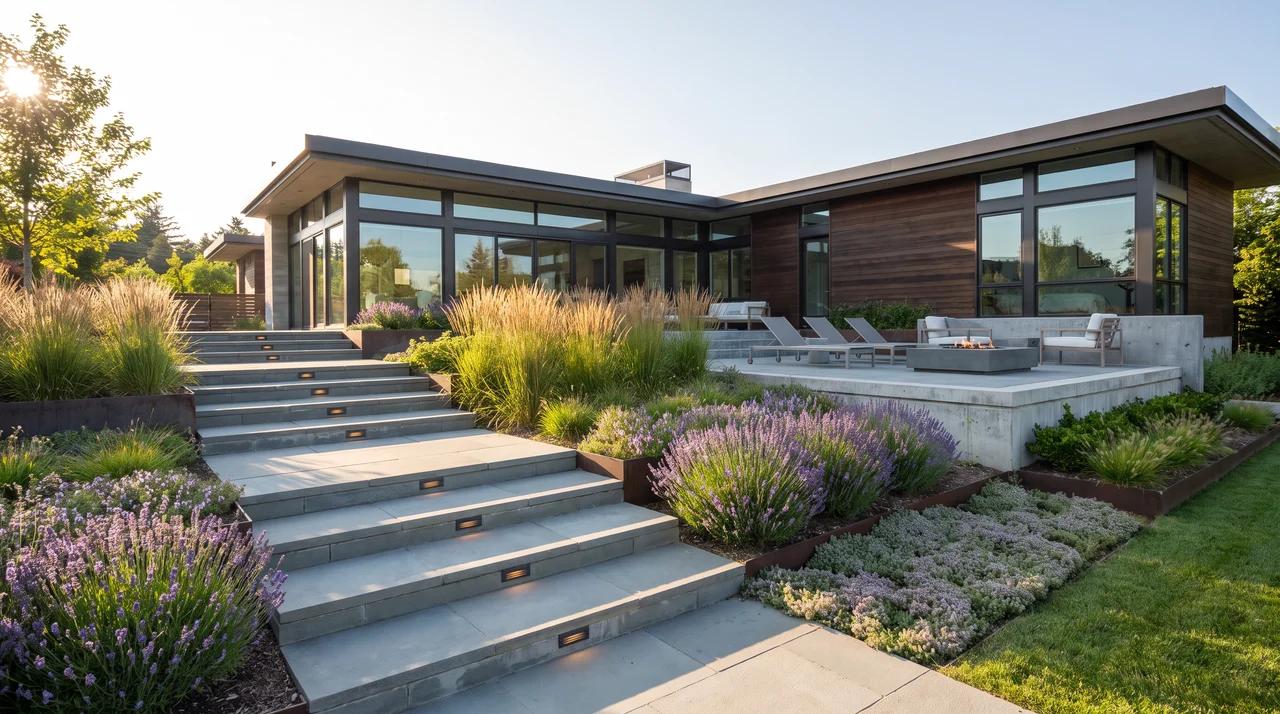
Sloped backyards can become attractive landscape features with decorative garden steps. Use stone, brick, or timber steps to improve access between levels while adding structure.
Surround each section with plants, ground covers, or flowering shrubs to turn an uneven area into a layered garden design.
20. Vertical Succulent Display
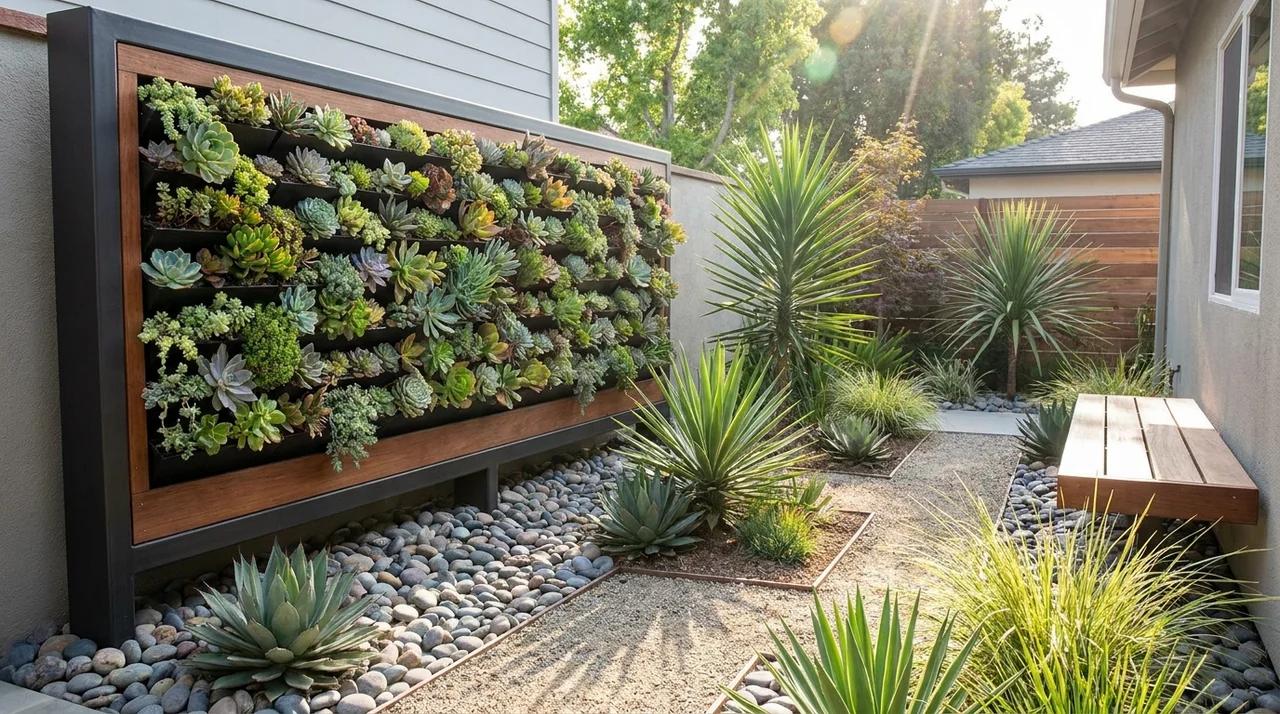
A vertical succulent display adds greenery without using valuable ground space. Use wall-mounted frames, stacked planters, or repurposed containers to showcase drought-tolerant plants.
Succulents are ideal for sunny areas because they require less watering and provide interesting shapes, textures, and colors throughout the year.
21. Small Greenhouse Corner
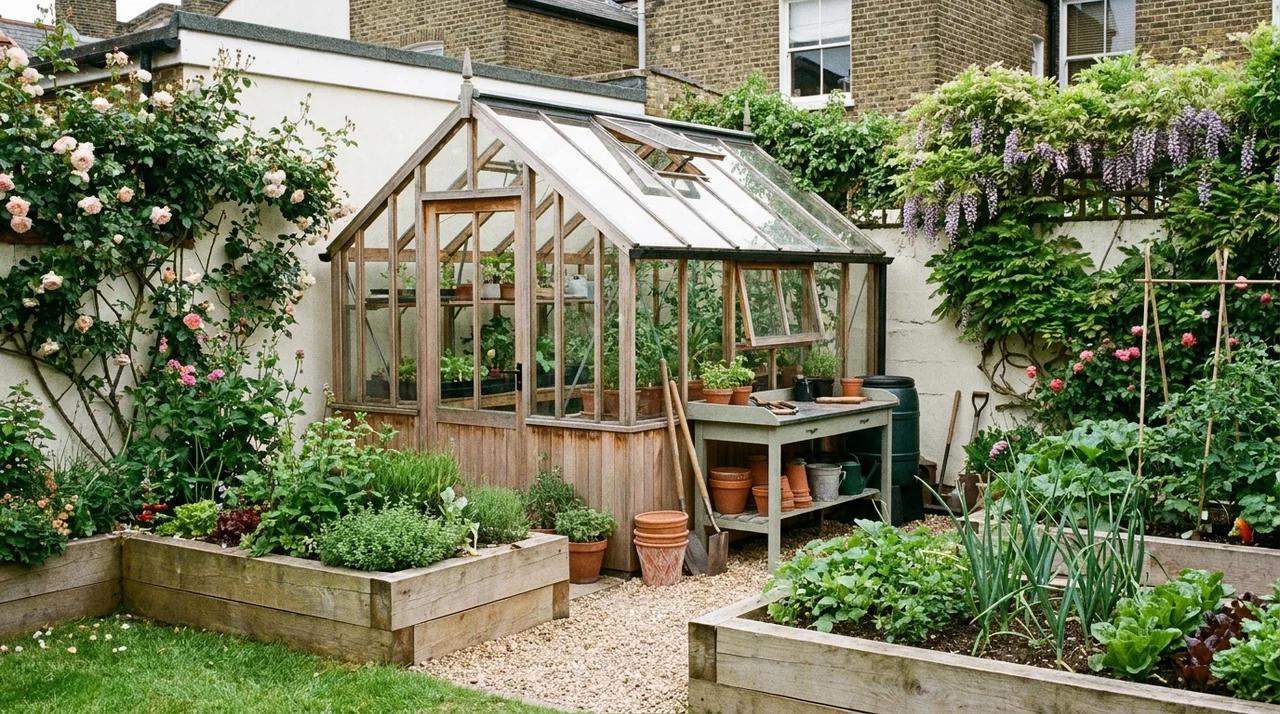
A compact greenhouse can bring gardening opportunities into even a small backyard. Use it to start seedlings, grow herbs, or protect delicate plants.
Place it in a sunny corner and surround it with organized beds or containers to create a practical gardening area without taking over the entire yard.
22. Dining Niche Under Trees
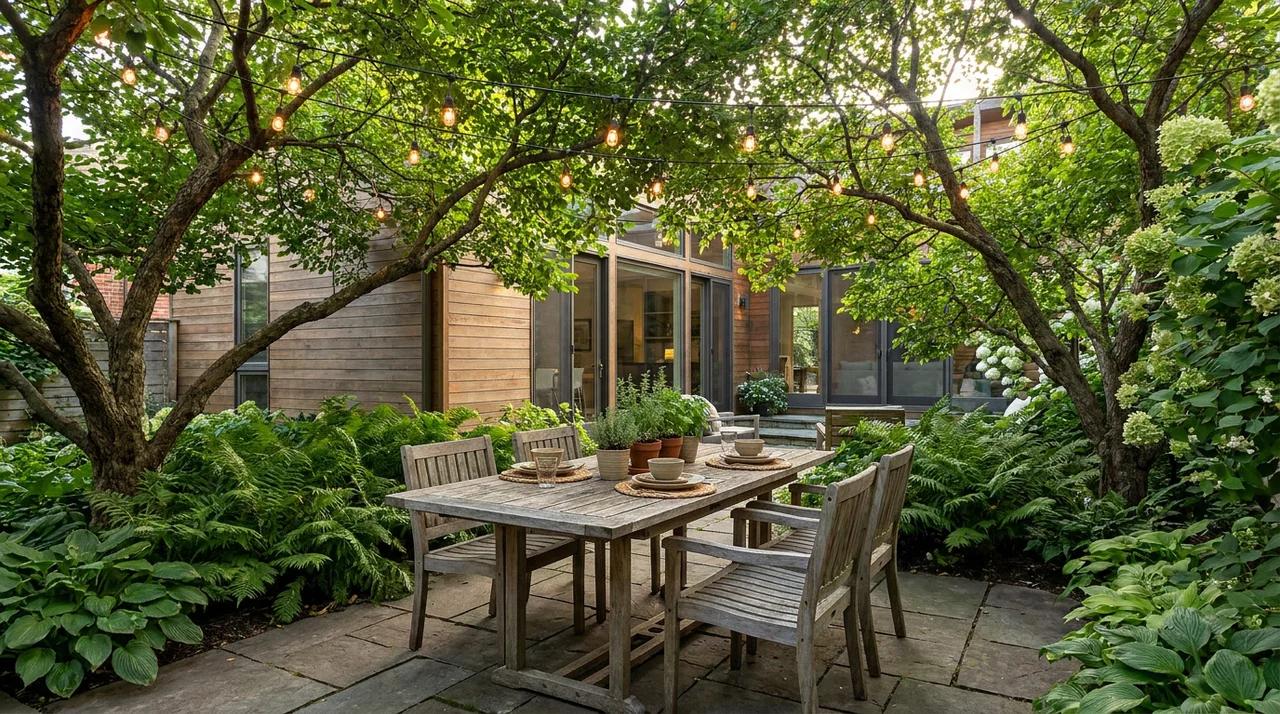
A dining area beneath trees uses natural shade to create a comfortable outdoor gathering space. Add a compact table, chairs, and soft lighting to make the area usable throughout the day.
Surrounding greenery helps the dining spot feel connected to the rest of the backyard.
23. Backyard Hammock Retreat
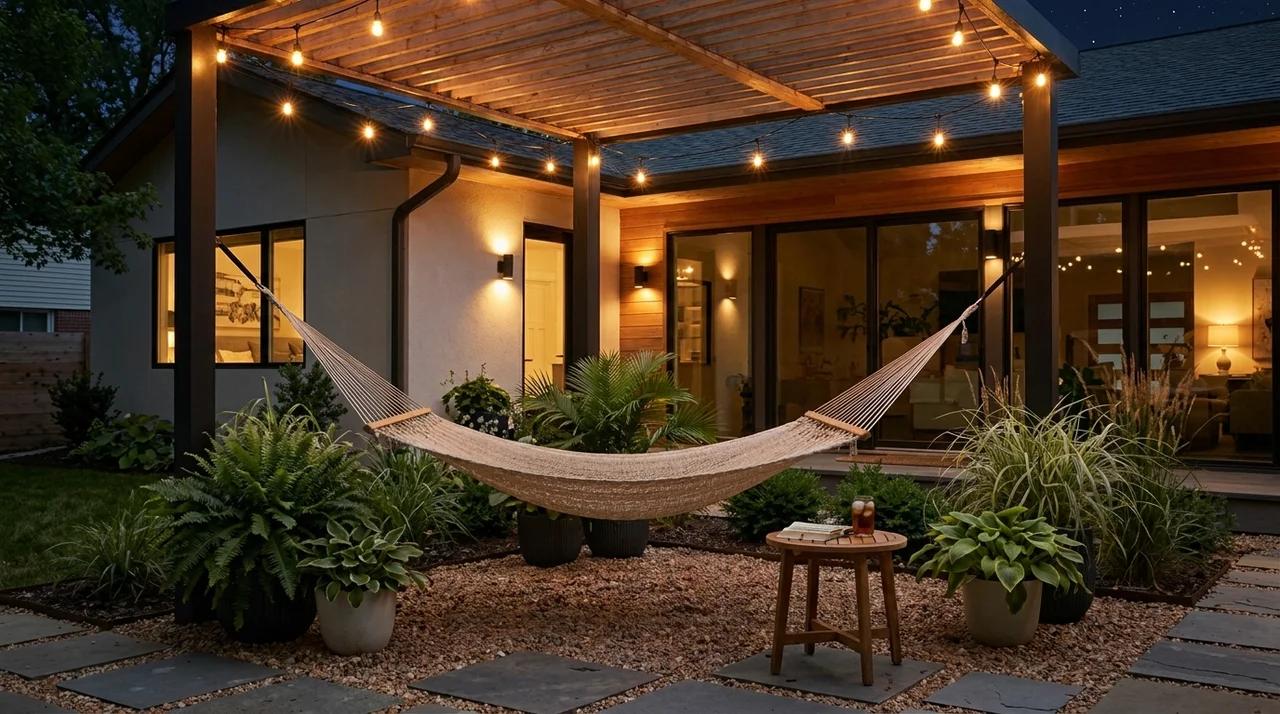
A hammock corner can turn an unused backyard area into a relaxing escape. Place it between sturdy posts, trees, or a simple frame, then surround it with shade-loving plants and soft ground cover.
This low-space addition creates a comfortable resting area without requiring large furniture or complicated landscaping changes.
24. Pergola With Climbing Greenery
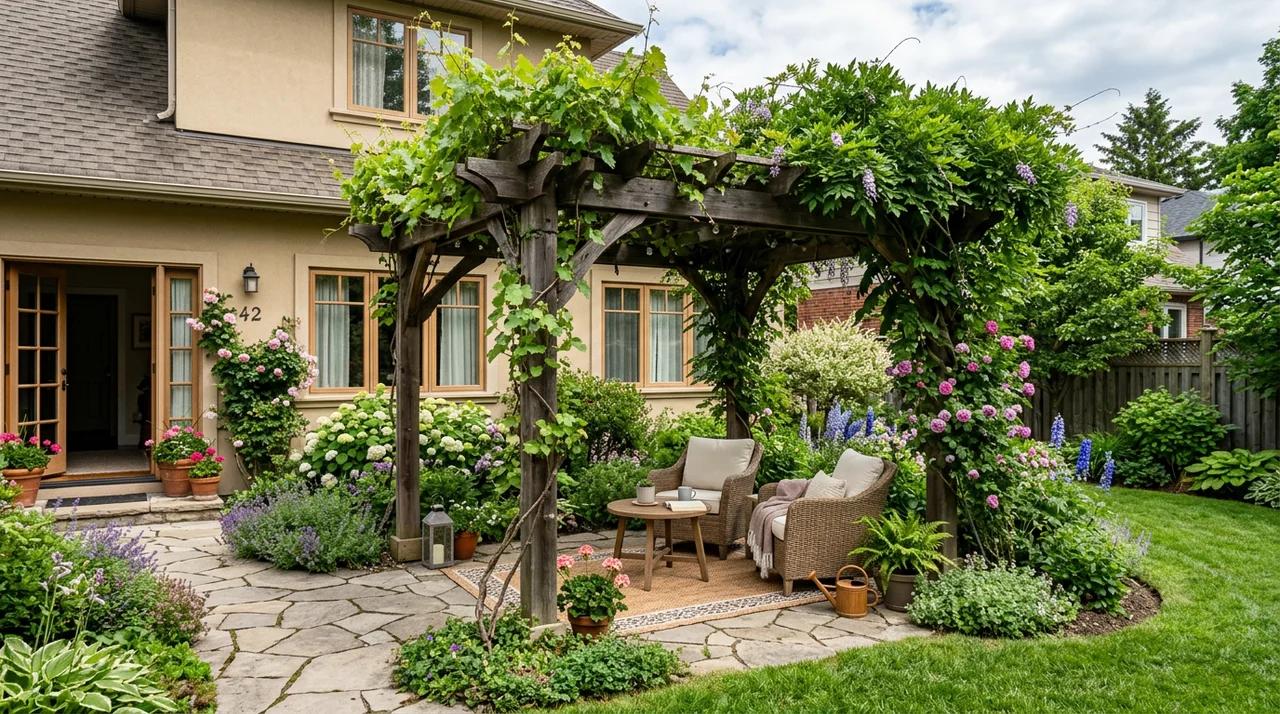
A pergola adds structure and creates an outdoor room within a small backyard. Grow climbing plants over the frame to provide shade, texture, and seasonal interest.
Pair it with compact seating or dining furniture to create a comfortable area for relaxing while using vertical space.
25. Yoga and Meditation Space
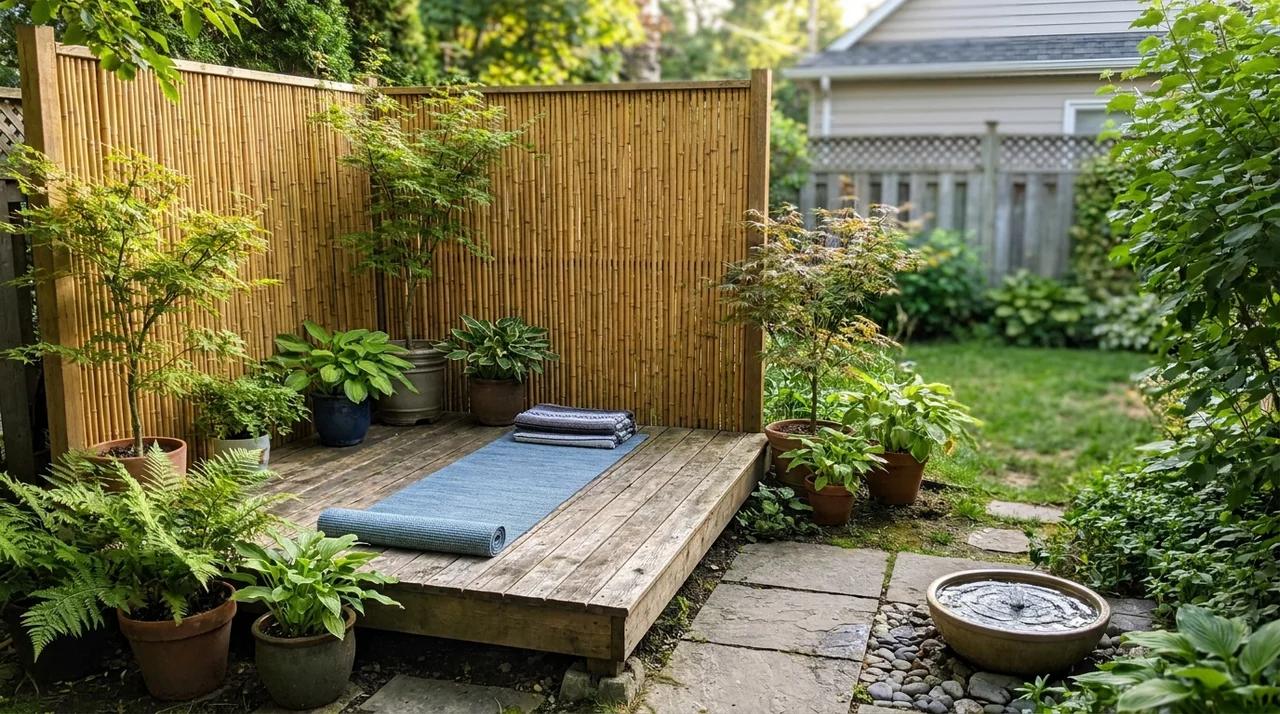
A small backyard corner can become a peaceful meditation or yoga area with thoughtful planning. Use a flat surface, surrounding plants, privacy screens, and simple natural materials.
Keep the design uncluttered so the space feels calm and comfortable for stretching, breathing exercises, or quiet outdoor moments.
26. Backyard Spiral Garden
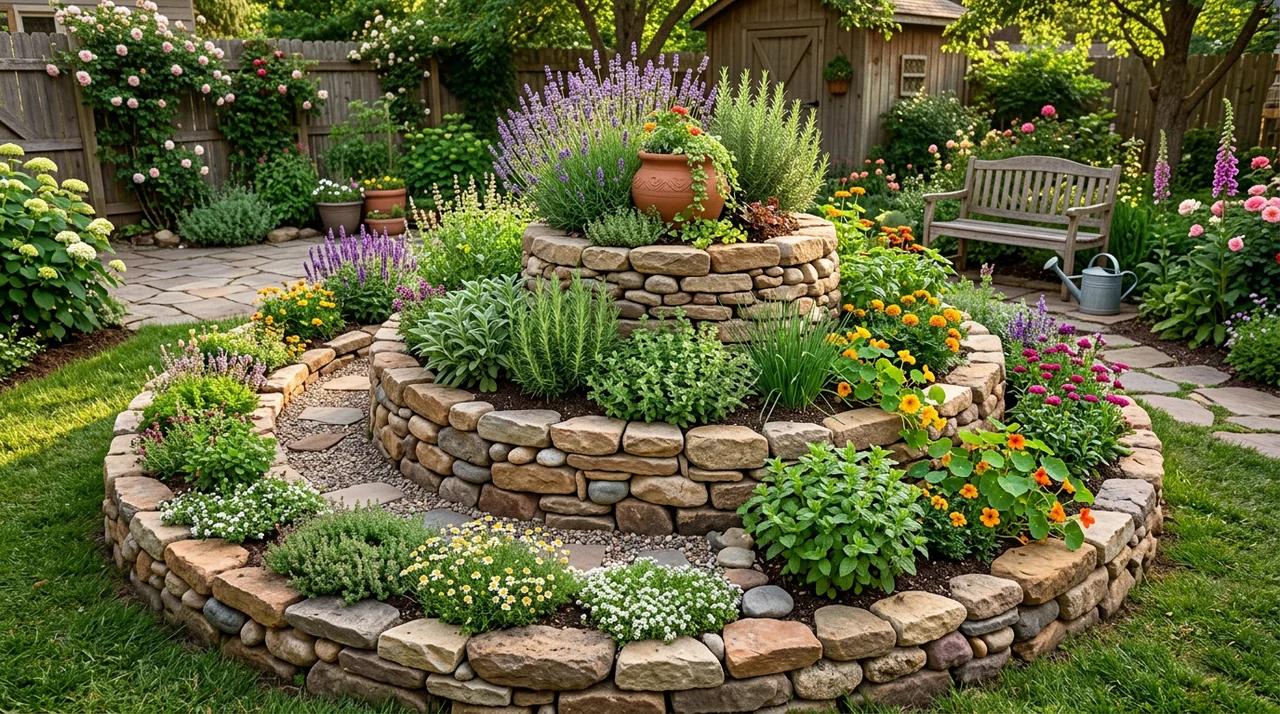
A spiral garden adds multiple planting levels within a small footprint. Build a raised spiral structure using stone, bricks, or wood, then fill each section with herbs, flowers, or small plants.
The design creates visual interest while allowing different plants to grow according to their preferred conditions.
27. Outdoor Curtains Private Lounge
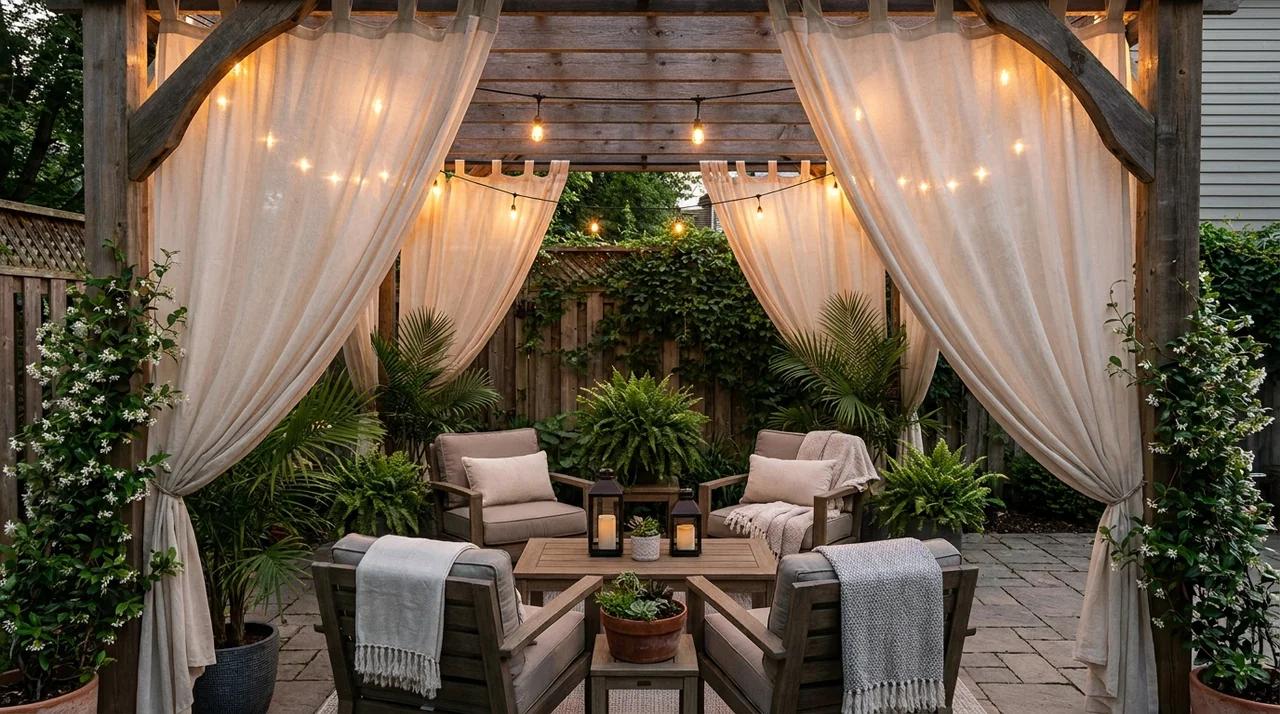
Outdoor curtains can turn a small seating area into a comfortable private retreat. Install them around a pergola, patio structure, or lounge corner to create separation.
Choose weather-resistant fabrics and combine them with plants and lighting for a cozy outdoor room that feels connected to nature.
28. Create a Backyard Flower Arch Entrance
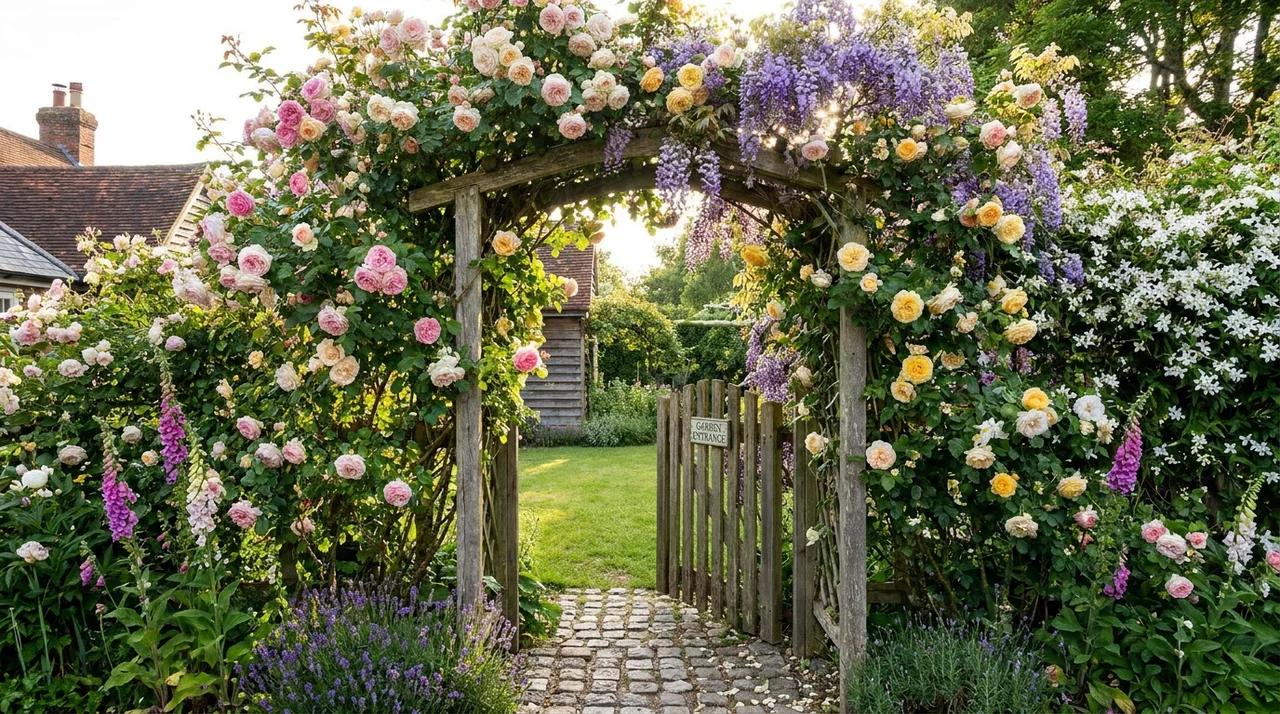
A flower-covered arch creates a charming entrance point between different backyard sections. Use roses, wisteria, jasmine, or other climbing plants to cover the structure.
This vertical feature adds height and color while guiding movement through the garden without using valuable planting space on the ground.
29. Sculptural Plants Modern Backyard
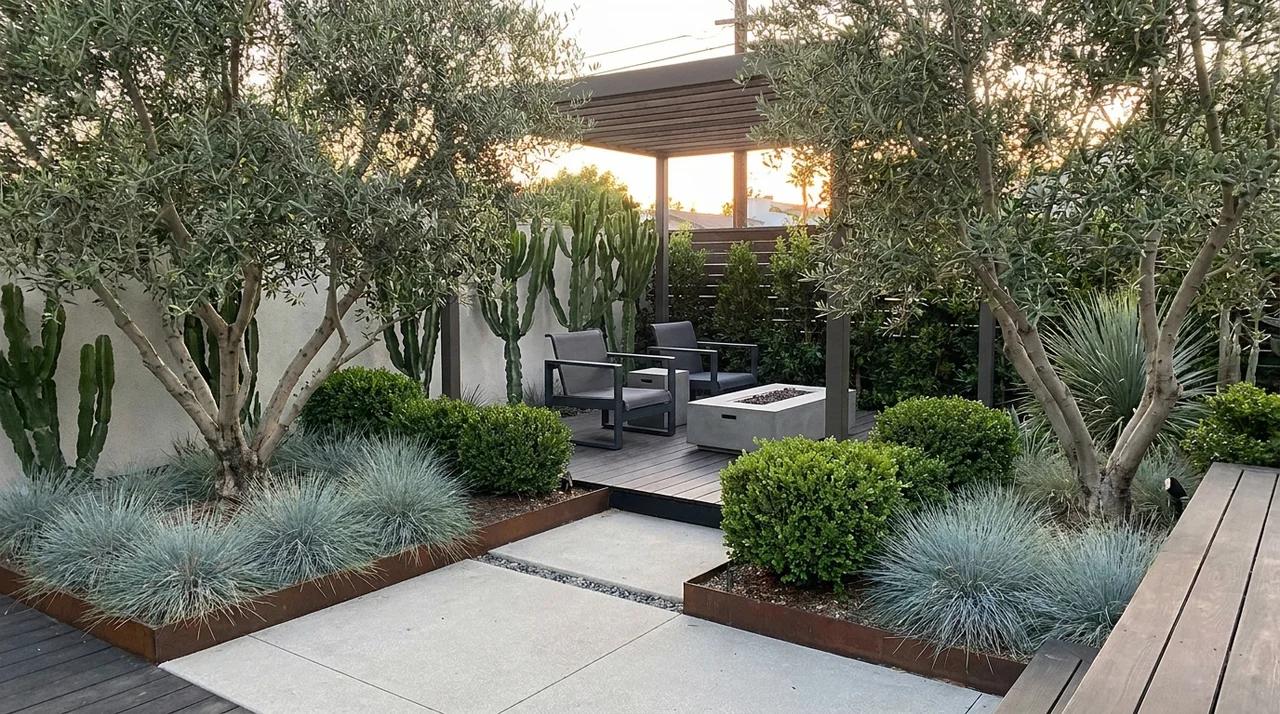
Sculptural plants create strong shapes and structure in a modern small backyard. Choose ornamental grasses, architectural shrubs, or plants with unique forms to act as natural design elements.
Keep surrounding features simple so the plants become the main visual focus without making the space feel crowded.
30. Multi-Zone Backyard Layout
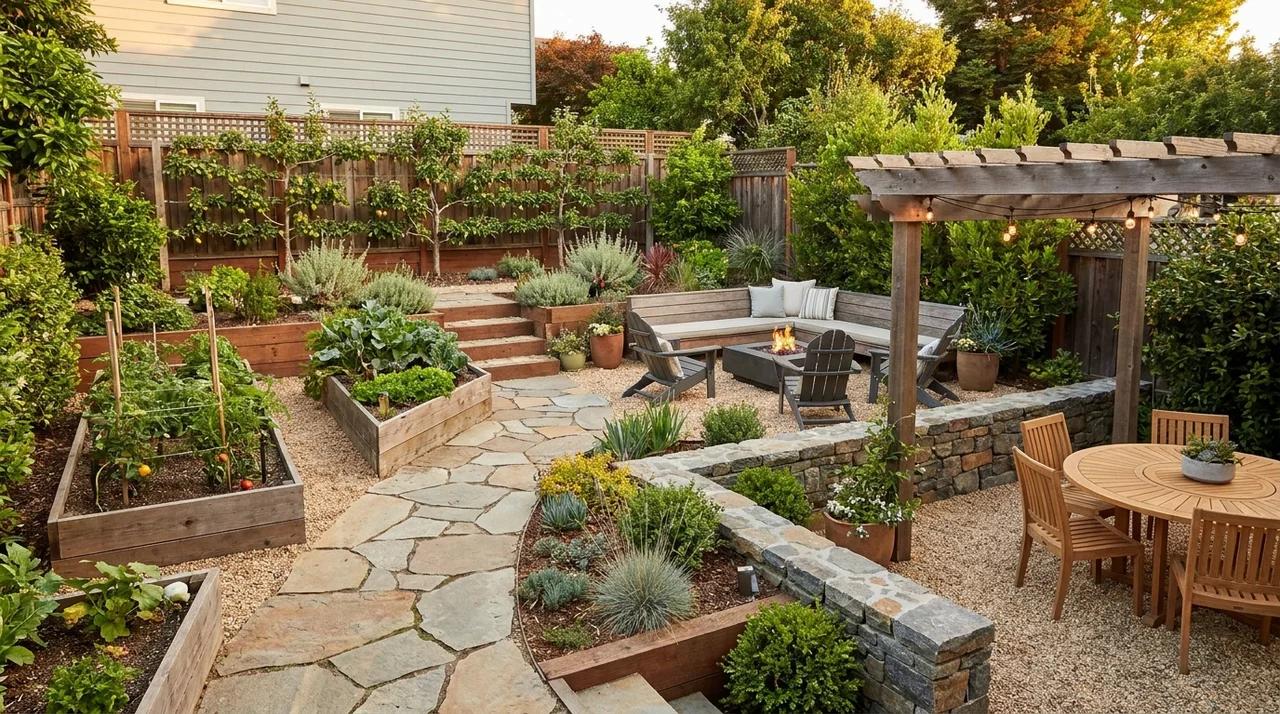
Combining different zones is one of the best ways to make a small backyard more functional. A seating corner, planting area, and patio surface can work together to create a complete outdoor space. A gravel patio can be especially useful for adding a defined area without the cost or permanence of larger hardscape projects.
31. Backyard Tree Bench Around an Existing Tree
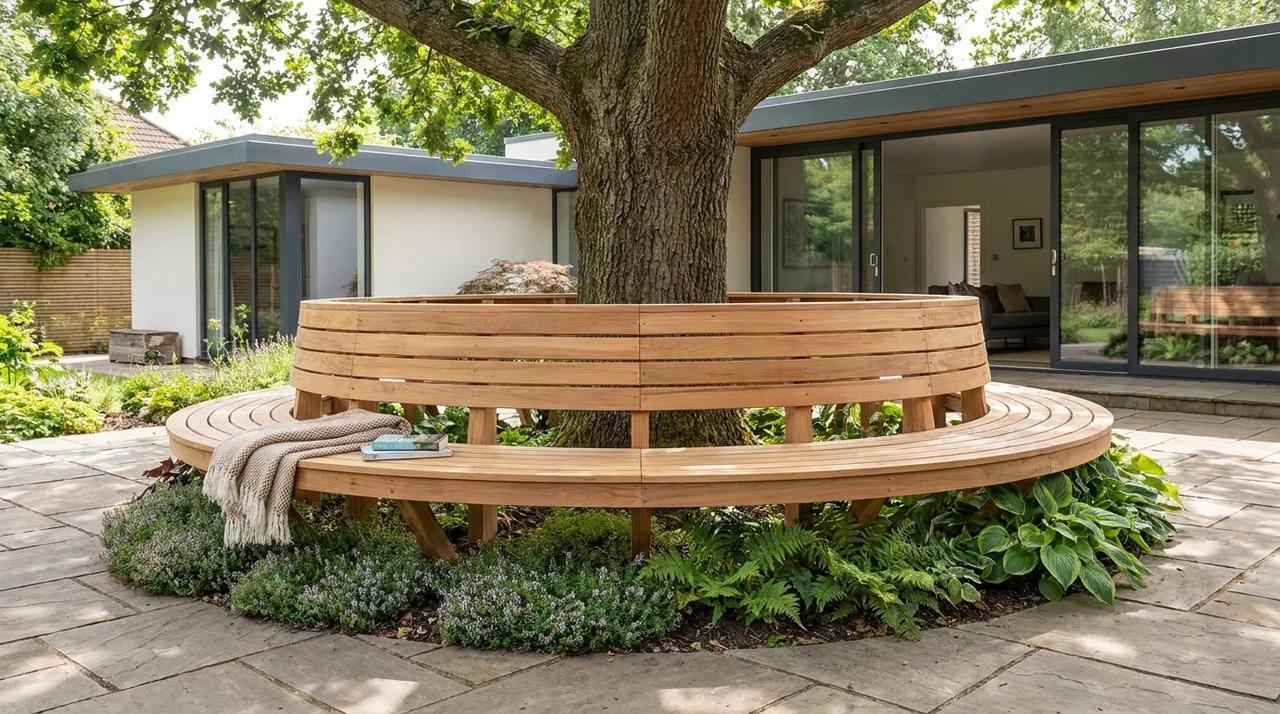 A circular bench around a mature tree creates seating while preserving the natural landscape. The tree provides shade, and the built-in design saves space compared with separate furniture. Surround the area with ground covers or small plants to create a natural gathering spot.
How to Maintain a Small Backyard Landscape?
A simple routine of watering, pruning, cleaning, and seasonal care helps plants and outdoor features stay attractive throughout the year.
1. Water plants according to their needs: Group plants with similar watering requirements together and check soil moisture regularly to avoid overwatering or underwatering.
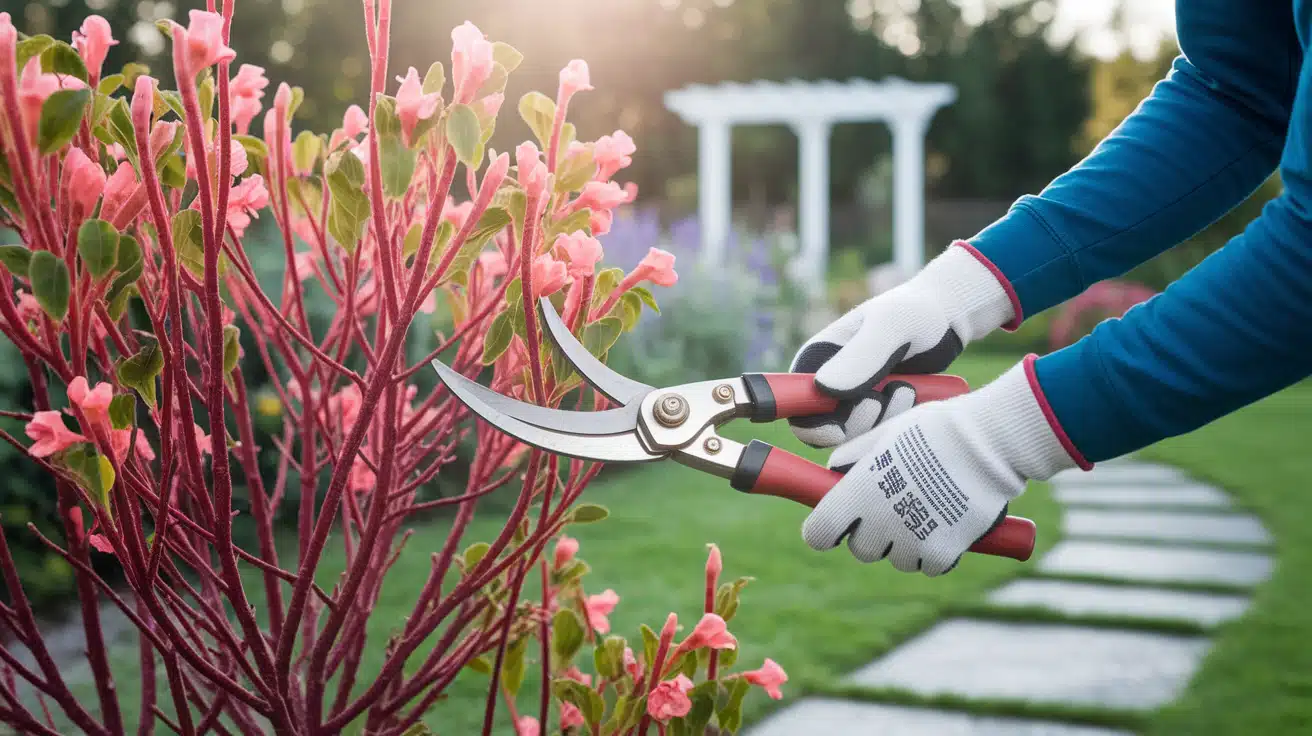
2. Prune plants regularly: Trim overgrown branches, remove dead growth, and maintain plant shapes to prevent greenery from overcrowding a compact backyard.
3. Maintain outdoor features: Clean pathways, furniture, fences, and decorative elements regularly, and check for repairs or drainage issues.
4. Improve drainage: Watch for areas where water collects after rainfall and adjust the soil, planting areas, or drainage when needed.
Final Thoughts on Small Backyard Landscaping
A small backyard can become a comfortable and practical outdoor space when each element has a clear purpose.
The right combination of plants, seating, pathways, and garden features can help you create a yard that feels balanced without adding unnecessary clutter.
From adding vertical greenery to creating quiet corners and functional spaces, there are many ways to improve a compact outdoor area.
The best small backyard landscaping ideas are the ones that match how you want to use the space and how much care you can provide.
Start with one feature that fits your needs, then build your backyard design over time.
Frequently Asked Questions
How Much Does Small Backyard Landscaping Cost?
The cost depends on the size, materials, plants, and features you add. Simple updates may cost less, while structures and professional work require a larger budget.
What Plants Make a Small Backyard Look Bigger?
Plants with different heights, narrow shrubs, vertical growers, and lighter foliage can create depth. Avoid overcrowding and choose varieties that fit the available space.
How Can I Make a Small Backyard More Private?
Use tall plants, hedges, trellises, fencing, or outdoor screens to create privacy. Combining different layers of greenery can make the space feel more enclosed.
What is the Easiest Backyard Landscaping Project for Beginners?
Starting with container plants, simple garden borders, or a small seating area is easier for beginners. These projects require fewer materials and can be changed later.
How Do I Choose Plants For a Small Backyard?
Choose plants based on sunlight, soil type, climate, and available space. Compact varieties and native plants are often easier to maintain in smaller landscapes.
Can a Small Backyard Have A Lawn And Garden Beds?
Yes, a small lawn can work when paired with carefully planned garden beds. Keep the lawn size practical and use edges efficiently for planting.
How Do I Maintain a Small Backyard With Limited Time?
Choose low-maintenance plants, use mulch to reduce weeds, and group plants with similar care needs. Simple layouts also make regular upkeep easier.