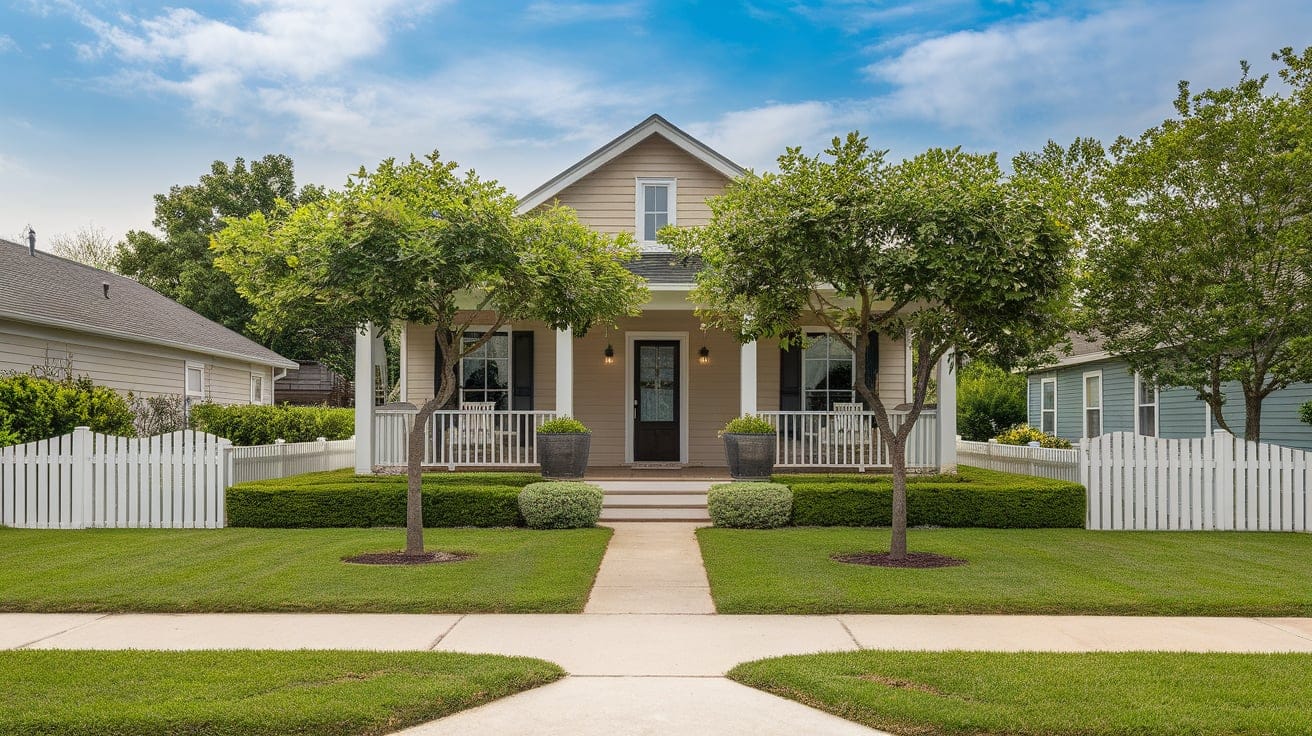

The American housing landscape is evolving, and more renters are seeking alternatives that blend the spaciousness of a house with the convenience of an apartment.
With rental costs averaging $1,636 per month nationwide in 2025, finding the right living arrangement has never been more important.
Enter the duplex apartment, a housing option that’s gaining traction across cities from Chicago to Los Angeles.
But what is a duplex apartment, exactly? Whether you’re a first-time renter exploring your options or someone looking to downsize without sacrificing space, learning about duplex living could open doors you didn’t know existed.
We’ll break down everything from structural layouts to pros and cons, helping you decide if this flexible housing style fits your lifestyle.
What Is a Duplex Apartment?
A duplex apartment is a residential building with two separate living units within a single structure.
Each unit operates independently, with its own entrance, living spaces, and, usually, separate utility meters. These dual-living properties bridge the gap between traditional apartments and single-family homes.
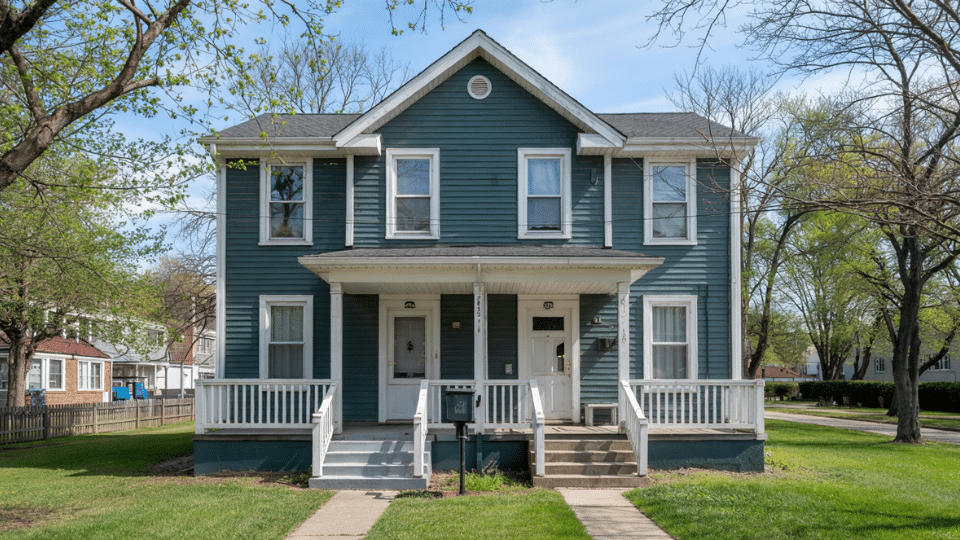
Duplex configurations come in two main styles: stacked duplexes (one unit above another) or side-by-side duplexes (units positioned horizontally with a shared wall). Both maintain the core principle of two distinct households under one roof.
Regional definitions vary significantly. In New York City and Chicago’s downtown areas, a “duplex apartment” is a single luxury unit spanning two floors in a high-rise building.
However, across most of America, the term refers to the traditional two-unit building format.
The typical duplex averages around 1,000 square feet per unit, comparable to a standard two-bedroom apartment, but offers a more house-like living experience.
Key Characteristics of a Duplex Apartment
What makes a duplex apartment distinct from other rental options? Beyond the basic two-unit structure, several tangible features define the duplex living experience.
Duplexes offer individual entry points that eliminate shared hallways, creating genuine privacy and an ownership feel that appeals to renters transitioning from houses.
Many units span two floors internally with upstairs bedrooms and downstairs living areas, providing natural zoning rarely found in traditional apartments.
- Direct access from outside without shared hallways or common corridors
- Multi-level living spaces with separate floors for bedrooms and living areas
- Dedicated outdoor amenities, including yards, parking spots, balconies, or patios
- Full-size appliances, in-unit laundry, and garage parking options
- Superior storage with actual closets, pantries, and sometimes basement access
- Shared central wall housing critical systems like plumbing and electrical panels
- Separate or shared utility arrangements, depending on building age and design
These distinctive features explain why duplexes represent about 17.4% of the U.S. rental market, filling a specific niche for renters who want more space and privacy without the commitment of buying a home.
Duplex Apartment Meaning Across Different Regions
Not all “duplexes” are created equal; the term means different things in different cities and countries. Regional variations can cause significant confusion during your housing search if you’re not aware of local definitions.
Here’s what “duplex” means across major markets.
1. New York City & Downtown Chicago: Single luxury unit spanning two floors within a high-rise, connected by internal stairs or private elevator. Opposite of traditional duplexes: one wealthy household across two floors, rather than two families in one building.
2. Canadian Cities: (Edmonton, Calgary, Toronto, Halifax). Strictly vertical definition: one dwelling unit above another with separate entrances. Side-by-side configurations don’t qualify as duplexes.
3. In the United Kingdom, “Maisonette” is the standard term for a self-contained apartment on two floors with its own external entrance.
4. Australia: Two mirror-image homes sharing a central wall (similar to an American side-by-side). Also called “maisonettes” in South Australia.
5. Rust Belt Cities: (Buffalo, Detroit, Chicago) Called “two-flats,” two units sharing a common wall or floor/ceiling on a single lot.
6. Twin Homes vs. Duplexes: Common in the Northeastern US and Western Canada. Key difference: twin homes are two separate properties on two distinct lots sharing a wall; duplexes are two units on one lot under single ownership.
Types of Duplex Apartments
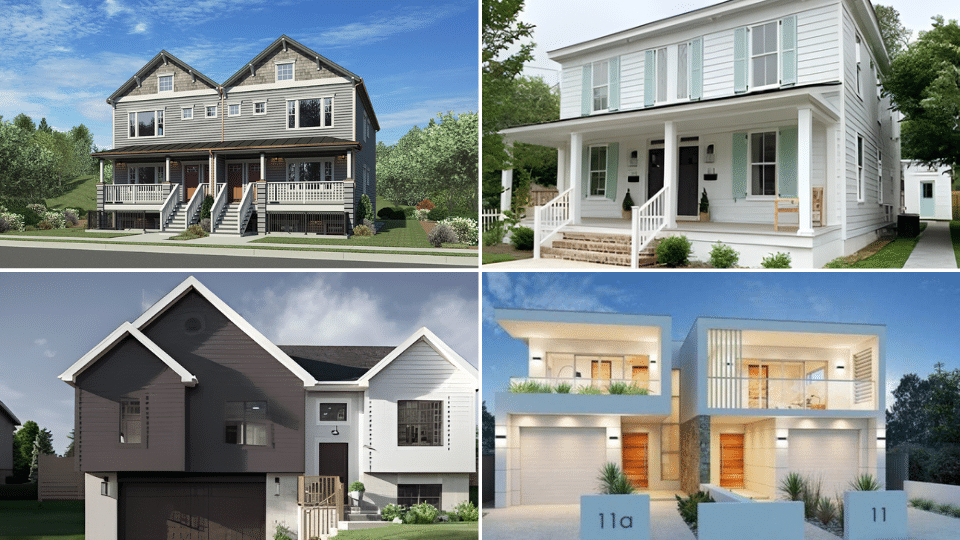
Not all duplex apartments are created equal. Understanding the variations helps you identify which type aligns with your lifestyle needs.
1. Side-by-Side Duplex
Picture a single-story ranch home split down the middle. Each unit occupies one half of the building, sharing a central wall but having separate entrances, yards, and driveways.
These work beautifully for renters who prefer single-level living or have mobility concerns. You’ll find this style prevalent in suburban neighborhoods and sprawling cities like Los Angeles, Houston, and Phoenix.
2. Up-and-Down (Stacked) Duplex
This vertical arrangement places one complete unit above another. Ground-floor tenants often enjoy easier access and sometimes larger outdoor spaces, while upper-level residents benefit from enhanced privacy and natural light.
Temperature regulation can be trickier when the heat rises, making second floors warmer in summer and first floors cooler in winter. Major cities with limited land, including Boston and San Francisco, commonly feature this configuration.
3. Split-Level Duplex
A hybrid approach in which units partially overlap across levels. One side might have bedrooms upstairs while the other has living areas at that elevation.
These designs maximize space efficiency and create architectural interest, though they’re less common than straightforward stacked or side-by-side layouts.
4. Luxury Duplex Apartment
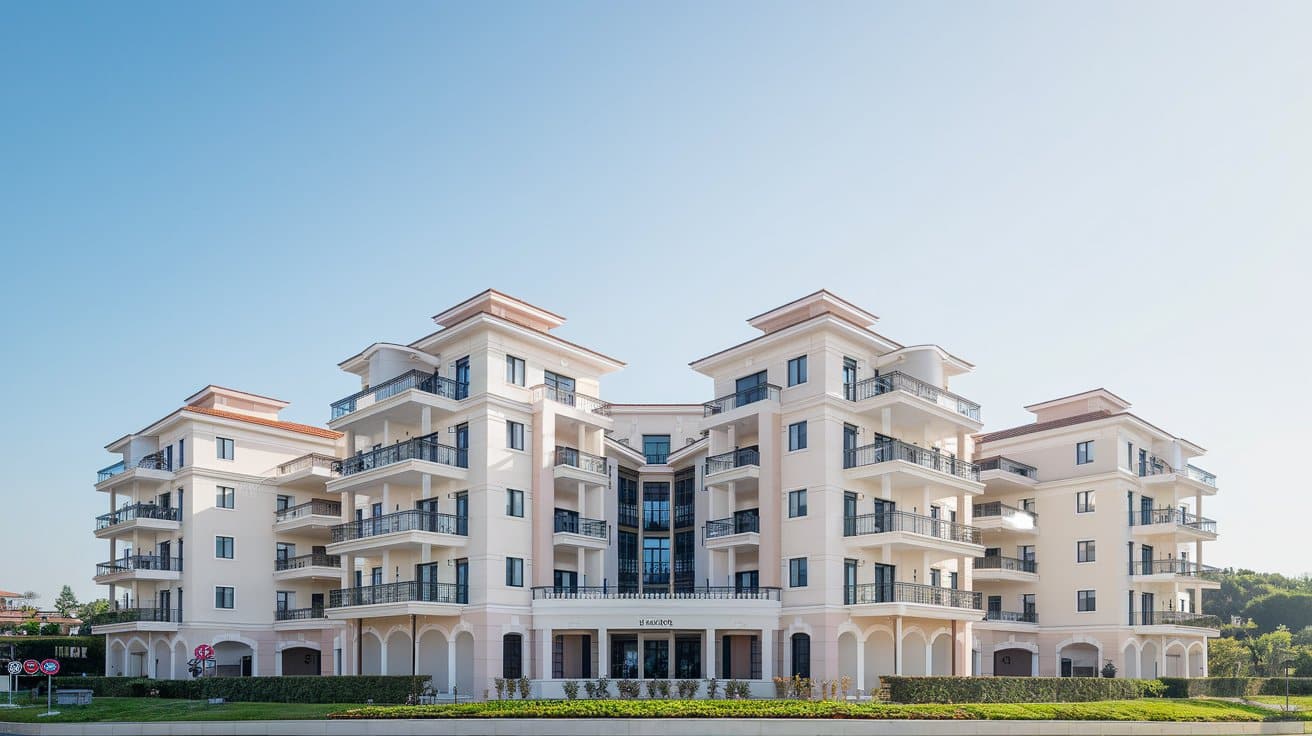
Found in urban high-rises from Manhattan to Chicago’s Loop, these are single-occupancy units spread across two floors within a larger building.
Think spiral staircases, private elevators, and monthly price tags that can exceed several thousand dollars.
Despite sharing the “duplex” name, they function in the opposite way to traditional two-family duplexes; instead of two families in one building, it’s one wealthy family occupying two floors.
5. Garden Duplex
This ground-level configuration features a unit with direct access to an outdoor garden or yard space, often with a walk-out basement or lower-level unit beneath it. The upper unit typically has its own separate entrance via stairs or a side door.
Garden duplexes are particularly popular in residential neighborhoods where landscaping and outdoor living are priorities. They’re ideal for pet owners, gardening enthusiasts, and families with young children who need easy access to outdoor play areas without having to climb stairs.
6. Converted Historic Duplex
Originally constructed as single-family homes, these properties have been renovated and divided into two separate units. They often retain original architectural details, such as hardwood floors, high ceilings, and vintage fixtures.
The layouts may be less conventional than purpose-built duplexes, with creative use of existing space. Soundproofing and utility separation can vary depending on the quality of conversion work.
7. Attached Duplex (Semi-Detached)
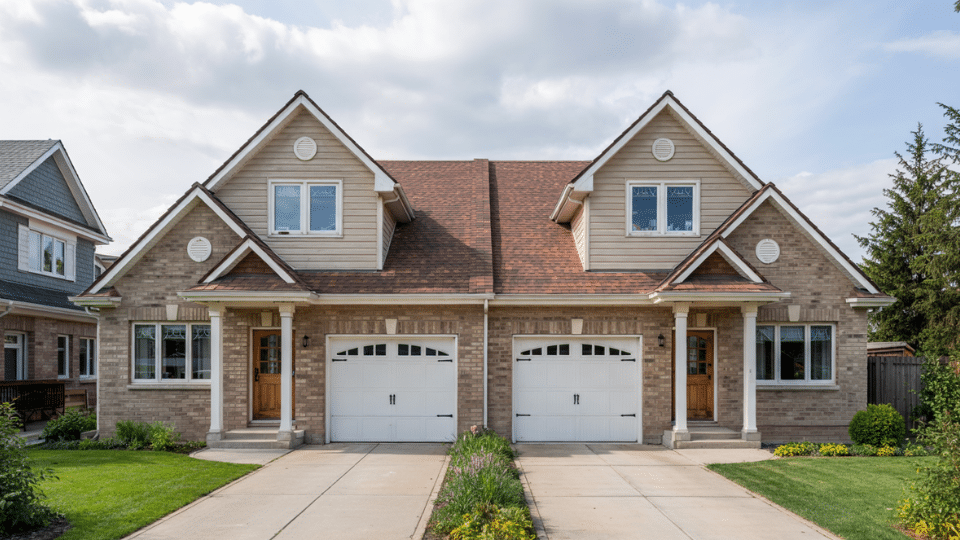
Two separate dwelling structures connected by a shared wall, garage, or breezeway, but maintaining distinct rooflines and architectural identities. Each unit appears nearly as independent as a standalone home.
This style offers maximum privacy between units while still qualifying as a duplex property. The minimal shared structure reduces noise transfer and creates a stronger sense of individual home ownership for renters.
Knowing these variations helps you target your apartment search based on your budget, lifestyle needs, and preferred location.
Pros and Cons of Living in a Duplex Apartment
Like any housing choice, duplex apartments come with distinct advantages and trade-offs worth weighing before you sign a lease.
| Pros | Cons |
|---|---|
| Flexible living arrangements are ideal for multigenerational setups or shared living. | Shared outdoor areas or walls may reduce overall privacy. |
| Potential cost savings when rent or utilities are split between occupants. | Limited availability of duplexes in certain U.S. cities and high-demand neighborhoods. |
| Larger, house-like layouts while still offering apartment-style convenience. | Maintenance responsibilities may vary depending on the lease agreement. |
Splitting a duplex apartment with roommates or family can significantly reduce housing costs.
With a national average rent of $1,636 monthly, sharing a two-unit duplex drops your personal contribution well below typical apartment rates.
However, sound insulation varies dramatically; older duplexes may transmit noise between units, so visiting during different times and asking current tenants about noise levels is essential before signing.
Duplex Apartment vs. Other Housing Options
How does a duplex apartment stack up against other rental properties? Here’s a direct comparison to help you understand where duplexes fit in the housing landscape:
| Comparison | Duplex Apartment | Standard Apartment | Townhouse | Condo |
|---|---|---|---|---|
| Privacy Level | High (1 neighbor) | Low (multiple neighbors) | Medium (2 neighbors) | Medium (shared building) |
| Average Space | 1,000+ sq ft | 700-900 sq ft | 1,200-1,800 sq ft | 800-1,200 sq ft |
| Ownership | Rent or Own | Rent | Own/Rent | Own |
| Best For | Families, cost-sharers, house-seekers | Urban dwellers, amenity-seekers | Long-term residents, maintenance-ready | Investors, first-time buyers |
Key differences:
- Standard apartments: offer amenities like fitness centers and pools, but come with shared hallways and multiple neighbors on all sides
- Townhouses: provide similar space to duplexes, but typically require full property ownership with complete maintenance responsibilities
- Condos: involve ownership, HOA fees, and shared facilities, leaning more toward apartment living than house-style independence
- Duplex apartments: deliver privacy and space without the price tag or responsibilities of a full house, ideal for renters seeking independence without buying
Who Typically Chooses a Duplex Apartment?
Duplex apartments attract diverse demographics, each drawn to the unique blend of privacy, space, and affordability these properties offer.
1. Young professionals in their late twenties and early thirties are establishing careers in cities like Austin, Denver, and Portland, where tech jobs flourish, but housing costs remain high
2. Multigenerational families seeking flexible arrangements where grandparents, parents, and children live in close proximity while maintaining separate spaces for privacy
3. Small groups of friends or couples who want independence within a community, while splitting rent and utilities to reduce individual housing costs
4. Retirees and empty nesters downsizing from larger homes who aren’t ready for apartment-complex living but want a house-like environment with less maintenance
5. Divorced individuals seeking scaled-down living spaces that offer the comfort and privacy of a home without the responsibilities of full property ownership
Whether you’re cost-sharing with roommates, accommodating extended family, or transitioning between life stages, duplexes provide the flexibility and balance that traditional apartments and single-family homes often can’t match.
What to Look for When Renting a Duplex Apartment?
Finding the right duplex apartment requires careful evaluation beyond just rent price and location. Here are the critical factors that separate a great rental from a problematic one:
- Lease structure and maintenance responsibilities: Clarify who handles lawn care, snow removal, exterior repairs, and interior upkeep before signing
- Utility billing arrangements: Confirm whether meters are separate or if costs are split with neighbors to avoid surprise expenses
- Construction quality and soundproofing: Visit during quiet times to test noise transfer between units, creaky floors, and thin walls signal poor insulation
- Parking provisions: Verify designated spots per unit and street parking reliability, especially if you have multiple vehicles
- Neighborhood setting and commute: Evaluate safety, walkability, school quality, and visit at different times to assess noise levels and traffic patterns
- Building age and recent upgrades: Balance older duplex charm against modern conveniences like central air, updated electrical, and efficient appliances
- Natural light and layout flow: Assess whether spaces connect logically and rooms receive adequate sunlight throughout the day
Taking time to thoroughly inspect these elements ensures you choose a duplex apartment that truly fits your lifestyle, not just one that looks good in photos.
Final Thoughts
So, what is a duplex apartment? It’s a versatile housing solution bridging the gap between single-family homes and conventional apartments.
With two independent units in one building, stacked vertically or side by side, duplexes offer enhanced privacy, home-like amenities, flexible living arrangements, and more space per dollar than traditional rentals.
As housing markets tighten and renters seek value, duplex apartments offer a compelling alternative.
Whether splitting costs with friends, accommodating extended family, or craving extra room without ownership responsibilities, this housing style provides practical solutions.
Take time to evaluate your needs, tour multiple properties, and ask the right questions. The ideal duplex apartment balances your budget, lifestyle preferences, and long-term goals while delivering the space and privacy you deserve.