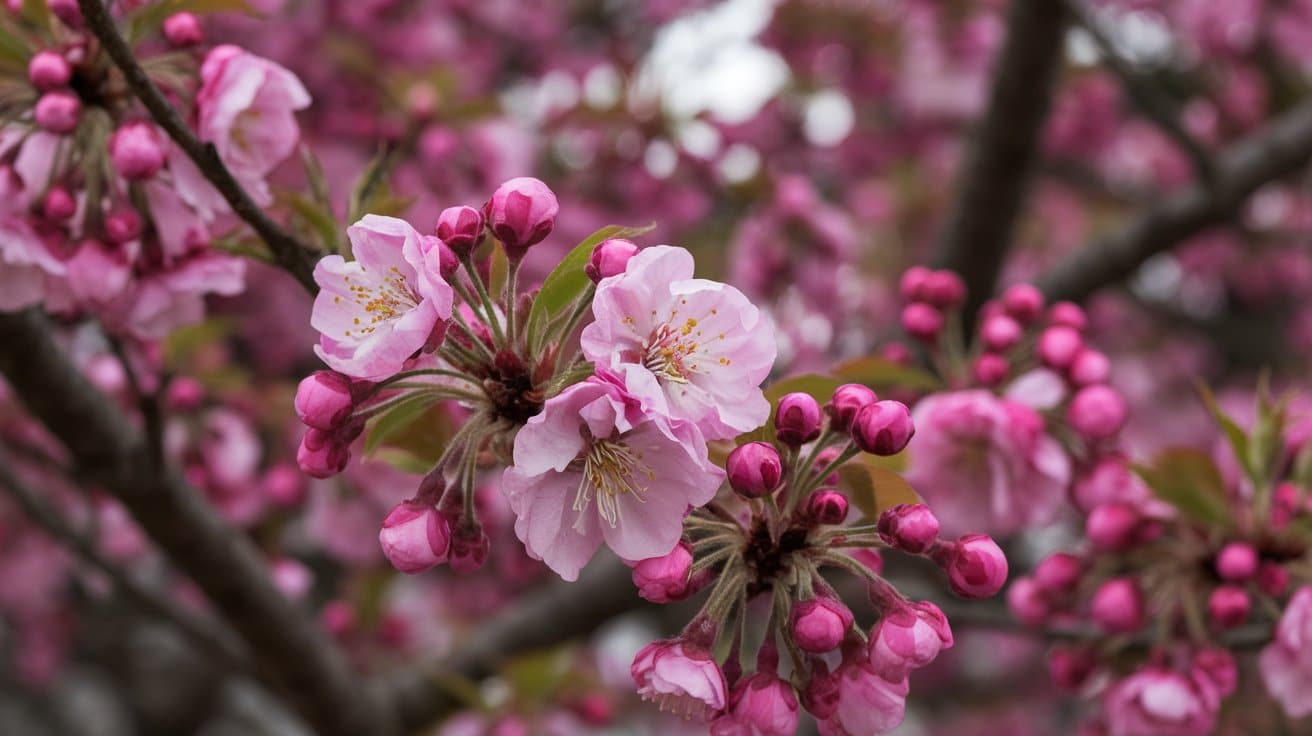

Spring gardens come alive with color when flowering shrubs bloom after winter’s chill. This compact quince is an excellent option for gardeners looking for early-season beauty with minimal upkeep.
This compact quince produces soft pink blooms in March and April, attracting pollinators when few other plants offer nectar.
Pink Lady adapts to various soil types and climates across USDA Plant Hardiness Zones 5 through 9. Its manageable size suits small yards, while its thorny branches create natural barriers.
Whether you’re planning a new landscape or improving an existing garden, this shrub delivers consistent results.
This guide covers botanical features, planting requirements, care, and troubleshooting common problems. Learn how to grow Pink Lady successfully and enjoy vibrant spring displays year after year.
Key Details of Chaenomeles Pink Lady
With these key details in mind, let’s explore what makes Chaenomeles Pink Lady such a unique and desirable addition to your garden. From its distinct features to its growth characteristics, here’s everything you need to know.
| Aspect | Details |
|---|---|
| Common Name | Pink Lady Flowering Quince |
| Botanical Name | Chaenomeles × superba’ Pink Lady.’ |
| Family | Rosaceae (Rose family) |
| Mature Size | 3–4 feet tall and wide |
| Growth Rate | 6–12 inches per year |
| Flower Color | Soft pink |
| Flowering Season | Early spring (March to April) |
| Leaf Color | Glossy dark green |
| Hardiness Zones | USDA zones 5 through 9 |
| Soil Type | Well-draining, pH 5.5–7.0 |
| Sun Requirements | Full sun (6+ hours) |
| Water Requirements | 1–2 inches weekly for new plants; regular deep watering for established plants |
| Fertilization | Balanced 10-10-10 fertilizer in early spring |
| Pruning | Late spring, after flowering |
| Pests and Diseases | Aphids, scale, spider mites, powdery mildew, fire blight |
What Makes Chaenomeles Pink Lady Unique?
Now that you know the basics of Chaenomeles × superba’ Pink Lady’, let’s plunge into what truly makes this flowering quince stand out. From its hybrid origin to its vibrant spring blooms, here’s why it’s a must-have for your garden:
- Hybrid Resilience: Originating from East Asia, Its is celebrated for its resilience in various climates and has been cultivated for its ornamental beauty for centuries.
- Early Spring Blooms: It produces vibrant pink flowers that bloom in early spring, before the leaves appear, adding color to your garden when it’s needed most.
- Compact Size: Unlike larger quince varieties, Pink Lady reaches just 3–4 feet tall and wide, making it perfect for smaller spaces, containers, or garden borders.
- Hardy and Adaptable: Thriving in USDA zones 5–9, this shrub is adaptable to various soil types and climates and requires minimal maintenance once established.
Botanical Features and Growth of Chaenomeles Pink Lady
Now that you know what makesPink Lady unique, let’s take a closer look at its botanical features and growth characteristics. Understanding these key aspects will help you provide the best care for your plant.
1. Size and Form
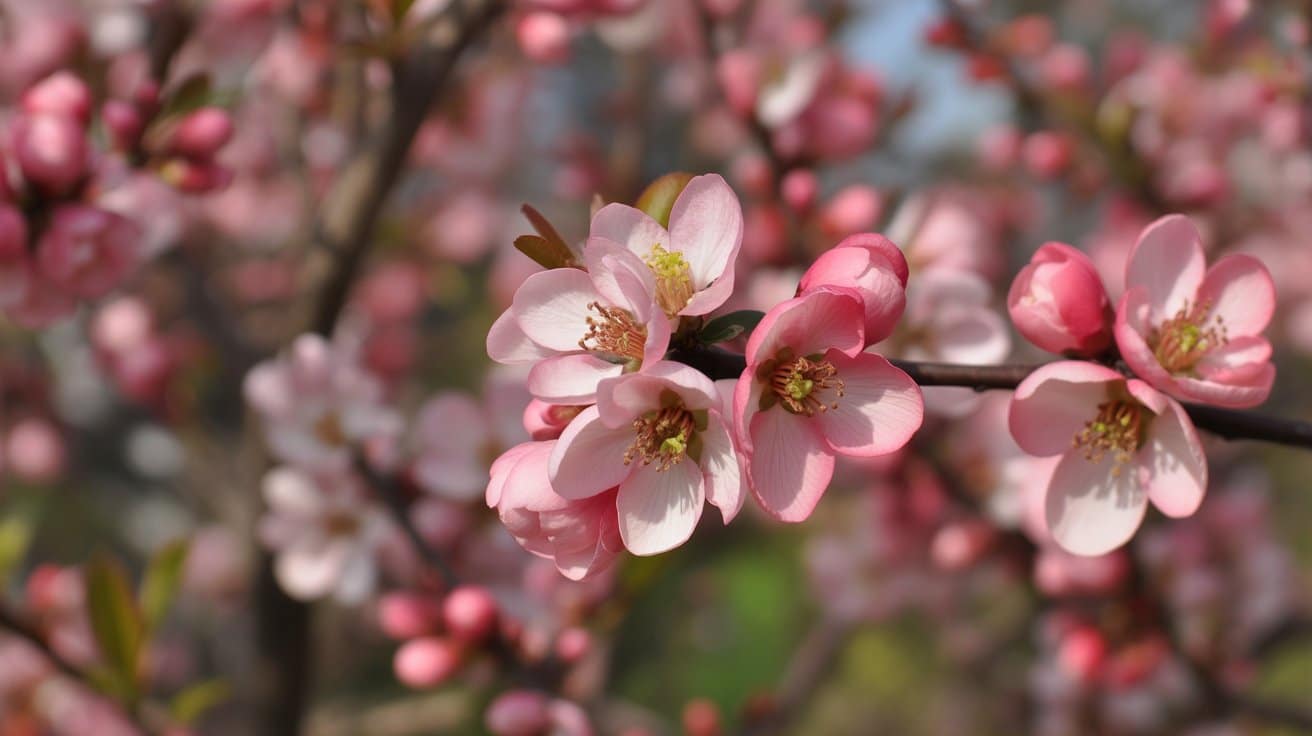
- Height and Spread: Grows 3 to 4 feet in both directions, forming a rounded, mounded shape
- Growth Rate: Adds 6 to 12 inches annually once established, reaching maturity in 3 to 5 years
- Branching Structure: Multiple stems emerge from the base, creating dense thorny branches throughout
- Natural Habit: Upright to spreading pattern maintains thickness without becoming leggy or sparse
2. Blooms and Leaves
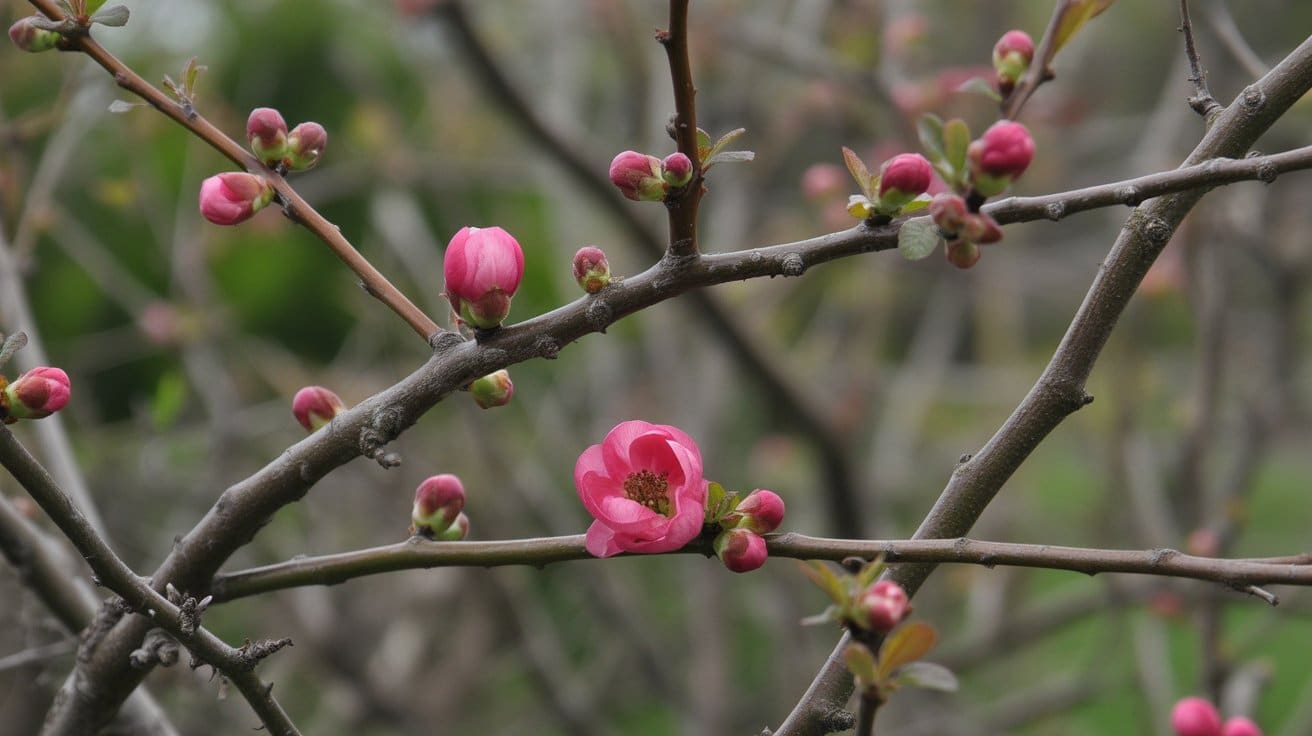
- Flower Display: Soft pink blooms appear in early spring (March to April) before leaves emerge
- Bloom Details: Each flower measures 1 to 1.5 inches across with five delicate petals
- Foliage Character: Glossy dark green leaves cover branches from spring through fall, after flowering ends
- Seasonal Fruit: Small 2-inch yellow-green quinces occasionally develop, used for preserves or wildlife food
3. Development Over Time
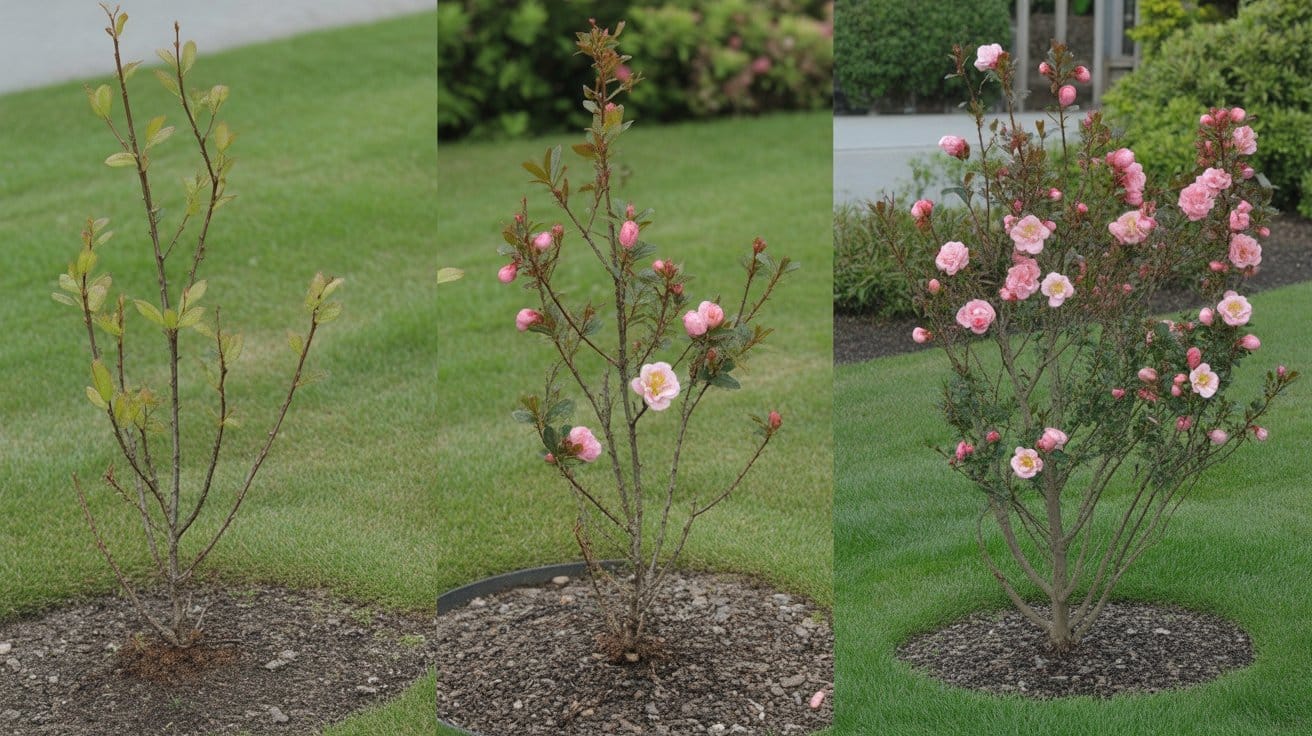
- First Year: Focuses energy on root establishment below ground rather than producing top growth
- Second Year: Noticeable stem and branch development occur with increased flowering display
- Mature Stage: Reaches full size and produces abundant blooms by years 3 to 5
- Garden Versatility: Works in formal designs with pruning or informal settings with natural form
These botanical features and growth patterns make it an excellent choice for gardeners seeking a compact, hardy shrub that delivers reliable spring blooms with minimal maintenance requirements.
How to Grow Pink Lady in 5 Simple Steps
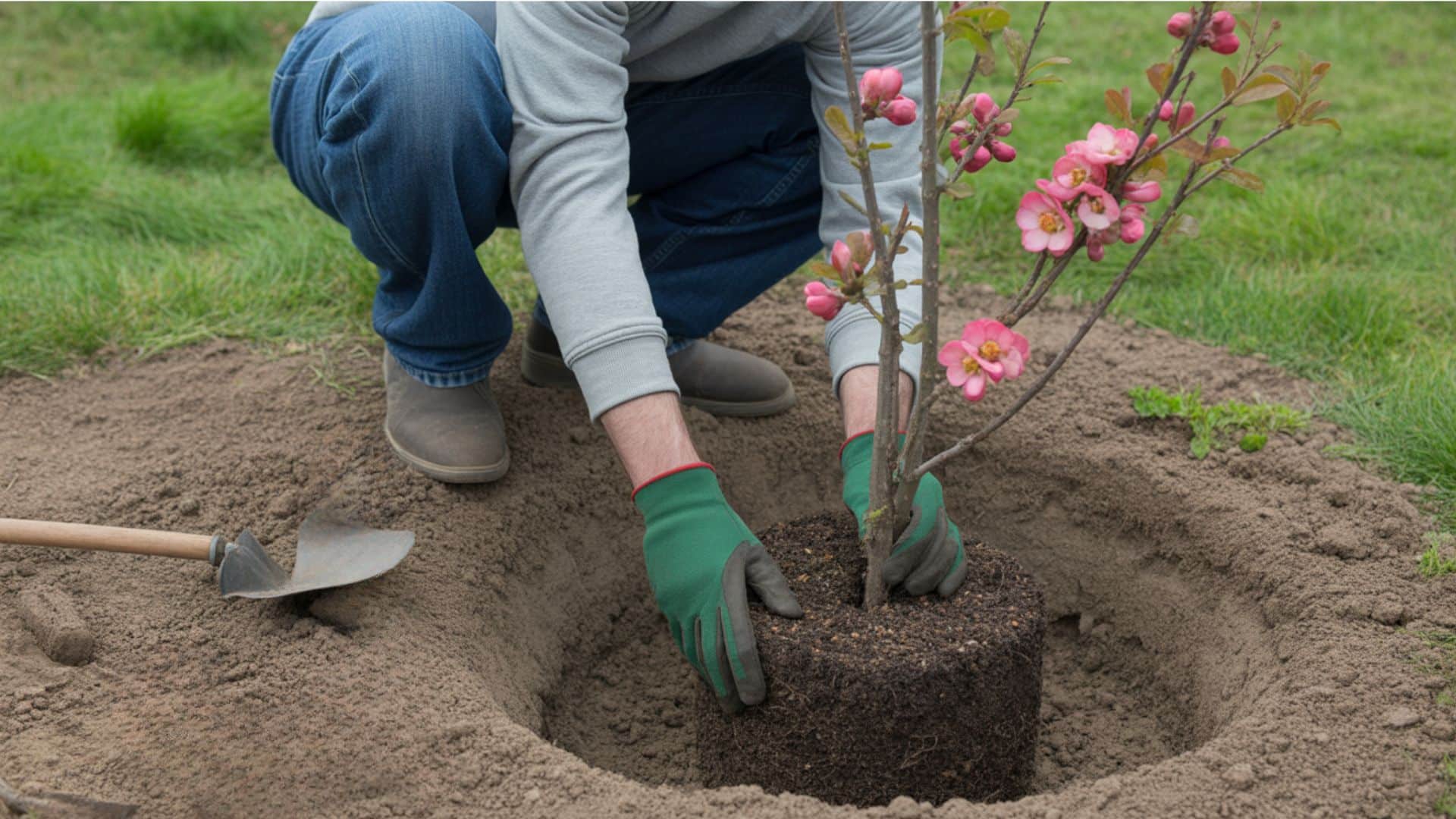
Proper planting sets the foundation for healthy growth and abundant blooms. Follow these guidelines for soil, sun, water, and timing to ensure success.
Step 1: Choose the Right Location
Selecting the right spot is crucial for yourPink Lady to succeed. It needs plenty of sunlight and the right soil conditions to produce vibrant blooms. Make sure to plant it in can spot that gets at least 6 hours of direct sunlight each day, and ensure the soil drains well to prevent root rot.
- Sunlight: It requires at least6 hours of direct sunlight daily for the best flower production.
- Soil: Ensure well-draining soil with a pH between 5.5 and 7.0. Amend heavy clay with organic matter to improve drainage.
Step 2: Prepare the Planting Hole
Digging the proper hole ensures your plant has enough space for its roots to spread. A hole that’s too deep or too shallow can hinder growth, so make sure the dimensions are right for the size of the root ball.
- Hole Size: The hole should be twice as wide as the root ball, but no deeper than its height.
- Spacing: If you’re planting ahedge, space the shrubs 2–3 feet apart. For individual plants, leave 3 feet of space to allow for growth.
Step 3: Planting the Shrub
Once the hole is prepared, position the root ball correctly to promote strong root growth. Proper planting depth is crucial to avoid water pooling or root growth issues.
- Positioning: Set the root balllevel with the soil surface, with the top slightly above ground to ensure good drainage.
- Backfill: Carefully backfill with the excavated soil and gently press to eliminate air pockets. Water the plant generously after planting.
Step 4: Watering and Mulching
After planting, ensure the shrub stays well-watered and protected. Proper watering encourages deep root growth, while mulching helps maintain soil moisture and keeps weeds in check.
- Watering: Water deeply, giving1–2 inches weekly during the growing season. Keep the soil moist but not soggy.
- Mulching: Add2–3 inches of mulch around the base, but avoid placing it directly against the stem to prevent moisture buildup that could cause rot.
Step 5: Ongoing Care and Maintenance
For continued healthy growth, regular care is necessary. Prune the shrub, apply fertilizer, and monitor for pests to ensure your plant remains strong and vibrant throughout the seasons.
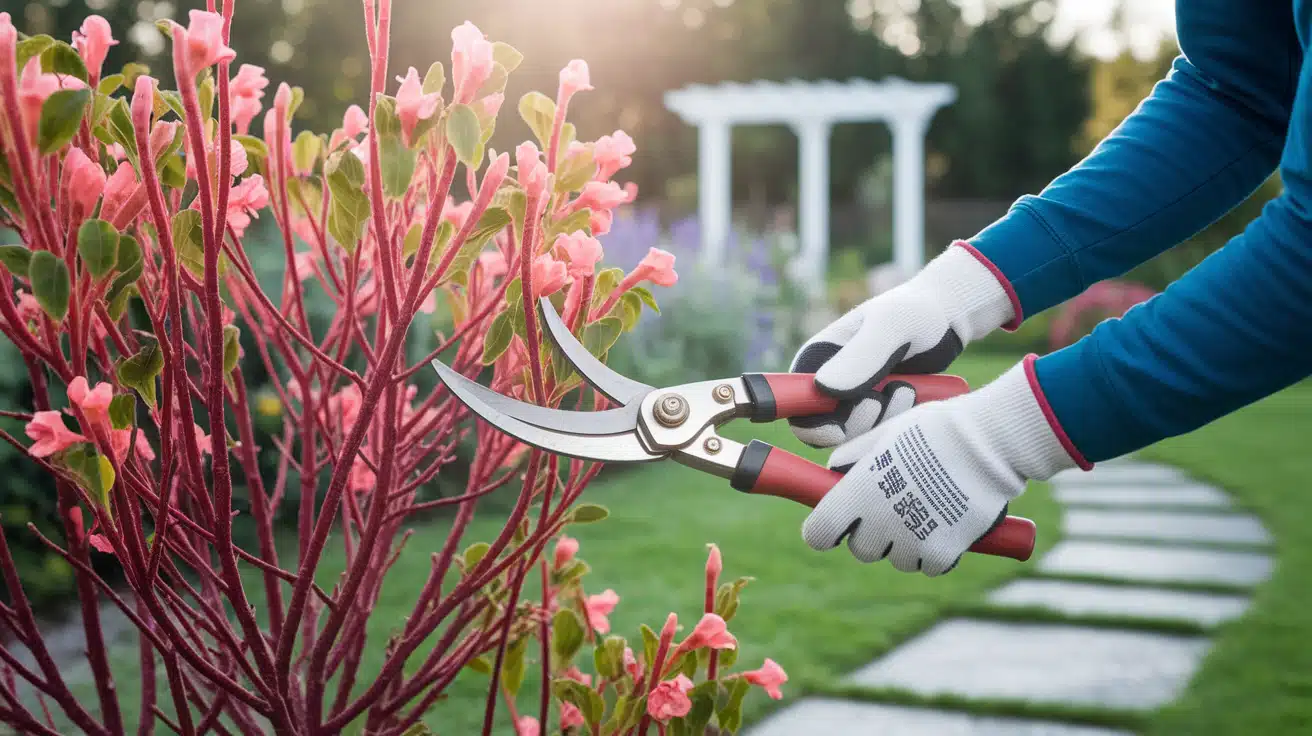
- Pruning: Prune in late spring, after blooming, to remove any dead wood and shape the plant for the season ahead.
- Fertilizing: Use a balanced fertilizer (such as 10-10-10) in early spring to encourage healthy growth and blooming.
- Pest Control: Check regularly for pests likeaphids and scale. Treat with insecticidal soap or a strong stream of water as needed.
Following these planting and growing guidelines helps ensure your Pink Lady establishes quickly and thrives for years, rewarding you with reliable spring blooms and minimal maintenance.
Care and Maintenance for Chaenomeles Pink Lady
Proper care keeps Pink Lady healthy and flowering abundantly each spring. Follow this maintenance schedule for best results throughout the year.
| Care Task | Timing | Instructions |
|---|---|---|
| Pruning | Immediately after flowering (late spring) | Remove dead wood; thin crowded branches; shape to outward buds; wear gloves for thorns |
| Fertilizing | Early spring as growth emerges | Apply balanced 10-10-10 fertilizer around the base; water thoroughly after |
| Mulching | Annual refresh (spring or fall) | Spread 2-3 inches of organic mulch; keep away from stems |
| Watering | During establishment and drought | Water deeply at the soil level; check moisture 2-3 inches down |
| Pest Control | Weekly during the growing season | Check for aphids, scale, and mites; spray with water or insecticidal soap |
| Disease Watch | During humid weather | Inspect leaves for mildew or spots; remove infected foliage promptly |
Following this care routine ensures your Pink Lady remains vigorous and produces dazzling spring blooms year after year with minimal effort required.
Issues and How to Solve Them for Chaenomeles Pink Lady
Even low-maintenance plants encounter occasional issues. Here are the most common problems and practical solutions to keep your shrub thriving:
- Aphids clustering on new spring growth: Spray with a strong stream of water or apply insecticidal soap. Repeat every few days until populations decline and sticky residue disappears.
- Spider mites causing stippled, yellowing leaves: Increase watering and spray foliage regularly with water. These pests thrive in hot, dry conditions and create fine webbing on leaves.
- Scale insects appearing as bumps on stems: Scrape off light infestations with rubbing alcohol on a cloth. Apply horticultural oil for heavier problems, covering all affected areas thoroughly.
- Powdery mildew coating leaves in humid conditions: Remove infected leaves and dispose of them in the trash. Thin dense branches to improve airflow and prevent this white fungal coating from recurring.
- Fire blight is causing blackened, curled branch tips. Prune immediately 6 inches below the symptoms. Disinfect tools with rubbing alcohol between cuts. No cure exists for this bacterial disease.
- Poor flowering due to incorrect pruning timing: Prune only after spring flowering ends. Late summer, fall, or winter pruning removes buds already set for next season’s display.
- Insufficient sunlight reduces bloom production: Plants need 6 hours of direct sunlight daily for optimal flowering. Consider transplanting if nearby tree growth has increased shade over time.
By addressing these issues promptly and maintaining good cultural practices, your Pink Lady will deliver reliable spring color and healthy growth for many seasons ahead.
Is Chaenomeles Easy to Grow?
Yes, Chaenomeles × superba ‘Pink Lady’ is very easy to grow, making it ideal for beginners. Once established, it requires minimal care and thrives in various soil types and climates.
Its compact size (3–4 feet tall and wide) makes it perfect for smaller gardens or containers. The plant is hardy across USDA zones 5–9 and doesn’t need special attention once planted.
With its early spring blooms and low-maintenance nature, it offers vibrant color with little effort.
Closing Remarks
Chaenomeles Pink Lady brings reliable spring color to gardens across zones 5 through 9 with minimal care requirements.
This compact flowering quince adapts to various soil types and climates while staying manageable at 3 to 4 feet tall.
Early pink blooms support pollinators when they need food most, and thorny branches provide year-round structure.
Success with Pink Lady starts with proper planting in well-drained soil and full sun. Regular care includes pruning after flowering, annual fertilizing, and monitoring for common pests.
Address problems promptly using the solutions outlined in this guide to maintain plant health.
Whether creating hedges, foundation plantings, or standalone specimens, it delivers consistent performance without demanding excessive maintenance.
Plant this flowering quince to enjoy decades of beautiful spring displays that mark the transition from winter to growing season.