
I grow cilantro every single season, and I still lose plants to bolting when the weather turns warm faster than I expected.
That is just how cilantro works. It grows on its own schedule, not yours, and once it decides to flower, there is no talking it out of it.
But here is what I have learned after 12 years of growing it: cilantro is not hard to grow. It is hard to time.
Get the timing right, pick the right variety, and sow more than one round of seeds, and you will have fresh cilantro for months instead of weeks.
By the way, cilantro and coriander are the same plant (Coriandrum sativum). We call the fresh leaves cilantro and the dried seeds coriander. So even when your plant bolts, you still get something useful out of it.
Cilantro at a Glance
| Detail | Information |
|---|---|
| Botanical Name | Coriandrum sativum |
| Plant Type | Annual herb |
| Height | 30 to 60 cm (12 to 24 inches) |
| Spread | 15 to 30 cm (6 to 12 inches) |
| Light | Full sun to partial shade |
| Soil | Well-drained, fertile, pH 6.2 to 6.8 |
| Hardiness Zones | USDA 2 to 11 (grown as annual) |
| Days to Harvest | 45 to 60 days from seed |
| Spacing | 8 to 15 cm (3 to 6 inches) apart |
| Best Planting Season | Spring and autumn (cool weather) |
When to Plant Cilantro
Cilantro is a cool-season herb. It grows best between 10 and 27°C (50 and 80°F) and bolts quickly once temperatures stay above 29°C (85°F). So the first thing you need to figure out is not how to plant it, but when.
The general rule: sow seeds two to four weeks before your last frost in spring, and again six to eight weeks before your first frost in autumn. Cilantro germinates well in cool soil, so there is no need to wait for warmth the way you would with basil or tomatoes.
If you want to be more precise, here is a breakdown by zone:
| USDA Zone | Spring Planting | Autumn Planting | Notes |
|---|---|---|---|
| Zones 3 to 4 | May to June | August | Short window; slow-bolt varieties help |
| Zones 5 to 6 | April to May | August to September | Best spring and autumn harvests |
| Zones 7 to 8 | March to April | September to October | Autumn planting is often more productive |
| Zones 9 to 10 | February to March | October to November | Can grow through winter in mild areas |
| Zone 11+ | Not ideal | November to February | Winter is the main growing season |
Choosing the Right Variety
Now that you know your planting window, the next decision is which variety to choose. This matters more than most people realize, because some varieties bolt weeks later than others.
1. Calypso holds off flowering longer than almost anything else on the market. If your springs warm up quickly, this is the one to start with.
2. Santo is the most widely available slow-bolt variety. Thick leaves, decent heat tolerance, and you will find it at most garden centres.
3. Leisure and Long-Standing both do well for extended leaf production, especially in autumn.
4. Delfino is different. It has feathery, fern-like leaves that look more like dill but taste like cilantro. It is pretty enough to tuck into a flower border and still eat from.
If coriander seeds are your main goal rather than leaves, go with a standard Indian or Moroccan variety. These bolt faster and set heavy seed heads, which is exactly what you want in that case.
How to Plant Cilantro
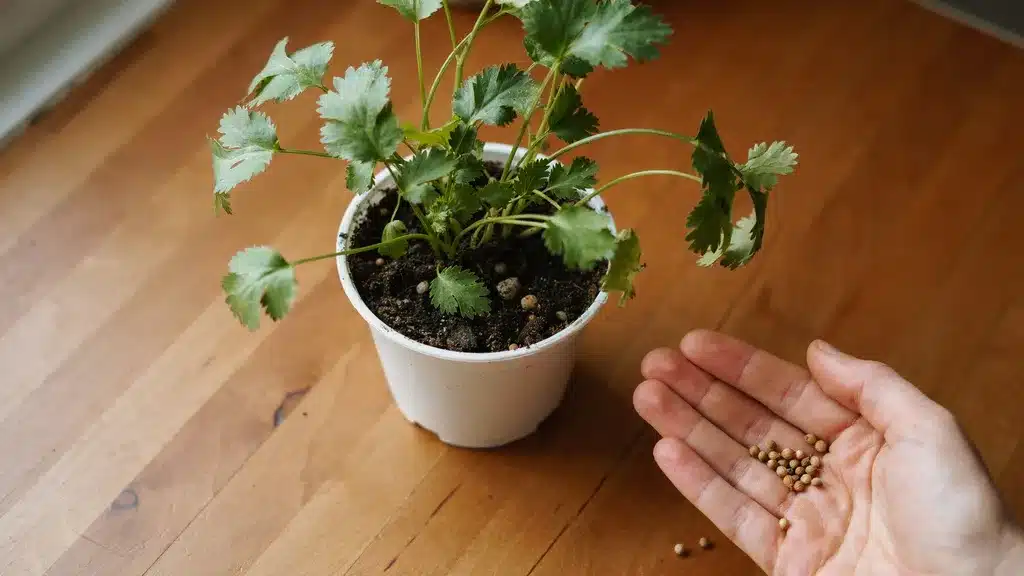
With your timing sorted and your seeds in hand, here is how to get them in the ground.
1. Soil Preparation
Work a layer of compost into the top 15 cm (6 inches) of your planting area. Cilantro needs loose, well-draining soil with a pH between 6.2 and 6.8.
If your soil is heavy clay, mix in coarse sand along with the compost. Compacted soil is a problem because cilantro develops a long taproot, similar to a carrot, and it needs room to grow downward.
2. Sowing Seeds
Direct sowing is the way to go. That taproot does not transplant well, and store-bought seedlings often bolt early due to root shock.
- Plant seeds about 6 mm (1/4 inch) deep, 8 to 10 cm (3 to 4 inches) apart, with rows spaced 30 cm (12 inches) apart.
- Keep the soil consistently moist until germination. Seeds sprout in 7 to 14 days. Do not let the surface dry out during this stage.
- Once the second set of true leaves appears, thin to 8 to 15 cm (3 to 6 inches) apart. Use the thinnings in a salad.
Germination tip: Gently crush cilantro seeds between your palms before planting. Each seed is actually two fused together, and cracking them improves germination. Soaking for 12 to 24 hours before sowing also helps.
If you want to start seeds indoors, use biodegradable pots that go straight into the ground so you do not disturb the taproot.
Begin about six to eight weeks before you plan to transplant. If seedlings stretch tall and thin toward the light, that is a sign of leggy seedlings, which is easy to fix once you know the cause.
|
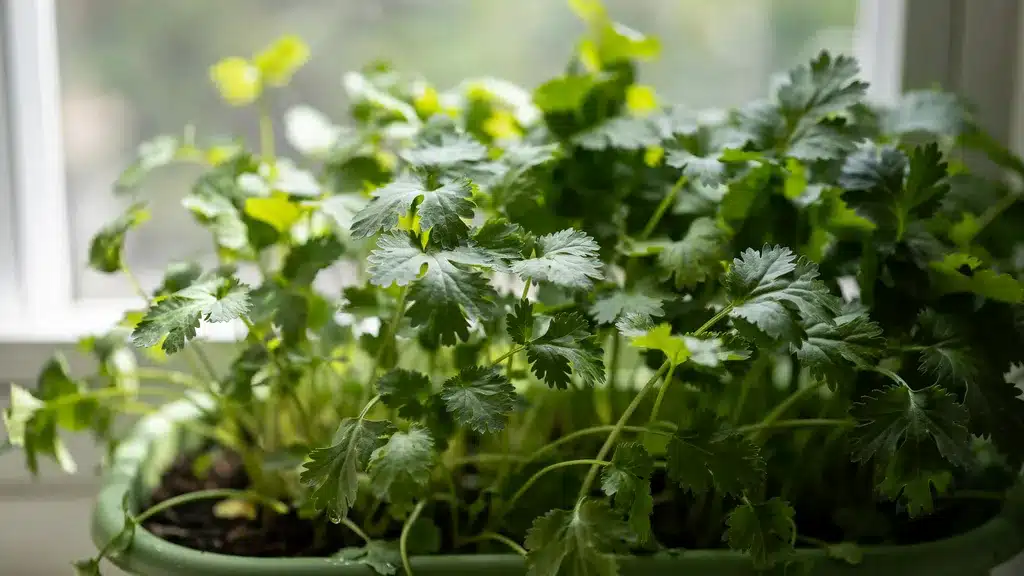
Growing in Pots and Indoors No garden bed? Containers work just as well, and you can move them into shade on hot afternoons. Use a pot at least 20 to 30 cm (8 to 12 inches) deep, with drainage holes. Fill with quality potting mix rather than garden soil, which compacts in pots. Check moisture daily since containers dry out faster than beds. For indoor growing, the challenge is light. Cilantro needs five to six hours of direct sun. A south-facing window usually works, but adding a grow light makes a real difference. Keep the room below 24°C (75°F), and avoid placing pots near heating vents or ovens. |
Ongoing Care and Bolting Prevention
Once your seedlings are up, care is straightforward. But there are a few things that make the difference between a plant that produces for weeks and one that flowers within days.
Watering and Light
Water about 2.5 cm (one inch) per week. Always water at the base rather than overhead, which reduces the risk of leaf diseases like powdery mildew. A 5 to 8 cm layer of mulch around the plants helps hold moisture and keeps roots cool.
In cooler months, give cilantro full sun (six to eight hours). As temperatures rise, shift to a spot with morning sun and afternoon shade. Planting near taller crops like tomatoes or beans creates natural shade as the season warms.
Dealing with Bolting
Bolting is when the plant throws up a flower stalk and stops making leaves. Four things trigger it:
- Heat above 27°C (80°F)
- Long daylight hours in late spring and summer
- Root disturbance from transplanting or rough weeding
- Inconsistent watering
You can delay bolting by planting at the right time, choosing slow-bolt varieties, providing afternoon shade, mulching, and watering consistently. When flower buds appear, pinch them off to get another week or two of leaves. But once the central stalk thickens, the plant has made its decision. Let it flower, collect the coriander seeds, and move on to your next sowing.
Succession Planting
This is the part most people skip, and it is the reason most people run out of cilantro. Every plant has a limited harvest window. Sow a fresh row every two to three weeks during the cool season, and you will always have young plants coming up behind the ones that are finishing.
Harvesting Cilantro
Start picking once plants reach about 15 cm (6 inches) tall, usually 45 to 60 days after sowing. Cut outer stems at the base rather than snipping leaves off the top. This pushes new growth from the centre of the plant. Take no more than a third at a time, and come back weekly.
When a plant bolts and the seed heads turn brown, snip the stems and hang them upside down in a paper bag to dry. The seeds drop on their own. Store them in a jar for cooking, or save them for next season’s planting.
What to Plant Next to Cilantro
Cilantro flowers attract beneficial insects like lacewings, hoverflies, and bees, which help control pests on nearby plants. Its scent also deters aphids and spider mites.
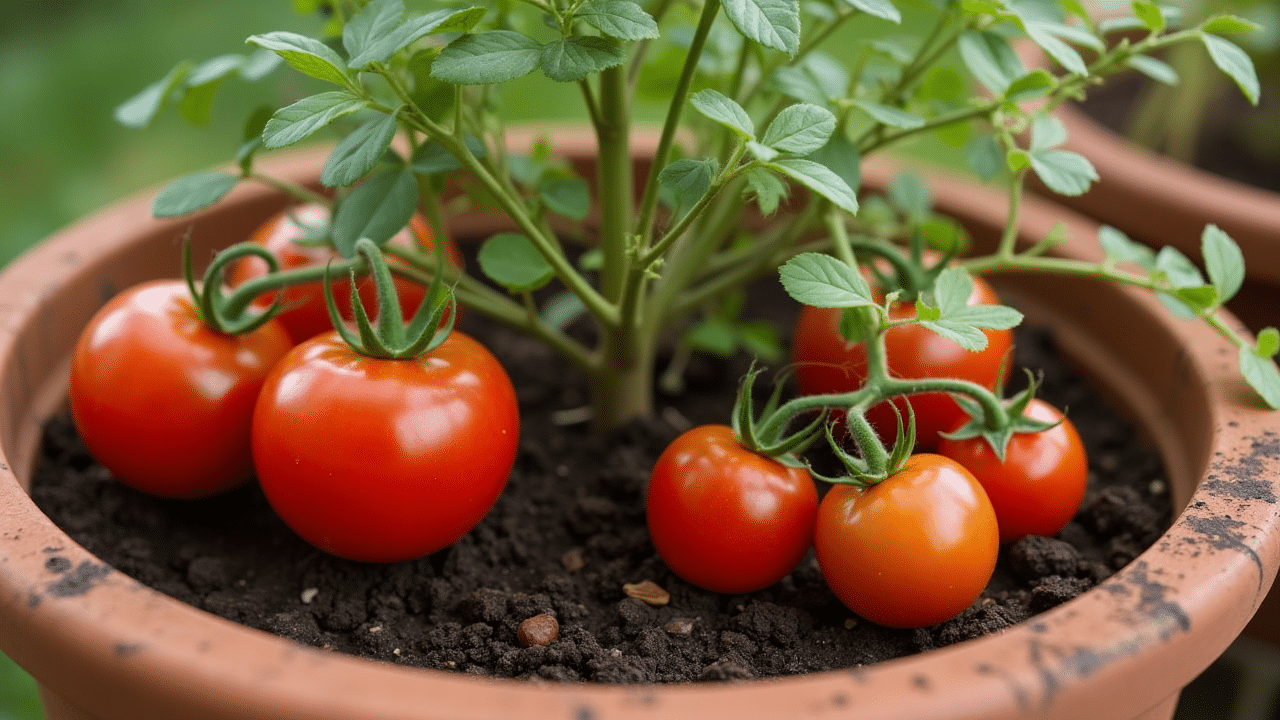
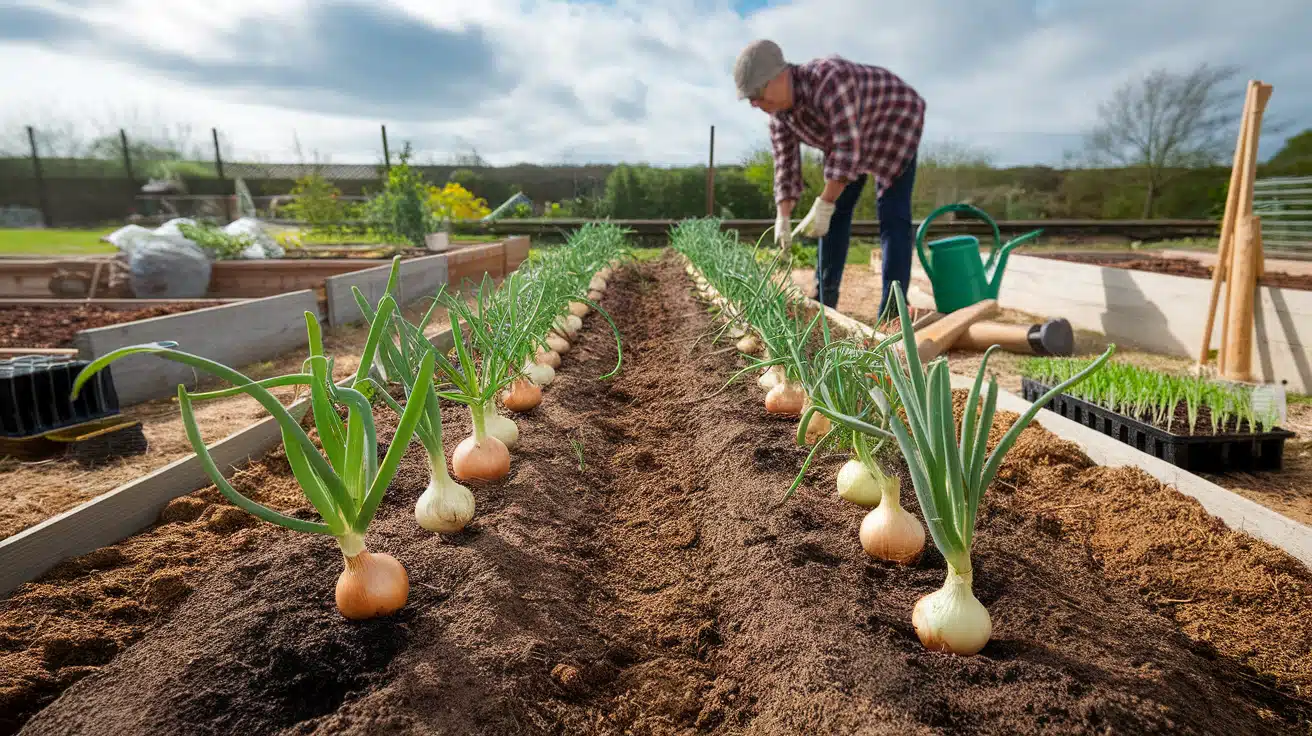
Good neighbors: tomatoes, peppers, beans, peas, lettuce, spinach, and onions. Tomatoes do particularly well with cilantro nearby, and if you are growing them, it is also worth learning how to boost your tomato yields by removing side shoots.
Avoid planting near fennel, which releases compounds that inhibit cilantro growth.
Pests and Problems
Cilantro rarely runs into serious pest issues. The few to watch for:
Aphids and whiteflies sometimes cluster on young plants. A strong spray of water usually handles it. For persistent problems, our guide on getting rid of black flies on plants naturally covers effective organic options. A homemade garlic mint spray works well as a preventive.
Leaf spot and powdery mildew show up when foliage stays wet or air circulation is poor. Water at the base, space plants properly, and remove damaged leaves early.
Root rot means the soil is staying too wet. If a plant wilts despite moist soil, check your drainage.
Wrapping Up
Cilantro does not need much. The right variety, the right time, a fresh sowing every couple of weeks, and consistent moisture.
Do those things and it will keep producing for months.
When it eventually flowers, let it. You will end up with a jar of coriander seeds and no reason to buy a seed packet next year.
Frequently Asked Questions
Does cilantro grow back after cutting?
Yes. Cut outer stems at the base, take no more than a third, and it keeps producing until it bolts.
Can you grow cilantro from grocery store cilantro?
You can root stems in water, but results are unreliable and the plants bolt fast. Seed is more dependable.
Why does my cilantro taste like soap?
Genetics. Variations in the OR6A2 gene cause 4 to 14% of people to detect a soapy taste. Cooking helps reduce it.
Is cilantro an annual or perennial?
Annual in most climates. In mild zones (9 to 11), it may self-sow and come back the following year.
Can cilantro survive frost?
Established plants handle light frost down to about -2°C (28°F). It grows better near frost than in summer heat.
What is the difference between cilantro and coriander?
Same plant. Cilantro is the leaves and stems. Coriander is the dried seeds.