
“Follow your passion!” is one of those shiny pieces of advice that sounds inspirational until you try to apply it to real life and suddenly you’re standing in your kitchen at 11:47 p.m. Googling what am I meant to do with my life like it’s a paint color code you can just look up.
(If only. I could use a Sherwin-Williams fan deck for adulthood.)
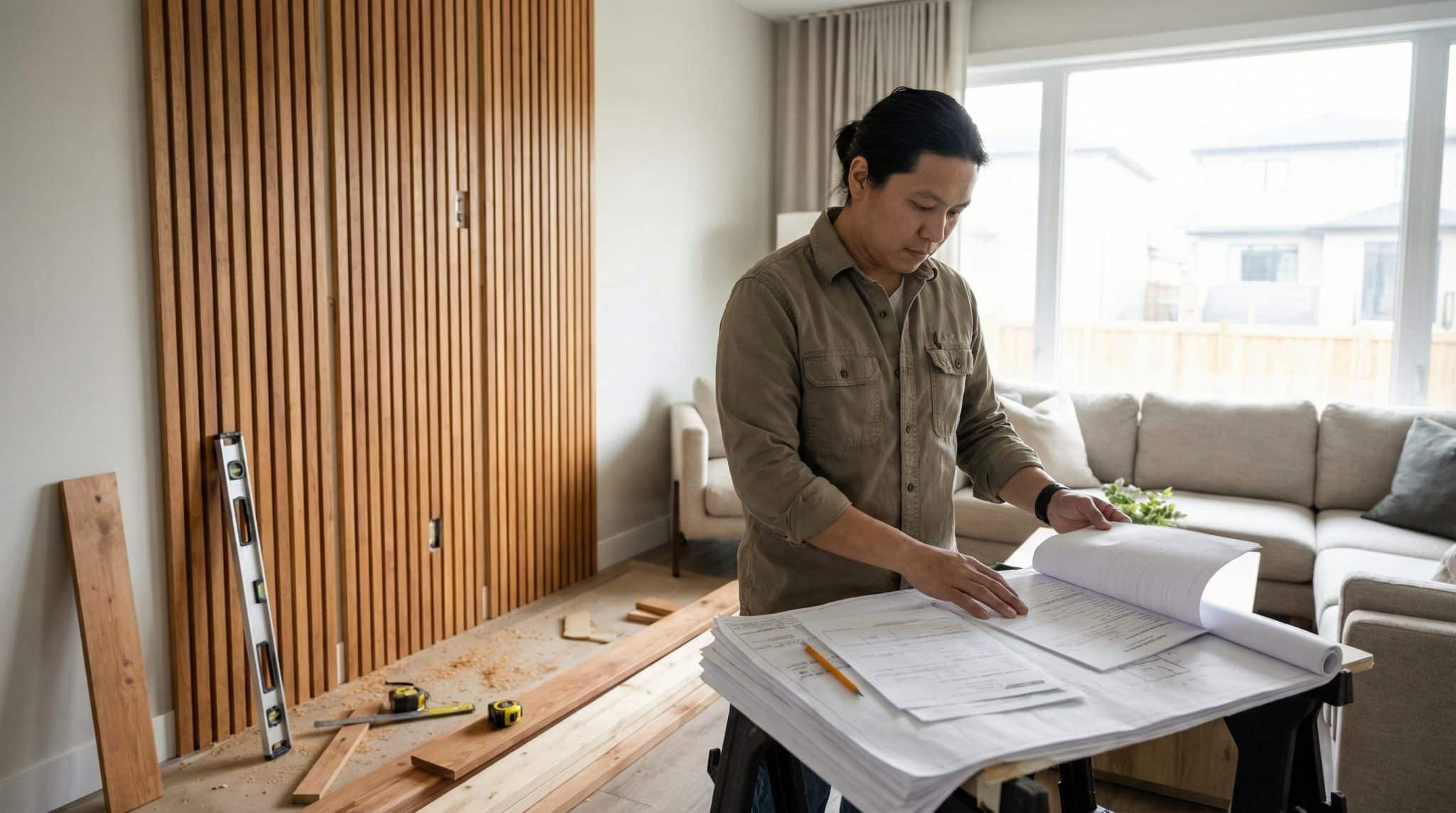
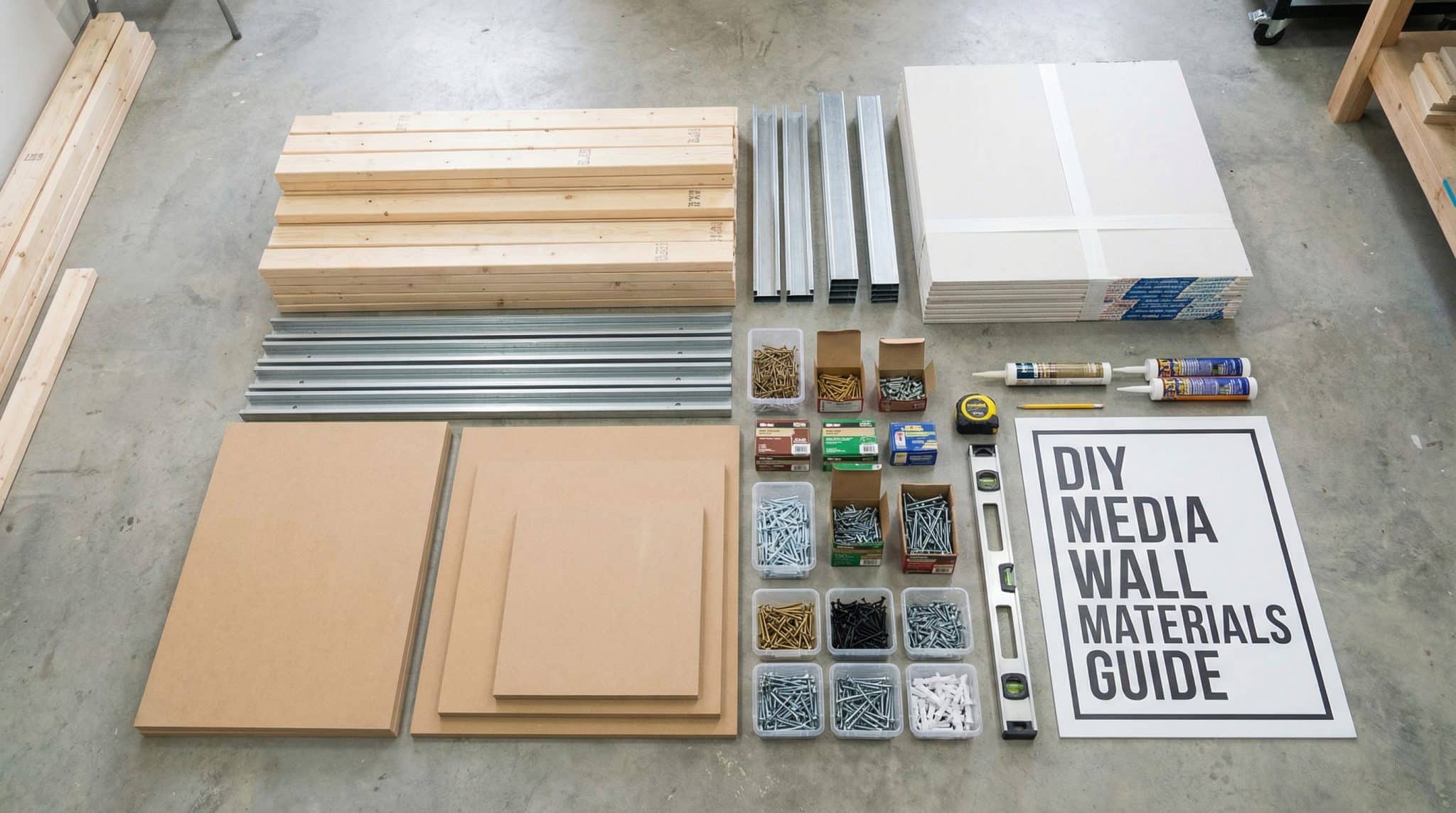
Here’s the truth I wish someone had told me sooner: passion isn’t a mystical soulmate that shows up, taps you on the shoulder, and says, “Congrats, it’s pottery.” Passion is more like remodeling a room. You don’t “discover” the perfect space you poke around, test things, make a couple questionable choices, and eventually you land on something that feels like you.
So if you’re stuck, or successful but kinda empty, or just tired of feeling like everyone else got a secret map… let’s build you a practical one.
First: passion isn’t “yay, I like this”
When you’re doing something that actually fits you, life feels… lighter. Not perfect. Not all sunshine. But you’re not dragging yourself through every day like a suitcase with one broken wheel.
There’s research backing this up (and not the “a guy on TikTok said” kind). People tend to report less stress and sadness when they’re doing activities that genuinely match their interests. Also, folks who are driven by internal satisfaction (not status, not approval, not “prove them wrong” energy) tend to stick with hard things longer and perform better over time.
Which makes sense, right? If you care, you’ll practice. If you practice, you improve. If you improve, you care more. It’s a very satisfying little loop.
What passion actually is (and what it is not)
We call everything a “passion” now. Pumpkin spice. Pickleball. That one show you watched for eight straight hours while eating cereal for dinner.
Real passion usually has a few tells:
- It sticks around longer than a fling
- It feels meaningful (not just entertaining)
- You put real time into it on purpose
- It becomes part of how you see yourself
- It gives you energy more often than it drains you
And notice what’s not on that list: “It’s always easy,” “It never frustrates you,” and “You’re amazing at it immediately.”
If you’re waiting for a passion that feels like floating through a meadow with zero effort, I say this lovingly: you’re going to be waiting a while.
Three myths that keep people stuck
Myth #1: Your passion is hiding and you have to find the one perfect thing.
Nope. Passion is built. It grows through doing. Think “muscle,” not “buried treasure.”
Myth #2: Passion feels easy.
Real passion includes struggle. The difference is you still come back after a rough day instead of ghosting it like a bad situationship.
Myth #3: You should’ve figured this out by now.
Says who? The Passion Police? People get clear in their 30s, 40s, 60s. There is no deadline. You’re not behind you’re gathering better data.
Quick gut check: hobby or real passion?
No dramatic life announcement required. Just answer these honestly (and yes, you can lie, but then you’re only lying to yourself, which is a weird hobby):
- If this disappeared from your life, would you feel like you lost a piece of your identity?
- Do you describe yourself through it without trying? (“I’m a runner,” “I’m a writer,” “I’m the person who makes spreadsheets for fun”)
- Have you sunk a few hundred hours into getting better at it?
Two “yes” answers? That’s an emerging passion. Three? That’s established. One or zero? Probably a hobby and hobbies are AMAZING, by the way. Not everything needs to become your purpose or your side hustle or your personal brand.
Friendly warning: not all passion is healthy
Some passion is supportive and expansive. Some passion is basically a clingy ex in a trench coat.
A helpful way to think about it:
- Harmonious passion: you choose it, it fuels you, it fits alongside the rest of your life.
- Obsessive passion: it chooses you, it starts feeling compulsory, and everything else gets shoved off the counter like a cat.
If you love something but it’s wrecking your sleep, relationships, or health, that’s not “dedication.” That’s a one way ticket to burnout with a free tote bag.
Passion should fuel you, not consume you.
You don’t “think” your way into passion. You gather clues. Like a detective. A cute detective with a snack and a slightly messy notes app.
Here are the exercises I’d actually do if I were starting from scratch.
1) Go snoop around your childhood (not in a creepy way)
Between about 5 and 12, you liked what you liked before bills, bosses, and practical people got involved.
Set a timer for 15 minutes and list what absorbed you as a kid. Then ask: what was I really doing?
- Building LEGO cities → designing systems, creating spaces, problem solving
- Playing “school” → explaining, organizing, leading
- Drawing constantly → visual storytelling, observation, aesthetics
If your memory is fuzzy, look at what still pulls you today. Your brain leaves breadcrumbs. Follow the crumbs.
2) Collect “curiosity receipts” for one week
For seven days, notice what naturally grabs you:
- What articles do you actually finish?
- What topics make you lean in during conversations?
- What rabbit holes do you happily fall into online?
No judging. You’re not deciding your future. You’re just watching your attention like it’s a toddler at a birthday party.
At the end of the week, look for patterns. You might keep circling:
- how things work
- why people do what they do
- visual design
- fixing broken systems
- teaching/explaining
- building something from scratch
Clarity loves receipts.
3) The bookstore/podcast test (a.k.a. “what do you reach for when nobody’s grading you?”)
Go to a bookstore or library and wander for 20 minutes with no plan to buy anything. Or do the digital version: scroll your podcasts/YouTube history like you’re stalking your own brain.
What sections do you drift toward? What titles do you pick up?
When the same themes show up across books, podcasts, and “just for fun” browsing… that’s not random. That’s you.
Strengths are sneaky because they feel normal to you. Like, “Doesn’t everyone do this?” No. No they do not.
I once realized this when I casually reorganized a friend’s chaotic pantry while we were chatting. I thought I was being helpful. She stared at me like I’d performed witchcraft. That’s when it clicked: what’s effortless for you can be wildly valuable to someone else.
The easiest strength finder: who asks you for help?
For 2-4 weeks, jot down every time someone asks you for something like:
- “Can you look over this?”
- “How would you handle this?”
- “Can you plan this thing?”
- “Can you explain this to me?”
- “You’re so good at calming people down, help.”
Then label the ask: organizing, explaining, creating, analyzing, mediating, planning, designing, fixing.
If multiple people ask you for the same kind of help, congrats: you have a strength with external proof. If it also gives you energy? Even better.
Strength signals to watch for
- You learn it fast (especially compared to other people)
- You get into “flow” and time disappears
- You feel energized afterward (not wrecked)
- The same skill shows up in different areas of life
Ask people who know you (yes, it’s mildly annoying)
Pick a list of descriptors (organized, creative, steady, empathetic, analytical, decisive whatever fits). Choose a few you think are you, then ask 6-8 trusted people to choose what describes you.
Pay attention to what they pick that you didn’t. Those are often your blind spot strengths the ones you discount because they’re too “normal.”
Passion can give you energy, but values tell you where to aim it when choosing your next focus.
If you’ve ever hit a goal and still felt weirdly empty, there’s a decent chance the goal didn’t match your values. It looked good on paper. It just didn’t fit you or your life at home.
Here’s a simple way to find your real values without turning it into a 47 page journaling project:
- List a few peak moments (proud, fulfilled, deeply absorbed). What value was being honored? Freedom? Mastery? Connection? Helping others?
- Look at what makes you mad. Rage is often a value alarm. Broken promises → integrity. Being micromanaged → autonomy.
- Pick your top 3-7. Yes, it’s hard. That’s the point. When values clash (security vs. freedom, achievement vs. calm), which one wins most of the time?
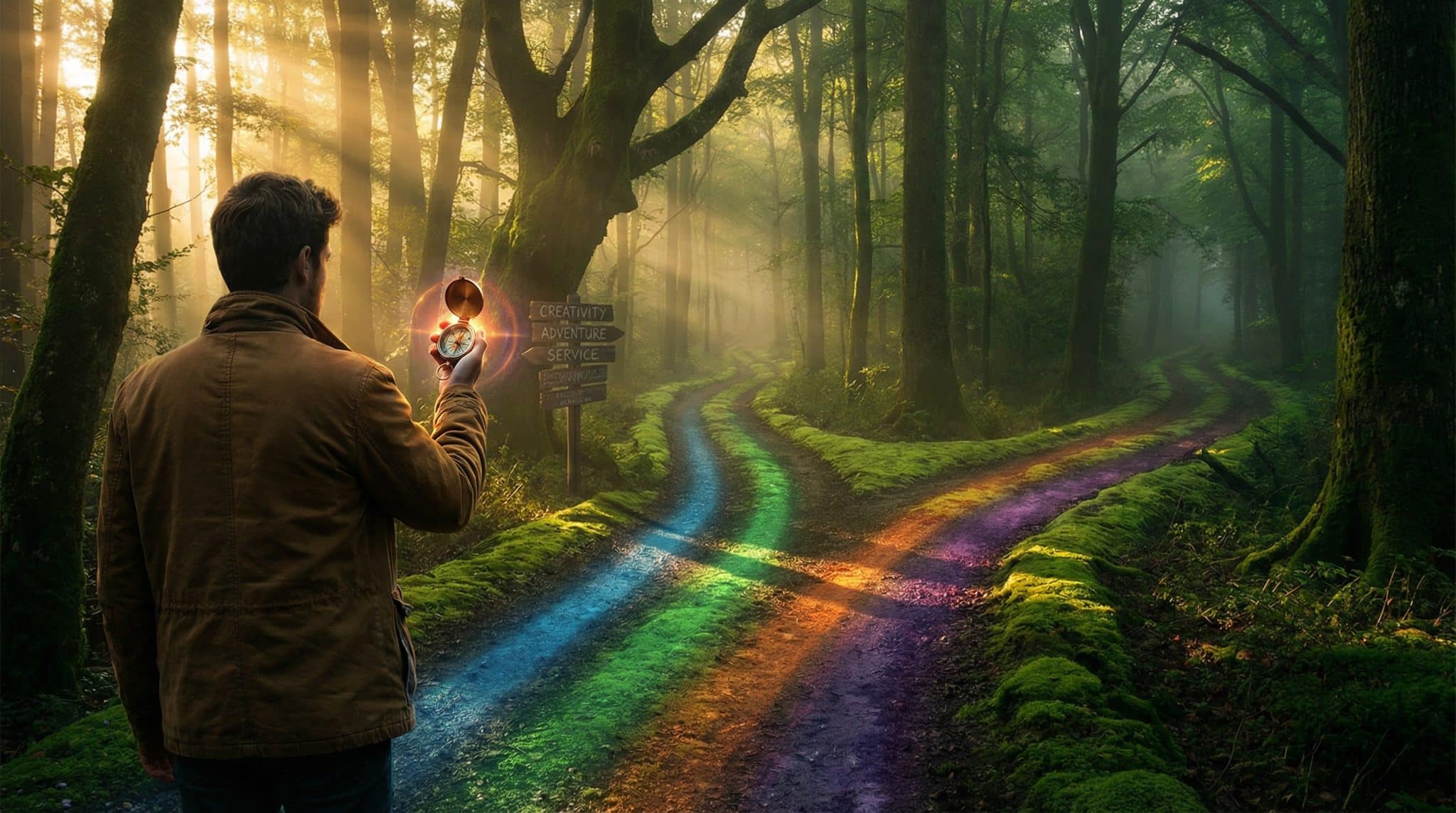
Values are your compass. Passion is your fuel. You need both unless you enjoy driving in emotional fog.
If you like visuals, do this on one piece of paper:
The “Ikigai-ish” map
Draw four circles and fill them in:
- What you love
- What you’re good at
- What the world needs (or what people will actually pay for / benefit from)
- What supports you financially
The goal isn’t a perfect magical overlap on day one. The goal is seeing what’s missing.
My favorite reality check: the 2×2 grid
Make a quick grid:
- High passion / high strength → your best bets
- High passion / low strength → skill building zone
- Low passion / high strength → useful, but don’t confuse it with purpose
- Low passion / low strength → please stop forcing this, respectfully
A lot of people get stuck in “low passion / high strength” because competence feels good. But competence without interest is how you end up “successful” and quietly miserable.
Please don’t quit your job because you had a fun afternoon doing watercolor.
Try this ladder instead:
- 2 hour micro test: watch a tutorial, try the thing for 20-60 minutes. Do you feel curious while doing it?
- 4 week experiment: 30-60 minutes a week + one deeper session. Do you like it once it’s in your actual schedule?
- Another 4-6 weeks: does it still hold when the beginner novelty wears off?
- 12-16 week track: only for serious contenders. Can you build skill, and does it fit your life and values?
Experiment first. Announce later. (Your future self will thank you.)
The hardest part isn’t starting. It’s the middle the part nobody posts on a vision board.
Expect this cycle:
- Initiation: you’re pumped, you overcommit
- Persistence: doubt gets loud, progress feels slow, you want to quit
- Completion: motivation comes back near the finish… and then crashes if you don’t plan what’s next
How you survive the middle:
- schedule it (tiny, repeatable blocks)
- track visible progress (even if it’s just “did the thing” checkmarks)
- add “yet” to your self-talk (“I’m not good at this… yet.”)
Also: sleep, movement, basic care. Motivation isn’t just mindset. It’s biology. You can’t run your life on fumes and vibes.
Sometimes your passion becomes your career. Sometimes it becomes the thing that makes life worth living outside your career. Both are valid.
Before you fall in love with a job title, run it through this quick checklist:
- Values: does the lifestyle match your non-negotiables?
- Interests: do the day to day tasks actually hold your attention?
- Skills: can you do it (or can you reasonably learn it)?
- Abilities: what feels natural and energizing for you?
If values and interests don’t fit, that role will feel like wearing shoes that are half a size too small. You can do it… but you’ll be cranky the whole time.
Also: you don’t have to quit your job tomorrow
If you’re exploring a change, keep your job and run experiments on the side. Volunteer, freelance, take one class, do a small project. Six months of real world testing will give you more clarity than six months of spiraling in your head.
And please, for the love of peace: don’t monetize everything
Some passions die the minute you attach invoices, feedback, and performance pressure. If turning it into income would suck the joy out of it, protect it as a hobby.
You’re allowed to have joy that’s just joy.
Pick one and do it in the next 24 hours:
- If you feel totally lost: do the childhood list + the one week curiosity receipts
- If you don’t know your strengths: start tracking who asks you for help
- If you feel successful but empty: identify your top values (peak moments + what makes you mad)
- If you’re eyeing a career change: do one micro test this week (2 hours, max)
One step beats ten tabs of research. Every time.
You don’t need a ten year plan. You need a next step and a willingness to be a beginner without making it mean something dramatic about your worth.
Now go take one tiny action. Make “someday” a little nervous.