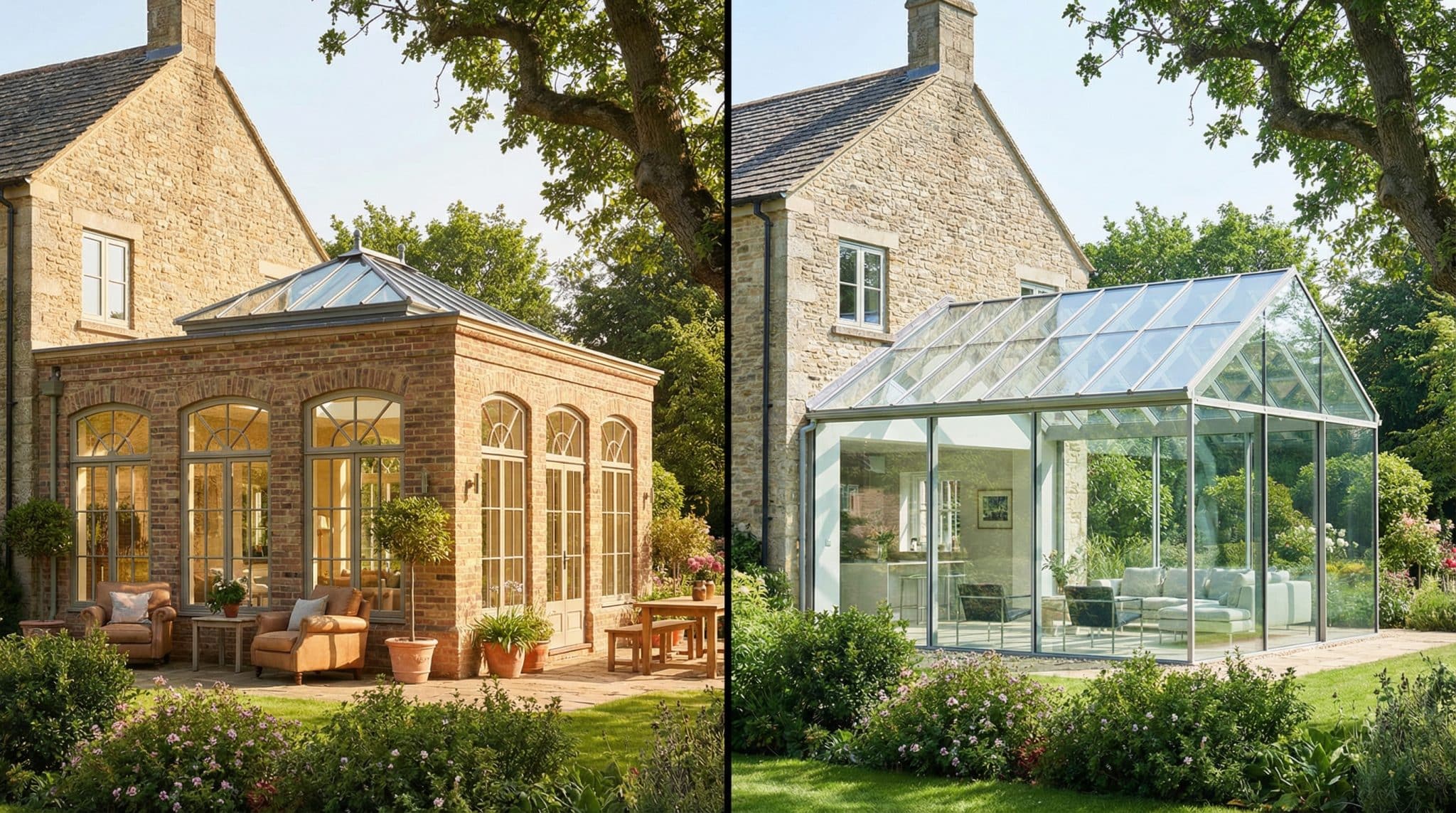
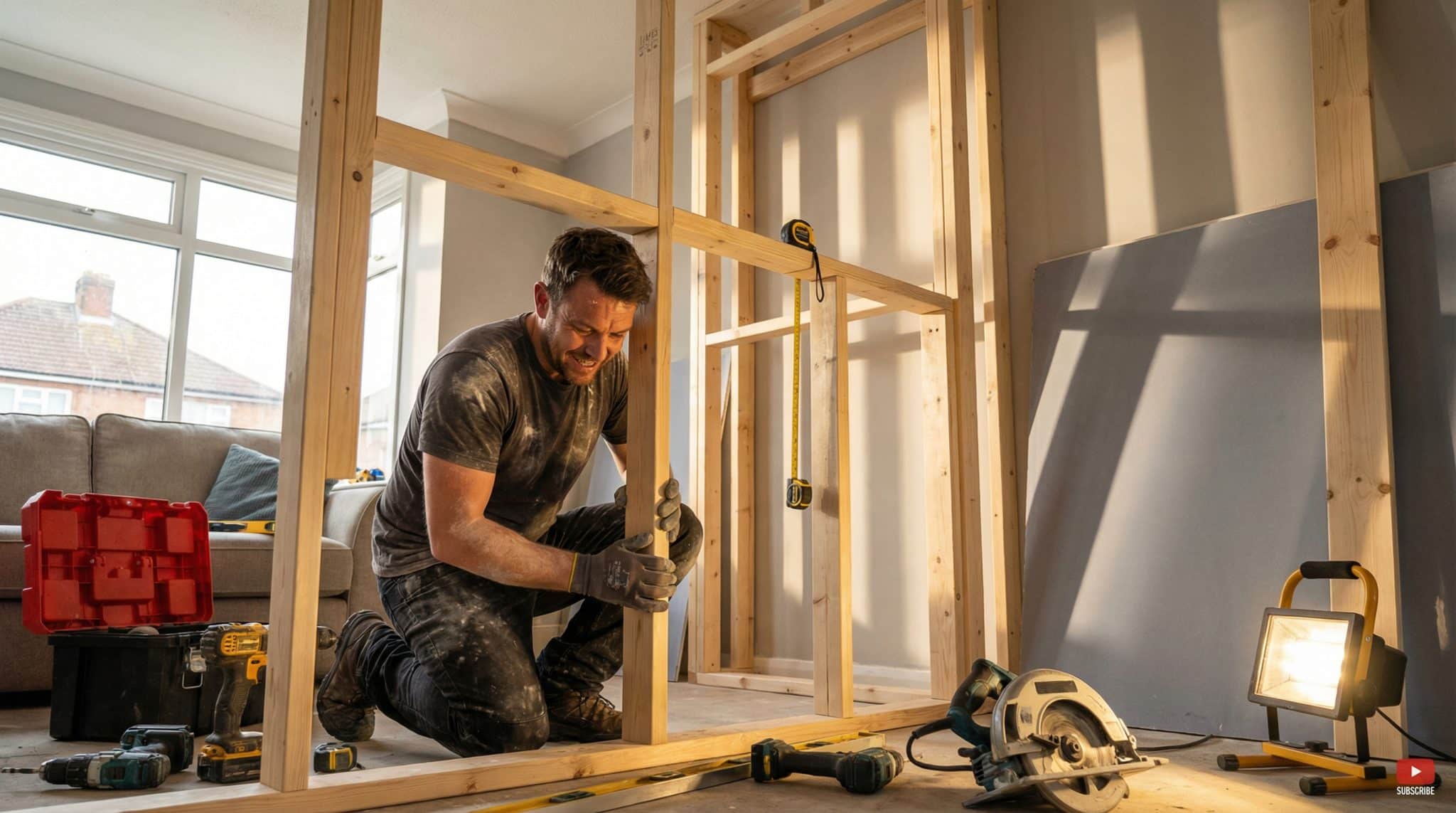
Renovating your home can be an exciting yet daunting experience.
While renovating your space, the last thing you want to worry about is unexpected damage, theft, or accidents that could delay or derail your project.
That’s where renovation insurance comes in. Unlike standard residents’ coverage, this specialized policy is designed to protect your property, materials, and even the contractors you hire during the renovation process.
Whether you’re remodeling a single room or completely overhauling your home, renovation insurance ensures that you’re covered for the unique risks that arise.
In this article, we’ll explore what renovation insurance covers, how it works, and help you through the steps to choose the right policy to protect your investment throughout your project.
What is Renovation Insurance?
Renovation insurance is a specialized policy that protects your home during remodeling or rebuilding. It covers the unique risks that arise during construction, including damage to the structure, materials, and areas exposed or altered during the project.
It also safeguards against accidents, weather-related issues, and unexpected setbacks that can occur while the home is partially unfinished.
Why It’s Important:
- Renovations increase the risk of fire, water damage, theft, and accidental structural issues.
- Standard residents’ insurance often excludes damage that occurs during construction.
- Building materials, tools, and unfinished areas need dedicated protection while the home is open and vulnerable.
It activates at the start of the renovation, covers damage and losses during the project, and ends once construction is complete. It fills gaps your regular policy can’t cover.
HowRenovation Insurance Works?

Renovation insurance follows the progression of your project from start to finish. It activates when work begins, stays in place throughout construction, and protects you when unexpected issues arise.
Here’s a clearer look at how it works.
When It Starts
Coverage usually activates as soon as:
- Materials arrive on-site, or
- Construction officially begins.
Early protection is vital because stored materials and open structures are at risk from day one. This means your investment is safeguarded even before the first wall comes down.
What Happens During the Build
During construction, your renovation insurance works with the contractor’s policy to protect your home and workers on-site. This dual coverage ensures there are no gaps while the project is underway.
Your policy covers:
- Damage to the structure or incomplete work
- Loss or damage to building materials
- Weather-related issues affecting the project
Contractors must carry their own:
- General liability insurance, and
- Workers’ compensation
Subcontractors must also have workers’ compensation coverage to ensure their employees are covered in the event of an injury.
Filing a Claim
If something goes wrong during the renovation:
- Report the issue to your insurer immediately.
- Document the damage with photos and written notes.
- Let the insurer assess the situation and send an adjuster.
Your claim review depends on project scope, property age, budget, timeline, location, and building code requirements. Quick reporting helps speed up the entire claims process.
What Renovation Insurance Covers?
Renovation insurance includes several layers of protection designed to cover the unique risks that appear once construction begins. Here’s a clear breakdown of what your policy typically includes
1. Property Damage Coverage
Fire, lightning, and wind damage are covered. Collapse from hydrostatic water pressure damages your foundation coverage. Accidental structural damage during work is protected.
Vandalism to your unfinished home gets covered. Water damage from storms and burst pipes is included. Falling objects that damage your roof or walls are protected.
2. Theft and Materials Coverage
Stolen tools stored on-site are covered under your policy. Building materials like wood, tile, and fixtures are protected. Damage to stored materials before installation is included. However, contractor equipment isn’t covered by your policy.
3. Liability Protection
Someone injured on-site is covered under your policy. A visitor tripping over debris will be covered. Damage to a neighbor’s property gets paid for.
If a contractor damages the adjacent fence, you’re protected. Medical bills and legal expenses are handled by your insurance.
4. Contractor-Related Coverage
Your contractor’s mistakes may not be covered under their policy. Renovation insurance fills those liability gaps for you.
You’re protected if their workers injure themselves. Coverage applies even if their insurance lapses. This protects you from expensive lawsuits and settlements.
5. Optional Add-Ons
Temporary living expenses help if you must move out. Equipment breakdown covers damage to major tools and machinery. Flood or earthquake coverage varies by your location. Ask your agent about these additional protections.
Overall, renovation insurance brings peace of mind by protecting your home, materials, and finances from unexpected setbacks, keeping your project on track, and safeguarding you against costly surprises.
Do You Need to Tell Your Insurer About Renovations?
Yes, you must notify your insurer before starting major renovations. U.S. insurers require disclosure because construction increases risk and can change your home’s value.
Failing to notify them can lead to denied claims, reduced payouts, or even policy cancellation. Always inform your insurer if the project costs over $50,000, involves structural changes, additions, conversions, a long timeline, or a temporary relocation.
Provide your agent with project details, costs, timelines, and contractor insurance information so they can recommend the right coverage.
What Insurance is Needed for Buildings Under Renovation?
Renovation projects require specific insurance coverage to protect your property and investment. Understanding the different insurance types ensures you’re adequately protected against risks during construction.
| Insurance Type | What It Covers | Who Pays |
|---|---|---|
| Home Renovation Insurance | Covers property, materials, and risks like fire, theft, and vandalism during construction. | Owner |
| Builder’s Risk Insurance | Covers the property structure during renovation (fire, theft, wind, vandalism). | Owner |
| Liability Coverage | Protects against third-party injury and property damage claims (e.g., visitor injury or neighbor’s property). | Owner |
| Vacant Property Insurance | Covers a home temporarily unoccupied during renovations. | Owner |
| Workers’ Compensation | Covers contractor’s employee injuries on-site. | Contractor |
Proper insurance safeguards against risks during renovation, protecting both owners and contractors. Clear communication about coverage prevents disputes and ensures financial security throughout the project.
Howto Choose the Right Renovation Insurance Policy?

Choosing the right renovation insurance ensures your home and project are protected. By assessing your renovation scope, verifying contractor coverage, and avoiding common mistakes, you can confidently secure proper protection for your investment.
- Assess Your Project Scope: List every detail of your renovation, including structural changes, upgrades, and the project timeline. Accurately calculate your renovation budget and replacement value to determine the right coverage limits for your home.
- Verify Contractor Coverage: Ensure your contractor has adequate insurance, including general liability and workers’ compensation. Confirm coverage limits align with your project’s size and complexity, and request certificates to verify the insurance details.
- Understand Common Mistakes: Avoid common mistakes like failing to notify your insurer or underestimating project costs. Ensure your contractors are insured, document all work, and fully understand policy exclusions, such as flood, earthquake, or wear-and-tear damage.
Selecting the right renovation insurance requires careful planning. By assessing the project, confirming contractor coverage, and avoiding common mistakes, you can ensure complete protection and peace of mind throughout your renovation.
Steps for Buying a Renovation Insurance
Securing the right renovation insurance is essential for protecting your property during construction. Follow these five simple steps to ensure you have the coverage you need before starting your renovation project.
Step 1: Contact Your Current Insurer
Contact your current home insurance company first. Call your agent with renovation project details. Provide timeline, budget, and scope of planned work. Ask about renovation coverage options available. Determine if endorsements or separate policies are needed.
Step 2: Request Renovation Policy Options
Request all available renovation policy options. Ask about pricing for different coverage limits. Compare deductible options and their impact on costs. Clarify waiting periods before coverage activates. Confirm coverage dates match your project timeline.
Step 3: Compare Builder’s Risk Insurance Quotes
Compare standalone builder’s risk insurance quotes. Get quotes from at least three different providers. Request identical coverage specifications for fair comparison. Review policy terms, conditions, and exclusions carefully. Ask questions about anything you don’t understand.
Step 4: Verify Contractor Insurance Coverage
Confirm your contractor’s insurance coverage completely. Request certificates of insurance from all contractors. Verify that the coverage limits match your project’s value.
Ensure workers’ compensation covers all employees. Ensure general liability extends to your property. Ask for proof of current, active coverage.
Step 5: Finalize Your Policy
Finalize your policy before materials arrive on-site. Confirm the start dates of your coverage with your provider. Schedule a walkthrough with your insurer if available.
Provide all contractor contact information. Discuss notification procedures for claim situations. Confirm you understand exclusions and covered perils.
By following these steps, contacting your insurer, comparing options, verifying contractor coverage, and finalizing your policy, you’ll ensure your renovation is protected. Taking these actions will provide peace of mind throughout your project.
Top Renovation Insurance Providers
Several major national insurers offer renovation and builder’s risk coverage, making it easier for U.S. owners to secure the right protection. Some of the top providers include:
- American Family Insurance: Serves 19 states with comprehensive renovation coverage options.
- The Hartford: Offers renovation insurance through AARP programs.
- Allstate: Provides builder’s risk insurance for occupants.
- State Farm: Includes renovation endorsements on standard occupants policies.
- Liberty Mutual: Offers construction-related coverage across the U.S.
- Zurich: Specializes in builder’s risk insurance for remodeling projects.
When choosing a provider, prioritize those with strong reputations for claims handling and timely processing. Look for companies with dedicated construction specialists and transparent contractor requirements.
Be sure to compare multiple quotes to assess your coverage options and ensure the ability to customize policies to suit your project’s needs.
Conclusion
Renovation insurance protects your investment during construction work.
Your standard occupants policy simply won’t cover construction risks. Renovation insurance fills those critical protection gaps. Major home repairs and upgrades pose significant risks.
Fires, theft, and accidents occur regularly at construction sites. Professional coverage prevents devastating financial losses. Before starting any major renovation, take action. Compare providers and review coverage details carefully. Contact your insurer before construction begins.
Notify them of all project details and timelines. Request contractor insurance certificates and verify coverage. Finalize renovation insurance before materials arrive. One phone call protects your biggest asset.
Don’t leave your home renovation exposed to loss. What questions do you have about protecting your project? Share your renovation plans in the comments below.