Have you noticed the term maisonette flat appearing in real estate listings lately?
This British housing term is gaining traction in American property markets. More buyers and renters want to know what sets a maisonette apart from standard apartments.
A maisonette flat offers something rare in urban living. It combines house-like independence with apartment convenience through its.
These properties deliver better separation between living spaces than typical flats.
You get your own front door, internal stairs connecting two floors, and often outdoor access. The word “maisonette” means “little house” for good reason.
This housing style solves a real problem for city dwellers. It provides genuine privacy without sacrificing urban location or convenience.
What Is a Maisonette?
A maisonette is a self-contained living space spread across two or more floors. It has its own private entrance, usually from the street level.
This makes it different from regular apartments, where you share hallways and lobbies.
The term became popular in the UK during the mid-20th century. British property developers used it to describe flats that felt more like houses.
Maisonettes come in two main configurations. Upper maisonettes occupy higher floors with potential loft access and roof terraces. Lower maisonettes sit at ground level with direct garden access.
Both types maintain the signature private entrance, though upper units typically feature separate staircases from the street while lower units open directly onto sidewalks or pathways.
Core features define what a maisonette truly is:
- The multi-level layout always spans at least two floors
- Independent access means you get your own front door with no shared corridors
- An internal staircase connects the floors inside your unit
- All utilities and facilities are yours alone, making it completely self-contained
US Terms for maisonettes flat
In the US, we don't use this term as much. You might hear garden apartment for ground floor units, two-story apartment, stacked flat, or multi-level condo instead. But none of these capture the full maisonette meaning. The key difference is that true maisonettes always have a private entrance. No walking through communal spaces to reach your door.
Think of it this way. If an apartment and a townhouse had a child, it would be a maisonette flat.
Common Features of a Maisonette Flat
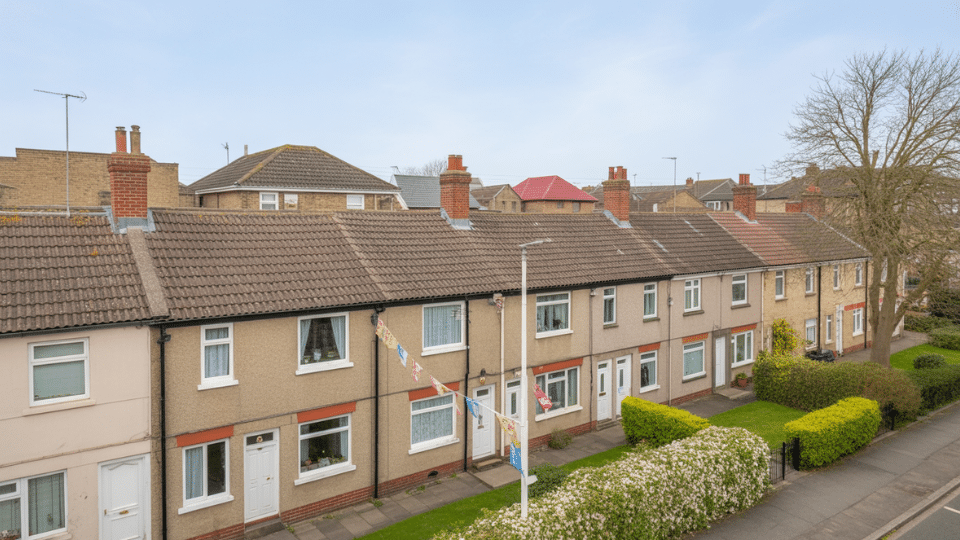
Now that you know the meaning of the word ‘maisonette’, let’s look at what you’ll actually find in one. These features affect how you live day to day.
1. Private Entrance: You get your own front door opening directly to the street or a private pathway. No shared hallways, elevator waits, or neighbor encounters while carrying groceries.
2. Multi-Level Interior: Most maisonette flats have bedrooms upstairs and living areas downstairs. The ground floor typically holds the living room, kitchen, and possibly a bathroom. The upper floor contains bedrooms, the main bathroom, and storage.
3. Interior Staircase: The staircase connects your floors and sits inside your unit, not in shared building space. You’ll use stairs regularly throughout the day, so consider this if you have mobility concerns.
4. Outdoor Access Options: Many maisonette flats include outdoor space like a small front garden, patio, back yard, balcony, or terrace. Not all maisonettes have outdoor space, but it’s common.
5. Urban Placement Above Commercial Units: Many maisonette flats sit above shops or offices. Convenience is the upside since everything you need is downstairs. Potential daytime noise is the downside.
The multi-level design creates natural separation. Noise from downstairs won’t disturb the upstairs bedrooms. Air circulates more evenly across floors, and privacy is greater than in standard apartments.
Maisonette Flat vs Standard Apartment
The differences go beyond just having stairs. Here’s how a maisonette flat compares to typical apartments.
| Feature | Standard Apartment | Maisonette Flat |
|---|---|---|
| Levels | 1 floor | 2+ floors |
| Entrance | Shared hallway | Private door from the street |
| Stairs | Building stairs only | Internal staircase in the unit |
| Privacy | Moderate | High |
| Outdoor access | Rare | Common |
| Sound insulation | Standard | Better due to vertical layout |
| Feel | Apartment-like | House-like |
| Neighbors | All sides (above, below, beside) | Fewer shared walls |
A maisonette flat gives you more independence and privacy, but requires adapting to multi-level living realities that standard apartments don’t have.
Advantages and Disadvantages of a Maisonette Flat
Every property type involves trade-offs. Weighing the benefits against the challenges reveals whether a maisonette flat suits your lifestyle.
What You Gain:
- Private street entrance with no shared building access or hallways
- Multi-level layout that creates natural separation between living zones
- House-like atmosphere while maintaining urban location and convenience
- Better sound insulation than standard apartments due to vertical design
- Outdoor space in many units, including gardens, patios, or balconies
- Increased privacy with independent access and fewer shared walls
What You Give Up:
- Daily stair climbing becomes mandatory for accessing different rooms
- Higher climate control costs as you condition two separate floors
- Limited inventory with fewer available listings in most US cities
- Potential commercial noise if your unit sits above shops or offices
- Furniture challenges since all items must navigate internal stairs
- Accessibility concerns for elderly residents or those with mobility issues
Maisonette flats suit people who value privacy and can handle stairs comfortably. They’re less ideal for anyone who needs single-level accessibility or prefers traditional apartment amenities like gyms and common spaces.
Maisonette Flat Costs: Prices & Investment Value
Money matters when choosing a maisonette flat. Knowing the real costs helps you make a confident decision about this unique housing style.
1. Purchase Price & Rent Trends
Maisonette flats cost 10-20% more than comparable single-level apartments. The private entrance, multi-level layout, and limited supply drive prices higher. In high-demand urban areas, this premium increases further.
If standard apartments rent for $1,800 per month, expect maisonette flats to rent for $2,000 to $2,200. Cities with European influences, like Boston, Philadelphia, and San Francisco, have better inventory and established pricing.
2. Maintenance & Utility Costs
Multi-level living increases monthly expenses. You’re conditioning two separate floors, and since heat rises, you create temperature imbalances. Budget an extra $30-$80 per month for utilities compared to single-level apartments.
Additional costs include staircase maintenance, multiple floor coverings, extra windows, and plumbing across floors. Renters typically avoid these costs, but owners must budget accordingly.
3. Financing & Mortgage Considerations
Getting a mortgage works like buying a condo. Lenders evaluate property classification, building condition, HOA status, and comparable sales. The help appraisals, while outdoor space adds value.
Mixed-use buildings face stricter lending requirements. Limited comparable sales complicate appraisals, and some lenders remain unfamiliar with maisonettes. Work with a lender experienced in urban condo financing.
4. Investment Value & Long-Term Appreciation
Urban properties with unique features generally appreciate well. Limited supply drives demand, though stairs limit your buyer pool. Resale depends heavily on local market conditions. Maisonette flats make strong rentals in walkable urban areas near universities or business districts.
Average appreciation runs 3-5% in stable markets and 8-12% in hot markets. Rental yields typically hit 4-7% annually with lower vacancy rates due to unique features.
5. Leasehold vs Freehold Ownership
Most maisonette flats operate under leasehold arrangements where you own the property for a set period while the freeholder owns the building and land.
You’ll pay ground rent and service charges, though maisonettes typically cost less than standard flats due to fewer shared spaces.
Freehold maisonettes are less common but offer more control, meaning no ground rent but full responsibility for external maintenance. Before purchasing, check the remaining lease length, annual ground rent, and service charge history. Leases of less than 80 years can significantly affect property value and mortgage approval.
Run the numbers for your specific market before deciding. The upfront premium often pays off through privacy, functionality, and steady appreciation in growing urban areas.
What to Consider Before Choosing a Maisonette Flat?
You’ve learned what a maisonette flat is and what it costs. Now make sure it actually fits your lifestyle and daily needs.
1. You’ll climb stairs multiple times daily to access different rooms. Consider whether everyone in your household can manage stairs safely now and in the future, especially with mobility concerns or aging.
2. Upper floors naturally stay warmer while lower floors remain cooler. You’ll need thoughtful climate management and potentially higher energy costs to maintain comfortable temperatures throughout your unit.
3. Many maisonette flats sit at street level or above shops and offices. Visit the property during different times of day to check traffic sounds, commercial activity, and neighbor noise patterns.
4. Check walkability to services, parking availability, and public transit access. Research the area’s safety, future development plans, and whether the urban setting matches your lifestyle preferences.
5. Older buildings may limit changes you can make to your unit. Ask about HOA rules, load-bearing walls, shared building systems, and whether you can update layouts, kitchens, or outdoor spaces before signing.
A maisonette flat works best when your lifestyle aligns with multi-level urban living. Visit properties at different times, ask detailed questions, and trust your instincts about whether the space feels right.
Conclusion
A maisonette flat offers a rare blend of privacy and urban convenience that standard apartments can’t match.
The private entrance, multi-level layout, and house-like atmosphere create a living experience worth considering.
This housing style suits people who value independence without leaving city centers.
The stairs and higher costs balance against better separation, quieter living spaces, and genuine privacy. Your own front door makes all the difference.
Before choosing a maisonette flat, visit properties at different times. Walk the stairs multiple times. Talk to current residents about their experiences. Check noise levels and neighborhood amenities.
If the layout matches your lifestyle and budget, a maisonette flat delivers something special in urban housing markets. It brings together the best parts of apartment convenience and house-like living in one package.