Most gardeners treat shade like a problem to solve.
I’ve spent over a decade in client gardens doing exactly the opposite, learning to read shade before reaching for a plant. That shift in thinking changes everything.
The single biggest reason shade gardens fail isn’t the plant choice. It’s that “shade” gets treated as one condition when it’s actually four completely different growing environments.
A north-facing bed, the space under a mature maple, a spot beside a garden wall, and a dappled woodland edge all qualify as “shady.”
Put the same plant in all four, and you’ll get four different results, three of which will probably disappoint you. So before any plant gets named, let’s figure out what you’re actually working with.
Designing a Shade Garden That Looks Intentional
A shade border full of individually correct plants can still look like a random collection. Design thinking is what separates a good shade garden from a great one.
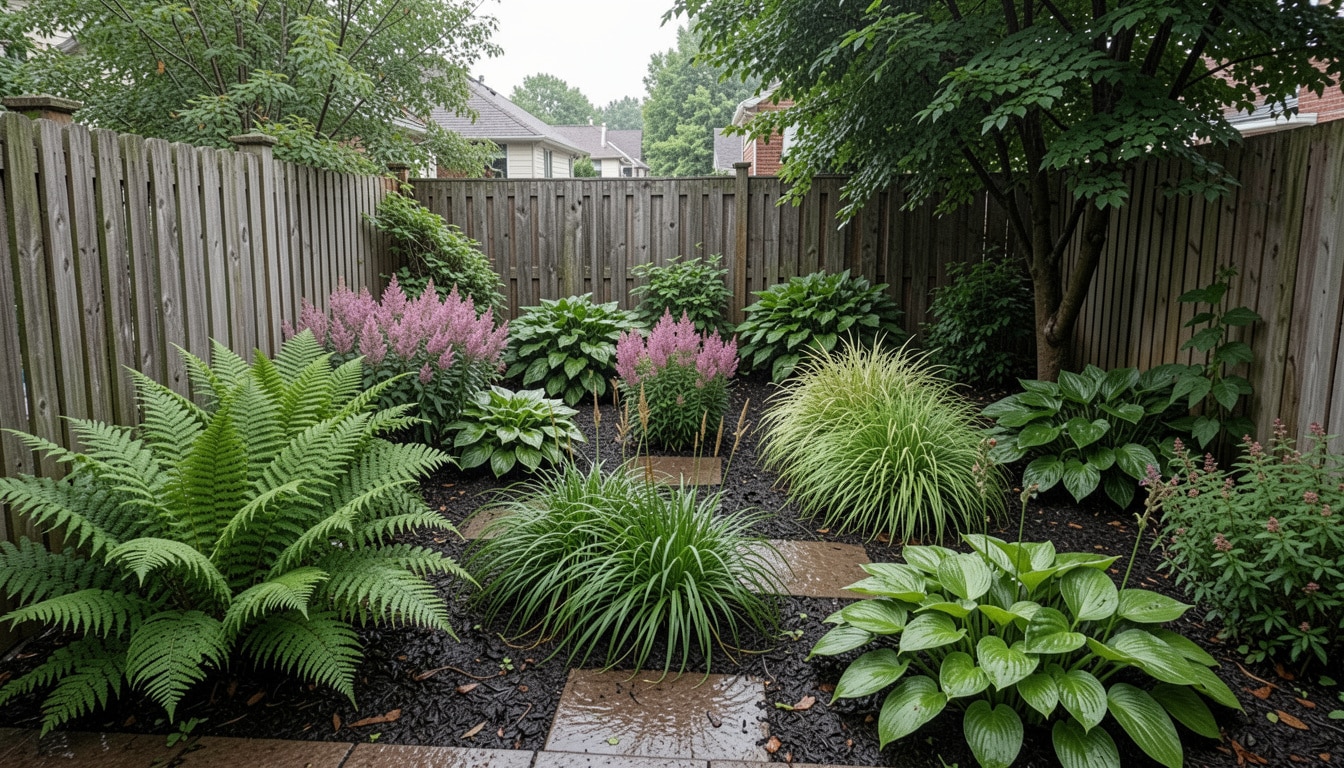
- Layer It Like a Forest: Emulate woodland structure with canopy, understory, shrub, and ground layers using plants like Fatsia, Oakleaf Hydrangea, astilbe, hostas, Epimedium, and Cyclamen.
- Pale Colors Work Harder in Shade: Use pale colors like white, cream, and silver foliage to reflect light and brighten shaded spaces, with dark greens for structure.
- Winter Interest Is a Gap Worth Filling: Plan for winter interest with plants like hellebores, Cyclamen coum, Christmas fern, and Iris foetidissima for year-round appeal
First, Identify Your Shade Type
This is the step every listicle skips. Spend five minutes here, and you’ll avoid months of dead plants.
1. Damp Shade
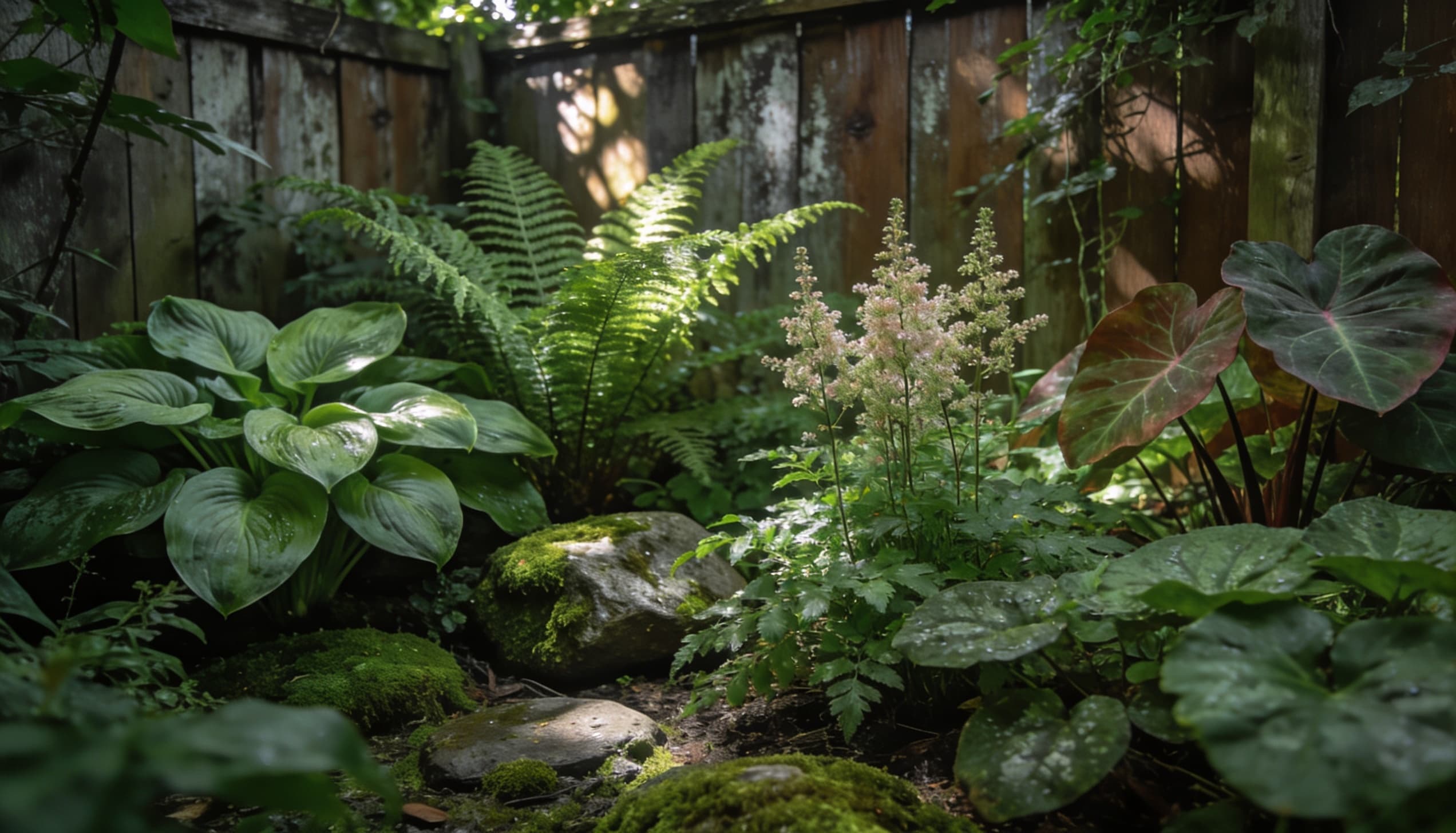
Sits in parts of the garden that stay moist without much intervention, typically north-facing beds, the east side of a house, or low-lying ground near trees. Light is low, but water is available.
This is the most forgiving shade type. Many of the plants people picture when they think “shade garden” astilbe, hostas, ferns belong here.
2. Dry Shade
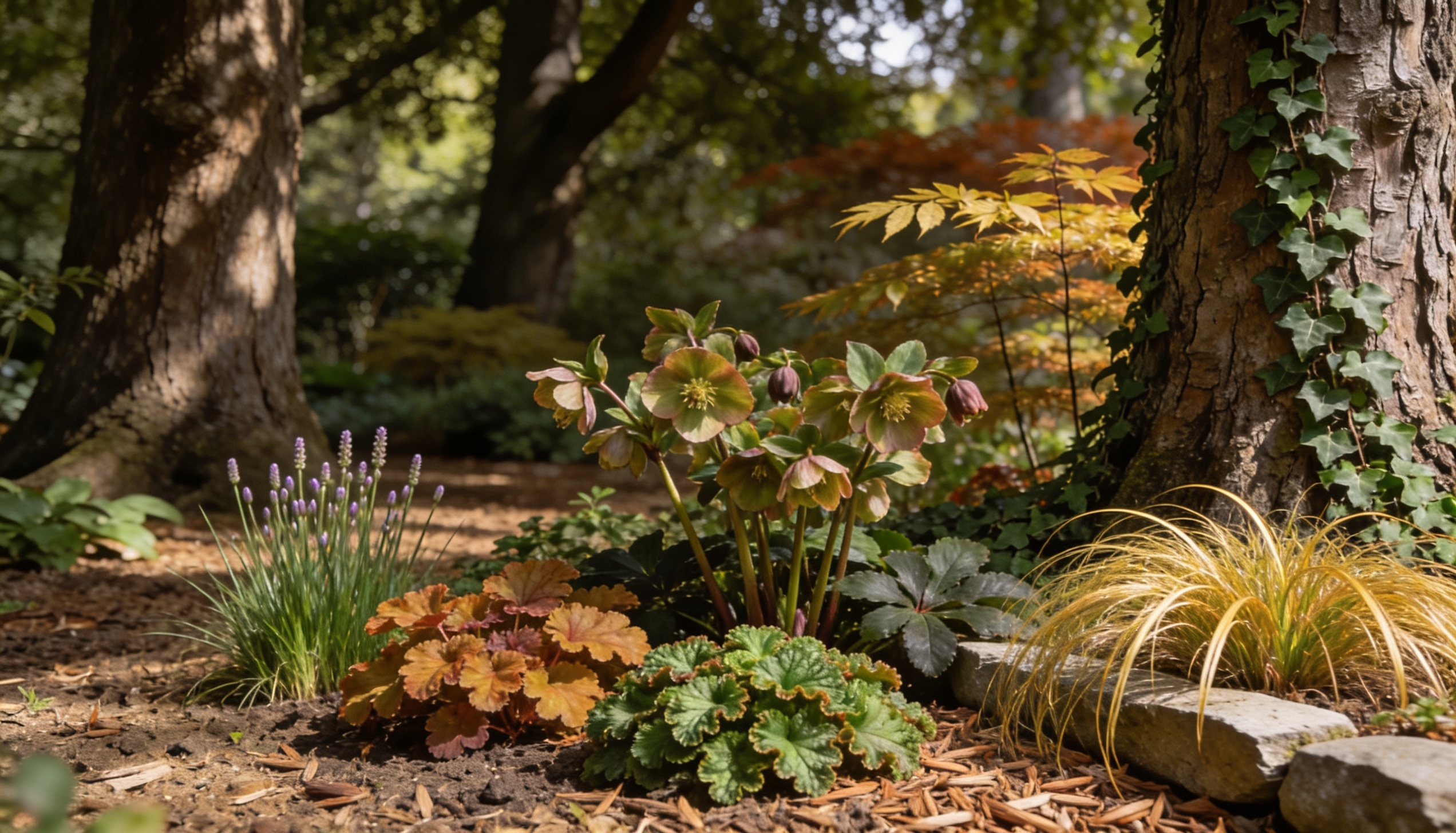
It occurs under large, established trees (especially maples and beeches), against house foundations, and under eaves where rainfall rarely reaches the soil.
Above ground, there’s low light. Below ground, tree roots are pulling most of the available moisture. Plants compete on two fronts simultaneously. This is where most shade-gardening failures occur.
3. Deep Shade
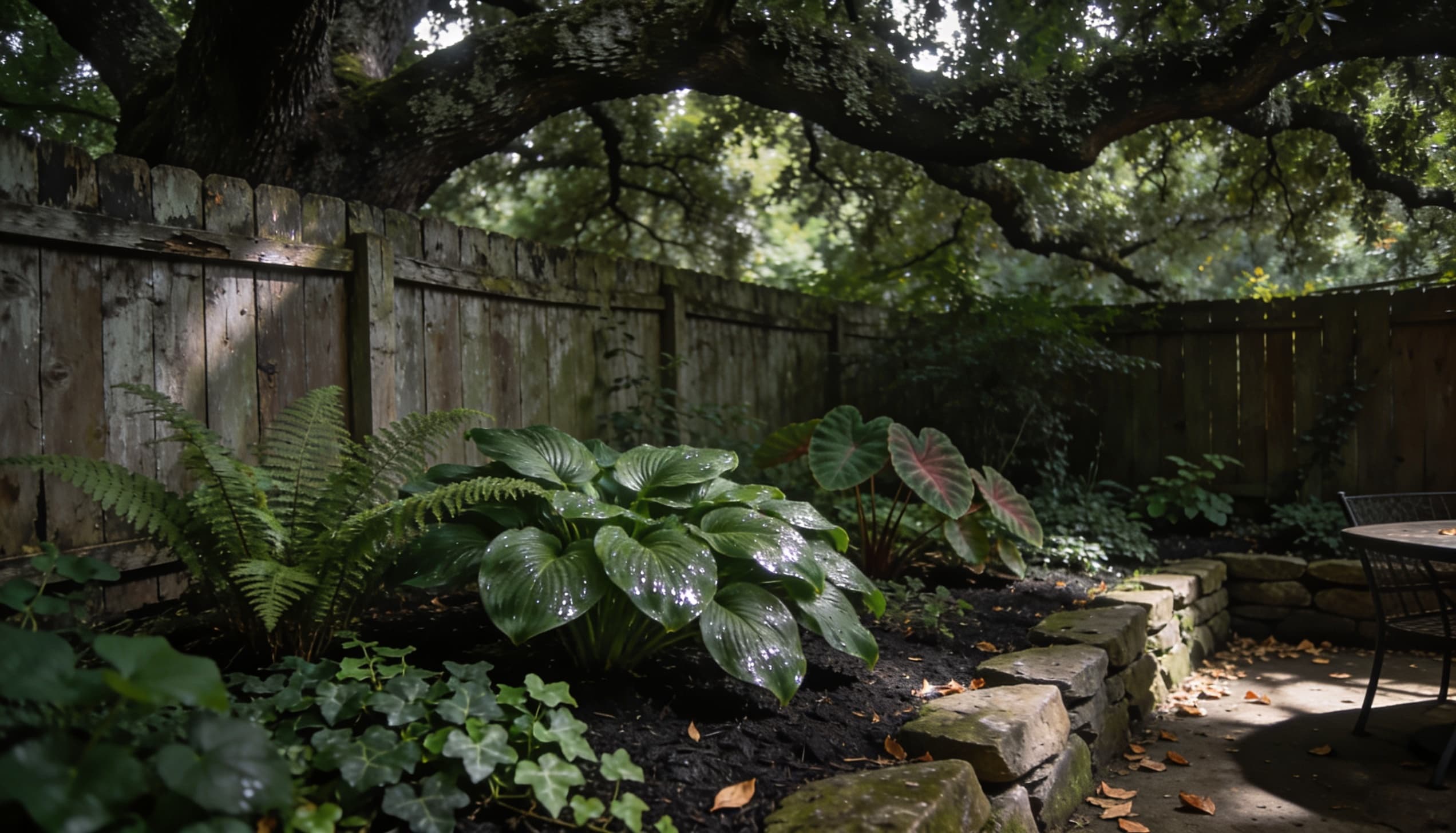
It means receiving less than 2 hours of light per day. Think of a narrow passage between buildings, or the ground beneath a dense evergreen canopy.
Few plants actually flower in these conditions; the goal shifts to foliage interest and survival.
4. Dappled Shade
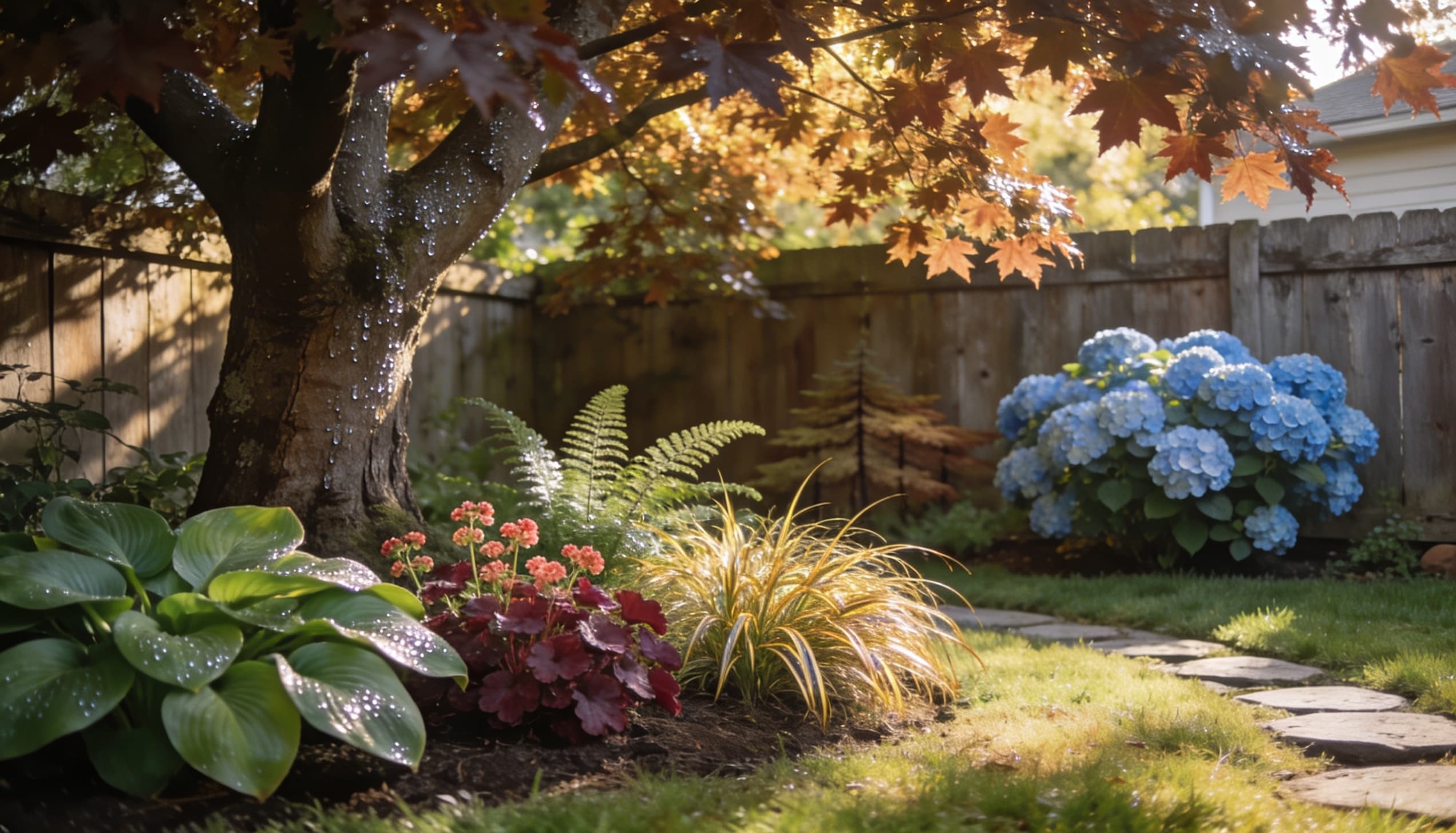
This is the dream scenario. Broken, shifting light filters through overhead leaves for most of the day. More plants tolerate this type of shade than any other, and many genuinely prefer it.
Quick self-check: Go outside twice, once at 9 am, once at 2 pm. Note which areas are in sun, partial shade, or full shade. Do this on a clear day in the season you plan to plant. If you have trees, also check the soil moisture 10cm down. Dry, compacted, or root-laced soil means you’re dealing with dry shade regardless of how dark it looks.
Plant Types for Your Shade Type
Choosing the right shade plants helps create a balanced and healthy garden, even in spots where sunlight is minimal.
Best Plants for Damp Shade and Wet Garden Areas
Damp shade creates unique growing conditions that many beautiful plants actually prefer. These varieties flourish in consistently moist soil with limited sunlight.
1. Astilbe
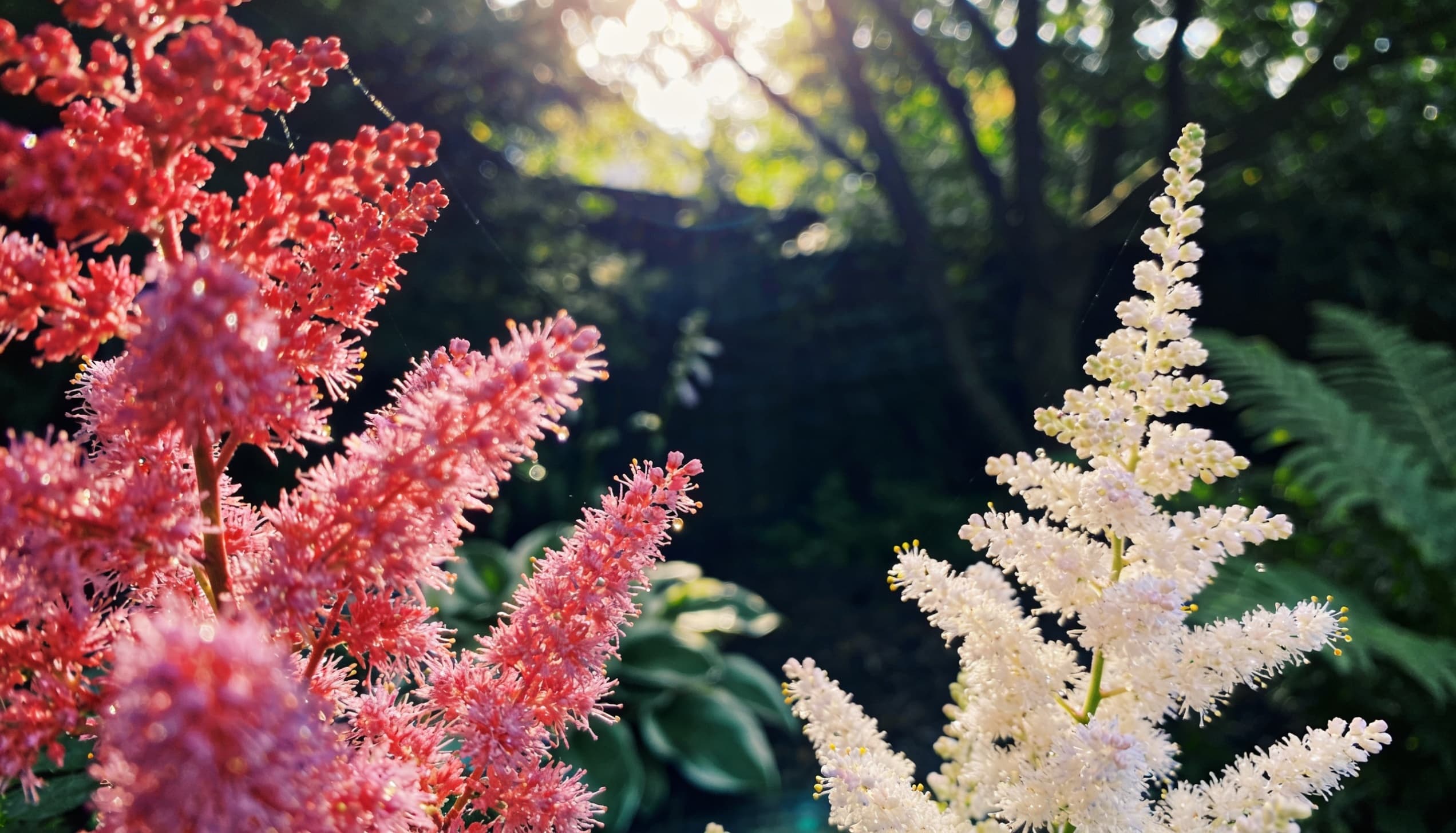
It is reliable here, but choose varieties based on height. ‘Fanal’ (deep red, 45cm) suits borders. ‘Visions in Pink’ works for edging.
Give them consistently moist soil, and they’ll spread reliably year after year. In dry conditions, they stall, turn brown, and refuse to flower.
2. Hostas
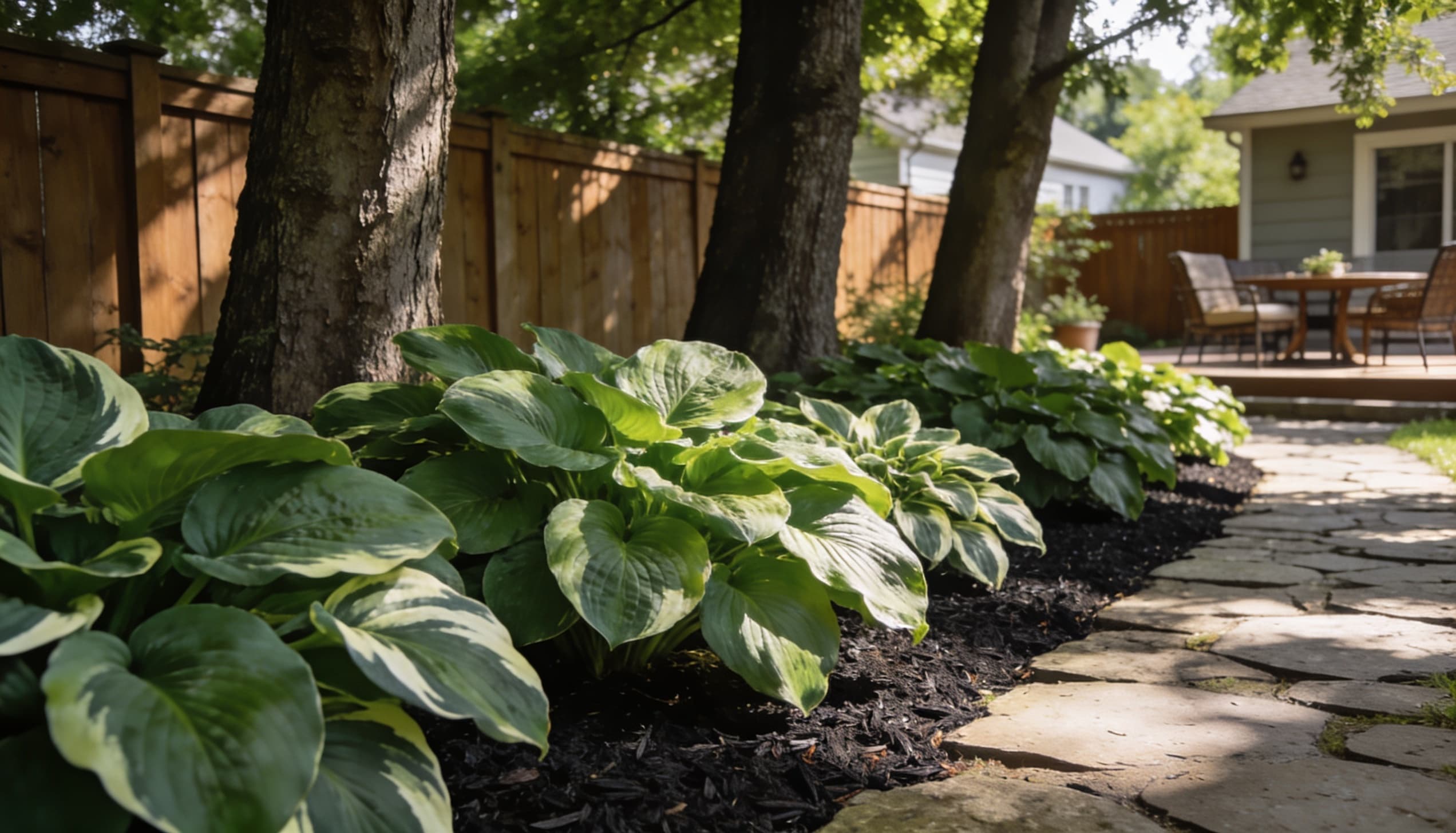
Dominate shade plant lists for good reason; they’re genuinely tough, slug damage aside. ‘Halcyon’ (blue-grey, slug-resistant) and ‘Sum and Substance’ (enormous gold leaves) are my go-to varieties for damp beds.
One honest note: slugs will find them. Plan accordingly with copper tape, grit mulch, or nematodes.
3. Toad Lily (Tricyrtis)
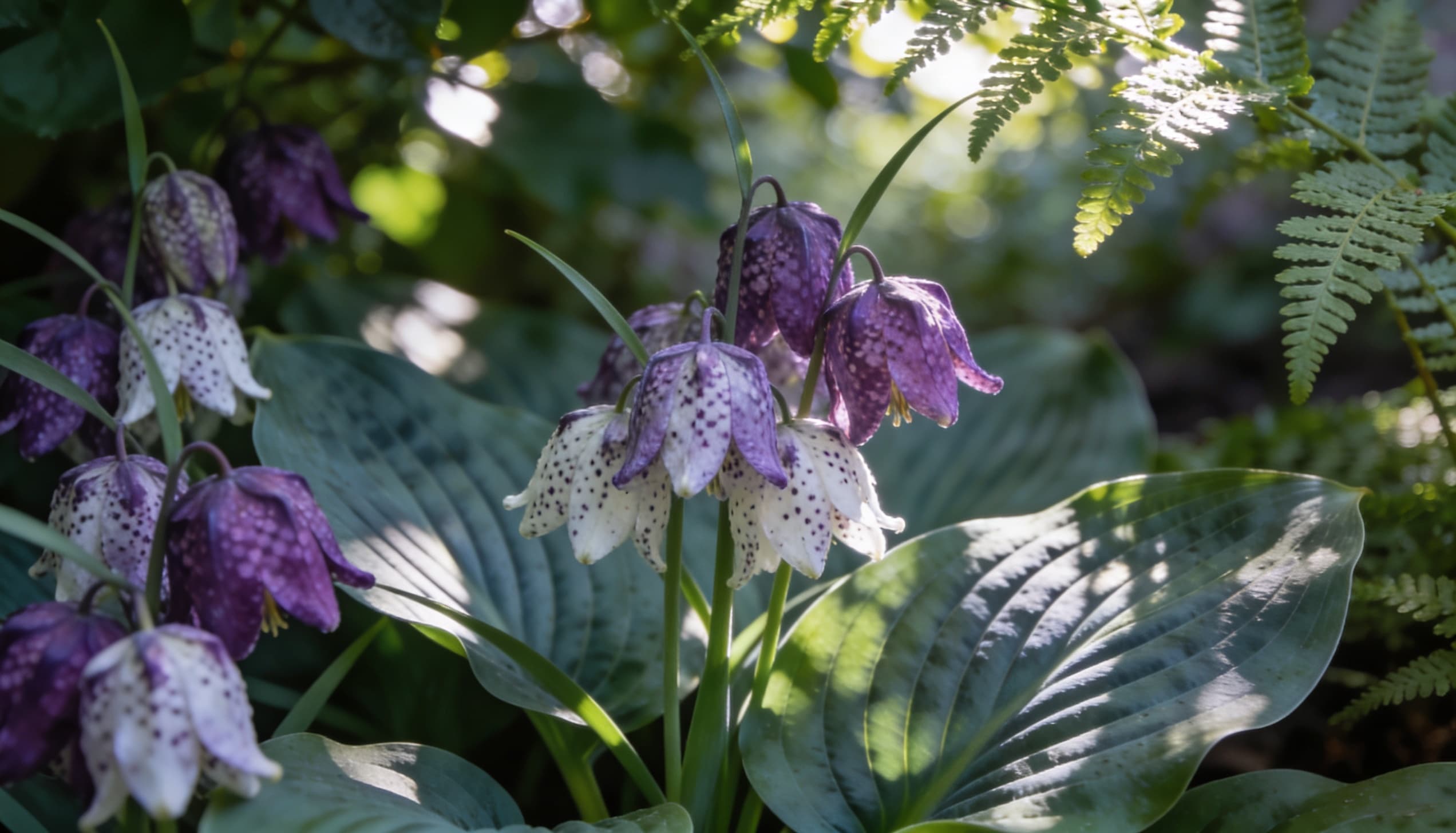
Blooms in September through October with white or purple-speckled flowers that look almost tropical. Most shade gardens look dull by late summer.
Toad lily solves that problem. It needs consistently moist soil and decent organic matter.
4. Japanese Forest Grass (Hakonechloa macra ‘Aureola’)
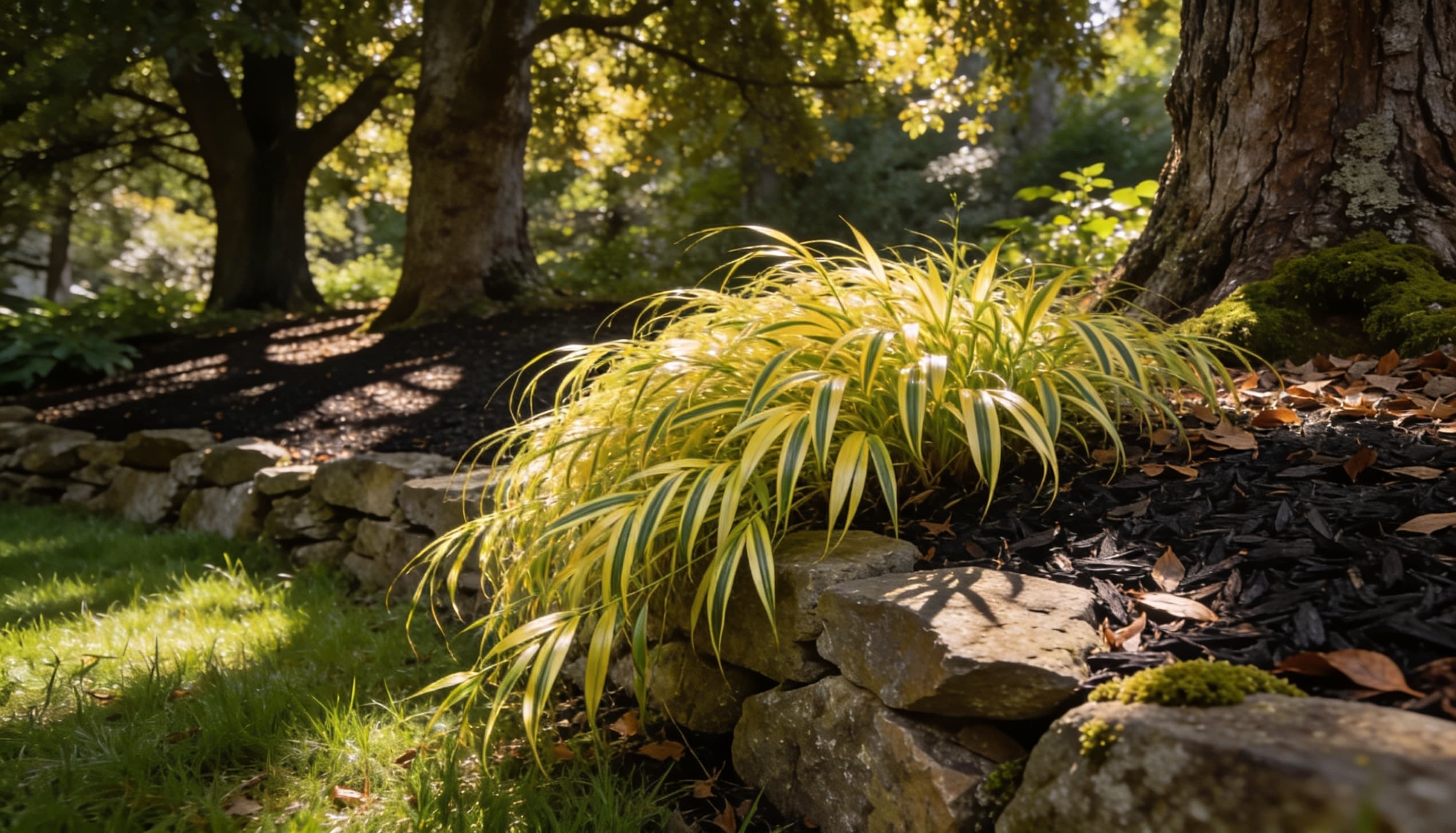
Brings a golden, cascading texture that no broad-leaf plant can replicate. It lights up shaded areas because the yellow-green coloring reflects whatever light is available.
Slow to establish but essentially maintenance-free once it settles.
5. Maidenhair Fern
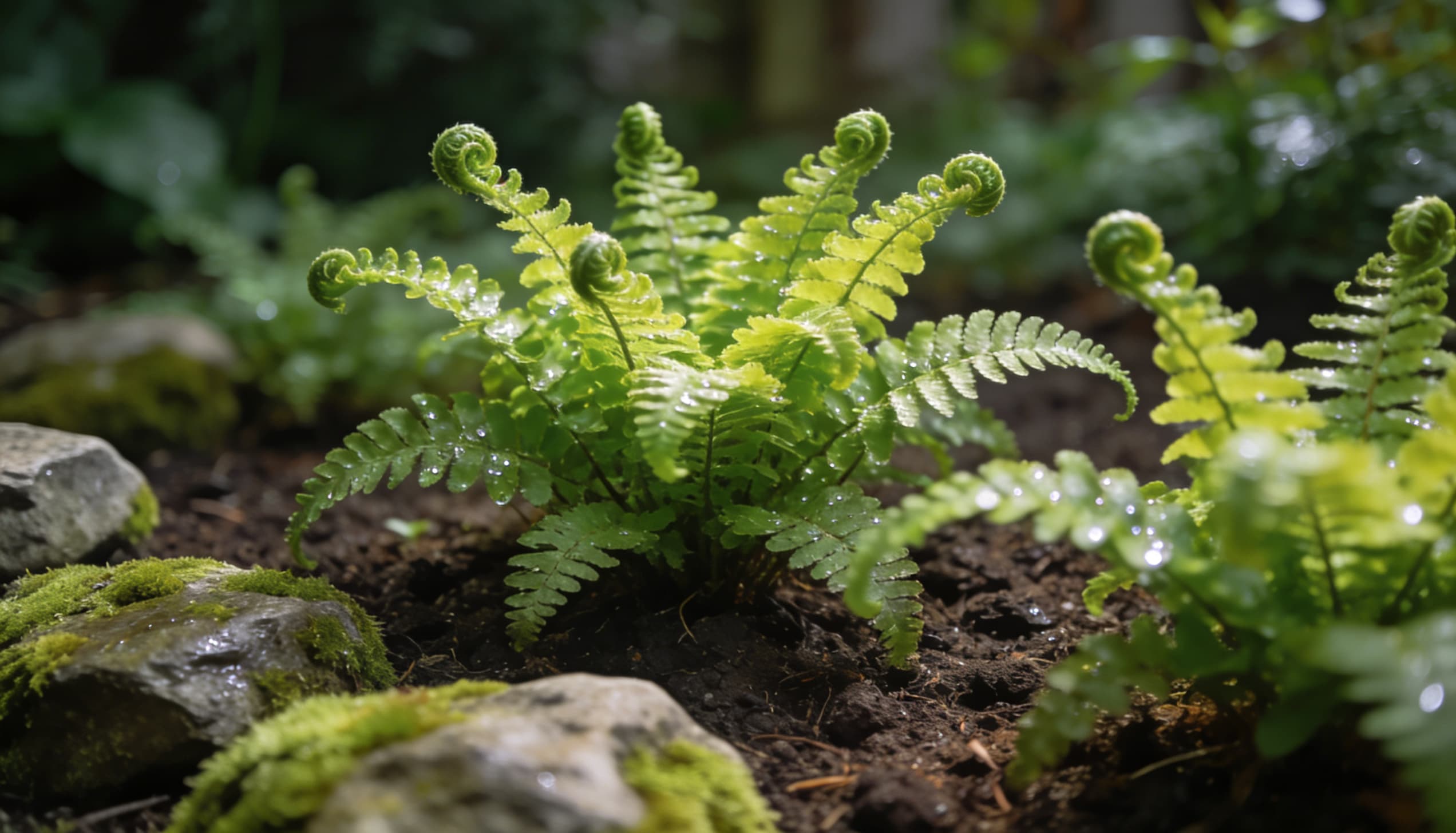
It is the most elegant of the shade ferns, with delicate, fan-shaped fronds on near-black stems. It will die in dry conditions.
Don’t attempt it under trees unless you’re prepared to water it every week through summer.
Dry Shade: The Toughest Assignment in Gardening
I’ll be honest: dry shade under a large tree is the hardest planting scenario most home gardeners face. The tree’s root system takes up water faster than most ornamentals can.
What you need are plants that evolved in these exact conditions, not plants that “tolerate shade” in general.
6. Epimedium
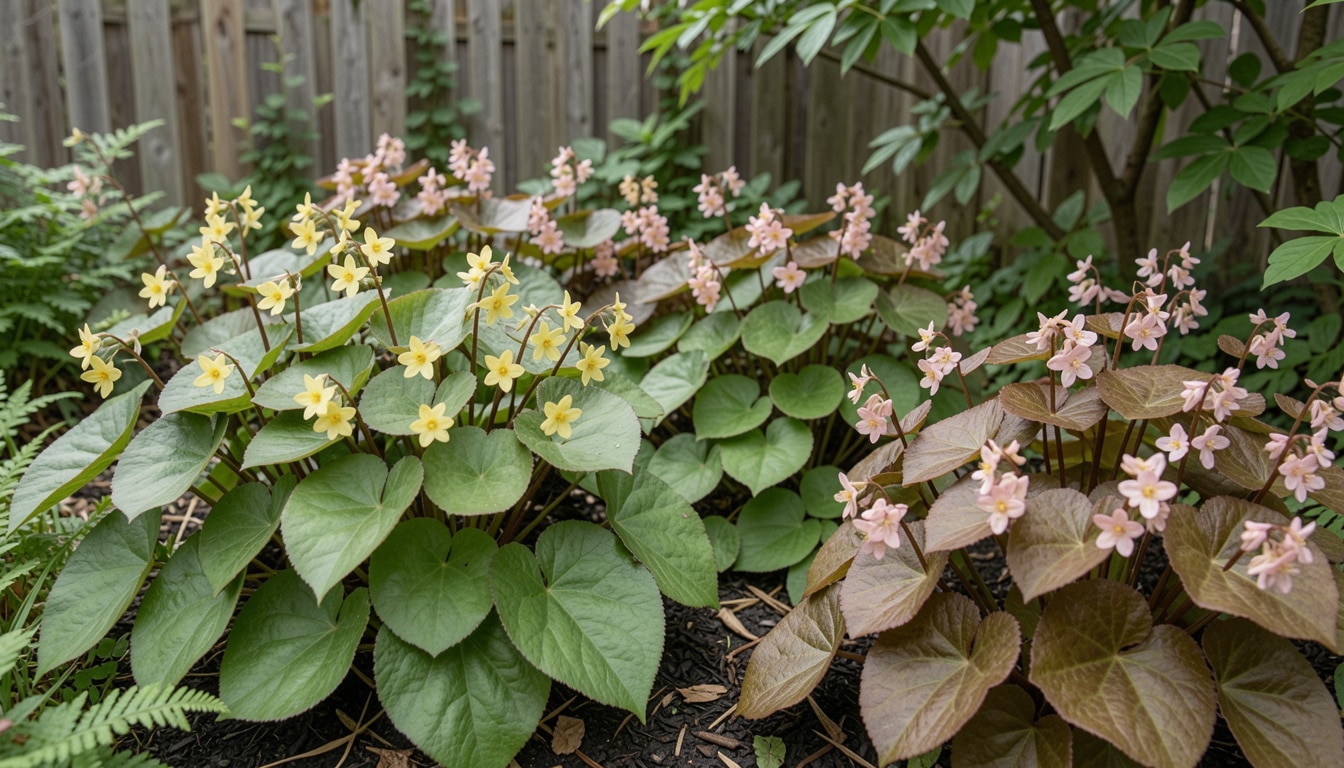
This is the answer to dry shade that more gardeners should know. Semi-evergreen, spreading slowly to form dense mats, and genuinely drought-tolerant once established.
Varieties like ‘Rubrum’ and ‘Sulphureum’ handle root competition from large trees. The flowers are small but pretty in spring. The foliage colors in autumn.
7. Geranium Macrorrhizum
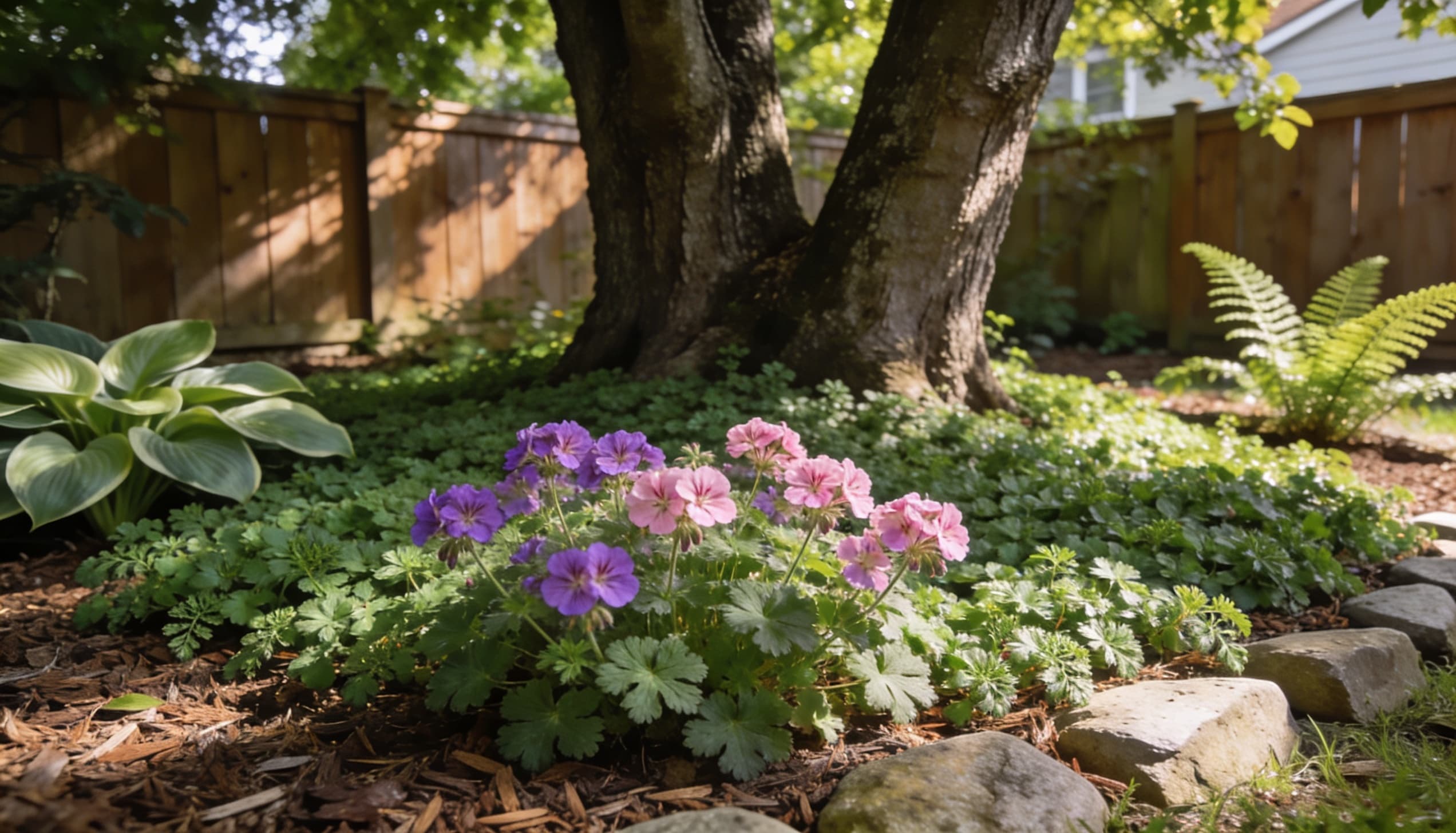
It forms a carpet of aromatic, sticky leaves that suppresses weeds and takes dry conditions without complaint. Pink or white flowers in May/June.
Fully deciduous in winter but returns reliably. One of the few plants I recommend without caveats for dry, shady conditions under deciduous trees.
8. Cyclamen Hederifolium
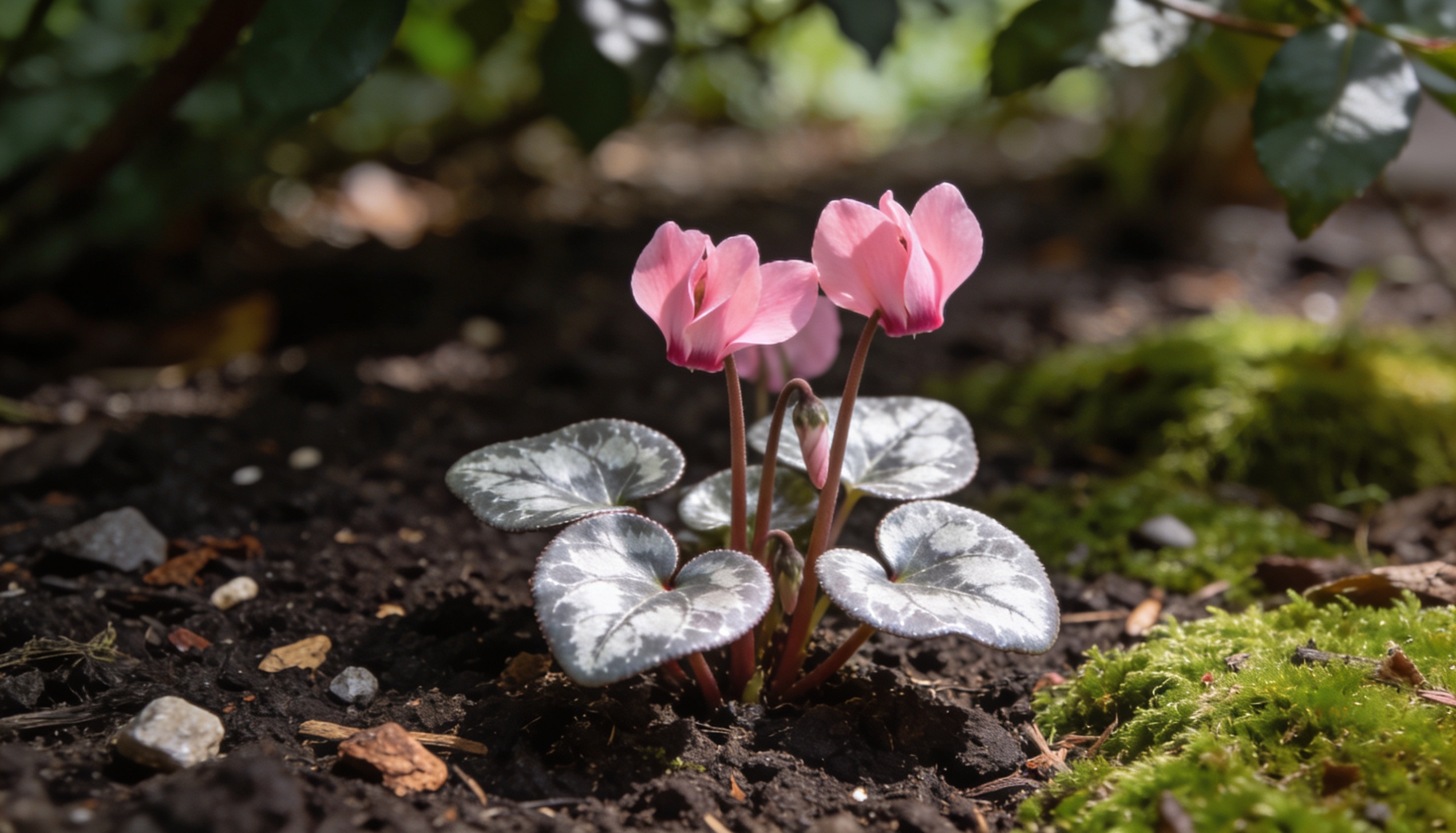
Flowers in early autumn before its marbled, silver-patterned leaves appear, and those leaves persist through winter and spring.
Shallow-rooted, so it sits on top of rather than competing with tree roots. Hardy was once established. Do not bury the corms deep.
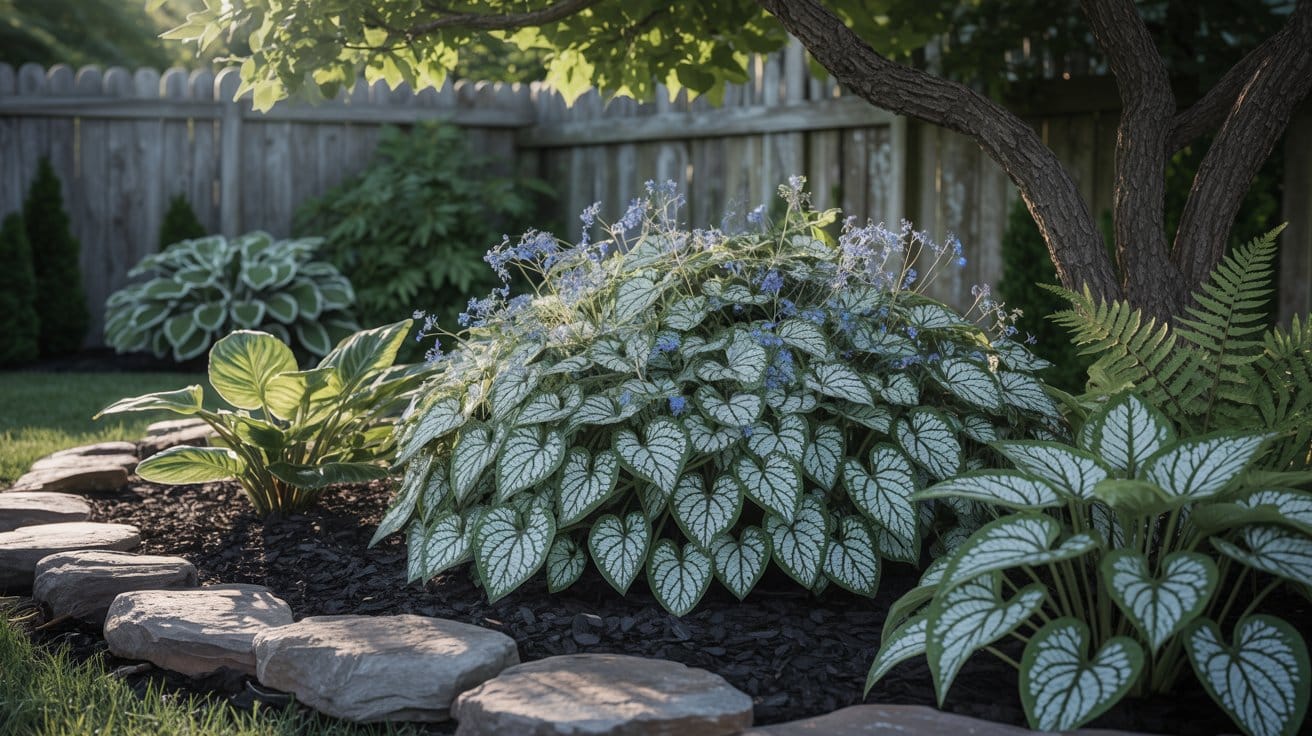
9. Brunnera’ Jack Frost’
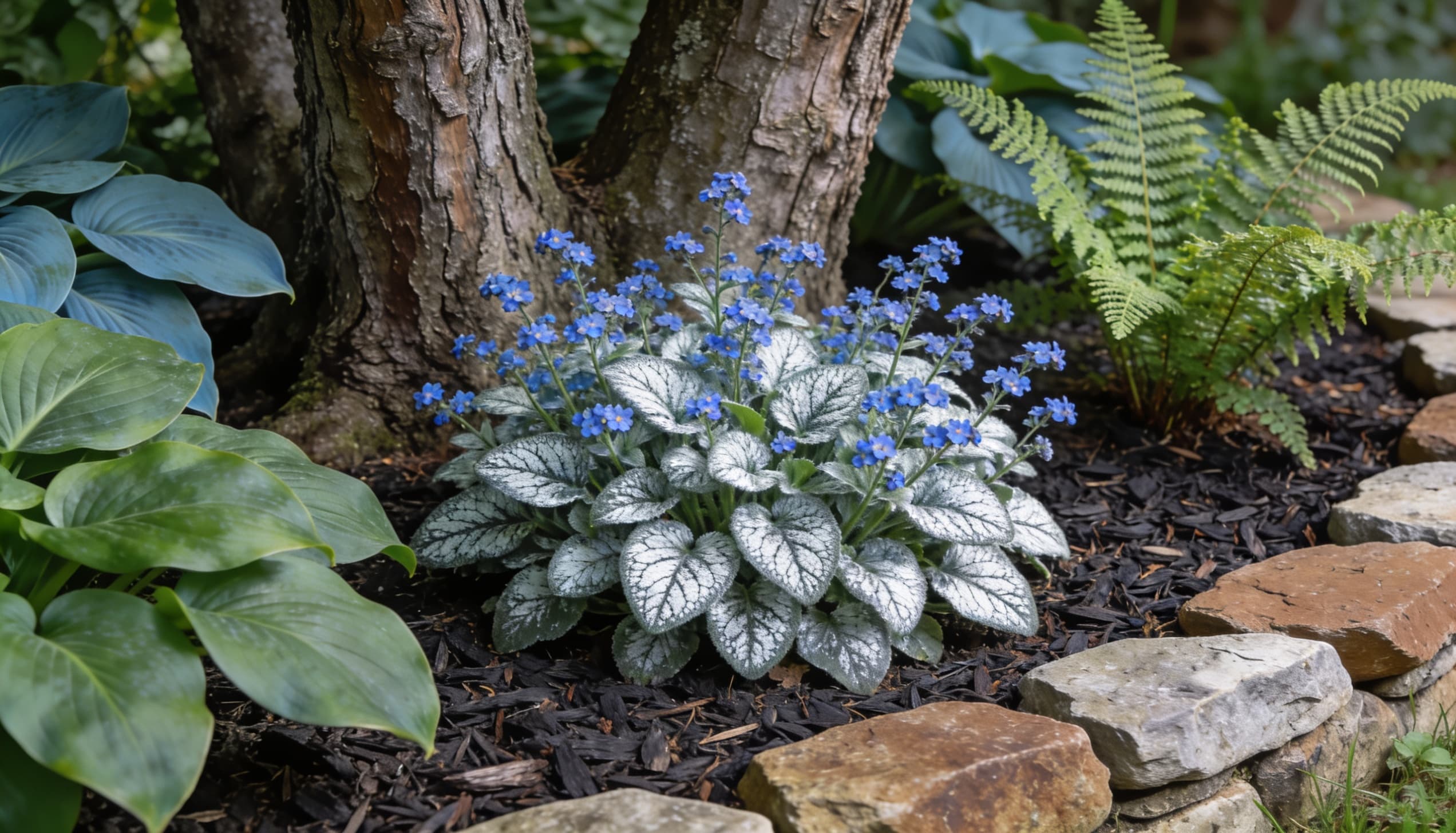
This plant has silver-splashed heart-shaped leaves that genuinely illuminate dark spots, and small blue forget-me-not flowers in spring.
One honest note: it will look rough in its first year, especially if establishment watering is inconsistent. Stick with it. Year two is completely different.
10. Euphorbia Amygdaloides Var. Robbiae
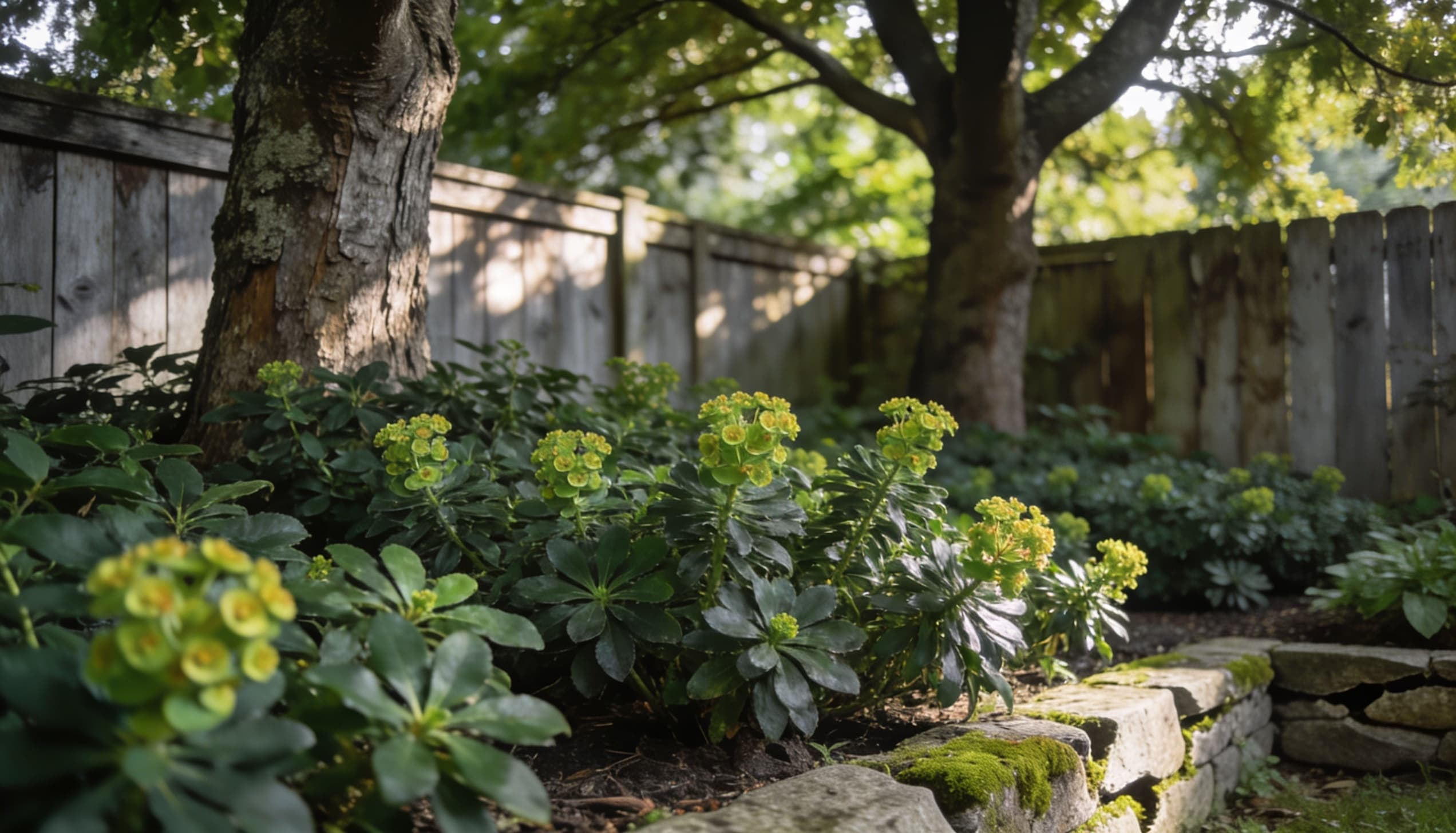
It produces lime-green flower bracts in spring above dark whorled foliage. It spreads by rhizomes and tolerates conditions that defeat almost everything else.
The sap is a skin irritant; wear gloves when cutting it back.
What won’t work in dry shade (even though it’s often sold for it): hostas, astilbe, maidenhair fern, and most hydrangeas. Their large, lush leaves require more water than dry shade provides. They’ll survive looking miserable rather than thrive.
Deep Shade: The No-Compromise Picks
Deep shade can be one of the most challenging places for plants to grow, but some species naturally thrive in these low-light conditions.
These reliable choices provide attractive foliage, texture, and seasonal interest even where sunlight rarely reaches.
11. Fatsia Japonica
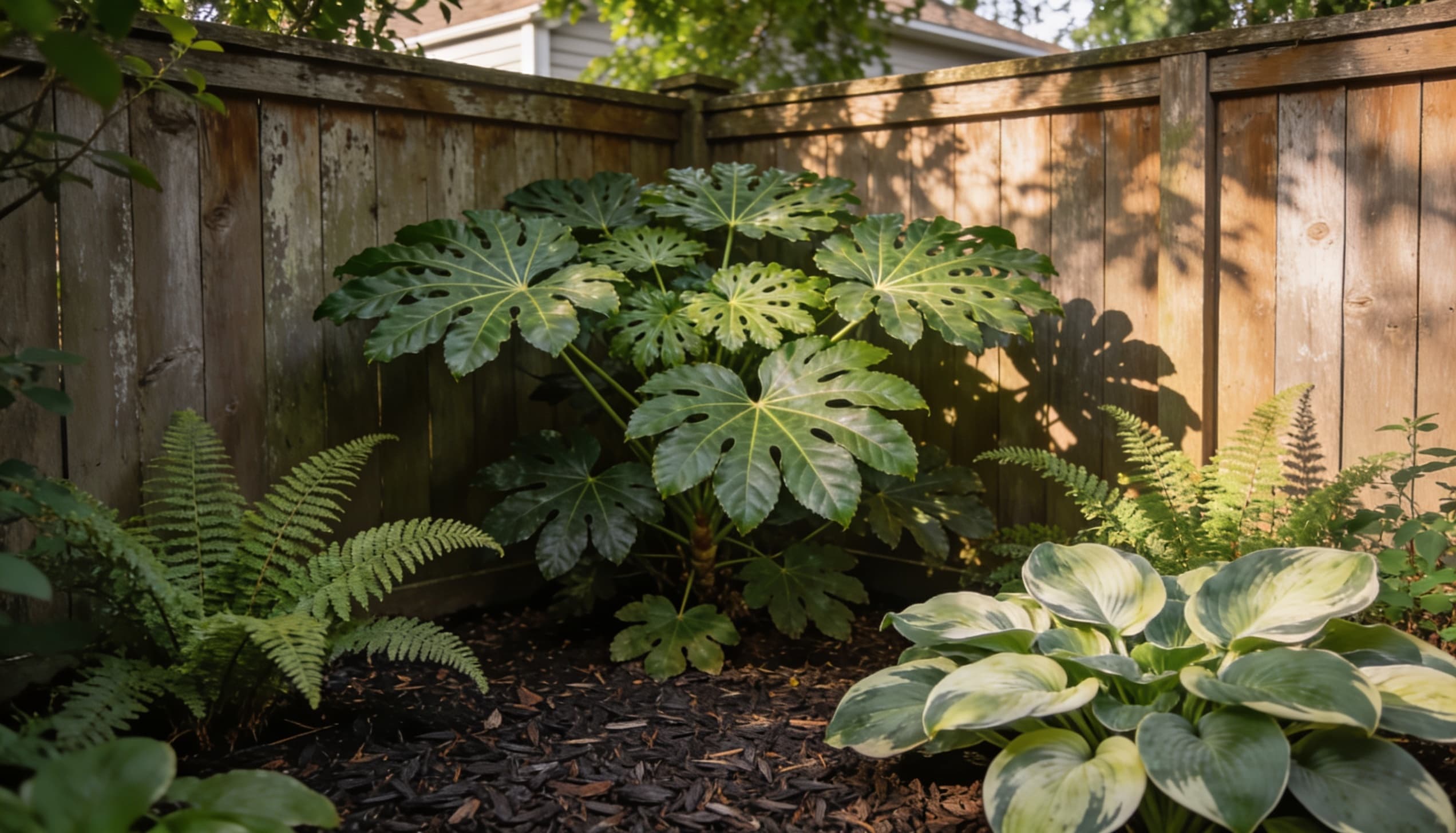
It is the most architectural plant for very deep shade. Large, glossy, palmate leaves on a shrub that can eventually reach 2–3 meters.
Completely hardy. No other plant brings this kind of structure to a deeply shaded corner.
12. Lenten Rose (Helleborus x Hybridus)
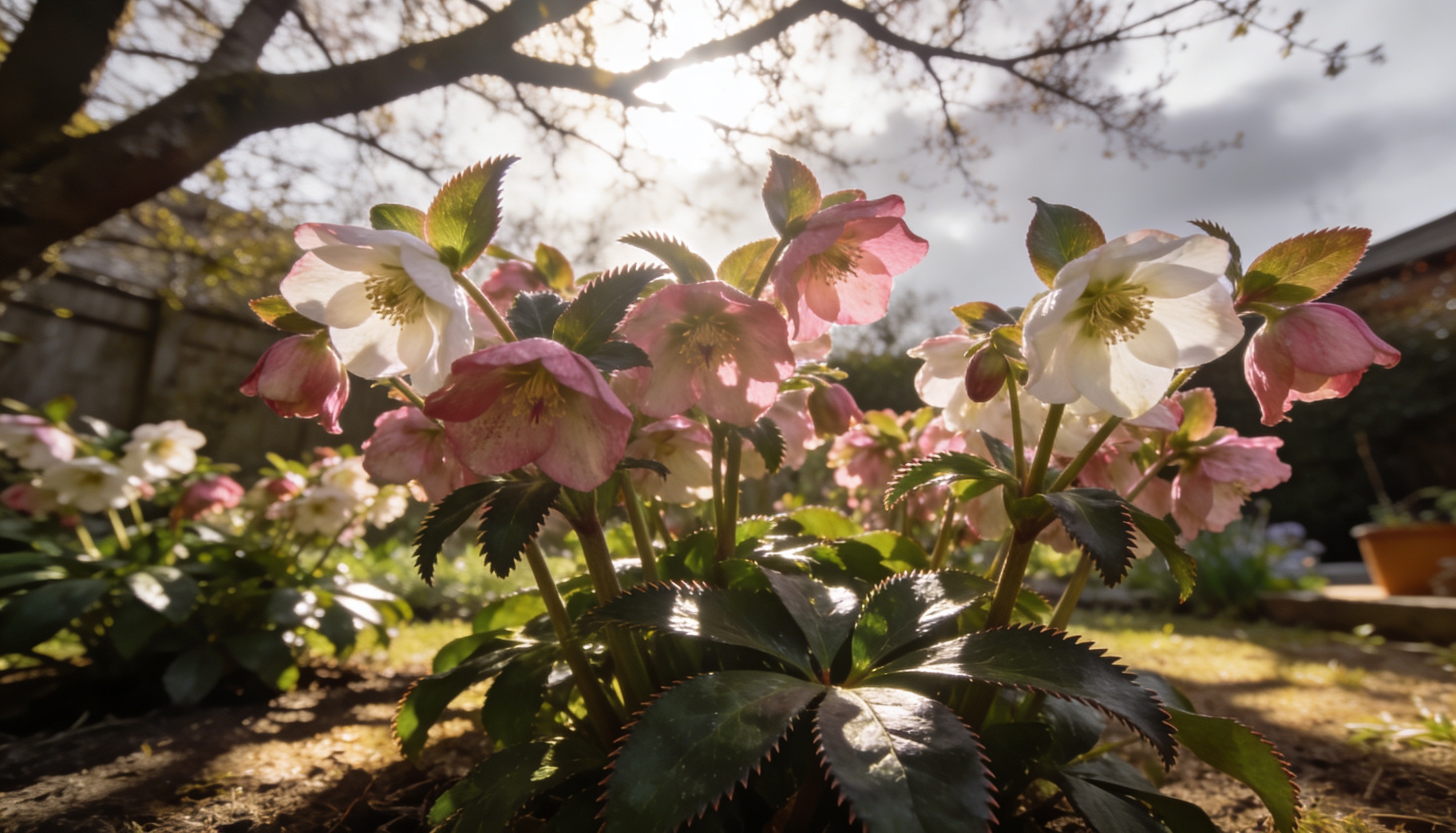
Flowers from January to March in deep shade the only time of year many shade beds look completely bare.
Newer upward-facing varieties (rather than the traditional nodding ones) show off better. All parts are toxic, which deer and rabbits politely observe.
13. Aspidistra Elatior
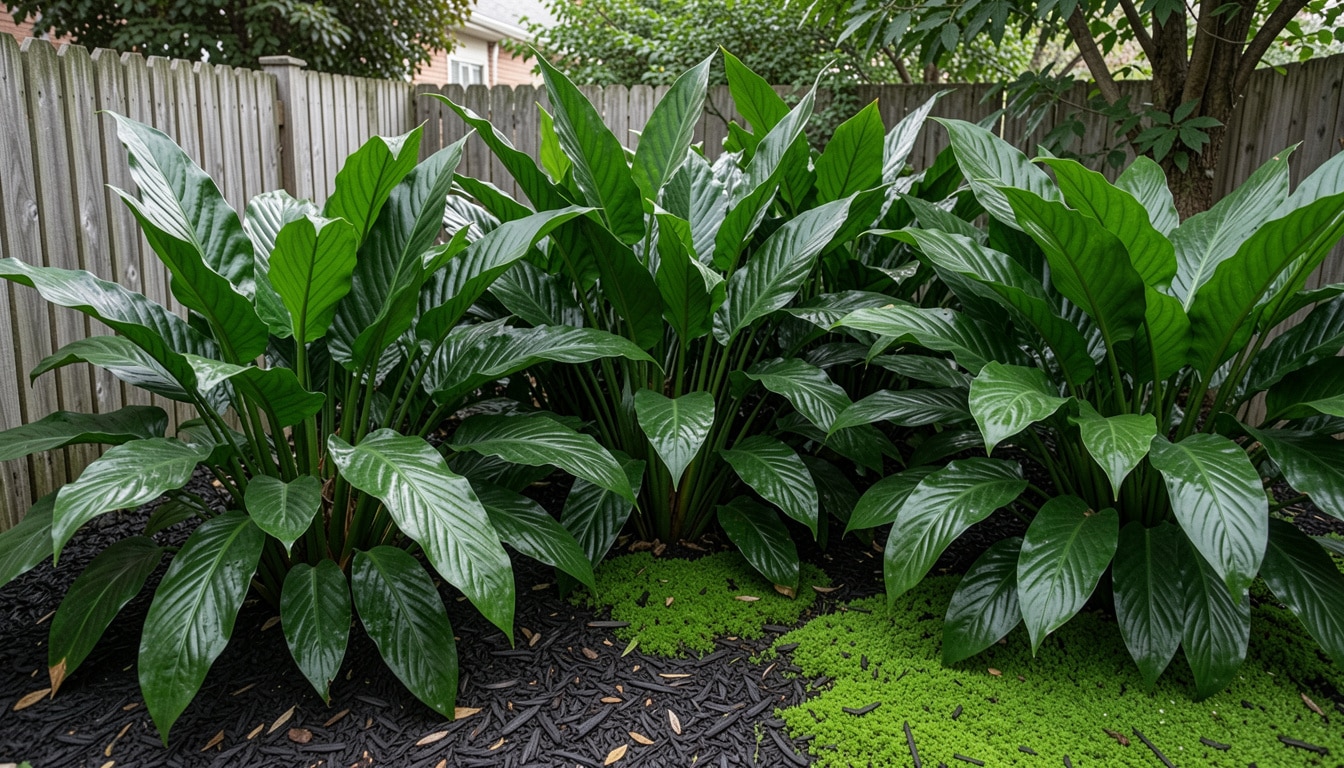
It was called the cast-iron plant for a reason. It tolerates deep shade, pollution, sporadic watering, and temperature extremes.
The foliage is dark and upright. It won’t win aesthetic awards, but it will be alive in five years in spots where everything else has given up.
Dappled Shade Plants
Dappled shade occurs when sunlight filters through trees or open branches, creating a mix of light and shade throughout the day.
Many woodland plants thrive in these conditions, offering attractive foliage and seasonal blooms without needing full sun.
14. Heuchera
has exploded as a garden plant over the past decade, with leaf colors now running from near-black ‘Obsidian’ to bright amber ‘Caramel’ to metallic silver ‘Pewter Moon’.
Most need light shade rather than deep shade, and the latest varieties are tougher in summer heat than older ones. Divide every three to four years when the center becomes woody.
15. Foxglove (Digitalis purpurea)
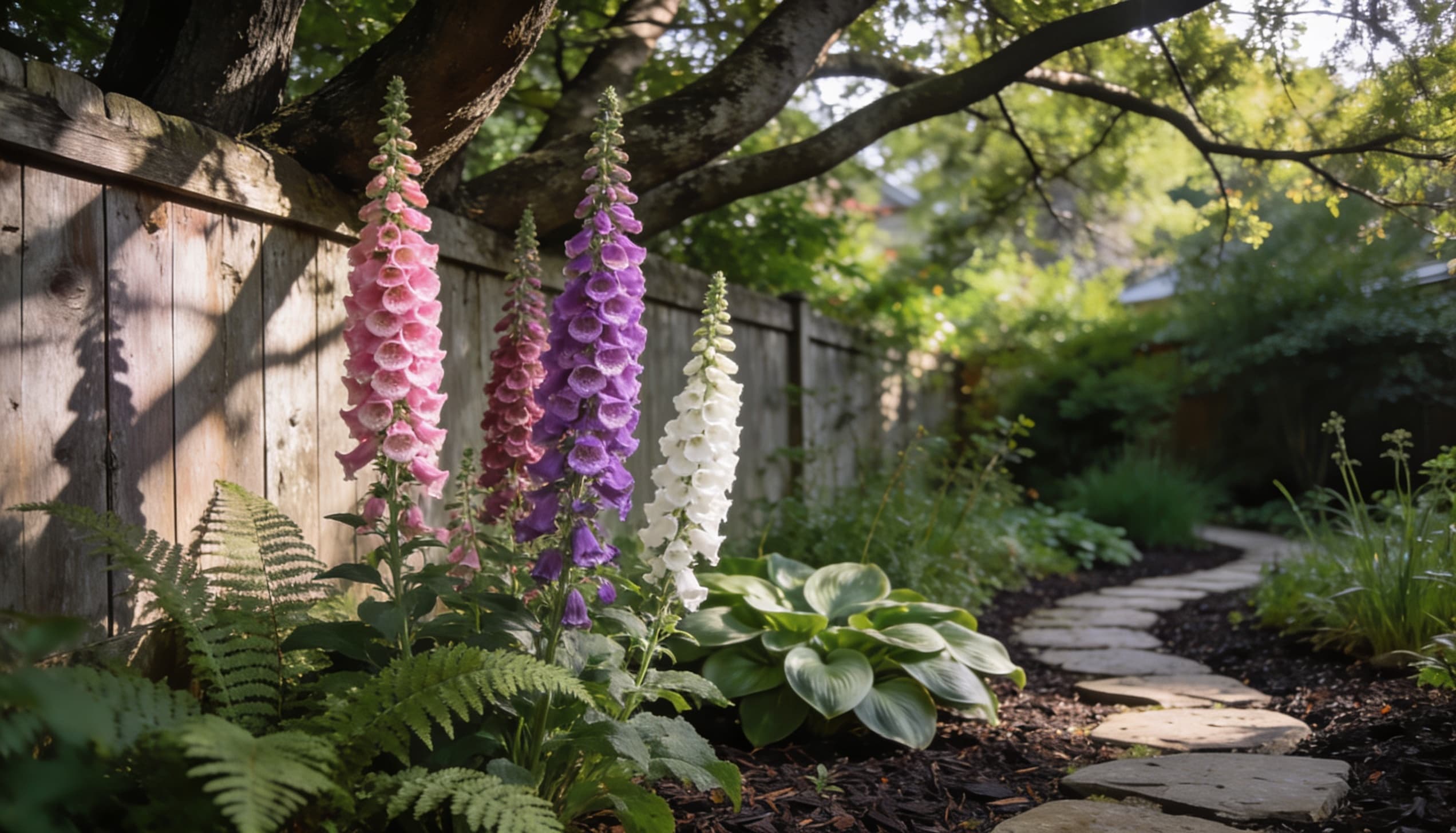
is biennial, meaning it flowers in its second year and then dies, but it self-seeds freely enough that you effectively have it forever once established.
Tall flower spikes in June fill the vertical layer of a shade garden. Digitalis grandiflora (yellow foxglove) is a perennial, slightly more compact variety.
16. Oakleaf Hydrangea (Hydrangea quercifolia)
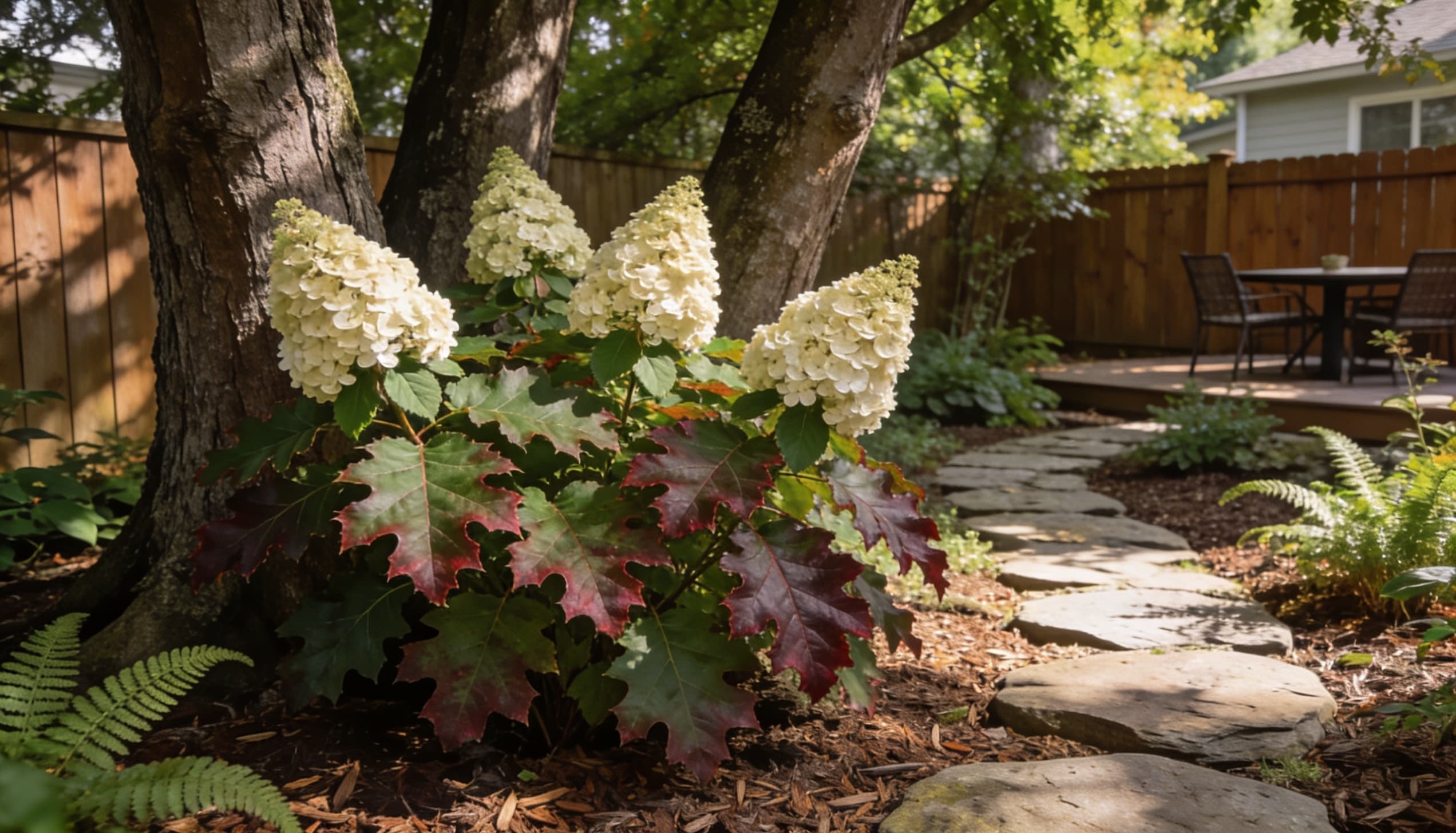
Works in dappled shade but will not flower well in deep shade.
The flowers age from white to parchment to rose, and the bark peels attractively in winter. The autumn foliage is one of the best of any shade shrub.
Some shade-loving plants can spread aggressively if they are not chosen carefully. Before planting, consider each variety’s growth habits, maintenance needs, and how it may interact with surrounding plants.
Selecting well-behaved species and placing them in the right areas helps create a balanced garden while avoiding overcrowding or unwanted spread.
Invasive Shade Plants to Control
Certain plants grow quickly in shaded areas and can take over garden beds if left unchecked. Below is the list of some invasive plants you can check
17. Vinca (Periwinkle)
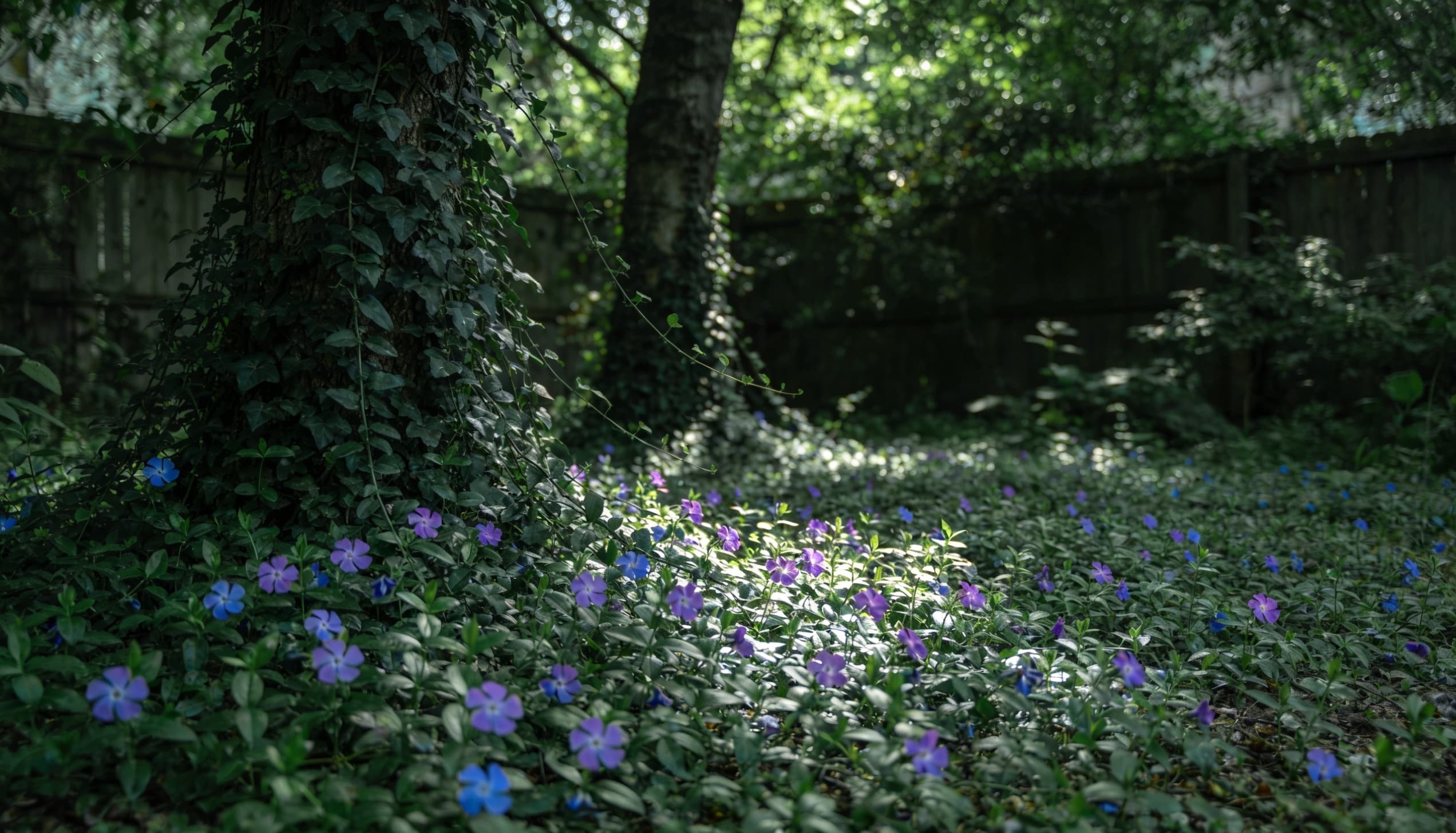
It is still widely sold as a shade ground cover. In many parts of the US and some UK regions, it has escaped cultivation and is now classified as invasive, out-competing native woodland plants. If you use it, contain it.
Better alternatives: Pachysandra terminalis in shade, or native wild ginger (Asarum canadense) if you want something genuinely ecological.
18. English Ivy
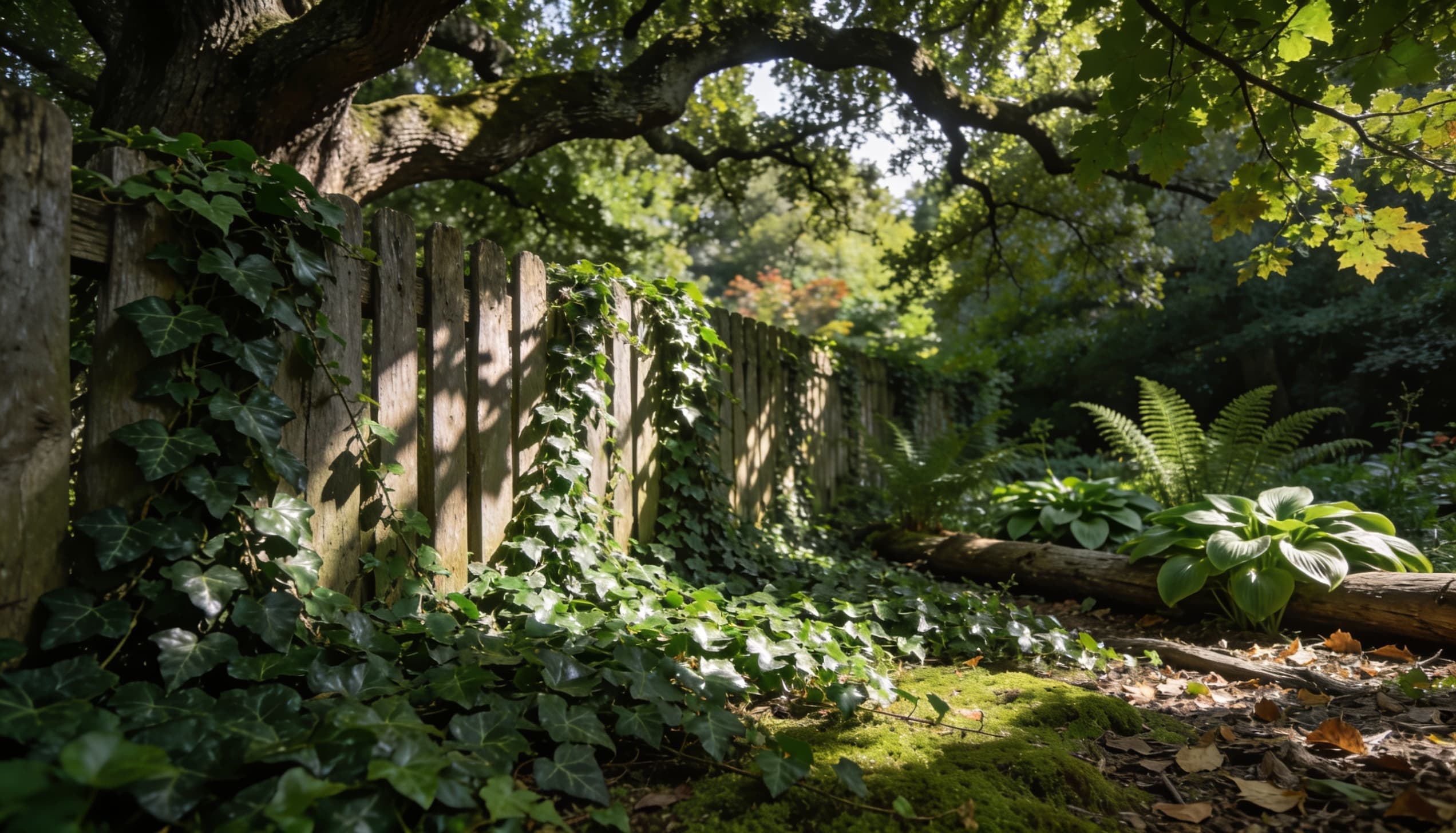
It has the same issue on a larger scale. It climbs trees and compresses bark, weakens root systems, and forms monocultures that exclude native ground flora.
Many local wildlife organizations now actively discourage it. Boston ivy (Parthenocissus tricuspidata) is a less aggressive wall climber.
19. Black Walnut Shade
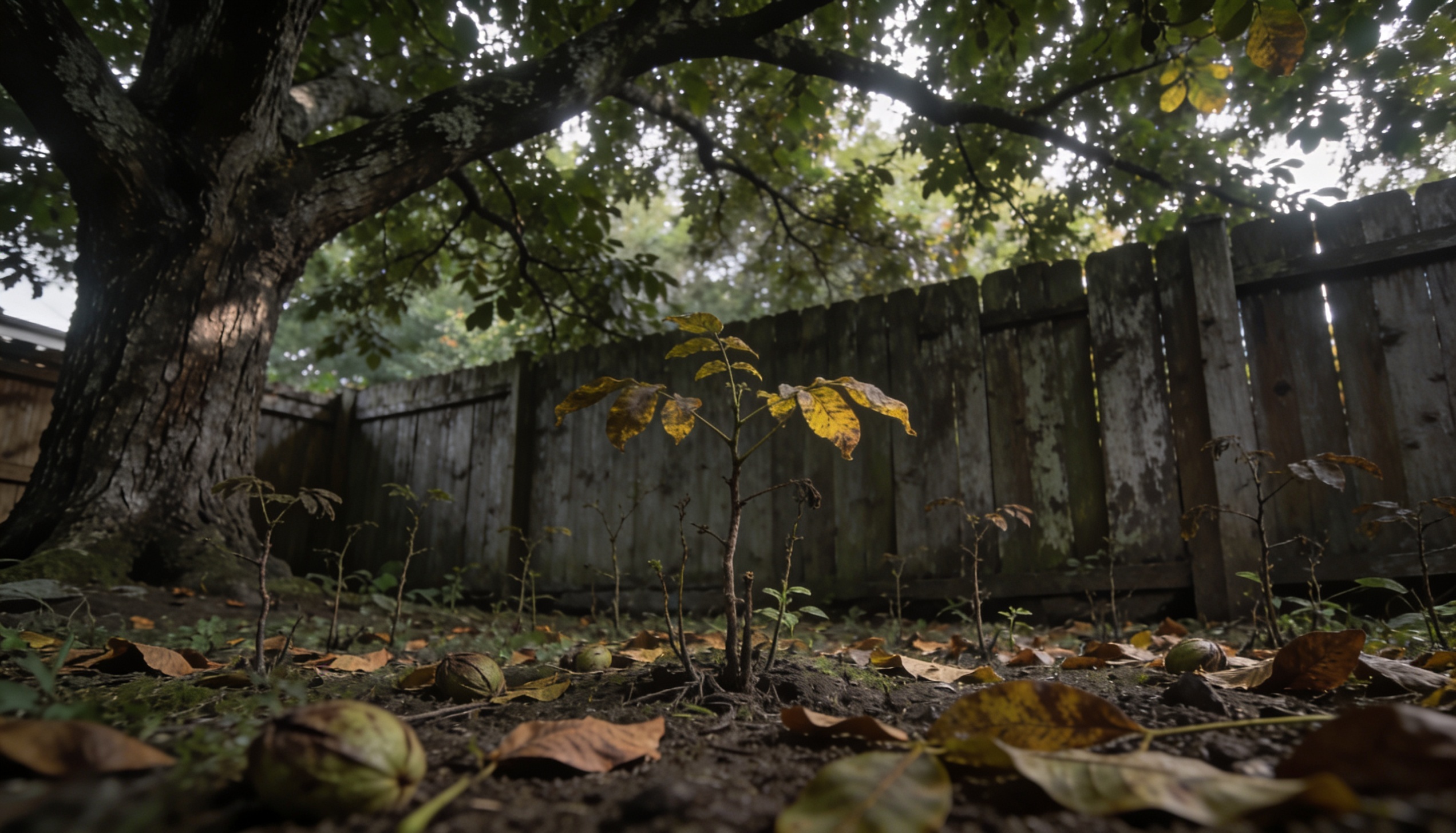
If your shade comes from a black walnut tree (Juglans nigra), you face a problem most planting guides ignore: juglone.
Black walnut roots and fallen leaves release a toxic chemical that harms many common plants, including tomatoes, rhododendrons, heathers, and some perennials.
Plants that genuinely tolerate juglone include hostas, astilbe, wild ginger, ferns, and epimedium. Do your research before planting under or near a black walnut.
“Shade-tolerant” marketing language can mislead. Hydrangeas, foxgloves, and astilbe are frequently labeled as shade plants, but produce poor flowering in deep shade. They need a minimum of three to four hours of indirect light to bloom. “Shade-tolerant” means they won’t die it doesn’t mean they’ll perform..
Native Shade Plants
Interest in native plants has shifted from niche to mainstream, and for good reason. Plants native to your region have co-evolved with local soil types, rainfall patterns, insects, and birds.
Once established, they need less from you. A few native swaps worth knowing:
Very few plants grow in 100% shade. Ferns, hostas, mosses, and some woodland ground covers perform well in consistently low-light, moist conditions.
| Common Non-Native | Native Alternative |
|---|---|
| Japanese Pachysandra | Allegheny Pachysandra (P. procumbens) or Pennsylvania Sedge |
| English Ivy | Wild Ginger (Asarum canadense) or Creeping Phlox |
| Vinca | Common Violet (Viola sororia) or native ferns |
| Non-native Lungwort | Virginia Bluebells (Mertensia virginica) |
In terms of wildlife value, Eastern Red Columbine (Aquilegia canadensis) is one of the best shade plants.
Hummingbirds and bumblebees work it heavily in May, finches eat the seeds in summer, and it self-seeds freely.
Bluestem Goldenrod (Solidago caesia) is one of the rare goldenrods that tolerate dry shade and bloom in autumn, when pollinators are scrambling for late-season sources.
How to Establish Shade Plants
Shade plants need careful watering, suitable light, and early protection from pests while their roots settle. Regular checks during the first two seasons support healthy growth.
- Choose Suitable Plants: Even drought-tolerant varieties need regular watering during their first two growing seasons.
- Water at the Roots: Create a small soil or mulch ridge around each plant to direct water toward the root zone.
- Control Slugs Early: Use copper tape, grit mulch, or nematodes, and check plants each morning during the first few weeks.
- Watch for Excessive Shade: Pale, stretched growth may signal insufficient light. Move the plant to a slightly brighter location.
Conclusion
Shade gardening gets easier once you stop treating shade as one condition.
Damp, dry, deep, and dappled shade behave differently, and a plant that thrives in one may struggle in another.
Shady spaces can become beautiful, low-maintenance parts of a backyard once plants are matched to their conditions.
Hostas, ferns, epimediums, and hellebores add bold texture and year-round interest to shady borders.
Focus on soil health, moisture, and layered planting instead of forcing unsuitable plants into hard spots, and a shade garden stays calm and easy to maintain year after year.
Frequently Asked Questions
What Grows in 100% Shade?
Very few plants grow in 100% shade. Ferns, hostas, mosses, and some woodland ground covers perform well in consistently low-light, moist conditions.
Is October Too Late to Plant Flowers?
No, October isn’t too late to plant many flowers. It’s an ideal time for cool-season annuals, spring-flowering bulbs, and hardy perennials, as cooler temperatures help roots establish before winter.
What to Plant on a Shady Slope?
For a shady slope, choose plants with spreading roots that help stabilize the soil while thriving in low light. Ferns, hostas, Japanese forest grass, creeping Jenny, pachysandra, and vinca are all excellent options.