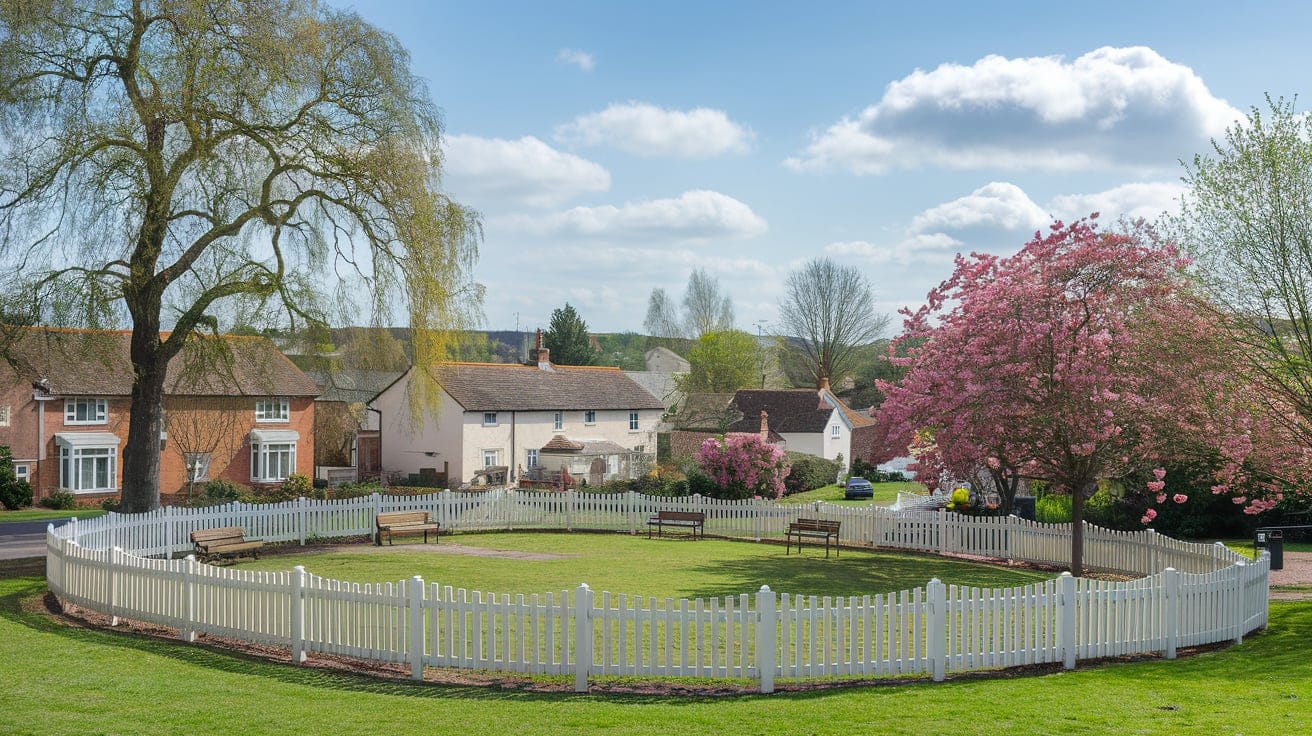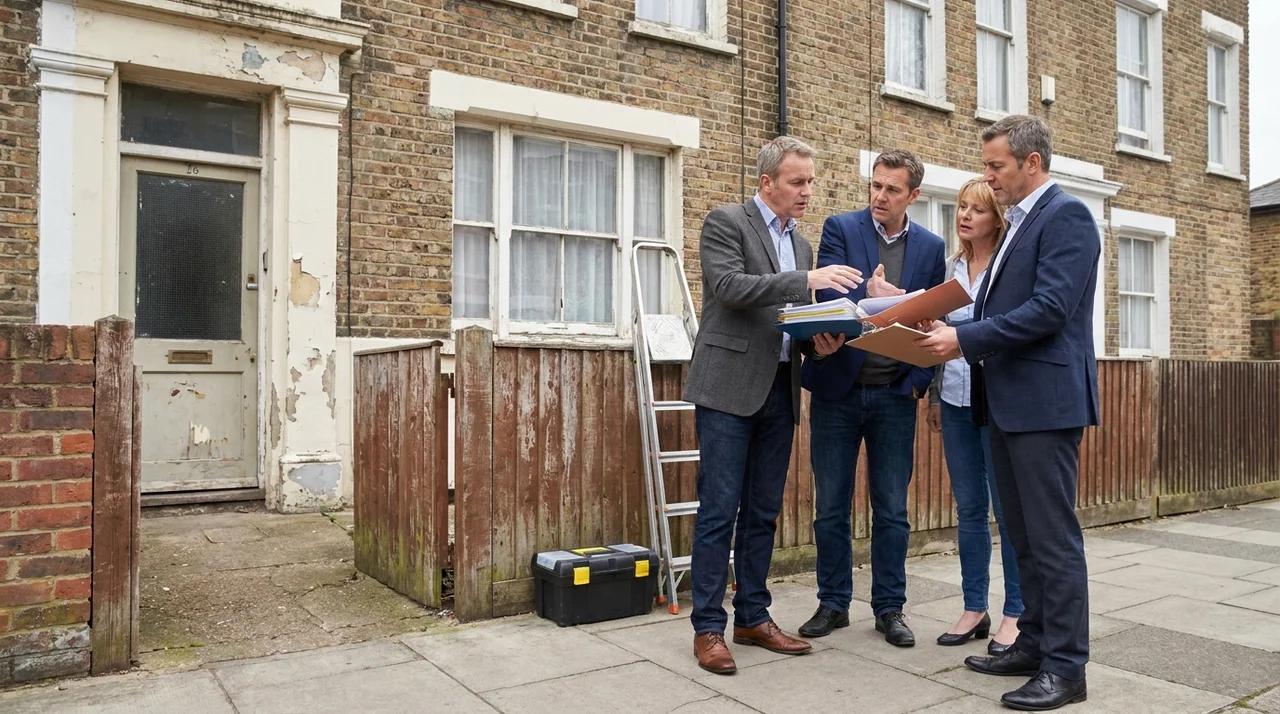

A share of freehold nightmare rarely starts with one event. It builds through missed payments, ignored repairs, and co-owners who cannot agree on priorities.
Owning part of the freehold gives you more control but also shared responsibility.
When one owner delays a repair or refuses to pay their share, the rest of the building feels the strain.
Knowing how a share of freehold nightmare develops helps buyers spot warning signs early and manage ownership without unnecessary conflict.
What Does Share of Freehold Mean?
A share of freehold means you own your flat through a lease while also owning part of the building’s freehold. These two arrangements exist together.
Your lease sets your flat’s rules, while the freehold share gives joint ownership of the building and land.
This differs from a traditional leasehold, where another party owns the freehold and manages the building. It also differs from a freehold house, where one owner controls the entire property.
Share of freehold properties usually follow two structures:
- A freehold company where flat owners own shares in the company
- Joint ownership where residents are registered as freehold owners
Does Share of Freehold Remove Lease Responsibilities?
A common misunderstanding is that a share of freehold removes all lease responsibilities. It does not. Owners must still follow their lease terms while managing the building collectively.
| Ownership Type | Who Owns Building/Land? | Main Responsibility |
|---|---|---|
| Leasehold | Separate freeholder | Leaseholder pays agreed charges |
| Share of Freehold | Flat owners collectively | Owners manage shared responsibilities |
| Freehold House | Individual owner | The owner controls the property |
Benefits of Share of Freehold Ownership
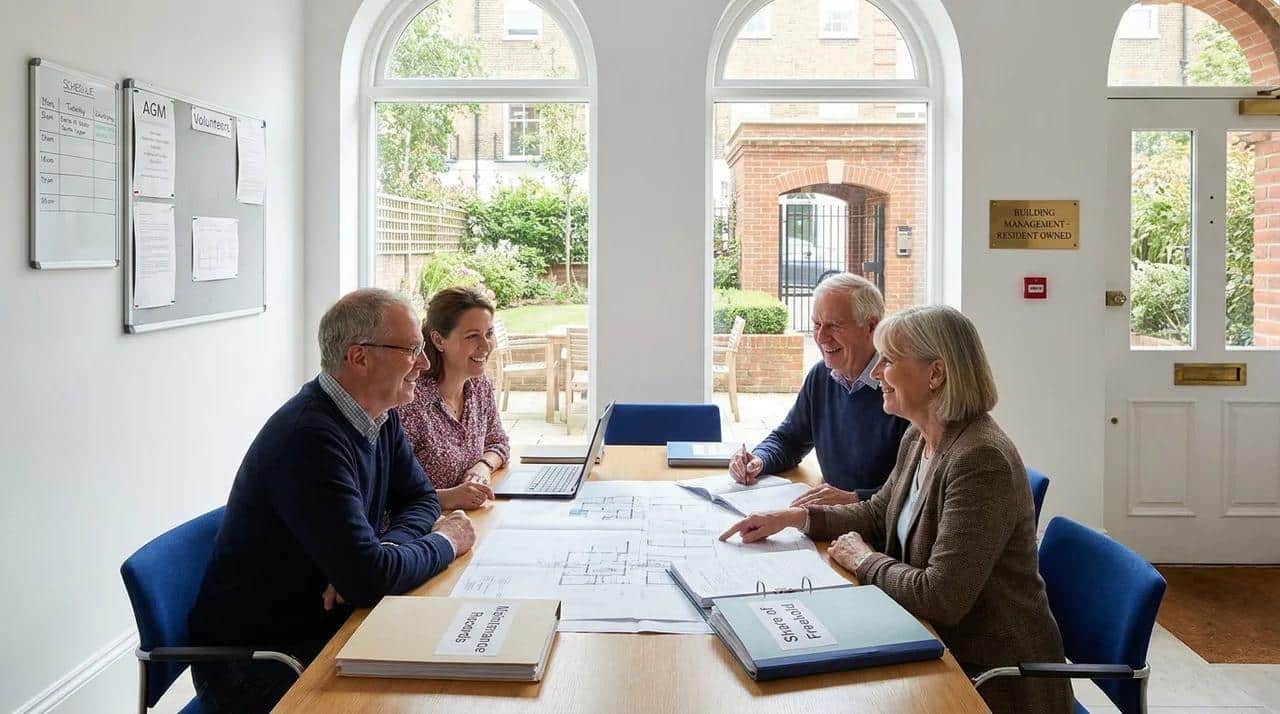
A share of freehold gives flat owners more involvement in managing their property.
Instead of depending on an outside freeholder, residents can take part in decisions about costs, maintenance, and the overall upkeep of the building.
- Greater control over property decisions: Owners can have a say in repairs, insurance, maintenance work, and how the building is managed.
- Clearer management of shared costs: Residents can see how service charges are used and make joint decisions about contractors and services.
- Easier lease extensions: Having control of the freehold interest can make the lease extension process more straightforward for owners.
- Better upkeep of the building: Residents can work together to address maintenance issues and help maintain the property’s condition.
- Added appeal for buyers: A share of freehold can attract buyers who value having more control over their home and fewer concerns about external freeholders.
Common Challenges With Share Of Freehold
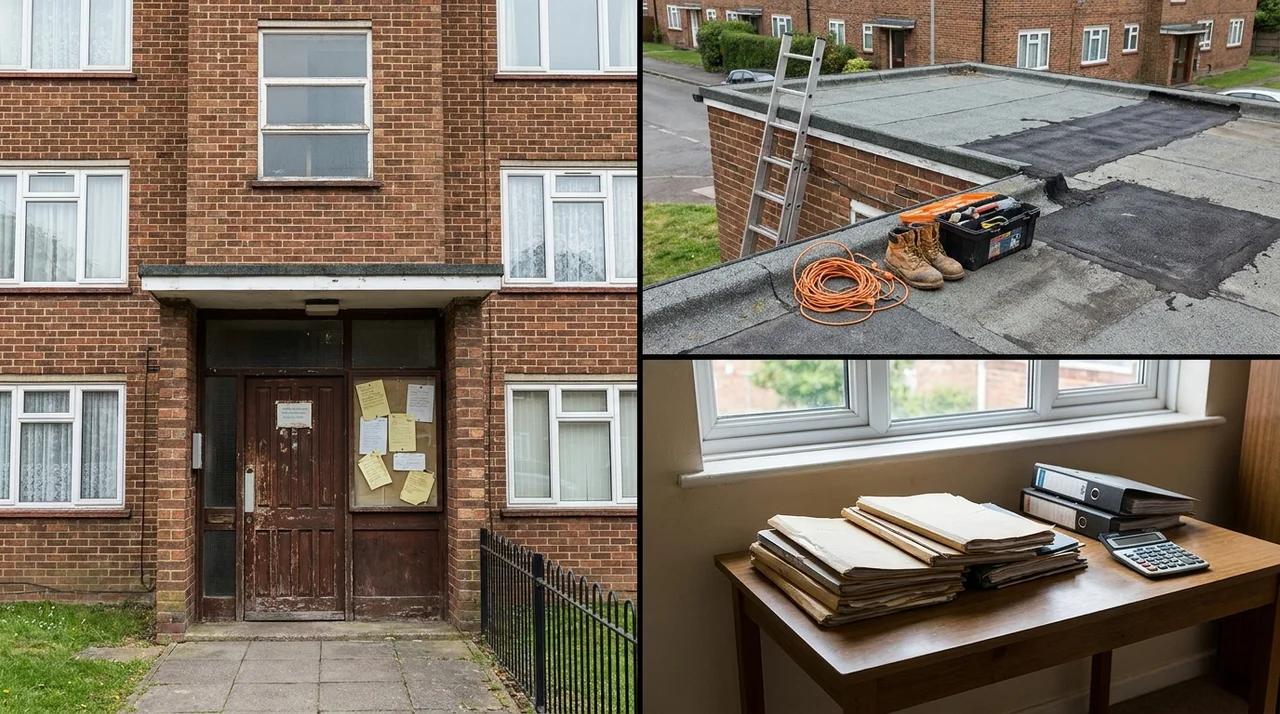
While a share of freehold can offer more control over your property, it also comes with responsibilities that can create challenges when owners disagree or management is handled poorly
1. Disputes Between Co-Freeholders
Co-freeholder disputes begin when owners have different opinions about spending, repairs, and maintenance decisions.
One owner may prefer a high-quality repair, while another may choose a cheaper option to control costs.
Disagreements over contractors, repair standards, and project timelines can delay important work.
For example, owners may argue over whether to replace a leaking roof, leading to delays, further damage, and higher repair costs due to poor decision-making and communication.
2. Shared Expense Disputes
Although owners control the freehold, they still need to manage regular shared expenses for the building.
Costs can include building insurance, communal cleaning, gardening, maintenance work, accounting fees, and legal expenses.
Disagreements often arise when owners have differing views on necessary spending or how costs should be divided among flats.
Problems become more serious when one owner refuses to pay their share, leaving other residents to cover the shortfall until the issue is resolved.
3. Unexpected Repair and Maintenance Costs
A share of freehold does not remove the responsibility of paying for major repairs and building maintenance. Owners may need to contribute towards roof replacements, external walls, structural issues, communal areas, drainage, and safety improvements.
Problems often arise when there is no reserve fund for future work, owners disagree on repair budgets, or one resident cannot afford their share. Emergency repairs can create financial pressure when large payments are needed unexpectedly.
4. Poor Freehold Management
Residents managing their own freehold building often have limited experience with property administration and maintenance.
This can result in problems such as incomplete company records, missing meeting minutes, delayed repairs, missed insurance renewals, and a lack of a clear plan for future maintenance work.
Poor management can create larger issues over time, especially when selling the property, as buyers and solicitors may raise concerns about missing documents, unclear decisions, or the building’s management history.
5. Selling Problems
Selling a share of a freehold flat can become difficult when property records, ownership details, or management documents are incomplete.
Delays often occur due to missing freehold company paperwork, unclear ownership of freehold shares, disputes among co-freeholders, outdated insurance documents, or incomplete accounts and meeting records.
Keeping documents such as meeting minutes, insurance certificates, repair history, and company accounts up to date helps provide clarity for buyers and solicitors, reducing delays during the sale process.
6. Alteration Conflicts
A share of freehold does not always give owners complete freedom to alter their flats, as lease restrictions and approval requirements may still apply.
Problems often arise with loft conversions, extensions, structural changes, or alterations affecting communal areas.
Disputes can arise when owners assume that neighbor agreement is enough, ignore lease terms, or complete work without the required permissions.
Unauthorized changes may create issues during resale, mortgage checks, or future disagreements with other co-freeholders.
Legal Disputes With Share of Freehold Ownership
A share of freehold gives owners more control over their building, but it does not remove the legal responsibilities that come with owning a flat.
Disputes can still happen when owners disagree about lease rules, payments, building decisions, or their responsibilities as co-freeholders.
1. Lease Breaches and Restrictions
Owning a share of freehold does not cancel the terms of the lease. Flat owners must still follow rules about alterations, noise, repairs, and the use of shared areas.
Problems can arise when an owner carries out changes without approval, such as a loft conversion, structural work, or changes that affect other residents.
Breaching lease conditions can lead to disagreements with other owners and may create issues when selling the property.
2. Disputes Over Unpaid Contributions
All co-freeholders are usually responsible for contributing towards shared costs, including repairs, insurance, and maintenance.
However, problems can occur when one owner refuses to pay their agreed share.
This can place extra financial pressure on other residents and delay important work. In serious cases, owners may need to follow formal procedures to recover unpaid amounts.
3. Deadlocks Between Co-Freeholders
Major decisions often require agreement between multiple owners, which can become difficult when opinions differ.
One owner may want to complete urgent repairs, while another may disagree with the cost or timing.
If owners cannot reach an agreement, necessary work can be delayed. This may increase repair costs and create further disputes within the building.
4. Freehold Company Disputes
Some share of freehold properties are managed through a freehold company where owners hold shares or act as directors.
Disagreements can occur when owners have different views about how the company should be run.
Issues may involve financial decisions, record keeping, maintenance plans, or the responsibilities of company directors.
Poor management of these matters can create additional complications for residents.
5. Resolving Share of Freehold Disputes
The way a dispute is handled depends on the issue and the agreements in place.
Owners may try to resolve problems through open discussions, written agreements, or mediation before taking further action.
For more serious disagreements involving lease breaches, unpaid costs, or company matters, legal advice may be needed.
Clear records, proper communication, and agreed procedures can help prevent small issues from becoming long-term conflicts.
How to Fix Share of Freehold Problems?
Share of freehold issues can usually be managed when owners create clear processes, communicate effectively, and take responsibility for shared decisions.
1. Set Clear Management Rules
Owners should agree on written procedures that explain:
- Who is responsible for specific maintenance tasks and building duties
- How decisions are approved and what voting process applies
- Time limits for responding to repair requests or spending proposals
- Steps to follow when disagreements occur between owners
Keeping proper records of decisions helps avoid confusion and provides protection if disputes happen later.
Many owners formalize these rules through a declaration of trust, a written agreement that sets out each owner’s share, responsibilities, and what happens if one owner wants to sell.
2. Consider Professional Management
When residents struggle to manage the building themselves, a professional property manager can help coordinate daily responsibilities.
A managing agent can handle:
- Arranging repairs and coordinating contractors
- Managing shared payments and financial records
- Renewing building insurance before deadlines
- Maintaining company paperwork and compliance requirements
Professional support can reduce conflicts when self-management becomes difficult.
3. Create a Repair Fund
Setting aside regular contributions into a shared maintenance fund helps prepare for future costs. A reserve fund can help cover:
- Major repairs and replacements
- Unexpected maintenance issues
- Building improvements
Planning ahead reduces the pressure of sudden large payments and makes financial decisions easier for all owners.
4. Improve Owner Communication
Many share-of-freehold problems worsen when residents stop communicating. Better communication can include:
- Holding regular owner meetings
- Recording important discussions and decisions
- Sharing budgets, invoices, and expense details openly
Clear communication builds trust and helps owners resolve issues before they become serious disputes.
What Real Owners Say About Share of Freehold?
The comments below come from real users on UK property forums. They reflect personal experiences only and do not represent the views of this site.
Their stories show what can go wrong when co-ownership turns difficult.
EmmaH2022, Mumsnet
“Mostly they were determined to keep costs as low as possible, to the point of neglecting things. The results of neglect led to water leaking into my flat from the roof. I was told I had to get three different quotes for the repair, while water was still coming into my flat.”
Mossstitch, Mumsnet
“Nobody wanted to handle the necessary paperwork. When problems arose, there was not enough money set aside to fix them. The shared responsibility often caused delays and disagreements between owners. After that experience, I would only buy a freehold house again.”
mpdimitrova, MoneySavingExpert Forums
“We got two signatures easily but became completely stuck on the third. The freeholder ignored our messages for months before telling us to contact his solicitor. The solicitor also failed to respond, leaving the entire process delayed and uncertain. It showed how one uncooperative owner could hold everyone else back.”
Lindrick23, MoneySavingExpert Forums
“There is no clear structure for managing the building, so essential repairs are repeatedly delayed or ignored. No one seems responsible for arranging the work or collecting enough money to cover it. More concerning, the building does not meet current fire safety regulations because the other flats do not have fire doors. This leaves residents facing both ongoing maintenance problems and serious safety risks.”
How to Avoid a Share of Freehold Nightmare Before Buying?
The right checks before buying can help you avoid costly disputes and management problems later. Before committing to a share of freehold property, review these important areas:
-
Check the freehold structure: confirm who owns the freehold, whether it is held through a company or jointly by residents, how the shares are divided, and whether the ownership details are correctly registered.
-
Review the lease terms: Check the remaining lease length, repair responsibilities, alteration rules, and how service charges or shared expenses are calculated.
-
Ask about existing issues: Find out about ongoing disputes, recent major repairs, unpaid contributions, or any problems between current owners.
-
Review financial records: Request building insurance documents, company accounts, maintenance records, repair invoices, and details of any planned works.
-
Speak with current owners: Existing residents can provide insight into management problems, neighbor relationships, decision-making issues, and concerns that may not appear in official documents.
Final Thoughts
A share of freehold nightmare rarely appears overnight. It grows through missed meetings, avoided conversations, and unclear responsibilities left to build for years.
Before buying, check the ownership structure, review the lease terms, and ask direct questions about the building’s history and finances.
Once you own a share, treat the freehold company seriously and keep records clean and up to date.
Clear rules and open communication turn shared ownership into a workable arrangement. Have you faced a nightmare share of freehold?
Share your experience in the comments.
Frequently Asked Questions
Is a Share of Freehold Better Than a Leasehold?
It depends on your priorities. Share of freehold gives more control over the building, but owners must cooperate and share management duties with other co-freeholders.
What Is a Declaration of Trust and Do I Need One?
A declaration of trust sets out how co-freeholders share costs and ownership. It is not required by law but prevents disputes if a share changes hands.
How Much Does It Cost To Buy The Freehold?
Costs vary by property and lease length. Expect to pay a freehold premium, plus surveyor, legal, and stamp duty fees.
Can I Be Forced To Sell My Share Of Freehold?
Not easily. Co-freeholders generally cannot force a sale without a court order or a tribunal ruling, which usually requires proof of serious breach or deadlock.
What Happens If A Co-Freeholder Refuses To Sign Transfer Documents?
Sales can stall for months. Solicitors may need to chase repeatedly, and in blocked cases, trustee powers under the Trustee Act can allow a transfer.