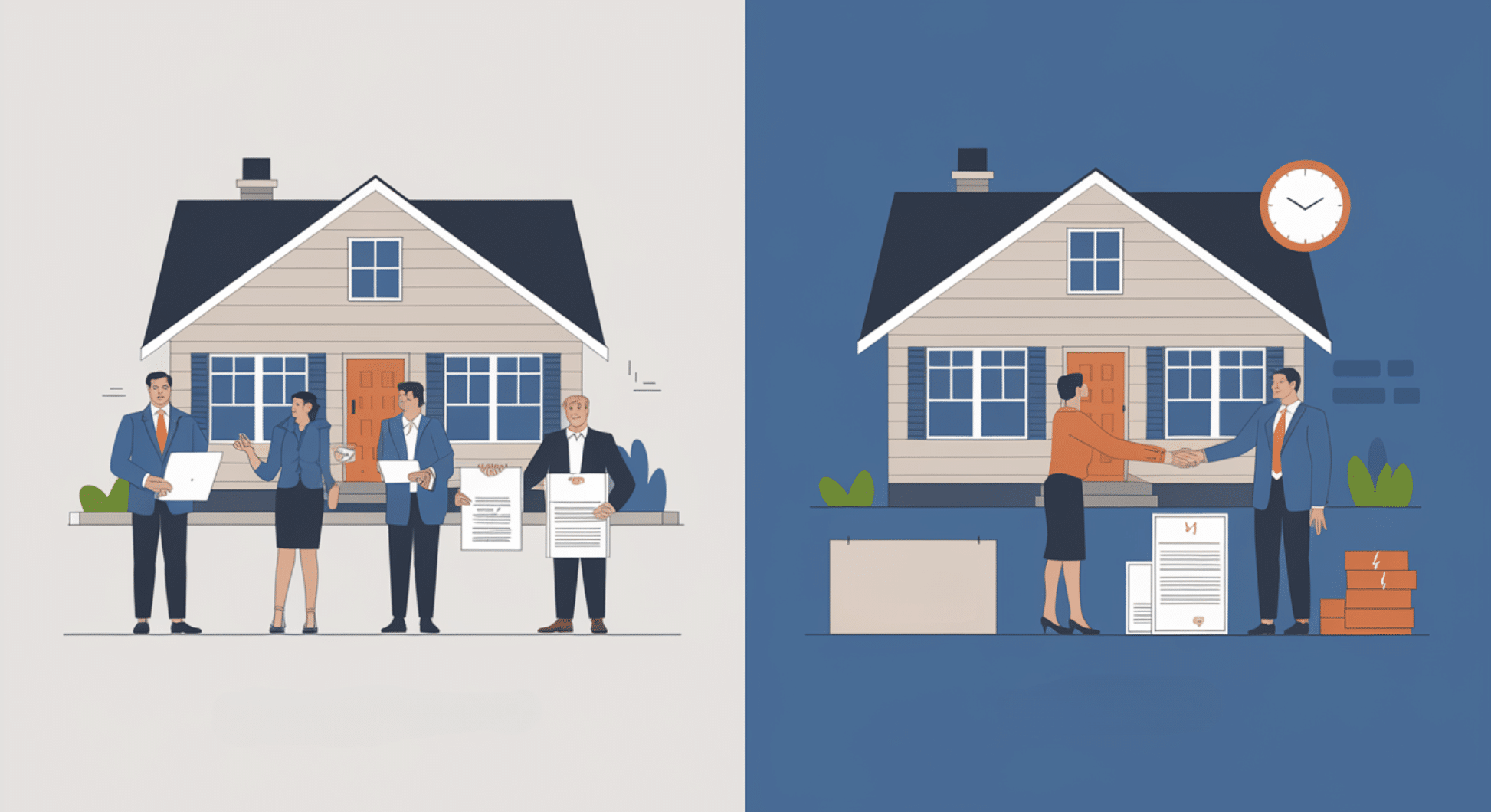

Ever spotted a house that caught your eye but had no idea how to reach the owner?
Finding out who owns a property can feel complicated, but it’s simpler than it looks. Property ownership records are public in the United States. Counties maintain detailed databases that anyone can access.
Whether the home sits empty, looks perfect for investment, or borders your land, the owner’s information exists in official records.
The challenge isn’t availability. It’s knowing where to look and which sources give accurate results. County assessors, recorders, and online databases each hold different pieces of the puzzle.
Some properties hide behind LLCs or trusts, making the search trickier. But with the right approach and reliable sources, you can quickly and legally find out who owns a property.
Why You Need to Find Out Who Owns a Property?
People search for property owners for many reasons. Some want to make off-market purchase offers. Real estate investors use ownership data to research bulk properties and find motivated sellers.
Boundary disputes often require knowing your neighbor’s legal identity. If someone’s fence crosses your property line, you need the owner’s name to resolve it.
Vacant or problem properties cause neighborhood issues. Finding the owner helps you report code violations or reach out about maintenance concerns.
Historical researchers trace family property through past owners. Title companies verify ownership chains before sales close.
Tax and lien information ties directly to ownership records. Foreclosure investors rely on this data daily. Developers identify land acquisition opportunities by researching ownership before approaching sellers.
Attorneys need verified ownership for estate planning, divorce proceedings, and real estate litigation. Appraisers confirm ownership details when assessing comparable properties for valuation reports
What Property Records Are and Why They’re Public
Property records document legal ownership and transaction history. These include deeds, tax assessments, parcel maps, plats, mortgages, liens, and title histories.
County governments maintain these records. The county assessor tracks property values for tax purposes. The county recorder or clerk of deeds files ownership transfers. The tax collector manages payment records.
Public access exists because property rights depend on transparency. Anyone can verify ownership, check for liens, or research boundaries. This protects buyers and keeps taxation fair.
Important things to know about public records:
- Recording fees typically range from $10 to $50 when filing new deeds or documents
- Update timing varies; some counties post same-day, while others take 30–90 days
- Redacted information protects sensitive data like signatures and Social Security numbers in some states
- Historical archives may require special requests for properties with records spanning 50+ years
Access varies by location. Some counties offer online databases, while others still use paper systems that require in-person visits.
What Information Can You Find About a Property Owner?
Property records reveal more than just a name. County databases contain detailed ownership and financial data that help buyers, investors, and researchers make informed decisions.
1. Owner and Property Identification
The legal owner’s name appears on deeds and tax records. This may be an individual, a married couple, a business entity, an LLC, or a trust.
The mailing address shows where tax bills are sent, which often differs from the property’s location. Parcel numbers (APN, PIN, or tax ID) uniquely identify each property in county systems.
Legal descriptions define exact boundaries using surveyor language, metes and bounds, or subdivision plat references.
2. Financial Records and Transaction History
Assessed values and tax history display what the county charges annually. You can see the payment status and any exemptions claimed by the owner.
Sale dates and prices from recorded deeds show market activity. This includes how much the property sold for and when ownership transferred.
Mortgage information reveals outstanding loans and the lending institutions associated with them. Lien records expose unpaid debts from contractors, tax agencies, or court judgments attached to the property.
3. Ownership History and Legal Information
The chain of title traces every previous owner back through decades. This helps researchers understand property lineage and verify clear ownership.
Past transaction records include inheritance transfers, foreclosures, quit-claim deeds, and gift transfers. These show how ownership changed beyond typical sales. Property characteristics vary by county but may include square footage, year built, lot size, and improvements made over time.
This public information helps you verify ownership, assess property value, check for legal issues, and contact owners through proper channels.
How Do You Find Out Who Owns a Property?

Finding property owners requires using the right sources in the correct order. Starting with official county records gives you accurate results and saves time compared to random online searches.
1. Gather Correct Details First
Start with the full street address. Include apartment or unit numbers if applicable.
Get the parcel number (APN or PIN). This matters more than the address. Rural properties and land parcels may lack addresses entirely. The parcel number always identifies the correct property.
Many county websites let you find the parcel number by entering an address. Tax bills also print this number. If you can’t find it online, call the county assessor’s office. Write down everything you find. You’ll need these details for multiple searches.
2. Use the County Assessor’s Website
County assessor websites are your first stop for property tax data, including current owners. Enter the street address or parcel number to see the owner’s name, mailing address, assessed value, and tax history.
The data updates regularly after each tax year closes, though very recent sales may not appear yet. Not every county offers online access, so rural counties may require phone assistance or office visits.
3. Check the County Recorder / Clerk of Deeds
The county recorder’s office files all deed transfers when someone buys or inherits property. Search the grantor/grantee index by name or property description to find official deed documents.
These records show exact sale terms, including price, date, legal description, and all parties involved. They confirm ownership more definitively than tax data but may lag behind recent transactions by weeks or months.
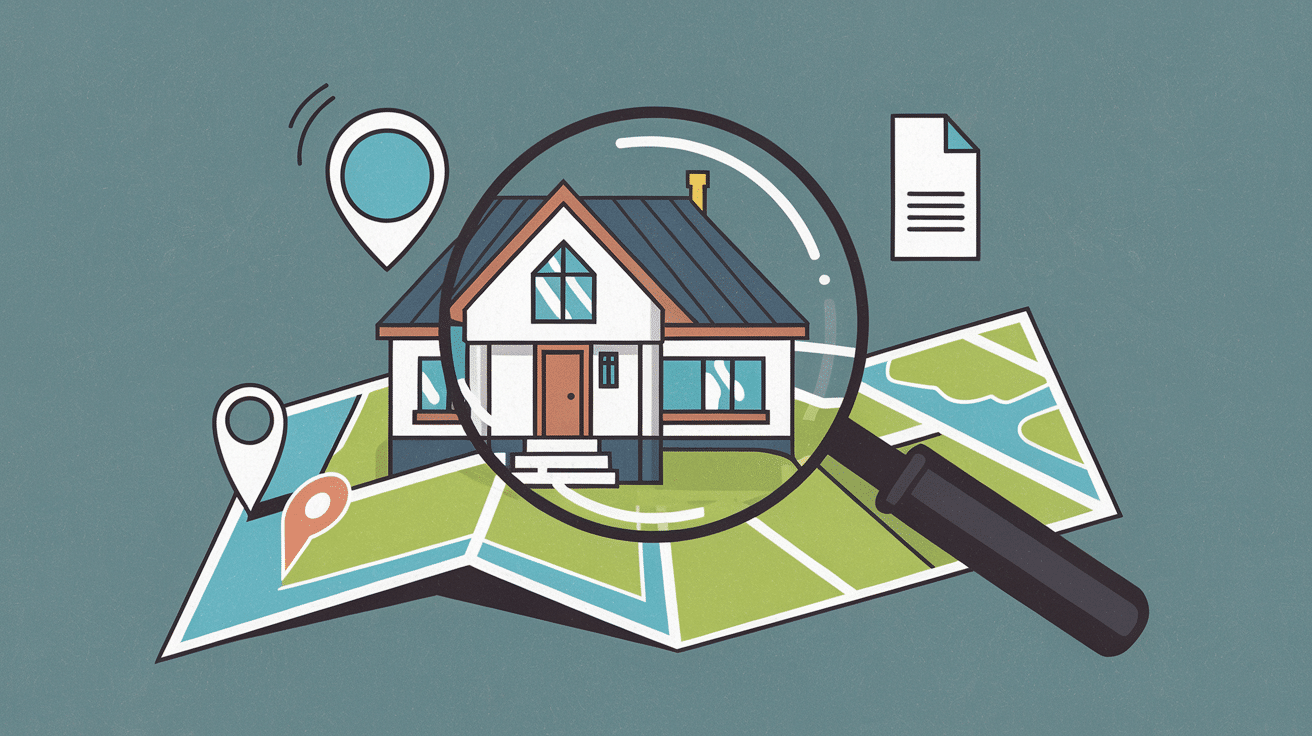
4. Use GIS / Parcel Maps
Geographic Information System (GIS) maps display property boundaries visually over aerial photos and street maps. Click any parcel to see the owner, APN, acreage, and zoning information. These maps help with rural land, unaddressed parcels, and boundary questions. Not all counties maintain GIS systems; larger counties and urban areas usually do, while smaller rural counties may have only paper plat maps.
5. Check Property Tax Databases
Tax collector websites often duplicate assessor information but focus on payment status and amounts owed. Search by address or parcel number to find the owner’s mailing address and payment history.
This helps when assessor data seems incomplete since tax records must be accurate for billing purposes. Some counties charge fees to access detailed tax data online, while basic lookup is usually free.
6. Use Alternative Government Sources
Zoning and planning departments maintain permit records showing who applied for building permits or zoning changes. Municipal property files in city offices track code violations, inspections, and local permits.
State parcel map databases compile county data statewide in Texas, Wisconsin, and other states. Federal land ownership databases cover government-owned property through the Bureau of Land Management.
7. Visit County Offices In Person
Some counties haven’t digitized their records or keep older documents only on microfilm or in paper files. Visit the assessor’s office during business hours, where staff can search their systems and print results.
The recorder’s office provides certified deed copies that cost a few dollars per page but carry legal weight. Bring the property address and parcel number along with photo ID, especially if you need certified documents.
8. Use Third-Party Databases
Private companies aggregate public records into searchable databases like Zillow, PropertyShark, and specialized investor tools. These services offer convenience for bulk searches that real estate investors use to quickly find owner contact information.
You must verify results against official county records, as third-party data can be outdated or contain errors. Never rely solely on these tools for legal or financial decisions.
9. Consider a Full Title Search
A title search examines the complete ownership history and uncovers liens, mortgages, easements, encumbrances, and legal claims. Title companies perform these searches professionally and guarantee accuracy while issuing title insurance.
DIY title searches work for research purposes, but home purchases require professional title work. Costs range from $150 to $400, depending on property complexity and local rates.
Following these steps in order keeps the process efficient and accurate. Start with free county resources and move to paid services only when necessary or when legal certainty is required.
How to Handle Complex Property Ownership Situations
Not all properties list individual owners clearly. LLCs, trusts, corporations, estates, and government entities create layers that require extra research steps to identify the actual decision-makers.
- Limited Liability Companies show only the LLC name in property records, not individual members. Search your state’s Secretary of State website to find the registered agent, though member names often stay private in Delaware, Wyoming, and Nevada.
- Trusts appear with names like “Smith Family Trust,” showing only the trustee’s name on the deed. Contact the trustee at the mailing address in the tax records, since beneficiaries remain completely private.
- Corporations owning commercial properties list officers and directors in the state business registry annual reports. The registered agent serves as the official point of contact for all inquiries.
- Properties in probate show estate or executor names instead of heirs who appear only after probate closes. Probate court records eventually reveal the names of heirs and the distribution of property after months or years.
- Government entities and institutions like churches, schools, and hospitals hold properties under organizational names. Contact the agency’s real estate or asset management department directly for ownership inquiries.
These complex situations require patience and multiple sources of information. When standard county records don’t reveal enough, combine state business registries, probate courts, and direct contact attempts to piece together ownership details.
Free vs Paid Options: How to Find Out Who Owns a House
Property ownership searches range from completely free government databases to paid professional services. Knowing which option fits your needs saves money while making sure you get accurate information.
| Free Options | Paid Options |
|---|---|
| County Assessor Website: Owner name, mailing address, assessed value, tax history, parcel number | Third-Party Subscriptions ($30–$100+/month): Bulk data access, contact info, skip tracing, owner lists for high-volume searches |
| County Recorder/Deed Index: Deed records, transfer dates, sale prices, legal descriptions | Title Company Search ($150–$400): Complete ownership chain, lien search, legal guarantees, title insurance for purchases |
| GIS Parcel Maps: Visual property boundaries, owner info, acreage, zoning data | Certified Deed Copies ($1–$10/document): Official stamped copies with legal validity for proceedings |
| Tax Collector Database: Owner mailing address, tax payment status, amounts owed | Document Downloads ($2–$5/page): Digital copies of recorded documents, plats, surveys for personal records |
Free county resources satisfy most searches. Pay for services only when free methods fall short or when legal certainty is required.
Legal Rules for Finding Out Who Owns a Property
Property ownership information is public by law, but accessing and using this data is subject to legal restrictions you must follow.
- What Information Is Public: Owner names, addresses, sale prices, deed transfers, tax assessments, parcel numbers, and lien records are publicly accessible through county offices or online databases. This transparency protects property rights and supports fair taxation.
- What Information Stays Private: Phone numbers, emails, Social Security numbers, and financial records beyond property filings remain protected by privacy laws. LLC members and trust beneficiaries often remain private under state law.
- Owner of Record vs Actual Resident: The legal owner listed in property records may not be the person living at the property. Always use the mailing address from tax records rather than approaching the physical property location.
- Contact and Communication Restrictions: Some states ban cold calling property owners without prior consent. The Telephone Consumer Protection Act limits automated calls and texts, while anti-harassment laws prohibit repeated unwanted contact.
- Fair Housing and Anti-Discrimination Laws: You cannot target or exclude property owners based on race, religion, national origin, or other protected classes when conducting outreach or marketing campaigns.
- Penalties for Violations: Violating contract laws or privacy regulations results in fines, lawsuits from property owners, and loss of professional real estate licenses.
Common Mistakes When Finding Property Owners
One of the biggest errors is checking the wrong county, especially for properties located near county borders. Always confirm the correct jurisdiction before starting the search because property records are maintained at the county level.
Another common mistake is skipping the parcel number and relying only on the property address. Addresses can be entered incorrectly, changed, or formatted differently, while the parcel number provides a more reliable way to identify a property. Many property searches rely only on property aggregator websites, but these sources may contain outdated ownership details. Official county records should always be used for verification.
It is also important to check recent property transfers, as ownership updates may take time to appear online. Reviewing recorder documents for liens, disputes, or other legal records can provide a clearer picture of the property’s history.
Verifying information through multiple sources helps avoid errors and ensures you get the most accurate ownership details.
Final Thoughts
Property ownership records are more accessible than they appear. County assessors and recorders maintain detailed databases that show who owns a property in every U.S. jurisdiction.
Start with free official sources for reliable results. When basic searches fall short, combine multiple methods. Use GIS maps for boundaries, check state registries for LLC details, or visit offices for older records.
The parcel number remains your most dependable tool. Respect privacy laws when reaching out to owners. Trusts and LLCs require additional steps to identify decision-makers.
For complex situations or major purchases, professional title searches provide certainty.
Sign up for your state’s property newsletter or check your county assessor’s site regularly to stay current on record access updates.