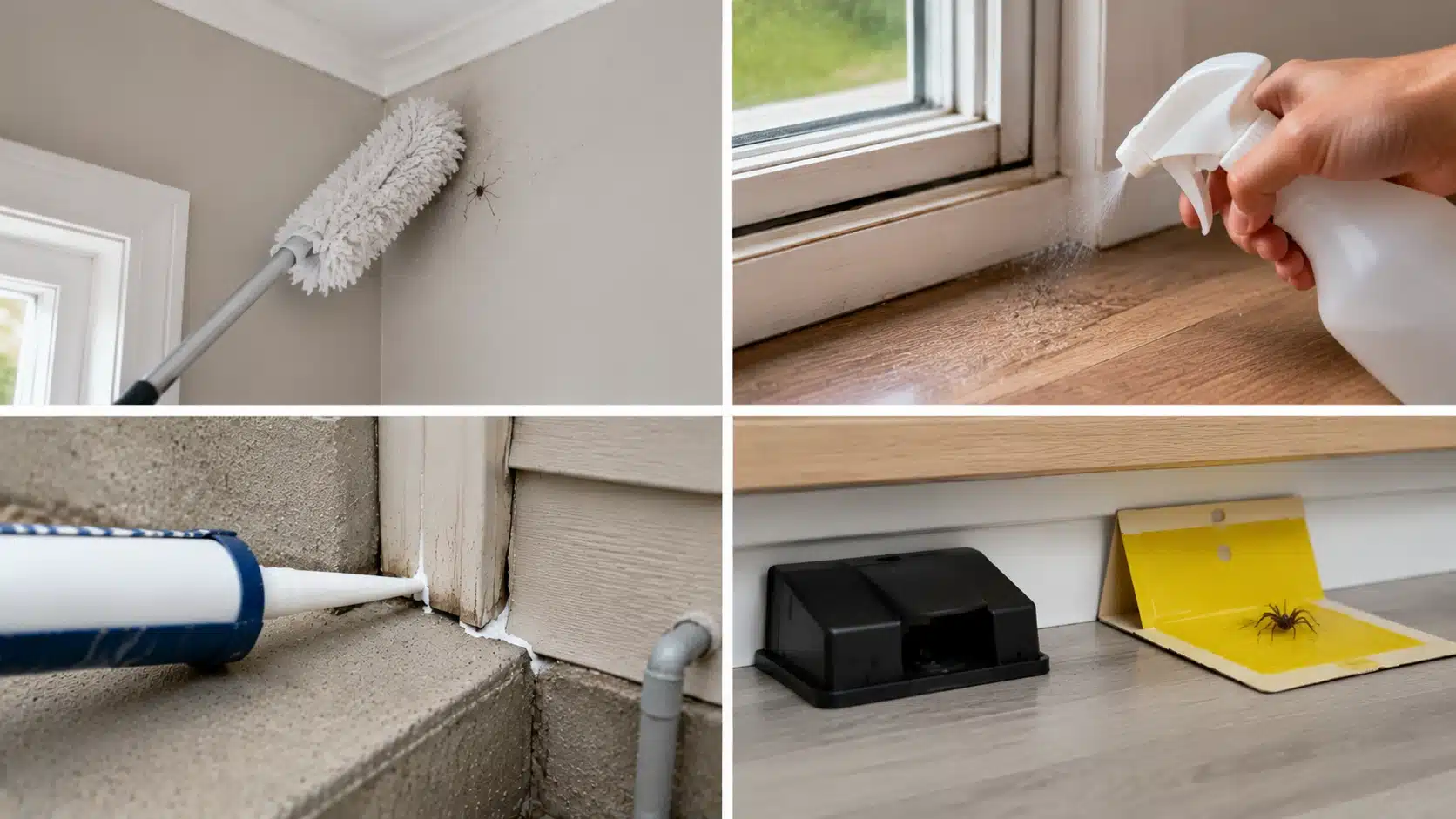

Finding a spider in the corner of your ceiling or tucked behind a stack of storage boxes in the basement can turn a calm evening into an uneasy one.
Seeing a spider and removing it may solve the immediate problem, but another one can appear later because the conditions that attracted it are still present.
Getting rid of spiders for good means combining a few things at once: cleaning out hiding spots, sealing entry gaps, cutting off their food supply, and using safe deterrents where needed.
Pest control professionals consistently point to prevention, not one-time treatments, as the approach that keeps homes spider-free.
Quick Overview
- Spiders come inside for three reasons: food (other insects), shelter (cracks and clutter), and moisture or warmth.
- Lasting removal combines four steps: vacuum up existing spiders and webs, seal cracks and entry points, cut clutter, and control other insects.
- Natural deterrents like peppermint oil, vinegar, and cedar help, but work best alongside sealing and cleaning, not on their own.
- Most house spiders are harmless. Black widows and brown recluses are the exceptions worth watching for.
- Prevention outside, like trimming plants and clearing leaf piles, stops spiders before they reach the house.
- Call a pest control professional if sightings persist despite cleaning, or if you spot a dangerous species or egg sacs indoors.
Why are Spiders Coming into Your House?
Spiders rarely show up without a reason. They’re not looking for you specifically. They’re looking for food, shelter, and a quiet place to build a web, and your house happens to offer all three.
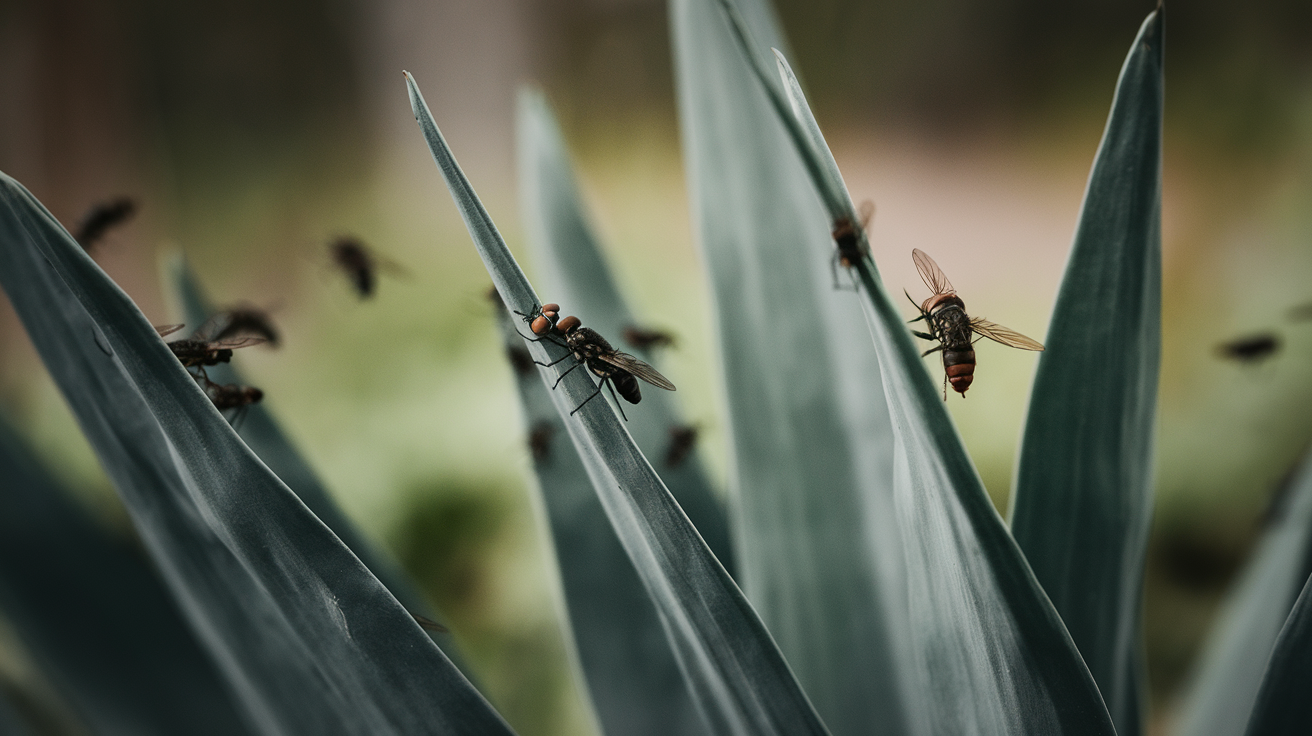
Spiders eat insects, so a home with flies, mosquitoes, ants, or silverfish is a home with a built-in buffet. If you’re seeing more spiders than usual, there’s a good chance you have more bugs than usual too.
Cracks, cluttered storage areas, and undisturbed corners give spiders a safe place to settle in. Once a spider finds a spot where it isn’t disturbed, it tends to stay.
Moisture and temperature changes also push spiders indoors. Bathrooms, basements, and damp corners attract species that prefer humidity, while colder months send spiders looking for warmth.
| Reason Spiders Enter | What Attracts Them |
|---|---|
| Food | Flies, mosquitoes, ants, and other insects |
| Shelter | Cracks, storage areas, clutter |
| Moisture | Bathrooms, basements, damp corners |
| Warmth | Indoor spaces during colder months |
How to Get Rid of Spiders Inside Your Home
Getting spiders out of your home for good takes more than one step. The following approach works through removal, entry points, clutter, and food sources together, so the problem doesn’t just come back.
1. Remove Existing Spiders and Webs
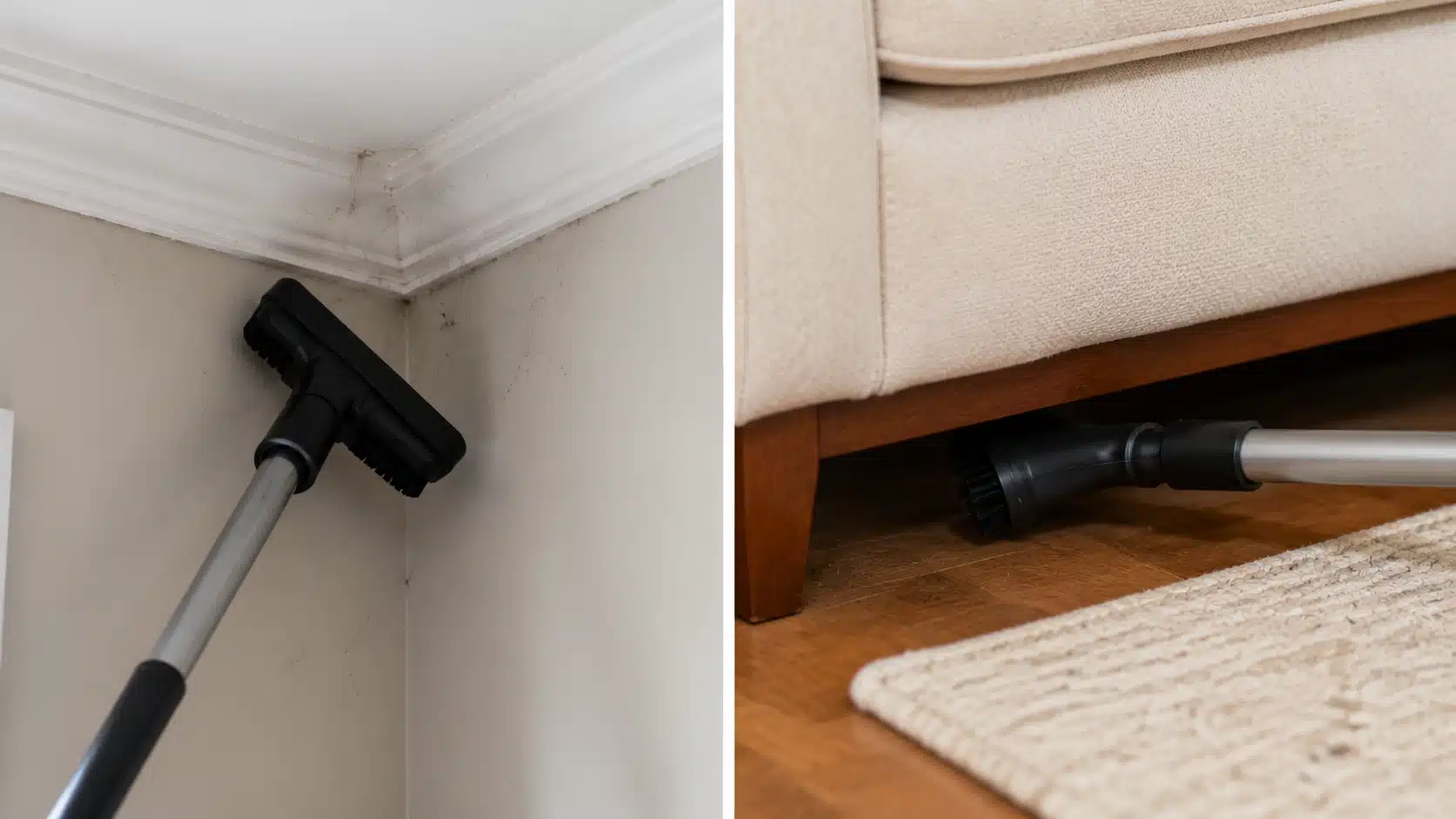
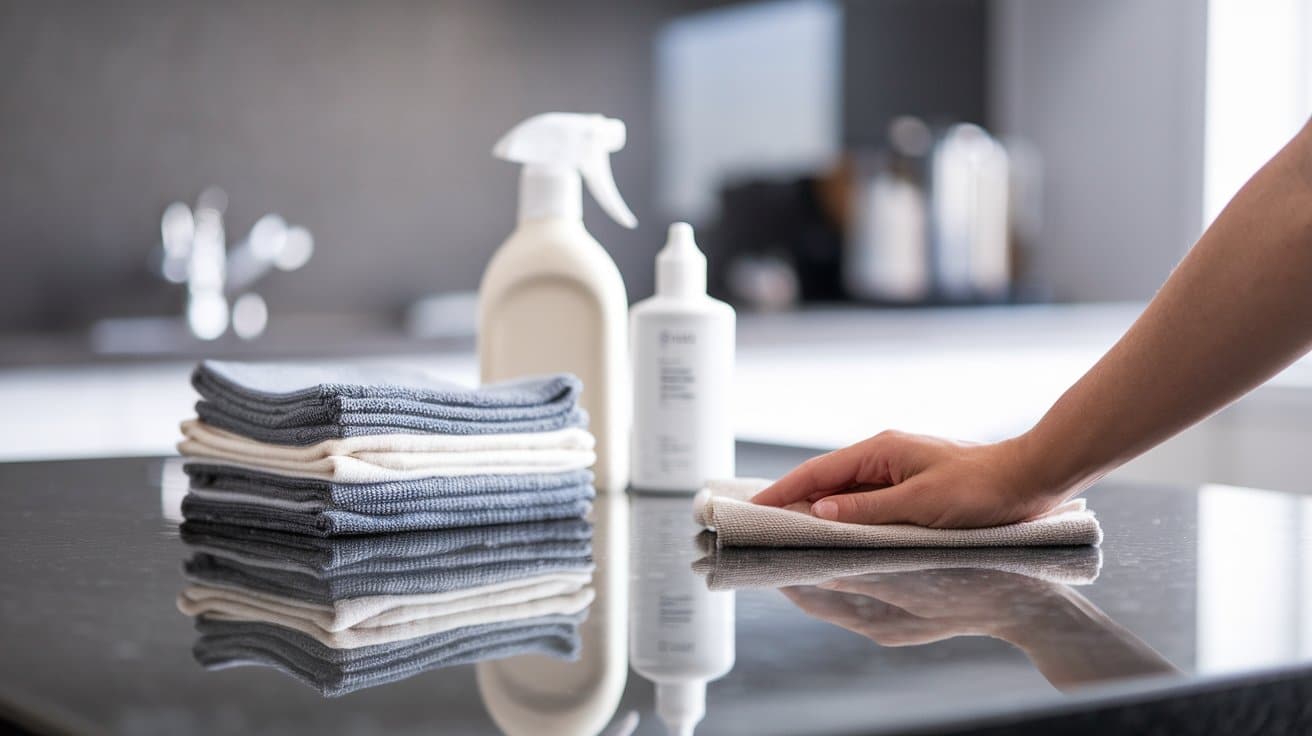
Start with what’s already there. Vacuuming spiders, webs, and egg sacs is more effective than swatting, since it removes the whole problem at once rather than leaving behind eggs that will hatch later.
Pay close attention to ceiling corners, behind picture frames, and the space behind and under furniture, since these spots go undisturbed for long stretches and are prime web-building real estate.
2. Seal Cracks and Entry Points
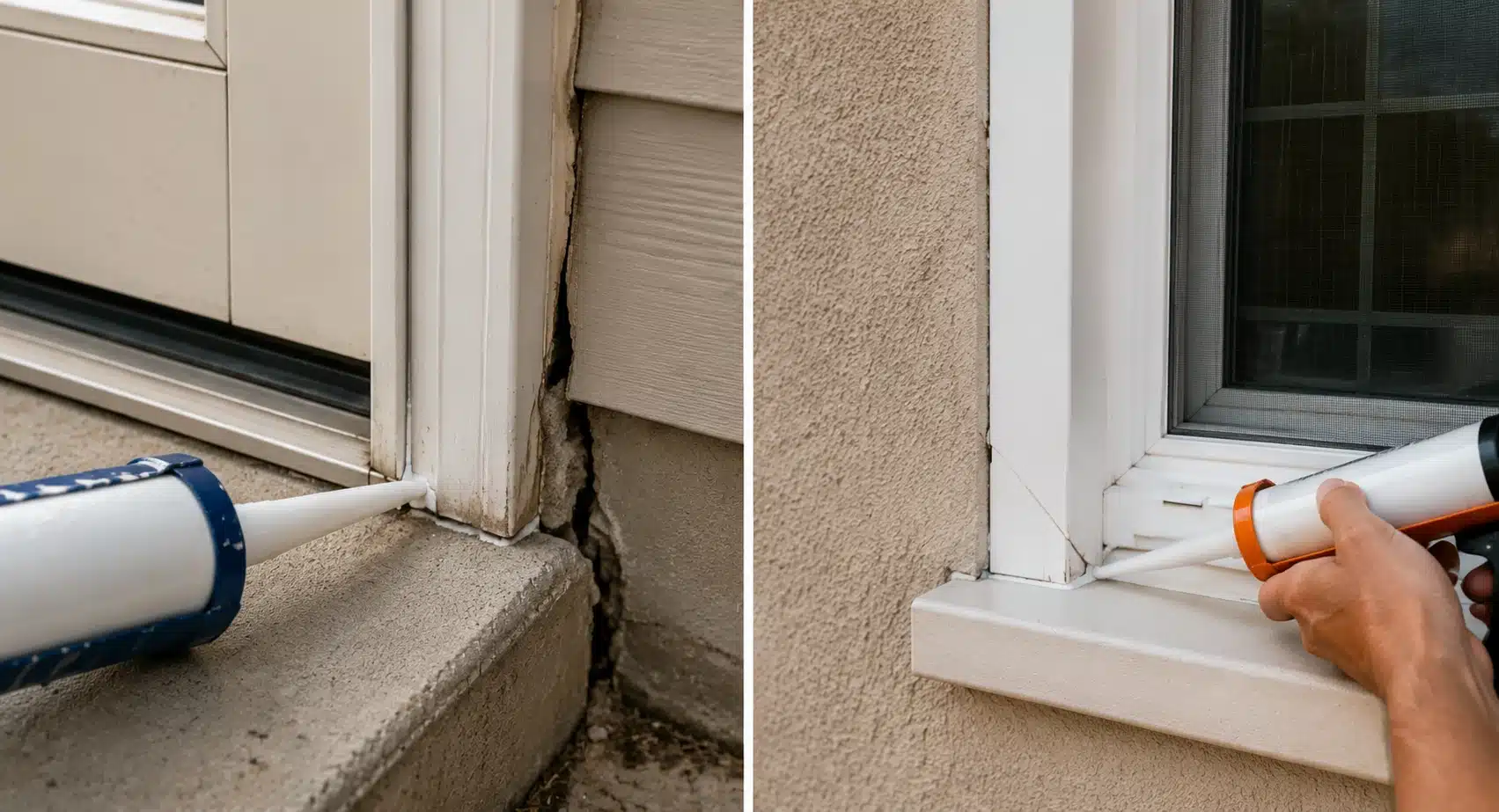
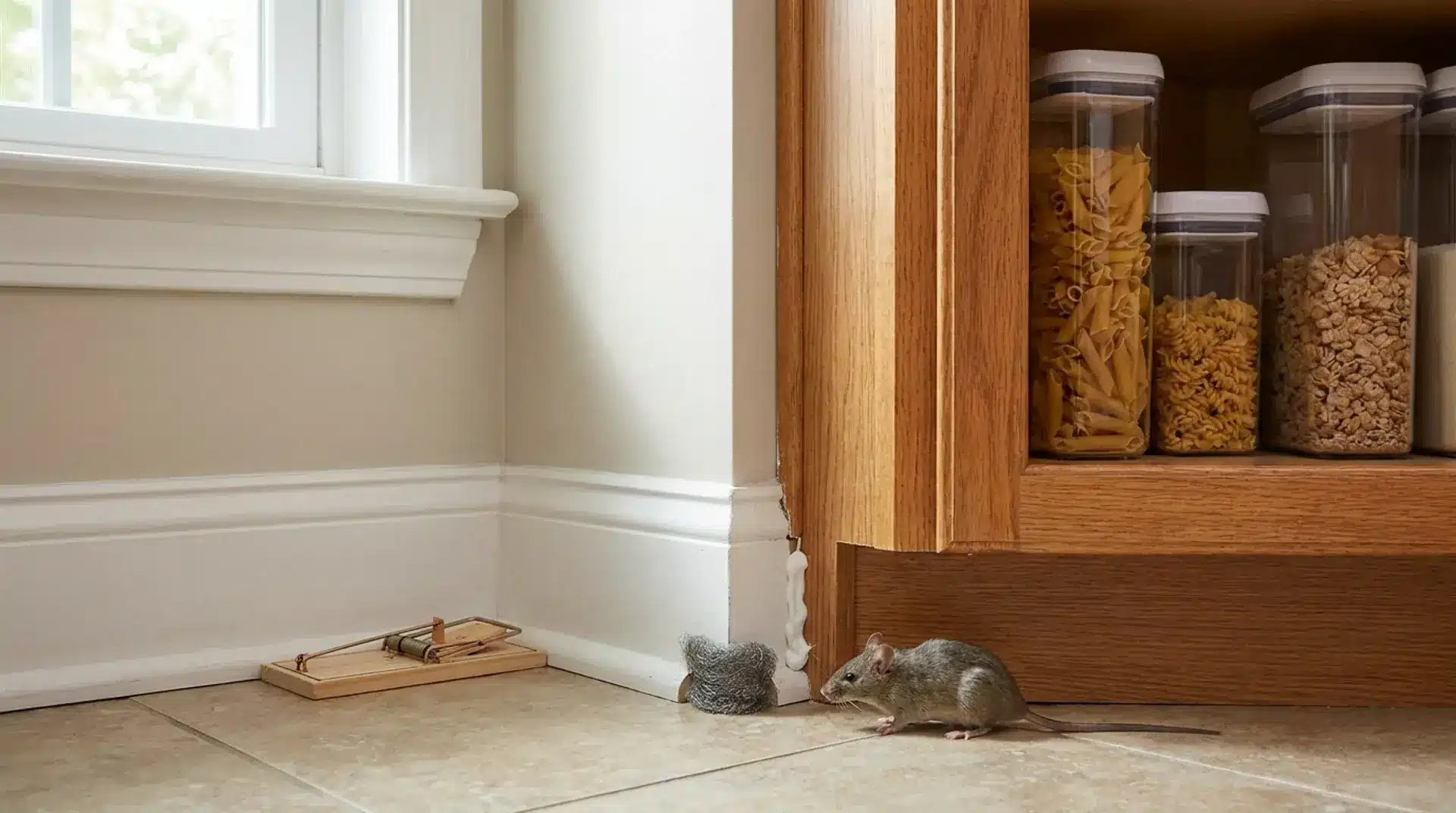
Spiders don’t need much room to slip inside. Small gaps around windows, gaps that appear while replacing door handles and frames, foundation cracks, pipe openings, garage doors, and vents are all common entry points.
Running a bead of caulk around these gaps, adding weather stripping to doors, and repairing torn window screens closes off the routes spiders and their prey use to get in.
3. Reduce Clutter Where Spiders Hide
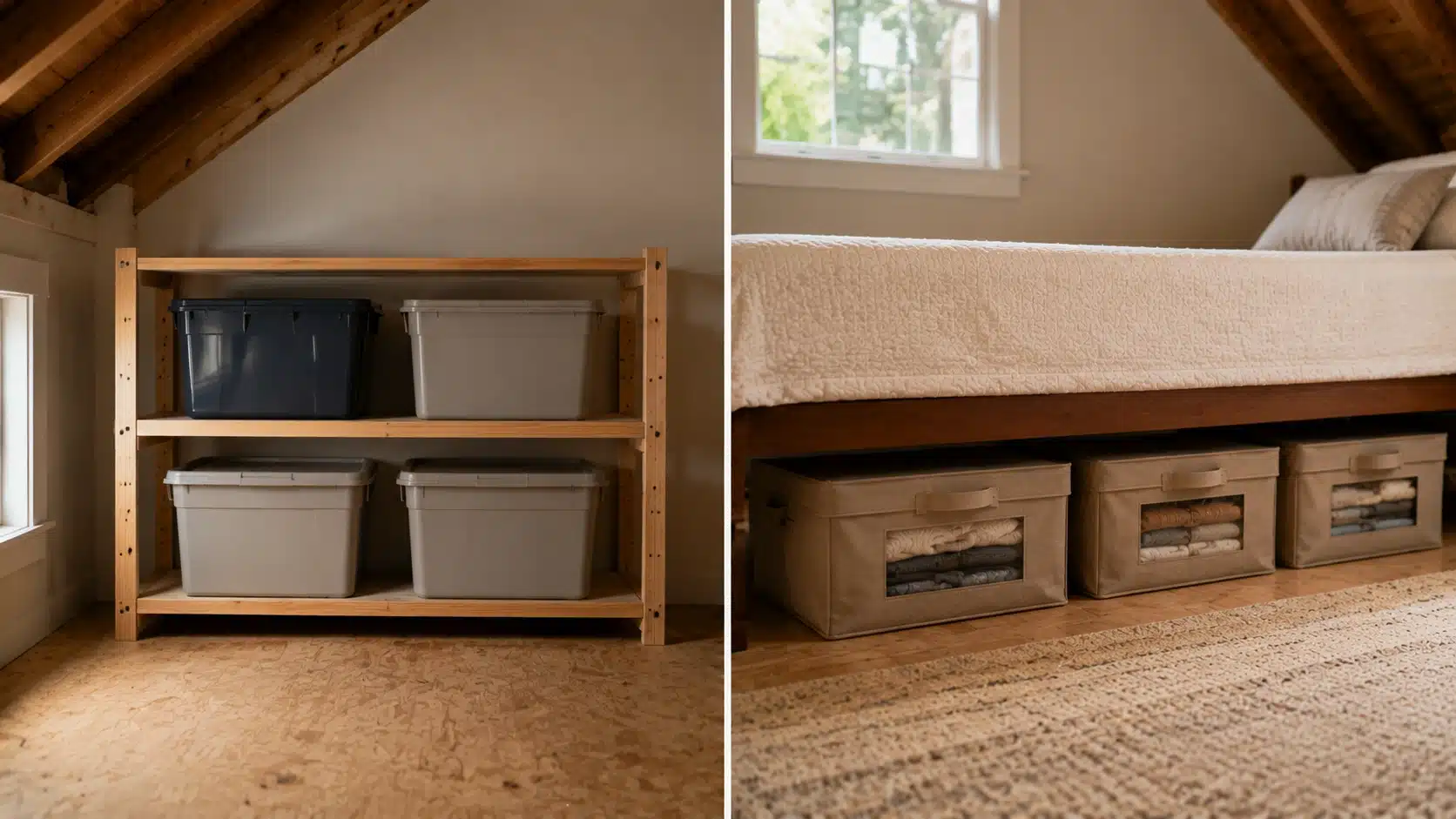
Cluttered storage boxes, closets, garages, and attics are exactly the kind of undisturbed spaces spiders look for.
Switching to sealed plastic bins instead of cardboard, keeping boxes away from walls, and clearing out unused storage areas every few months removes the hiding spots before spiders can settle in.
4. Control Other Insects in Your Home
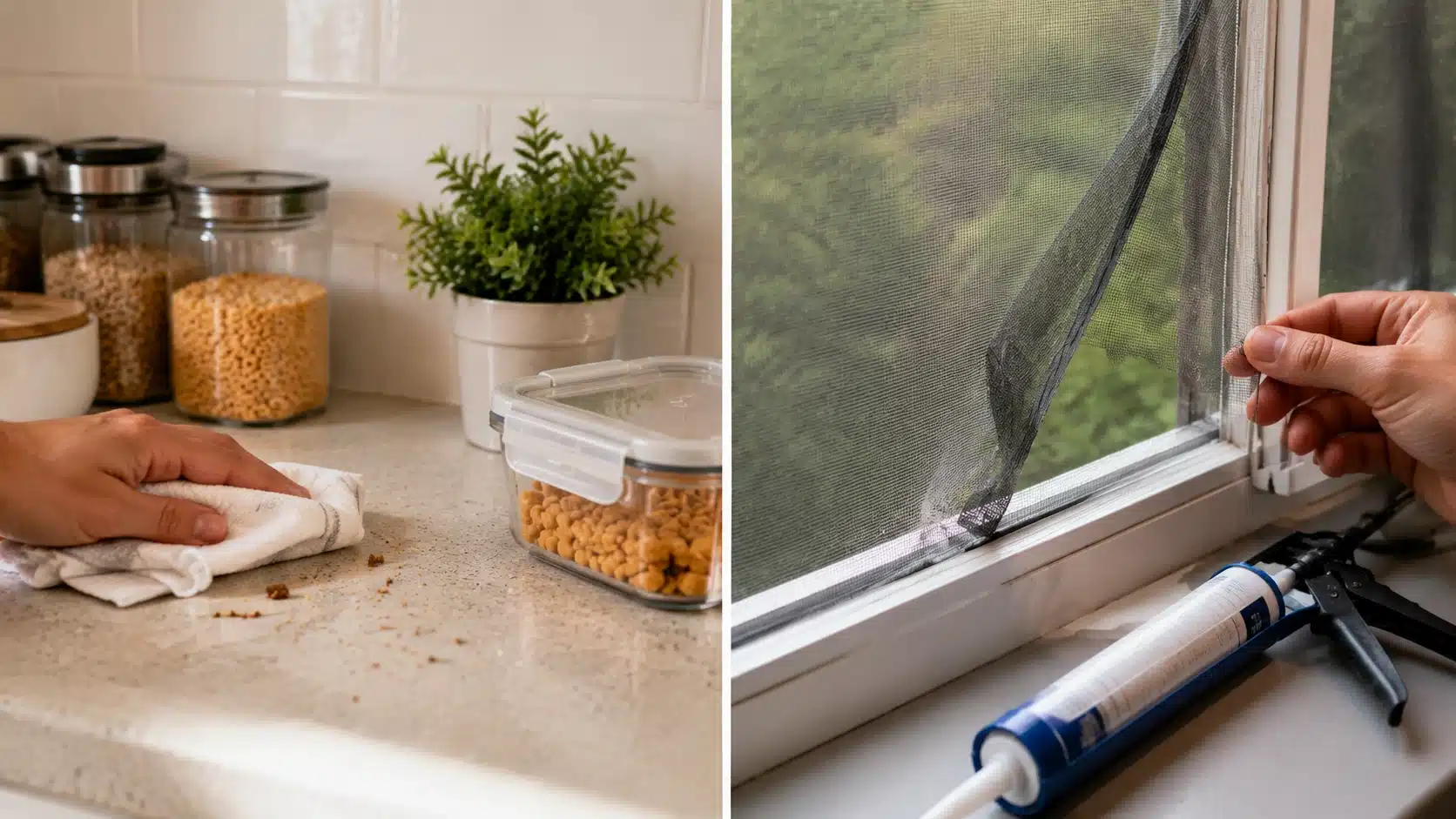
Since spiders follow their food source, managing other bugs indirectly manages your spider problem.
Fixing leaky faucets, keeping food sealed in containers, wiping up crumbs promptly, and repairing torn insect screens all cut down on the prey spiders rely on.
Natural Ways to Repel Spiders
Natural repellents won’t solve an entry point or clutter problem on their own, but they add a useful extra layer once the basics above are already in place.
Most work by using scents spiders find overwhelming to their sensory hairs, which makes them avoid treated areas.
1. Peppermint Oil Spray

Peppermint oil spray is one of the most commonly recommended natural deterrents.
- Mix roughly 15 to 20 drops of peppermint essential oil with water in a spray bottle and apply it around windowsills, doorframes, and corners where spiders tend to appear.
- Reapply every one to two weeks, since the scent fades over time. It’s worth noting that essential oils work best as one part of a broader prevention routine rather than a stand-alone fix.
2. Vinegar Spray
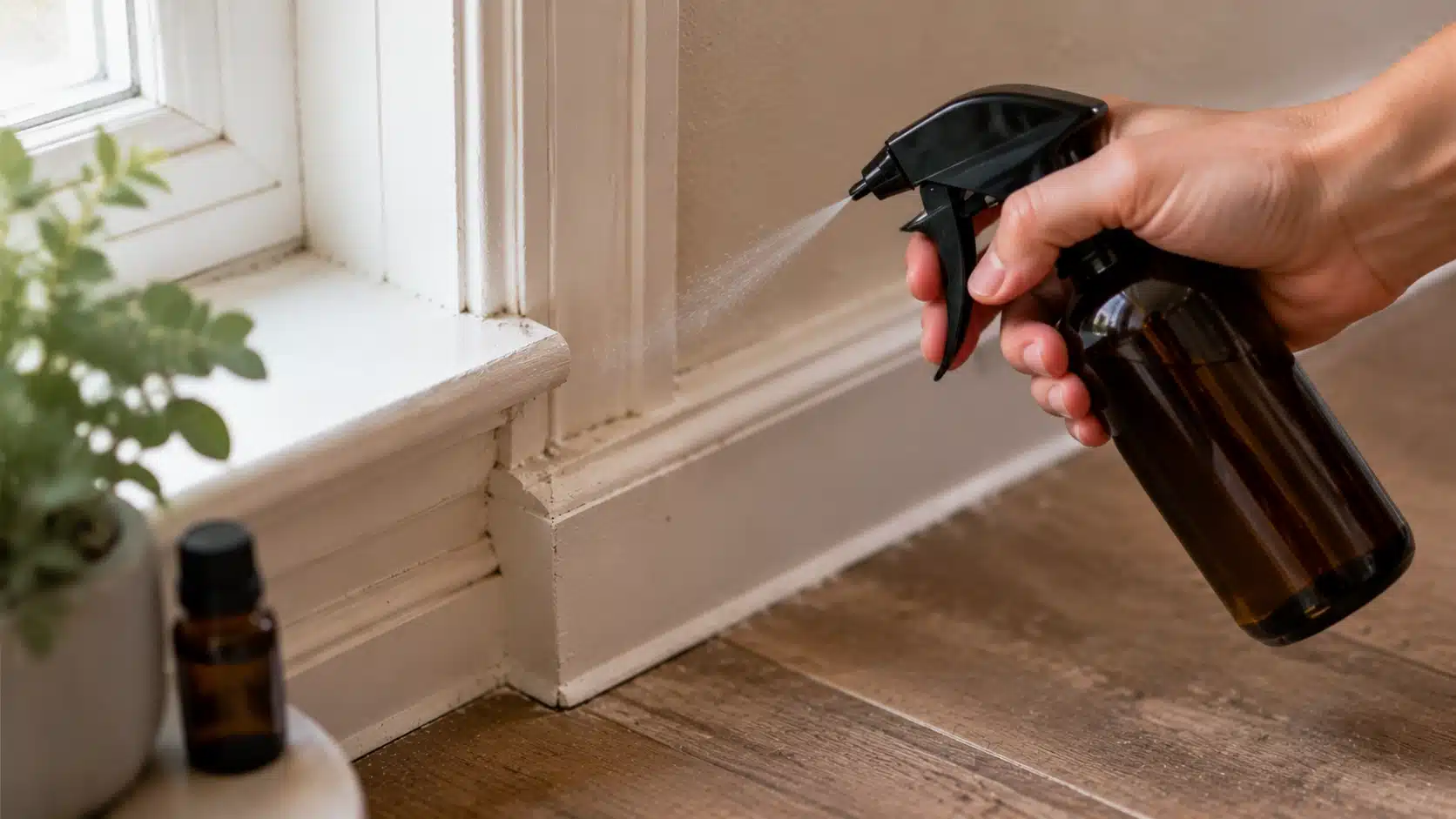
Vinegar spray is another popular option. A mixture of equal parts white vinegar and water, applied to entry points and corners, is commonly used as a spider deterrent.
However, results can vary depending on the spider species and how consistently it’s applied. Avoid spraying vinegar directly on wood finishes or delicate surfaces, since it can cause discoloration.
3. Other Spider-Repelling Scents

Other scents spiders tend to avoid include cedar, citrus, eucalyptus, lavender or lavender seeds, and tea tree oil. Cedar blocks in closets, citrus peels near entry points, or a diluted essential oil spray can all add another layer of deterrence.
A safety note worth remembering: keep essential oils away from cats in particular, since several common oils, including tea tree, can be harmful to them even in small amounts.
How to Keep Spiders Out of Specific Areas

Different rooms create different conditions, so the fix that works in a damp basement isn’t the same one that works in a cluttered garage. Here’s what to focus on room by room.
- Bedroom: Check ceiling corners and the space behind headboards regularly, and keep the bed frame a few inches from the wall to reduce web-building spots.
- Basement: Basements combine two things spiders love: humidity and clutter. A dehumidifier, along with clearing stored boxes away from walls and sealing foundation gaps, makes a noticeable difference.
- Garage: Garages tend to collect both insects and undisturbed storage, making them a common entry point into the rest of the house; organizing shelving, cleaning corners, and controlling nearby insects all help.
- Bathroom: Moisture-loving spiders are drawn to bathrooms specifically. Fixing leaks, improving ventilation with a fan or cracked window, and reducing standing water cuts down on their appeal.
Once each room’s specific triggers, whether that’s moisture, clutter, or leftover insects, are under control, spiders lose the exact conditions that drew them there in the first place.
How to Prevent Spiders Outside Your Home
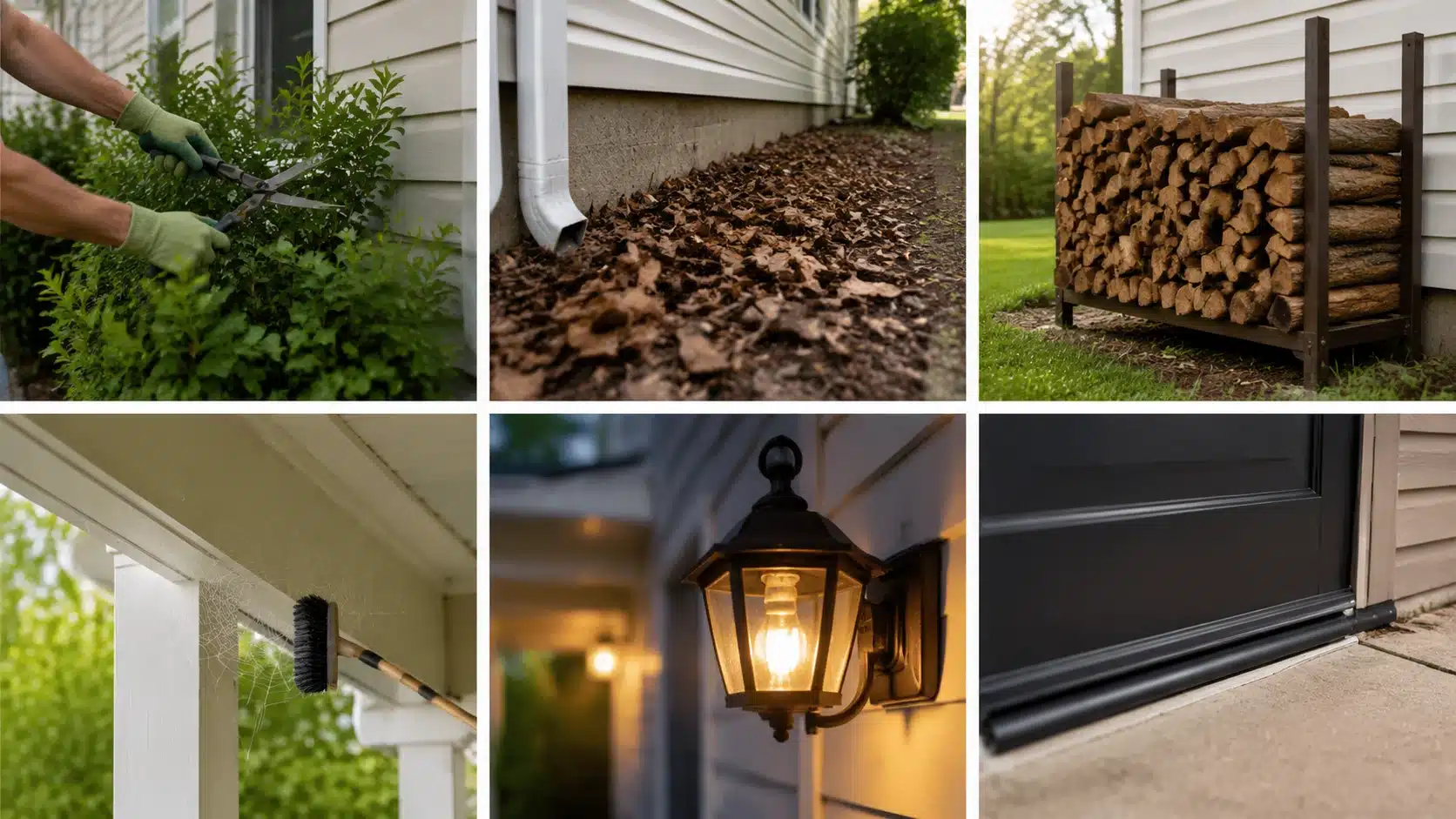
Prevention doesn’t stop at your front door. Spiders build up outside first, then work their way in, so tackling the exterior cuts off the problem before it ever reaches your walls.
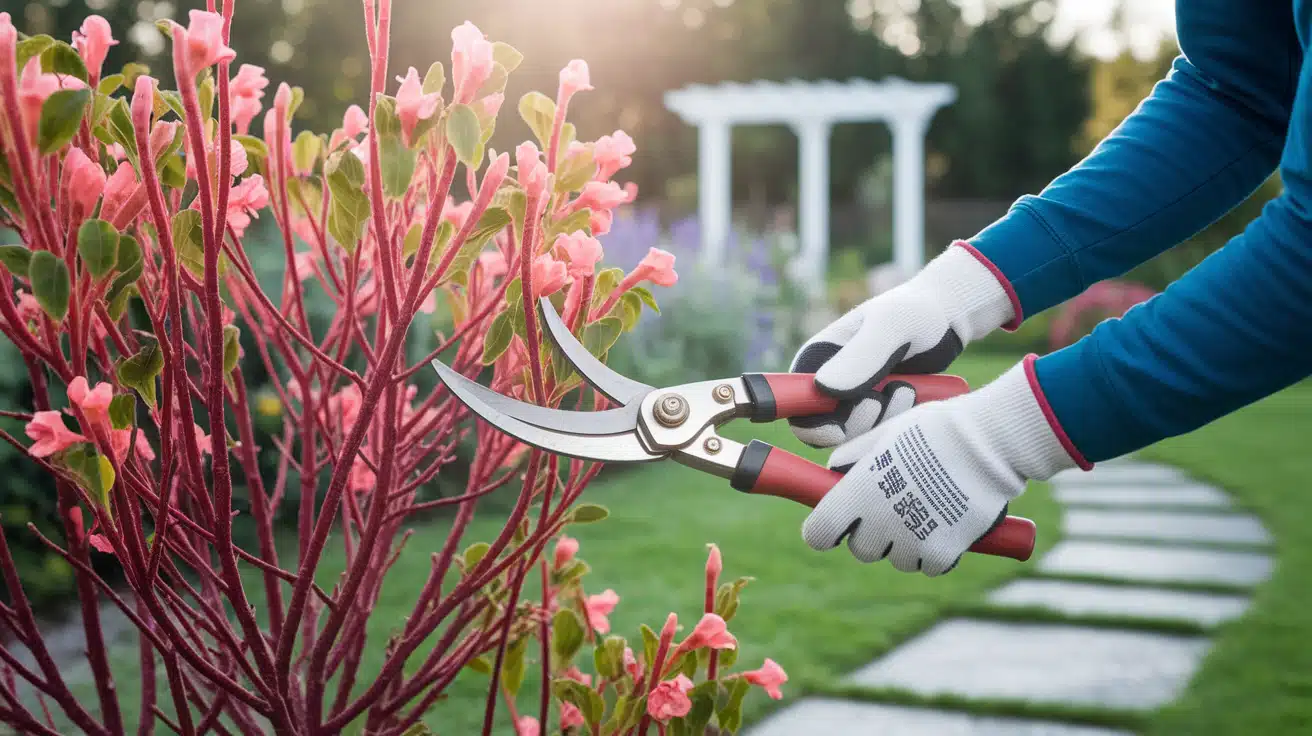
- Trim plants and bushes back from exterior walls. Overgrown greenery touching the siding acts as a bridge spiders use to reach windows and doors.
- Clear leaf piles near the foundation. Damp leaf litter is a favorite hiding spot for both spiders and the insects they eat.
- Store firewood away from the house instead of stacking it against an exterior wall, since woodpiles are prime real estate for spiders.
- Clean outdoor webs regularly, especially around porches, eaves, and window frames, so spiders don’t get a chance to settle in.
- Reduce outdoor lighting near entrances, or switch to yellow bug lights, since bright white lights draw in the flying insects spiders feed on.
- Check window screens and door sweeps from the outside for gaps, since these are the same entry points spiders use once they’re already close to the house.
Working through these outdoor steps alongside the indoor prevention tips above closes off both directions of the problem at once.
Spiders lose their food source, their shelter, and their easiest way inside, which means fewer sightings and far less reason for them to come back.
When Should You Call Pest Control for Spiders?
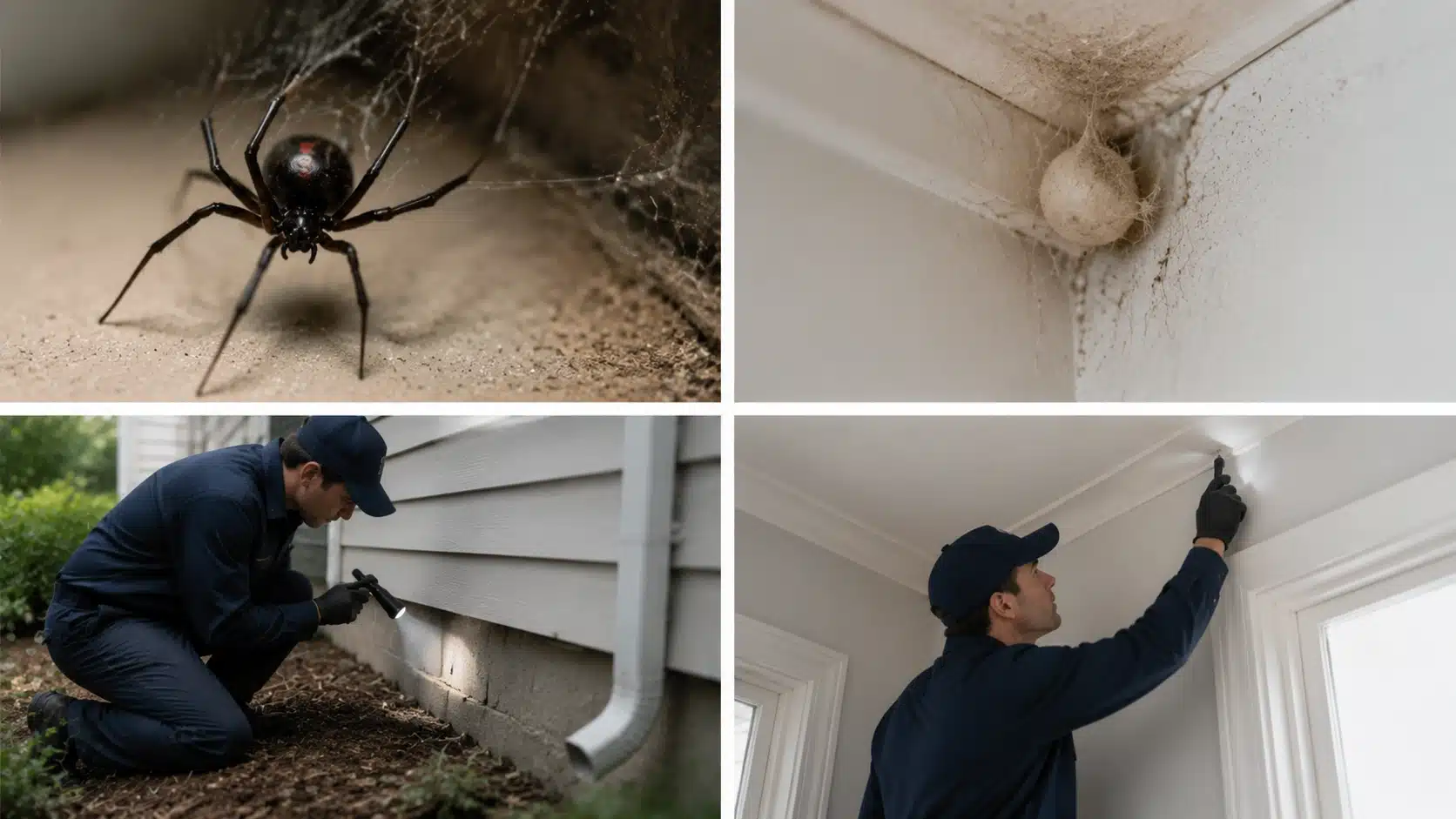
Spider problems at home can be handled with the steps above. But some situations call for professional help.
A few signs it’s time to bring in a licensed pest control provider:
- Frequent sightings despite consistent cleaning
- Multiple egg sacs appearing indoors
- Confirmed dangerous species like black widows or brown recluses
- A large outdoor infestation near the home
- Spiders returning shortly after you’ve already sealed and treated the space
A professional inspection typically covers:
- Entry points around the foundation and roofline
- Current insect activity that may be drawing spiders in
- Active nesting areas indoors
- Exterior conditions like woodpiles or vegetation that could be contributing to the problem
Frequently Asked Questions About Getting Rid of Spiders
How Do I Get Rid of Spiders Quickly?
Focus first on what’s visible: a vacuum handles spiders, webs, and egg sacs in one pass. Pair that with tidying a couple of cluttered corners for a noticeable same-day difference.
What Smell Do Spiders Hate?
Strong, sharp scents throw off a spider’s sensory hairs. Peppermint and citrus are the most reached-for options, though cedar and eucalyptus work as easy alternatives around the house.
How Do I Stop Spiders From Coming Back?
Consistency matters more than any single fix. A quarterly check of window seals, door gaps, and storage areas keeps new spiders from settling in as old habits slip.
Does Vinegar Really Keep Spiders Away?
It can help temporarily, but don’t expect it to hold up alone. Pair a vinegar spray with the cleaning and sealing steps above for a result that actually lasts.
Winning the Long Game Against Spiders
A spider-free home isn’t the result of one treatment. It comes from stacking small habits like sealing the gaps spiders crawl through, clearing the clutter and insects that draw them in, and leaning on natural deterrents to cover the rest.
Work the indoor and outdoor steps together, and revisit them each season as conditions shift. If spiders keep returning anyway, that’s your cue to call in professional help.