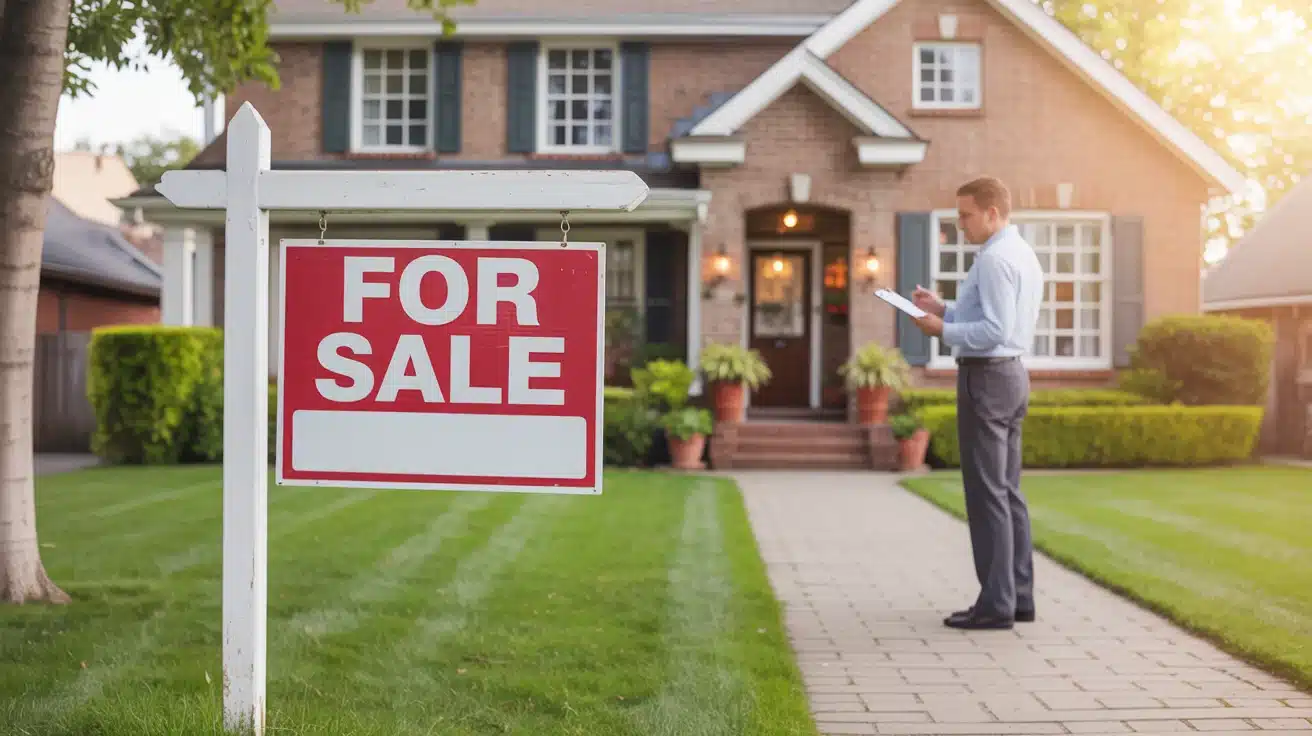

How long does it take to sell a house? Plan for 3 to 5 months from listing to closing, though some homes sell in weeks and others take almost a year.
The gap comes down to pricing, location, buyer financing, and chain delays.
In my years working with property investors and homebuyers, I’ve seen well-prepared sellers close in under two months while unprepared ones drag past six.
This blog breaks down the full US house-selling timeline stage by stage, so you know where time gets lost, what speeds things up, and what mistakes cost sellers the most time.
Average Time It Takes to Sell a House in the US
The average time to sell a house in the US sits between 55 and 70 days from listing to closing. But that number only tells part of the story.
Here’s how the timeline actually breaks down:
- Days on market (listing to offer accepted): 14 to 30 days in a strong market; 45 to 90+ days in a slower one
- Closing process (offer to close): 30 to 60 days
- Prep work before listing: 1 to 4 weeks
Add up prep, listing, negotiation, and closing, and the total runs 3 to 5 months from start to finish.
| Sale Type | Typical Timeframe |
|---|---|
| Cash buyer / chain-free | 2–3 weeks |
| Standard financed sale | 45–75 days after offer |
| Complex or contingency sale | 4–6+ months |
| Slow market / overpriced home | 6–12+ months |
Step-by-Step Timeline of Selling a House in the US
A step-by-step timeline for selling a house in the US covers listing preparation, pricing, marketing, showings, negotiations, inspections, the closing process, and the final transfer of ownership for a smooth transaction.
Step 1: Preparing the Property (1–4 Weeks)
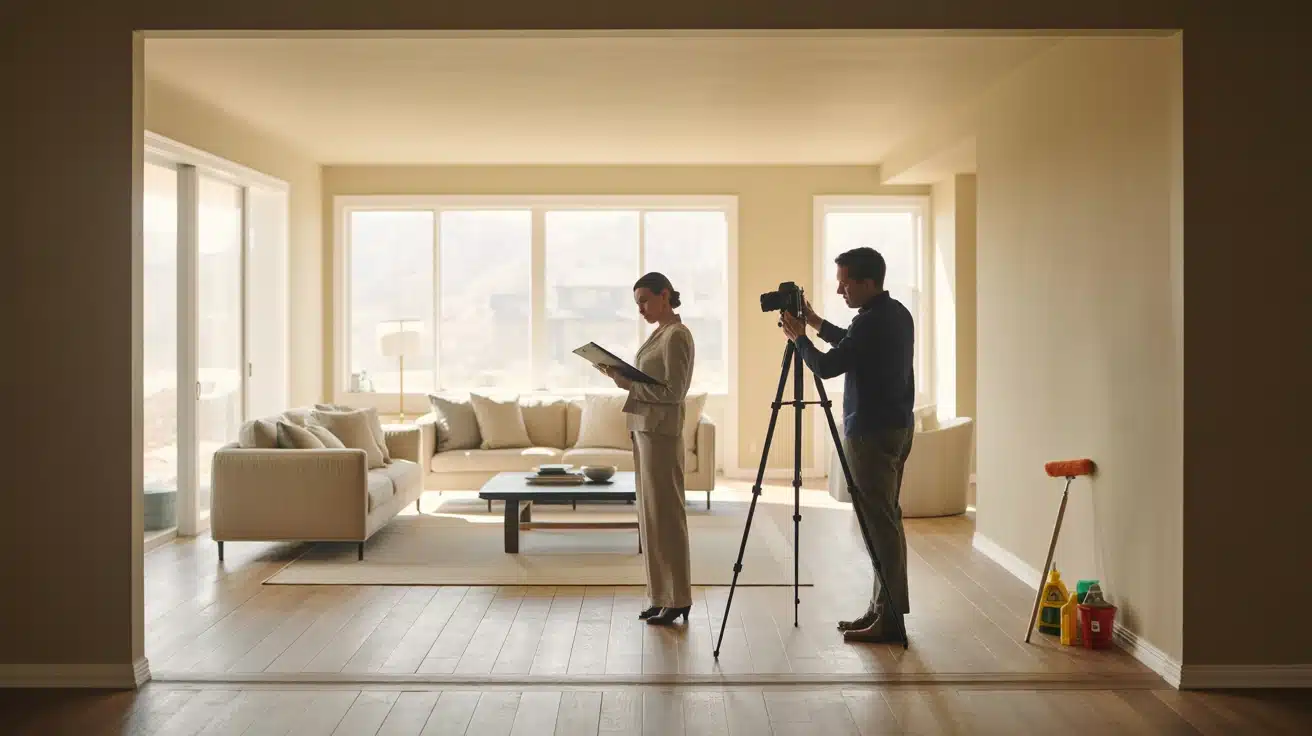
This is the phase most sellers rush, but skipping preparation often creates delays later.
Before listing, choose an agent, make key repairs, stage the home, take professional photos, and gather title, HOA, and disclosure documents.
Small upgrades that boost curb appeal, like a refreshed driveway, often pay off just as much as interior staging.
Sellers who skip these steps often face renegotiations after the buyer’s inspection. Those unexpected issues can slow the process and add an extra 1 to 3 weeks before the sale moves forward.
Pro Tip: Homes with professional photography sell up to 32% faster, according to data from the National Association of Realtors.
Step 2: Listing to Receiving an Offer (2–8 Weeks)
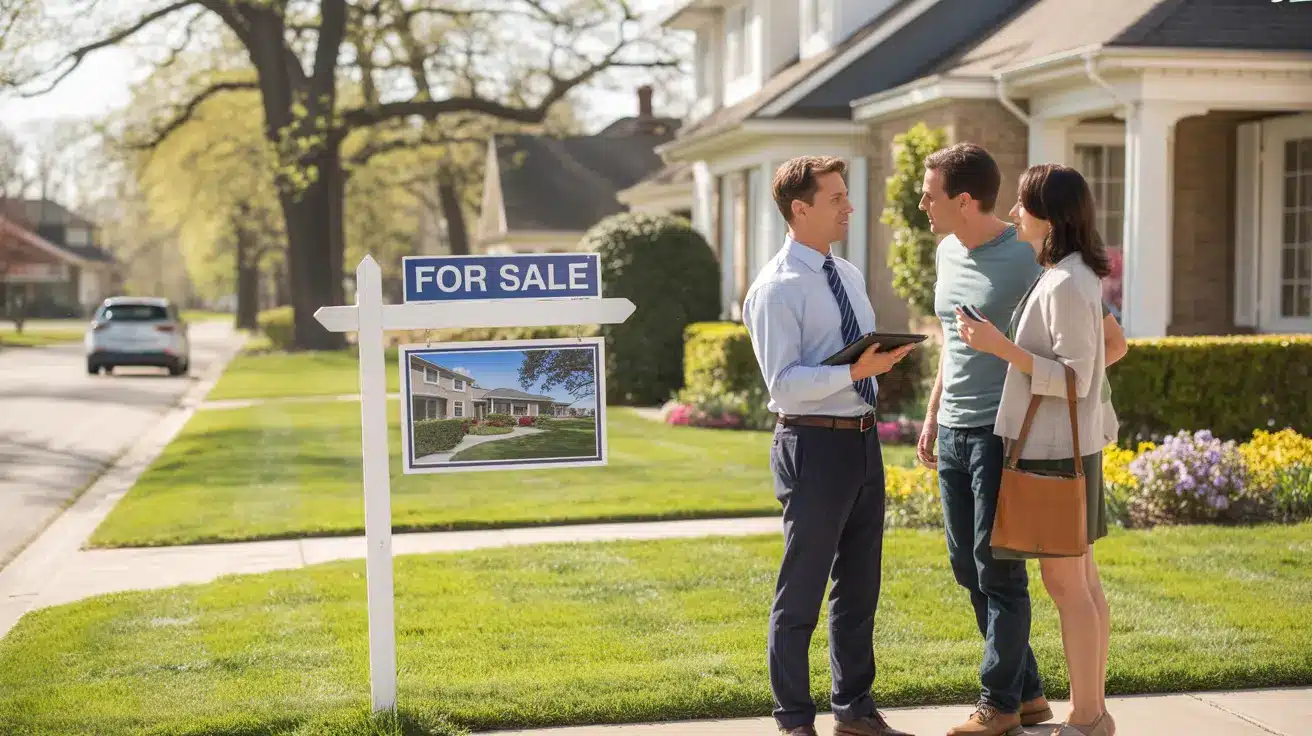
Once your home is live, the waiting period begins. How quickly you receive an offer depends on several factors, including pricing, property type, location, and market conditions.
Pricing accuracy is one of the biggest factors affecting how quickly a home sells.
An overpriced property may sit longer, while a correctly priced home is more likely to attract serious buyers.
Property type, location, and season can affect how quickly a home sells.
In stronger markets, homes may receive offers within days, while slower markets can see average listing times stretch to several weeks.
Step 3: Offer Accepted to Sale Agreed (3–7 Days)

Once a buyer makes an offer, the negotiation phase begins. This stage is usually brief but plays an important role in determining the final terms of the sale.
You review the offer, negotiate changes such as price, closing date, or contingencies, and once both parties agree, you sign a Purchase and Sale Agreement. Your agent then confirms the agreement with both sides.
Most negotiations are completed within 3 to 7 days. However, deals involving multiple offers, detailed terms, or additional conditions may take longer and can extend up to 2 weeks.
Step 4: Contract to Closing: The Escrow Phase (30–60 Days)

This is where most of the time goes. After the contract is signed, the following happens simultaneously:
- Buyer’s home inspection (usually within 7–10 days of contract)
- Appraisal ordered by lender (takes 1–2 weeks to schedule and complete)
- Title search and title insurance, which checks for liens, easements, and property covenants that could delay closing.
- Mortgage underwriting (the most common source of delays)
- HOA document review (if applicable)
- Local government/utility searches
Third-party lenders, appraisers, title companies, and attorneys can slow the process. Underwriting or a low appraisal may add several weeks.
Contingent sales like this are one of the most common causes of closing delays, according to the National Association of Realtors’ Realtors Confidence Index.
Step 5: Final Walk-Through to Closing Day (1–3 Days)
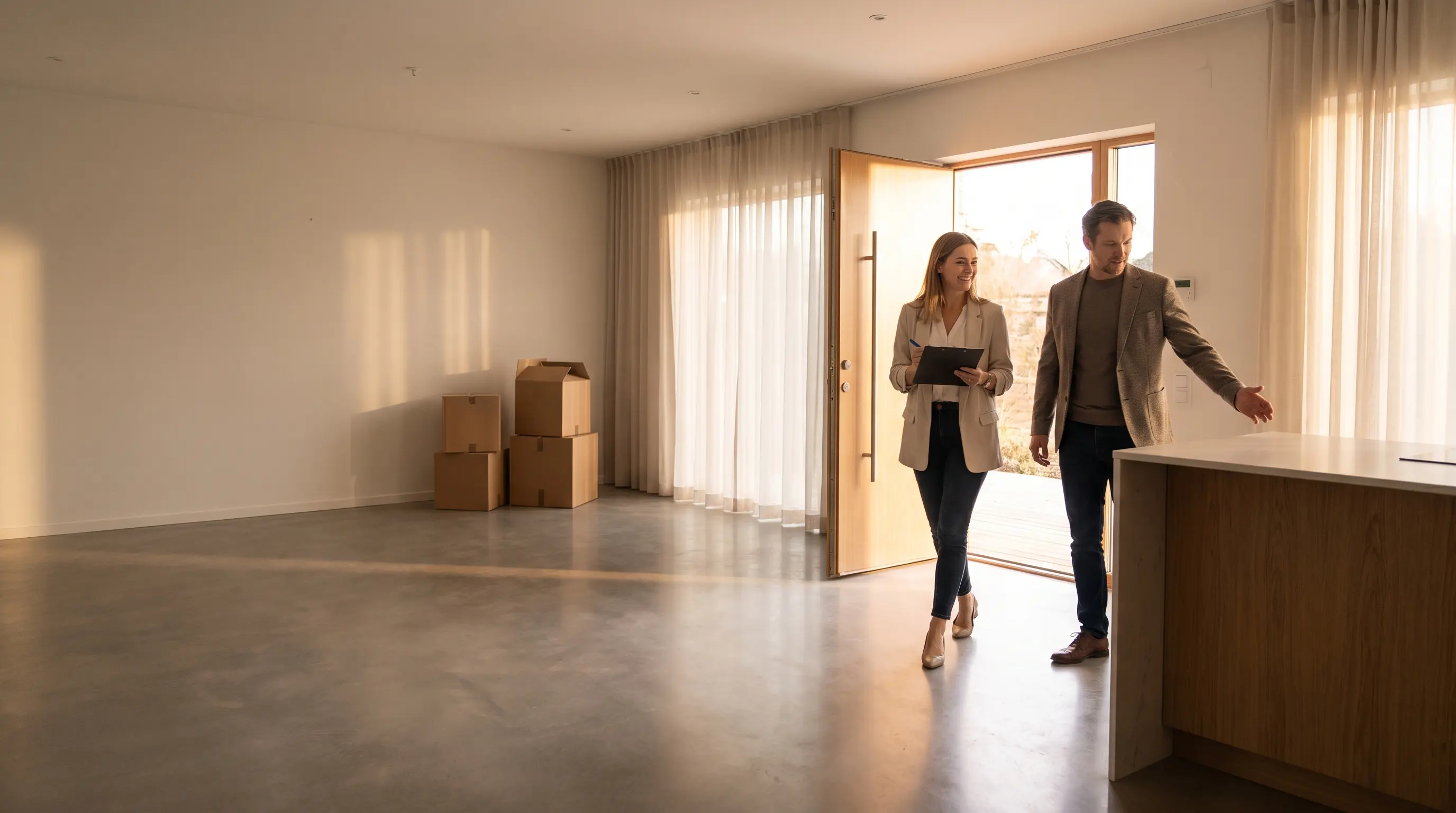
The buyer usually completes a final walk-through about 24 hours before closing, working through a checklist of key things to inspect one last time, while both parties review the Closing Disclosure, which the law requires to be provided three days before closing.
The buyer then wires the funds, signs documents at the title company or attorney’s office, ownership transfers, and the keys are handed over.
Closing day typically takes 1 to 2 hours, but last-minute issues like funding delays, title problems, or walk-through concerns can delay the process by several days, often pushing the closing date back by 1 to 7 days.
Key Factors Affecting Your Home’s Selling Time
It depends on pricing strategy, local market demand, property condition, seasonal trends, location, and how effectively it is marketed.
1. Property Factors
- Home type: Single-family homes sell faster than condos or multi-family properties in most US markets
- Condition: Move-in-ready homes sell 15 to 20% faster than homes needing work. Fixer-uppers spend a bit longer on the market: a median of 53 days versus 50.5 days for comparable move-in-ready homes, per Hippo Insurance survey data.
- Pricing accuracy: Overpricing is the biggest cause of delays, with overpriced homes often taking two to four times longer to sell.
2. Market Conditions
- Seasonality: March through June is peak season. November through January is the slowest period
- Interest rates: Higher rates reduce buyer purchasing power and slow demand
- Local inventory: Low inventory means faster sales; high inventory gives buyers more time and leverage
3. Chain Complexity
- First-time buyer: Fastest, no property to sell
- Standard chain sale: Moderate delays
- Probate sale: The slowest; can add 3 to 6 months to the process
4. Legal and Financial Delays
- Mortgage approval issues (credit changes, job loss, debt increases)
- Low appraisals triggering renegotiation
- Title defects or liens discovered during the search
- HOA disputes or missing documents
How to Sell a House Faster in the US
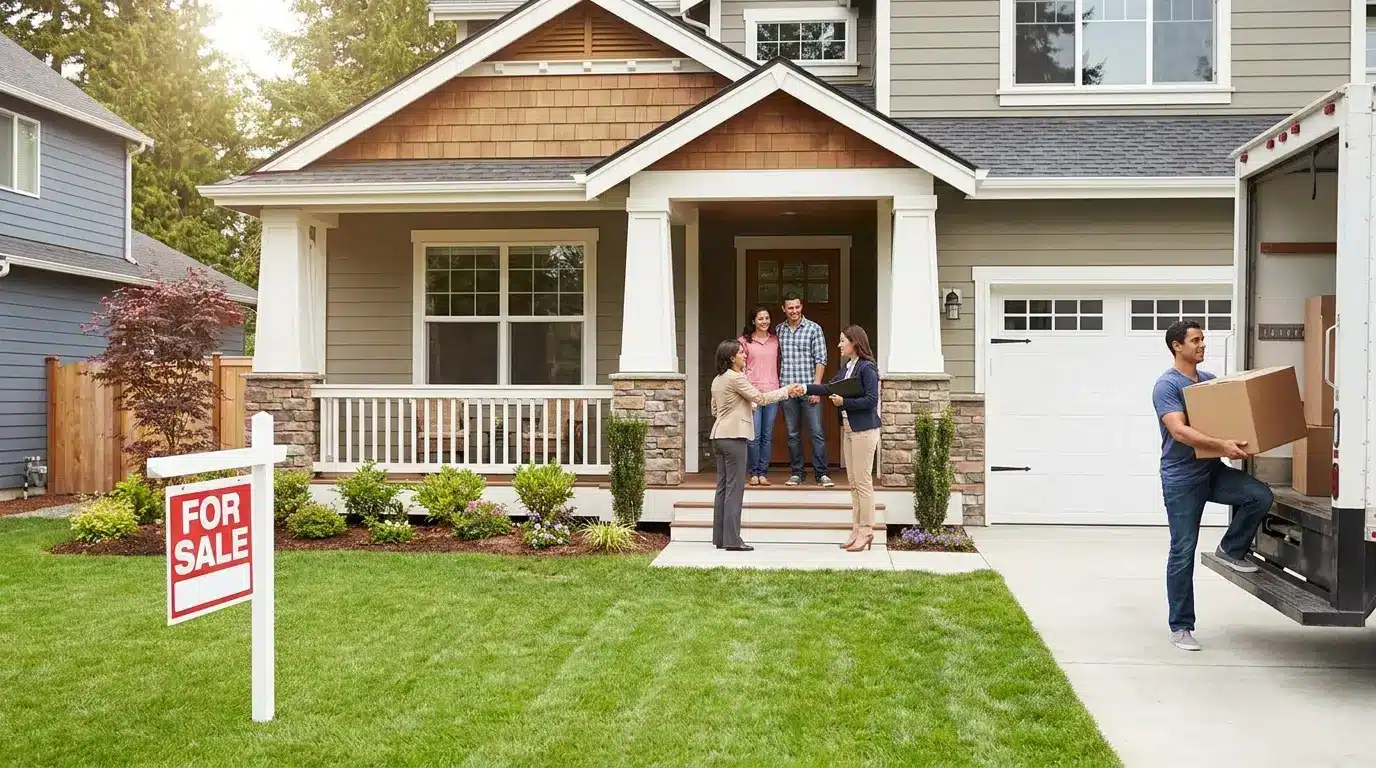
While you can’t always control the market, focusing on these factors can make a big difference:
- Price it right from day one: Work with your agent to pull recent comparable sales (comps) from the past 90 days. A correctly priced home generates more offers and sells faster
- Hire skilled Agents: Hireagents with strong local track records to sell homes faster and closer to the asking price
- Get legal paperwork ready early: Hire a real estate attorney or title company before you even list. Early preparation cuts 1 to 2 weeks off the closing process
- Consider pre-listing inspections: fixing known issues before listing, which removes buyer leverage and prevents post-inspection delays
- Target spring listing dates: homes listed between March and May consistently sell faster and at higher prices than those listed in fall or winter
- Be flexible on closing dates: Buyers sometimes choose a seller who accommodates their timeline over one offering a slightly better price
Common Mistakes That Delay House Sales
These are the errors that add weeks, sometimes months, to a sale:
- Overpricing the home: Overpricing is a costly mistake. Homes priced too high often sit on the market longer, require price cuts, and may eventually sell below market value as buyer interest declines.
- Waiting too long to accept offers: Holding out for a higher offer is a gamble. In a shifting market, the first offer is often the best one. Delaying a response gives buyers time to find other properties.
- Poor communication with your agent or attorney: Slow responses to document requests or decisions can delay the closing process. Even a 24–48-hour delay may push the closing date back by several days.
- Not preparing documents in advance: Delaying the collection of HOA records, permits, tax records, and title documents can unnecessarily extend the closing process by one to three weeks.
- Making emotional decisions: Selling a home is emotional, but decisions should stay practical. Letting emotions influence pricing or negotiations can drive buyers away, even if they love the property.
Wrapping It Up
So how long does it take to sell a house? Plan for 3 to 5 months from start to finish: 1 to 4 weeks of prep, 2 to 8 weeks on the market, and 30 to 60 days in escrow.
Add 4 to 8 weeks for a chain, contingency, or slow market. Sellers who move fastest prepare early, price accurately, and stay responsive.
Line up your agent and title company before you list, and set expectations based on your local market, not national averages.
Every seller’s timeline looks a little different. What’s shaping yours?
Frequently Asked Questions
How Much Would a Real Estate Agent Make on a $300,000 House?
An agent may earn about $2,500–$6,000 on a $300,000 home, depending on the agreed commission and split.
How Many Times Will My House Be Shown Before It Sells?
Most homes need about 10–25 showings, though strong buyer interest can lead to a faster sale with fewer visits overall.
How Long Does the Home Inspection Itself Take?
A home inspection usually takes 2–4 hours on-site, with the full report typically ready within one or two days.
Can I Sell My House Without a Real Estate Agent?
Yes, about 5% of sellers go FSBO, skipping commissions but handling marketing and paperwork themselves.
What’s the Fastest Way to Sell a House?
A cash or iBuyer offer is often the fastest, with closing possible in 7–14 days and less listing preparation, paperwork, and fewer delays.