
There’s something instantly uplifting about spotting a flash of color or hearing a bright morning song outside your window.
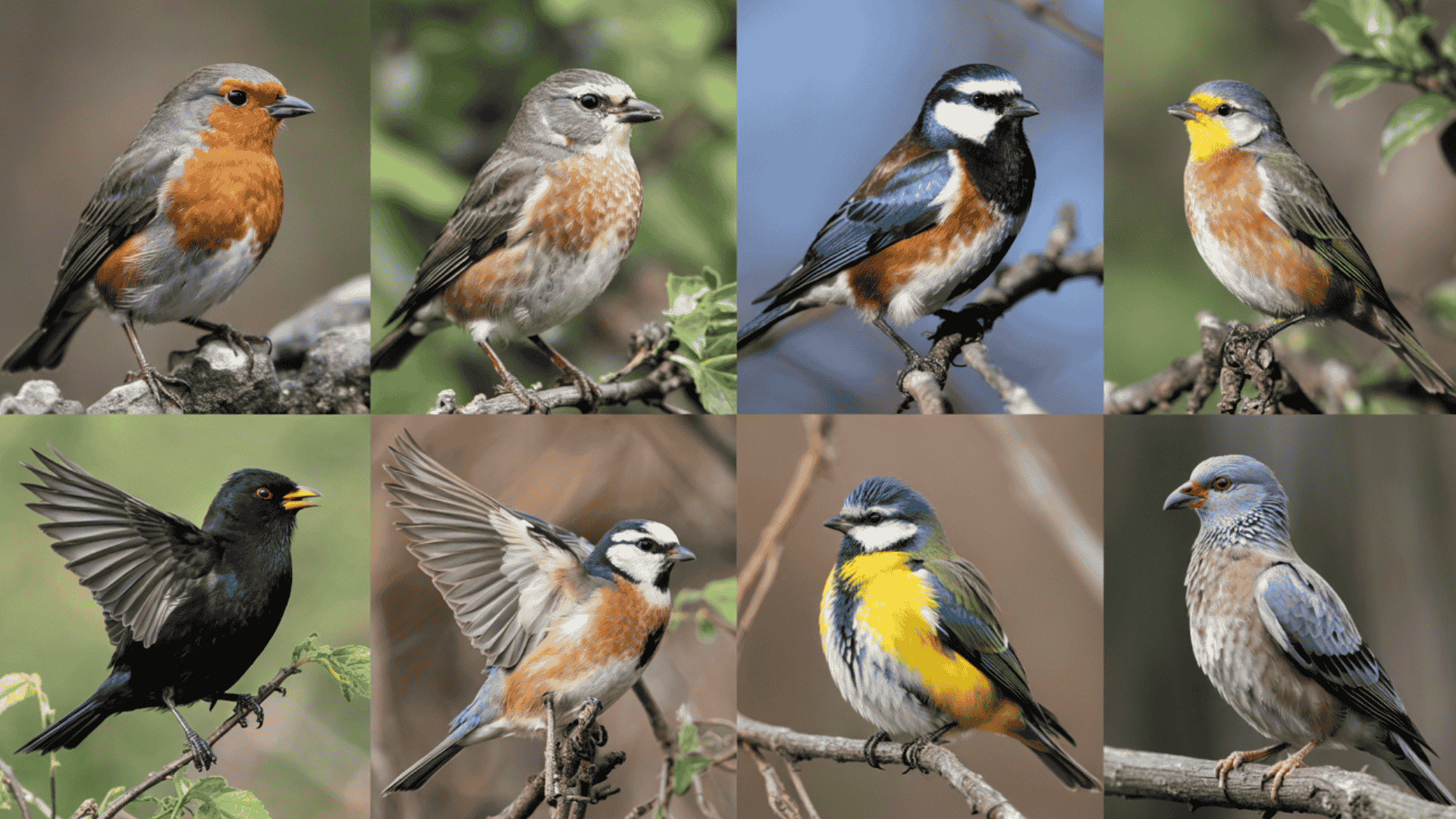
British garden birds bring life and charm to even the quietest corners of a garden, and learning to identify them makes every outdoor moment feel richer.
Whether you’re drawn to the fiery chest of a robin or the acrobatic energy of a blue tit, these garden birds offer endless fascination for anyone willing to pause and observe.
This article breaks down the most common British garden birds, highlighting what makes each species unique, how they behave, and the easy clues that help you identify them.
By the end, you’ll be ready to spot these familiar visitors with confidence and enjoy a deeper bond with local wildlife.
What Makes British Garden Birds Unique?
British garden birds are the species most commonly seen in gardens, hedges, and parks across the UK. They help control insects, spread seeds, and bring energy to outdoor spaces.
Learning their traits makes identification easier and gives you a deeper understanding of how each bird behaves and interacts with its environment.
Key things to observe when identifying these birds:
- Plumage: Note colors and patterns on the head, wings, and breast.
- Size: Compare body length to familiar species.
- Sound: Listen for unique songs or call notes.
- Movement: Watch how the bird flies, hops, or perches.
- Feeder behavior: Notice what it eats and how it acts near feeders.
These simple clues help separate similar birds, even during quick sightings or busy garden activity. Binoculars make distant views clearer, and writing down what you notice helps reinforce patterns.
With practice, you’ll quickly identify common British garden birds and enjoy a richer, more satisfying experience whenever you step outside.
17 Common British Garden Birds
British gardens welcome many familiar birds, each bringing distinct colors, songs, and behaviors.
The species below represent the most commonly seen visitors, making identification easier and adding interest to everyday garden moments.
1. Robin
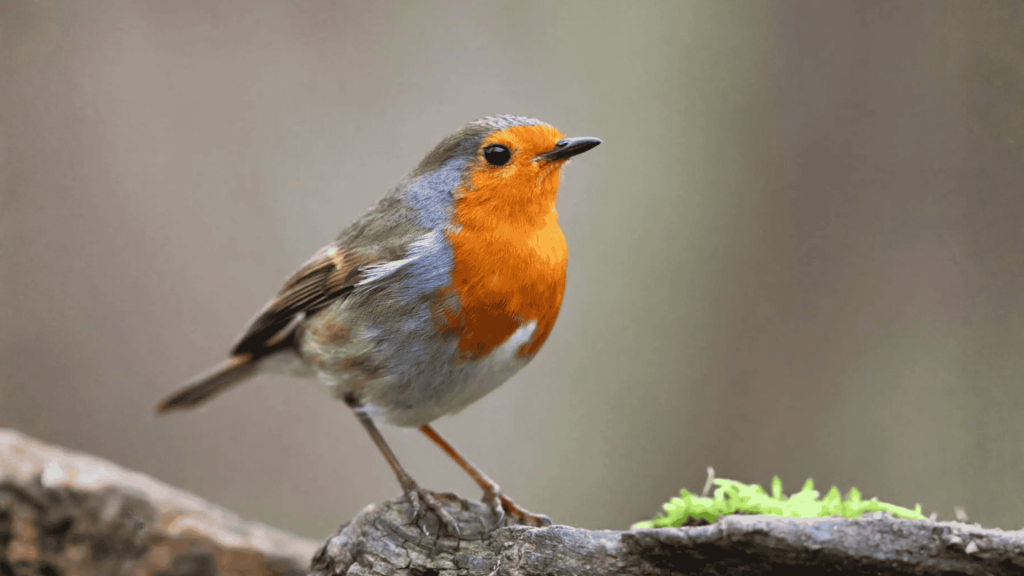
The robin stands out with its bright red-orange breast and warm brown back. These friendly birds hop across beds in search of insects and often follow gardeners closely.
They stay year-round in British gardens and sing cheerful, melodic songs. Mealworms and suet attract them easily, especially during winter.
Size: Small, around 14 cm
Behavior: Bold and curious
Call: Melodious warbling
2. Blue Tit
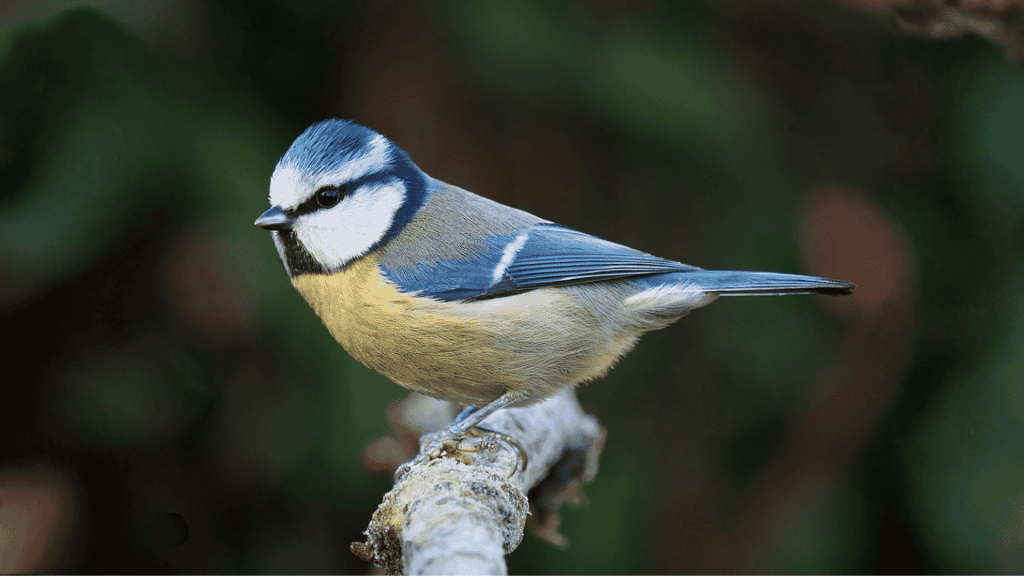
Blue tits show vivid blue, yellow, and green feathers with a distinctive blue crown and white face. They hang acrobatically from feeders and search for insects along branches.
These year-round visitors love seeds and nuts, especially in winter, and bring lively movement to any garden.
Size: 11–12 cm
Behavior: Agile and acrobatic
Diet: Insects, caterpillars, nuts, seeds
3. Great Tit
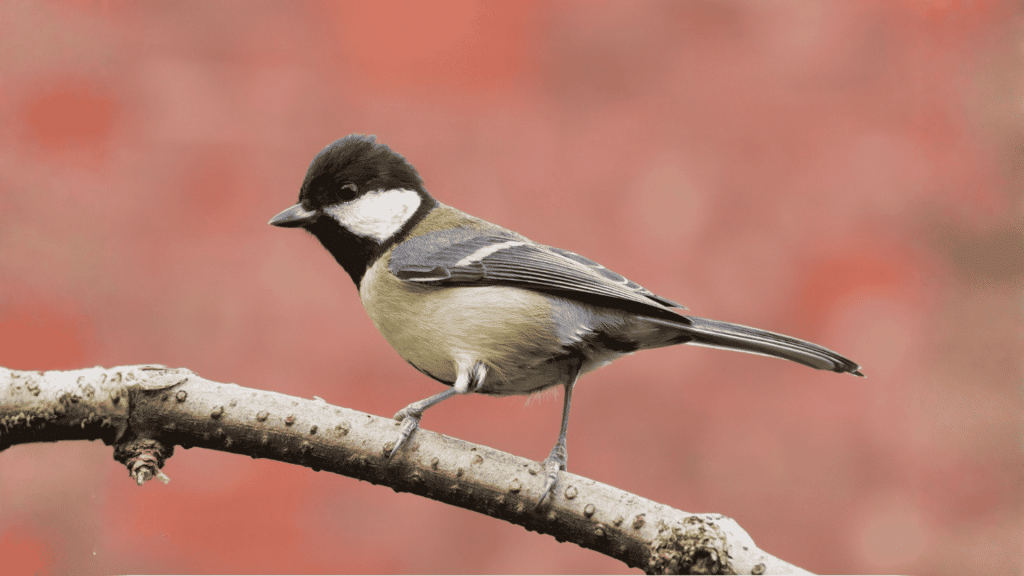
Great tits are larger than blue tits with a bold yellow breast and a black stripe down the center. Their black hair and white cheeks make them easy to identify. They visit feeders confidently and often nest in bird boxes. Their “teacher-teacher” call is unmistakable.
Size: ~14 cm
Behavior: Confident feeders
Nesting: Boxes and tree cavities
4. House Sparrow
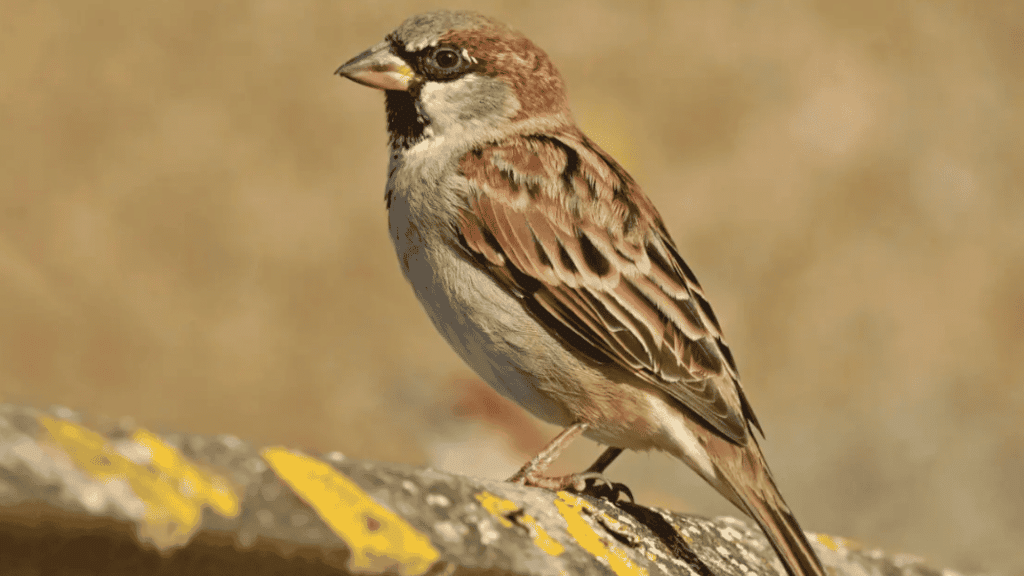
House sparrows have streaky brown plumage and constant chirping that fills hedges and bushes. Males have bold facial markings, while females appear plainer.
They gather in noisy flocks and forage in gardens, cities, and farmland. Declines in population make extra food and shelter especially helpful.
Size: 14–15 cm
Behavior: Social flocking birds
Call: Chirping and chattering
5. Dunnock
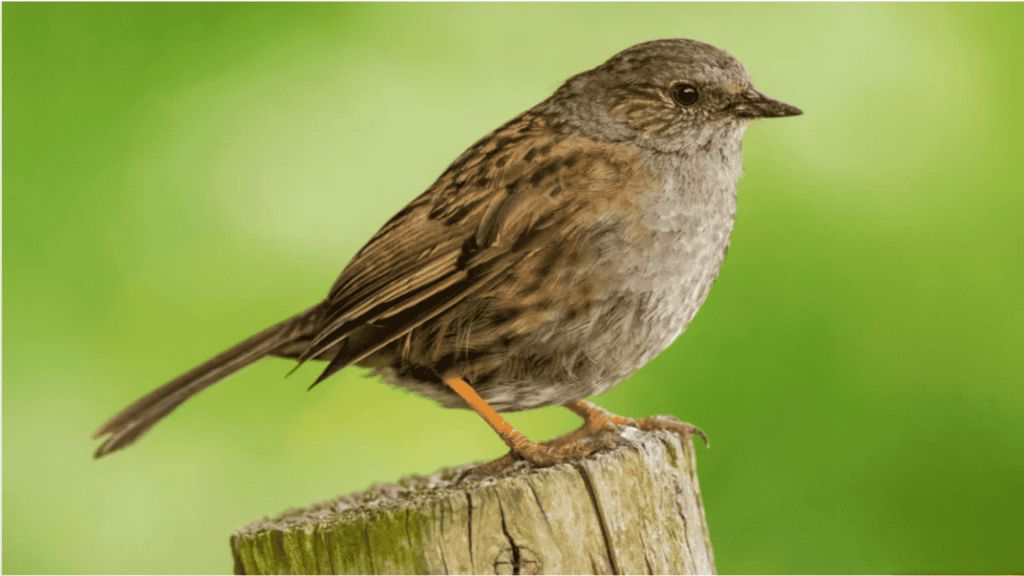
Dunnocks blend into hedges with their brown-grey plumage and subtle streaks. They shuffle quietly along the ground, searching for insects beneath shrubs.
Despite their sparrow-like appearance, they’re unrelated and prefer staying low and hidden. Their presence is often heard before seen, thanks to their gentle songs.
Size: 13–14 cm
Behavior: Ground foragers
Habitat: Hedges and shrubs
6. Blackbird
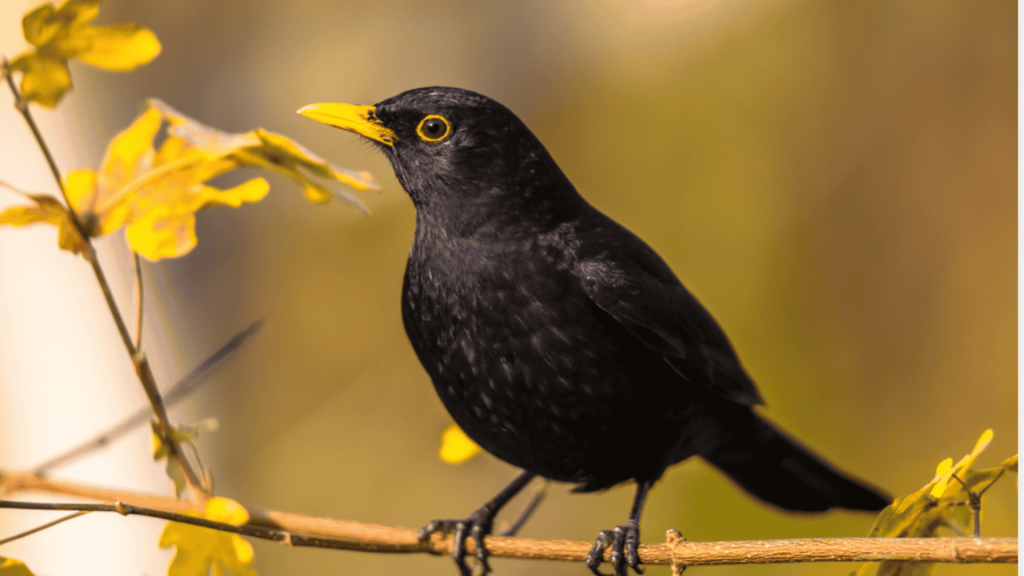
Male blackbirds sport glossy black feathers and bright yellow beaks, while females are brown with mottled breasts. Their melodic dawn songs are a classic sound in British gardens. They forage confidently on lawns for insects, berries, and worms, often turning leaves in search of food.
Size: ~25 cm
Behavior: Ground foragers
Diet: Insects, berries, worms
7. Goldfinch
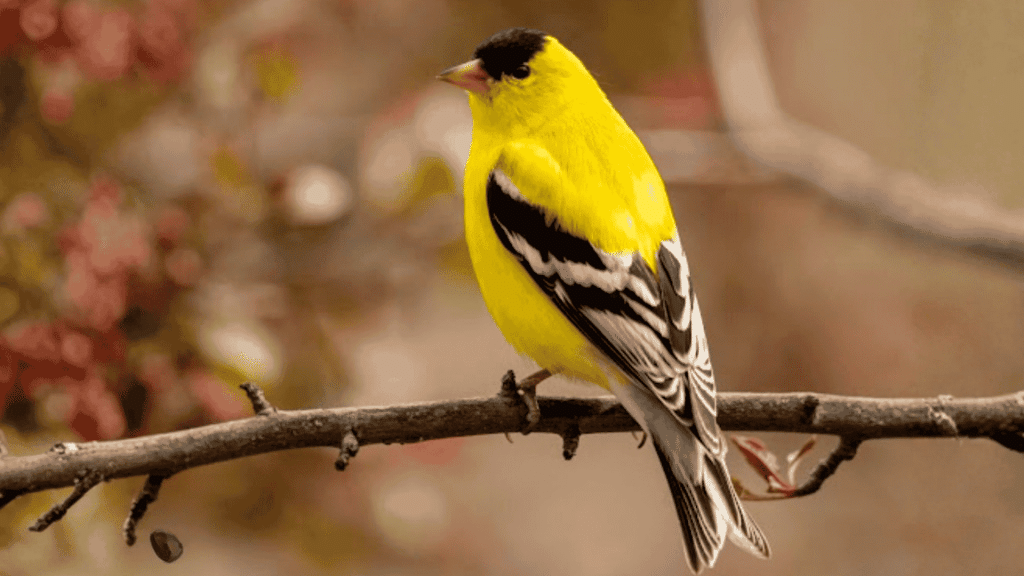
Goldfinches are colorful, with red faces and yellow wing flashes that make them instantly recognizable. They feed on thistle and teasel seeds using their fine, pointed bills. Their musical, tinkling calls brighten gardens, and they often visit feeders in small, lively groups.
Size: 12–13 cm
Behavior: Acrobatic, social
Call: Musical tinkling
8. Chaffinch
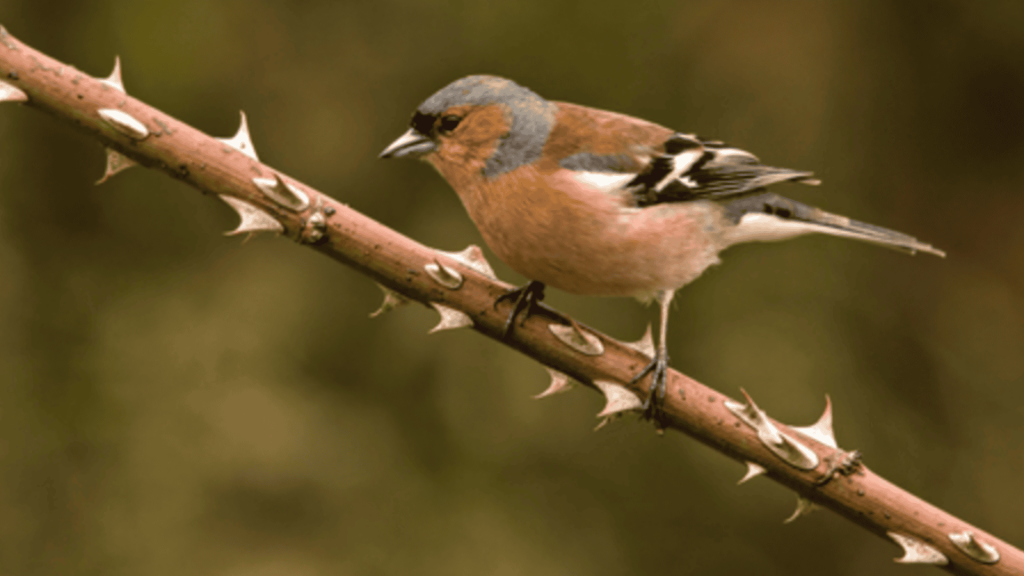
Male chaffinches show reddish underparts and blue-grey heads, while females appear duller. They prefer feeding close to shrubs and hedges, staying partially hidden.
Their bright, rattling songs carry well across gardens. Chaffinches are widespread across the UK and bring color and sound to any outdoor space.
Size: ~15 cm
Behavior: Shy, prefers cover
Diet: Seeds near shrubs
9. Magpie
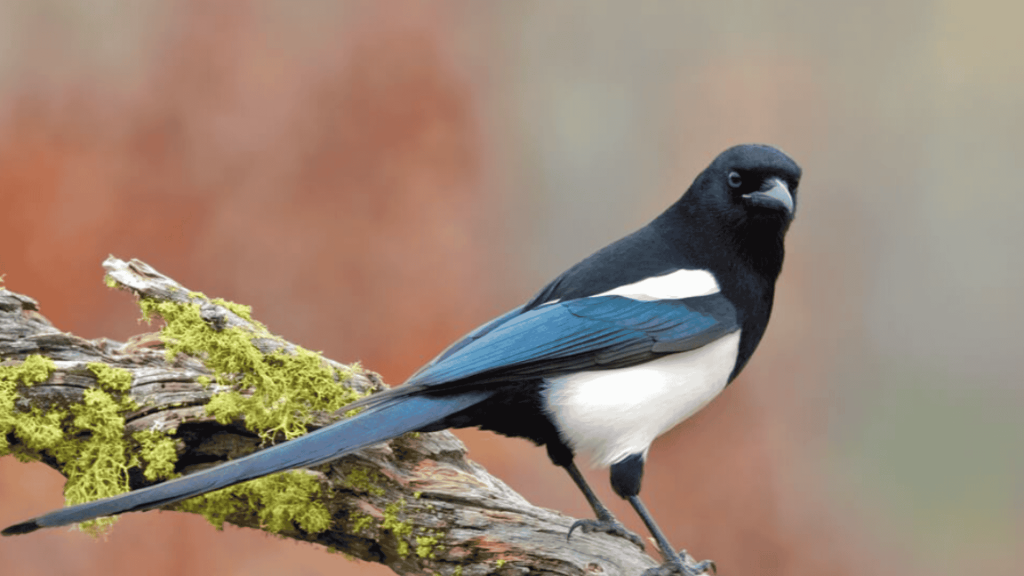
Magpies are striking with bold black-and-white plumage and iridescent blue-green wings. These intelligent birds strut across lawns confidently and call loudly from perches.
Highly adaptable, they thrive in both rural and urban areas. Their problem-solving abilities make them one of Britain’s most fascinating garden visitors.
Size: 44–46 cm
Behavior: Bold and noisy
Call: Rattling chatter
10. Wren
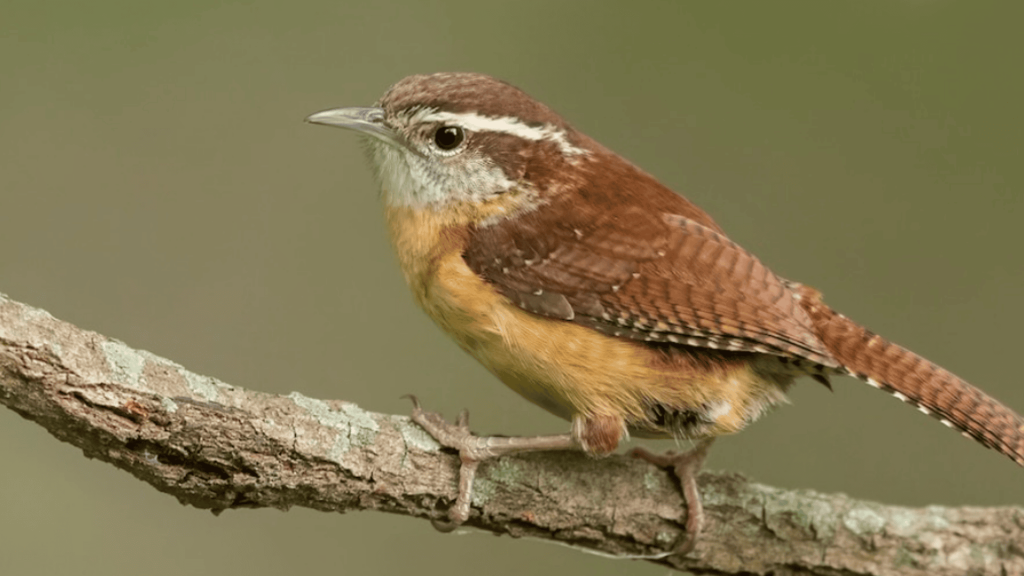
Wrens are tiny but energetic birds with brown, barred plumage that helps them blend into their surroundings. They dart quickly through the undergrowth, hunting insects.
Despite their size, their powerful, thrilling songs are surprisingly loud. Wrens are common yet often overlooked because of their secretive nature.
Size: ~10 cm
Behavior: Secretive, fast
Song: Loud and melodious
11. Coal Tit
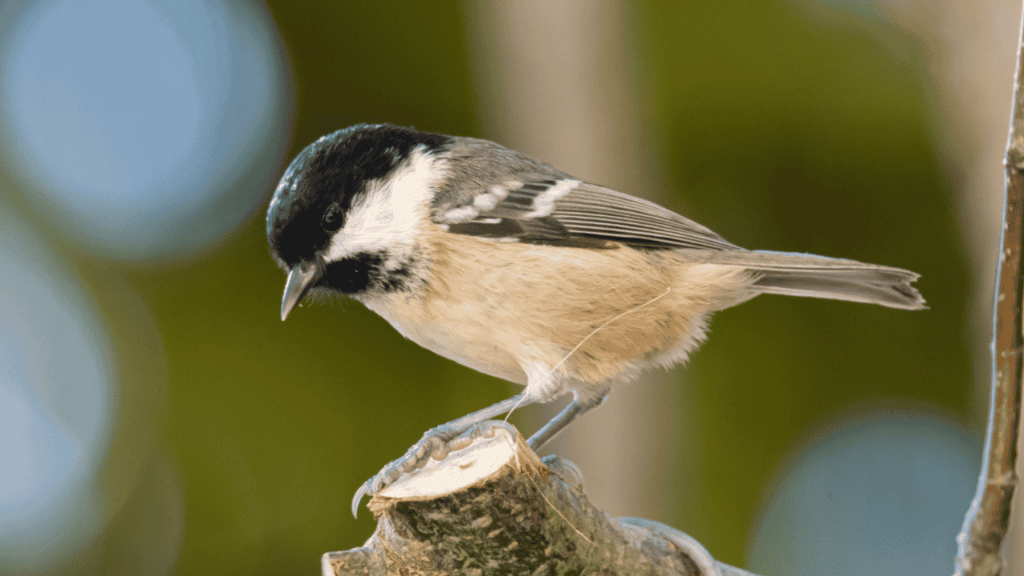
Coal tits have grey-black plumage and a distinctive white patch on the back of the head. Shy by nature, they prefer quieter feeding spots and join mixed flocks in cooler months. They search for insects and seeds in branches and are frequent winter visitors.
Size: 11–12 cm
Behavior: Shy feeder
ID Mark: White nape stripe
12. Long-Tailed Tit
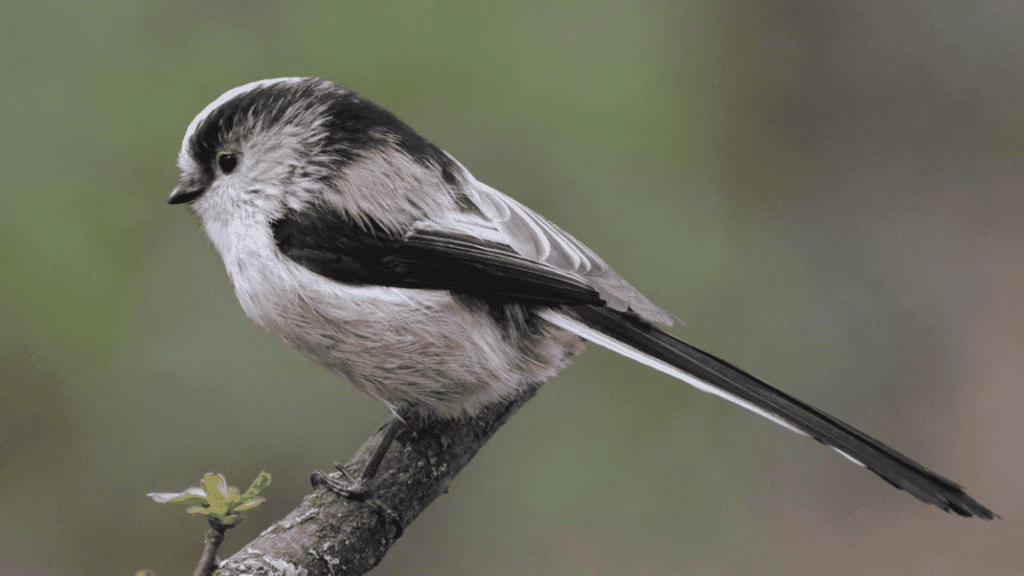
Long-tailed tits are fluffy, pinkish birds with very long tails that exceed their body length. They travel in large, social flocks and move acrobatically through trees and shrubs. These active birds visit gardens for insects and seeds, especially in colder months.
Size: 13–15 cm (incl. tail)
Behavior: Gregarious flocks
Appearance: Long tail
13. Collared Dove
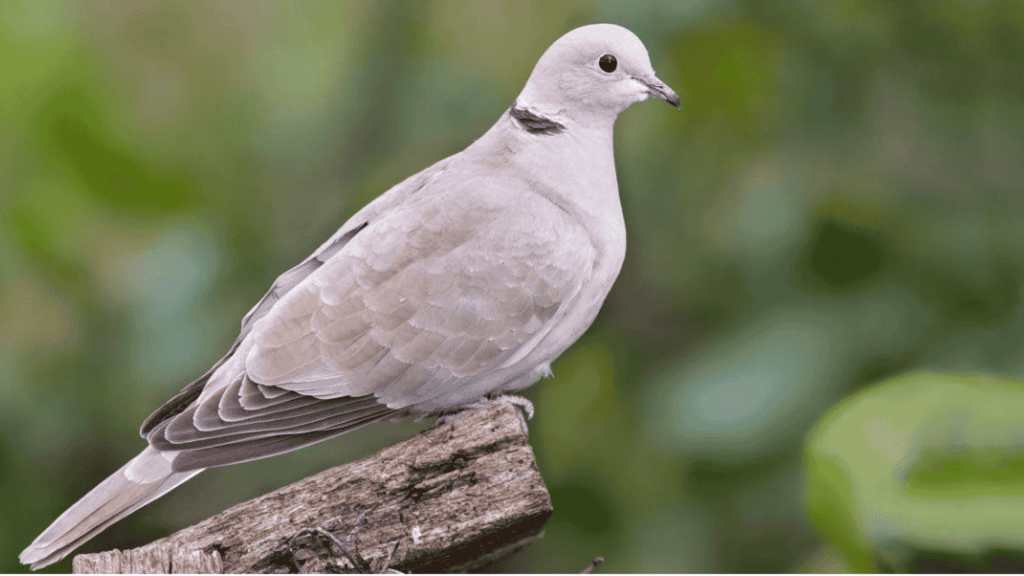
Collared doves are pale, sandy birds with a distinctive black neck ring. Their repetitive cooing calls are common in towns and gardens. They forage on the ground and perch on rooftops or fences. These gentle doves are widespread across the UK year-round.
Size: 26–28 cm
Behavior: Ground feeders
Habitat: Open areas
14. Woodpigeon
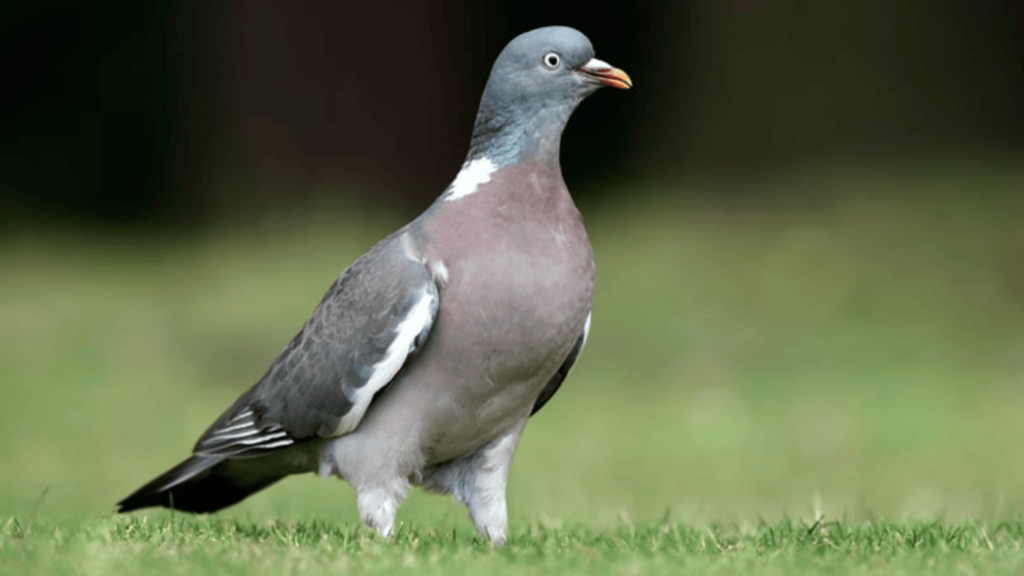
Woodpigeons are large with white neck patches and pinkish breasts. Their heavy wingbeats make a loud clatter on takeoff. They dominate bird tables and often feed on the ground. Their deep, rhythmic cooing is heard throughout the year in British gardens.
Size: 40–42 cm
Behavior: Heavy, dominant
Call: Deep cooing
15. Starling
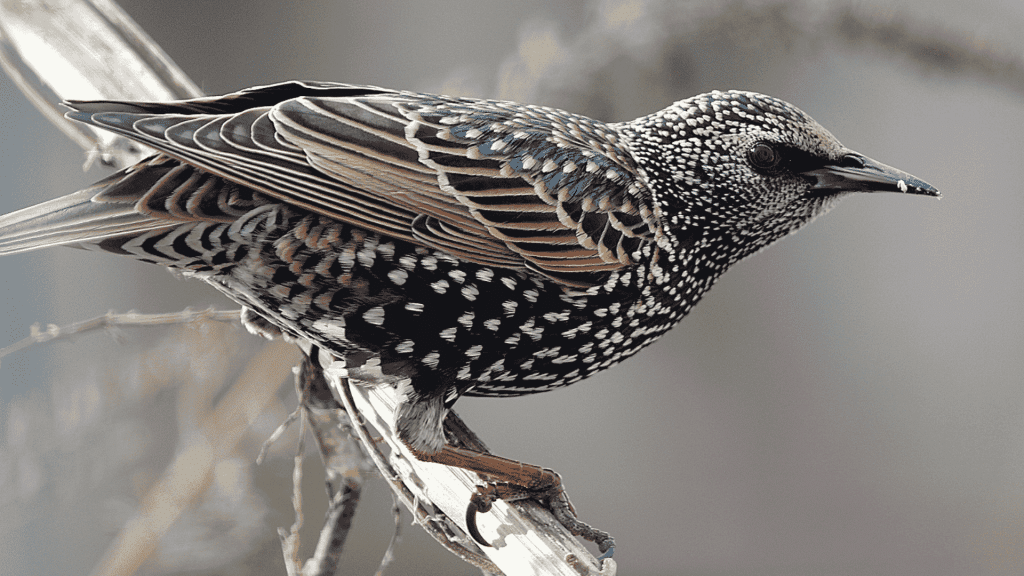
Starlings appear dark from afar but shine with iridescent greens and purples up close. Winter birds show pale speckles. They gather in large, swirling flocks called murmurations. Skilled mimics, they copy everyday sounds and feed aggressively in groups.
Size: 19–23 cm
Behavior: Flocking, mimicking
Diet: Insects, berries, seeds
16. Greenfinch
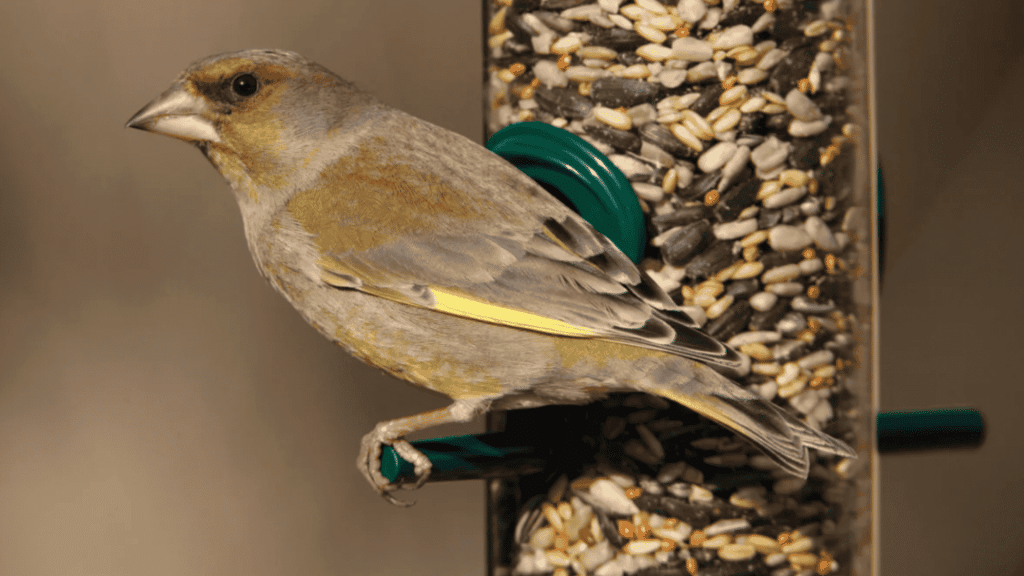
Greenfinches have strong beaks and bright yellow-green plumage in males. Females are softer brown-green. They form flocks under trees and enjoy small seeds, especially niger. Their rolling, trilling songs make them easy to identify during spring and summer.
Size: 14.5 cm
Behavior: Flocking birds
Diet: Small seeds
17. Jackdaw
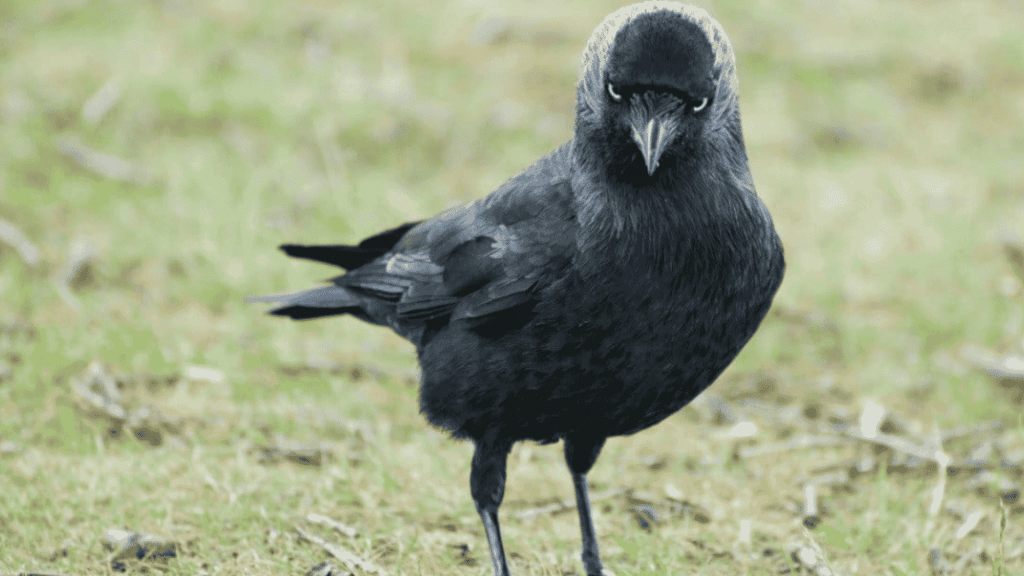
Jackdaws are small crows with silvery-grey necks and striking pale eyes. Highly social and intelligent, they travel in groups and communicate with sharp, metallic calls. They nest in chimneys, trees, and buildings, and occasionally visit gardens for food or nesting material.
Size: 34–39 cm
Behavior: Social, intelligent
Identification: Pale eyes, grey nape
These birds shape the daily sights and sounds of British gardens. Noticing their markings, calls, and habits helps you identify them confidently and enjoy a deeper bond with the wildlife around you.
Conclusion
Learning to spot British garden birds adds joy to any outdoor space. These species offer a meaningful way to bond with nature, whether in your UK garden or through travel photos.
As you notice how different birds move, feed, and interact, your garden becomes far more lively and interesting.
Start observing today by setting up a bird feeder, planting native shrubs, or placing a birdbath near your window. Share your sightings by joining a birdwatching community and see which birds visit your area.
Keep a notebook handy to record the species you spot. You’ll be amazed at how quickly you identify them. Begin your birdwatching journey now and find how satisfying this peaceful hobby truly is.