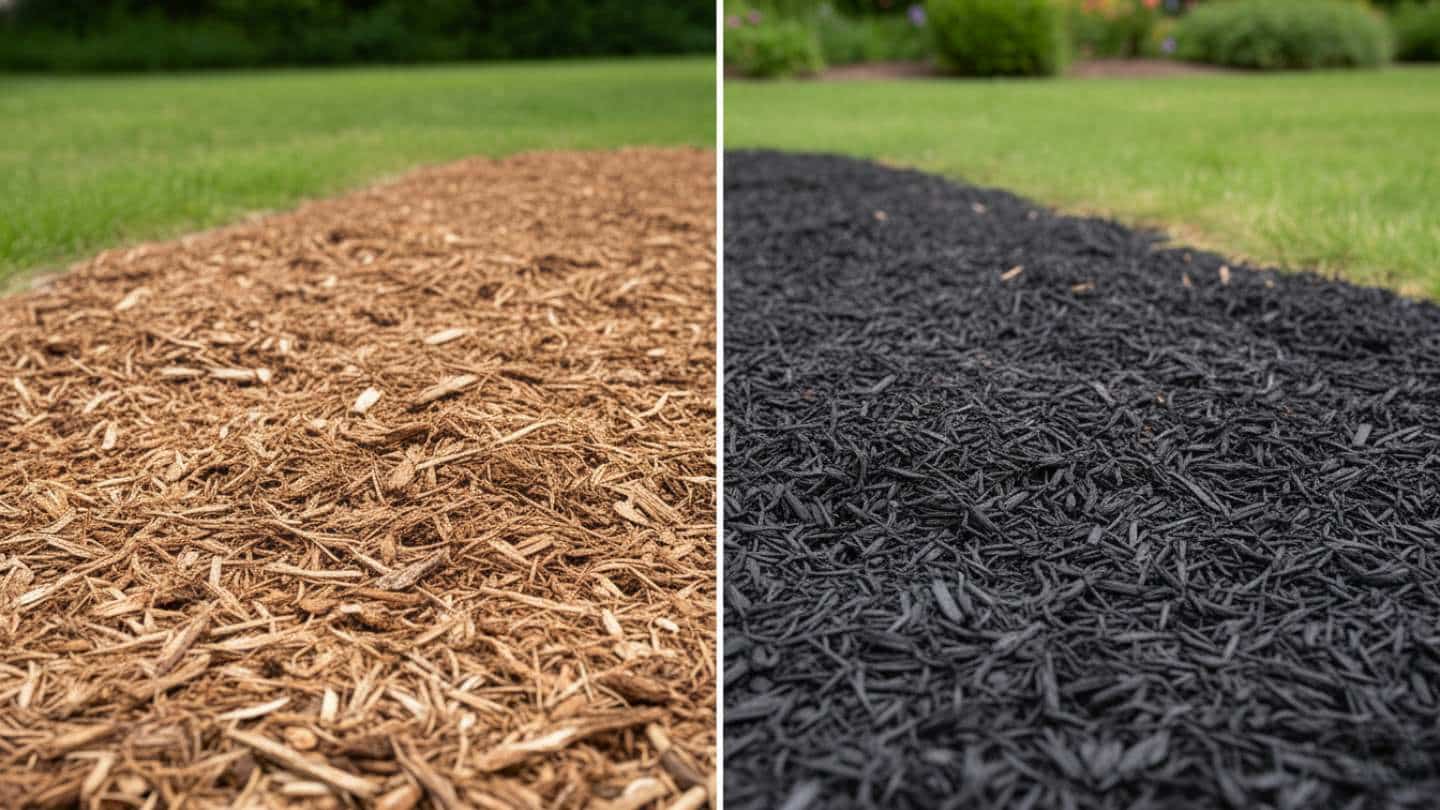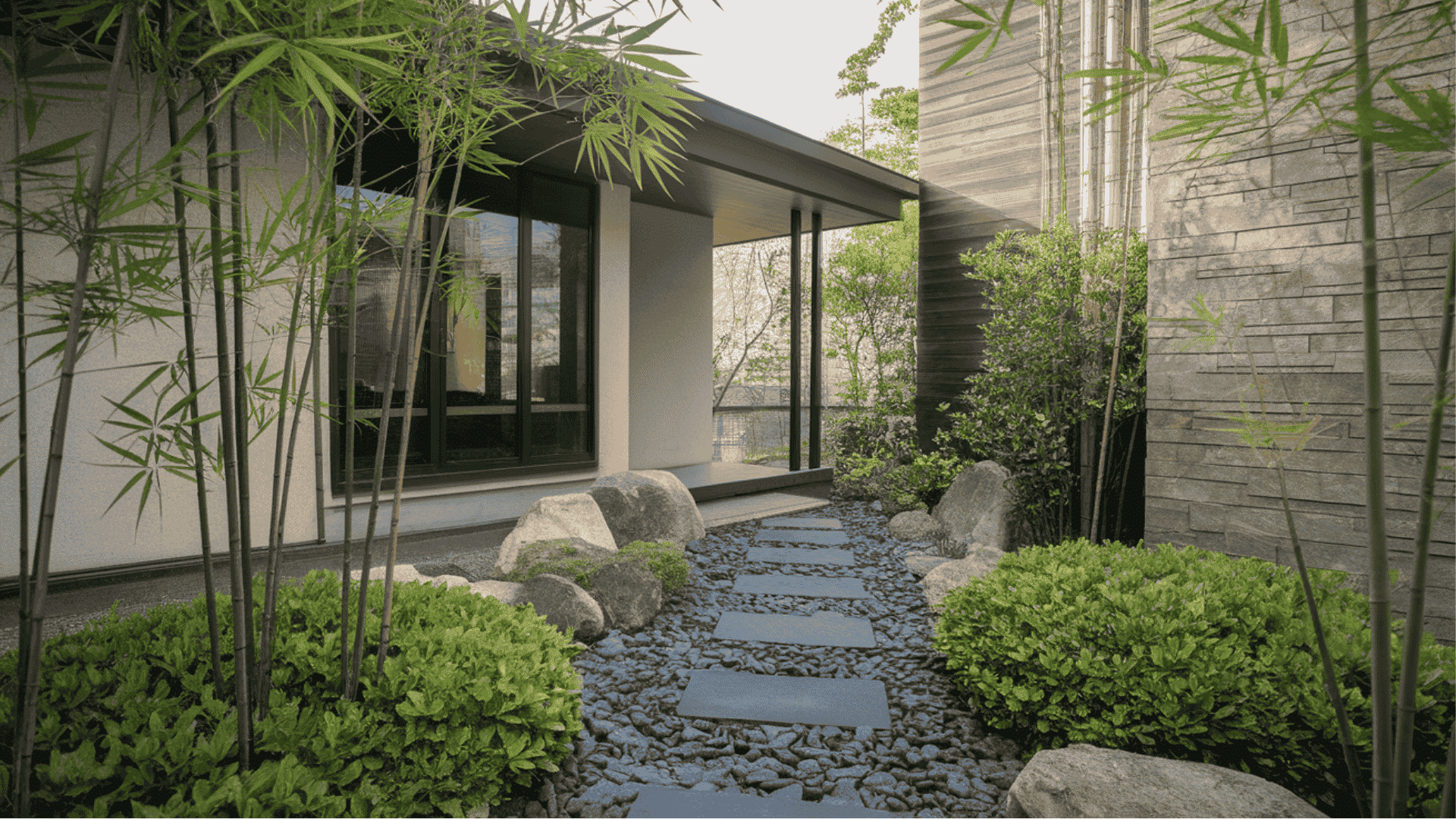

Have you been thinking about creating a space that feels calm, effortless, and beautifully structured? I know how appealing it is when a landscape feels intentional without constant upkeep.
That is exactly why gravel garden ideas are becoming popular in so many outdoor spaces. A gravel garden brings a relaxed style that works with nature instead of against it.
The simple mix of stones and resilient plants creates a look that feels fresh in any setting. I love how this approach adds character while keeping maintenance low.
It also opens the door to creative layouts that highlight color, texture, and movement. Gravel makes everything feel grounded and visually balanced.
This style is a practical way to shape an outdoor space that feels soothing and stylish every day.
What is a Gravel Garden?
A gravel garden is a landscape style that replaces grass or traditional mulch with gravel or stone as the primary groundcover.
Plants grow directly through the gravel, creating a clean, open look without the upkeep of a conventional garden.
What makes gravel gardens stand out are a few simple but powerful features:
- Low maintenance: Less watering, fewer weeds, and minimal seasonal chores.
- Excellent drainage: Gravel prevents pooling, reduces root rot, and improves soil structure.
- Flexible design: Works in small yards, large properties, front landscapes, patios, and seating areas.
- Timeless, attractive: The neutral gravel backdrop complements colorful plants, modern or rustic designs, and any architectural style.
Altogether, a gravel garden offers a practical, stylish way to create an outdoor space that thrives with less work and still delivers a beautiful, natural feel.
11 Creative & Stunning Gravel Garden Ideas
These gravel garden ideas help you transform any outdoor space into a stylish, low-maintenance, and visually striking space. Each concept offers simple inspiration to design a beautiful, functional landscape.
1. Winding Gravel Pathways & Curved Walkways
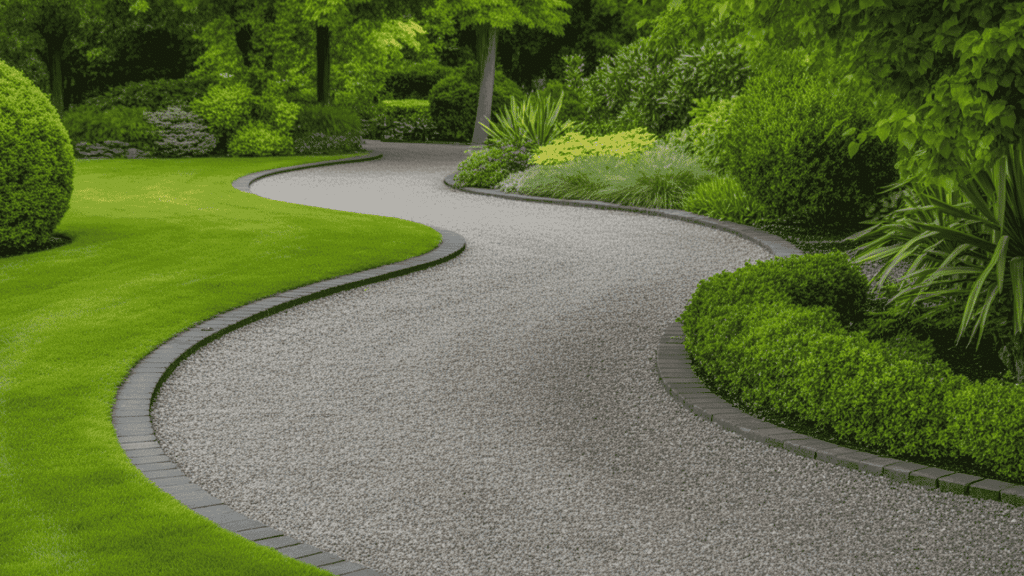
Create soft, flowing movement through your yard using pea gravel or crushed stone paths. Curved lines feel more natural and help break up rigid layouts. Add edging to keep gravel neatly contained. Your guests will appreciate the gentle, inviting routes through your garden space.
2. Minimalist or Modern Gravel Garden
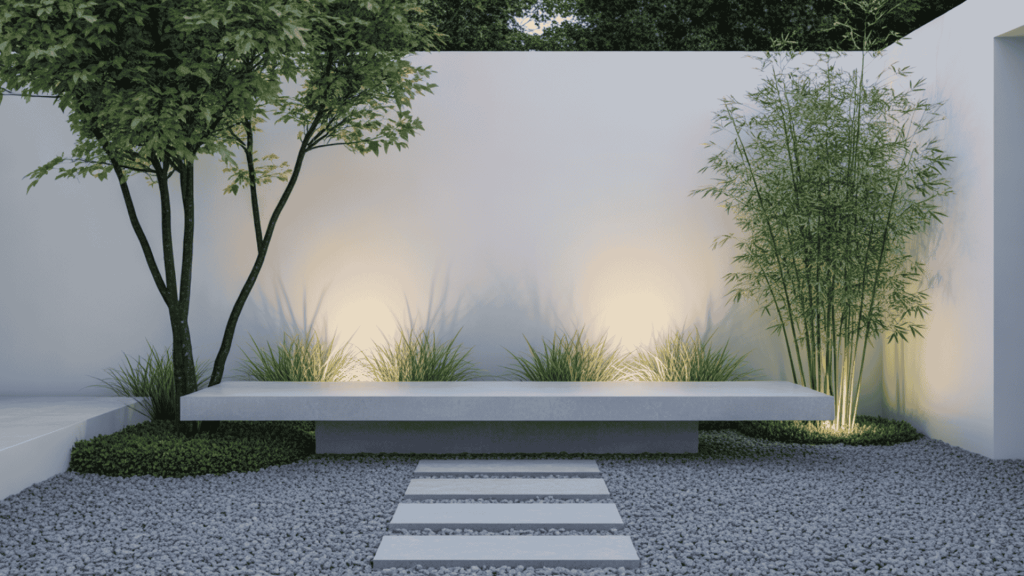
Use clean lines and neutral gravel colors with strategic plant placement. Pair gravel with pavers, concrete slabs, or decomposed granite for a sleek look. Keep plants sparse so gravel remains visible. This style delivers contemporary appeal with zero fuss.
3. Rustic or Cottage-Style Gravel Garden
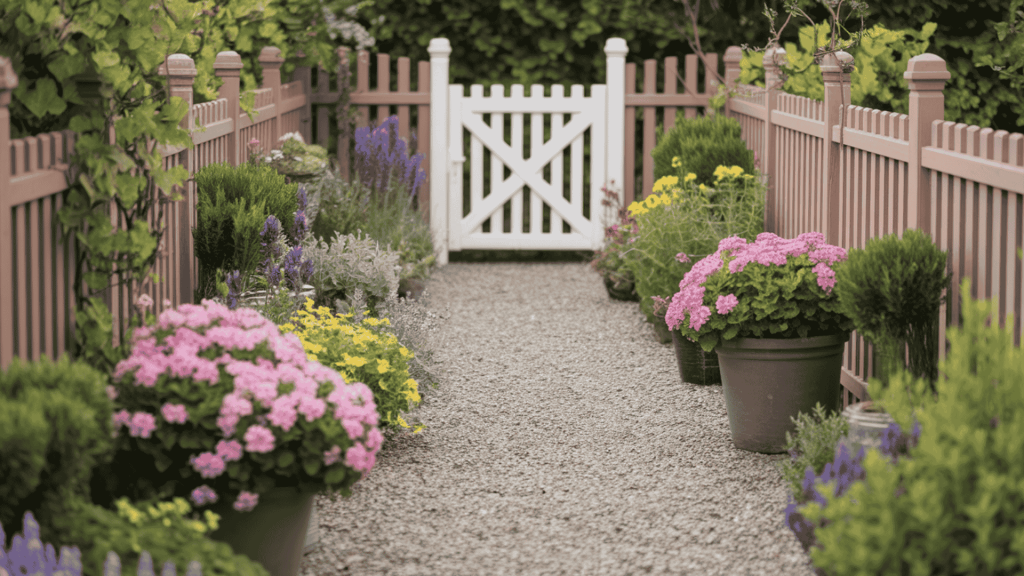
Mix gravel with lush perennials, flowering herbs, boxwood, lavender, or ornamental grasses. Choose plants with varied heights and textures. This approach creates an inviting, cozy feel with plenty of visual interest and seasonal color changes throughout the year.
4. Gravel Garden with Elevated Planters or Container Displays
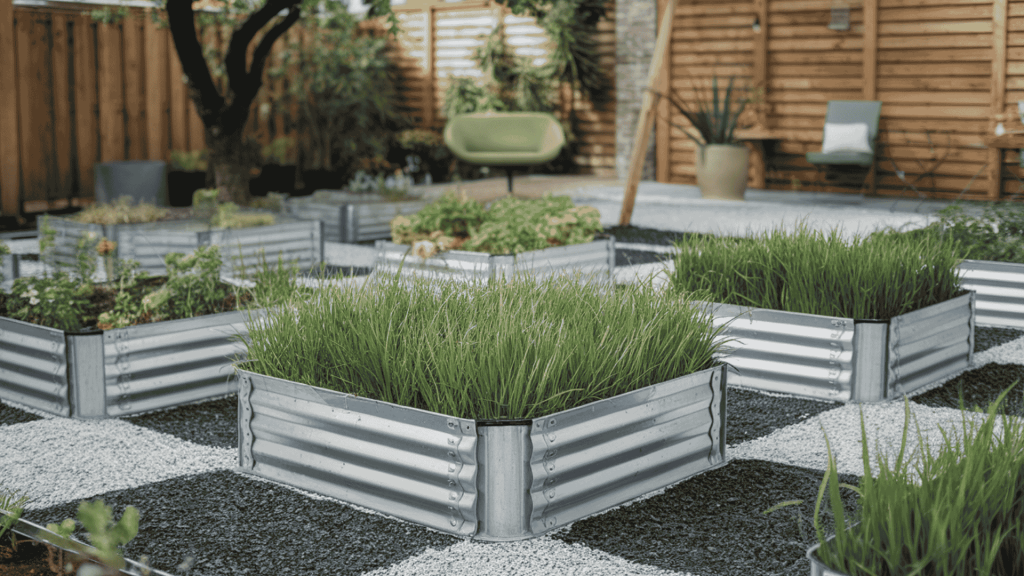
Place large containers or raised planters directly on gravel to add height and structure. Containers create year-round focal points, especially on patios or in small yards. Move pots seasonally to refresh your design without digging or replanting directly in the soil.
5. Zoned Outdoor Living Spaces
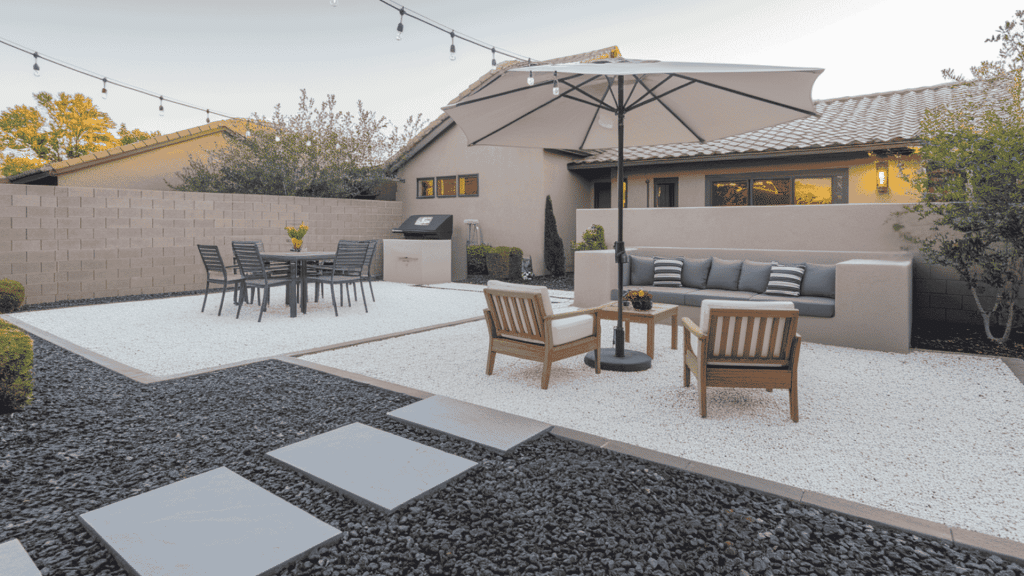
Define different areas, reading nooks, fire-pit circles, dining spaces, or lounge zones using gravel as a foundation. Gravel is affordable, flexible, and helps visually separate functional spaces. Each zone can have its own style while maintaining overall garden harmony.
6. Xeriscape-Inspired Drought-Tolerant Gravel Garden
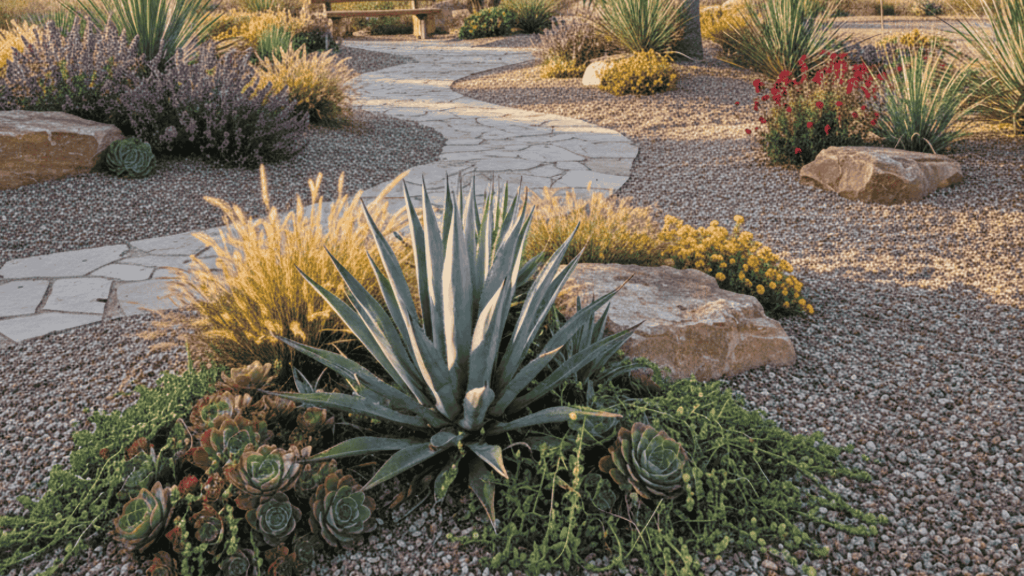
Combine gravel with succulents, agave, yucca, ornamental grasses, and native drought-resistant plants. This approach requires minimal watering and suits dry regions perfectly. Plants thrive in sandy, well-draining soil conditions that gravel gardens naturally provide.
7. Mixed Hardscape & Gravel Contrast
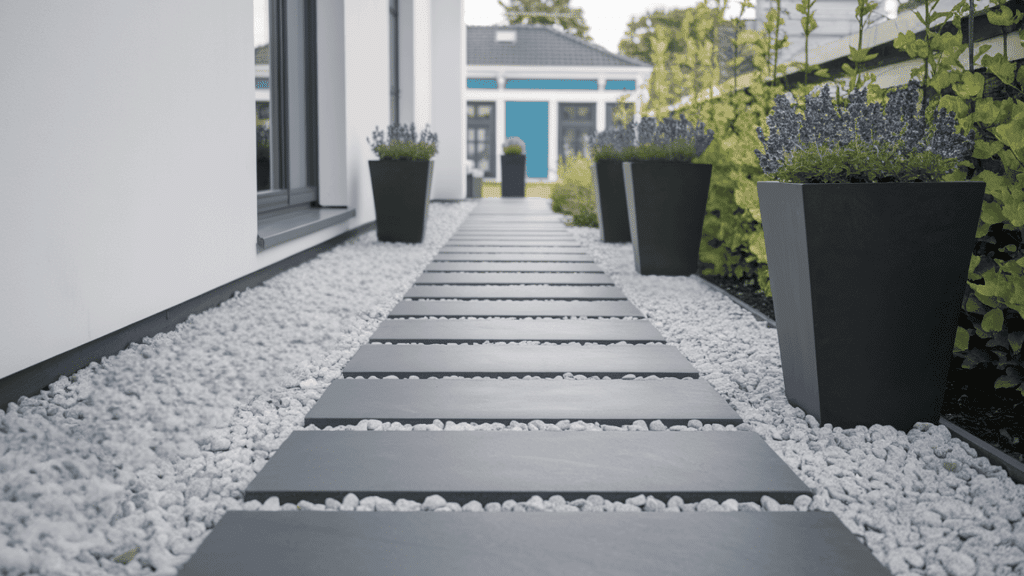
Blend gravel with stepping stones, wood decking, large boulders, or river rocks for a layered design. This combination adds depth, contrast, and visual impact. The mix of textures keeps eyes moving and creates sophisticated outdoor rooms.
8. Seasonal & Pollinator-Friendly Gravel Planting
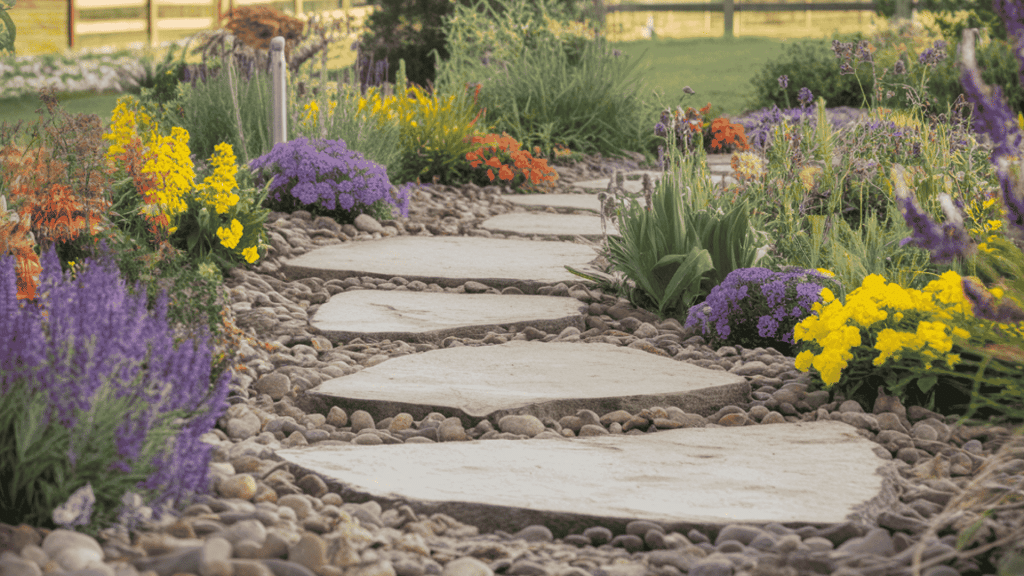
Add color and biodiversity by choosing perennials that thrive in gravel: coneflowers, black-eyed Susans, salvia, and ornamental grasses. These plants attract bees, butterflies, and beneficial insects. Your garden becomes both beautiful and beneficial for local pollinators.
9. Japanese-Inspired Zen Gravel Garden

Use raked gravel patterns, minimal plantings, boulders, and carefully placed shrubs to create calm spaces. This meditative design works especially well in small backyards or side yards. The simplicity promotes relaxation and reflection.
10. Mediterranean-Style Gravel Garden
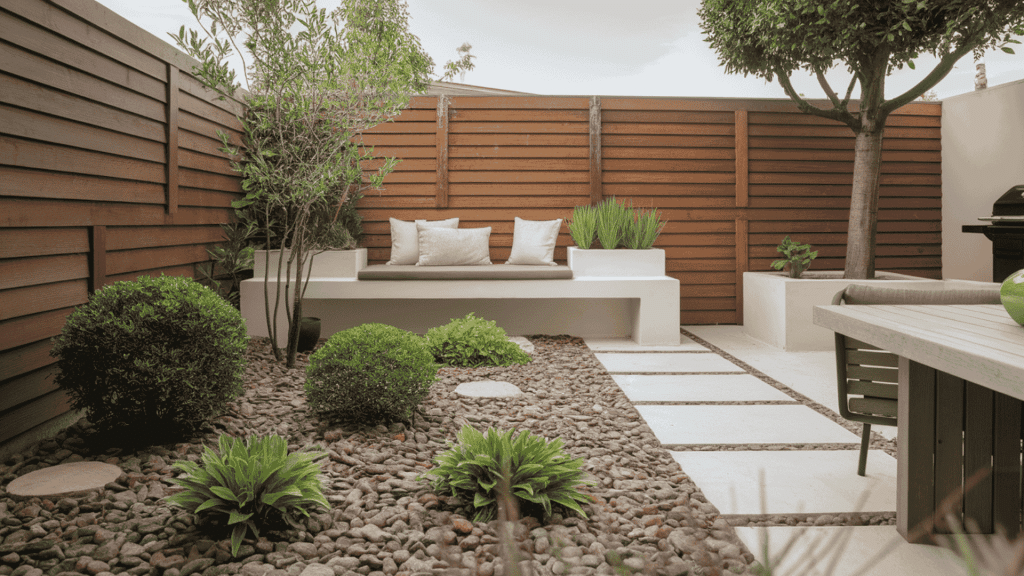
Pair warm-toned gravel with lavender, rosemary, oregano, thyme, and terracotta pots. This sun-loving style delivers a relaxed, coastal feel perfect for warm or dry climates. Easy-to-grow herbs add fragrance and culinary value to your landscape.
11. Gravel Garden Around Trees or Large Shrubs

Create a low-maintenance ring of gravel around established trees or shrubs. Gravel reduces weeds, cuts back watering, and creates a clean, sculpted look. The gravel won’t compete with root systems, allowing your trees to thrive.
With these creative gravel garden ideas, you can build a space that’s attractive, practical, and easy to care for, perfect for enhancing your outdoor living all year long.
Planning a Gravel Garden: What to Consider Before You Start
Before building your gravel garden, a little planning will help you create a space that looks beautiful, drains well, and supports the plants you choose.
-
Check soil type and drainage: Gravel gardens thrive in sandy or well-draining soil. If you have heavy clay, add grit and organic matter to improve drainage and prevent future plant issues.
-
Evaluate sun exposure and climate zone: Most gravel garden plants love full sun and dry conditions. Look up your USDA hardiness zone and local rainfall patterns to guide plant choices and layout decisions.
-
Measure your space and plan spacing: Gravel gardens work in any yard size, but avoid overcrowding. Open gravel areas help plants stand out and keep the design clean and airy.
-
Choose your design style early: Decide whether you want a modern, rustic, Mediterranean, desert, or Japanese look. Your style choice influences your gravel color, plant palette, and hardscape elements.
-
Plan your hardscape elements: Map out walkways, seating areas, edging, patios, water features, or lighting before purchasing materials. This step ensures your gravel garden functions as a cohesive outdoor space.
With these essentials in place, you’ll have a clear roadmap that guides your layout, material choices, and planting decisions from the very beginning.
How to Build Your Gravel Garden
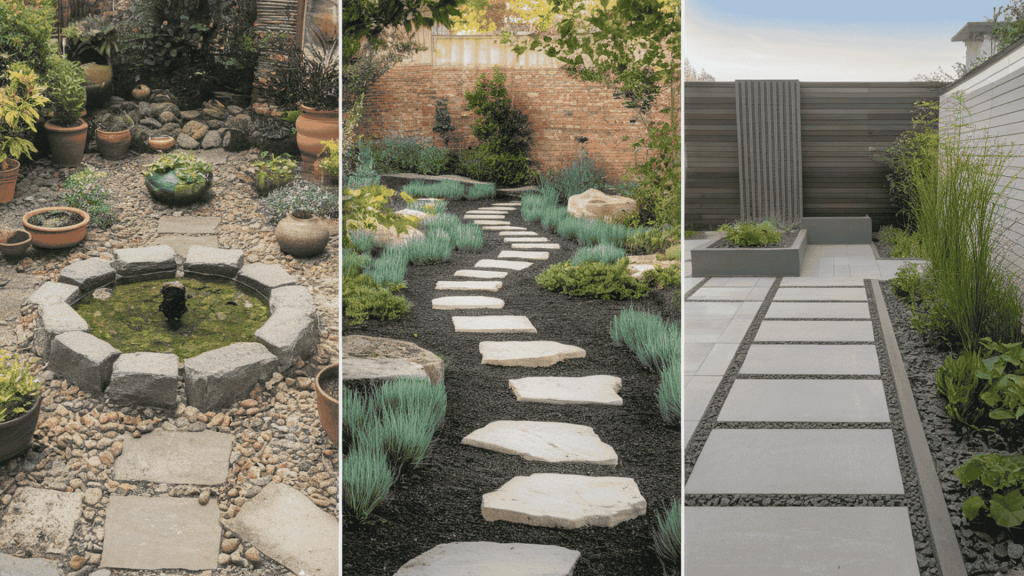
Building a gravel garden becomes simple when you follow a clear, organized process. These steps help you create a landscape that looks polished, drains well, and lasts for years.
Step 1: Prepare the Site
Clear existing vegetation, weeds, and grass from your chosen area. Assess your soil type and check drainage. If you have clay soil, loosen it by turning it 8 inches deep with a spade or rototiller.
This breaks up compaction and adds oxygen. For poor drainage, add a 2-inch layer of gravel or coarse sand mixed into the top 8 inches of soil.
Step 2: Lay Landscape Fabric (Optional but Recommended)
Spread landscape fabric (non-woven works best) across the entire prepared area. This barrier prevents weeds from pushing through while allowing water to drain freely.
Overlap fabric seams by at least 6 inches. Fold the edges up along the borders to effectively contain the gravel layer.
Step 3: Add Gravel Layer
Choose gravel type based on your design: pea gravel for soft, attractive, crushed stone for stability, river rock for contrast, or decomposed granite for warm tones. Spread gravel evenly to a depth of 4-5 inches.
Maintain consistent depth throughout; too shallow allows weeds through; too deep stresses plants. Rake smooth and firm the surface.
Step 4: Define Hardscape Elements & Edging
Install borders using stone, composite edging, reclaimed wood, or even large pavers. Edging uses gravel to create clean lines. Add pathways, stepping stones, or raised beds now.
These features give structure and prevent gravel migration into lawn areas. Allow at least 4-6 weeks before heavy use.
Step 5: Plant Selection & Planting
Choose plants suited to gravel conditions: drought-tolerant varieties, succulents, Mediterranean herbs, ornamental grasses, and perennials. Select plants in 3.5- to 4.5-inch pots with root-ball depth matching your gravel depth. Space plants that are generously overcrowded defeat the attractive benefits.
Plant in layers: low groundcovers first, mid-height perennials next, then taller shrubs or grasses for visual structure and interest.
Step 6: Optional Features
Add lighting to extend enjoyment into evening hours. Install landscape uplights or pathway markers. Consider small water features, such as birdbaths or fountains, for their visual and auditory appeal.
Place seating areas strategically. Add decorative pots, sculptures, or edging details that reflect your personal style and taste preferences.
With each step complete, your gravel garden takes shape as a functional, attractive space that’s easy to maintain and enjoyable season after season.
Maintenance Tips & Common Pitfalls to Avoid in Gravel Garden
Even though gravel gardens are low-maintenance, a few avoidable mistakes can affect their appearance and long-term success. Here’s a simple table that pairs the most common problems with the exact solutions to keep your gravel garden thriving.
| Common Pitfalls | Solution / What to Do Instead |
|---|---|
| Using heavy clay soil without improving drainage | Amend the soil with grit and organic matter before adding gravel to ensure proper water flow. |
| Overplanting or crowding plants | Space plants generously and leave visible gravel areas to maintain the clean, open design. |
| Skipping edging around pathways or beds | Install stone, metal, or wood edging to keep gravel contained and prevent constant cleanup. |
| Choosing plants that need frequent watering | Select drought-tolerant plants suited to your USDA zone, such as grasses, herbs, and succulents. |
| Allowing leaves and debris to accumulate | Regularly remove debris to prevent moisture buildup, pests, and weed growth. |
| Ignoring early signs of weed growth or plant stress | Do quick monthly inspections and address small issues early to avoid major problems later. |
| Not raking gravel to maintain level surfaces | Lightly rake gravel to smooth uneven areas and keep the garden looking fresh. |
With these mistakes and solutions in mind, you can keep your gravel garden looking clean, healthy, and low-maintenance all year long.
Conclusion
A gravel garden brings together ease, beauty, and long-lasting style in a way that feels refreshing in any outdoor space. I love how gravel garden ideas create room to highlight plants, add texture, and shape calm areas without demanding constant attention.
The simplicity of gravel makes every space feel lighter and more welcoming while keeping care straightforward. It is a landscape choice that works with nature and adds a sense of timeless balance.
If you want an outdoor space that looks polished and stays manageable year-round, this is the perfect time to start shaping it. Take the next step and bring your favorite gravel garden ideas to life so your landscape feels inspiring every single day.