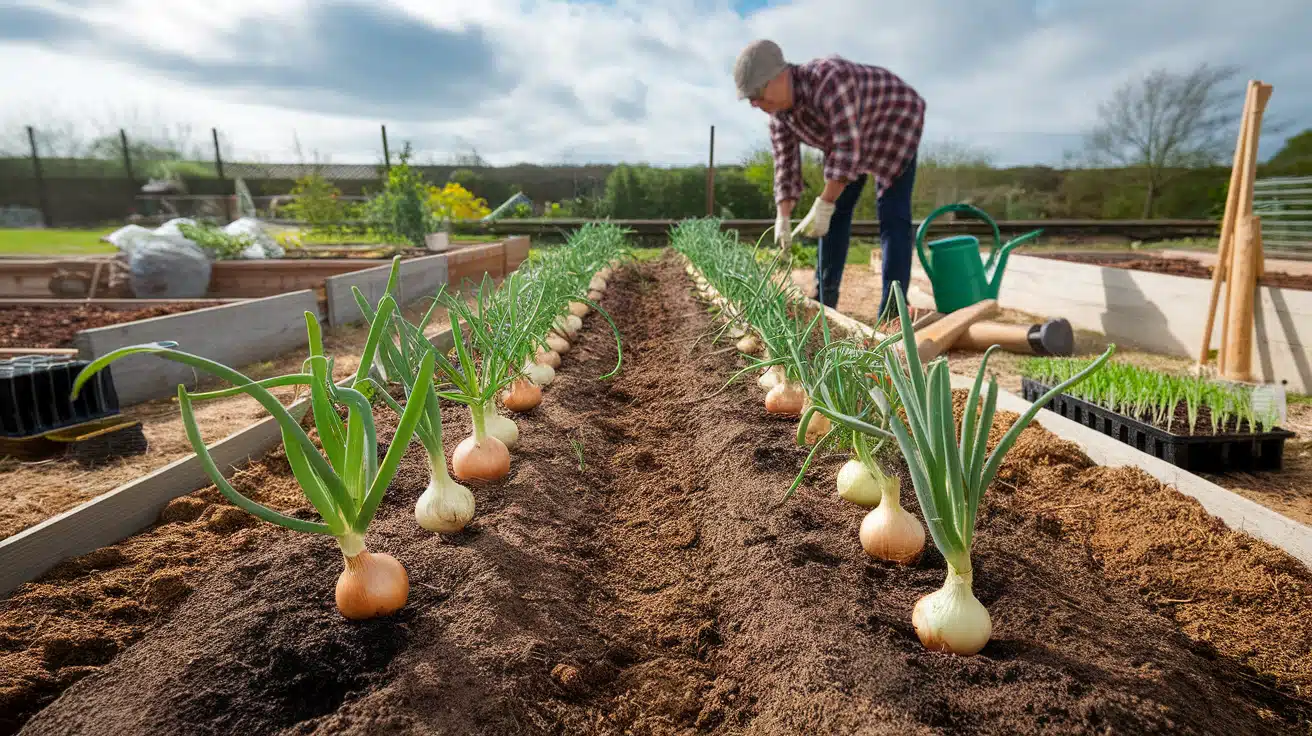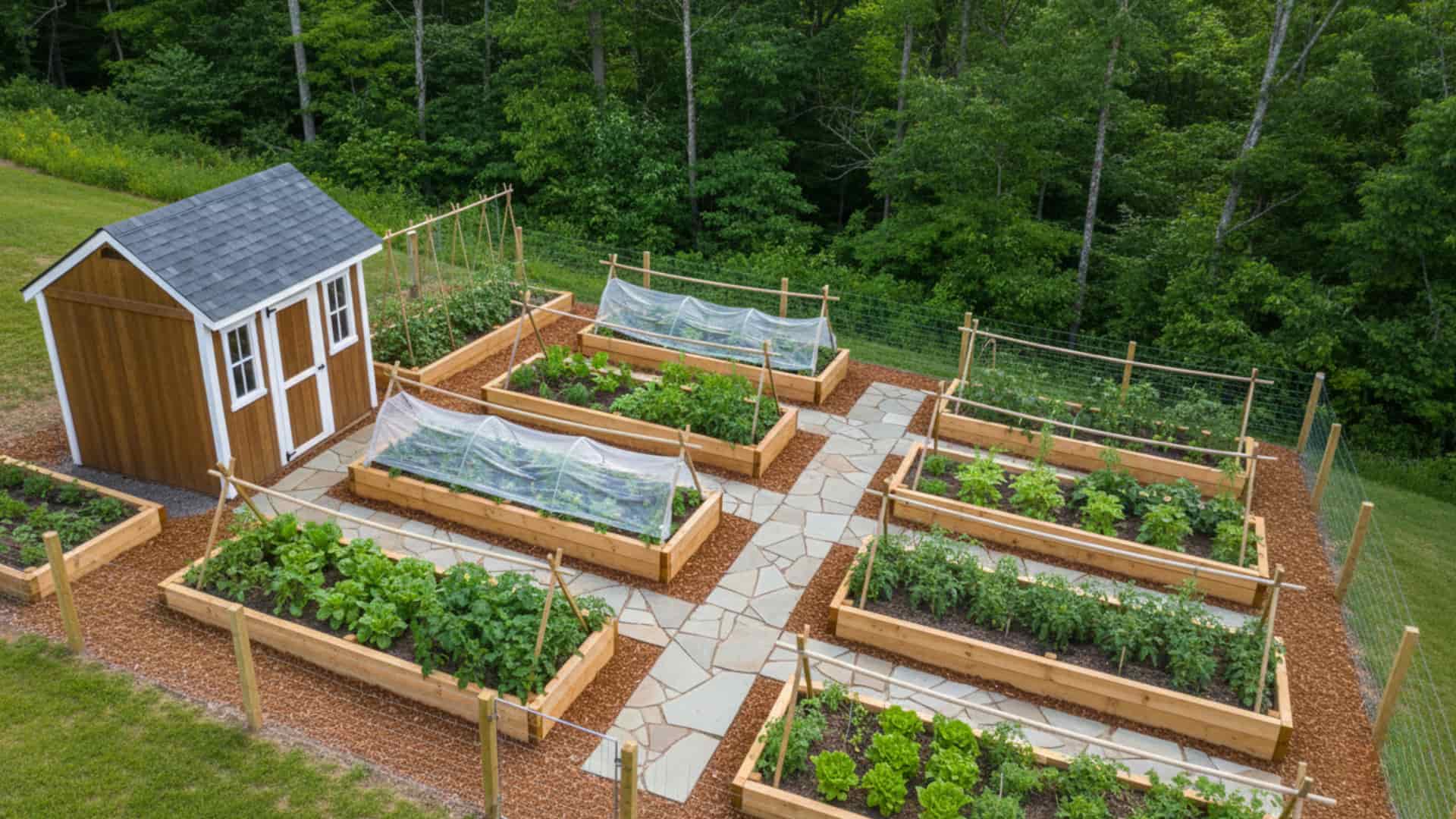
Most people imagine homesteading as fresh eggs at sunrise and jars of homegrown food lining the shelf.
The real version looks different. Muddy boots before the sun comes up. A sick chicken, you have no idea how to help. A garden that fails despite all your hard work.
Nobody posts that part. But that is exactly the part you need to know before you start.
Homesteading for beginners is not about perfect land or a big budget. It is about honest decisions, real trade-offs, and learning things the hard way so you can do them right.
This guide covers what actually works, what real beginners got wrong, and how you take your first steps without losing time, money, or heart.
Homesteading for Beginners: What It Really Looks Like?
The photos make it look easy. A wide open field, a basket of fresh vegetables, a happy family on a porch. That image is not wrong. It just skips the first three years.
Real homesteading is daily physical work. It is fixing a fence in the rain. It is losing a crop you spent months growing. It is making decisions without a manual or anyone to call.
That is not meant to scare you. It is meant to prepare you.
Most people who quit in the first year do so because reality caught them off guard. They were ready for the dream. But the daily grind caught them completely off guard.
Here is what a typical day actually includes:
- Feeding and watering animals before you eat breakfast yourself
- Checking plants for pests, disease, and weather damage
- Maintaining tools, fences, coops, and water systems regularly
- Cooking and preserving food from scratch while managing everything else on the list
The homesteaders who stick with it are not the ones with the best land or the most money. They are the ones who looked at all of this and said yes anyway.
What Most Beginner Homesteaders Get Wrong?
Why do you actually want to do this?
Write it down before you read any further. Not in your head. On paper.
Your reason is the only thing that will hold when a season fails, an animal dies, or a project drains your savings. People who skip this step treat homesteading like a hobby. People who answer it treat it like a decision.
Your reason does not have to be big or poetic. Wanting clean food for your kids is enough. Wanting out of the paycheck-to-paycheck cycle is enough. Wanting your children to grow up with dirt under their nails and food they grew themselves is enough.
Any honest reason works. A vague one does not.
Keep it in one or two sentences. Be specific. “I want to be more self-sufficient” will not carry you through a hard winter. “I want to grow enough food to stop depending on a grocery store.”
You Don’t Need Land to Start Homesteading Right Now
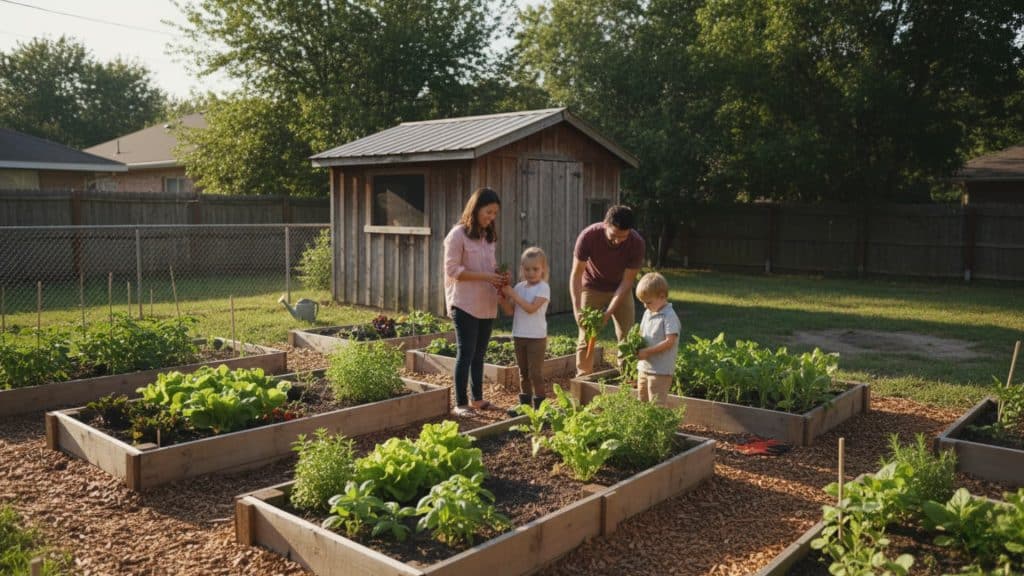
Most beginner guides jump straight to buying property. This one will not, because the truth is your biggest skills gap has nothing to do with land.
The homesteaders who struggle most in year one are not the ones who bought the wrong property. They are the ones who arrived without knowing how to grow food, preserve a harvest, or cook from scratch when the pressure is real, and the store is far away.
Land is something you can buy. Skills take time to build. Start there first.
Here is what you can do right now, regardless of where you live:
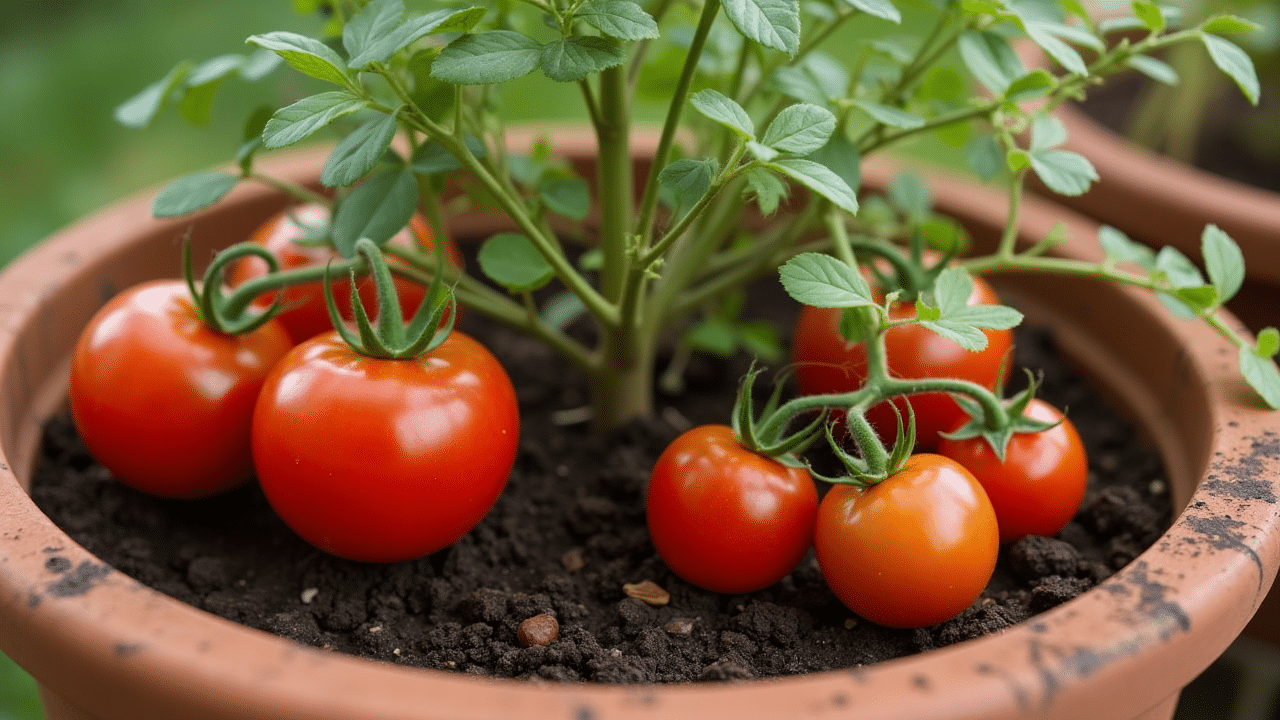
- Grow something edible: A windowsill herb pot, a balcony container, a small raised bed in a rented backyard. Start with what you have in front of you.
- Learn to cook from scratch: Bread, stocks, sauces, ferments. These are daily homestead skills, and your kitchen is where you build them for free.
- Preserve food before you grow it: Buy tomatoes or berries from a local farmer’s market, and practice canning or fermenting before your own harvest, depending on getting it right.
- Break the grocery store habit now: Every time you buy in bulk, make something from scratch, or skip a packaged product, you are training yourself for the life you are building toward.
Every skill you build now is one less thing that breaks you later.
The One Rule Every Beginner Homesteader Must Follow
This is where most beginner homesteaders quietly fall apart.
They start a garden, order chicks, research goats, build a compost system, and begin canning all in the same season. Everything gets started. Nothing gets finished. By autumn, they are exhausted, behind on every project, and wondering if they made a mistake.
They did not make a mistake with homesteading. They made a mistake with the pace.
Homesteading rewards depth over width. One skill practiced well feeds your family. Five skills practiced poorly cost you time, money, and confidence all at once.
So pick one thing. Not two. One.
If you have outdoor space, start with a small vegetable garden. Learn your soil, your season, your pests, and your yield before you add anything else. If you have no outdoor space, start in your kitchen. Master fermentation, sourdough, or scratch cooking until it feels natural.
Pro Tip: Keep a simple notebook from day one. Write down what you planted, what failed, what worked, and why. Most beginner homesteaders rely on memory and repeat the same mistakes season after season. A notebook costs nothing and saves everything.
Chickens are a popular first choice, and for good reason. They are low-cost to start, they produce eggs consistently, and they teach you animal responsibility without the weight of larger livestock. But even chickens require infrastructure, daily attention, and basic health knowledge.
Give them your full focus before you add anything else to the list.
The goal in your first season is not to build a full homestead. The goal is to finish one thing and finish it well. That single win builds the confidence that carries every next step.
Speaking of next steps, the one most beginners skip entirely is the one that ends up costing them the most.
The Real Cost of Starting a Homestead Nobody Talks About
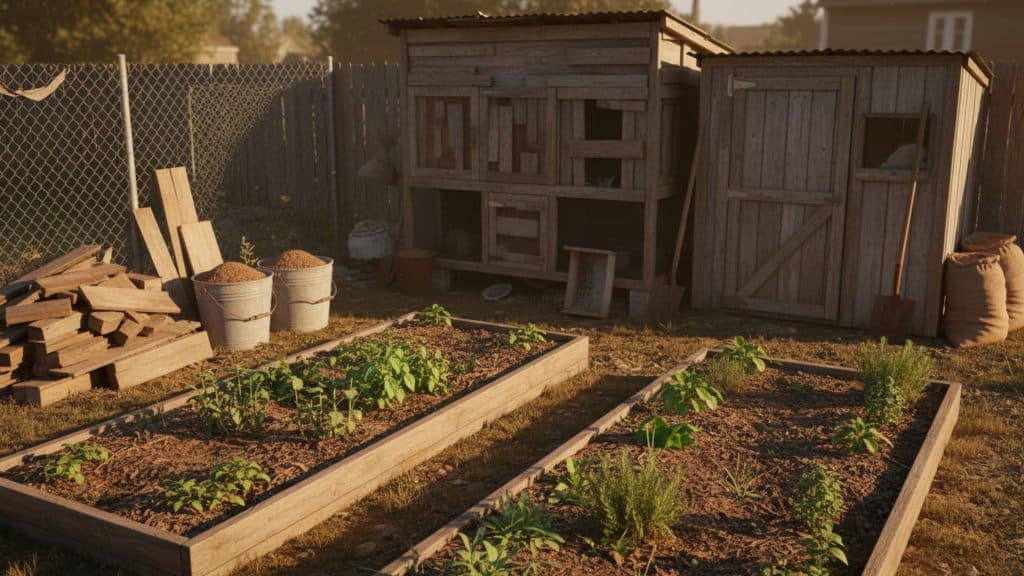
Everyone talks about the startup costs. Nobody talks about what comes after.
Seeds, tools, a coop, and some fencing. That first list feels manageable. Then the second season arrives, and so do the costs nobody warned you about.
Here is what real homesteaders say caught them off guard:
- Recurring feed costs: Animals eat every day, regardless of your budget or the season.
- Tool and infrastructure repair: Fences break, coops rot, water lines freeze. Maintenance is a bill that never fully disappears.
- Failed crops: A bad season does not just cost you food. It costs you the time and effort you already put in.
- Emergency animal care: Sick livestock does not wait for a convenient time or a full savings account.
Scrap wood, seed swaps, and secondhand tools have built more successful homesteads than brand-new gear ever has. Start lean. Scale when you are ready.
Once your budget is honest, the next thing to get right is something most beginners never think about until it stops them cold.
What Every Homesteader Must Know Before Buying Land?
You found the land. It feels right. The price works. You are ready to sign.
Stop. Before you do anything else, check the zoning laws.
This is the step most beginner homesteaders skip. It is also the step that has forced people to sell land, tear down structures, and give up animals they already bought. Not because they broke the law on purpose. Because they never checked it.
Zoning laws decide what you can and cannot do on a piece of land. They vary by county, city, and sometimes by street. Here is exactly what to verify before you commit to any property:
| What to Check | Why It Matters |
|---|---|
| Animal permits | Rules on which animals are allowed, how many, and what shelter requirements apply differ widely by location |
| Structure regulations | Sheds, barns, greenhouses, and water systems often require permits before you break ground |
| Water rights | In some areas, you do not automatically own the right to collect rainwater or dig a well on your own land |
| Business restrictions | Selling eggs, produce, or any homestead product may not be legally permitted on every property |
A simple call to your local county office takes less than an hour. It can save you years of costly problems.
Mistakes Real Homesteaders Made So You Don’t Have To
No guide prepares you for everything. But knowing where others fell short gives you a real head start. These are the most common mistakes beginner homesteaders make, and what to do instead.
1. Getting Animals Before the Infrastructure Was Ready
This is the most common first-year mistake. The excitement of owning chickens or goats arrives before the coop, the fencing, or the water system does.
Animals that have no proper shelter get sick. Animals with weak fencing escape or get taken by predators. The result is loss, extra cost, and a confidence hit that is hard to recover from early on.
Build the home before you bring the animal. Always.
2. Ignoring Soil Quality in the First Season
Most beginner gardeners focus on seeds and sunlight. The soil gets ignored. Then the harvest comes in small, weak, and inconsistent, and nobody understands why.
Healthy soil is the foundation of everything you grow. A basic soil test costs very little and tells you exactly what your land needs before you plant a single seed.
Know your soil before you trust it with your food.
3. Buying Land Without Visiting It First
One family packed everything they owned. They drove over a thousand miles to a land they had visited. There was no electricity for three months.
No way to clear nine acres of overgrown terrain. A one-bedroom home for eight people. What looked perfect in photos cost them everything they had saved. Visiting land in person, in different seasons if possible, is not optional.
What a listing describes and what you actually arrive at are rarely the same thing.
4. Spending on Gear Before Building Skills
New homesteaders often buy expensive tools, equipment, and setups before they know how to use any of it. The money runs out before the knowledge catches up. Secondhand tools and borrowed equipment have started more successful homesteads than any catalogue order ever has.
Spend on skills first. Gear can wait.
The Emotional Side of Homesteading No One Talks About
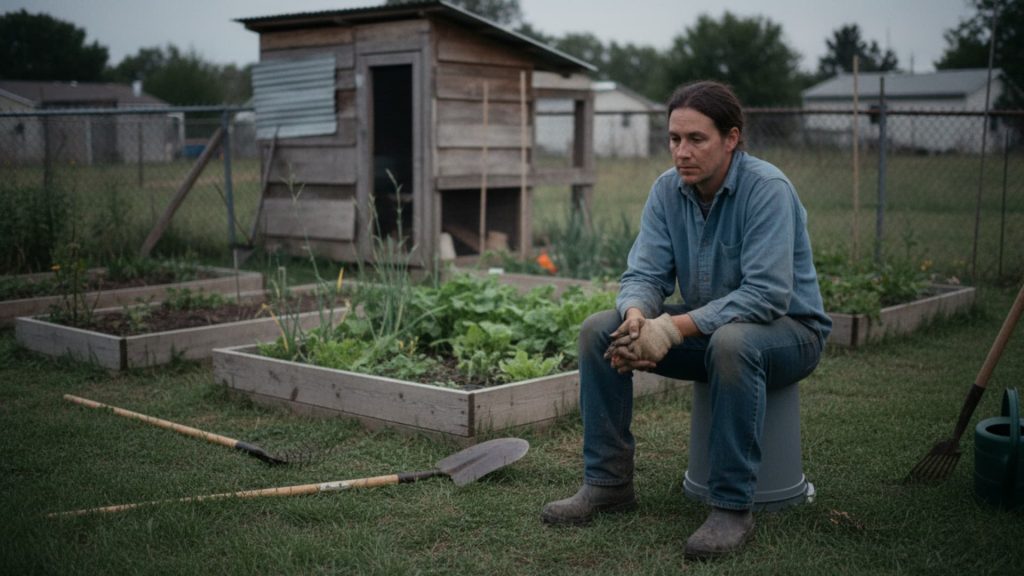
The practical side of homesteading is hard. The emotional side is harder.
Burnout does not arrive after a disaster. It arrives on a regular Tuesday when the chores feel heavy, and the life you imagined feels far from the one you are living. Rest is part of the work. Treat it that way.
You will also lose animals. A chick that did not make it through the night. A hen you raised from the start. The grief is real. Give yourself permission to feel it and then keep going.
Find your people before you need them. Local farmers’ markets, online homesteading groups, and neighbors with land nearby will carry you through the days you cannot carry yourself.
Homesteading changes your schedule, your priorities, and your social life all at once. That is normal. Knowing it is coming makes it easier to handle when it does.
What Your First Year of Homesteading Actually Looks Like?
Nobody tells you this part. So here it is.
The first year does not follow a clean path. It follows you. Your pace, your mistakes, your small wins, and your slow realisation that this life is harder and more rewarding than anything you planned for.
Here is what most beginner homesteaders experience when they are honest about it:
| Phase | What Is Happening | What To Expect |
|---|---|---|
| Months 1 to 2 | Planning, observing, building one system | More hardware store trips than progress. That is normal |
| Months 3 to 5 | First real wall hits | A crop fails, an animal struggles, a structure needs fixing. This is homesteading teaching you |
| Months 6 to 9 | Rhythm starts to settle | Chores feel less chaotic. Small wins begin stacking. Second-guessing slows down |
| Months 10 to 12 | First full cycle complete | You are not self-sufficient yet. But you are capable in ways you were not in month one |
The finish line is not self-sufficiency. It is showing up every day until the life you chose starts to feel like home.
Conclusion
Homesteading for beginners is not about having the perfect plan or the right land. It is about making a decision and honoring it one day at a time.
You now know what the first year really looks like. The costs nobody warns you about. The legal checks most people skip. The emotional weight nobody posts about.
That knowledge puts you ahead of where most people start.
The ones who build something real are not the most skilled or the most prepared. They are the ones who started before they felt ready and figured it out as they went.
Start with one skill. One project. One honest reason written on paper.
When you are ready to take your next step, drop your biggest question in the comments below.
Frequently Asked Questions
What Is the Best First Animal To Raise on a Homestead?
Chickens are the best starting point for most beginners. They cost little to set up, produce eggs regularly, and teach you basic animal care without the demands of larger livestock.
Can You Homestead While Working a Full-Time Job?
Yes, many beginners start this way. Begin with low-maintenance projects like a small garden or kitchen skills. Build slowly around your schedule until you are ready for more.
How Long Does It Take To Become Self-Sufficient?
Most homesteaders take three to five years to reach partial self-sufficiency. Full self-sufficiency takes longer. The pace depends on your skills, land, and how much time you commit.