
Grass is the default. Rock landscaping is the upgrade. Once the stone is down, there is no mowing, no watering, and no seasonal replanting, just a yard that holds its shape year after year without asking much of you.
I have seen homeowners spend hours and money wrestling with lawns on dry slopes, patchy soil, and drainage trouble spots, when the simpler fix was always rocks.
Whether you want a sleek gravel ground cover, a dry creek bed that doubles as drainage, or a flagstone patio that gets better-looking with age, this guide walks through the best rock landscaping ideas to suit different spaces, styles, and budgets.
You will also find practical advice on rock types, plant pairings, and the most common mistakes that trip people up before they get started.
How Rock Landscaping Enhances Your Backyard on a Budget
Rock landscaping gives your backyard a sharp, finished look without a big spend. Here is how it keeps costs low from start to finish:
- Gravel, pebbles, and fieldstones cost far less than timber decking, concrete, or artificial turf.
- Most projects need no professional help: A clear plan and a free weekend are enough to see real results.
- Large boulders can be sourced locally from garden centers or quarries at very low cost.
- No watering, mowing, or fertilizing bills once the rocks are laid and settled into place.
- Garden fabric paired with gravel keeps weeds away for years and cuts ongoing maintenance costs.
- Start small and build gradually, adding one feature at a time as your budget allows each season.
Which Rocks to Use for Landscaping
Picking the wrong rock type is where many projects go wrong early. Here is a quick breakdown of the most common options and where each one works best.
- Pea gravel: small, rounded, and inexpensive. Works well in pathways, ground cover, and drainage beds. Easy to spread and rearrange.
- River rock: smooth, medium-sized stones with a natural finish. Good for dry creek beds, tree borders, and water features. The grey-blue varieties look particularly clean next to planted areas.
- Flagstone: flat natural slabs used for patios, stepping paths, and edging. Durable, slip-resistant when wet, and improves in appearance as it weathers.
- Lava rock: lightweight and porous, which helps with drainage and moisture retention. Works well as mulch around heat-tolerant plants. Avoid areas where children play, as edges can be sharp.
- Decomposed granite: crushed granite that compacts into a firm, natural-looking surface. Good for paths, driveways, and around larger boulders. Available in gold, grey, and brown.
- Boulders and fieldstones: large individual rocks used as focal points or retaining elements. When setting a boulder, bury a quarter to a third of it in the ground so it looks settled rather than placed. This single step is the difference between a natural look and a rock that appears dropped onto the surface.
Rock Landscaping Ideas to Try in Your Yard
Rock landscaping gives your yard a clean, natural look without constant upkeep.
From simple gravel beds to bold boulder arrangements, there is something for every space and budget.
Here are 15 ideas worth considering.
1. Rock Garden
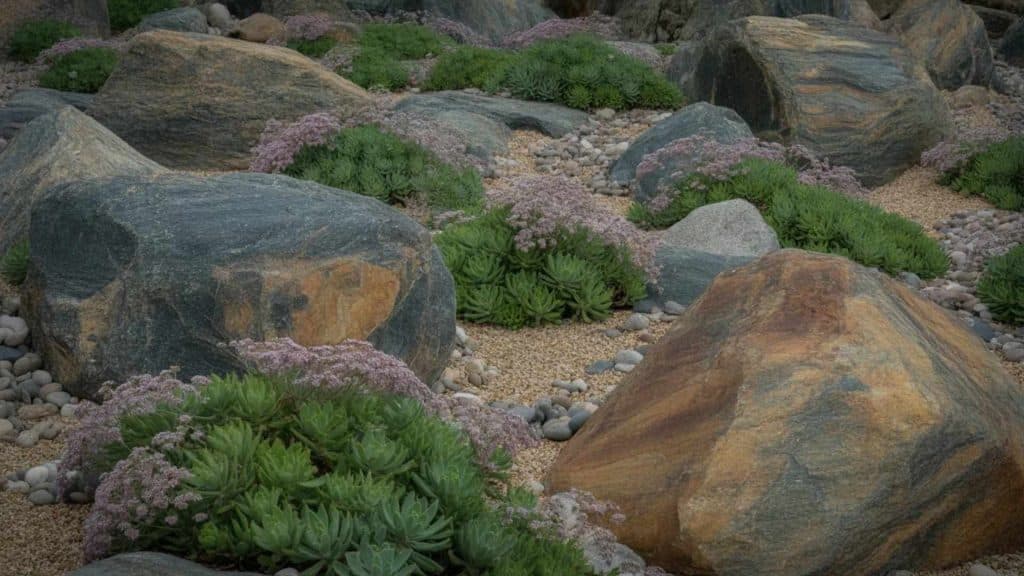
A rock garden brings together a variety of stone sizes and hardy plants to create a natural, low-maintenance outdoor space. It works especially well in areas where regular grass or flowers struggle to survive.
Specialization:
- Works best in sunny, dry spots where regular plants struggle to grow. The combination of stones and drought-tolerant plants creates a balanced, self-sustaining space.
- Combines various stone sizes with hardy plants like succulents and alpine varieties for a layered, natural look that remains attractive year-round.
Popular Among:
- Homeowners who want a good-looking yard without spending time on regular upkeep. A rock garden needs very little watering, trimming, or replanting once it is set up.
- Gardeners in dry or low rainfall regions need drought-tolerant planting options. Rocks hold heat and help plants survive in tough growing conditions.
2. Dry Creek Bed
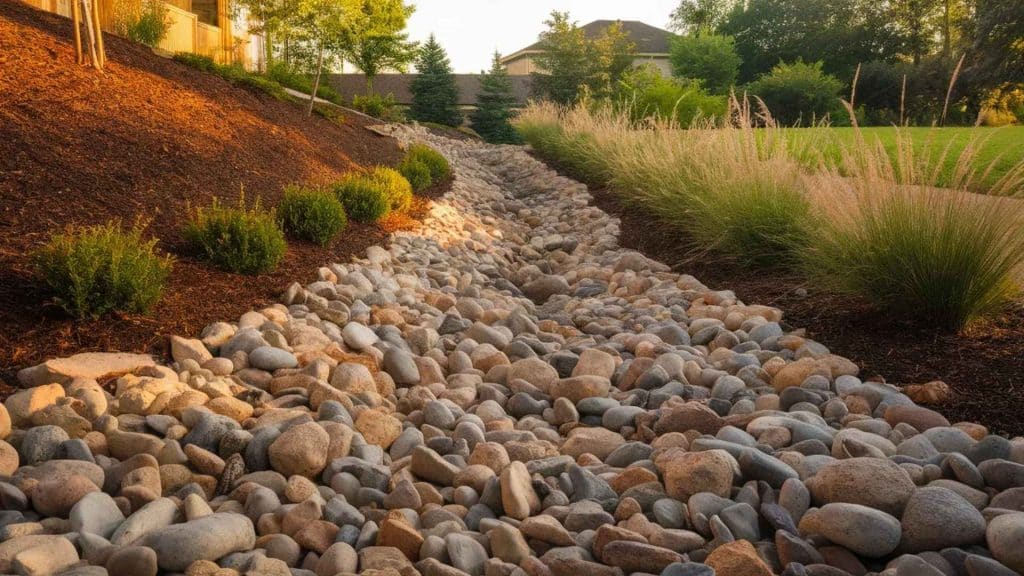
A dry creek bed uses carefully arranged river rocks and stones to recreate the look of a natural stream. It serves a real purpose by directing rainwater away from problem areas while adding a striking feature to the yard.
Eco-Friendly:
- A dry creek bed directs rainwater away from the yard in a controlled, natural way
- The rocks filter water as it moves through, reducing soil erosion along the way
- It prevents runoff from carrying chemicals or debris into nearby drainage systems
- Plants along the banks absorb excess moisture, keeping the surrounding soil balanced
Specialization:
- Designed to move rainwater away from the yard in a controlled, natural way. The rocks guide water flow and prevent it from pooling in low-lying areas.
- Uses river rocks and stones arranged to mimic the flow of a real stream. The varying sizes and placement give it a completely organic, natural appearance.
Popular Among:
- Homeowners dealing with water pooling or poor drainage in their yard. A dry creek bed solves a real drainage problem while looking like a planned design feature.
- Those who want a functional yard feature that also looks completely natural. It fits into almost any garden style without looking out of place.
3. Rock Retaining Wall
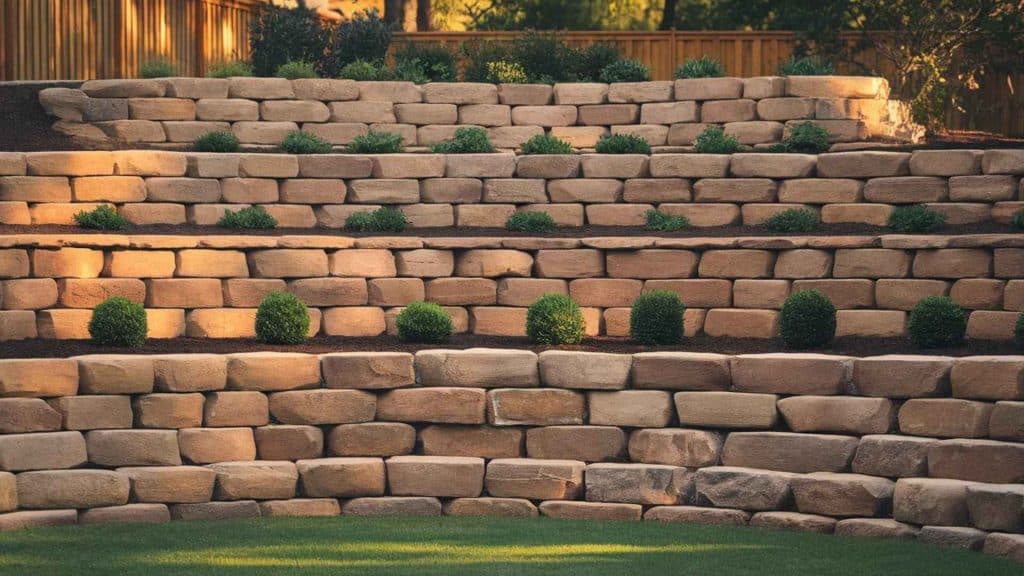
A rock retaining wall uses large boulders or stone blocks to hold back soil on sloped ground. It gives structure to uneven yards and stops soil from washing away during heavy rain.
Specialization:
- Built with large boulders or stone blocks to hold back soil on sloped ground. The weight and placement of each stone keep the wall stable over time.
- Adds structural support to uneven yards while stopping soil from washing away during heavy rain or strong winds.
Popular Among:
- Homeowners with hilly or terraced yards need reliable erosion control. A rock retaining wall holds the ground in place without regular maintenance.
- Those who want to create flat, usable planting areas on a sloped property. The wall levels out the ground and opens up new space for garden beds.
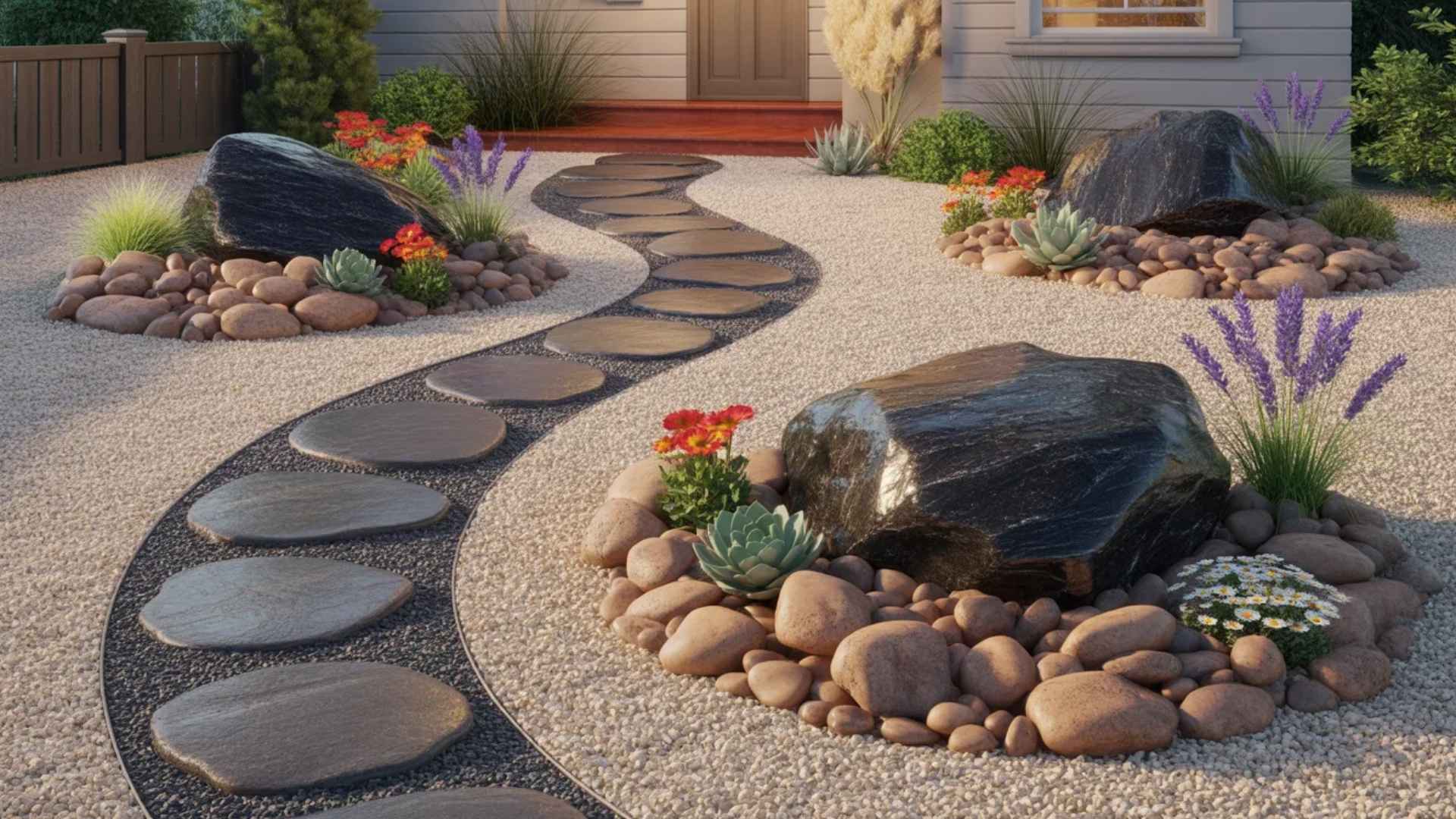
4. Rock Pathway
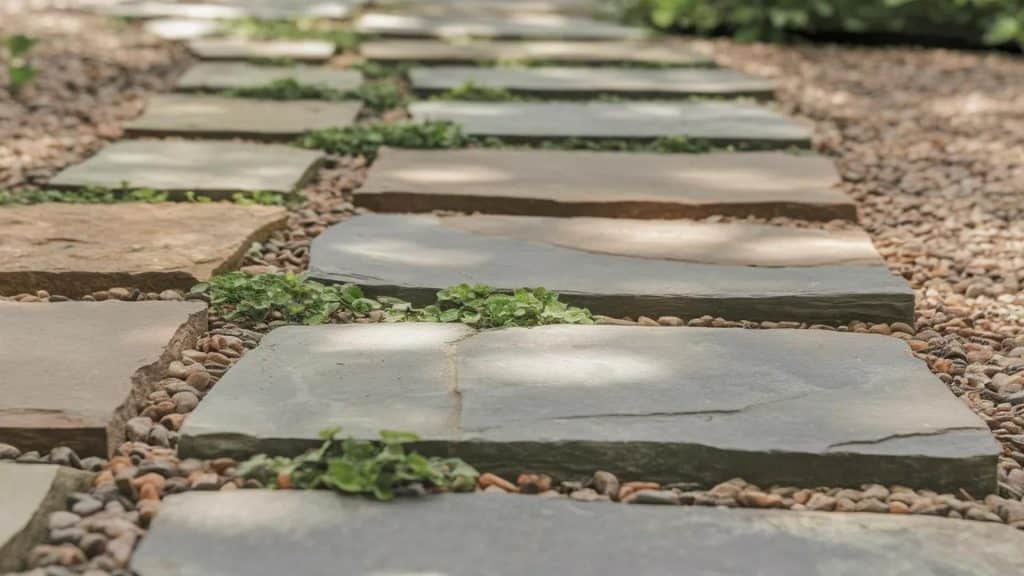
A rock pathway uses flagstones or gravel to create a clear walking route through the garden. It adds structure and direction to the space while fitting naturally into the surrounding yard.
Specialization:
- Uses flagstones or gravel to build a defined walking route through the garden. Each stone is placed to create a smooth, stable surface underfoot.
- It can be straight or winding, depending on the size and layout of the yard. A winding path adds depth and makes even a small garden feel larger.
Popular Among:
- Homeowners who want to connect different areas of a large garden in a natural, practical way. A rock pathway removes the need to walk across grass or soil to reach different spots.
- Those looking for a simple way to add structure and flow to their outdoor space. A well-laid pathway makes the whole yard feel more organized and intentional.
Aesthetic Flow:
- A rock pathway naturally guides visitors from one part of the garden to the next
- Adding gentle curves along the route makes the space feel larger than it actually is
- Unexpected rock formations or a sudden change in stone size keep the path interesting
- Place a small boulder or flowering plant at each curve to reward the eye as people walk
5. Boulder Focal Points
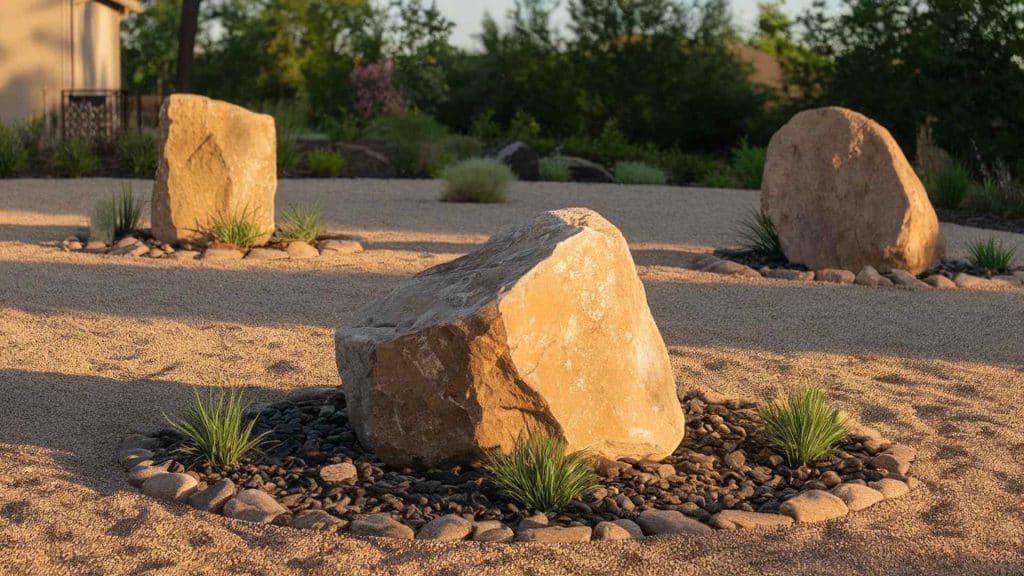
Placing large boulders at key spots in the yard creates strong visual anchors that draw the eye and add depth. A single well-positioned boulder can completely change how an open space looks and feels.
Specialization:
- Uses large, well-placed boulders to draw the eye to a specific area of the yard. The size and weight of a boulder naturally pull attention and create a sense of scale.
- Works as a natural sculpture, adding depth and visual weight to open spaces. Unlike planted features, boulders look good year-round with no upkeep.
Popular Among:
- Homeowners who want a bold design statement without adding more plants or flowers. A boulder does the visual work on its own without needing anything planted around it.
- Those with large open yards that feel flat and need a strong visual anchor. A well-placed boulder breaks up the space and gives it a clear point of interest.
6. Gravel Ground Cover
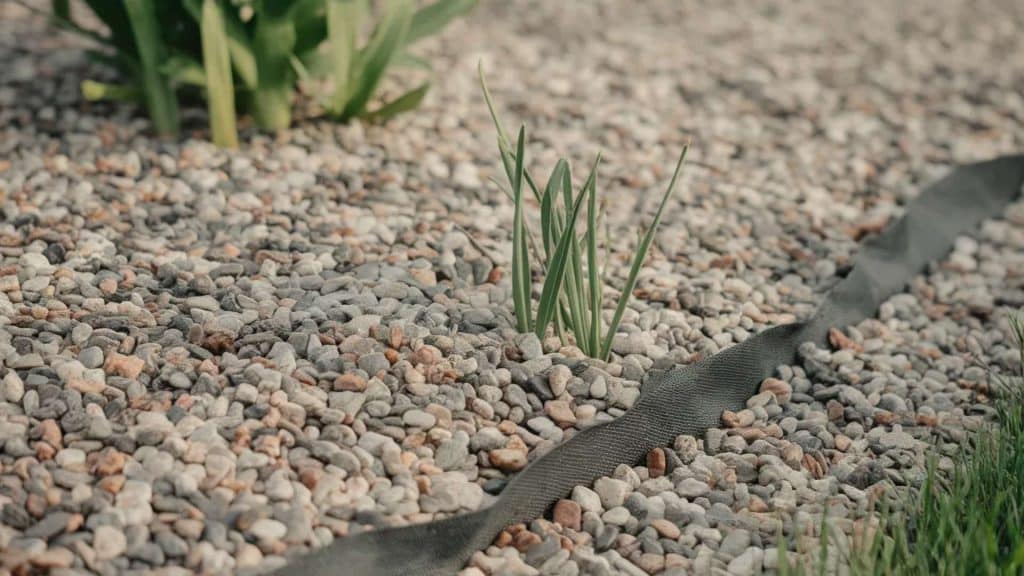
Replacing grass with gravelor pebbles creates a clean, water-saving ground surface that works across front yards, garden beds, and side passages. It cuts watering needs and keeps the space looking neat year-round.
Specialization:
- Replaces traditional grass with gravel or pebbles for a water-saving ground surface. Once laid, it needs almost no attention beyond occasional raking or top-ups.
- Works across full front yards, garden beds, or side passages with equal effect. It adapts easily to any yard size or shape, with no complicated installation required.
Popular Among:
- Homeowners in hot or dry climates are seriously looking to reduce water bills. Gravel ground cover removes the need for irrigation systems or regular watering schedules.
- Those who want a neat, low-maintenance yard without weekly mowing or watering. Gravel stays in place, looks clean, and requires very little day-to-day attention.
7. Zen Garden with Rocks
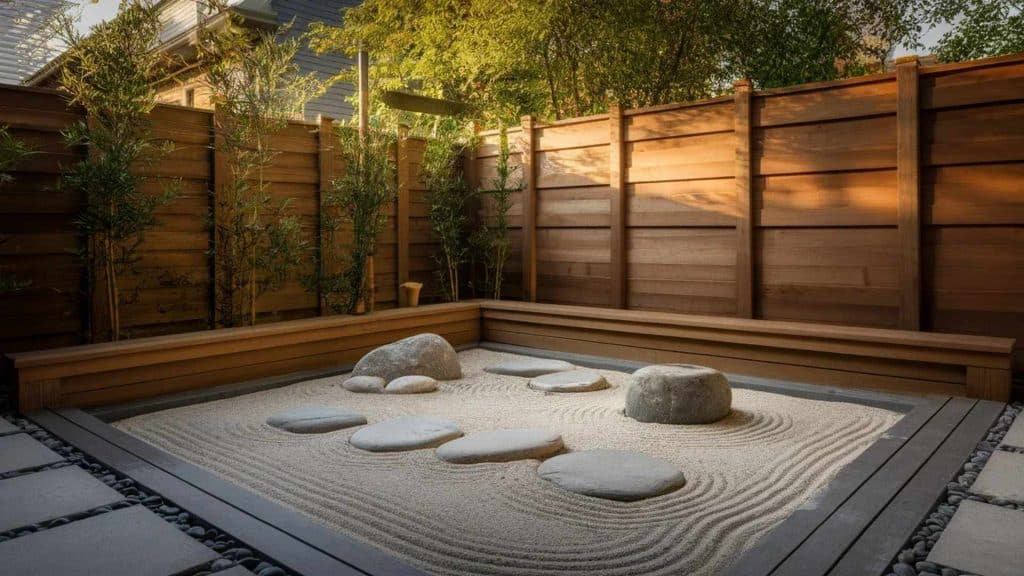
A Zen garden uses smooth rocks, raked sand, and minimal planting to build a calm, balanced outdoor space. It focuses on simplicity and open space rather than color or heavy landscaping.
Specialization:
- Uses smooth rocks, raked sand, and minimal plants to build a calm, balanced space. Every element is placed with the intention to create a feeling of order and quiet.
- Focuses on simplicity and open space rather than heavy planting or bold color. The restrained design is what gives a Zen garden its distinct, peaceful character.
Popular Among:
- Homeowners who want a quiet outdoor space for relaxation and mental clarity. A Zen garden creates a dedicated spot to slow down and step away from daily stress.
- Those with small yard sections are looking to create a meaningful, purposeful corner. A Zen garden works well in compact spaces and does not need a large area to make an impact.
Mindful Design:
- Every rock and element in a Zen garden is placed with a clear intention behind it
- Nothing is added just to fill space. Each stone, line, and plant earns its spot
- Keeping the design simple and open is what gives a Zen garden its calming effect
- The less that is added, the more the space feels purposeful and easy to sit with
Also Read: Designing a Japanese Styled Garden
8. Rock Mulching
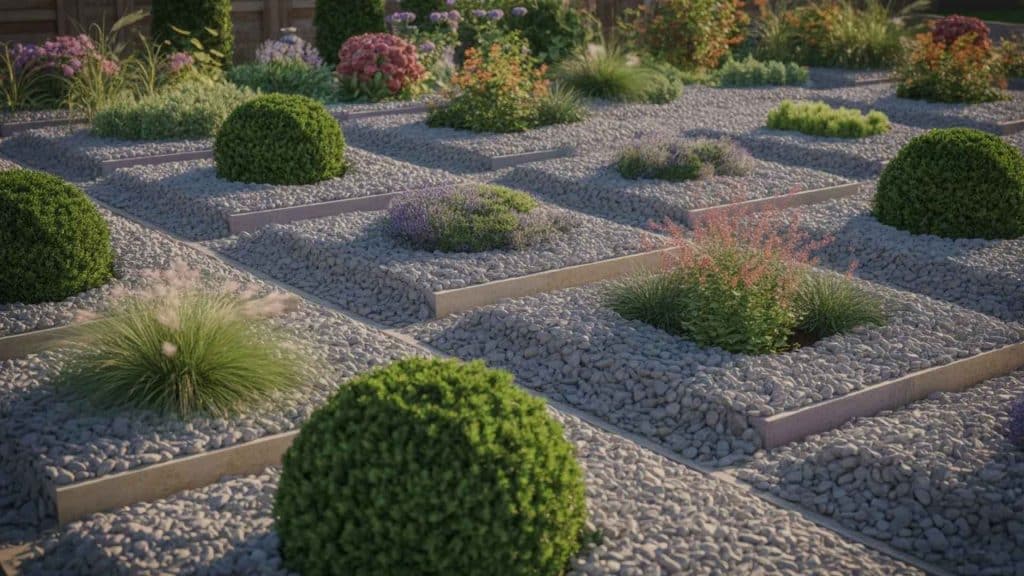
Using small pebbles or gravel as mulch around plants keeps the garden beds looking clean while doing important work below the surface. It holds moisture in the soil and blocks weed growth at the same time.
Specialization:
- Uses small pebbles or gravel as a ground cover around plants instead of wood chips. Rock mulch lasts far longer than organic alternatives and does not break down over time.
- Keeps soil moisture locked in while blocking sunlight that encourages weed growth. This makes it a practical, long-term solution for low-maintenance garden beds.
Popular Among:
- Homeowners who want a longer-lasting, cleaner alternative to traditional organic mulch. Rock mulch does not decompose, blow away, or attract pests the way wood chips can.
- Gardeners looking to reduce the time spent pulling weeds from established garden beds. A thick layer of rock mulch makes it very hard for weeds to push through to the surface.
Also Read: Rubber Mulch vs Wood Mulch: Which Is Better?
9. Rock Water Feature
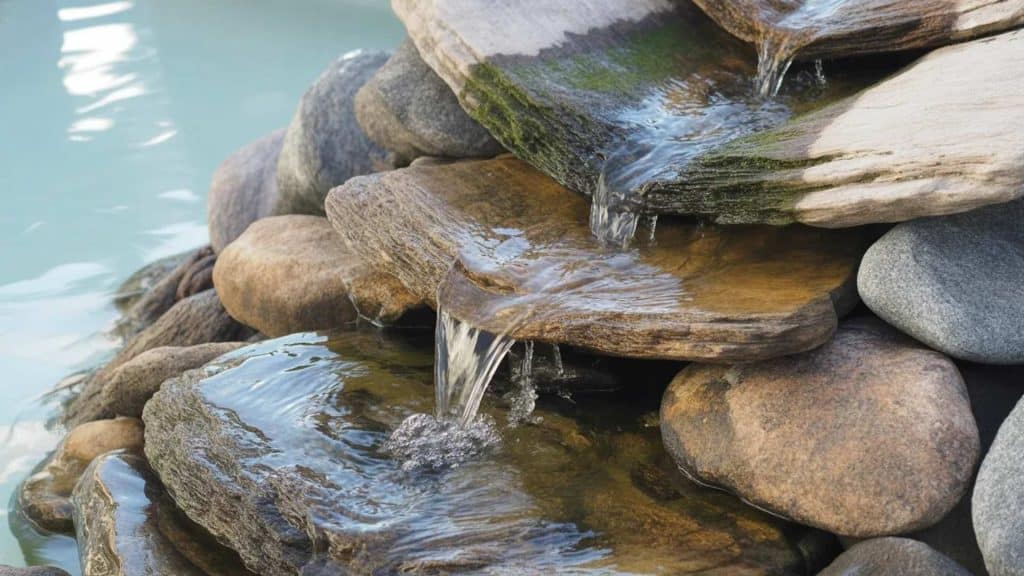
Combining rocks with a water element, such as a pond, waterfall, or fountain, creates a soothing focal point in the yard. Stones add a natural, layered look and guide the movement of water through the feature.
Specialization:
- Combines rocks with water elements like ponds, waterfalls, or fountains for a natural, calming effect. The rocks give the water feature structure and make it look like it belongs in the landscape.
- Stones are used to line edges, create levels, and guide the movement of water through the feature. Careful placement of each rock controls how the water flows and sounds.
Popular Among:
- Homeowners who want sound and movement added to their outdoor living space. The sound of moving water over rocks creates a relaxing atmosphere that is hard to achieve any other way.
- Those looking to create a garden centerpiece that feels both natural and well-designed. A rock water feature becomes the most talked-about part of any backyard.
10. Rock Edging for Flower Beds
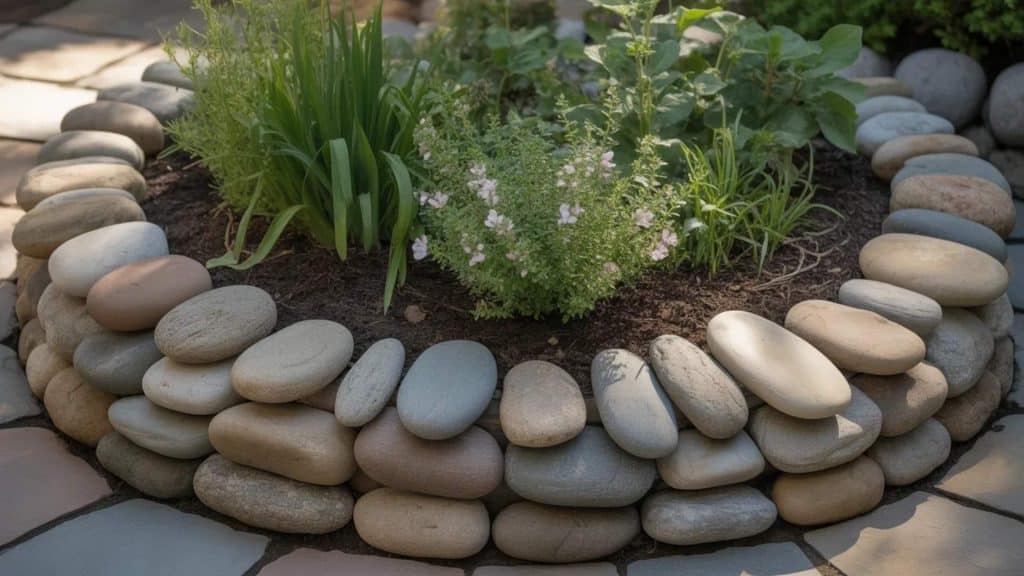
Lining flower beds with rocks gives garden borders a clean, defined edge that holds everything in place. It adds a rustic touch while keeping soil and mulch contained within the bed.
Specialization:
- Line the borders of flower beds with rocks to create a clean, defined edge. The rocks act as a physical barrier that keeps mulch, soil, and plants neatly within the bed.
- Keeps soil and mulch contained while giving the garden a neat, finished appearance. Even a single row of rocks along the edge makes a significant visual difference.
Popular Among:
- Homeowners who want a simple and affordable way to sharpen their garden borders. Rock edging costs very little and can be done in an afternoon without professional help.
- Those looking for a low-effort upgrade that makes existing flower beds look more polished. A clean rock edge instantly improves how the whole garden area looks from a distance.
11. Flagstone Patio
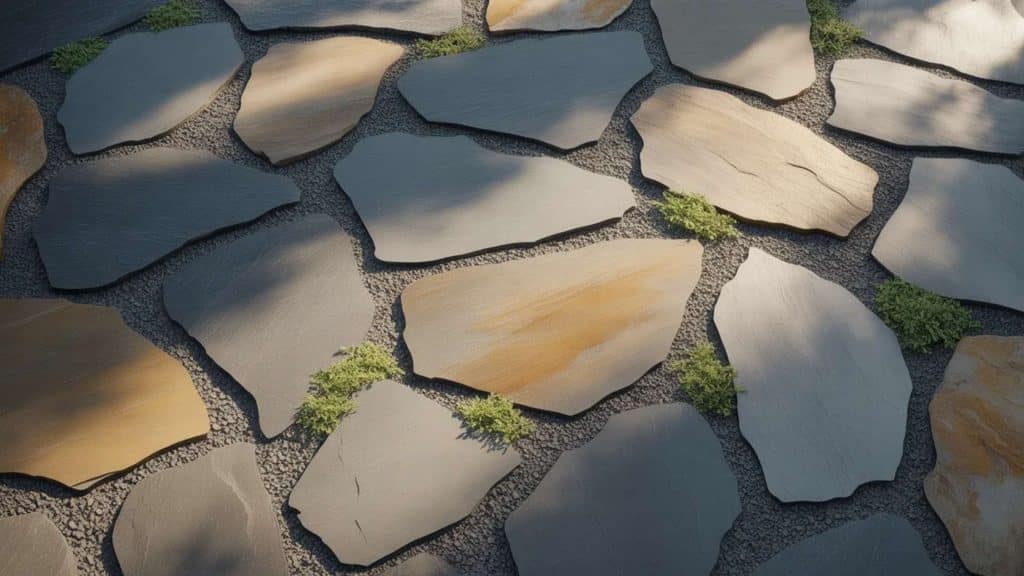
A flagstone patio uses flat natural stones to create a solid, outdoor living surface that blends naturally into the garden. It is a durable and good-looking alternative to poured concrete or timber decking.
Specialization:
- Uses flat natural stones laid across the ground to build a solid outdoor living surface. Each stone is chosen and placed to create a level, stable area for furniture and foot traffic.
- Fits naturally into the surrounding garden without looking forced or overly constructed. The irregular edges and natural colors of flagstone give it an organic, lived-in quality.
Popular Among:
- Homeowners who want a durable outdoor entertaining area with a natural stone finish. Flagstone holds up well through changing weather and gets better looking as it ages.
- Those looking for a long-lasting patio option that requires minimal upkeep over time. Unlike wood decking, flagstone does not rot, warp, or need regular staining or sealing.
Textural Variety:
- Flagstones come in irregular shapes that give the patio surface a natural, lived-in feel
- No two stones are the same size or edge, which keeps the eye moving across the space
- The rough surface texture adds grip underfoot, making it safer in wet conditions
- Mixing thick and thin stones in the same layout adds subtle depth to the finished surface
Also Read: 30 Unique Garden Patio Ideas to Change Your Space
12. Rock Border Around Trees
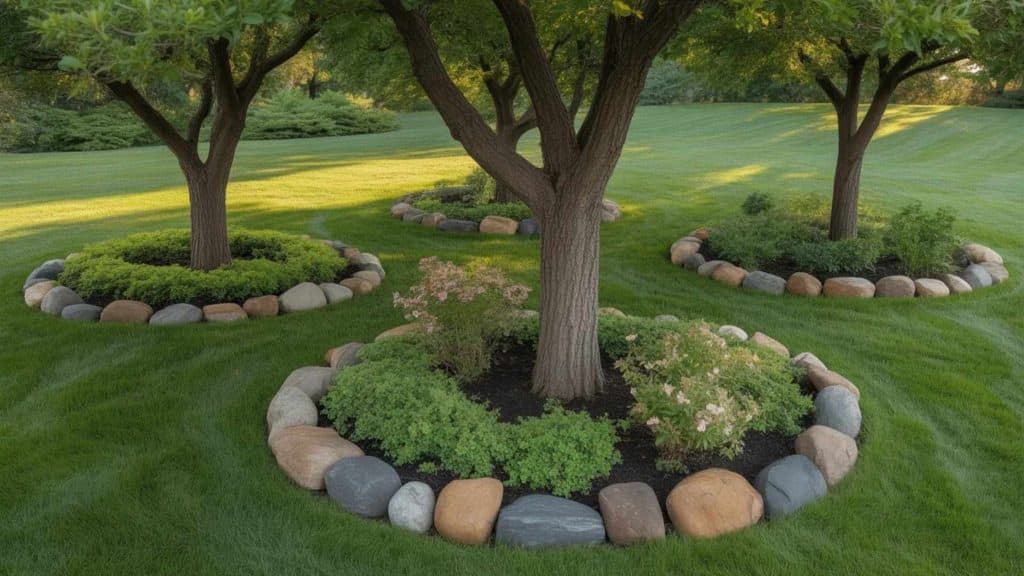
Creating a rock border around the base of trees or large shrubs adds texture at ground level while doing practical work. It protects roots, reduces weed growth, and keeps the surrounding soil in place.
Specialization:
- Creates a defined ring of rocks around the base of trees or large shrubs. The border marks the root zone clearly and protects it from foot traffic and lawn equipment.
- Protects roots from damage, reduces weed growth, and controls soil erosion around the base of the tree. It works quietly in the background without needing any regular attention.
Popular Among:
- Homeowners who want a tidy, finished look around existing trees in their yard. A rock border instantly makes a plain tree trunk area look intentional and well cared for.
- Those looking to protect mature trees while reducing the need for frequent ground maintenance. Once the rocks are placed, there is very little else that needs to be done.
13. Succulent and Stone Garden
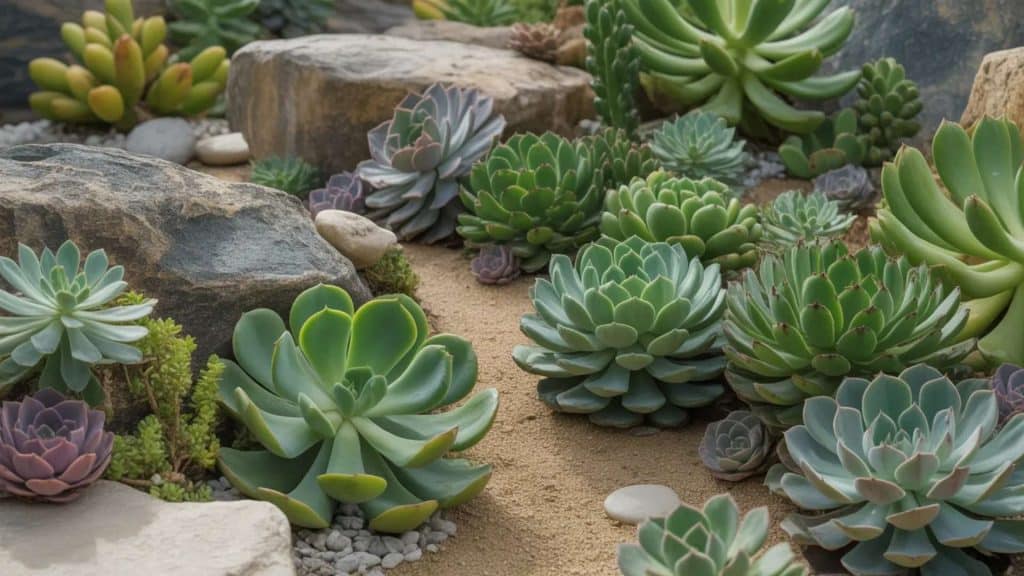
Pairing rocks with drought-tolerant succulents creates a low-maintenance garden that thrives in hot, sunny conditions. Both elements work together naturally in well-drained soil with very little water needed.
Specialization:
- Pair drought-tolerant succulents with rocks in well-drained soil for a self-sufficient garden. The rocks improve drainage, hold heat, and create the exact conditions succulents need to thrive.
- Thrives in hot, sunny conditions where most other plants would dry out quickly. This combination is built for heat and performs well with almost no irrigation.
Popular Among:
- Homeowners in warm, dry climates who want a striking garden with very little watering. Succulents and stones together create a visually interesting space that survives on minimal rainfall.
- Those who prefer a modern, minimal garden style that requires almost no regular attention. The clean lines of rocks paired with the sculptural shapes of succulents create a sharp, contemporary look.
Sculptural Arrangement:
- Rough, angular stones placed next to soft, rounded succulents create a natural visual contrast
- The bold shapes of certain succulents, like agave or aloe, stand out sharply against a stone backdrop
- Group plants of different heights between rocks to build a layered, gallery-style arrangement
14. Rock Steps on Slopes
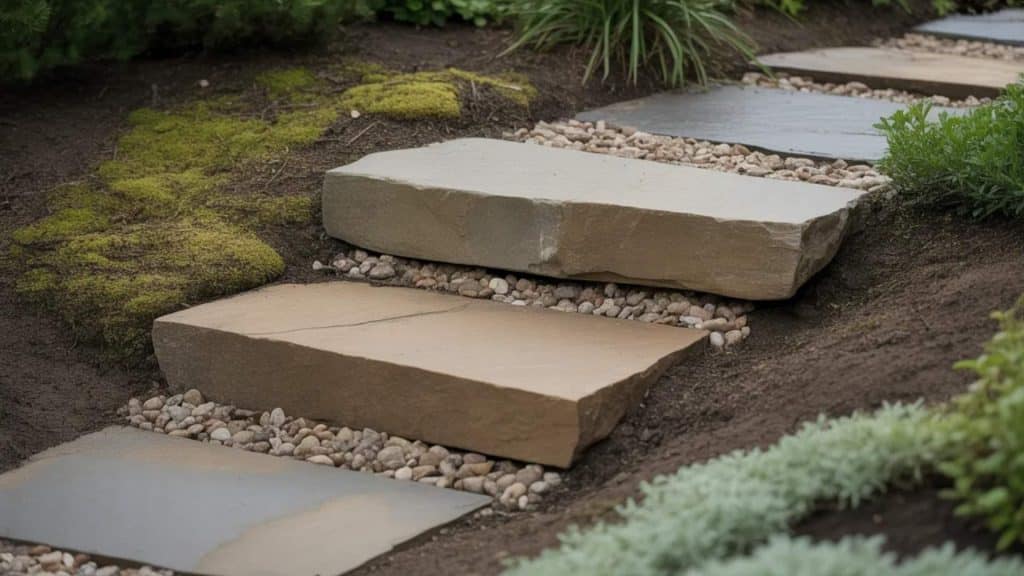
Natural stone steps built into a sloped yard create a safe, sturdy path between different levels. They add visual interest to uneven ground while making it much easier to move around the yard.
Specialization:
- Uses flat natural stones to build safe, stable steps across sloped or uneven yard sections. Each step is set firmly into the ground to prevent shifting or movement over time.
- Provides a practical path between different levels while adding a natural visual element. Stone steps look like they have always been part of the landscape rather than being added later.
Popular Among:
- Homeowners with tiered yards or hillside gardens need safe, easy access between levels. Natural stone steps handle heavy foot traffic and hold their position through all weather conditions.
- Those looking for a sturdy, natural-looking alternative to poured concrete steps on slopes. Stone steps age well and actually improve in appearance as they settle into the ground.
15. Rock Fireplace or Fire Pit
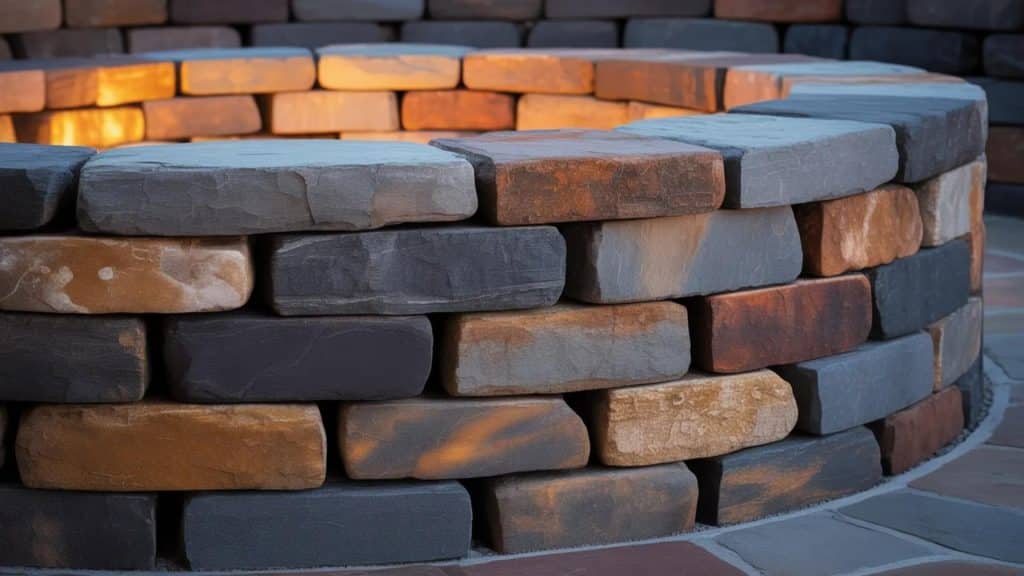
Building a fire pit or outdoor fireplace with stones creates a warm, inviting gathering spot in the backyard. It adds character and becomes a natural center point for outdoor evenings and social time.
Specialization:
- Uses stacked or arranged stones to build a solid, heat resistant outdoor fire feature. Natural stone handles high temperatures well and stays structurally sound through repeated use.
- It can be built as a simple ground-level pit or a taller, structured fireplace, depending on the available space and budget. Both options use the same basic stacking and arrangement techniques.
Popular Among:
- Homeowners who want a permanent outdoor gathering spot for evenings and cooler nights. A stone fire feature creates a reason to spend more time outside throughout the year.
- Those looking to add warmth, character, and a social focal point to their backyard space. A well-built stone fire pit becomes the most used feature in the entire yard.
All-Season Use:
- A stone fire pit keeps the outdoor space warm enough to use well into autumn and winter
- The heat radiates outward from the stones, making the surrounding seating area genuinely comfortable
- Cool spring evenings become usable again with a fire going at the center of the yard
- A well-built stone fire pit turns your backyard into a year-round space, not just a summer one
Common Mistakes to Avoid When Choosing Rock Landscaping Ideas
Choosing the wrong type of rock for your yard is where most people go wrong from the very start. Here are some of the common mistakes that people make while choosing a rock landscape for their spaces.
-
Picking rocks based on looks alone without considering drainage, soil type, or climate leads to pooling water and shifting stones.
-
Skipping the planning stage makes the whole design feel random and disconnected from the rest of the yard.
-
Using a single rock size throughout the yard makes the space look flat and dull. A mix of sizes always gives a more natural result.
-
Forgetting to lay landscape fabric before placing gravel means weeds push through and take over within just a few weeks.
-
Ignoring drainage conditions before laying anything down causes water to pool, plants to rot, and rocks to shift out of place over time.
-
Copying a design that does not suit your yard size or shape almost always leads to disappointment and costly rework later.
Conclusion
Rock landscaping is one of the smartest ways to give your yard a clean, natural look without spending a lot of time on upkeep. From simple gravel ground cover to bold boulder focal points, every idea we covered works for a different space, style, and budget.
The key is to plan well, pick the right rocks for your conditions, and avoid the common mistakes that trip most homeowners up.
Whether you start small with rock edging or go big with a flagstone patio, every step you take adds real value to your outdoor space.
Ready to get started? Pick one idea from this list and take the first step this weekend. Have questions or want to share your own rock landscaping project? Drop a comment below and let us know!
Frequently Asked Questions
What Are Some Creative Landscaping Rock Ideas?
Rock gardens, dry creek beds, flagstone patios, Zen gardens, boulder focal points, and stone fire pits all offer creative, low-maintenance ways to upgrade any yard.
What Do You Put Down Before Rocks for Landscaping?
Always lay landscape fabric over cleared, weed-free soil before placing any rocks. This blocks weed growth and keeps stones firmly in place longer.
What Is the Most Popular Landscaping Rock?
Pea gravel is the most widely used landscaping rock. It is affordable, easy to spread, and works well in pathways, garden beds, and ground cover areas.
Which Is Better, Pebbles or Gravel?
Gravel works better for drainage and pathways, while pebbles suit decorative garden beds. Your choice depends on the specific function and look you want.