
Embarking on a home transformation is thrilling, yet navigating the latest UK legislation is vital for a seamless journey.
This guide unpacks the critical shift from the previous four-year window to the current decade-long enforcement period that now governs every glass-roofed extension.
We’ll analyze how these updated statutes impact both traditional conservatories and contemporary orangeries differently.
How to identify if your vision qualifies under Permitted Development or requires formal oversight. Plus, we’ll break down the financial roadmap for certification to ensure your investment thrives.
Have you checked if your current plans align with the 2024 legislative updates?
What Is the 10-Year Rule for Conservatories?
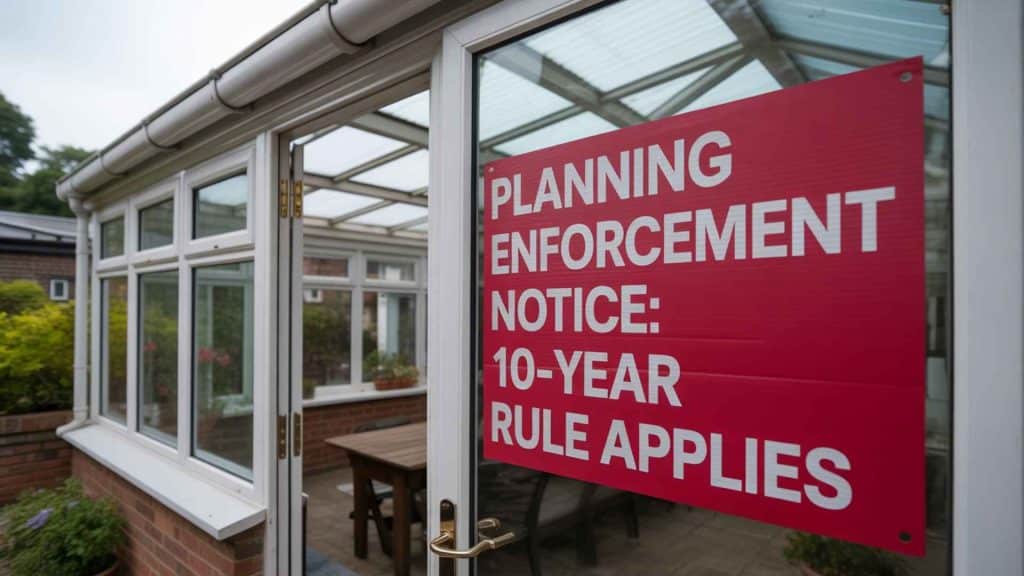
The 10-year rule is a planning enforcement time limit. It sets the time limit for a local planning authority to take action against unauthorized development. Previously, England operated a four-year rule for building operations.
If a conservatory or orangery was built without the required permission and no enforcement action was taken within four years of completion, the structure became immune from prosecution.
That changed on 25 April 2024. The Leveling-up and Regeneration Act abolished the four-year period entirely.
A single 10-year enforcement window now applies to all breaches of planning control, including conservatories, orangeries, and extensions built outside permitted development limits.
In plain terms: if a structure was built without proper permission, the local authority can now pursue enforcement action for up to 10 years from the date the work was substantially completed.
Does the 10-Year Rule Apply to Orangeries Too?
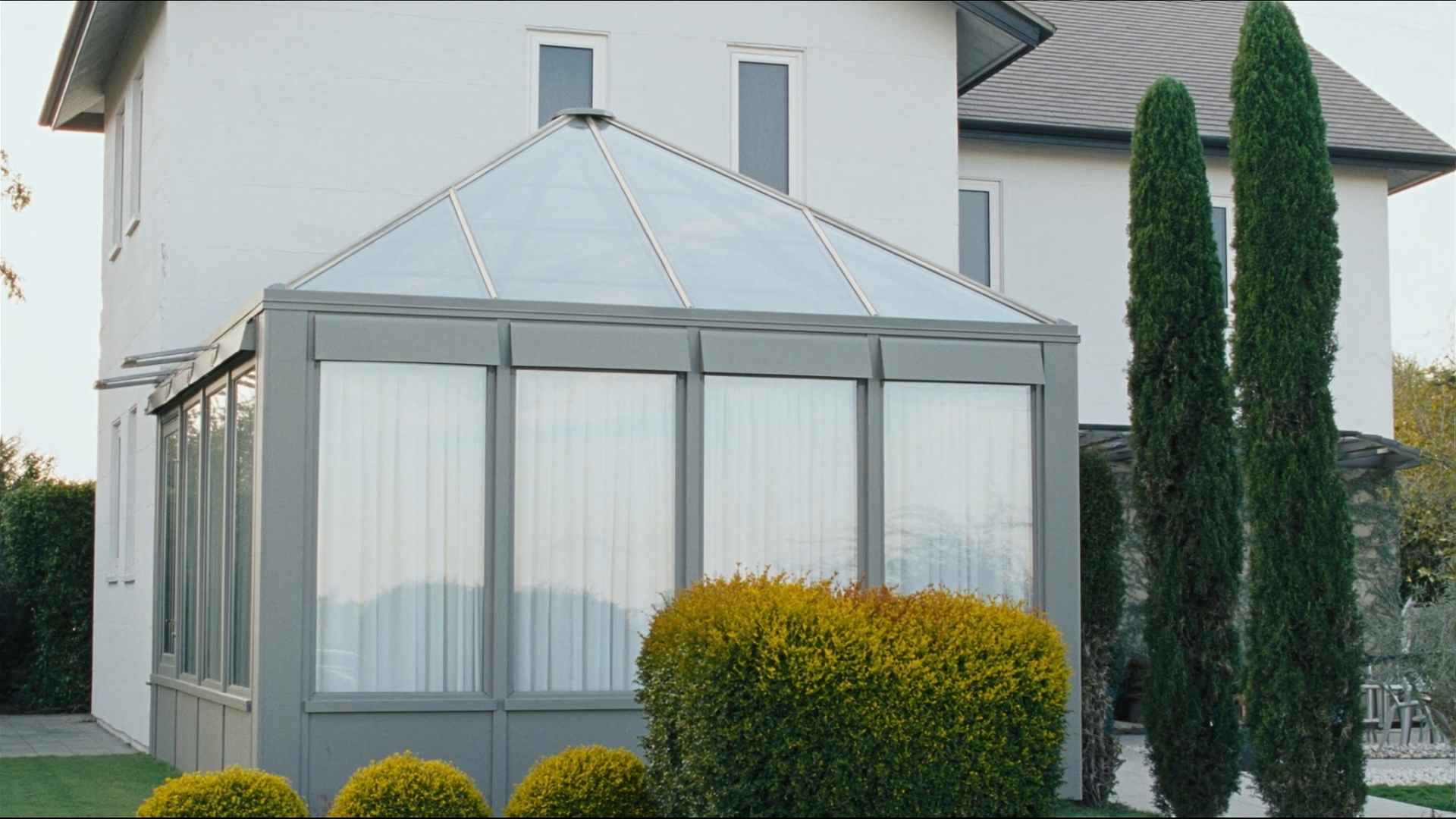
Yes. For planning purposes, an orangery is treated as a single-story extension. The same permitted development rules and enforcement limits apply.
The key difference between a conservatory and an orangery lies in building regulations rather than planning law.
Because orangeries use more solid construction and typically connect open-plan areas to the main house, they are less likely to qualify for the building regulations exemption that conservatories sometimes do.
Most conservatories qualify for a building regulations exemption if they meet all of the following:
- Built at ground level with a floor area under 30m²
- Separated from the main house by external-quality walls, doors, or windows
- Fitted with an independent heating system on a separate circuit
- Glazing and electrical installations comply with applicable regulations
An orangery with an open-plan connection to the main house will almost always need full building regulations approval, regardless of its size.
What Changed: The Old 4-Year Rule vs the New 10-Year Rule
| Rule | Period | Applied To |
|---|---|---|
| Old 4-year rule | 4 years | Building operations, change of use to dwellinghouse |
| New 10-year rule | 10 years | All planning breaches, including conservatories and orangeries |
The transition date matters. For structures substantially completed before 25 April 2024, transitional rules may still apply, and date-specific legal advice is worth getting.
For anything built on or after that date, the 10-year period applies without exception.
Waiting out the council is no longer a realistic strategy. The window is too long, and the consequences of being caught within it are significant.
What This Means When You Sell
This is where the rule has the sharpest real-world effect. When a property changes hands, solicitors carry out conveyancing checks.
Any conservatory or orangery on the property raises questions about planning permission and compliance with building regulations.
Solicitors now require a full 10 years of evidence to confirm that a structure is legal. If documentation cannot be provided, several outcomes are possible:
- The buyer’s solicitor requests an indemnity insurance policy to cover the risk
- The buyer uses the gap in documentation to negotiate a lower price
- The sale stalls while the issue is investigated
- In serious cases, retrospective planning or building regulations approval must be sought before the sale can proceed
Indemnity insurance covers enforcement risk only. It does not cover structural or safety issues arising from work that was not built to standard.
Some mortgage lenders will not accept indemnity insurance as sufficient cover, which can affect a buyer’s ability to finance the purchase.
Anyone planning to build a small orangery extension should treat planning and building regulations documentation as non-negotiable from the start, not as an afterthought once the build is finished.
When You Do Not Need Full Planning Permission?
Most rear conservatories and orangeries in England can be built without a full planning application under permitted development rights, provided they meet strict criteria.
For attached houses, the structure must not extend more than 3 meters from the original rear wall. For detached houses, the limit is 4 meters.
A maximum height of 4 meters applies. Total extensions and outbuildings must not cover more than 50% of the garden. The structure must sit at the rear of the property, not forward of the principal elevation.
Properties in conservation areas, listed buildings, and those subject to Article 4 Directions lose some or all of these permitted development rights. Always confirm the position with the local planning authority before committing to a design.
A Lawful Development Certificate, which costs around $328 for proposed development in 2026, provides written confirmation from the council that a build is lawful.
Solicitors value this document highly at the point of sale, and it removes most of the uncertainty that can slow a transaction.
How the 10-Year Rule Affects Build Cost Planning?
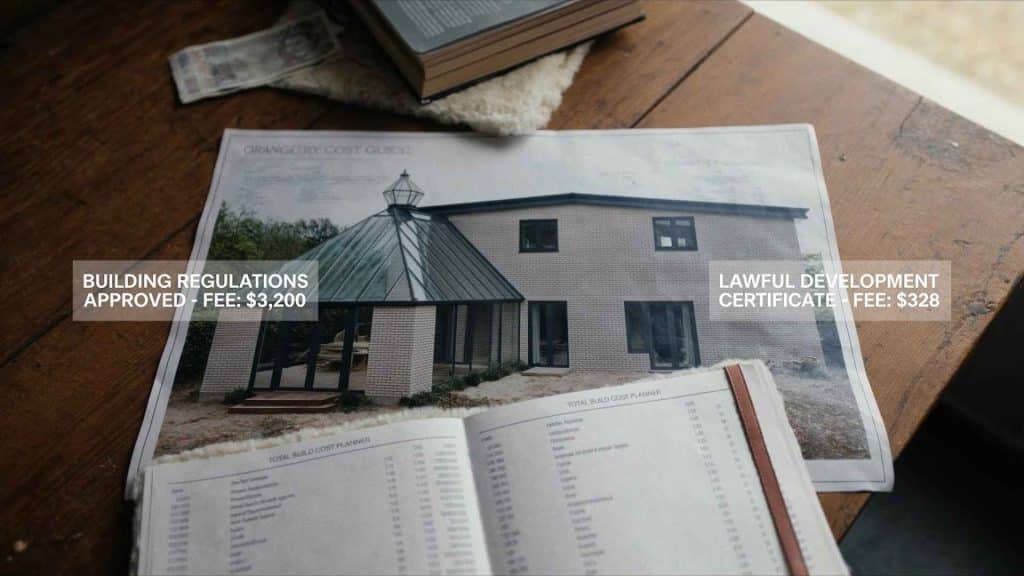
Compliance has a cost. Building regulations approval typically runs between $1,900 and $3,200, depending on the local authority and project complexity.
A Lawful Development Certificate adds a further $328. These are not optional extras. They are the paperwork that protects the value of the build over the long term.
Cutting corners on compliance to save a few hundred dollars at the start can cost far more at the point of sale.
A price reduction forced by undocumented work can easily run to several thousand dollars, far outstripping what proper approval would have cost.
Putting the full cost picture together, including compliance fees, is part of what a proper orangery cost guide should cover before any spade goes in the ground.
The effect this has on what price a property can command is covered in detail when looking at whether orangeries add value to a sale.
Final Thoughts
The shift from a four-year to a 10-year enforcement rule is a game-changer for UK homeowners. Whether you are planning a sleek new conservatory or a sun-drenched orangery, the days of “waiting out the clock” are over.
Proper documentation isn’t just bureaucratic red tape; it is the ultimate protection for your home’s resale value and your own peace of mind.
Before you break ground, ensure your project ticks every legal box.
From Lawful Development Certificates to Building Regulations, getting it right the first time is significantly cheaper than fixing a mistake a decade down the line.
Are you ready to start your project with total confidence?
Frequently Asked Questions
What Happens If I Lack Planning Permission?
Under the new ten-year mandate, local councils can issue enforcement notices requiring you to alter or demolish non-compliant structures. This creates significant legal and financial risks for homeowners.
How Do These Updates Affect Property Sales?
Buyers’ solicitors now scrutinize a decade of history. Missing documentation often leads to stalled transactions, forced price reductions, or expensive indemnity insurance requirements that may not cover structural safety.
Do Orangeries Have Different Requirements Than Conservatories?
While planning limits are similar, orangeries often require stricter building regulation oversight due to their solid walls and open-plan designs, which rarely qualify for the simple conservatory exemptions.
Is a Lawful Development Certificate Really Necessary?
Yes. This official document serves as concrete proof that your project met all legal criteria at the time of construction, offering vital protection during future surveys or property valuations.
Can I Apply for Permission After Building?
You can seek retrospective approval, but it is a gamble. If the council denies your application, you may face mandatory removal of the extension at your own personal expense.