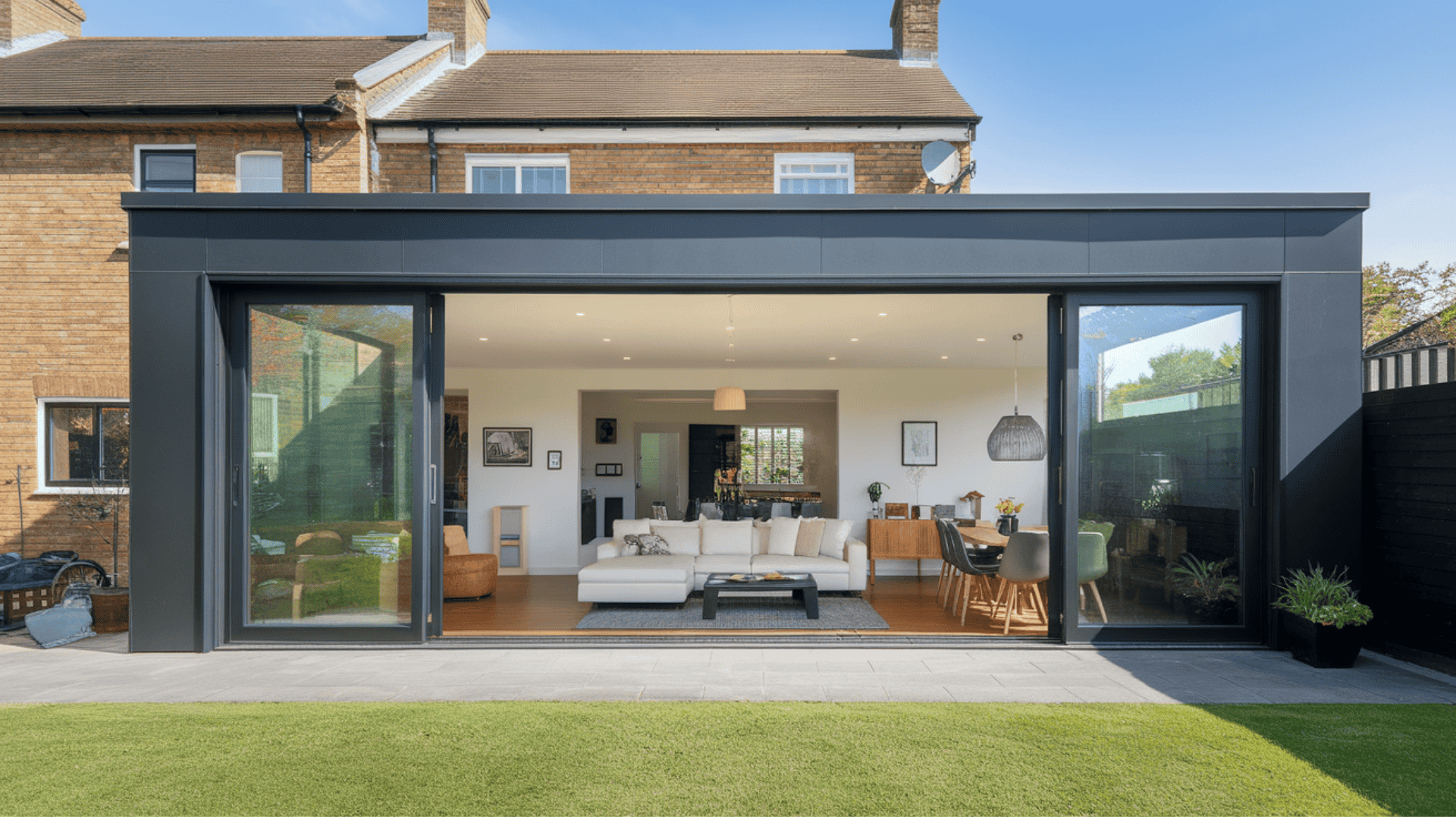

You need more space. But traditional construction feels too slow, too messy, and too expensive.
Months of noise. Dust everywhere. Budgets that keep growing.
There is a better way. It is called a prefab extension, and thousands of American homeowners are using it to add space faster, at lower cost, and with far less disruption.
In this guide, you will learn exactly how prefab and modular extensions work. You will get real cost figures, material options, permit requirements, and a clear planning process.
By the end, you will have everything you need to make a confident decision about expanding your home.
What is a Prefab Extension?
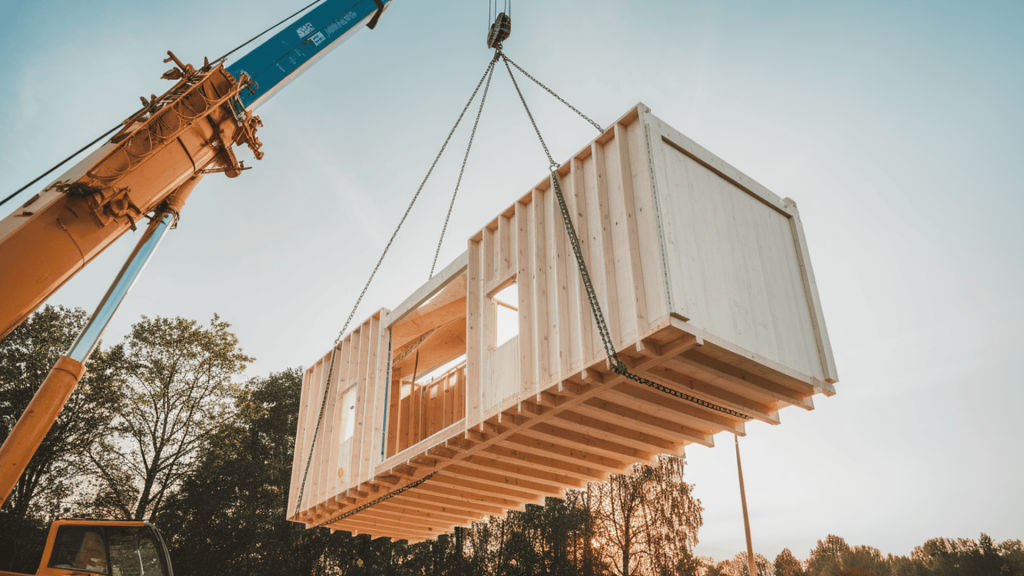
A prefab extension is a home addition built mostly off-site in a factory. Walls, frames, and panels are manufactured under controlled conditions. They are then delivered to your property and assembled on-site.
This differs from traditional construction, where everything in your home is built from scratch. Traditional methods take longer, cost more, and disrupt your daily life for months.
With prefab extensions, the factory handles the heavy work. On-site time is much shorter. Quality is more consistent because factory conditions don’t change with the weather.
Traditional Stick-Built Additions vs. Prefab Extensions:
| Factor | Traditional Build | Prefab Extension |
|---|---|---|
| Where it’s built | Entirely on-site | Mostly off-site in a factory |
| Construction time | 3–12 months | 4–6 months total |
| On-site work | Months of active construction | 4–6 weeks for assembly |
| Weather impact | Major delays possible | No weather delays during manufacturing |
| Quality control | Varies by crew and conditions | Consistent factory standards |
| Cost per sq ft | $100–$200+ | $80–$160 |
| Daily disruption | High dust, noise, workers’ daily | Low, short on-site window |
Prefab vs. Modular Extension: Key Differences
These two terms are often used together. They are related but not the same. Knowing the difference helps you choose the right option.
Prefab extension refers to any addition in which components, walls, floors, and roof panels are manufactured in a factory and assembled on-site. It is the broader category.
Modular extension is a specific type of prefab construction. Entire rooms or units are fully built in the factory. They arrive at your property ready to connect. Many modular extensions include finished interiors, floors, walls, even kitchens and bathrooms already installed.
| Feature | Prefab Extension | Modular Extension |
|---|---|---|
| What is built off-site | Components (walls, panels, frames) | Complete rooms or units |
| Delivered as | Flat-packed or partially built | Fully assembled modules |
| Finished interior included? | Usually no | Often yes |
| On-site finishing work | More required | Minimal |
| Best for | Smaller additions, panel-based builds | Full rooms, ADUs, second stories |
| Typical cost | Generally lower upfront | Slightly higher, but more complete |
The simple version: A prefab extension ships the parts. A modular extension ships the finished room.
Typical Types of Prefab & Modular Extensions
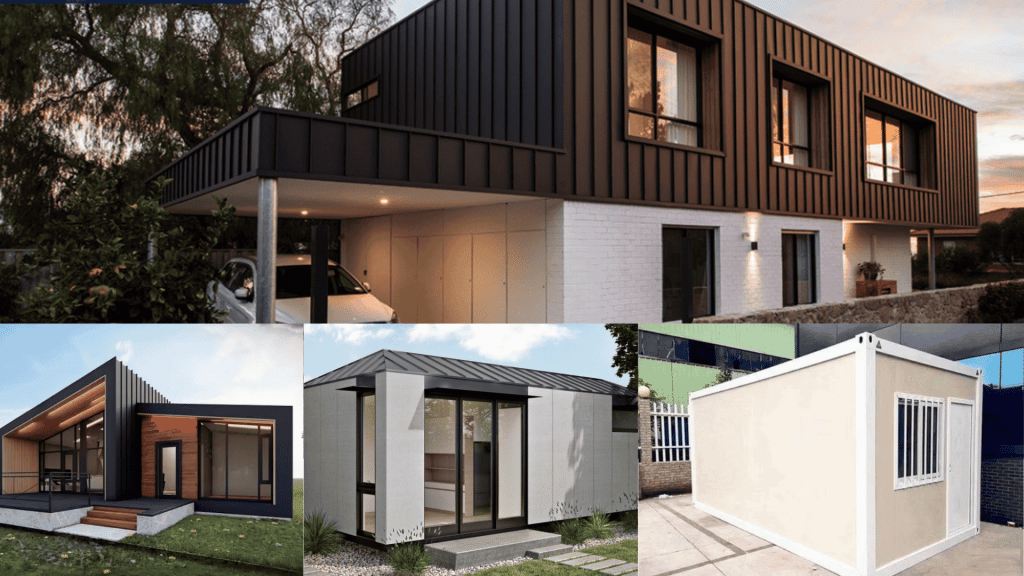
Prefab and modular extensions offer a range of results for expanding your living space. From ADUs to customizable layouts, these options cater to a range of needs.
1. Modular ADUs (Accessory Dwelling Units)
Modular ADUs are standalone units that can serve as guest suites, rental units, or in-law apartments. These extensions provide independent living spaces in the backyard.
That offers both functional living areas and added property value. They are flawless for occupants looking to create extra income or house family members.
2. Second-Story Modular Extensions
Second-story modular extensions add vertical space to your home without expanding its ground footprint. Ideal for properties with limited lot sizes, these extensions create extra bedrooms and living areas.
Even home offices on top of existing structures. This maximizes space without taking up additional land, making it a flawless solution for tight spaces.
3. Single-Room Additions
Single-room modular extensions, such as bedrooms, dens, home offices, or sunrooms, provide versatile results for occupants. These compact additions make it easy to expand to meet specific needs, adding functional space to your home.
Sunrooms are particularly popular, offering a bright, natural light-filled living area that can be used for relaxation or entertaining.
4. Customized Layouts
Customized modular layouts offer flexible floor plans to meet the evolving needs of growing families or changing life circumstances. These extensions adapt to different preferences and requirements.
Many designs allow for future expansions, giving occupants the option to adjust their space as their family and lifestyle evolve. This flexibility is a flawless choice for future-proofing your living spaces.
Prefab and modular extensions can be tailored to your needs, offering flexibility, efficiency, and value. These types provide constant opportunities to expand your home.
Prefab Extensions: Benefits vs. Considerations
A prefab extension solves most of the problems homeowners face with traditional construction. But like any major project, it comes with a few things worth knowing before you start.
Understanding both sides helps you plan smarter and avoid surprises down the road.
Benefits:
- Speed: On-site assembly takes only 4–6 weeks, far less than a traditional build.
- Cost: Prefab extensions run 10–25% cheaper than stick-built additions.
- Budget control: Fixed factory pricing means fewer surprise costs mid-project.
- Quality: Factory standards produce consistent, well-built results every time.
- Less disruption: A short on-site window means less noise, dust, and daily stress.
- Variety: Bedrooms, ADUs, sunrooms, and offices are all available options.
Considerations:
- Design limits: Very unique or complex designs may reduce cost savings.
- Transportation: Modules must fit on local roads and clear all overpasses.
- Site access: Cranes need an open, clear space to install modules safely.
- Structural fit: Your existing foundation must support the new addition.
- Zoning laws: Rules differ significantly by city and county; check early.
- Permits: Requirements vary widely across regions and municipalities.
Materials Used in Prefab Extensions
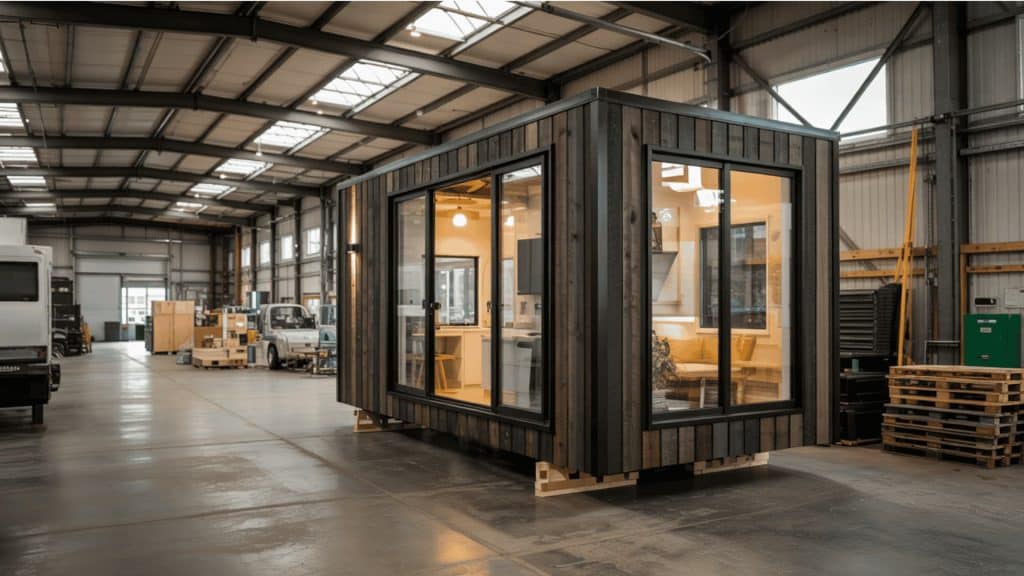
The material you choose affects cost, insulation, durability, and how your extension looks. Here are the four main structural options used in prefab and modular builds.
1. Timber Frame
The most common choice for prefab extensions. Timber is lightweight, affordable, and provides solid insulation. Most residential prefab builders offer it as their standard option.
2. Structurally Insulated Panels (SIPs)
A rigid foam core sandwiched between two structural panels. SIPs deliver excellent insulation and fast assembly. The top choice for long-term energy bill savings is a priority for you.
3. Light Gauge Steel
Strong, fire-resistant, and highly durable. Steel does not rot, warp, or shrink. A solid pick for single-story extensions in high-moisture or high-heat climates.
4. Heavy Steel
Used for large or complex projects where maximum structural strength is needed. Costs more than other options but supports significant loads. Best for second-story or multi-room additions.
Which material is right for you?
- Standard bedroom or sunroom → Timber frame
- Best insulation and energy savings → SIPs
- High-moisture or fire-prone area → Light gauge steel
- Large or multi-story addition → Heavy steel
Prefab Extension Cost and Timeline
Planning a prefab or modular extension? Here is a clear breakdown of what to expect in terms of cost and time, so there are no surprises.
Cost: Modular extensions cost between $80 and $160 per square foot. This covers the base unit, delivery, site preparation, installation, and finishing.
Timeline: On-site assembly takes 4–6 weeks after modules arrive. Design and planning phases last 4–8 weeks. Permitting timelines vary by location. Overall, most projects are completed in 4–6 months.
Estimated Costs by Project Size
| Project Size | Estimated Total Cost |
|---|---|
| 144 sq ft single room | $11,500 – $23,000 |
| 400 sq ft addition | $32,000 – $64,000 |
| 800 sq ft ADU or suite | $64,000 – $128,000 |
Additional Costs to Budget For
| Cost Item | Estimated Range |
|---|---|
| Foundation | $6,000 – $20,000 |
| Permits and fees | $500 – $5,000 |
| Utility connections | $2,500 – $25,000 |
| Delivery | $3,000 – $12,000 |
Pro Tip: Set aside 10–20% of your total budget as a buffer. Unexpected site conditions or permit requirements can quickly add costs.
Does a Prefab Extension Add Property Value?
Yes. A well-built prefab extension adds real, measurable value to your home.A new bedroom or modular ADU typically returns 80–90% of its cost at resale.
ADUs also generate rental income, which further boosts overall property value. Modular homes appreciate at nearly the same rate as stick-built homes, and energy-efficient finishes make your home even more attractive to modern buyers.
The key is clean exterior integration and quality materials, so the addition looks like a natural part of your original home.
Building Permits for a Prefab Extension
Permits are one of the most important parts of your project. Nearly every prefab and modular extension in the US requires at least one. Skipping this step, or assuming your builder handles everything, is one of the most common and costly mistakes homeowners make.
Here is what you will likely need and what each permit covers.
- Building permit: Covers overall structure, safety, and local code compliance.
- Electrical permit: Required for all wiring and power connection work.
- Plumbing permit: Covers water supply lines and drainage systems.
- Mechanical permit: Required for HVAC installation and connections.
- Transportation permit: Needed when moving large modules on public roads.
- Zoning or use permit: Governs placement, property lines, and land use rules.
How modular permits differ: Modular units are pre-inspected at the factory. Your local building inspector only checks site installation, utility connections, and zoning compliance, making the approval process faster than traditional builds.
Pro Tip: Many certified modular builders provide all required permit drawings as part of their service. Ask about this before signing any contract
How to Plan & Prepare a Prefab Extension?
Planning a prefab extension is straightforward when you follow the right order. These steps take you from the first idea to a finished, inspected addition with fewer delays and no costly surprises.
Step 1: Assess Your Needs
Define exactly what space you need. One bedroom? A full ADU? A home office? Think about what you need now and in five years. Future-proof your plan where possible.
Step 2: Check Local Regulations
Contact your local building department early. Ask specifically about modular and prefab rules, zoning restrictions, and ADU requirements in your area. Early research prevents expensive mistakes.
Step 3: Evaluate Your Site and Budget
Walk your property and check crane and delivery truck access. Get a structural assessment of your existing foundation. Set a clear budget using the cost ranges in Section 6, and add a 10–20% buffer.
Step 4: Select a Certified Builder
Look for builders with verified experience in prefab or modular additions. Check certifications, past projects, and client reviews. Interview at least three builders. Confirm insurance and warranty coverage before you decide.
Step 5: Plan the Design and Layout
Choose your material and extension type. Work with a designer to finalize your floor plan. Ask for a 3D rendering before giving final approval. This helps catch problems before construction begins.
Step 6: Install, Inspect, and Sign Off
Prepare your site for clear access, arrange utility connections, and confirm delivery timing. After assembly, a local inspector will verify code compliance. Walk through the finished addition with your builder. Only sign off once every item on the punch list is resolved.
How to Finance a Prefab Extension?
Most homeowners cover the cost of a prefab extension using a home equity loan, a HELOC, or a personal loan.
A home equity loan gives you a fixed lump sum with predictable monthly payments, best for mid-size projects.
A HELOC works like a credit card against your home’s value, which suits projects with costs spread over several months.
Personal loans need no home equity and are approved faster, but carry higher interest rates, making them best for smaller single-room additions under $30,000.
Always get quotes from at least three lenders and ask specifically about financing for modular or prefab construction before you commit.
Conclusion
A prefab extension gives your family more space without months of chaos, noise, or budget stress.
Costs run 10–25% lower than those of traditional stick-built additions. On-site assembly wraps up in just 4–6 weeks. Factory-built quality means fewer surprises. And a well-planned prefab extension returns 80–90% of its cost when you sell.
Start by assessing your space needs today. Contact at least three certified modular builders in your area for free consultations. Compare quotes, timelines, and materials before committing.
These prefabricated extensions are changing how American families expand their homes faster, smarter, and at a lower cost than most people expect.
Have a question about your project? Drop it in the comments; we would love to help.
Frequently Asked Questions
Are Prefab Extensions Cheaper?
Yes. Prefab extensions cost 10–25% less than traditional stick-built additions. Factory production cuts labor costs and reduces material waste, keeping your total budget lower.
Are Prefab Extensions Better Than Brick?
It depends on your priorities. Prefab extensions are faster to build and more energy efficient. Brick offers a more traditional look and may blend better with older homes.
Do Prefab Extensions Add Value?
Yes. A well-built prefab extension typically returns 80–90% of its cost in added home value. Adding a bedroom or ADU has the strongest impact on resale price.