Most jade plants die from too much water, not too little. I have seen it happen dozens of times in my own greenhouse and in the collections of gardeners I work with. A jade plant stores water in its thick leaves and stems, so it handles dry spells well.
But soggy soil kills it fast. The good news is that jade plant care is simple once you understand three basics: light, water, and soil.
This guide walks through everything, from watering schedules and soil mixes to pruning, repotting, propagation, and common problems. You will also find sections on seasonal care, flowering, outdoor growing, and pet safety.
What Is a Jade Plant?
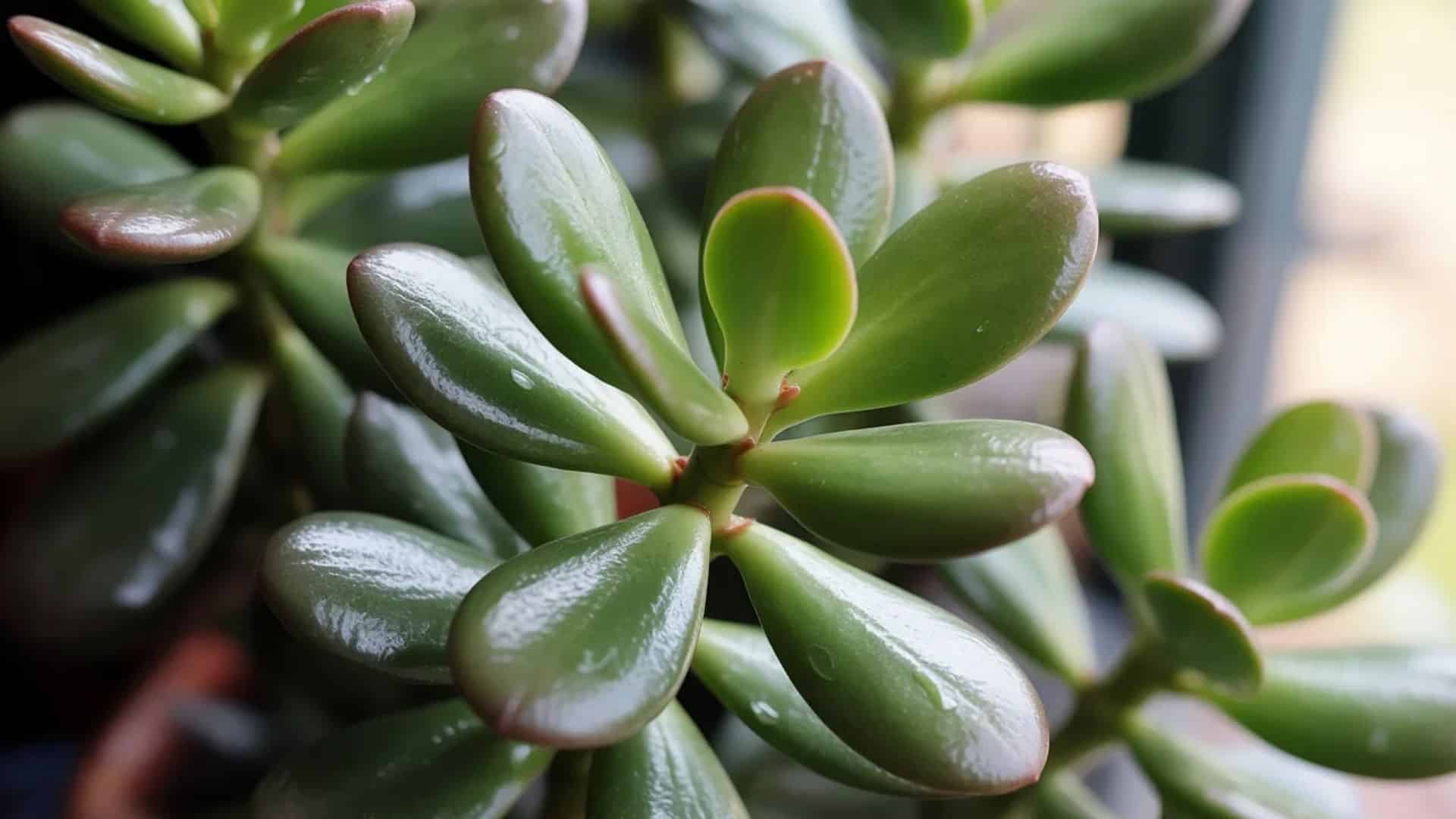
Jade plant (Crassula ovata) is a succulent from South Africa. It grows slowly but can live for decades indoors. Some plants grow into small tree-like shapes with thick, woody stems. Leaves are round, fleshy, and dark green.
When the plant gets enough light, the leaf edges often turn a reddish color, which is a sign it is happy.
It is popular for good reason. It needs very little attention. It handles dry indoor air well. And it can survive some neglect. In some cultures, it goes by “money plant” or “lucky plant” because it is believed to attract good fortune.
That is part of why jade plants are common housewarming gifts.
| Feature | Detail |
|---|---|
| Common names | Jade plant, money plant, lucky plant |
| Type | Crassula ovata |
| Max indoor height | 2 to 3 feet |
| Lifespan | 20 to 70+ years |
| Toxicity | Toxic to cats and dogs |
Ideal Growing Conditions for Jade Plants
Before getting into the details, here is a quick look at what a jade plant needs to stay healthy indoors.
| Condition | Ideal Range |
|---|---|
| Light | 4 to 6 hours of bright light daily |
| Temperature | 65 to 75°F (18 to 24°C) |
| Humidity | Average indoor humidity works fine |
| Soil | Fast-draining cactus or succulent mix |
| Pot | Terracotta with drainage holes |
The average indoor air is fine for humidity. Jade plants do not need misting or humidity trays.
How Much Light Does a Jade Plant Need?
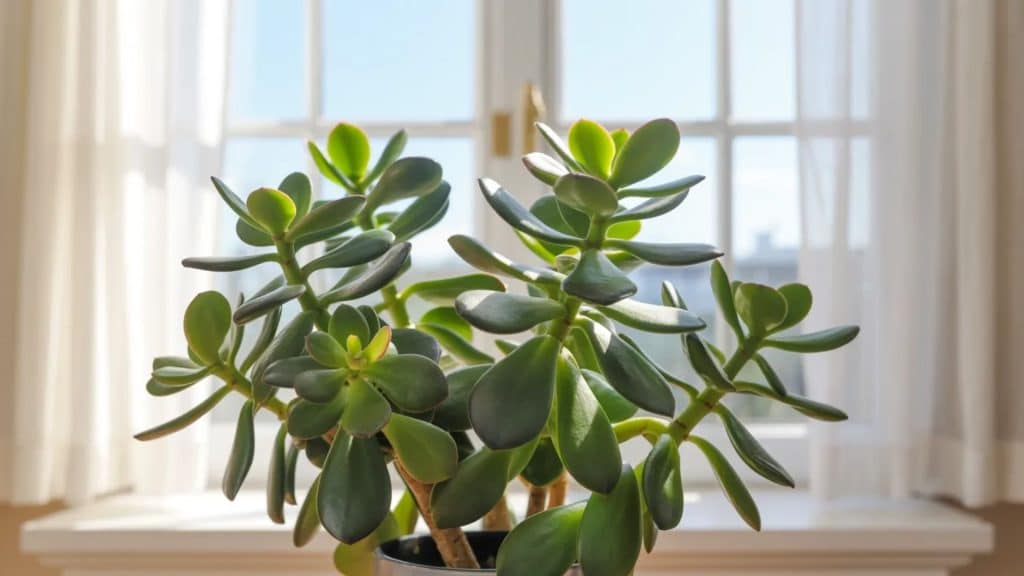
Light is one of the biggest factors in jade plant care. A jade plant needs 4 to 6 hours of bright light each day. A south- or west-facing window works best for indoor use.
Signs your jade plant needs more light:
- Stems grow long and thin
- Leaves spread far apart
- The plant leans toward the window
- Growth slows noticeably
When the plant gets plenty of bright light, you will often see a red or burgundy tint on the leaf edges. That is a healthy response. If the leaves are deep green with no red at all, the light level is probably too low for the best growth.
Too much harsh afternoon sun can scorch leaves. If you move a plant into stronger light, do it slowly over two to three weeks.
How Often to Water a Jade Plant (The Soak-and-Dry Method)
Overwatering is the most common mistake in jade plant care. Water only when the top 1 to 2 inches of soil feel completely dry. In summer, that may mean every 10 to 14 days. In winter, the plant may need water only once a month.
The soak-and-dry method works best:
- Water thoroughly until it drains from the bottom
- Empty the saucer so roots do not sit in water
- Wait until the top layer of soil dries out fully
- Then water again
I always tell gardeners to skip the watering schedule and check the soil with a finger instead. Pot size, room temperature, humidity, and light level all change how fast the soil dries. A plant in low light needs far less water than one in a bright south-facing window.
Overwatering vs. Underwatering: How to Tell
| Sign | Likely Cause |
|---|---|
| Soft, mushy leaves | Overwatering |
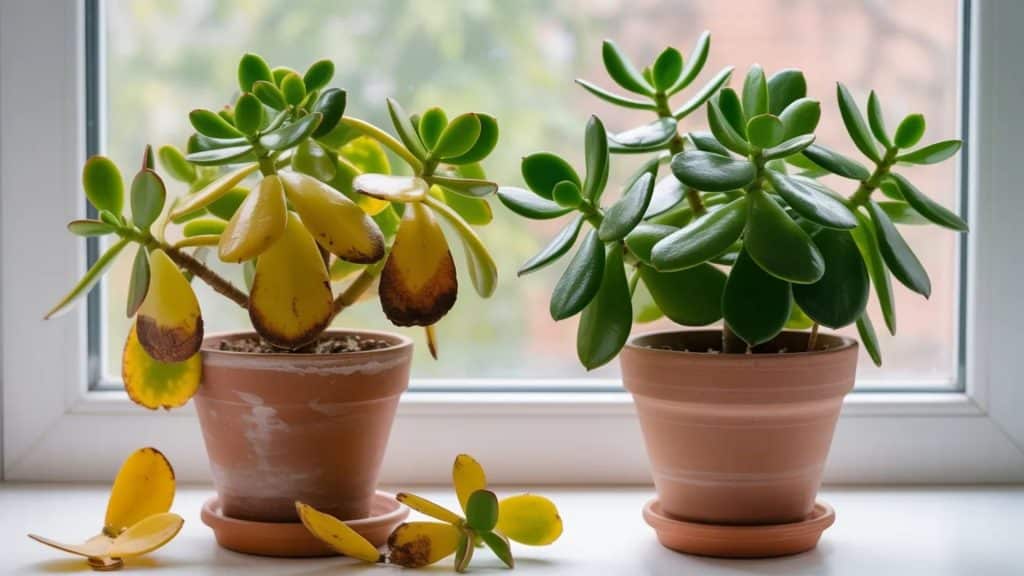
| Yellowing leaves | Overwatering or poor drainage |
| Wrinkled, shriveled leaves | Underwatering |
| Leaf drop after a cold draft | Temperature stress |
| Dry, crispy leaf edges | Too much direct sun |
| Blisters or bumps on leaves | Edema from overwatering |
Pot size, room temperature, and light level all affect how quickly soil dries. A plant in low light needs far less water than one in bright sun.
Best Soil for Jade Plant
Regular potting soil holds too much moisture for a jade plant. It needs a fast-draining mix that lets water move through quickly.
Good soil options:
- Pre-mixed cactus and succulent soil (easiest option)
- Regular potting soil mixed with perlite or coarse sand (50/50 ratio)
- Pumice-based mixes also work well
The goal is soil that does not stay wet for long after watering. Heavy, dense soil is the second-biggest cause of root rot, right after overwatering.
Over time, even good soil breaks down and holds more water than it did when fresh. If you notice water sitting on the surface longer than it used to, it is time to repot with a new mix.
Choosing the Right Pot
A jade plant needs a pot with drainage holes. No exceptions. Without drainage, water collects at the bottom and rots the roots.
Terracotta vs. plastic pots:
| Pot Type | Best For |
|---|---|
| Terracotta | Dries faster, breathable walls, better for most indoor growers |
| Plastic | Retains moisture longer, useful in very dry climates |
Pick a pot that is only slightly larger than the root ball. A pot that is too big holds extra soil, which stays wet longer. Jade plants actually do well when slightly root-bound, so there is no rush to size up.
Feeding and Fertilizing
Jade plant is not a heavy feeder. Feed it only during the active growing season: spring through summer.
- Use a balanced liquid fertilizer diluted to half strength
- Feed once a month in spring and summer
- Stop feeding in fall and winter completely
Too much fertilizer causes weak, soft growth. If leaf edges turn brown or growth looks strange after feeding, flush the soil with plain water and skip the next feed.
Never fertilize when the soil is dry. Water first, then apply the diluted fertilizer right after. This protects the roots from chemical burn.
When and How to Repot
Jade plants do not need frequent repotting. Most need a new pot every 2 to 3 years. Repot in spring, at the start of the growing season.
Signs it is time to repot:
- Roots grow out of the drainage holes
- The plant tips over easily due to top-heavy growth
- Soil dries out much faster than it used to
Basic repotting steps:
- Choose a pot one size larger than the current one
- Use fresh cactus or succulent mix
- Let the plant sit dry for a week after repotting before watering
- Place it back in a bright light
If the plant is very large and top-heavy, use a heavy terracotta or ceramic pot. The weight of the pot helps prevent tipping. I have seen plenty of mature jade plants in lightweight plastic pots fall off shelves, and broken branches are tough to fix.
Pruning and Shaping
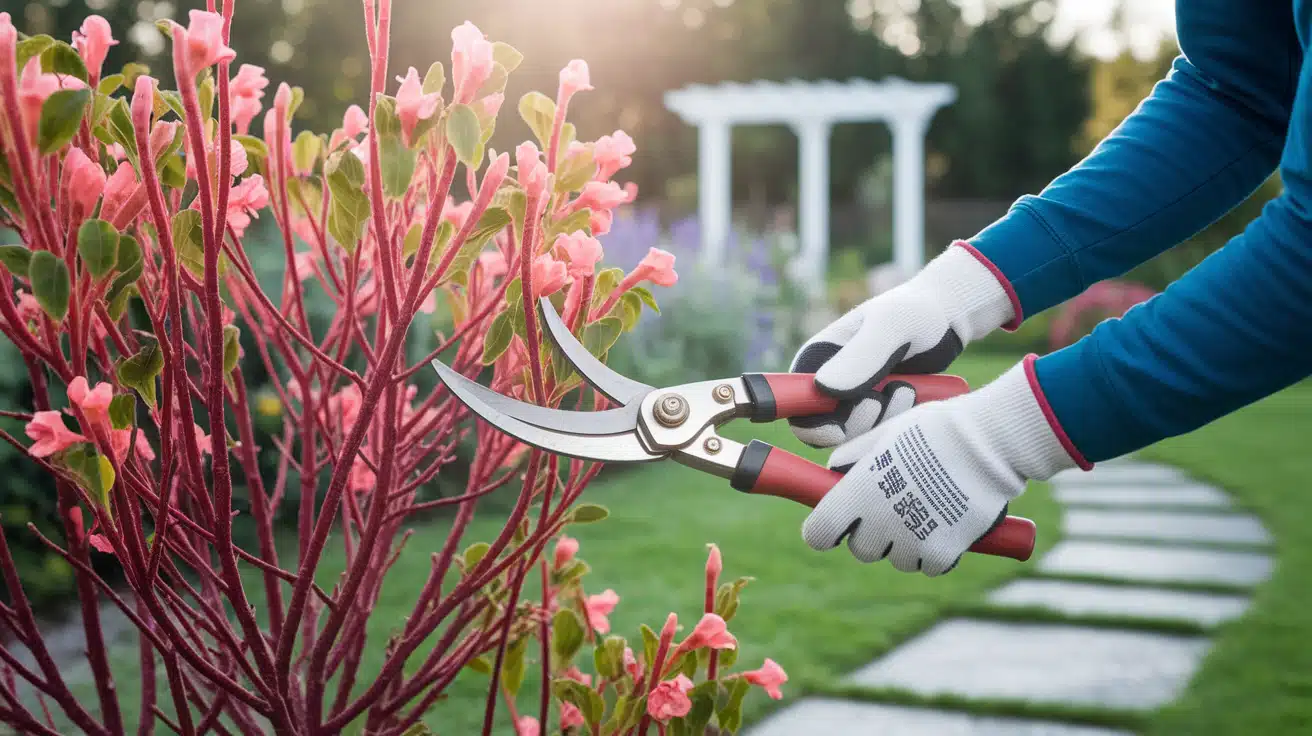
Pruning keeps a jade plant compact and encourages branching. The best time to prune is in spring. Use clean scissors or pruning shears.
- Cut just above a leaf node to encourage two new stems
- Remove any leggy, weak, or damaged stems
- Do not remove more than one-third of the plant at once
Pruning regularly over time gives the plant a fuller, tree-like shape. It also keeps the plant from getting too top-heavy.
If you like the look of bonsai, jade plants are one of the best succulents to train. Their thick trunks and small leaves respond well to careful shaping over several years.
How to Propagate a Jade Plant
The jade plant is one of the easiest plants to propagate. You can use a stem cutting or a single leaf.
From a stem cutting:
- Cut a healthy stem 3 to 4 inches long
- Let the cut end dry for 2 to 3 days until a callus forms over the wound
- Place it in dry cactus mix
- Water lightly after one week
- Roots usually form in 3 to 4 weeks
From a leaf:
- Snap off a healthy leaf cleanly at the base
- Let it dry for 1 to 2 days
- Lay it flat on dry soil
- Mist lightly every few days
Letting the cut end dry first is important. It prevents rot before roots form. Stem cuttings are the faster method. Leaf propagation works, but because jade plants grow slowly, a single leaf can take months to produce a noticeable new plant.
Taking Your Jade Plant Outdoors in Summer
If you live in a warm climate, your jade plant can spend summer outside. Wait until nighttime temperatures stay above 50°F (10°C) before moving it out. Place it in a spot with morning sun and afternoon shade at first.
Direct midday sun outdoors is much stronger than light through a window, so give the plant two to three weeks to adjust.
Bring the plant back inside before temperatures drop in the fall. Jade plants cannot handle frost. Even a single night below freezing can severely damage leaves and stems. In USDA zones 10 to 12, jade plants can live year-round outdoors and may grow much larger than indoor plants.
How to Fix Common Jade Plant Problems
| Problem | Likely Cause | Fix |
|---|---|---|
| Leaves falling off | Overwatering or cold drafts | Reduce watering, move away from drafts |
| Soft, mushy stems | Root rot from overwatering | Remove rotten roots, repot in dry soil |
| Wrinkled leaves | Underwatering | Water thoroughly and check drainage |
| Yellowing leaves | Overwatering or poor light | Adjust watering, move to brighter spot |
| Leggy, stretched growth | Too little light | Move to a brighter window |
| Black spots on leaves | Sunburn or fungal issue | Reduce direct sun, improve air flow |
Common Pests
Jade plants are usually pest-free. But a few pests pests show up occasionally.
Mealybugs are the most common. They look like small white cotton patches, usually found where leaves meet stems. Remove them with a cotton swab dipped in rubbing alcohol. Check the plant weekly until they are gone.
Spider mites sometimes appear in very dry conditions. You will see fine webbing and pale, stippled leaves. Wipe leaves with a damp cloth and increase air circulation.
Scale insects can also attach to stems and leaves. They look like small brown bumps and feed on plant sap. Scrape them off gently with a fingernail or soft cloth, and treat the area with rubbing alcohol. Isolate any affected plant immediately to protect nearby plants.
Seasonal Jade Plant Care
A jade plant’s needs shift across the year. Small changes in care can make a real difference.
| Season | Key Care Adjustments |
|---|---|
| Spring | Resume watering, start monthly feeding, prune and repot if needed |
| Summer | Keep in bright light, water when soil dries, continue feeding |
| Fall | Gradually reduce watering, stop feeding by late fall |
| Winter | Water once a month or less, keep away from cold windows, no feeding |
Cooler, drier winters actually help the plant. They can trigger flowering in mature jade plants.
Can a Jade Plant Flower Indoors?
Yes, but it takes patience. Jade plants usually need to be several years old before they bloom. Flowers are small, star-shaped, and white or pale pink. They appear in late winter or early spring.
To encourage blooming:
- Give the plant cooler nights in fall and winter (around 55°F/13°C)
- Reduce watering a lot in winter
- Make sure it gets plenty of bright light year-round
- Keep the plant in a room with no artificial light at night during the fall, so natural short days can trigger flower buds
Not every jade plant will flower indoors. But the right conditions make it more likely. Outdoor jade plants in warm climates flower much more reliably, often producing clusters thick enough to nearly hide the foliage.
Is Jade Plant Toxic to Pets?
Yes. Jade plant is toxic to cats and dogs. Keep it out of reach of pets. If a pet chews the leaves, it may show signs like vomiting, lethargy, or loss of coordination. Contact a vet right away if that happens.
Place the plant on a high shelf or in a room pets cannot access. If you have curious pets and limited shelf space, you might consider pet-safe succulents like cottage garden alternatives or haworthia instead.
Quick Jade Plant Care Checklist
| Care Task | What to Do |
|---|---|
| Light | 4 to 6 hours of bright light daily |
| Water | Only when the top 1 to 2 inches of soil are dry |
| Soil | Fast-draining cactus or succulent mix |
| Pot | Terracotta with drainage holes |
| Feeding | Once a month in spring and summer only |
| Repotting | Every 2 to 3 years in the spring |
| Pruning | In the spring, to shape and encourage branching |
| Pests | Check for mealybugs monthly |
Conclusion
Bright light, careful watering, and fast-draining soil are the three things that keep a jade plant alive for years.
I have a few jades in my greenhouse that started as small cuttings over a decade ago, and they are still growing strong with nothing more than these basics done consistently.
A jade plant rewards patience. It grows slowly. It does not need daily attention. But when you give it the right conditions, it can live for decades and even flower. Start with the watering, check the light, and the rest will follow.
Frequently Asked Questions
Can I Grow a Jade Plant in A Room with No Natural Light?
No. A jade plant needs real natural light to stay healthy. Artificial grow lights can help, but a windowless room is not suitable long-term.
Why Does My Jade Plant’s Stem Look Wrinkled Near the Base?
A wrinkled base usually points to root rot from overwatering. Check the roots, trim any rotten sections, and repot in fresh dry soil.
Can Jade Plants Live Outside?
Yes, in warm climates (USDA zones 10 to 12). They cannot survive frost. Bring them indoors if temperatures drop below 50°F (10°C).
How Do I Know if My Jade Plant is Dying?
Soft, collapsing stems and a foul smell from the soil usually mean severe root rot. Act fast by removing the plant from its pot, cutting off rotten roots, and repotting.
Does Jade Plant Need Direct Sun or Indirect Sun?
Bright indirect light works best indoors. Some morning direct sun is fine. Harsh afternoon sun through glass can burn the leaves.