A homegrown cucumber tastes nothing like a store-bought one. The skin is thinner, the flesh is crisper, and there is a sweetness that disappears the moment a cucumber sits in cold storage for days.
After twelve years of growing them in various setups, from in-ground beds to greenhouse containers, I found the key difference is a few decisions made before planting.
This guide covers everything a cucumber plant needs to thrive, from choosing the right variety and prepping your soil to planting, feeding, and harvesting your best crop yet.
I will also explain the most common mistakes I see in beginner gardens and how to avoid every one of them.
What Cucumbers Need to Grow Well?
Getting the basics right makes all the difference. In my 12 years of growing cucumbers professionally and at home, I’ve found they’re forgiving plants once their core needs are met from the start.
- Sun: 6 to 8 hours of direct sunlight daily. Less light means fewer fruits.
- Soil: Loose, well-drained, rich in organic matter. Keep pH between 6.0 and 6.8.
- Water: At least one inch per week. Inconsistent moisture leads to bitter fruit.
- Temperature: Soil must hit 60°F before any seed goes in the ground.
Choosing The Right Cucumber Variety
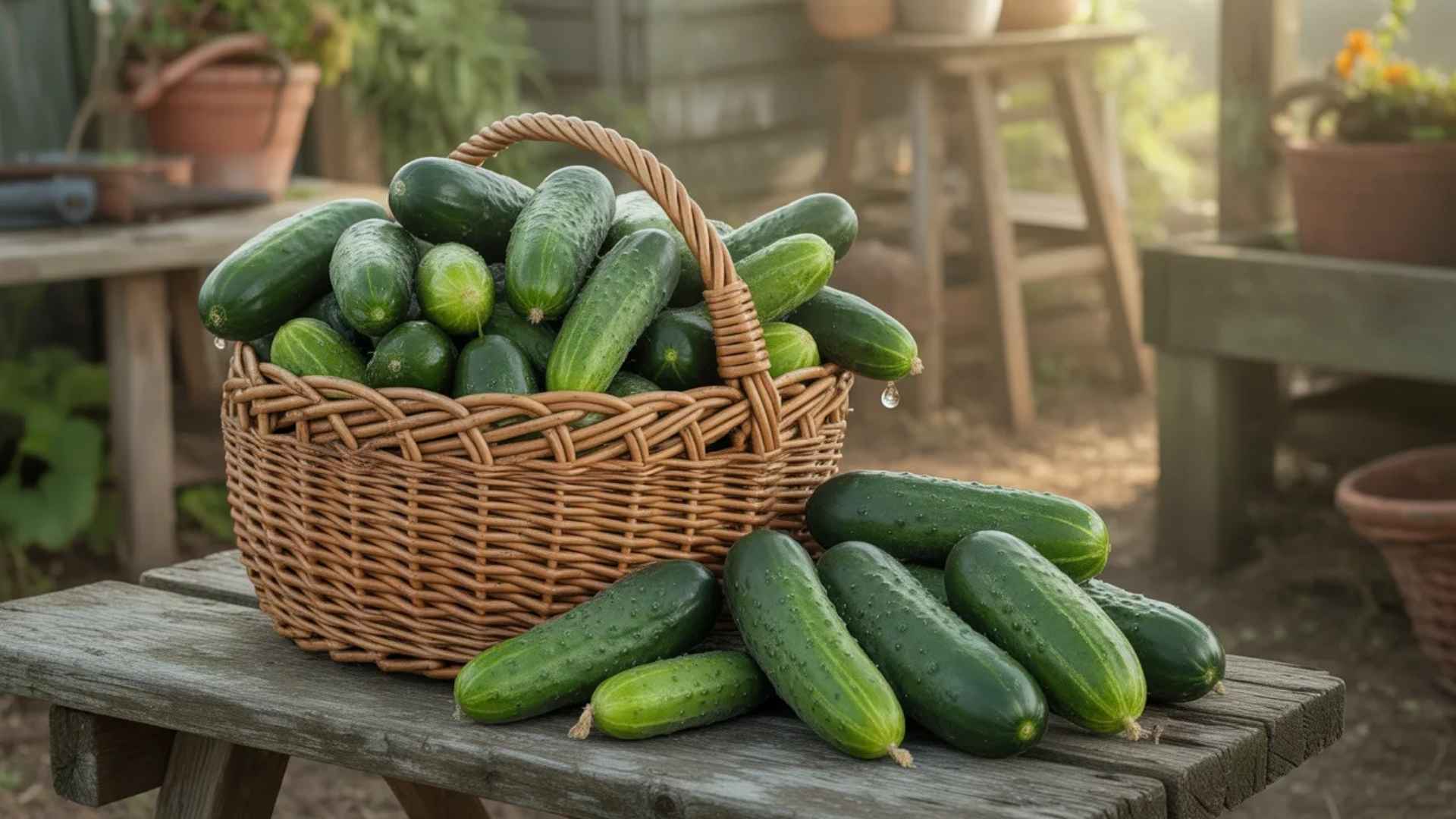
Choosing the right variety can really make things easier down the road. Let me share some of the helpful insights I’ve gathered about each type.
1. Slicing Cucumbers
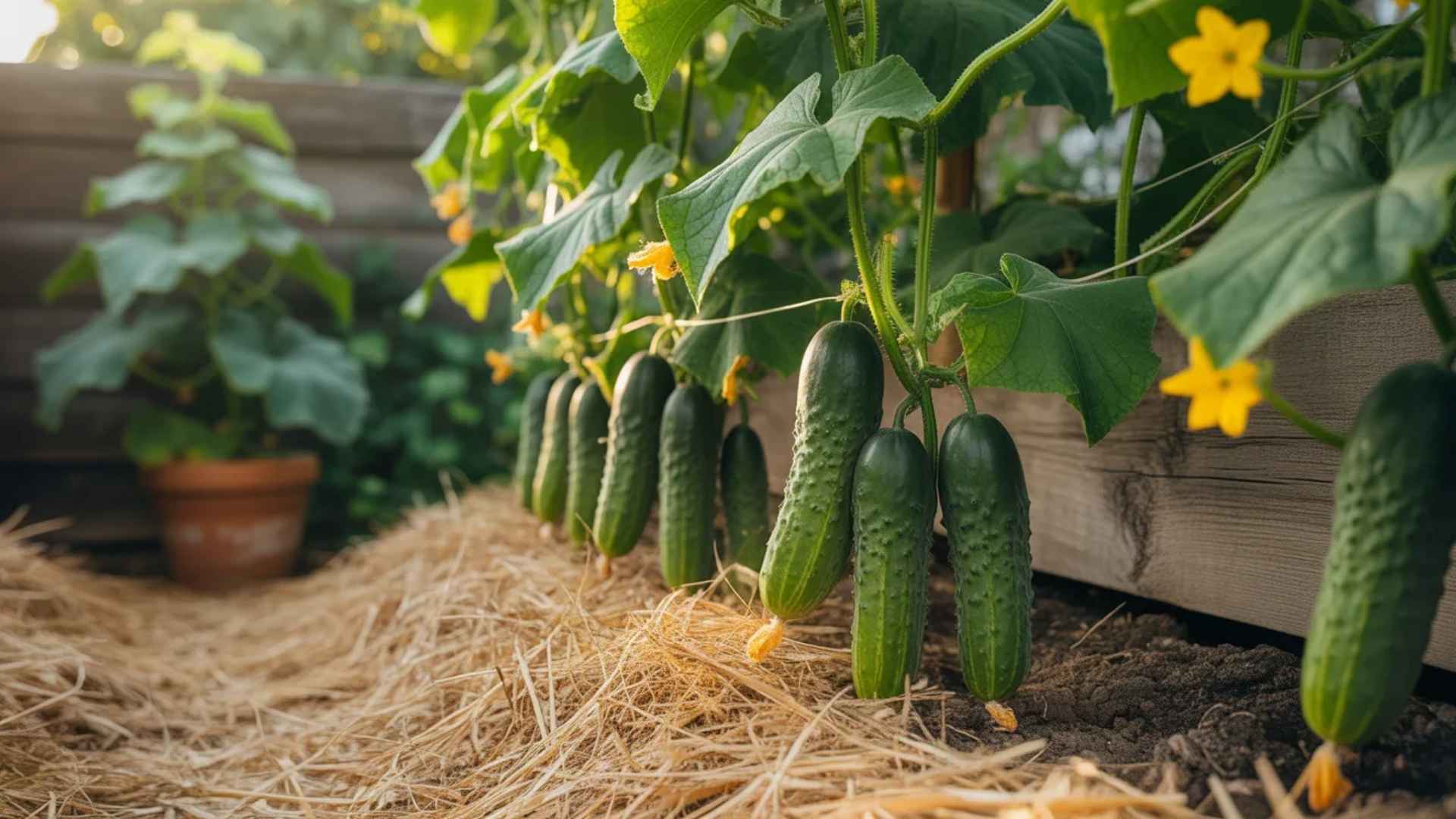
- Long, dark green fruits with thin skin and sweet flesh
- Best picked at 6 to 9 inches for salads and sandwiches
- I grow Marketmore 76 for its reliable yield and disease resistance
2. Pickling Cucumbers
- Short, stout fruits with bumpy skin and drier flesh
- Drier flesh soaks up brine better than slicing types
- I harvest mine at 3 to 5 inches for the crispest pickles
3. Bush Cucumbers for Small Spaces
- Compact vines reaching just 2 to 3 feet long
- Grow well in containers, raised beds, and small gardens
- Spacemaster is my top pick for pots
4. Seedless and Burpless Types
- Bred to reduce the bitter compound that causes stomach upset
- Nearly seedless with thin, tender skin
- Great for fresh eating straight from the garden
5. Parthenocarpic Cucumbers for Greenhouses
- Produce fruit without pollination, making them ideal indoors
- Stay seedless when kept away from other cucumber varieties
- Diva is a popular home grower choice, at 5 to 7 inches long
Step-by-Step Guide on How to Grow Cucumbers
Planting cucumbers the right way from day one sets the tone for the whole season. I follow these five steps every time, and they have never let me down.
Step 1: Clear, Loosen, and Feed the Soil.
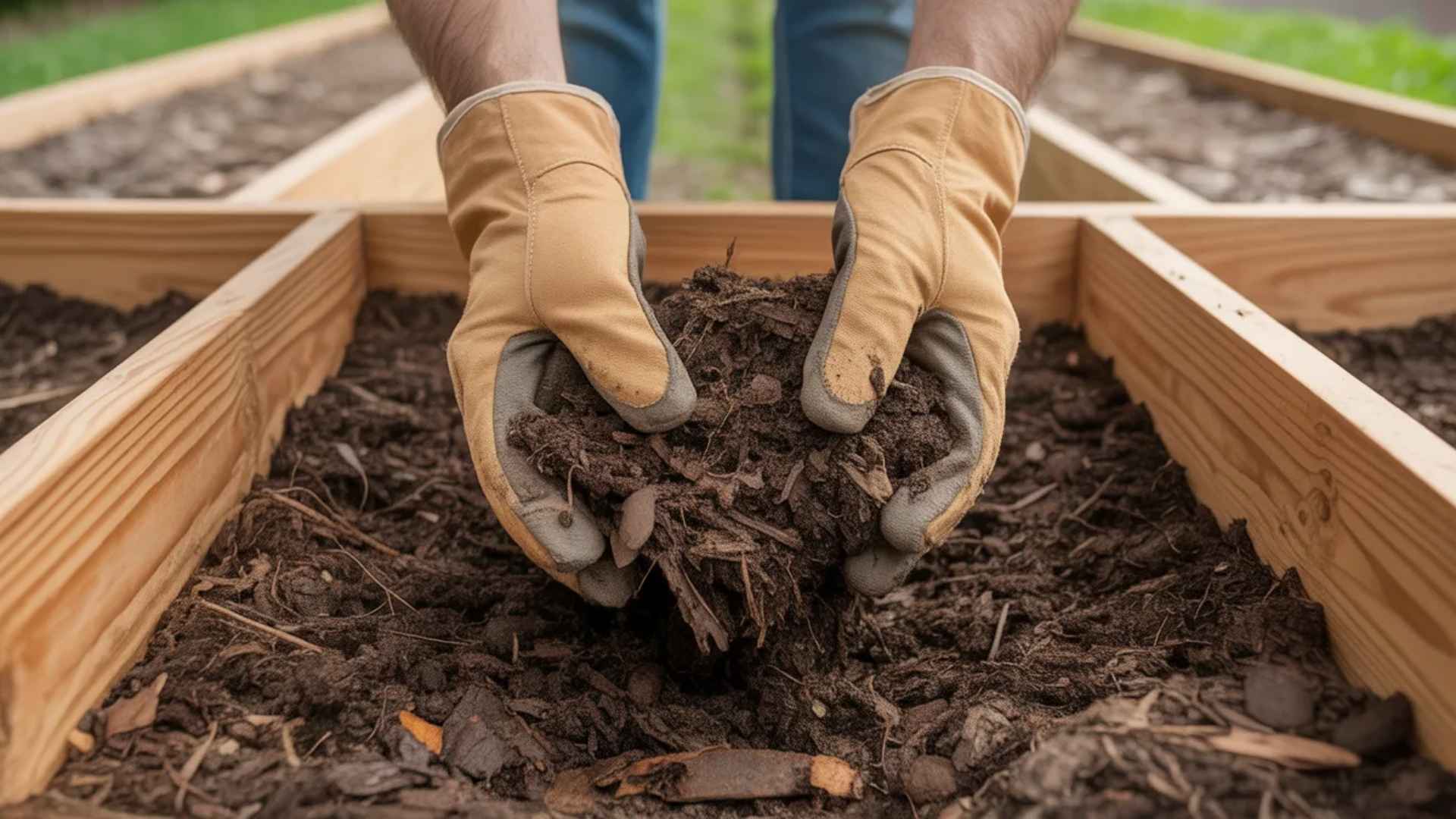
I clear out all weeds first and loosen the top 10 inches of soil. Then I work in 2 inches of aged compost or well-rotted manure to boost fertility.
For containers, I use a pot at least 12 inches deep with drainage holes. Good soil structure before planting makes every later step far easier.
Step 2: Sow at The Right Depth and Distance
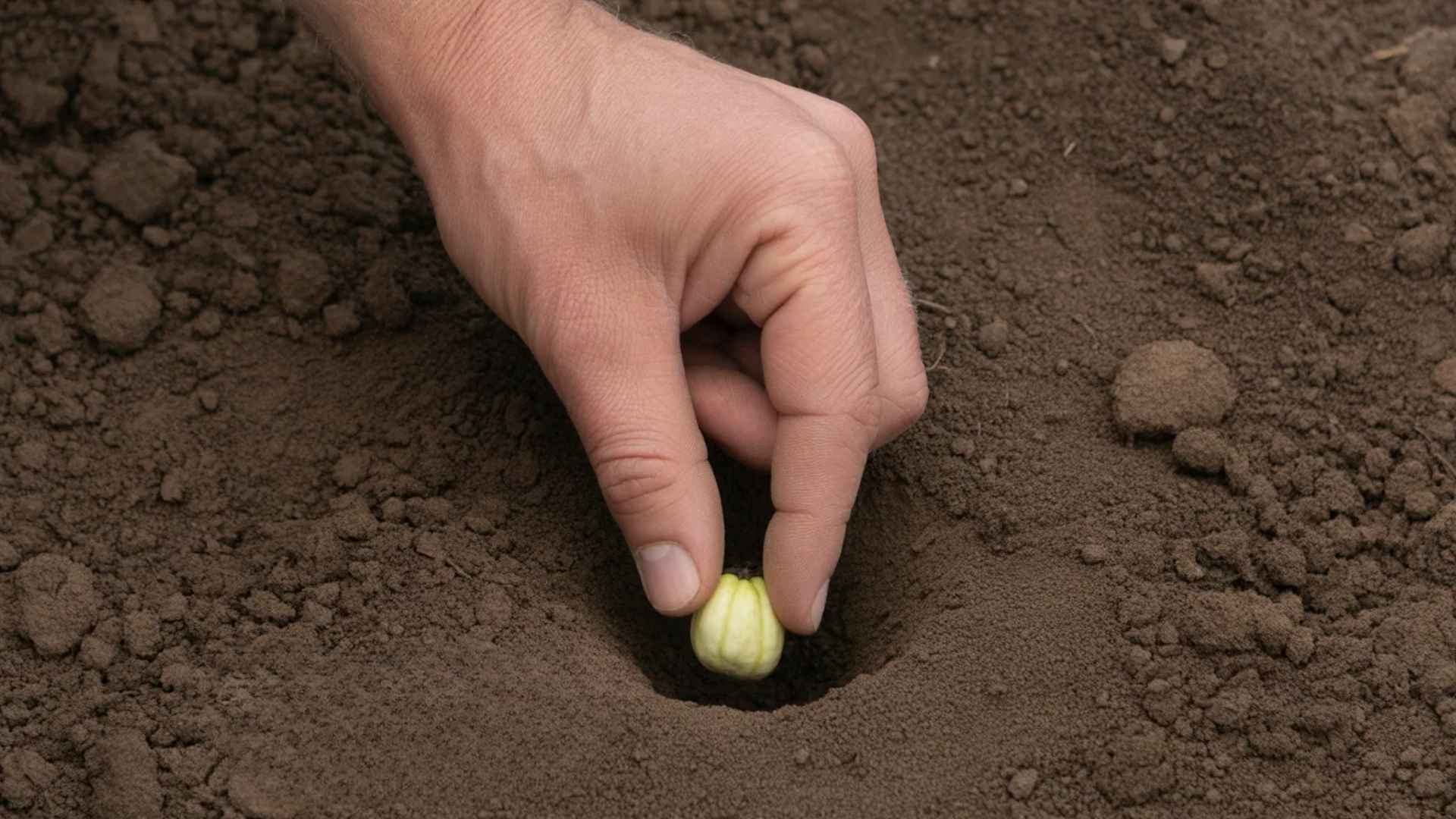
I sow seeds 1 inch deep. Planting too shallowly leaves seeds vulnerable to drying out before they sprout, and planting too deeply can slow or stop germination.
I space seeds 12 to 18 inches apart in rows, then thin to the two strongest seedlings once they reach 4 to 5 inches tall. Soil above 65°F gives the fastest, most reliable germination.
Step 3: Plan Your Rows or Build Your Mounds.
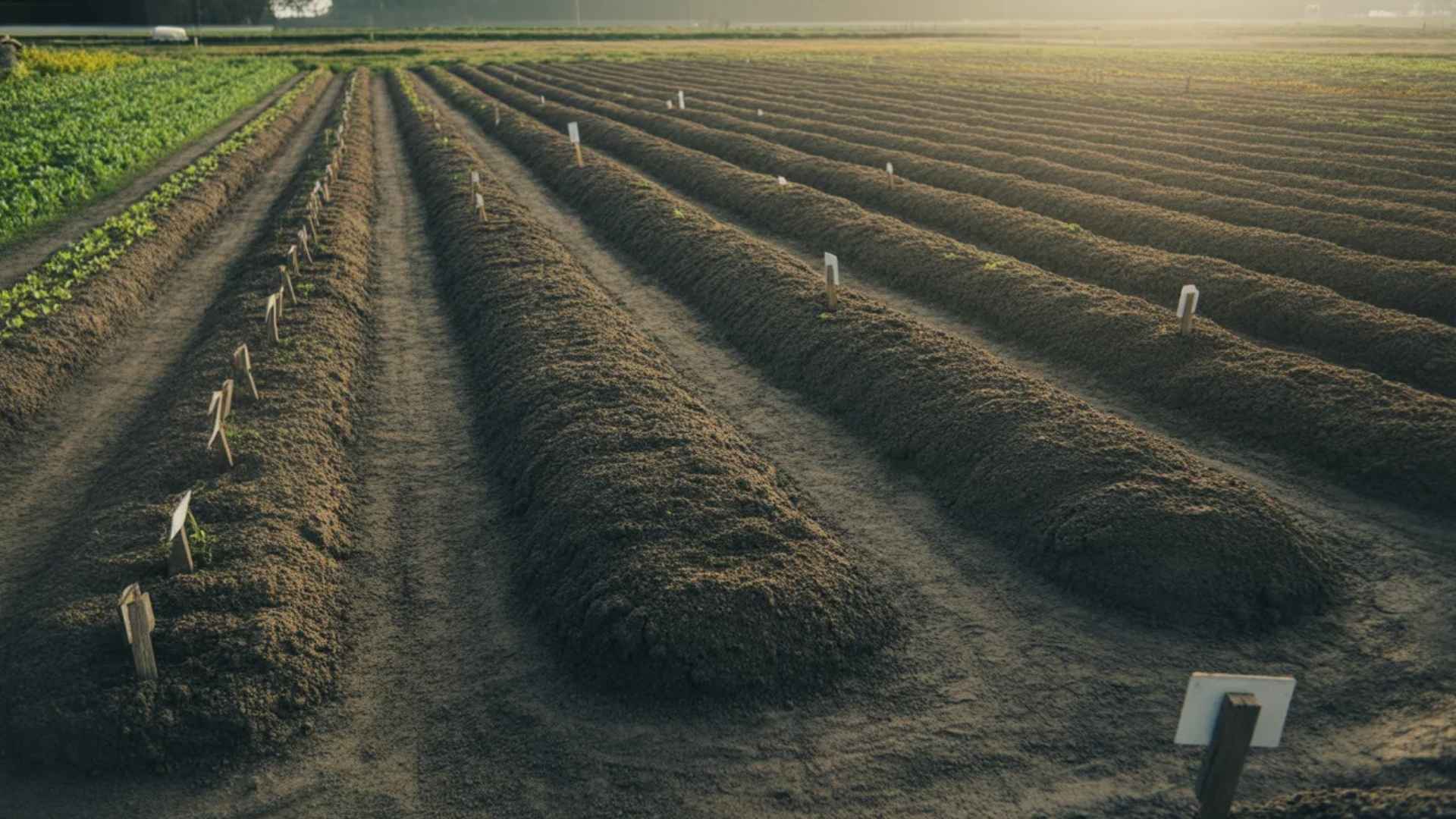
I keep rows 4 feet apart to give vines enough room to spread without crowding.
For mound planting, I build small raised hills about 3 inches high and 1 foot wide, then place 2 to 3 seeds per hill with hills spaced 1 to 2 feet apart within the row.
Once seedlings reach 4 inches tall, I thin to the single strongest plant per mound. This setup improves drainage and warms the soil faster.
Step 4: Water Deeply Right from The Start
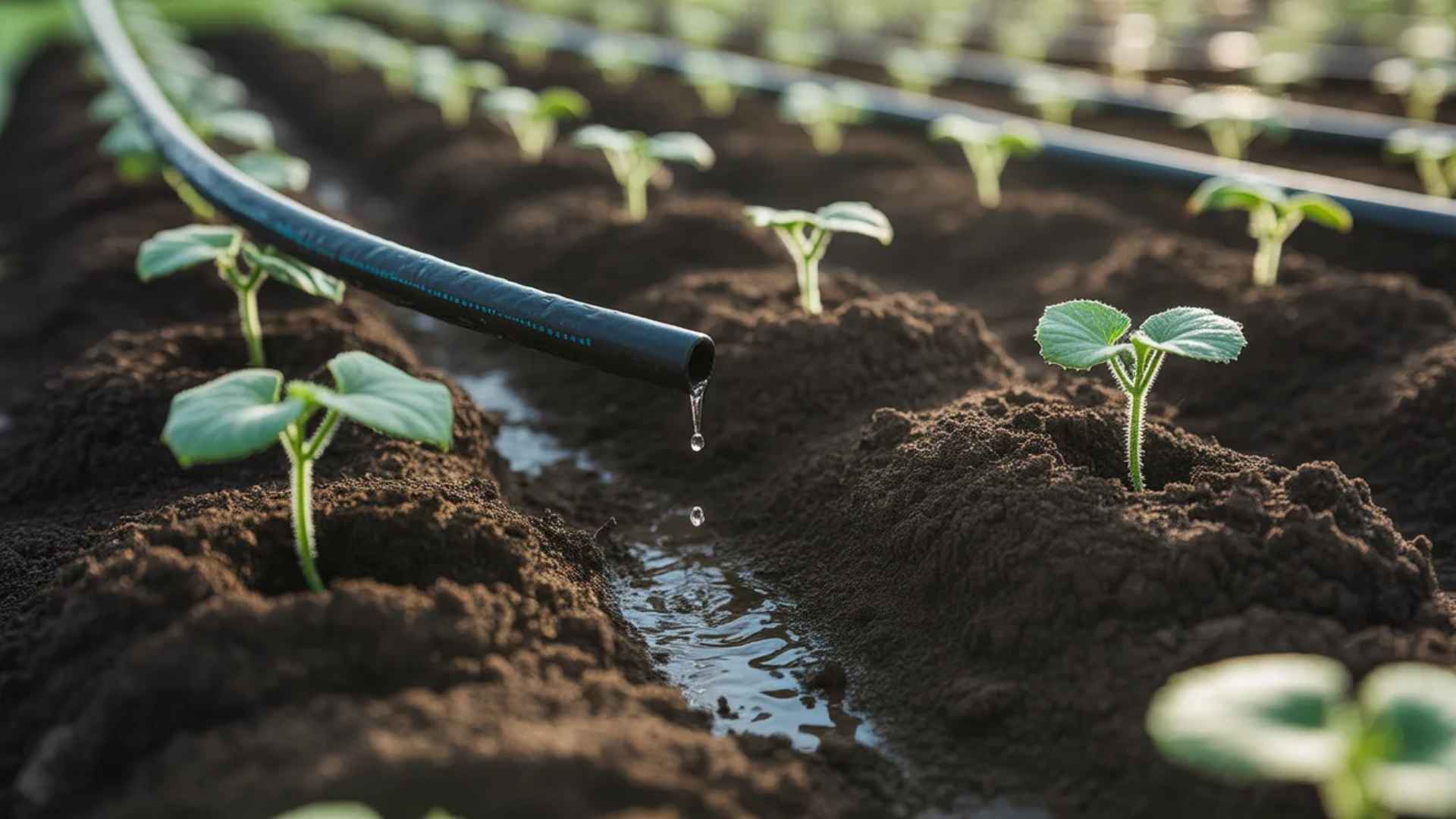
Right after sowing, I water the bed slowly and thoroughly so moisture reaches deep into the soil. I avoid wetting the foliage; water only at the base. From that point,
I keep the soil consistently moist, checking it daily. Drip irrigation works best here as it keeps leaves dry and cuts the risk of leaf disease.
Step 5: Lay Mulch Once the Soil Is Warm
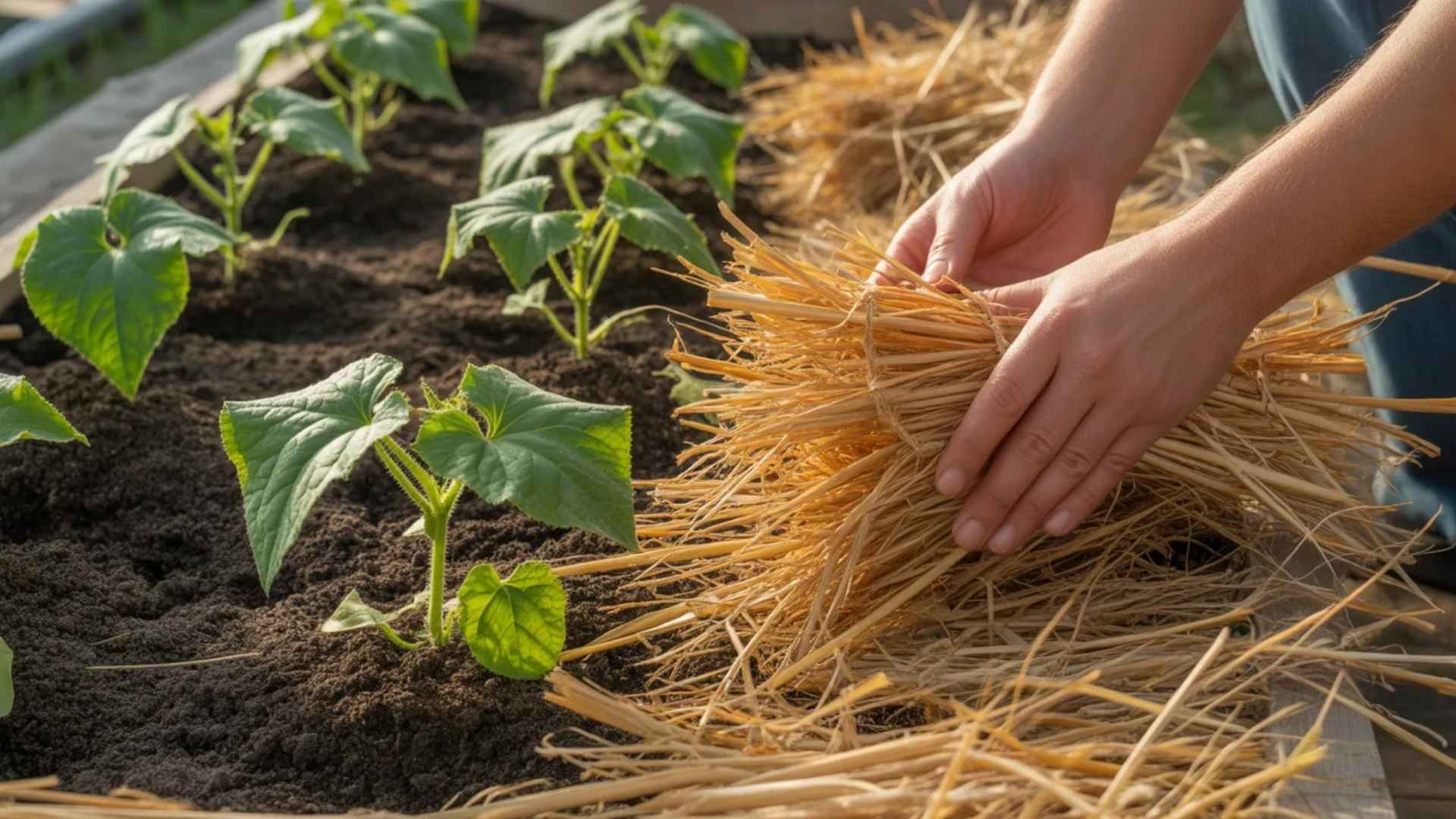
Once soil temperature crosses 75°F, I spread 2 to 3 inches of straw or chopped leaves around each plant. Mulch locks in moisture, keeps roots cool on hot days, and reduces the need for watering.
Black plastic mulch is another option I use early in the season to help the soil warm up faster.
|
Should You Let Cucumbers Climb or Sprawl? Whether you let cucumbers climb or sprawl depends on your space. Climbing on a trellis saves room, improves air circulation, and keeps fruit clean and straight. Sprawling on the ground is easier but requires more garden space and increases the risk of disease. |
How to Fertilize Cucumber Plants for a Heavy Harvest?
Cucumbers are heavy feeders. The compost you work into the planting bed gives them a strong start, but once flowering begins, the plant’s nutrient demand rises quickly.
A steady feeding schedule is one of the biggest differences between a vine that produces for six weeks and one that keeps going until frost.
I follow a two-phase approach. In the first two to three weeks after the vines start running, I apply a balanced liquid fertilizer such as a 10-10-10 formula to support leafy growth and root development.
Once the first flowers appear, I shift to a formula higher in potassium and phosphorus, such as a 5-10-10 or a liquid tomato fertilizer, and apply it every ten to fourteen days. High nitrogen at the flowering stage pushes leafy growth at the expense of fruit.
A good organic option at any stage is a monthly top-dressing of finished compost around the base of each plant. This adds slow-release nutrients and holds moisture without risk of burning the roots.
How to Care for Cucumber Plants Through the Season?
Keeping cucumber plants healthy is not complicated. The right care at the right time makes all the difference between a struggling vine and a heavy harvest.
Here is a quick-reference table covering all three care areas in one place:
| When is the best time to grow cucumbers?
The best time to plant cucumbers is in late spring or early summer once the danger of frost has passed. Soil temperatures should be at least 65°F (18°C) to ensure successful germination and healthy vine growth. |
| CARE AREA | TASK | WHY IT MATTERS |
|---|---|---|
| Weeding | Pull weeds by hand when plants are young | Stops competition for water and nutrients |
| Mulch | Apply after soil hits 75°F, 2 to 3 inches deep | Locks in moisture, blocks weeds, prevents cold mulch from slowing growth |
| Pruning | Pinch suckers under 2 inches; snip yellow leaves weekly | Keeps plant energy focused on fruit and healthy growth |
| Pruning limit | Never cut more than one-third at once | Avoid shocking or stressing the plant |
| Trellis | Train vines up a 5 to 6-foot support | Lifts foliage for better air movement |
| Watering | Water at the base only | Wet leaves invite powdery mildew |
| Pest checks | Inspect vines weekly | Dense growth hides cucumber beetles |
Where Should You Grow Cucumbers?
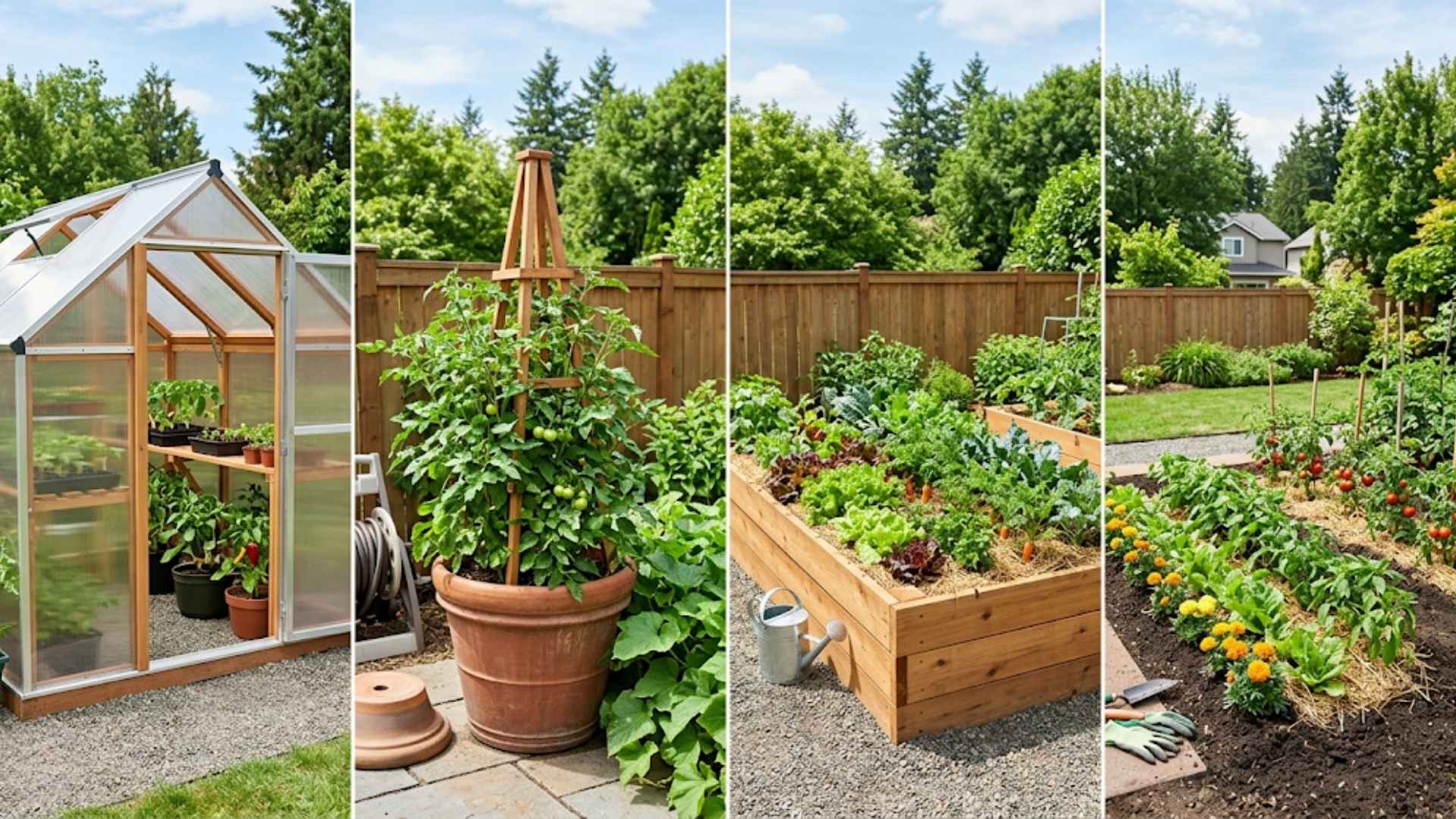
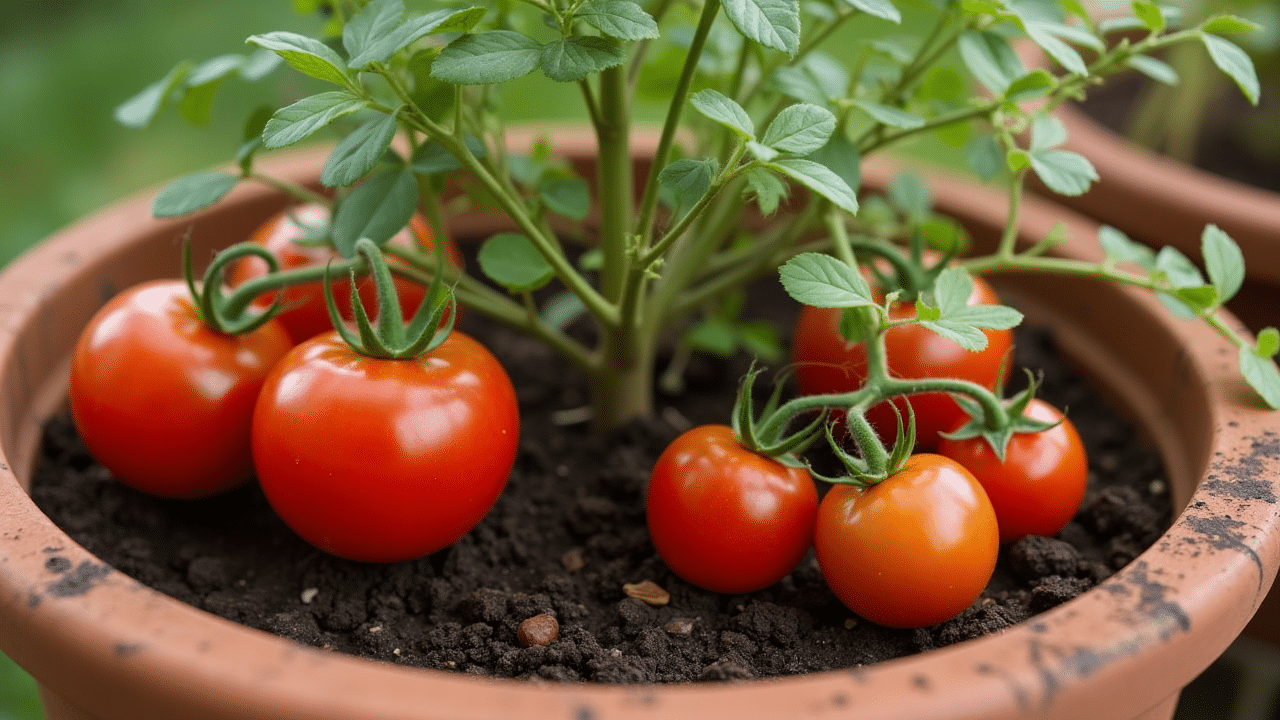
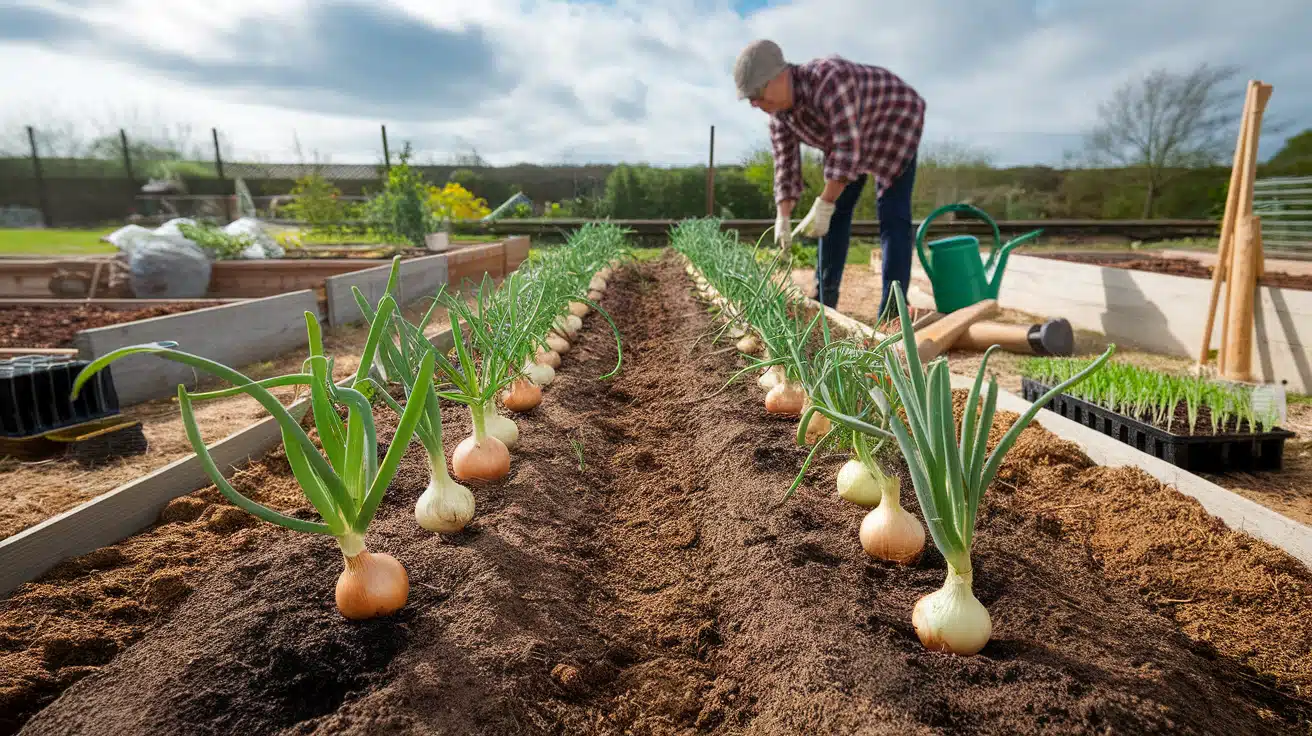
Alt text: A series of images showing different gardening setups for cucumbers: a greenhouse, a potted cucumber plant.
Picking the right spot is half the battle. Here is what years of growing cucumbers have taught me about choosing the best location.
1. In-Ground Garden Beds
I always pick a spot that gets 6 to 8 hours of full sun daily. In-ground beds work best when the soil is loose, well-drained, and rich in compost.
I avoid low-lying spots where water pools after rain. Good drainage from day one keeps root rot and soil-borne diseases at bay.
Pro Tip: I rotate my cucumber planting spot every year. Growing cucumbers in the same ground two seasons in a row invites soil-borne disease and pest buildup fast.
2. Raised Beds
Raised beds are my top recommendation for most home gardeners. The soil warms faster in spring, drains better, and stays less compacted than ground soil.
I keep my raised bed at least 12 inches deep since cucumber roots spread outward rather than downward. Fewer weeds and less disease pressure are two big wins I notice every season.
If you are just getting started with food growing and want to understand the full setup before committing, the guides on starting a productive garden from scratch are a good read before you pick your bed location.
Pro Tip: I install my trellis before planting, not after. Pushing stakes into a raised bed once vines are growing disturbs roots and sets the plant back by days.
3. Containers and Pots
I grow bush varieties in containers when garden space is tight. The pot must hold at least 5 to 7 gallons of potting mix and have solid drainage holes at the bottom.
Vining types need a container at least 14 inches wide paired with a trellis for support. Containers dry out faster than beds, so I check soil moisture every single day without fail.
Pro Tip: I place my containers on wheels. Moving pots to follow the sun or bring them indoors before a cold night has saved my cucumber crop more than once.
4. Greenhouse Growing
A greenhouse gives cucumbers stable warmth and protection from frost. I use parthenocarpic varieties indoors since they fruit without bee pollination.
I keep the humidity between 60 and 70% and make sure air circulates freely around every vine. Powdery mildew builds fast in closed spaces, so I never let foliage stay damp overnight.
Pro Tip: I run a small fan inside my greenhouse for a few hours each day. Steady air movement cuts humidity spikes and keeps mildew from taking hold between waterings.
Understanding Cucumber Flowers and Pollination
One question I get from beginner growers every season is why their plants flower with no fruit forming. Every cucumber vine produces two flower types.
Male flowers appear first with no fruit at their base. Female flowers follow a week or two later, with a tiny immature cucumber just behind the petals. Bees carry pollen from flower to flower for the fruit to set.
If bees are absent, use a small paintbrush to transfer pollen from a male flower center to a female one. Planting nectar-rich flowers nearby, such as marigolds, naturally attracts pollinators.
Common Mistakes to Avoid When Growing Cucumbers
I have made most of these mistakes myself. Catching them early saves a full season of disappointment.
- Planting too early: Seeds rot in soil below 60°F. Wait until the ground hits 65°F and all frost risk has passed.
- Watering inconsistently: Uneven moisture causes bitter, misshapen fruit. Water deeply at the base at least once a week.
- Skipping the trellis: Ground vines stay damp, attract pests, and hide problems. The cane-and-string approach used for tall legumes works well here, too.
- Overcrowding plants: Tight spacing traps heat and moisture between leaves, the fastest path to powdery mildew. Keep rows at least 4 feet apart.
- Leaving fruit too long: Overripe cucumbers signal the plant to stop producing. Check vines every two days and harvest slicers at 6 to 8 inches.
- Not rotating crops: Same-spot growing builds soil disease fast. Never follow squash, melons, or alliums; the onion growing guide covers cucurbit rotation in detail.
Conclusion
Growing cucumbers is one of the most satisfying things you can do in a home garden.
From first seed to first harvest takes as little as 50 days, and each season gets easier once you understand what a cucumber plant genuinely needs.
Get the fundamentals right: warm soil, full sun, steady moisture, and a trellis in place before the vines start running.
Add a simple feeding schedule once flowering begins, rotate your beds each season, and a heavy harvest is well within reach at any experience level.
Feel free to share your exciting wins or helpful tips in the comments below. I love hearing about your progress!
Frequently Asked Questions
Do Cucumbers Need Bees to Produce Fruit?
Most outdoor varieties rely on bees to move pollen from male to female flowers. If the fruit isn’t setting, hand-pollinate with a small paintbrush, or plant marigolds nearby to attract pollinators.
How Often Should I Fertilize Cucumber Vines?
Start with a balanced 10-10-10 once vines begin running, then switch to a potassium-rich formula every ten to fourteen days after the first flowers open.
Why Are My Cucumbers Bitter or Hollow Inside?
Both problems stem from inconsistent watering. Keeping soil moisture steady throughout the season prevents bitterness and the formation of internal air pockets.
Can I Grow Cucumbers in Pots?
Yes, bush varieties do well in containers holding 5 to 7 gallons with good drainage. Check soil moisture daily, as pots dry out much faster than garden beds.
How Do I Know When to Pick Them?
Harvest slicers at 6 to 8 inches while still dark green and firm. Pickling types are best at 2 to 4 inches. Once a cucumber yellows or softens, it is overripe, and the plant slows production.