Want fresh herbs without paying grocery store prices? Learning how to grow coriander at home is one of the easiest ways to start.
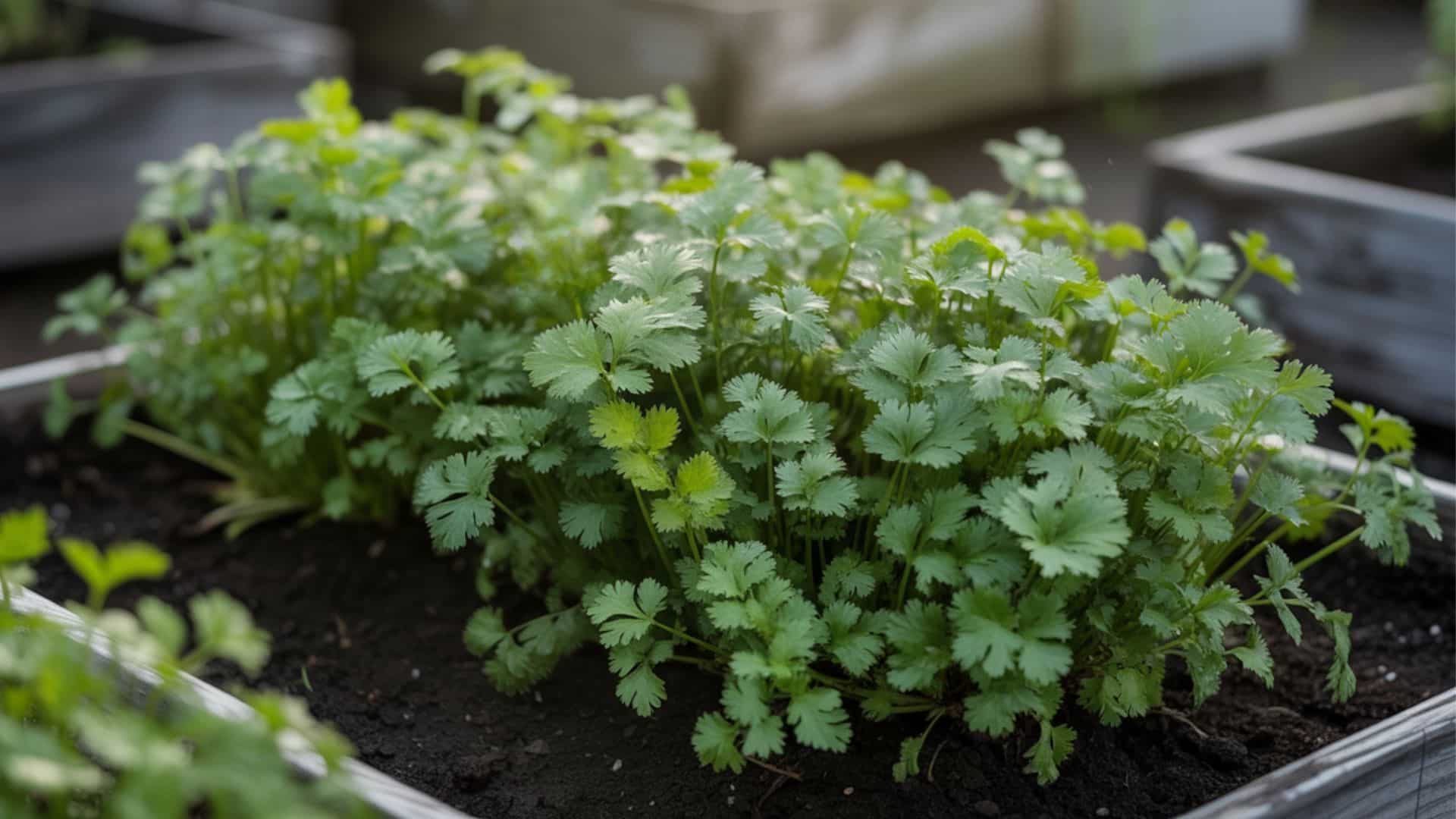
This fast-growing herb gives you two useful harvests from one plant: fresh cilantro leaves for everyday cooking and aromatic coriander seeds for spice blends.
It grows well in garden beds, on balconies, or in small pots near a sunny window.
The best part is how quickly it rewards you. In just 3 to 4 weeks, you can begin harvesting fresh leaves with minimal effort.
With the right timing and basic care, coriander grows reliably and doesn’t require advanced gardening skills.
Key Features of Coriander
Coriander (Coriandrum sativum) is a fast-growing annual herb in the parsley family (Apiaceae), cultivated worldwide for both its fresh leaves (cilantro) and dried seeds (coriander spice).
Two Different Uses: Coriander leaves are bright green with a fresh, citrusy flavor. Coriander seeds are round and tan-colored with a warm, slightly nutty, citrus-spice taste.
| Feature | Key Point |
|---|---|
| Sunlight | Prefers 6 hrs of sun daily; provide afternoon shade in hot climates |
| Soil | Loose, well-drained loamy soil; pH 6.2–6.8 works best |
| Watering | Keep soil evenly moist; let the top inch dry slightly between watering |
| Spacing | Sow seeds 1–2 in apart; thin to 4–6 in for healthy growth |
| Germination | Seeds sprout in 7–14 days in cool soil |
| Harvest | Leaves ready in 3–4 weeks; seeds in 90–120 days |
| Best Season | Early spring or fall; avoid extreme summer heat |
When Is the Best Time to Plant Coriander?
Early spring and fall are the best times to plant coriander, since it thrives in cool weather and bolts quickly in heat. If it gets too warm, it bolts and starts flowering before you’ve had a chance to enjoy the leaves.
- Know Your Zone, Time It Right: Coriander is a cool-season herb, so early spring and fall are the best times to plant. In hot climates, fall and winter planting works best because summer heat makes coriander bolt to seed faster than you can say cilantro.
- Sweet Spot Temperature: Coriander grows best between 50°F and 85°F (10°C and 30°C), but it produces the most flavorful leaves in cooler temperatures. Too hot? It flowers early, cutting your leaf harvest short. Too cold? Growth slows down.
- Indoor Freedom vs. Outdoor Timing: Growing indoors gives you year-round coriander. Just place it in a bright window with 6+ hours of light daily, or use a grow light if natural sunlight is limited.
- Outdoor gardeners need to time it perfectly: Plant coriander after the last spring frost for a spring crop, or sow seeds 6 to 8 weeks before fall’s first frost for a longer, cooler-season harvest
Pro Tip: Avoid midsummer planting in hot climates unless you want a very expensive flowering plant instead of tasty leaves
Step by Step: How to Grow Coriander from Seed at Home
Here is how to grow coriander from seed, whether you are using containers, raised beds, or kitchen garden plots.
Tools and Materials:
| Tools / Materials | Purpose / Use |
|---|---|
| Garden Trowel | For digging small holes & planting seeds |
| Watering Can | Gentle watering without soil erosion |
| Garden Gloves | Protect hands while sowing & weeding |
| Plant Pots / Beds | An outdoor container or soil space to grow |
| Soil Mix | Well-draining, nutrient-rich base |
| Coriander Seeds | The main starter for your plants |
| Compost / Fertilizer | Boosts healthy growth and yield |
| Plant Labels | Mark rows or pots to track growth |
Step 1: Prepare the Growing Area
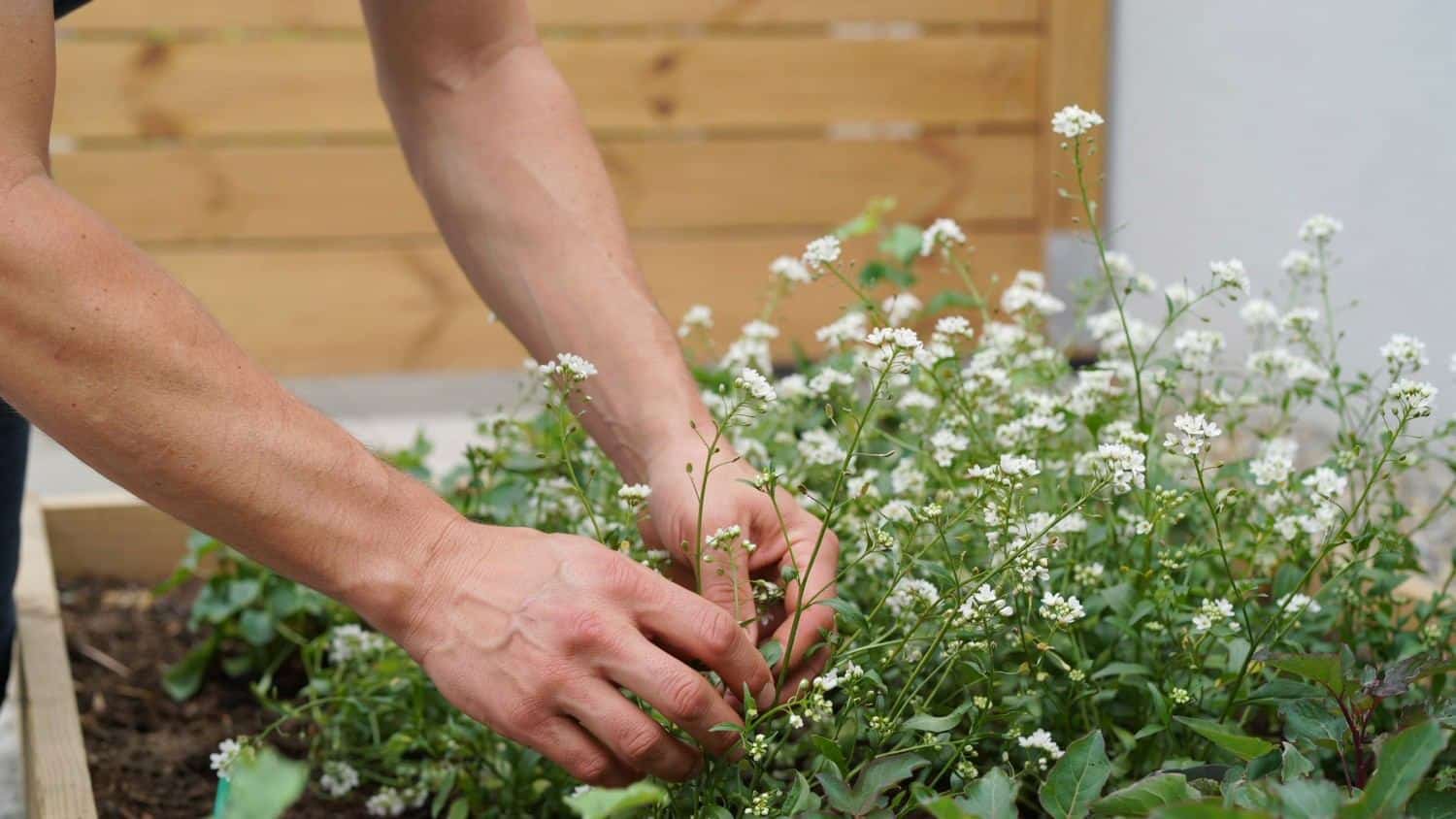
Coriander prefers cool conditions and well-drained soil. Choose a spot that gets morning sunlight but some protection from harsh afternoon heat, especially in warmer climates.
For best results:
- Use loose, well-draining soil
- Aim for a pH between 6.2 and 6.8
- Mix in compost to improve fertility
- Avoid areas where water collects
If growing in containers, select pots at least 10 inches deep with proper drainage holes. Raised beds also work well because they improve soil control and drainage.
Step 2: Sow the Seeds
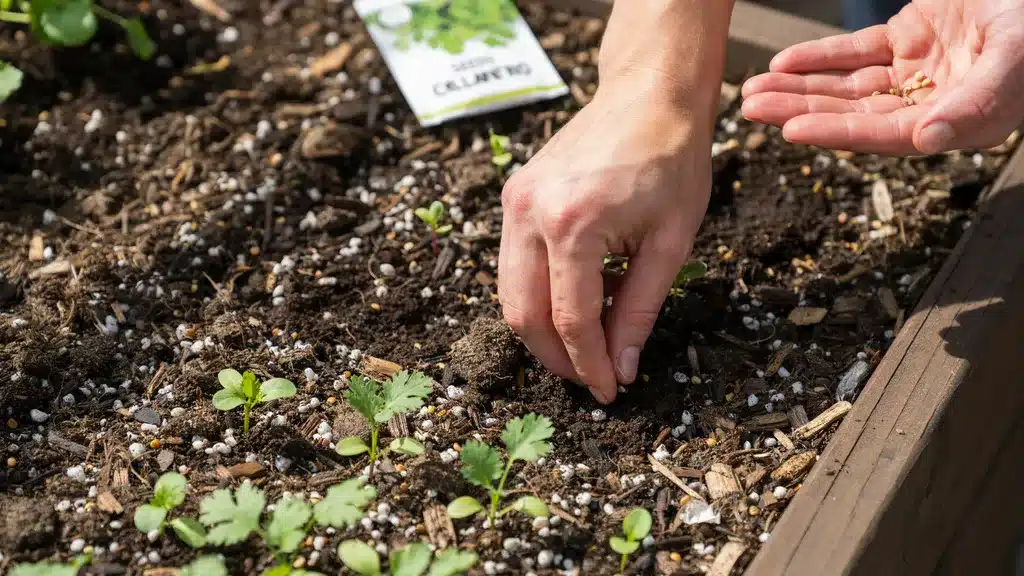
Coriander does not transplant well, so plant seeds directly into the soil after the last frost date. Shallow planting encourages faster germination.
Before sowing, gently crush each seed with the flat side of a knife or press them lightly with a rolling pin. Coriander seeds have a hard outer shell, and cracking it slightly helps moisture reach the inner seed faster.
Follow these planting basics:
- Make furrows about ½ inch deep
- Drop seeds 1 to 2 inches apart
- Cover lightly with soil
- Water gently
Seeds usually sprout within 7 to 14 days. Once seedlings are a few inches tall, thin them to 4 to 6 inches apart to improve airflow and reduce disease risk.
If your seedlings look thin and stretched, they may not be getting enough light, which is a common problem with leggy seedlings grown indoors.
Step 3: Care for Growing Plants
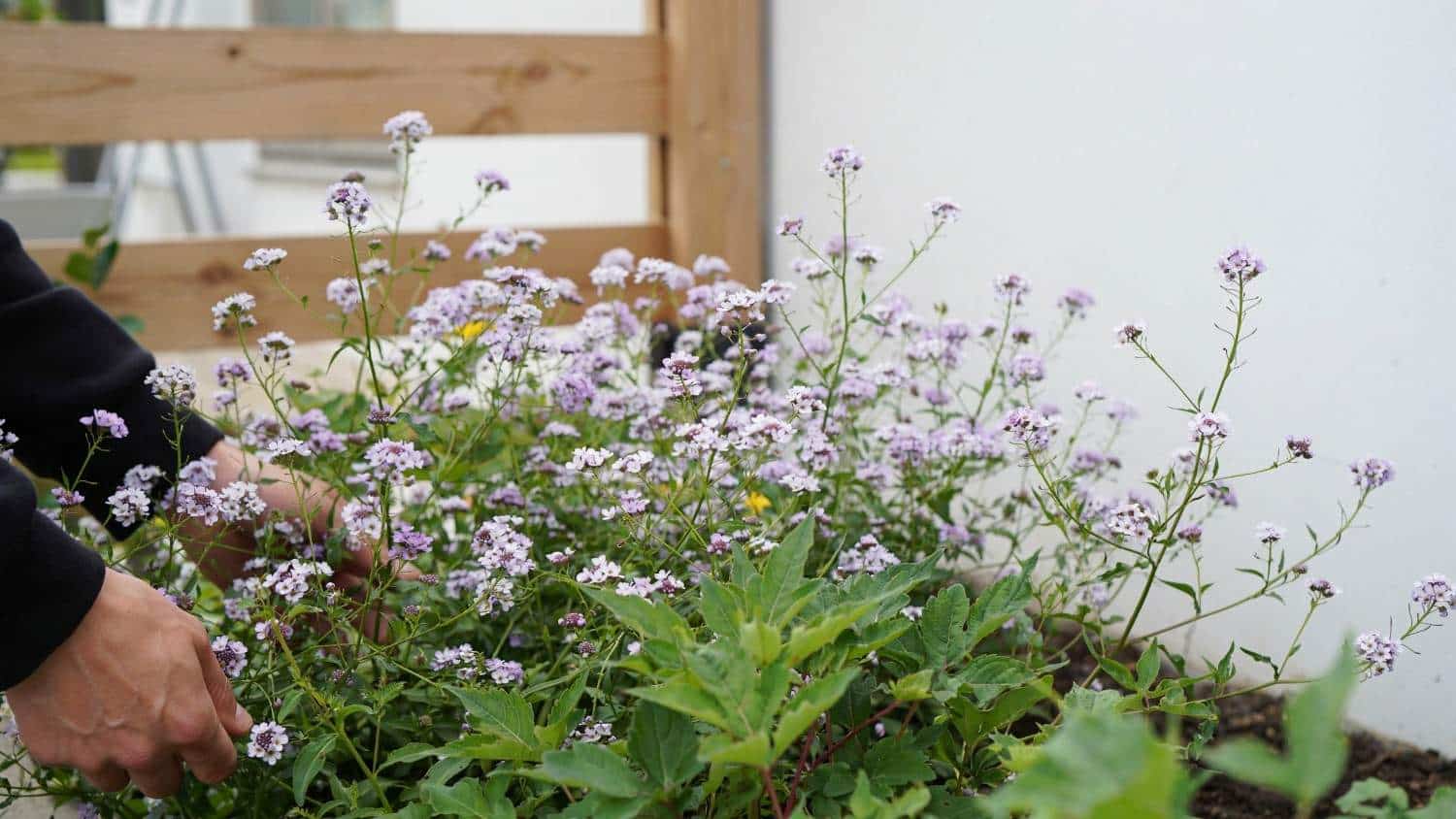
Coriander is low-maintenance but does best with consistent moisture. Irregular watering or heat stress can trigger early flowering.
Keep plants healthy by:
- Watering when the top inch of soil feels dry
- Avoiding waterlogged soil
- Feeding lightly once a month if the soil is poor
- Protecting young plants from strong winds
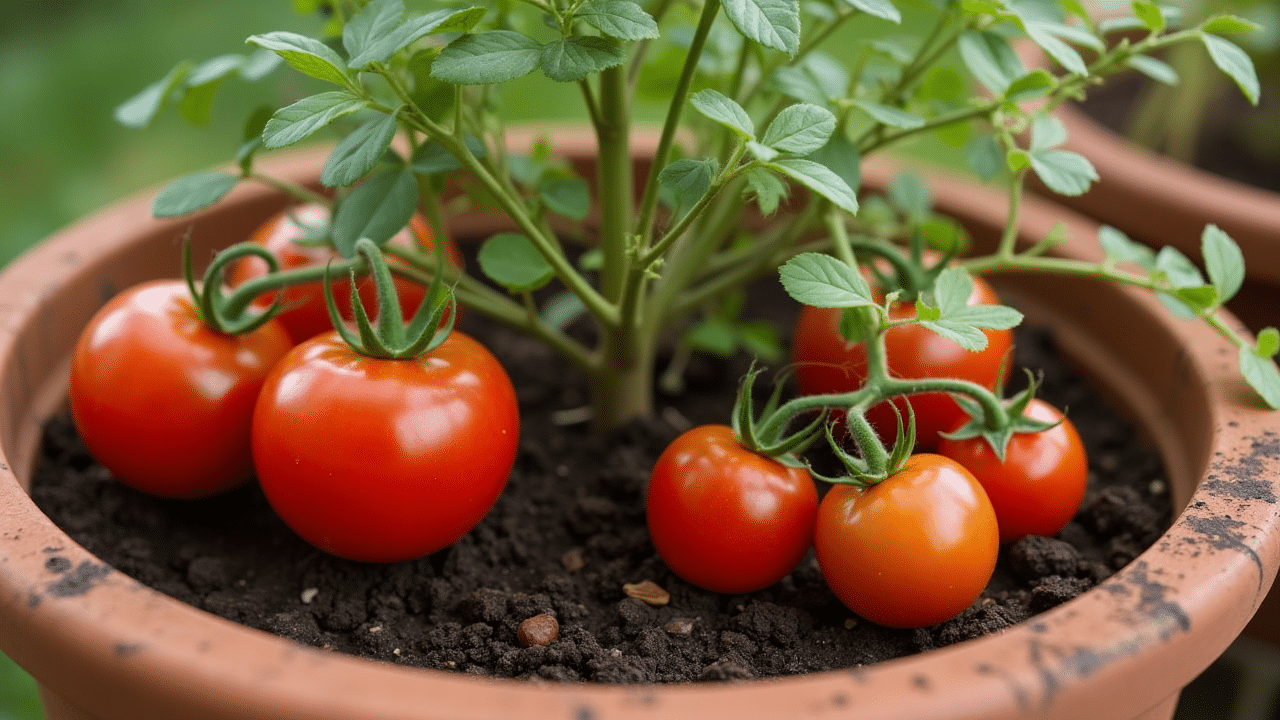
Coriander grows well near tomatoes, peppers, and beans, but avoid planting near fennel.
Step 4: Harvesting Your Crop
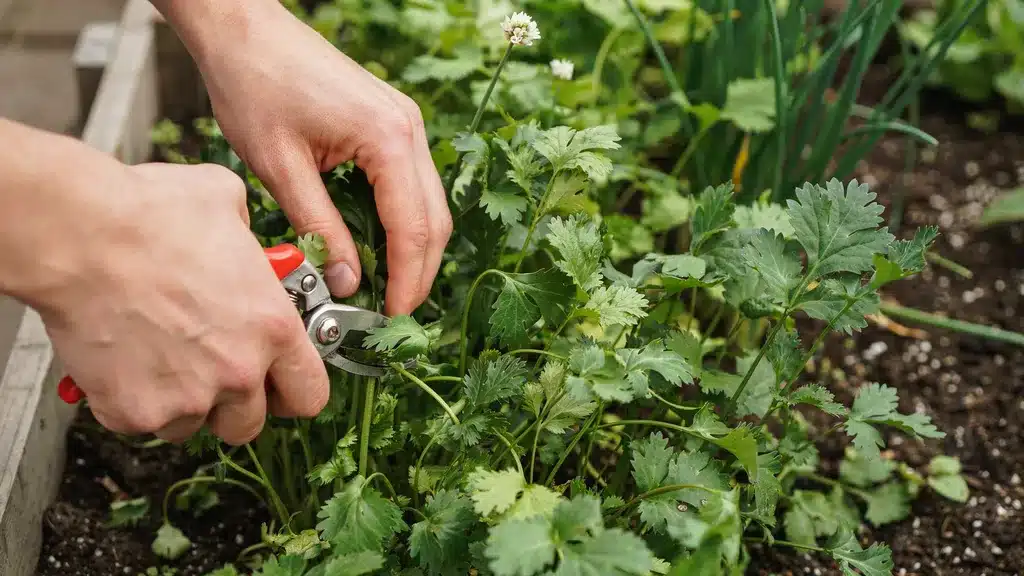
Coriander leaves are ready when plants reach 4 to 6 inches tall, usually about 3 to 4 weeks after germination. Harvest outer leaves first to encourage continued growth.
To extend your harvest:
- Sow new seeds every 10 to 14 days
- Leave a few plants to flower if you want seeds
- Collect seeds once they turn tan and dry
Video Tutorial
I’d like to give credit to Epic Gardening for their informative video, which served as a reference for this guide.
How Long Does Coriander Last?
A single coriander plant stays productive for about 6 to 8 weeks before it bolts and goes to seed, especially in warm weather. That is shorter than herbs like mint or basil, so plan for regular re-sowing.
How long does coriander live? Most coriander plants stay productive for about 6 to 8 weeks before they naturally bolt and go to seed, especially in warm weather.
How long does coriander produce leaves? Coriander usually produces good leaves for around 3 to 5 weeks after harvesting begins, before leaf quality drops and flowering starts.
How long does coriander take to go to seed? In outdoor conditions, coriander typically takes 90 to 120 days to go to seed, depending on temperature and growing conditions.
Common Problems When Growing Coriander
Coriander is easy to grow, but a few common issues can slow it down. Here is how to spot and fix them.
1. Bolting (Your Plant Goes Rogue)
If coriander suddenly shoots up, flowers, and stops producing leaves, it’s usually stressed. Heat is the biggest trigger, but inconsistent watering, poor soil, and overcrowding can also cause early bolting.
| Fix: Plant in the cooler spring or fall, and apply a thick layer of organic mulch around the plants to keep the roots cool and maintain consistent soil moisture throughout the growing season. |
2. Unwanted Pests
Aphids and leafhoppers are the most common pests that attack coriander. They feed on tender growth and can cause curled leaves, weak plants, and slowed development if left untreated.
| Fix: Spray neem oil or insecticidal soap in the early morning, and plant marigolds or other companion flowers nearby to attract beneficial insects. A homemade garlic mint spray also works well as a natural deterrent. |
3. Fungal Foes
Powdery mildew and damping-off are common when coriander is grown in humid conditions or in crowded spaces. Wet leaves and poor airflow make fungal issues spread quickly.
| Fix: Space plants properly, water only at the soil level, and avoid soaking the soil or spraying water directly on the leaves. |
4. Yellow Leaves or Weak Growth
If coriander looks pale, grows slowly, or develops yellow leaves, it is usually caused by overwatering, poor drainage, or low nutrients. This problem is especially common in containers where the soil remains too wet.
| Fix: Improve drainage, let the top inch of soil dry slightly between watering, and feed lightly with compost or diluted liquid fertilizer once a month. |
Does Coriander Continue to Grow After Cutting?
Yes, coriander can continue to grow after cutting, as long as it hasn’t bolted and you harvest it correctly.
Snip the outer leaves first, leaving the center growing point intact so the plant can continue producing fresh growth.
If you cut the entire plant down or temperatures rise too high, it will shift into flowering mode and stop focusing on leaf production.
Regular light harvesting actually encourages fuller, bushier growth and extends your harvest period.
Conclusion
Growing coriander at home is simple, affordable, and productive.
With proper timing, well-drained soil, and consistent watering, you can enjoy fresh cilantro leaves within a few weeks and harvest seeds later in the season.
The key is to plant in cooler weather, provide the plant with enough sunlight without excessive heat, and harvest regularly to encourage continued growth.
Whether you grow it in containers or garden beds, coriander adapts easily to small spaces and beginner setups.
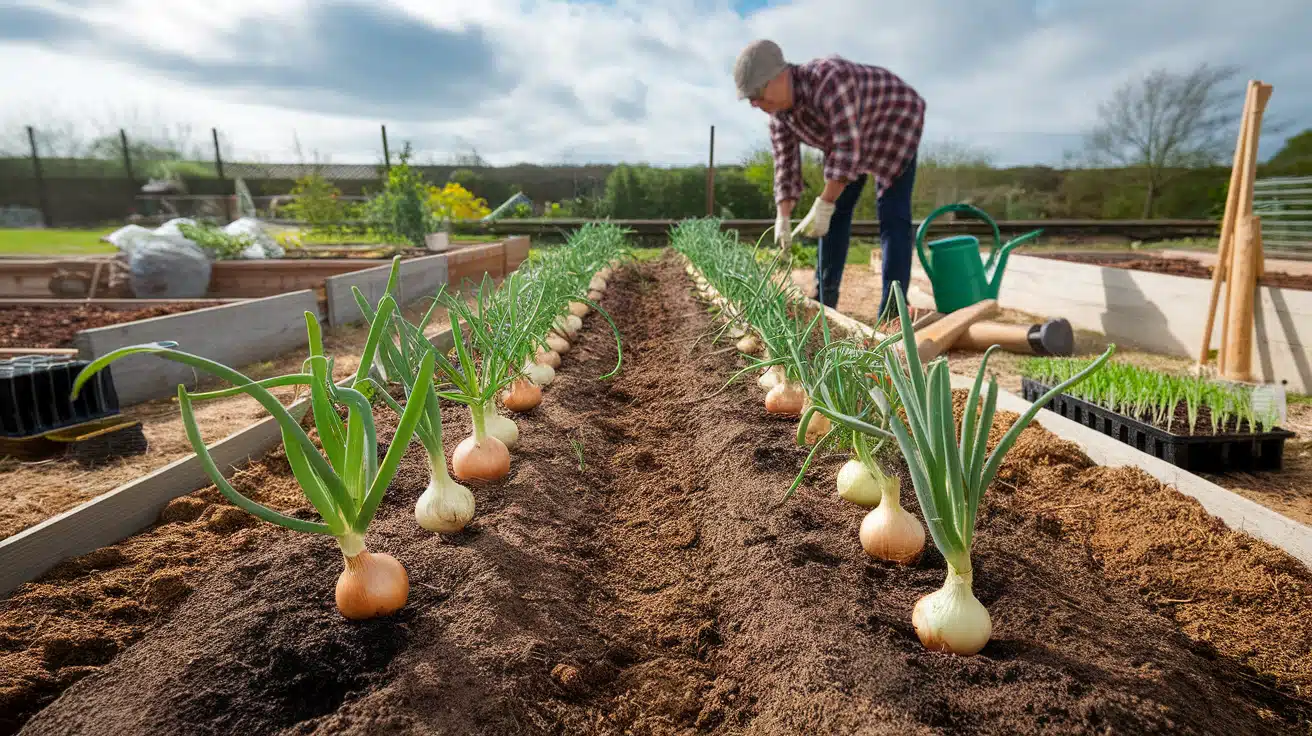
If you are growing other vegetables alongside it, herbs like coriander pair well with crops such as onions and tomatoes in the same bed.
Once you plant your first batch, it becomes one of the most dependable herbs in your garden.
Start with quality seeds, follow the steps outlined above, and enjoy a steady supply of fresh coriander right at home.
Frequently Asked Questions
Should I crush coriander seeds before planting?
Yes. Gently cracking the hard outer shell with a knife or rolling pin helps water reach the seed faster, which can cut germination time by several days.
Can I grow coriander from supermarket coriander pots?
You can, but supermarket pots are overcrowded and short-lived. Divide the root clump into smaller sections, repot them with fresh compost, and they will last much longer.
What are the best slow-bolt coriander varieties?
Calypso, Leisure, and Confetti are bred to resist bolting. They give a longer leaf harvest before flowering, especially in warmer weather.