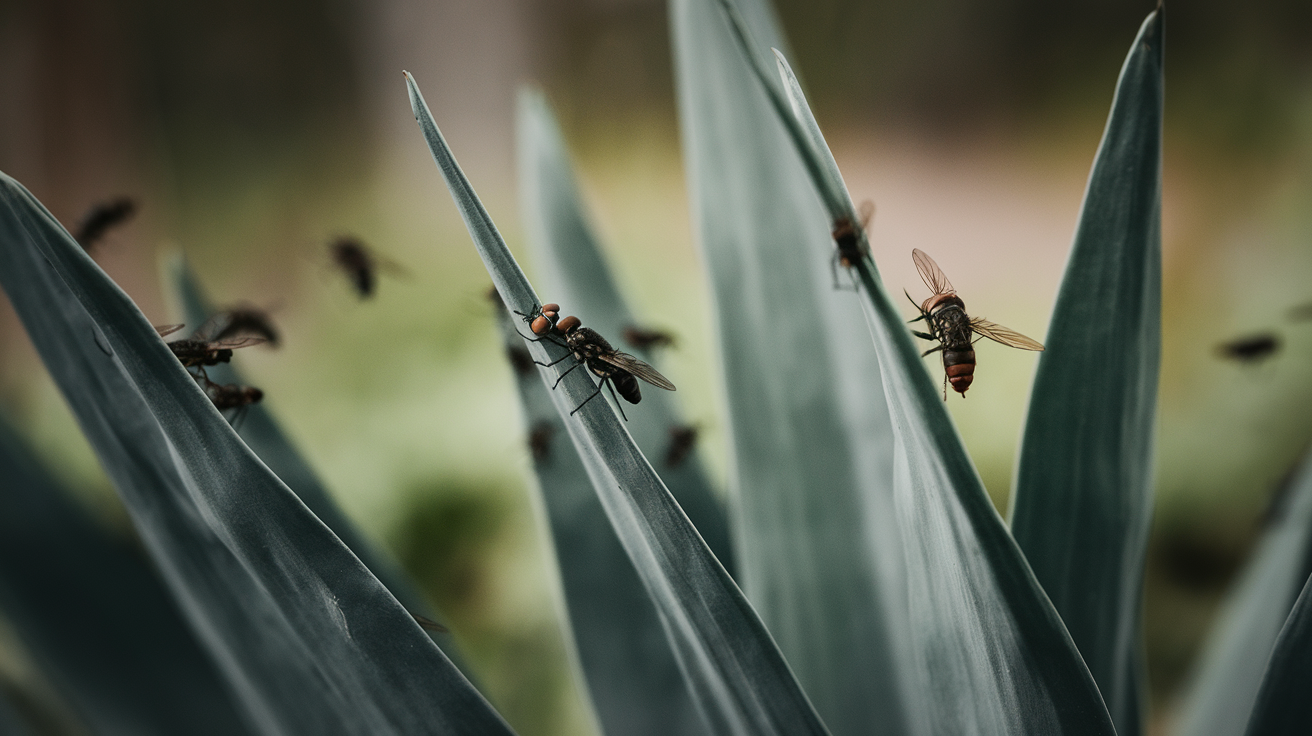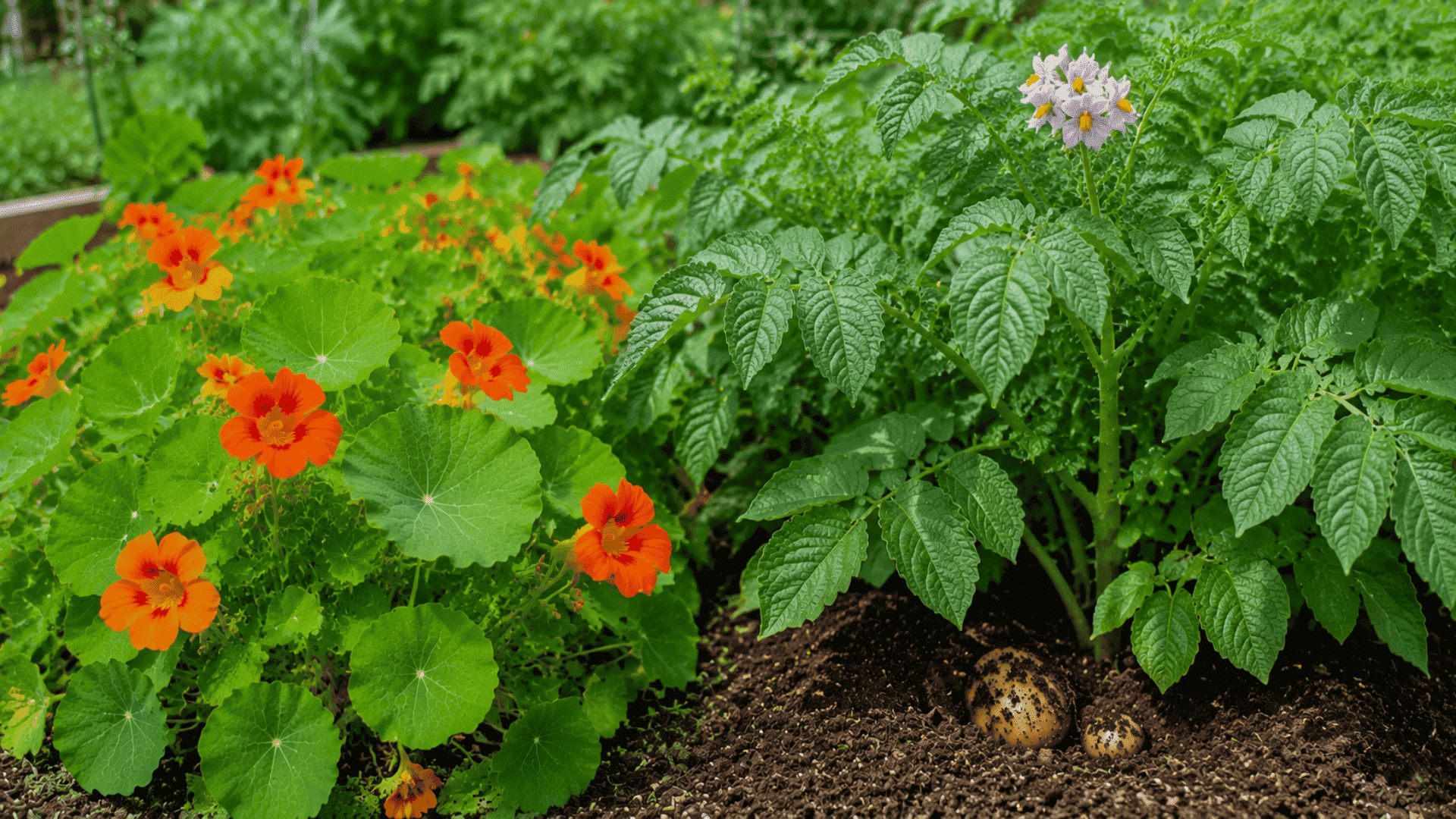

In my pest management work, I’ve seen nasturtiums do a lot of good in a garden. But not every plant makes a good neighbor for them.
The wrong companion plants can stunt growth, attract pests, and reduce your harvest.
Knowing what not to plant with nasturtiums protects your garden investment. It saves you time, effort, and frustration.
I’ll walk you through the plants that consistently clash with nasturtiums, plus the companions that actually support these cheerful flowers instead of working against them.
What Are Nasturtiums and Why Grow Them?
Nasturtiums are bright, low-maintenance flowers that thrive in almost any garden. They grow quickly, add bold color, and adapt well to poor soil.
Their trailing or bushy growth works in beds, borders, hanging baskets, and vegetable gardens.
Nasturtiums earn a spot in the garden for practical reasons too. They attract pollinators and act as a natural trap crop, drawing aphids onto themselves and away from nearby vegetables.
Their leaves and flowers are also edible, adding a peppery flavor to salads.
Because nasturtiums grow vigorously and interact strongly with nearby plants, choosing the right neighbors is essential. Planting them next to the wrong crops can lead to competition, pest issues, and reduced yields.
What Not to Plant with Nasturtiums
Now that you understand why plant compatibility matters, let’s look at specific plants to avoid. Each one has unique reasons for being a poor companion choice.
These plants are especially likely to compete with nasturtiums or share the same pest problems.
1. Beans
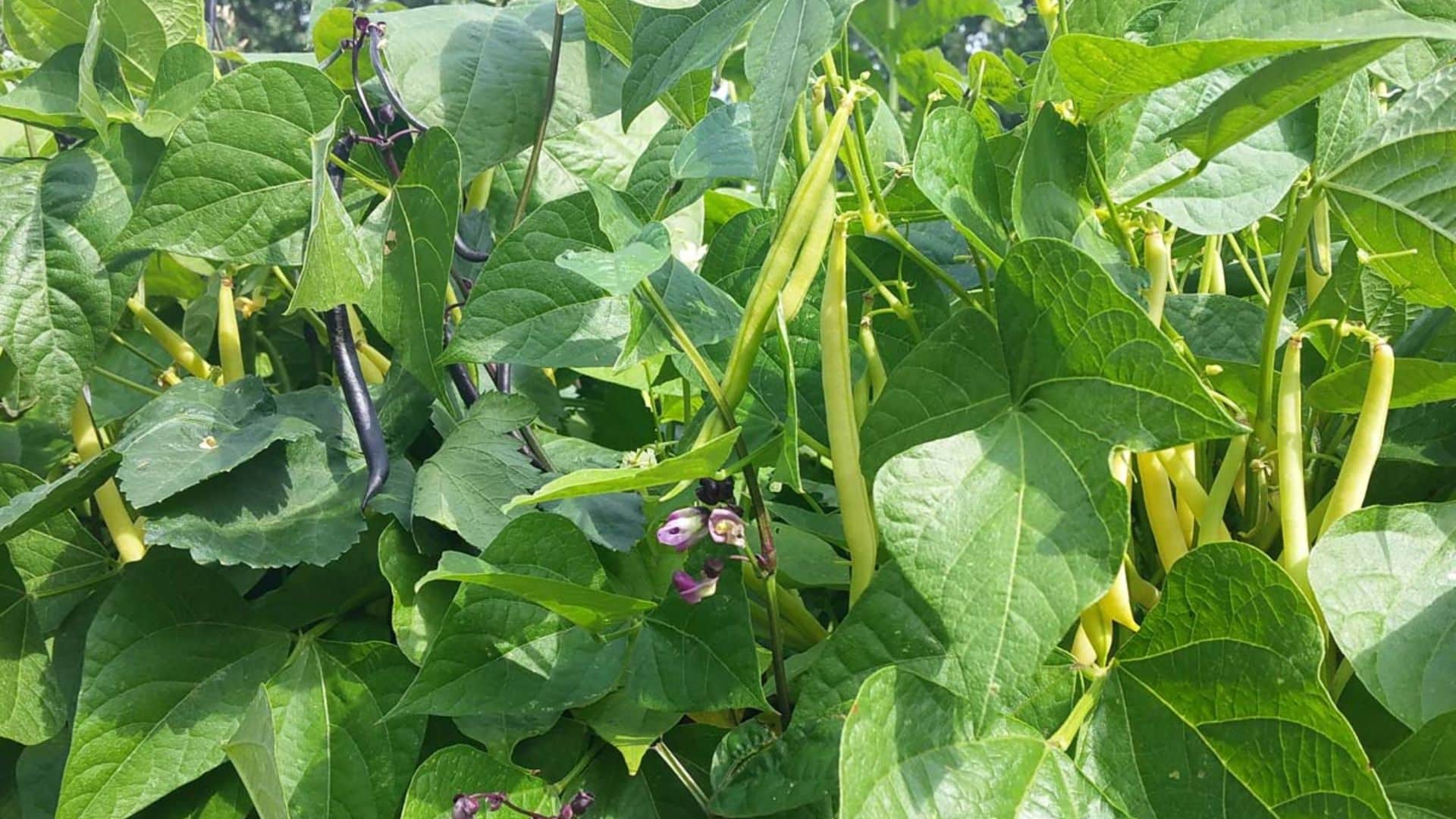
Beans and nasturtiums both attract aphids in large numbers. When grown together, aphid populations explode and spread between both plants.
Getting the dosing right when fertilizing nitrogen-hungry crops like beans matters here too, since nasturtiums do best in leaner soil, as covered in this guide to dosing fertilizer for garden plants.
Why this pairing fails:
- Pod damage: Aphids multiply fast between the two plants and reduce bean yields significantly.
- Nutrient mismatch: Beans fix nitrogen in the soil, adding nutrients that nasturtiums simply don’t need.
- Airflow loss: Bush beans need space for airflow, and spreading nasturtiums can smother them.
2. Brassicas
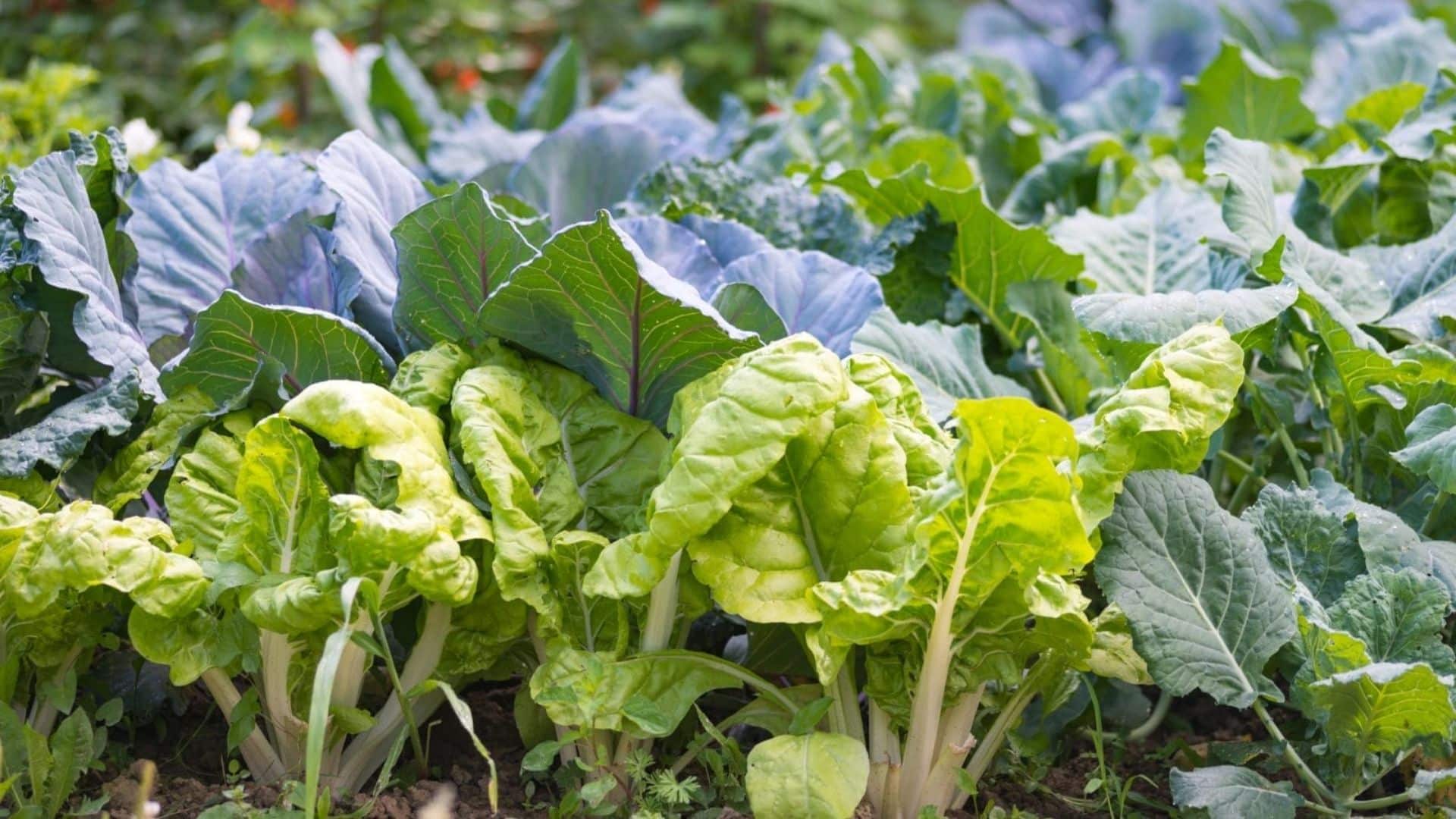
Cabbage, kale, and broccoli need rich soil and regular fertilization, whereas nasturtiums prefer lean conditions. Meeting both plants’ needs becomes impossible.
Why this pairing fails:
- Shared pests: Flea beetles target both plants, causing problems that can quickly destroy young seedlings.
- Watering conflict: Brassicas need consistent watering, while nasturtiums tolerate much drier conditions.
- Compounding stress: That water mismatch causes problems for both crops when they’re planted side by side.
3. Potatoes
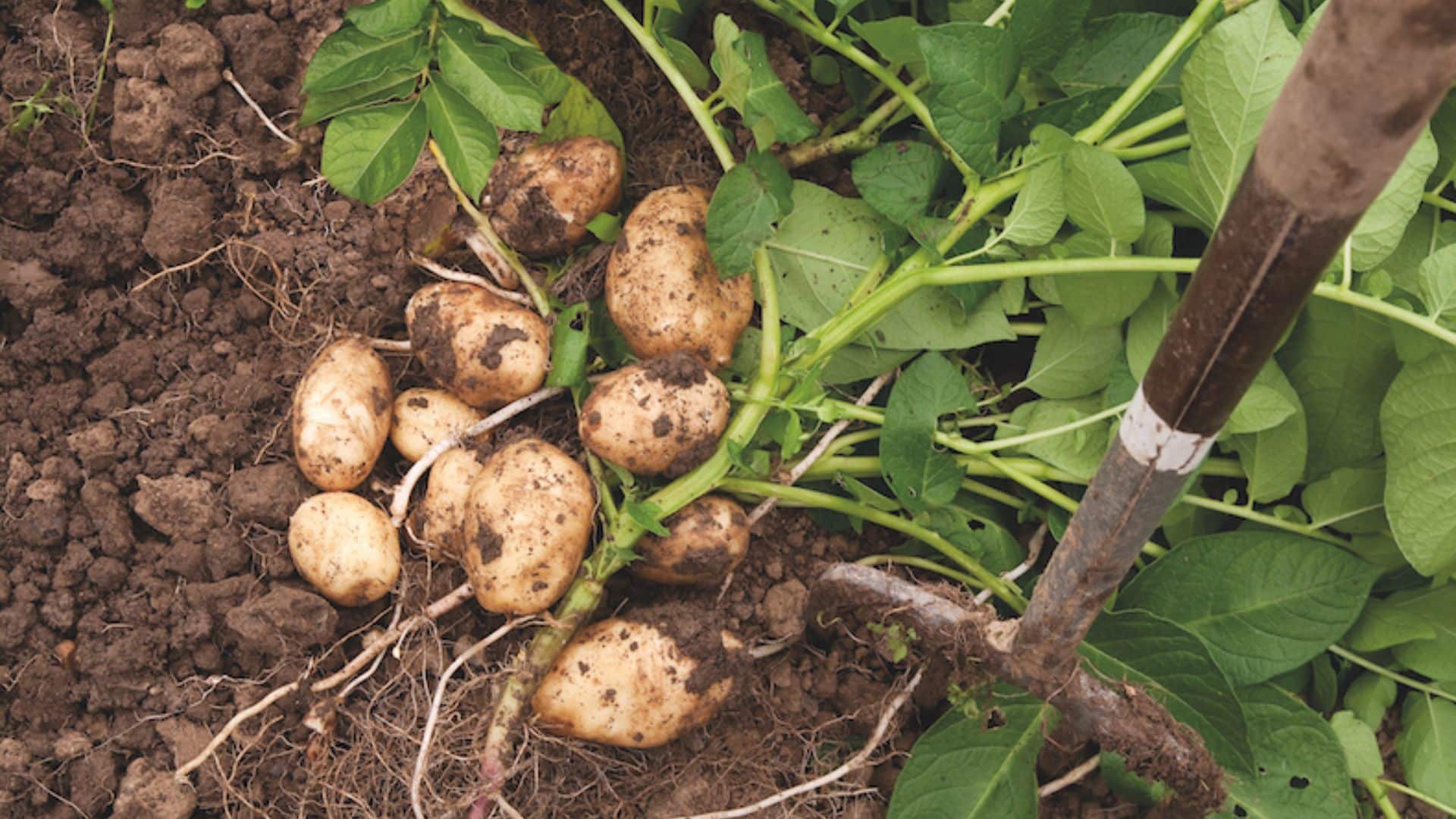
Potatoes and nasturtiums share too many pests: Colorado potato beetles, flea beetles, and aphids. Growing them together increases pest pressure on both crops.
Most gardeners already have a planting and hilling routine for potatoes worked out before adding flowers nearby.
Why this pairing fails:
- Root disruption: Hilling potatoes disturbs the soil and damages nearby shallow nasturtium roots.
- Blocked access: Nasturtiums spread fast and cover potato plants, making hilling nearly impossible.
- Disease overlap: Both plants are susceptible to similar diseases that spread easily between them.
4. Fennel
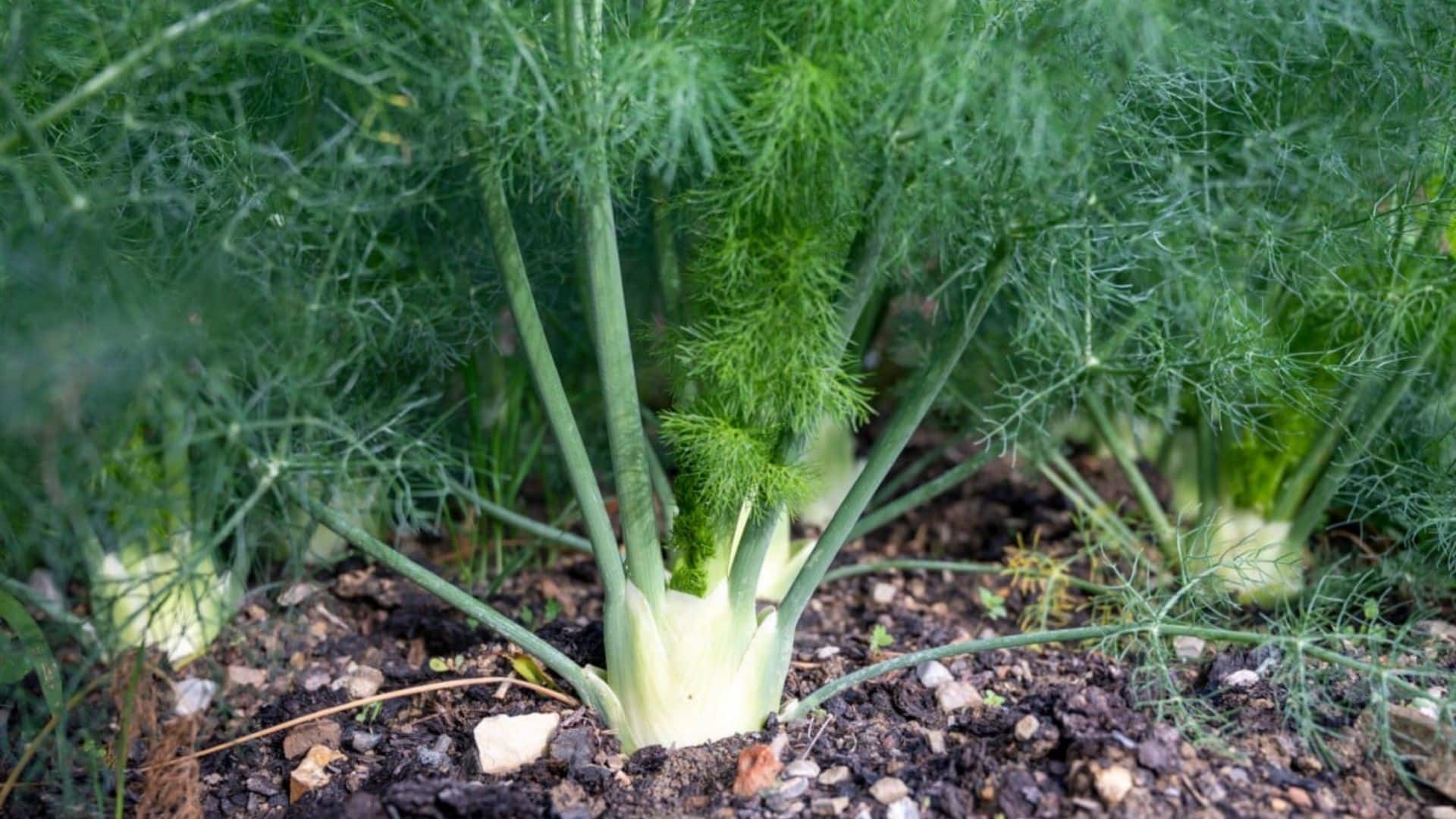
Fennel releases chemicals that inhibit the growth of other plants. These compounds affect most garden plants, including nasturtiums.
Why this pairing fails:
- Growth inhibitors: Fennel’s roots release compounds that slow nasturtium growth and reduce blooms.
- Space demands: Fennel grows tall and needs several feet of clearance.
- Tangled growth: Nasturtiums spreading near fennel create a mess where neither plant does well.
- Solo grower: Fennel generally grows best on its own, away from other vegetables and flowers.
5. Peppers
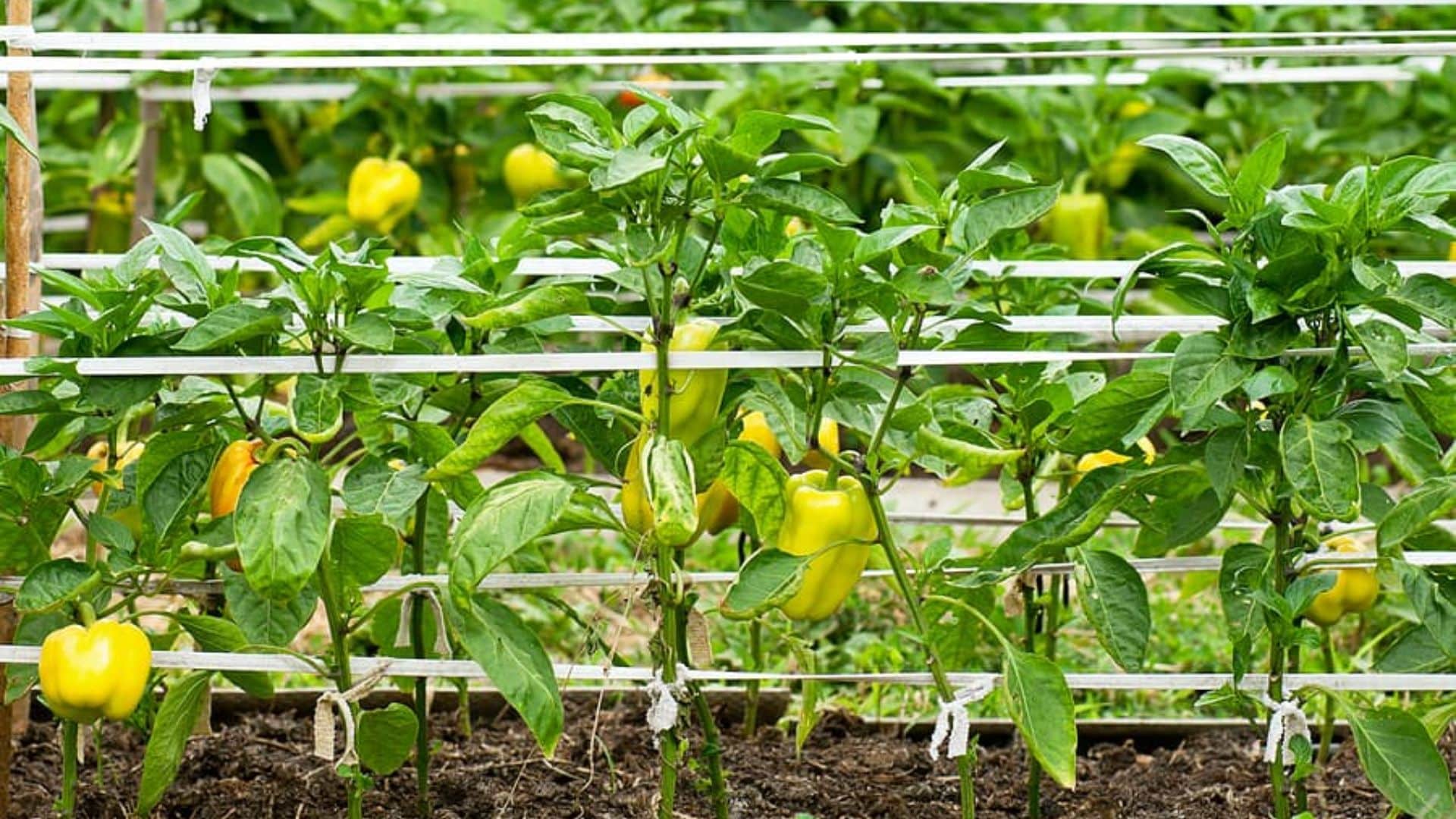
Peppers need nutrient-rich soil and regular fertilization, which is the opposite of what nasturtiums need. Aphids cause major problems for peppers by transmitting viruses.
Why this pairing fails:
- Disease risk: Nasturtiums attract aphids that spread to peppers, increasing the risk of viral disease.
- Overshadowing: Nasturtiums grow fast and can shade pepper plants that need full sun.
- Yield loss: That shading reduces yields and delays fruit ripening.
6. Tomatoes
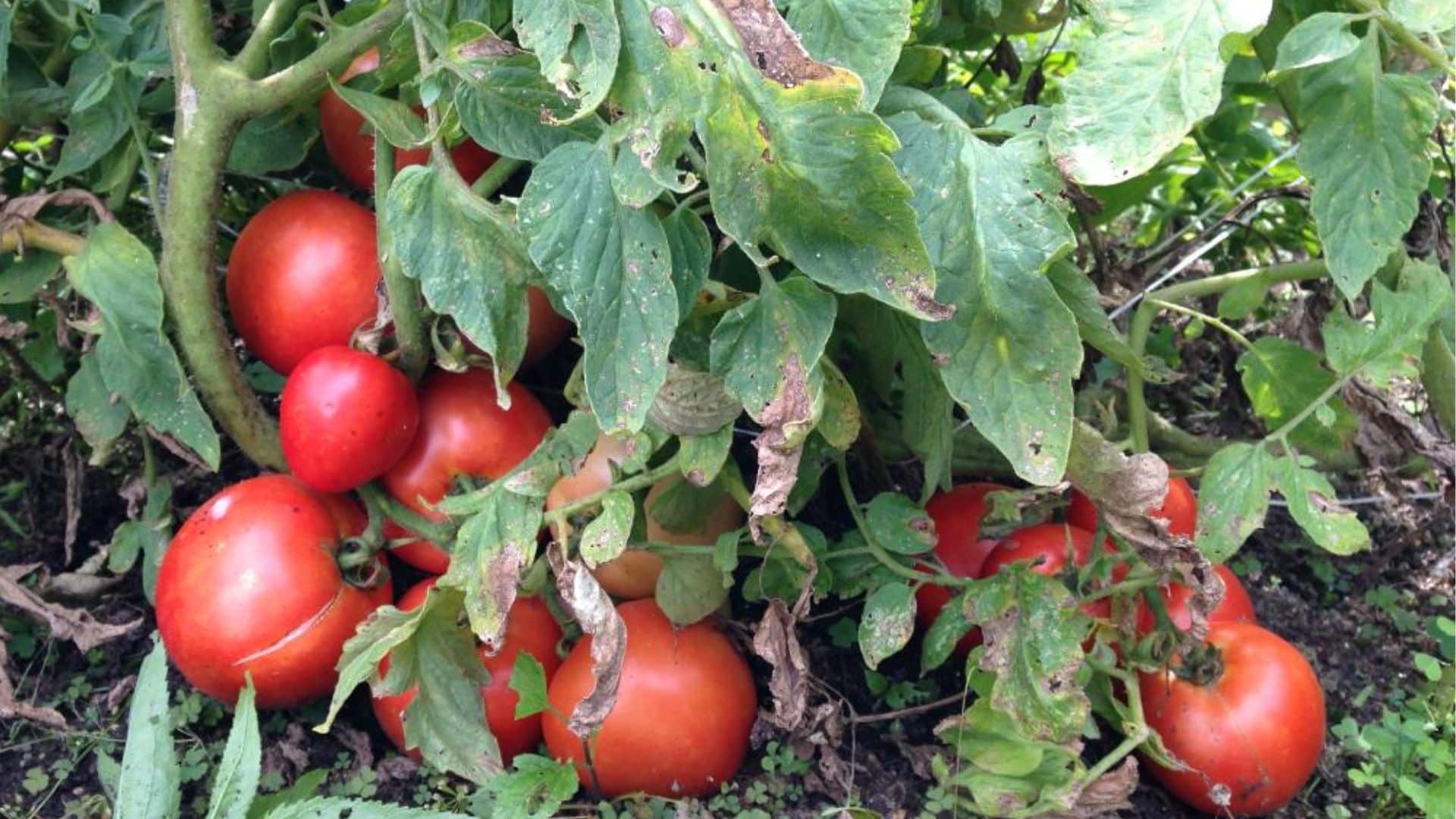
Both tomatoes and nasturtiums attract aphids and whiteflies. When grown together, pest populations multiply rapidly.
Getting the tomato-growing basics right, from spacing to staking, matters more here than any companion planting choice.
Why this pairing fails:
- Viral spread: Aphids and whiteflies transmit incurable viral diseases to tomatoes.
- Soil conflict: Tomatoes need rich soil and regular fertilization, the wrong environment for nasturtiums.
- Trapped moisture: Nasturtiums form a dense ground cover that traps moisture near tomato stems.
- Fungal risk: That humid environment promotes fungal diseases such as early blight and powdery mildew.
7. Cucumbers
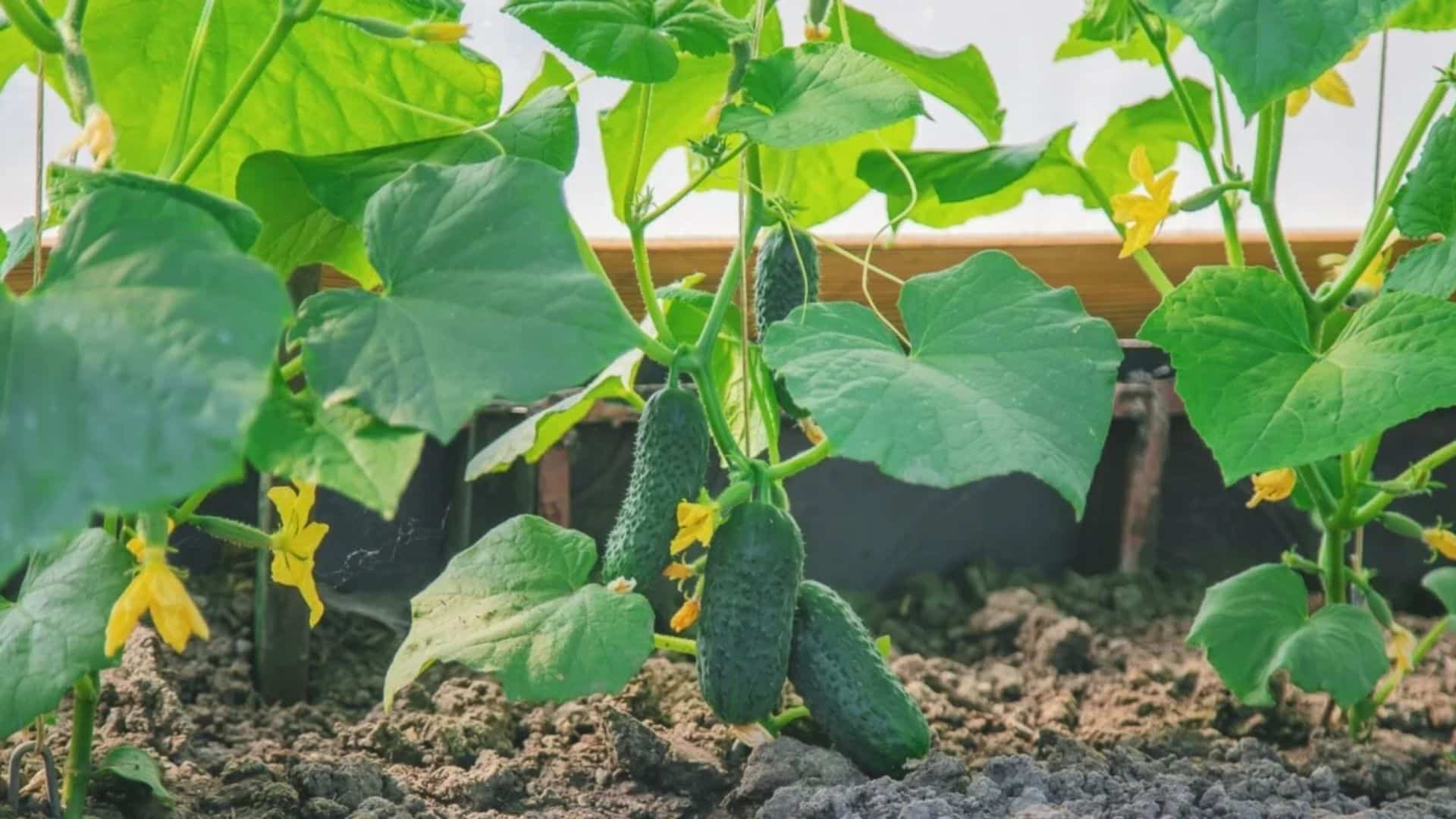
Cucumber beetles love both cucumbers and nasturtiums. These beetles spread bacterial wilt, which quickly kills cucumber plants.
Getting the basics of growing cucumbers right, from trellising to consistent watering, does more to prevent beetle damage than any companion plant.
Why this pairing fails:
- Beetle pressure: Having nasturtiums nearby increases cucumber beetle populations and the risk of bacterial wilt.
- Tangled vines: Vine growth becomes tangled and difficult to manage. Vine growth becomes tangled and unmanageable
- Harder harvest: Cucumber vines and nasturtium stems twist together, making harvesting difficult.
- Mildew risk: Powdery mildew spreads fast in the dense, humid foliage that the two plants create together.
8. Strawberries
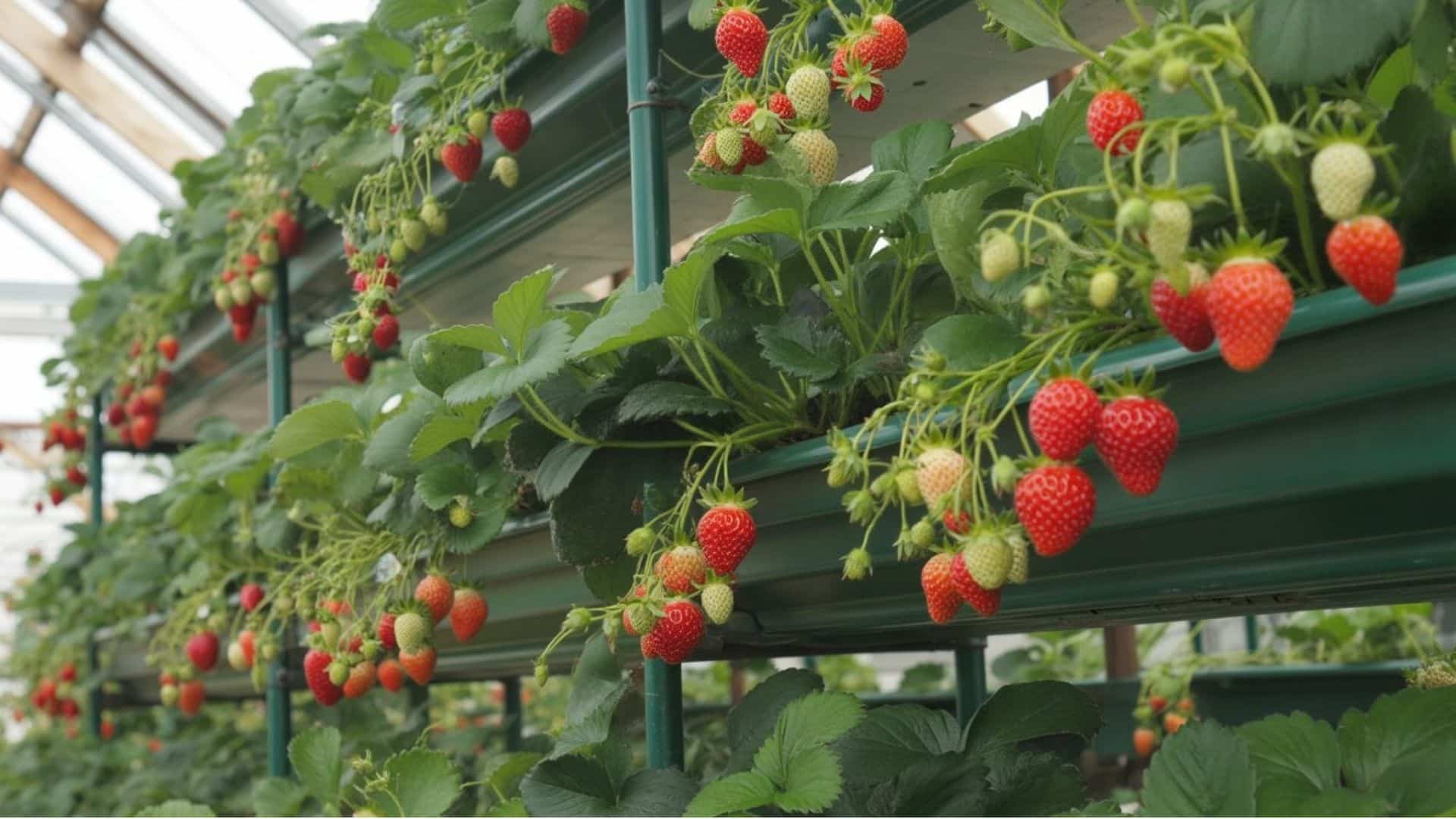
Strawberries and nasturtiums both spread across the ground. When planted together, they compete directly, creating an impossible tangle.
Why this pairing fails:
- Space competition: Neither plant establishes properly when competing for the same ground space.
- Poor airflow: Nasturtiums trap moisture and reduce air circulation over strawberry crowns.
- Rot risk: Trapped moisture encourages root and crown rot in strawberries.
- Slug habitat: Dense ground cover creates hiding spots for slugs that feed on both plants.
9. Corn
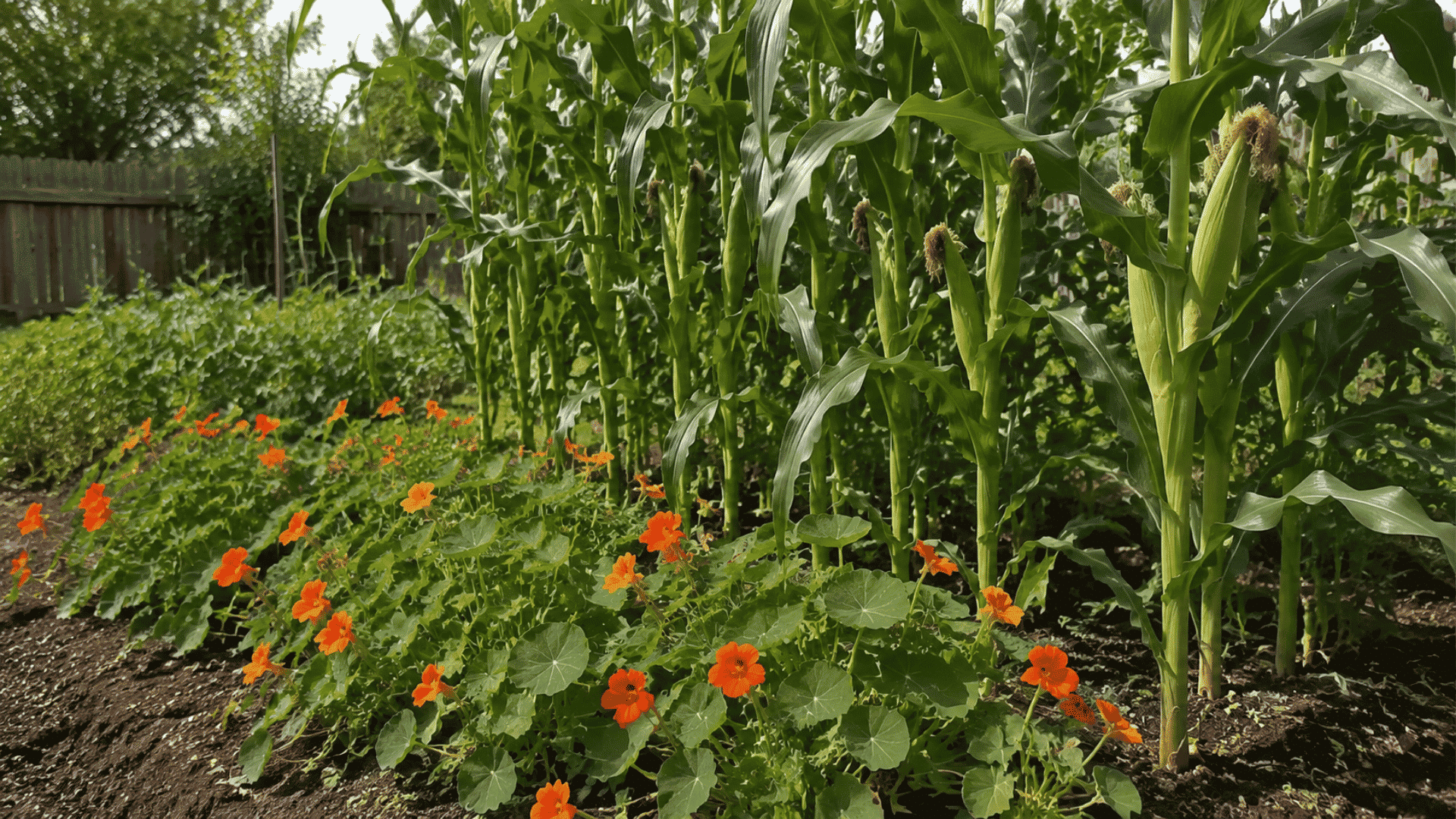
Corn grows tall fast and blocks the sun that nasturtiums need to bloom. Its roots also spread wide, competing directly with nasturtiums for water and nutrients in the same bed.
Why this pairing fails:
- Heavy shading: Corn’s height cuts off the sunlight nasturtiums need, leaving them leggy with few flowers.
- Root competition: Corn’s wide root system pulls water and nutrients away from nasturtiums nearby.
- Uneven watering needs: Corn needs consistent deep watering, while nasturtiums do best when the soil dries out between waterings.
If you already planted nasturtiums next to these plants, look for signs like reduced flowering, pest buildup, or tangled growth. Prune, increase spacing, or relocate nasturtiums to restore plant health.
Understanding what not to plant with nasturtiums is only half the battle. Plenty of plants make excellent companions instead.
Choosing the Best Companions for Nasturtiums
Pairing nasturtiums with the right plants helps create a healthier, more productive garden.
Good companion plants share space without competing for nutrients and often benefit from the natural pest control that nasturtiums provide.
| Companion Plant | Why It Works with Nasturtiums |
|---|---|
| Radishes | Fast-growing and use little space, reducing competition. |
| Lettuce | Shallow roots and similar growing conditions. |
| Squash & Pumpkins | Benefit from nasturtiums attracting pests away from vines. |
| Roses | Nasturtiums help deter aphids and add colorful ground cover. |
| Fruit Trees | Draw aphids away from young leaves and blossoms. |
| Oregano & Thyme | Thrive with similar watering needs and growing conditions. |
Nasturtium Compatibility Tips for Growing
Use these planting tips to ensure your nasturtiums grow well with the right garden neighbors.
1. Consider Growth Habits
Growth habits determine how plants successfully share space. Match plants by size, root depth, and growth speed for the best results.
Key compatibility factors:
- Vertical vs. horizontal growth: Trellised squash or climbing plants grow upward while nasturtiums spread below, using space efficiently
- Root depth: Deep-rooted plants like sunflowers or hollyhocks reach different soil layers than nasturtiums’ shallow roots
- Growth speed: Fast-growing crops like radishes mature and get harvested before nasturtiums spread fully
- Mature plant size: Consider how large each plant becomes to avoid overcrowding
2. Focus on Pest Control Benefits
Nasturtiums excel at pest management when paired correctly.
In my integrated pest management work, I’ve watched them pull aphids off vegetable plants entirely, buying enough time for beneficial insects to move in
Choose plants that benefit from nasturtium protection:
- Squash family members
- Fruit trees
- Roses
- Radishes
Monitor your nasturtiums regularly. Remove heavily infested plants before pests spread. This active management makes the trap-crop method effective.
3. Nutrient Compatibility
Soil fertility needs must align for success. Nasturtiums are light feeders that thrive in lean soil. Heavy fertilization results in leaves rather than flowers.
Match nasturtiums with other light feeders:
- Herbs like oregano, thyme, and rosemary
- Radishes and turnips
- Most flowers and ornamentals
- Established perennials
These plants share similar nutrient needs. Keep heavy feeders like tomatoes, peppers, and brassicas in separate areas. This lets you manage fertility levels appropriately for each plant group.
Conclusion
Finding out what not to plant with nasturtiums makes garden planning easier.
Avoid beans, brassicas, potatoes, fennel, peppers, tomatoes, cucumbers, corn, and strawberries near your nasturtiums.
These plants compete for resources, share pest problems, or have incompatible growing needs.
Instead, pair nasturtiums with light feeders like herbs, radishes, and flowers. Choose companions with different root depths and complementary growth habits.
This creates a balanced garden where every plant grows.
In more than 15 years of pest management work, I’ve found nasturtiums earn their keep in a garden when they’re planted next to the right neighbors. Start planning your nasturtium companions today.
Frequently Asked Questions
Do Nasturtiums Attract or Repel Aphids?
They attract them. Nasturtiums work as a trap crop, drawing aphids onto themselves and away from nearby vegetables, rather than repelling the insects outright.
Can Nasturtiums Grow Safely Near Roses?
Yes. Nasturtiums planted at the base of roses lure aphids away from buds, protecting blooms without competing much for nutrients or root space.
How Far Apart Should Nasturtiums Be From Incompatible Crops?
Keep at least 12 inches between nasturtiums and plants such as tomatoes, cucumbers, or brassicas to limit pest carryover and root competition.
Should I Pull Nasturtiums Once They Attract Pests?
Not right away. Let the trap crop work first, then prune or remove heavily infested nasturtiums before the pests spread to nearby vegetables.