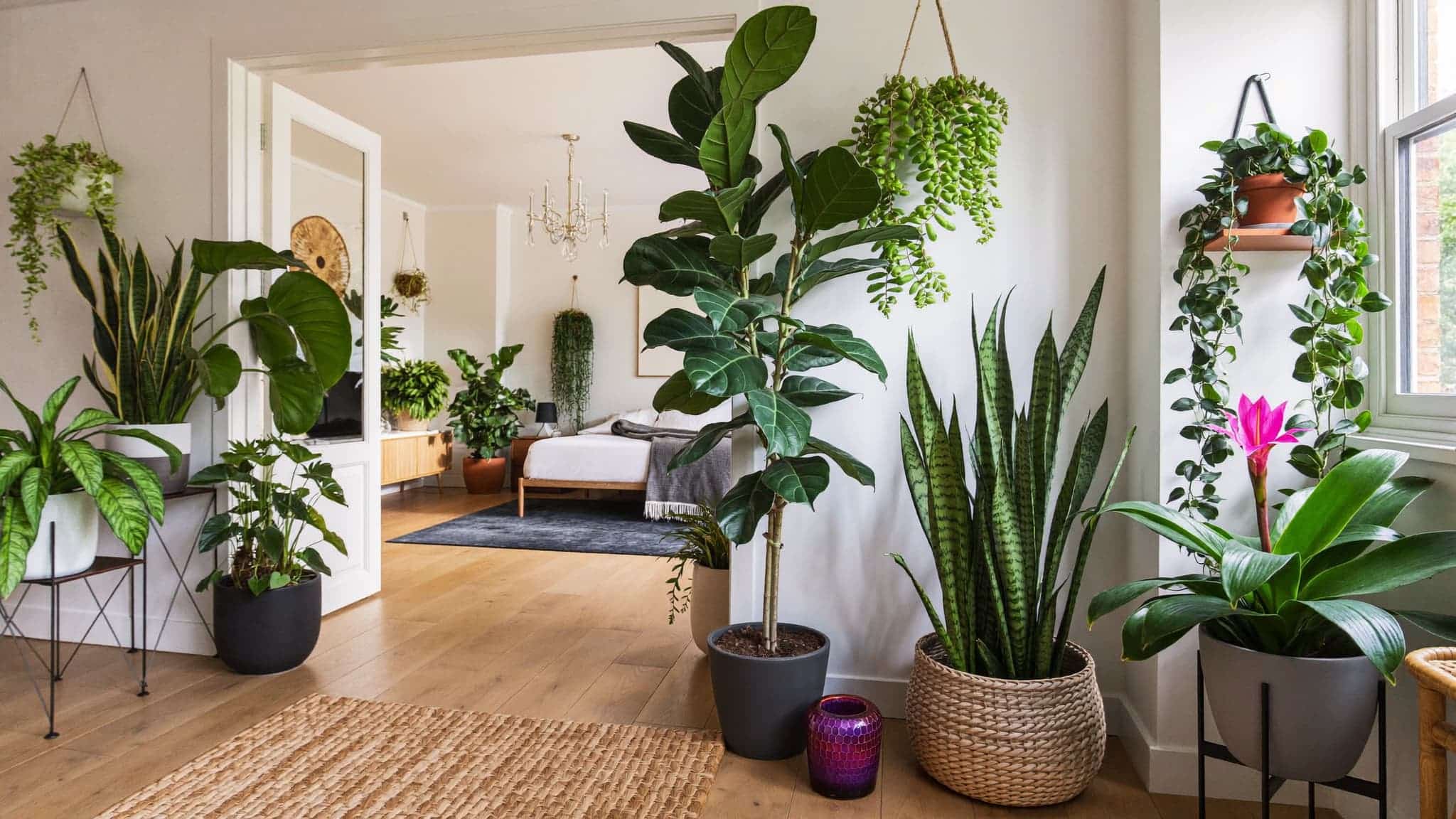

Most of us assume home is the safest place to breathe, but indoor air can carry two to five times more pollutants than the air outside.
Furniture off-gassing, cleaning products, and poor ventilation quietly build up in the spaces we sleep, work, and live in every single day.
Air-purifying plants offer a natural, science-backed solution.
NASA research confirmed that common houseplants can absorb harmful volatile organic compounds from indoor environments, and the benefits stretch well beyond cleaner air.
By the end, you will know exactly which plants to buy, where to place them, how to care for them through every season, and which ones to keep away from your pets, everything you need to get it right the first time.
Top Air-Purifying Plants
Not every houseplant earns its place on the air-purifying list.
The species below have been consistently highlighted across NASA’s Clean Air Study and peer-reviewed horticultural research as the most effective at reducing indoor pollutants
1. Snake Plant (Sansevieria trifasciata)
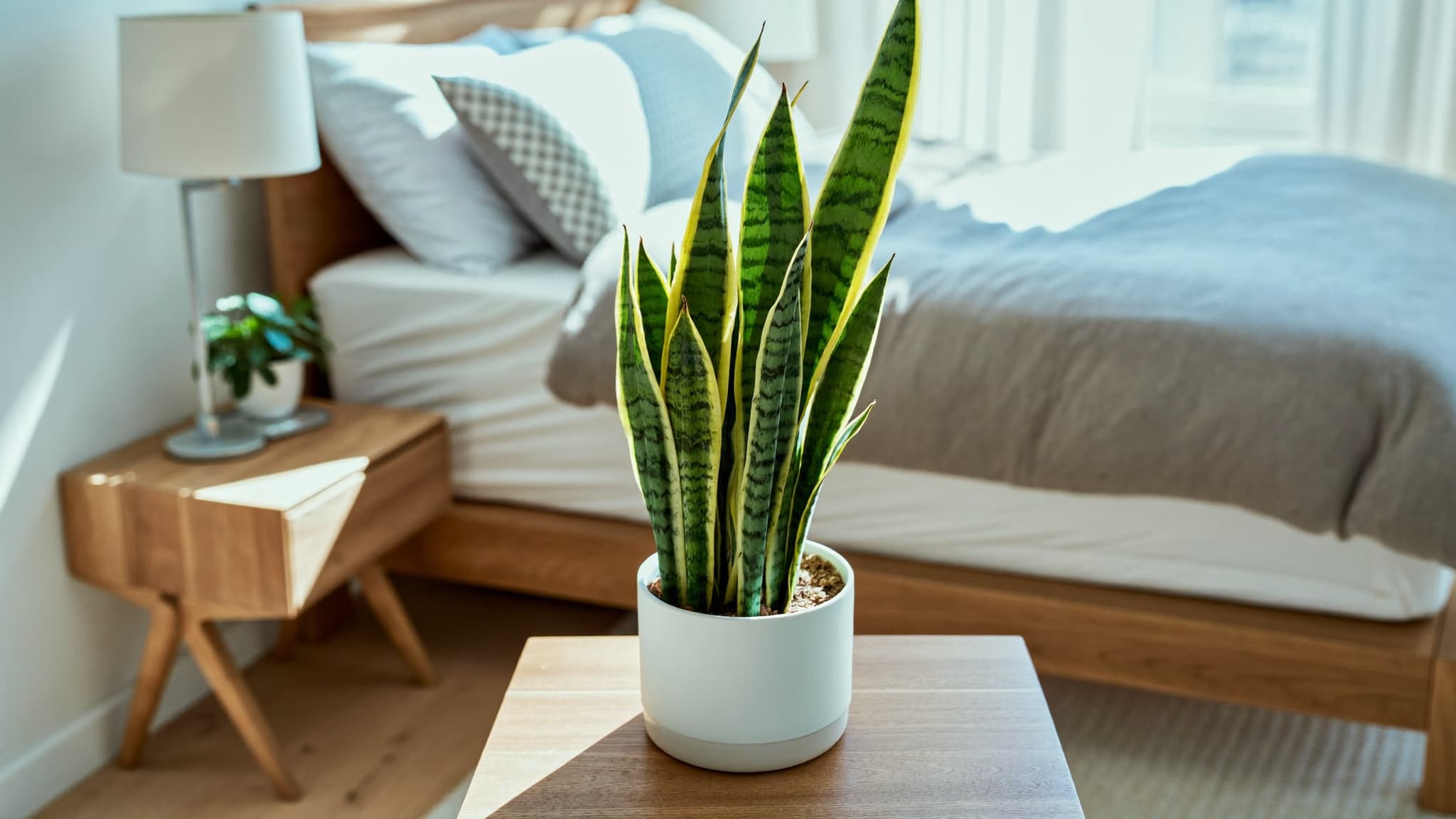
One of the hardest-working plants you can own, and one of the easiest to keep alive.
- Toxins Removed: Formaldehyde, benzene, trichloroethylene, xylene, and nitrogen oxide.
- Unique Benefit: Unlike most plants, the snake plant releases oxygen at night rather than during the day, making it one of the best choices for a bedroom.
- Light: Tolerates low light comfortably, thrives in indirect light.
- Care: Water sparingly every two to three weeks. Overwatering is the single most common cause of decline.
- Pet Safety: Toxic to cats and dogs.
2. Peace Lily (Spathiphyllum wallisii)
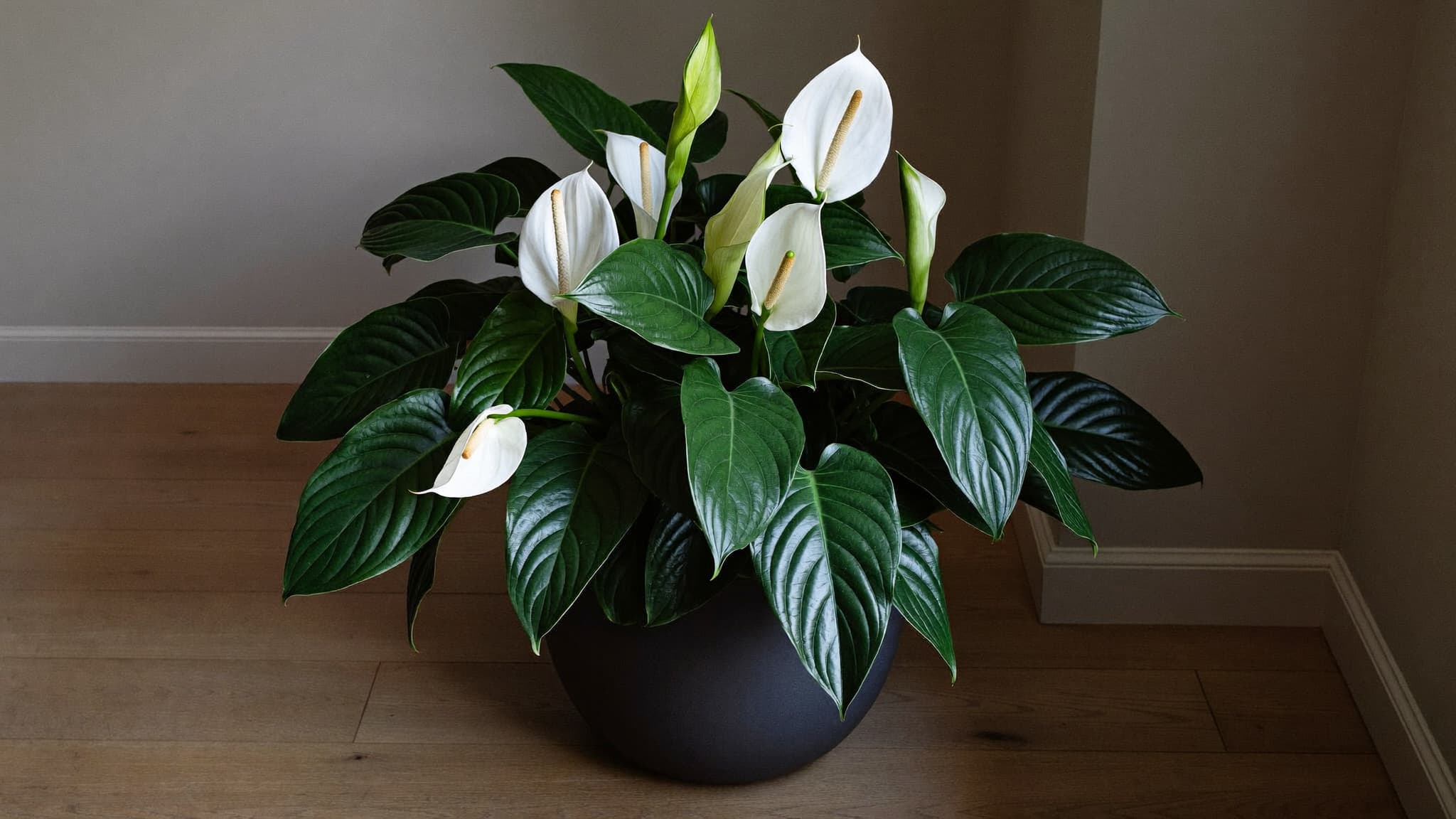
Elegant, forgiving, and one of the most well-rounded air purifiers available for indoor spaces.
- Toxins Removed: Formaldehyde, benzene, trichloroethylene, ammonia, and acetone.
- Unique Benefit: Peace lilies absorb airborne toxins through their leaves, transporting them to the roots, where they are naturally broken down in the soil.
- Light: Low to medium indirect light, one of the few flowering plants that thrives without bright conditions.
- Care: Water weekly, allow the top inch of soil to dry between waterings. Mist occasionally to maintain humidity.
- Pet Safety: Mildly toxic to cats and dogs.
3. Spider Plant (Chlorophytum comosum)
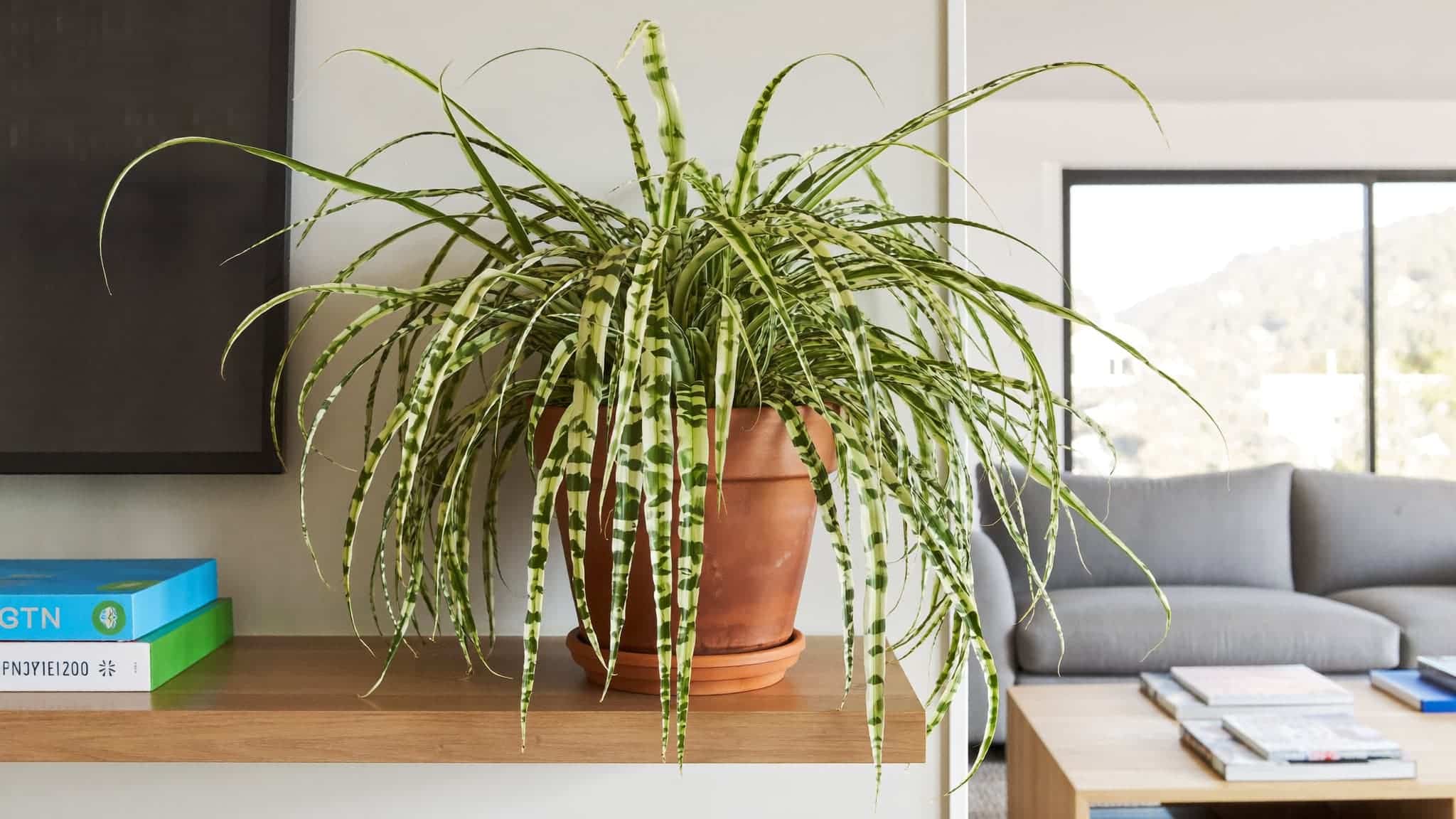
The ideal starting point for anyone new to indoor plants is forgiving, fast-growing, and genuinely effective.
- Toxins Removed: Carbon monoxide, formaldehyde, and xylene.
- Unique Benefit: Spider plants can remove carbon dioxide from the air, increasing the oxygen content of a room.
- Light: Adapts well to both bright indirect light and partial shade.
- Care: Water moderately, allowing soil to dry slightly between sessions. Nearly impossible to kill with basic care.
- Pet Safety: Non-toxic, safe for cats, dogs, and children.
4. Boston Fern (Nephrolepis exaltata)
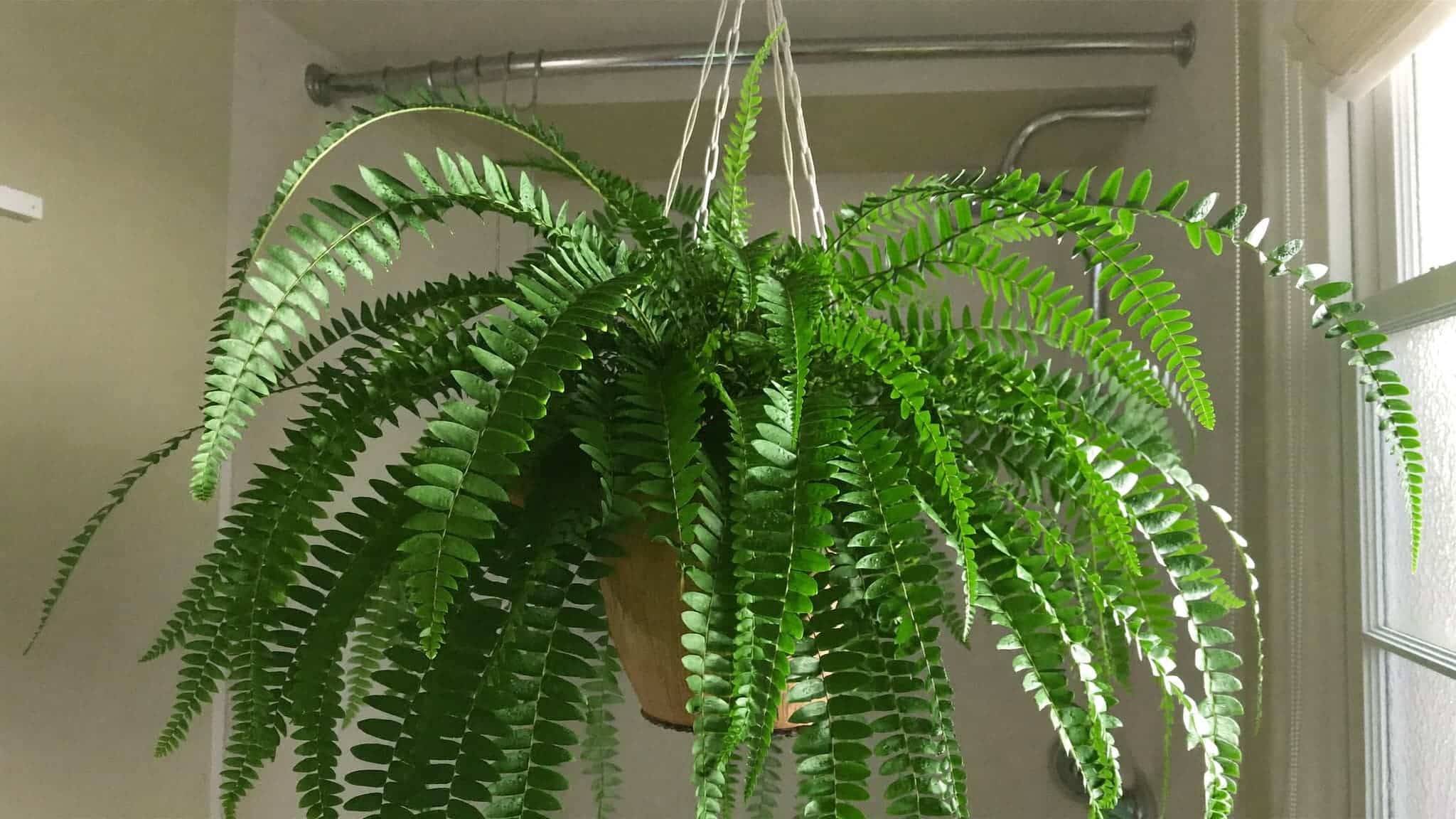
A humidity specialist that earns its space in any room that runs dry.
- Toxins Removed: Formaldehyde and xylene.
- Unique Benefit: Boston ferns act as natural humidifiers, simultaneously filtering the air and restoring moisture levels, making them particularly valuable in heated or air-conditioned rooms.
- Light: Bright, indirect light. Avoid direct sunlight, which can quickly scorch the fronds.
- Care: Requires frequent watering and misting with high humidity, or place on a pebble tray filled with water.
- Pet Safety: Non-toxic, safe for cats, dogs, and children.
5. Areca Palm (Chrysalidocarpus lutescens)
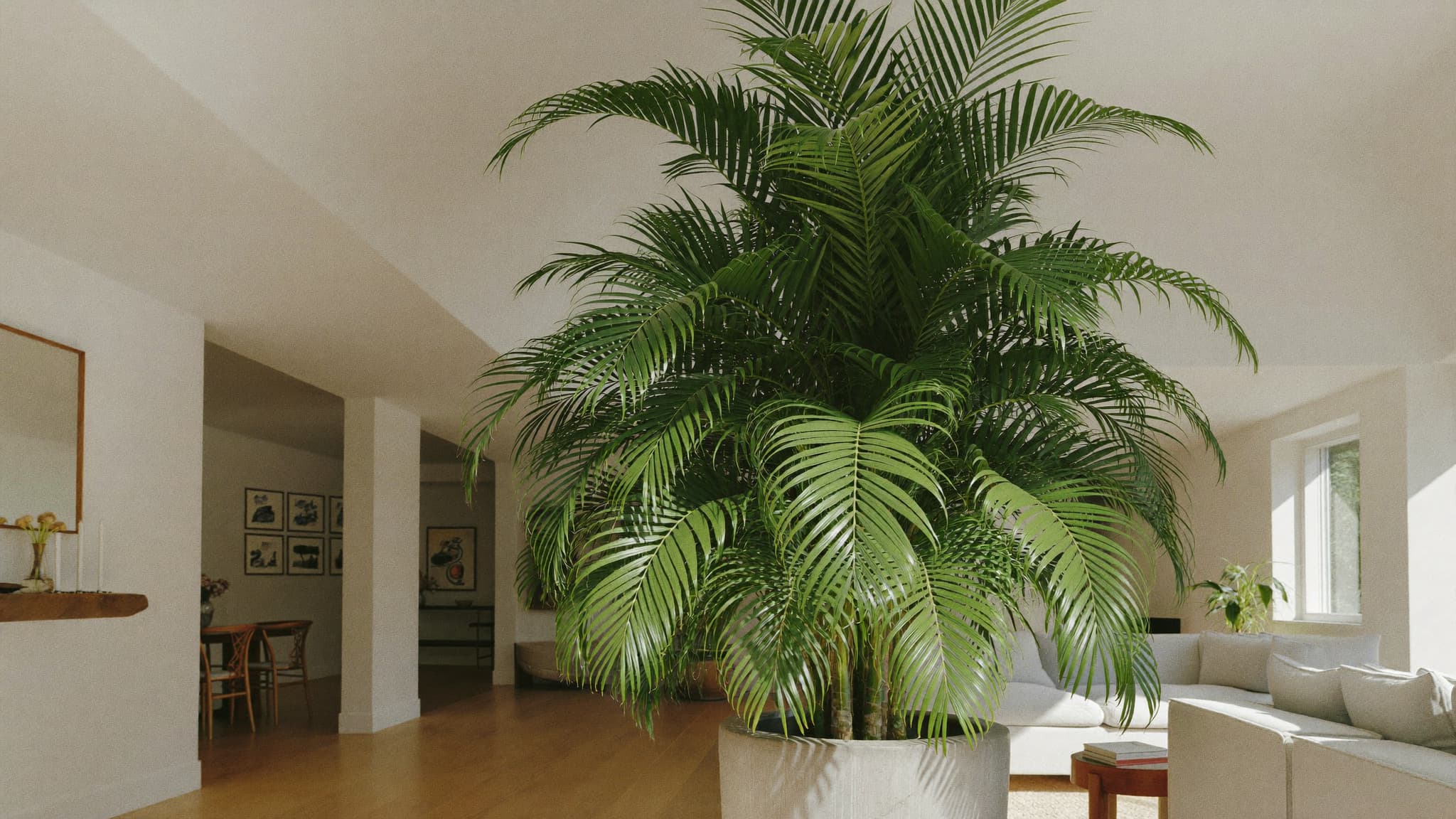
A striking statement plant that pulls double duty as one of the most effective natural humidifiers available.
- Toxins Removed: Toluene, xylene, formaldehyde, and benzene.
- Unique Benefit: A mature areca palm can release up to a quart of water vapor into the air daily, making it one of the most powerful natural humidifiers among all common houseplants.
- Light: Bright, indirect light. Avoid direct afternoon sun.
- Care: Water thoroughly but allow the soil to dry slightly between waterings. Feed monthly during spring and summer.
- Pet Safety: Non-toxic, safe for cats and dogs.
6. Aloe Vera (Aloe barbadensis miller)
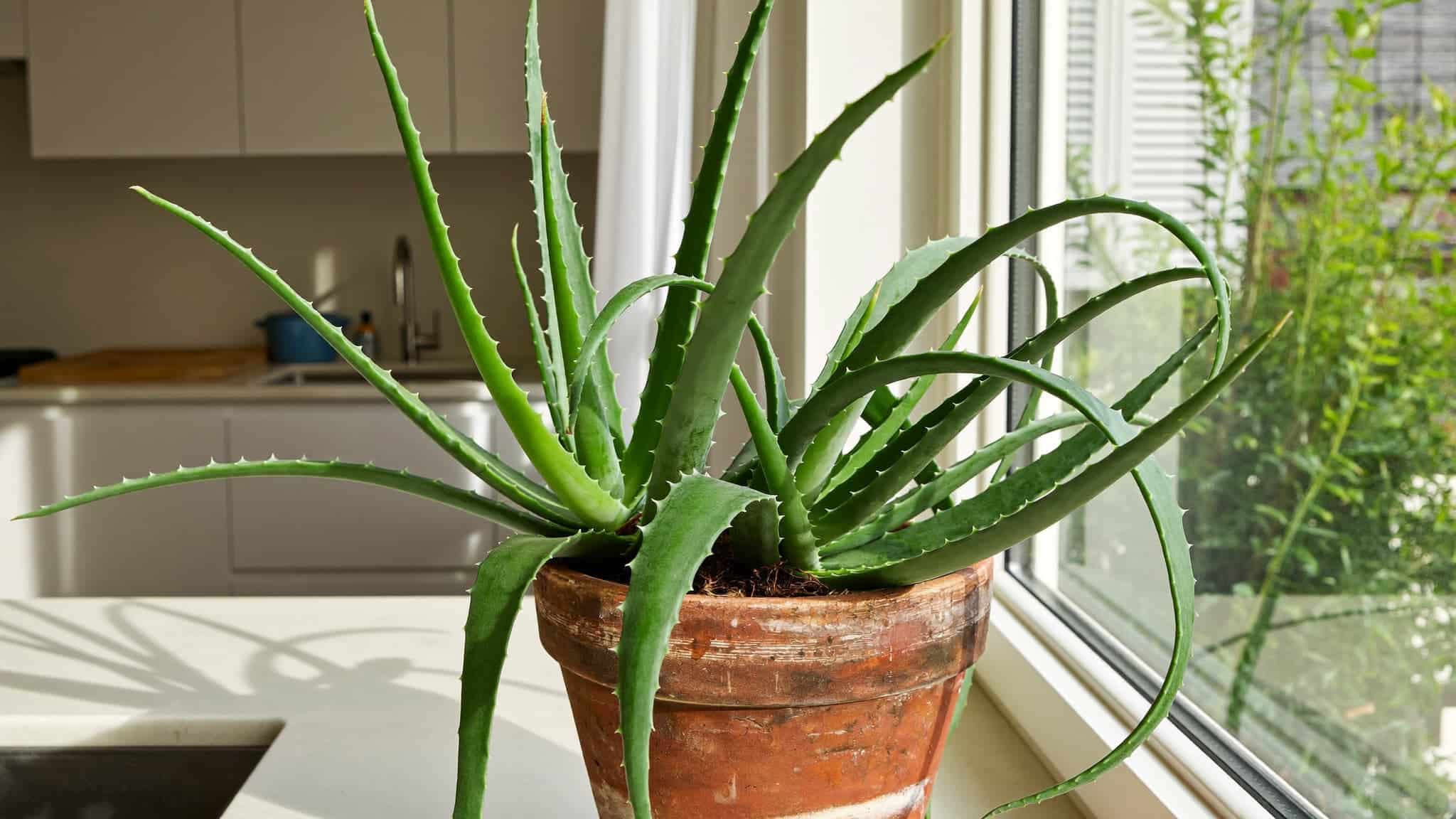
A dual-purpose plant that works quietly overhead while offering practical skin and first-aid benefits at hand level.
- Toxins Removed: Formaldehyde and benzene are particularly effective in rooms near freshly painted surfaces or in areas where cleaning products are used.
- Unique Benefit: Beyond air purification, the inner gel of a healthy aloe leaf can be applied directly to minor burns, cuts, and skin irritation, a practical benefit no other plant on this list offers.
- Light: Bright, direct, or indirect sunlight. South or east-facing windowsills are ideal.
- Care: Water deeply but infrequently, every 2 to 3 weeks. Use a cactus or succulent mix to prevent root rot.
- Pet Safety: Toxic to cats and dogs if ingested.
7. English Ivy (Hedera helix)
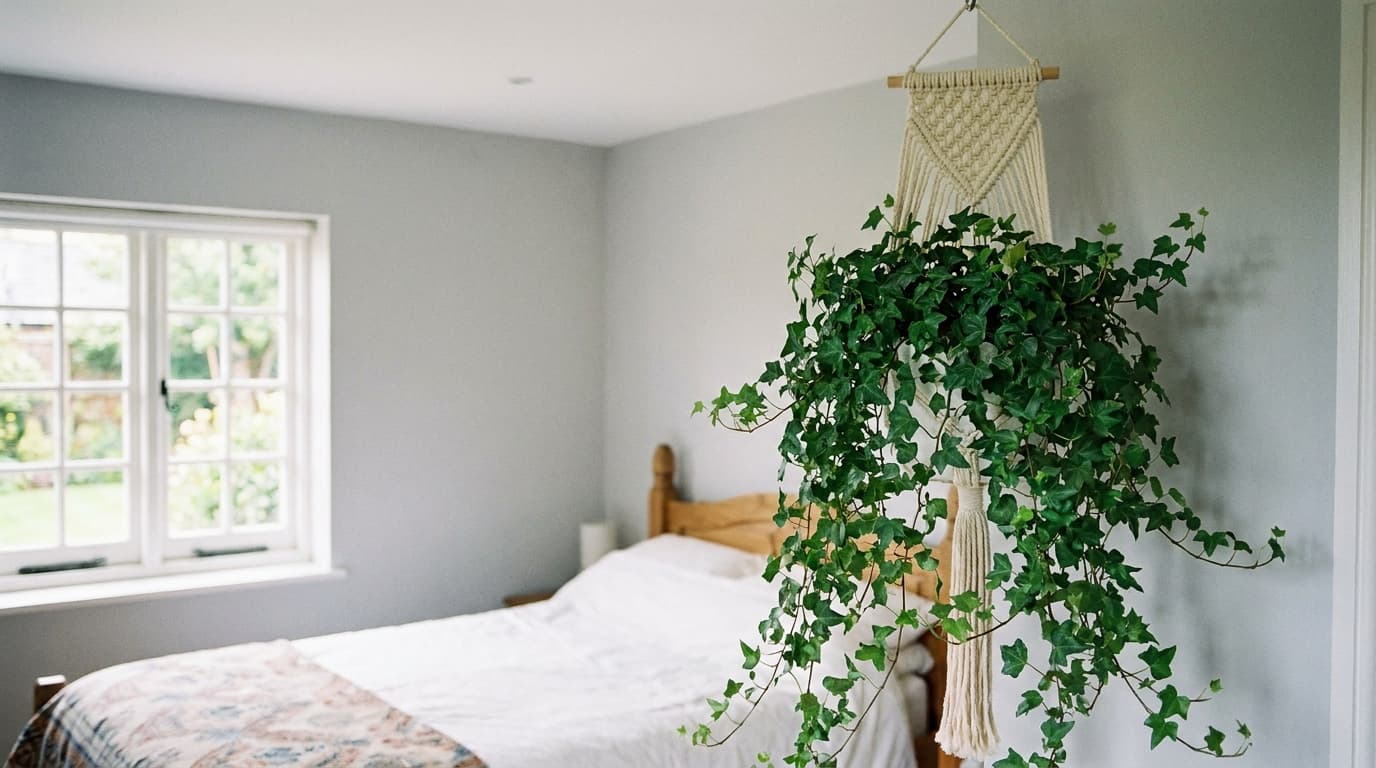
A vigorous climber with a specific talent for tackling airborne mold, making it especially valuable in bathrooms and basements.
- Toxins Removed: Formaldehyde, benzene, xylene, toluene, and airborne mold spores.
- Unique Benefit: English ivy has been shown in studies to reduce airborne mold and fecal matter, making it one of the most hygienically beneficial plants available for damp or poorly ventilated indoor spaces.
- Light: Bright, indirect light. Tolerates partial shade but grows more slowly.
- Care: Allow the top of the soil to dry before watering. Feed twice yearly, in spring and midsummer.
- Pet Safety: Toxic to cats, dogs, and children if ingested.
8. Rubber Plant (Ficus robusta)
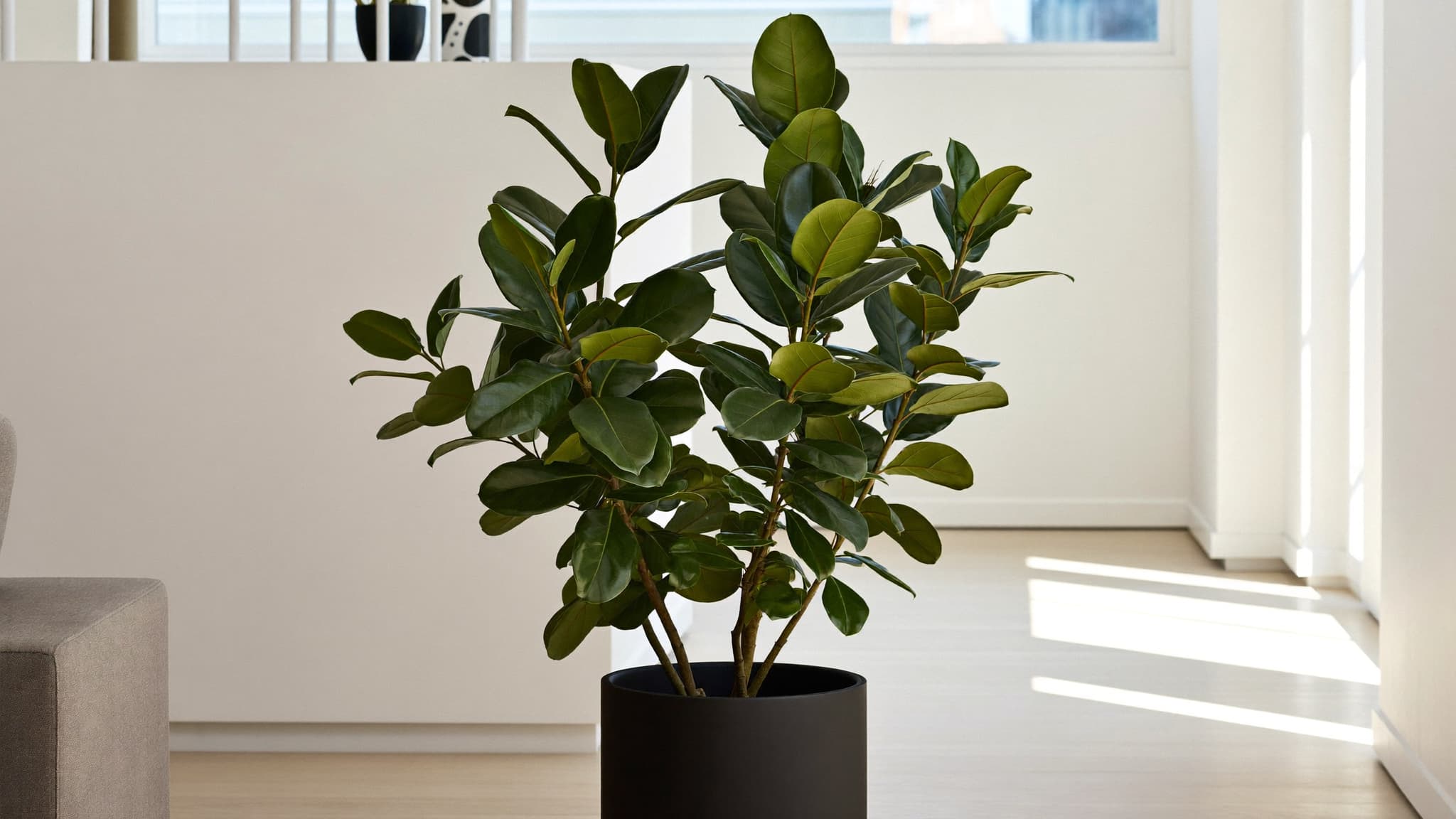
A bold, architectural plant that quietly removes toxins while making a strong visual statement in any room.
- Toxins Removed: Formaldehyde is particularly effective due to its large, broad leaf surface area.
- Unique Benefit: The rubber plant essentially functions as a small indoor tree, growing up to ten feet in height and providing an expansive leaf surface that maximizes toxin absorption across a wide area.
- Light: Bright, indirect light. Tolerates low light but grows more slowly.
- Care: Allow soil to dry between waterings. Wipe leaves regularly with a damp cloth to maintain their air-filtering efficiency.
- Pet Safety: Toxic to cats and dogs.
9. Bamboo Palm (Chamaedorea seifrizii)
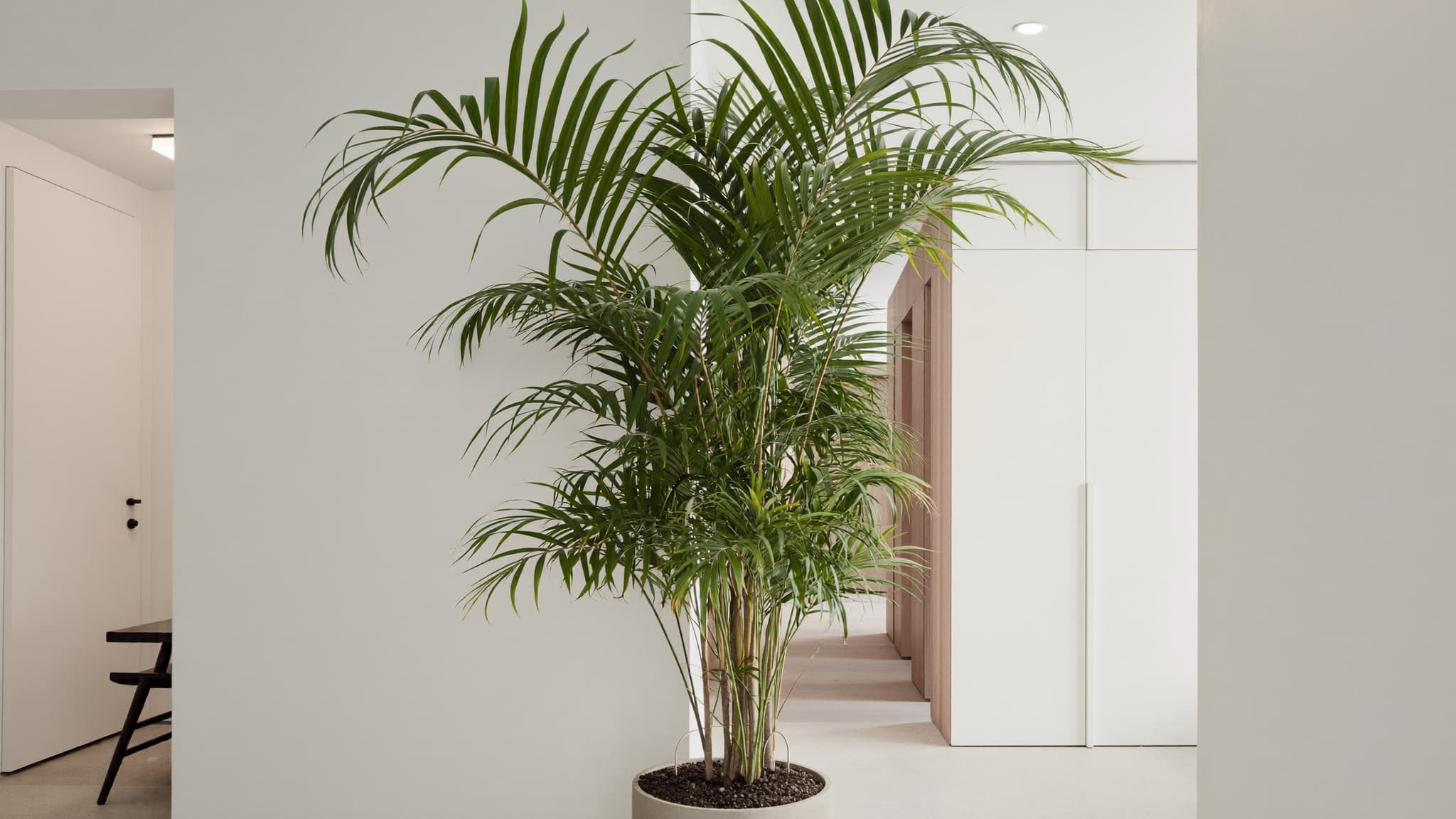
A tall, tropical statement plant that excels at tackling the chemical residue left behind by new furniture and fresh paint.
- Toxins Removed: Formaldehyde, benzene, trichloroethylene, and carbon monoxide.
-
Unique Benefit: The bamboo palm ranks near the top of multiple clean air studies for its effectiveness at purifying chemicals linked to new carpets and fresh paint.
- Light: Low to bright, indirect light. One of the most adaptable palms for indoor conditions.
- Care: Keep soil evenly moist. Ensure good drainage to prevent root rot. Feed monthly during the growing season.
- Pet Safety: Non-toxic, safe for cats and dogs.
10. Dracaena (Dracaena marginata)
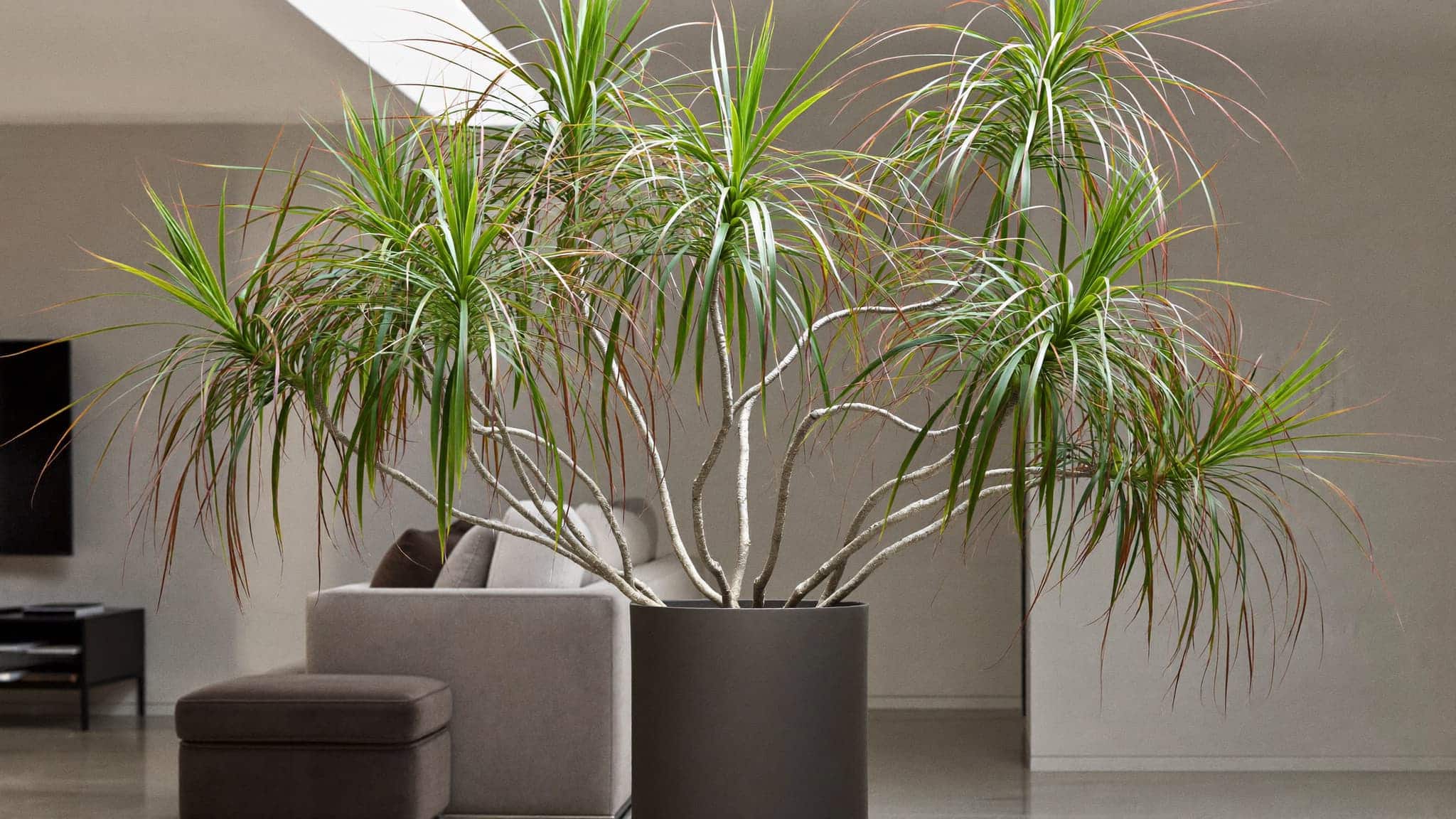
A dramatic, low-maintenance plant that tackles some of the most stubborn indoor chemical pollutants with ease.
- Toxins Removed: Benzene, xylene, trichloroethylene, formaldehyde, and carbon dioxide.
- Unique Benefit: Dracaena species are particularly efficient at cleaning the air in newly furnished rooms, where off-gassing from materials is at its highest, a gap that most decorative plants fail to address adequately.
- Light: Medium to low indirect light. Avoid direct sun, which bleaches the distinctive leaf markings.
- Care: Water every 1 to 2 weeks, allowing the soil to dry thoroughly between sessions. Sensitive to fluoride use, filtered water where possible.
- Pet Safety: Toxic to cats and dogs.
11. Gerbera Daisy (Gerbera jamesonii)
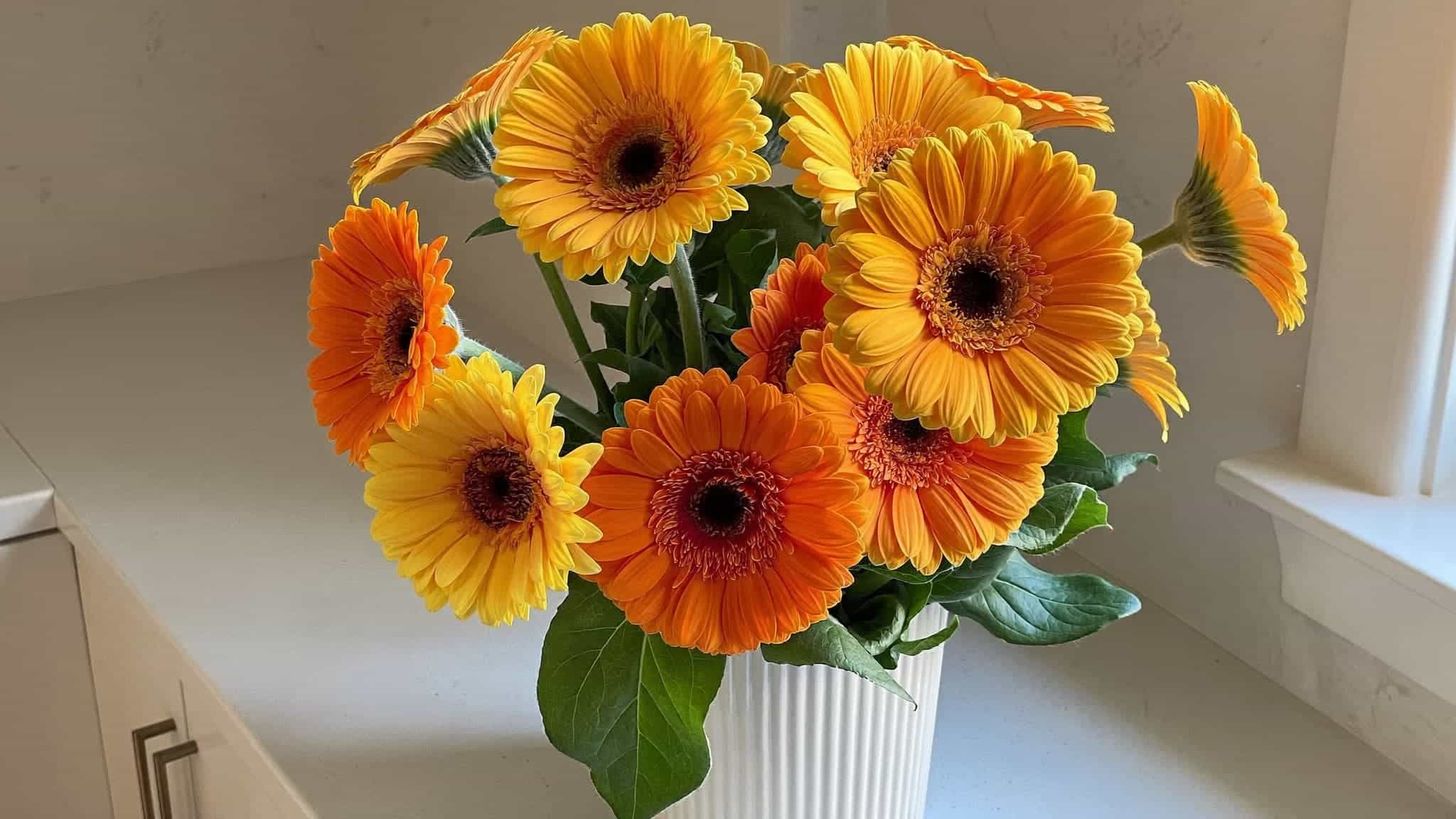
Proof that the most colorful plant in the room can also be one of the hardest working.
- Toxins Removed: Formaldehyde, benzene, and trichloroethylene.
- Unique Benefit: In NASA’s Clean Air Study, the gerbera daisy removed 67% of airborne benzene and half of the detected formaldehyde within a 24-hour period, one of the fastest-acting results recorded across all tested species.
- Light: Moderate to bright indirect light. Avoid prolonged direct afternoon sun.
- Care: Water when the top inch of soil feels dry. Deadhead spent blooms to encourage continued flowering.
- Pet Safety: Non-toxic, safe for cats, dogs, and children.
12. Chinese Evergreen (Aglaonema)
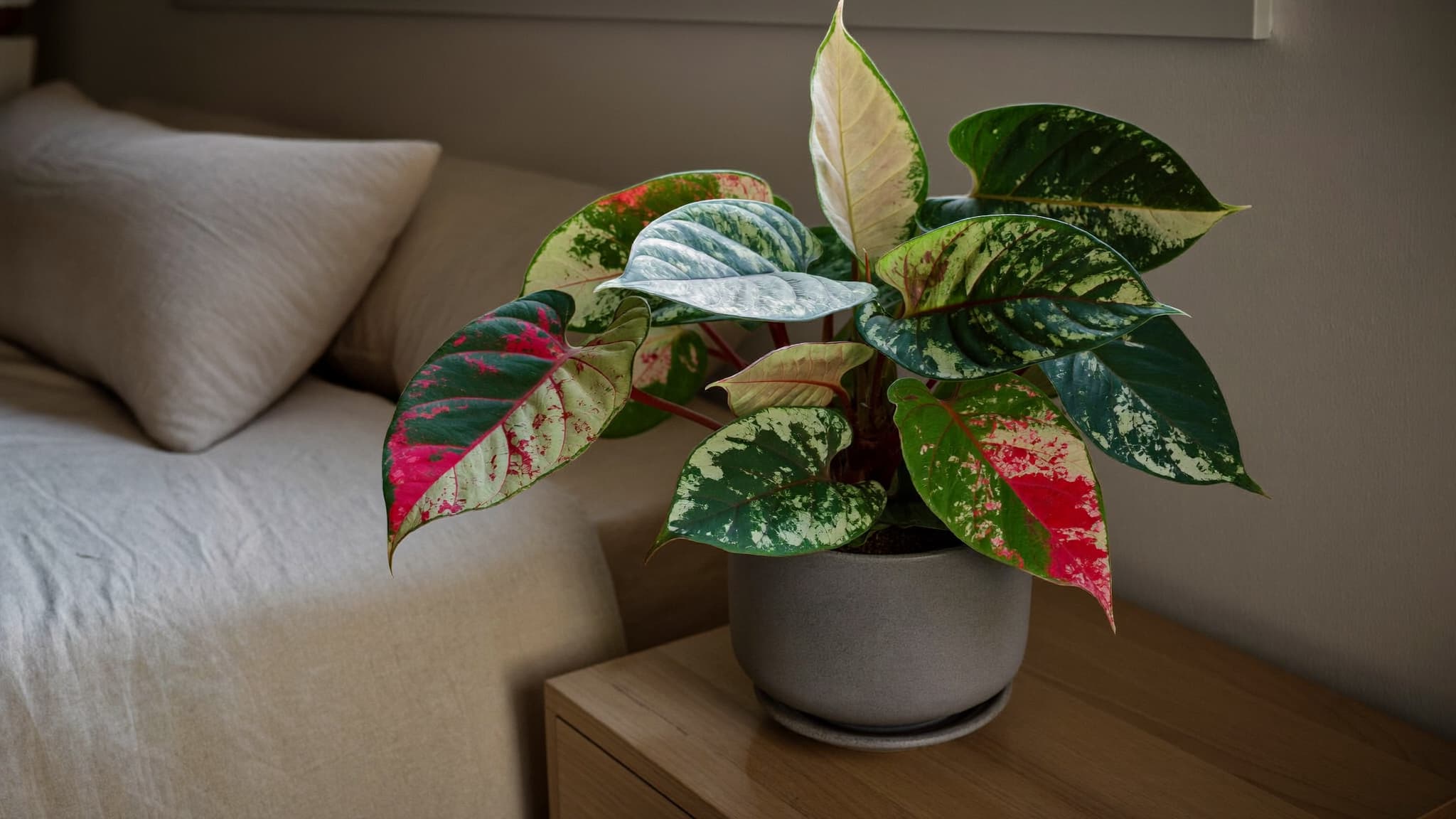
One of the most forgiving plants on this entire list and one of the most reliably effective in low-light environments.
- Toxins Removed: Formaldehyde and benzene.
- Unique Benefit: Chinese evergreens thrive in warm temperatures and in medium to low light.
- Light: Low to medium indirect light. Keep away from cold draughts, which cause the leaf tips to brown.
- Care: Allow soil to dry slightly between waterings. Feed every four to six weeks during the growing season.
- Pet Safety: Toxic to cats and dogs.
13. Pothos (Epipremnum aureum)
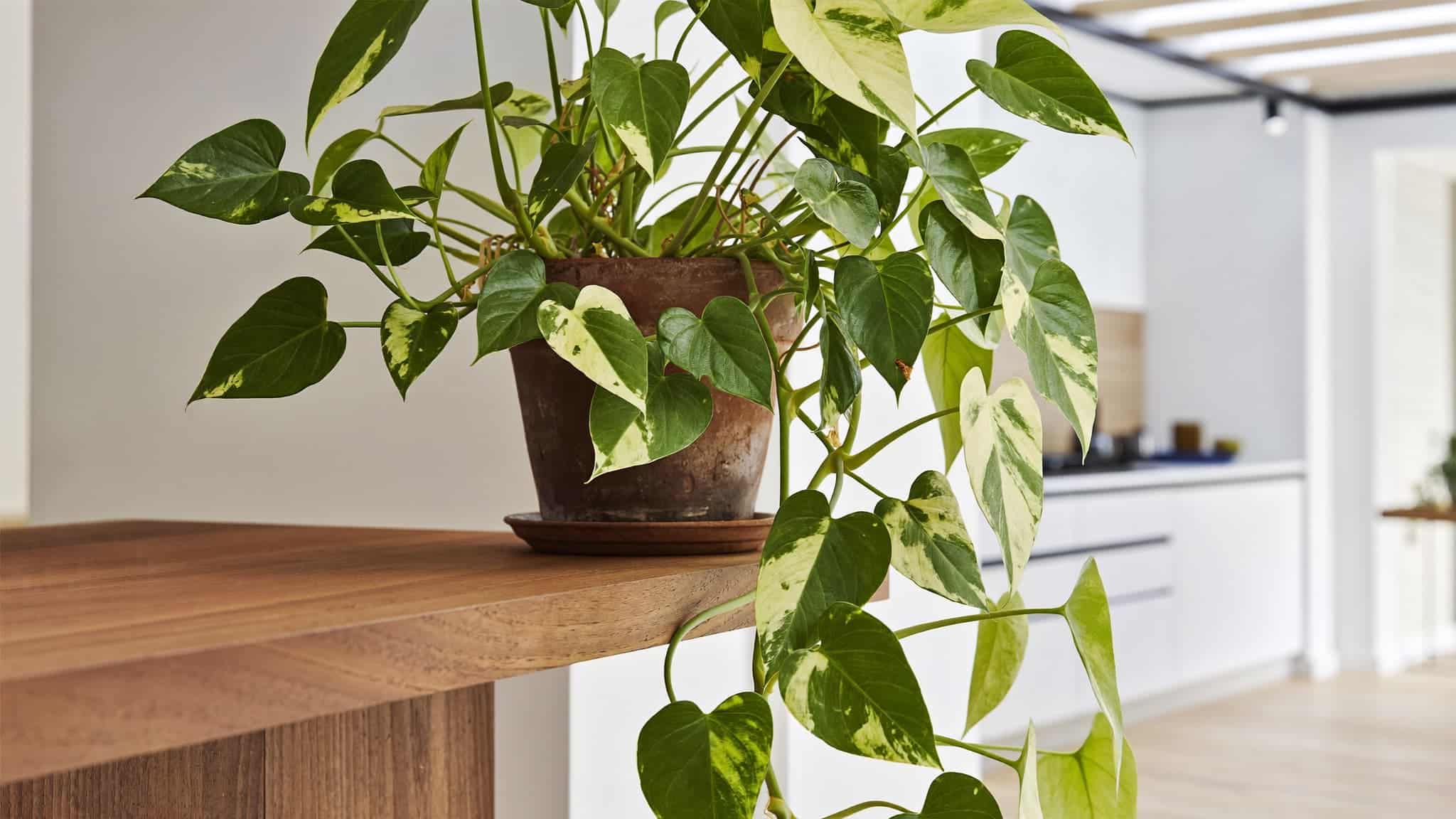
The most effortless air-purifying plant available and one of the most effective at surviving genuine neglect.
- Toxins Removed: Formaldehyde, benzene, xylene, and carbon monoxide.
- Unique Benefit: Pothos thrives in virtually any light condition, grows rapidly with minimal input, and trails beautifully from shelves and hanging planters, combining air-purifying function with genuine decorative versatility.
- Light: Low to bright indirect light. One of the widest light tolerances of any houseplant.
- Care: Water every one to two weeks. Tolerates missed waterings better than almost any other species on this list.
- Pet Safety: Toxic to cats and dogs.
Care & Placement Tips for Best Results
Choosing the right plant means nothing if it ends up in the wrong spot with the wrong care. These are the essentials.
Light Requirements by Plant Type
Always match your plant to your actual light conditions, not the light you wish the room had. Hold your hand near the window at midday.
A sharp shadow means bright light, a soft shadow means medium light, and no shadow at all means low light.
| Light Level | Best Plants |
|---|---|
| Bright Indirect | Areca Palm, Aloe Vera, Rubber Plant, Bird of Paradise |
| Medium Indirect | Peace Lily, Spider Plant, Dracaena, Boston Fern |
| Low Light | Snake Plant, ZZ Plant, Pothos, Bamboo Palm |
Pro Tip: Rotate your plant a quarter turn every week. Plants naturally reach toward their light source regular rotation encourages even, balanced growth and prevents permanent leaning
Watering and Soil Tips
Overwatering kills more indoor plants than any other single cause, and air-purifying species are no exception.
| Plant Type | Watering Frequency | Best Soil Mix | Watch Out For |
|---|---|---|---|
| Succulents & Cacti | Every 2–3 weeks | Cactus mix or 50/50 perlite blend | Root rot from moisture retention |
| Tropical Foliage | Every 7–10 days | Well-draining general potting mix | Overwatering and waterlogged roots |
| Ferns & Humidity Lovers | Every 4–5 days | Moisture-retaining mix with peat | Dry soil and low humidity |
| Palms | Every 7–10 days | Well-draining mix with good aeration | Inconsistent watering and poor drainage |
| Low-Light Hardy Plants | Every 10–14 days | Standard well-draining potting mix | Overwatering in darker rooms |
Pro Tip: Always use pots with drainage holes. Decorative outer pots without drainage are perfectly fine as covers, but the plant itself should always sit in a nursery pot that allows water to escape freely.
Air Purifiers vs. Plants: Pros and Cons of Both
When the goal is cleaner indoor air, two options consistently come up: automatic air purifiers and living plants.
Both have genuine value and real limits.
Air-Purifying Plants
Pros
- Naturally filter the air through photosynthesis, absorbing harmful pollutants like formaldehyde and benzene without consuming a single watt of electricity.
- Regulate indoor humidity, reduce stress, boost mood, and add genuine visual warmth benefits that no appliance can replicate.
- Cost-effective in the long term, with minimal ongoing investment beyond basic care.
Cons
- Gradual work is not a suitable standalone fix for serious air quality concerns.
- Require consistent care; a neglected plant purifies nothing.
- Several popular species are toxic to pets and children.
Air Purifiers
Pros
- HEPA-filter models remove up to 99.97% of airborne particles, including dust, pollen, mold spores, and pet dander.
- Deliver fast, measurable results ideal for allergy and asthma sufferers.
- Completely hands-off once installed, with no ongoing care required.
Cons
- Run on electricity and require regular filter replacements, adding to household costs over time.
- Do nothing for humidity, aesthetics, or mental well-being.
- Purely functional, they take up space without adding anything to the room.
The smartest approach is to use both. Let your purifier handle rapid filtration while your plants manage humidity, chemical absorption, and the well-being benefits that no machine can deliver.
Conclusion
Indoor air quality is something most of us never think about until we start paying attention. The good news is that improving it doesn’t require expensive equipment or complicated solutions.
The right air-purifying plants, placed thoughtfully and consistently cared for, work around the clock to filter toxins, regulate humidity, and create a space that genuinely feels better to live in.
Whether you start with a resilient snake plant in the bedroom or a trailing pothos in the kitchen, every green addition moves your home in the right direction.
Pair your plants with good ventilation and honest care habits, and the results will speak for themselves.
Frequently Asked Questions
Can Air-Purifying Plants Improve Sleep Quality?
Yes, certain species genuinely support better sleep. Snake plants and aloe vera release oxygen at night rather than during the day, helping maintain fresher air in your bedroom throughout your sleeping hours.
How Many Air-Purifying Plants Do You Need per Room?
As a practical starting point, aim for one medium- to large-sized plant per 100 square feet of floor space.
A standard bedroom benefits from two to three plants, while a larger living room may need four to six to make a difference.
Which Air-Purifying Plant is Best for Beginners?
The snake plant is the single strongest recommendation for anyone starting out. It tolerates low light, infrequent watering, fluctuating temperatures, and general neglect better than almost any other species.