Carter has over 15 years of hands-on experience in integrated pest management, with a focus on organic pest control and plant disease identification. He specializes in fungal growth patterns on organic materials, the mold and mildew problems that homeowners often misidentify and under-treat, and his approach is rooted in science rather than guesswork. When he's away from the work, he photographs beneficial insects in the field, which keeps his identification skills sharp and his understanding of pest ecosystems grounded in real observation.
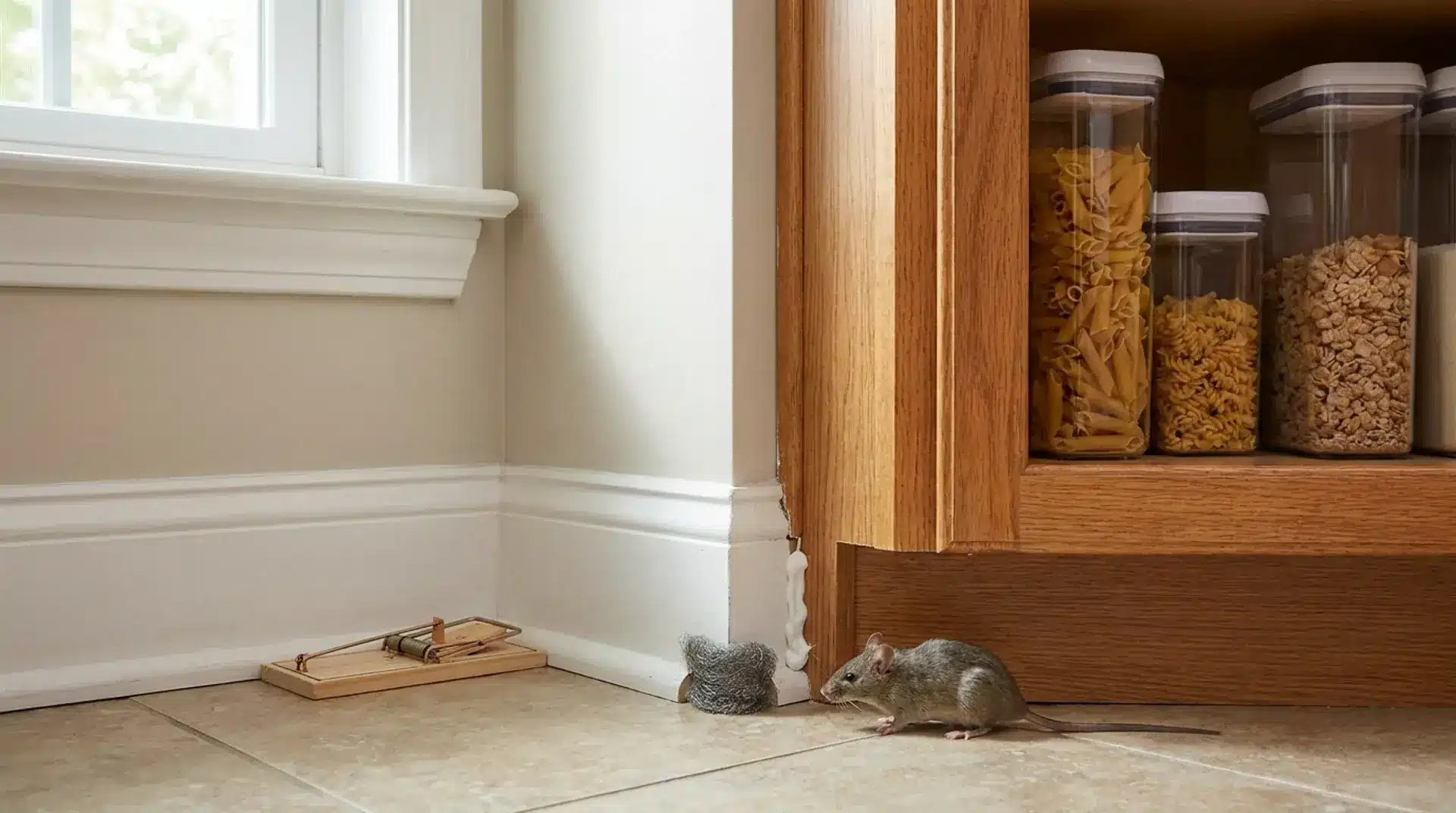
A single mouse sighting rarely stays a single mouse. I’ve seen small sightings turn into full infestations fast, and sealing entry points is the first move I make every time.
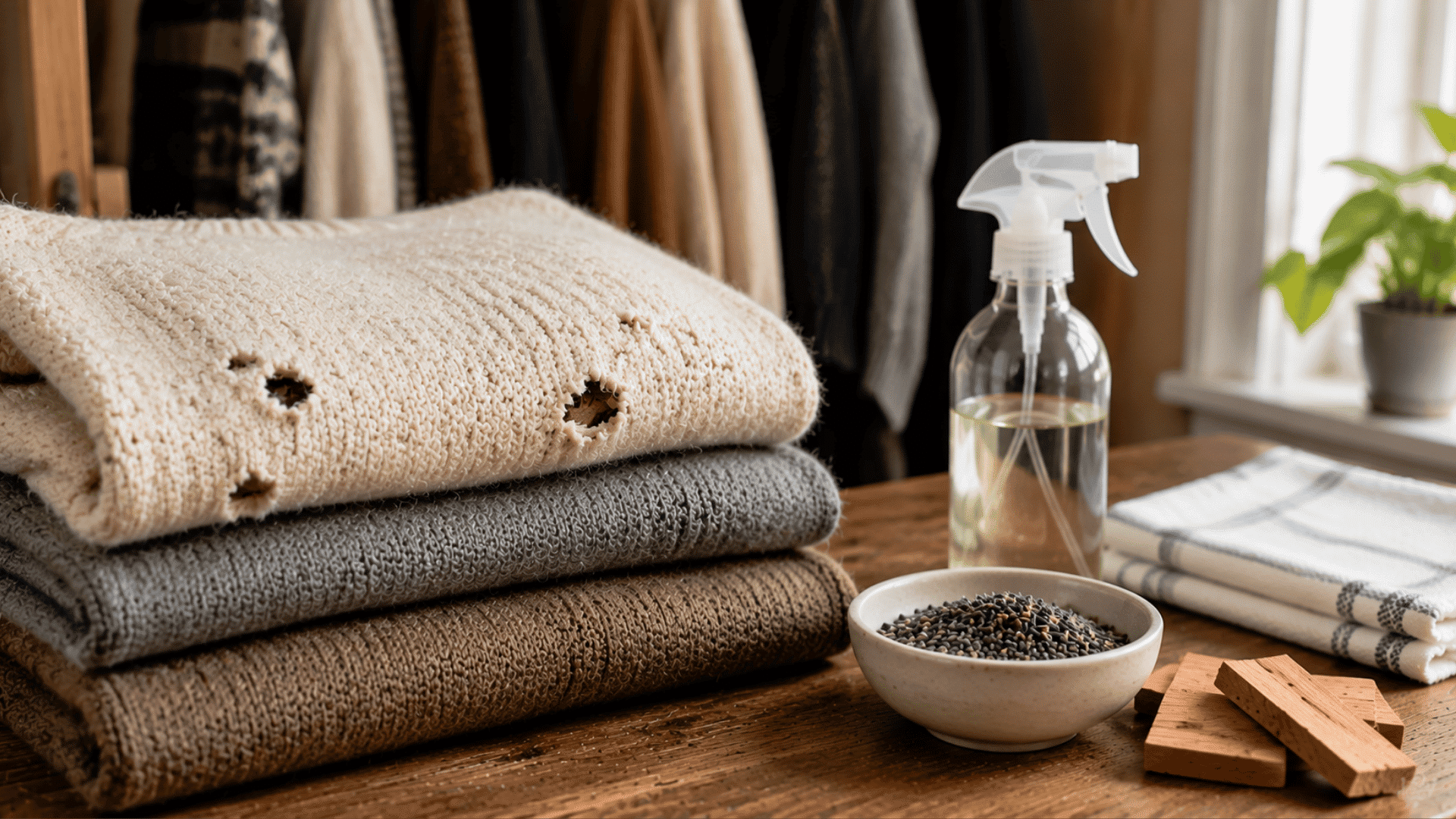
Getting rid of moths starts with figuring out which type you have. Clothes moths and pantry moths need different fixes, and killing the moths you see flying around will not
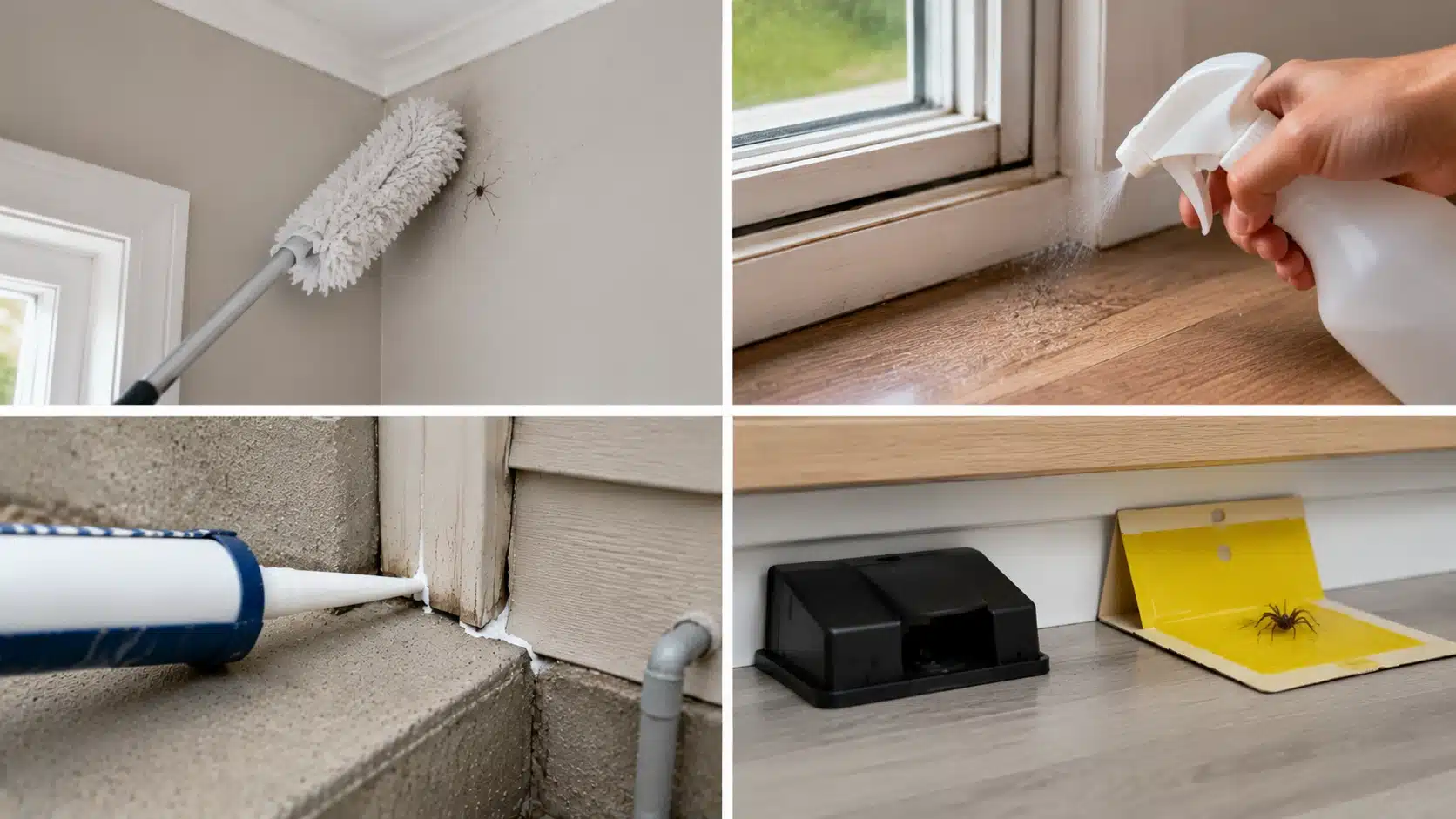
Finding a spider in the corner of your ceiling or tucked behind a stack of storage boxes in the basement can turn a calm evening into an uneasy one. Seeing
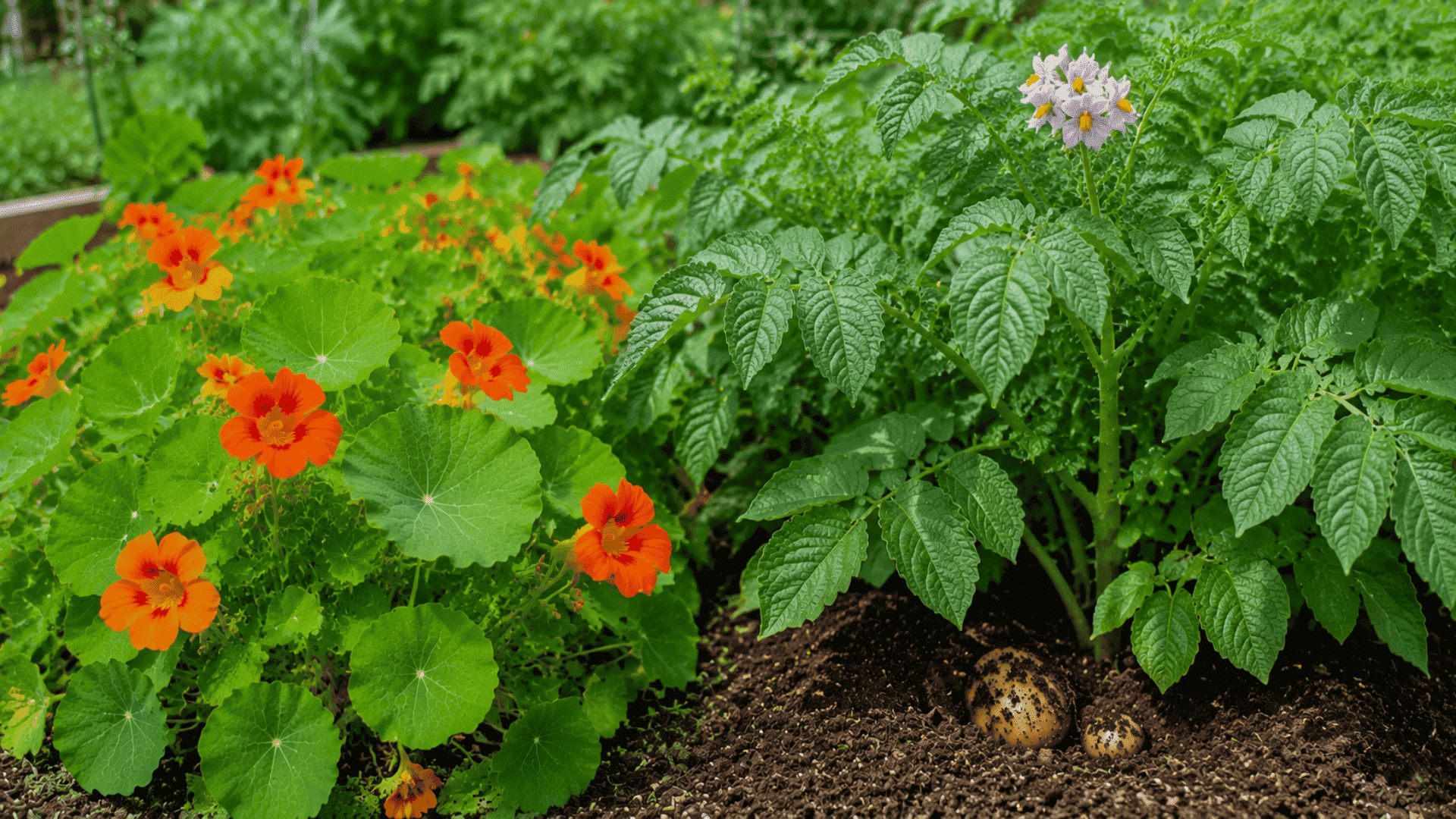
In my pest management work, I’ve seen nasturtiums do a lot of good in a garden. But not every plant makes a good neighbor for them. The wrong companion plants
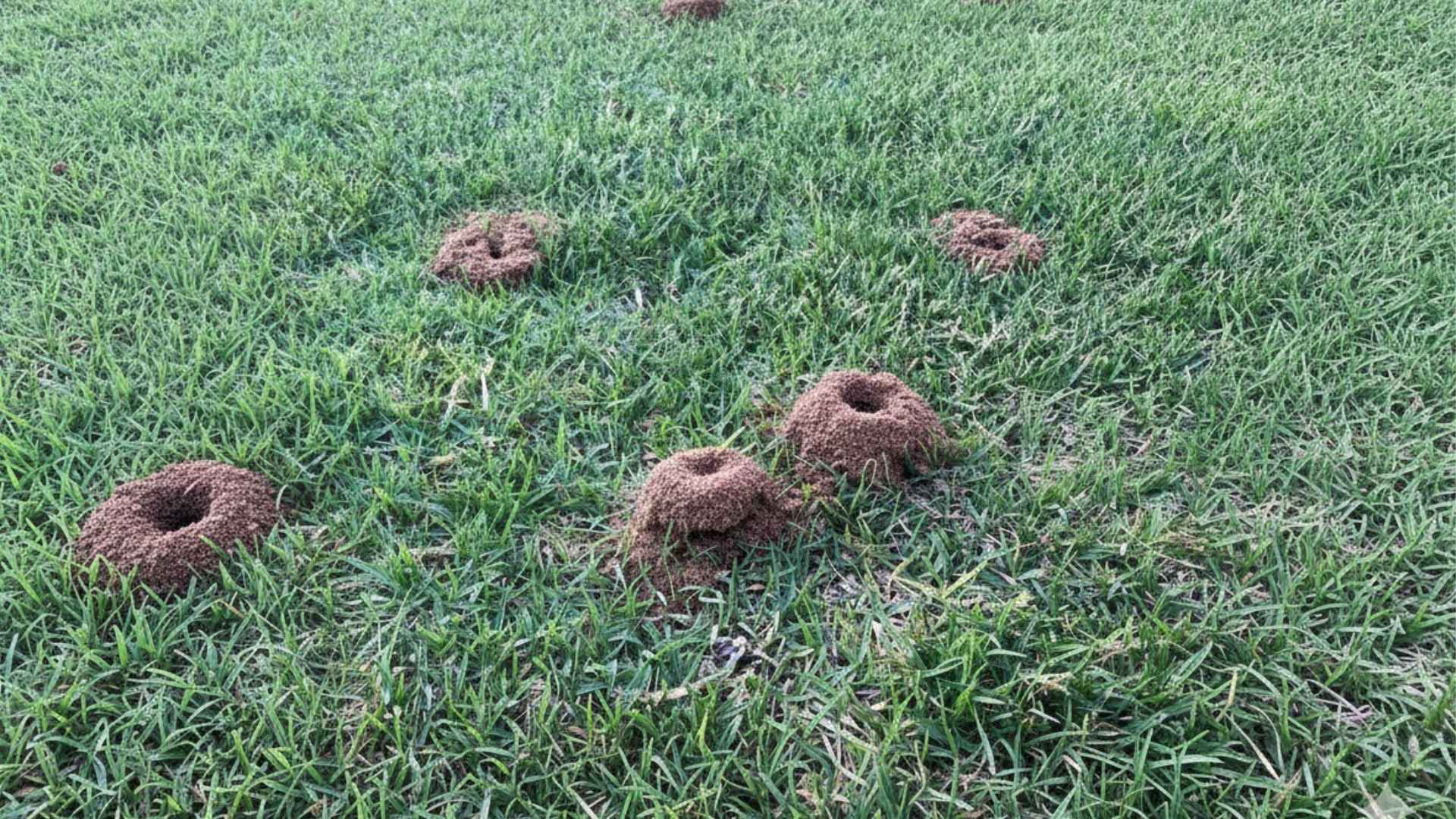
Spotted ants marching across your garden? It’s a more common sight than you’d think. These tiny invaders show up uninvited, building mounds and protecting pests that damage plants. But here’s the thing, not all ants
Foxes are digging up your lawn again. Your bins are scattered across the driveway. Maybe you’ve even lost chickens to these clever nighttime visitors. Garden foxes aren’t just annoying; they can cause significant damage to
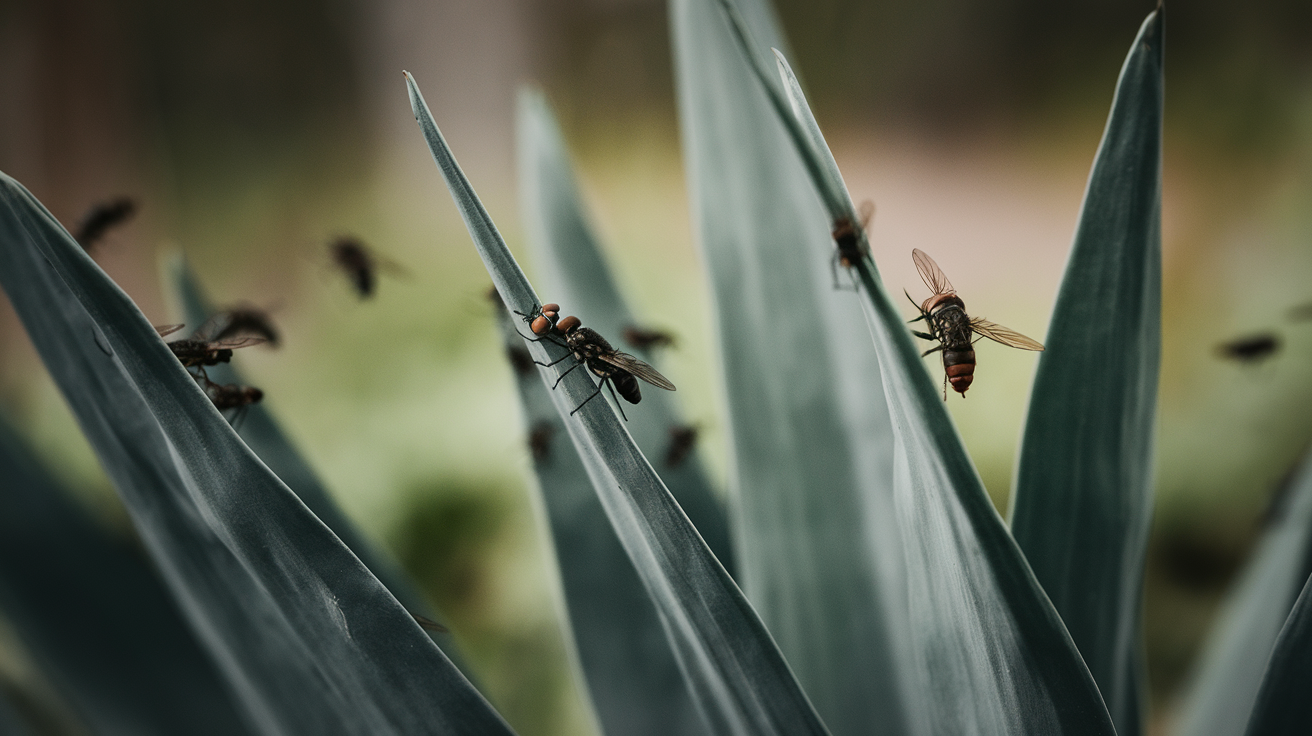
Black flies buzzing around your favorite houseplants can turn your green sanctuary into a frustrating nightmare. These tiny pests don’t just annoy you – they feed on plant sap, weaken stems, and can spread harmful
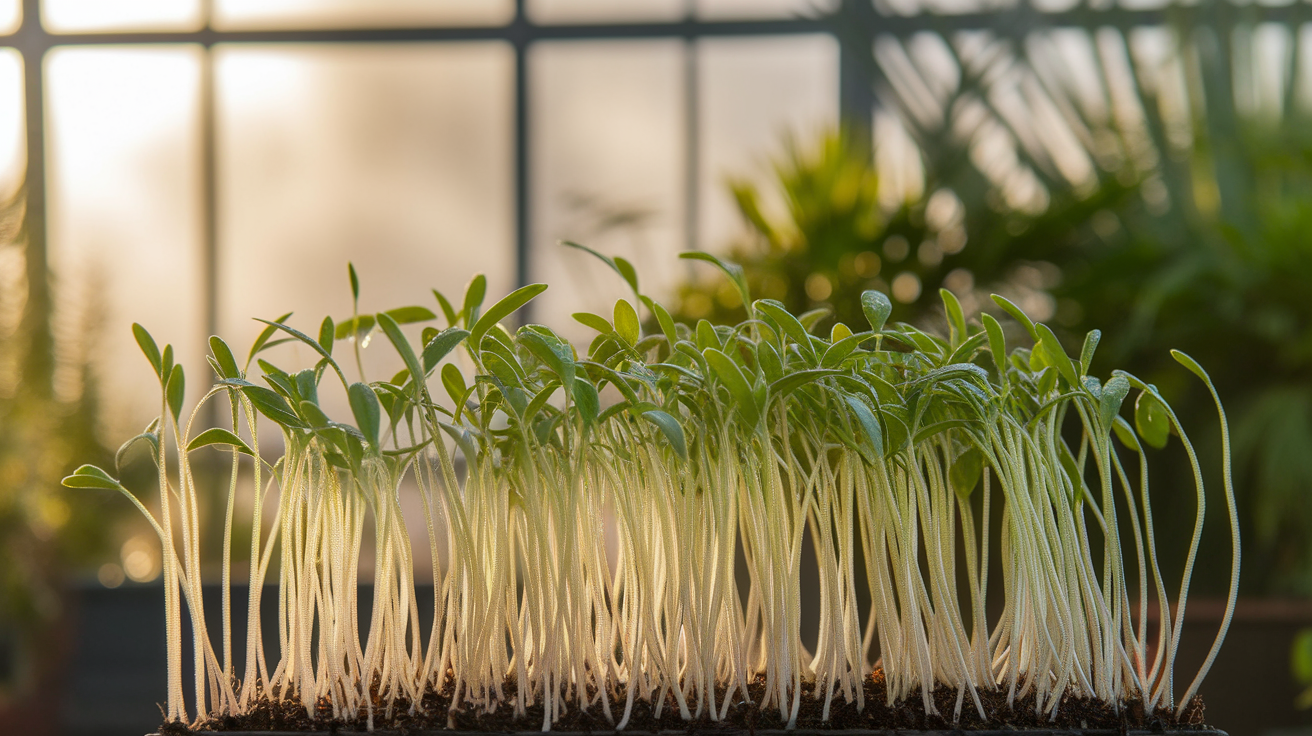
Starting seeds indoors should yield strong, healthy plants, not weak, wobbly seedlings that resemble overcooked spaghetti. Many gardeners face the frustrating problem of leggy seedlings that grow too tall and thin, making them susceptible to