
Most gardening guides skip straight to product recommendations.
That’s the wrong place to start, especially if you’re looking for the best fertilizer for a vegetable garden and just want a straight answer.
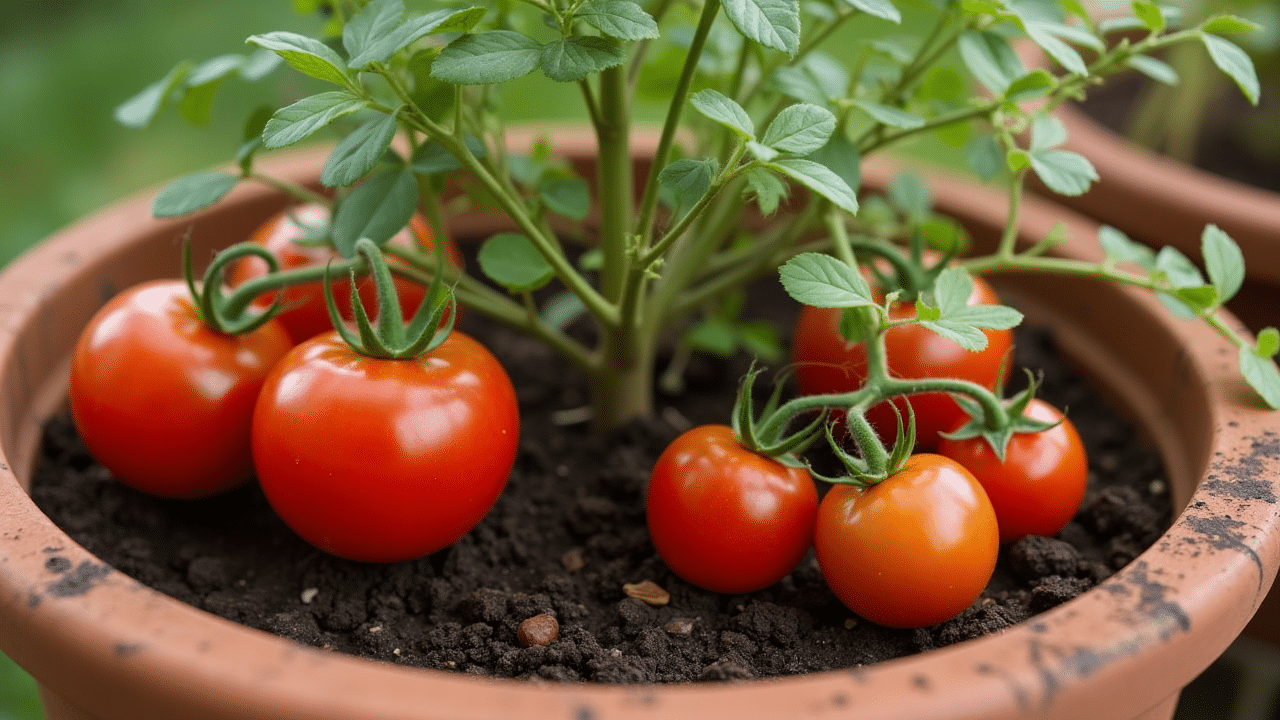
Fertilizer’s biggest mistake isn’t the wrong bag; it’s feeding soil too soon, like dumping 10-10-10 on new beds and getting all leaves, no tomatoes.
In 12 years of helping gardeners fix struggling plants, this is still the mistake I see most often.
The answer wasn’t the product. It was that they skipped the soil test, didn’t understand what the numbers meant, and fed their plants at the wrong time.
We’ll cover fertilizer labels, the best types for each setup, and top picks backed by research and real growers.
Test Your Soil Before You Buy Anything
State cooperative extension services, including Texas A&M, UConn, and the University of Nevada, Reno, repeat this one thing constantly, and it’s the step gardeners skip most often: test your soil first.
A basic test runs $15–25 through your local extension office. It tells you your soil’s pH, existing nutrient levels, and organic matter percentage. That matters because:
Most vegetable gardens need a pH between 6.0 and 7.0. Outside that range, plants can’t absorb nutrients properly, no matter how much fertilizer you add.
Phosphorus is the most over-applied nutrient I come across in American home gardens.
If your soil already has it in abundance, adding more locks out other nutrients. Organic matter percentage below 3% means compost will do more good than any bagged fertilizer.
Without a test, you’re guessing. And guessing often means overspending on stuff that does nothing, or actively making things worse.
Understanding NPK in Fertilizers
Every fertilizer bag shows three numbers: N-P-K, which stands for nitrogen, phosphorus, and potassium. They represent the percentage of each nutrient by weight.
- Nitrogen (N): Promotes leafy growth. Best for greens like kale, spinach, and lettuce. Too much in tomatoes and peppers leads to lots of leaves but little fruit. The opposite problem, pale leaves and stalled growth, usually points to a nitrogen deficiency instead.
- Phosphorus (P): Supports strong roots, flowering, and fruit development. Key for tomatoes and peppers. A 5-10-10 fertilizer is commonly recommended for vegetable gardens.
- Potassium (K): Improves disease resistance, water movement, and fruit quality. Usually sufficient in most soils, but sandy or heavily washed soils may need extra.
A few ratios worth knowing for vegetable fertilizer use:
- Mixed beds before planting: Balanced 5-5-5 or 10-10-10
- Fruiting crops once flowering starts: Something like 3-4-4 or 2-5-3 (lower N, higher P/K)
- Leafy greens: Higher nitrogen, like 8-4-4 or a blood meal side-dress
- Root vegetables (carrots, beets): Go higher in phosphorus, lower in nitrogen; too much N promotes leaf growth over roots, which is often why carrot beds end up with forked or stunted roots.
15 Best Fertilizers for Vegetable Gardens
Choosing the right fertilizer can make a big difference in how well your vegetable garden grows.
Different plants need different nutrients, and the right balance helps improve yield, flavor, and overall plant health.
1. Espoma Garden-Tone (3-4-4)
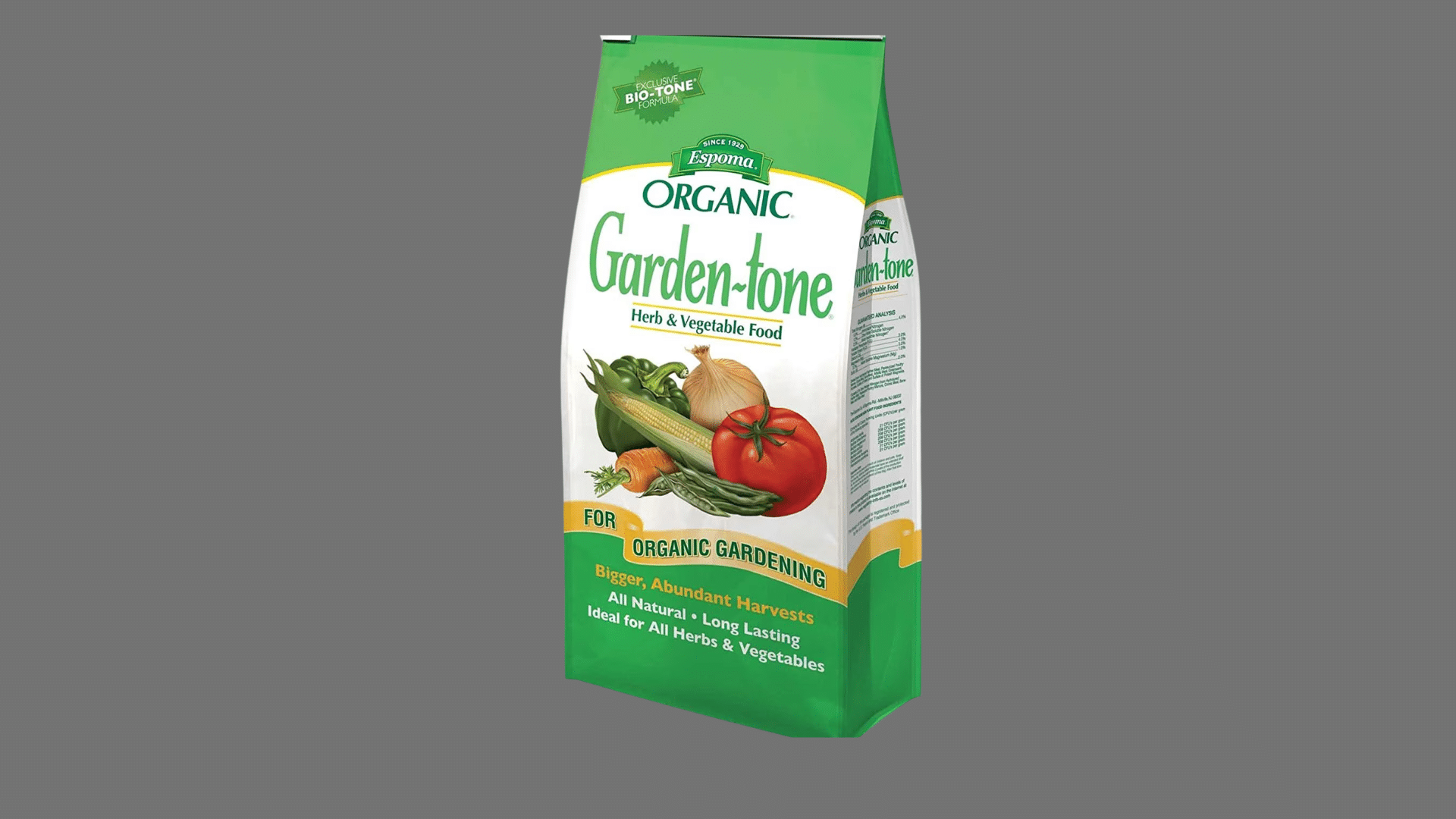
OMRI-listed, widely available, beginner-safe. The Bio-tone microbe blend accelerates nutrient release, and the moderate nitrogen level means you’d have to really work at burning something.
Reapply every 4–6 weeks. It won’t quickly rescue a visibly deficient plant, but as a season-long soil builder, it’s hard to beat.
2. FoxFarm Happy Frog (5-7-3)
The phosphorus-heavy ratio makes sense once your tomatoes, peppers, or squash start setting flowers.
It includes calcium, which helps prevent blossom-end rot, and mycorrhizal fungi for root efficiency. Don’t use this on leafy greens; it’s overkill in the wrong direction.
3. Alaska Fish Emulsion (5-1-1)
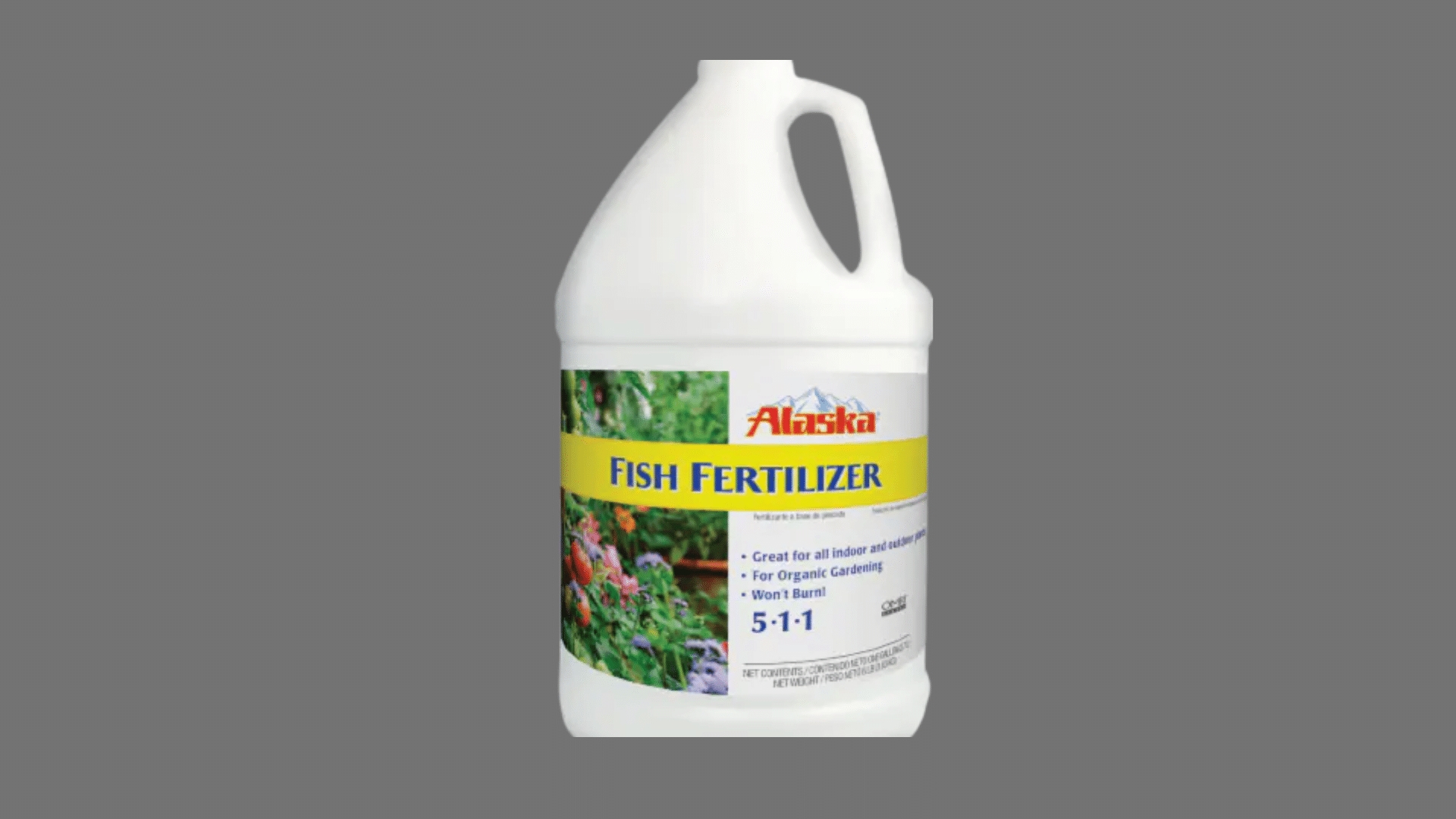
A classic for good reason. Gives plants a quick nitrogen hit, with a slow tail as the fish meal continues to break down.
Good for side-dressing heavy feeders like corn, broccoli, or tomatoes mid-season. Apply to moist soil, not dry, and expect the smell.
4. Down to Earth All Natural 4-4-4
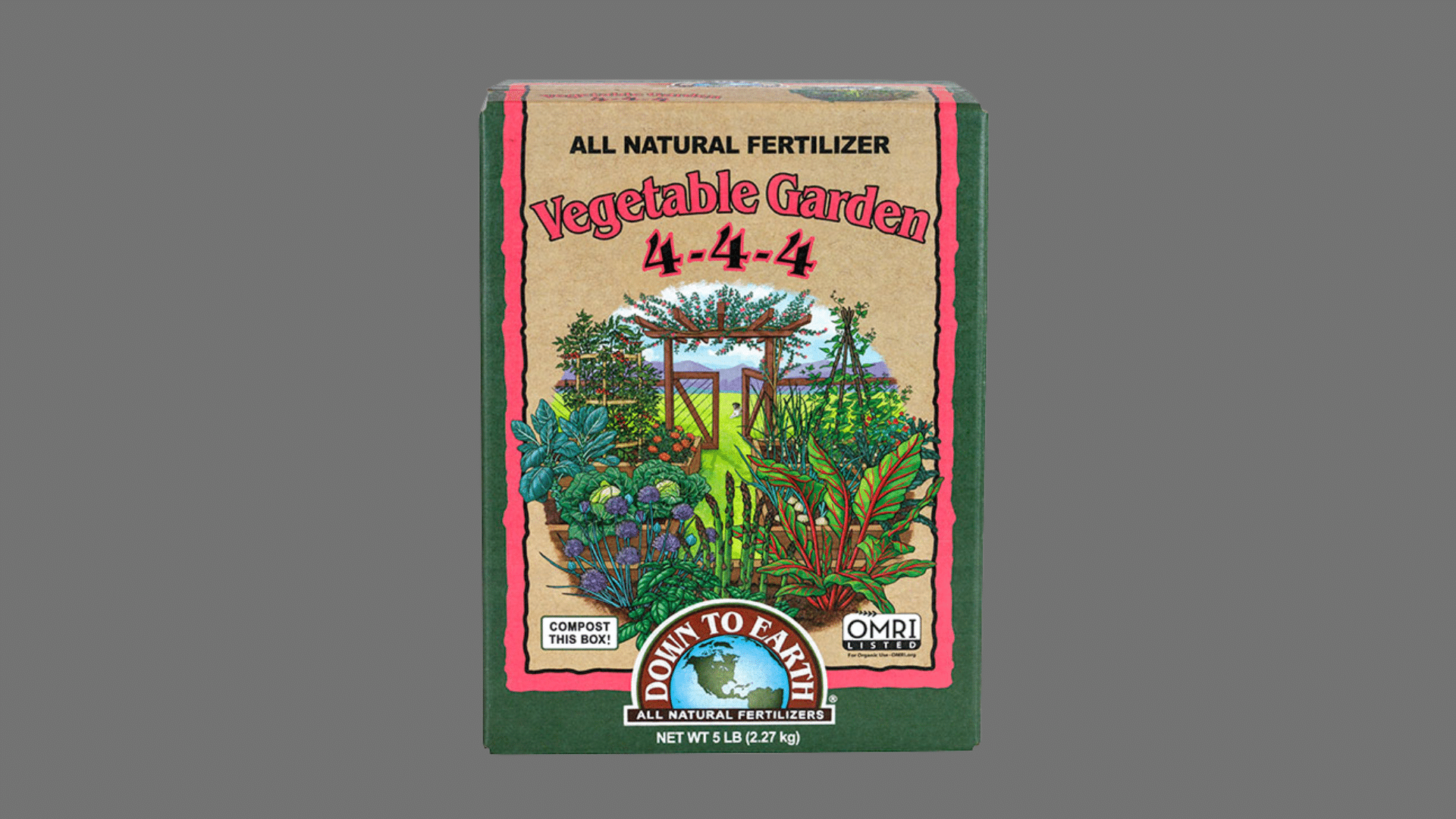
OMRI-listed, made from fish bone meal, alfalfa, and seaweed, no chicken litter or biosolids.
The equal NPK ratio works across a mixed vegetable bed without requiring you to think too hard. Reliable and honest about what it is.
5. Osmocote Plus (15-9-12)
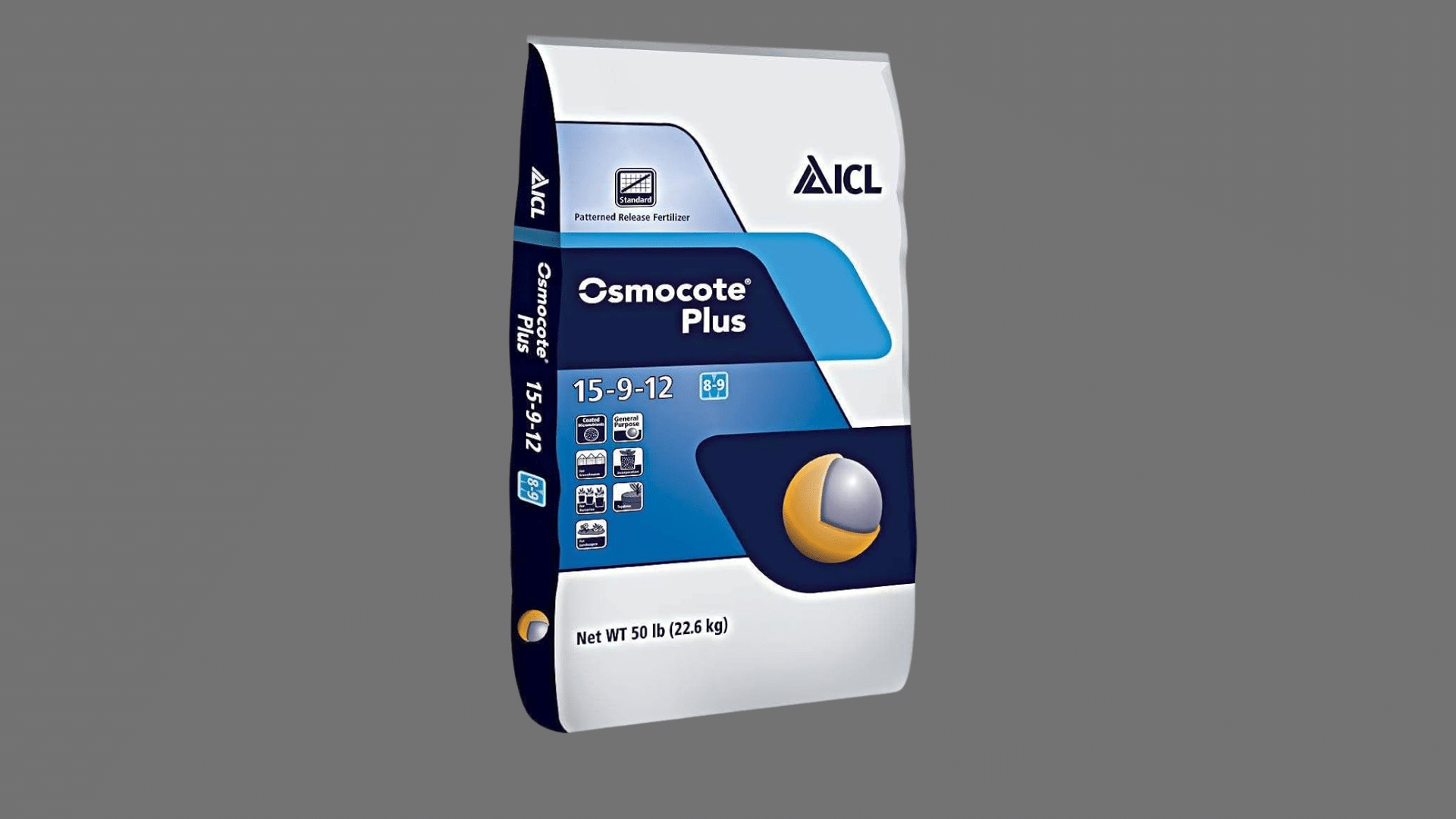
Single application, season-long release. This is where synthetic slow-release makes the most sense: raised beds and containers lose nutrients much faster than in-ground soil, and constantly reapplying organic granulars gets expensive.
Just a quick tip: since this doesn’t help build soil biology, it’s a good idea to mix it with compost whenever possible.
6. Jobe’s Organics Granular All-Purpose (4-4-4)
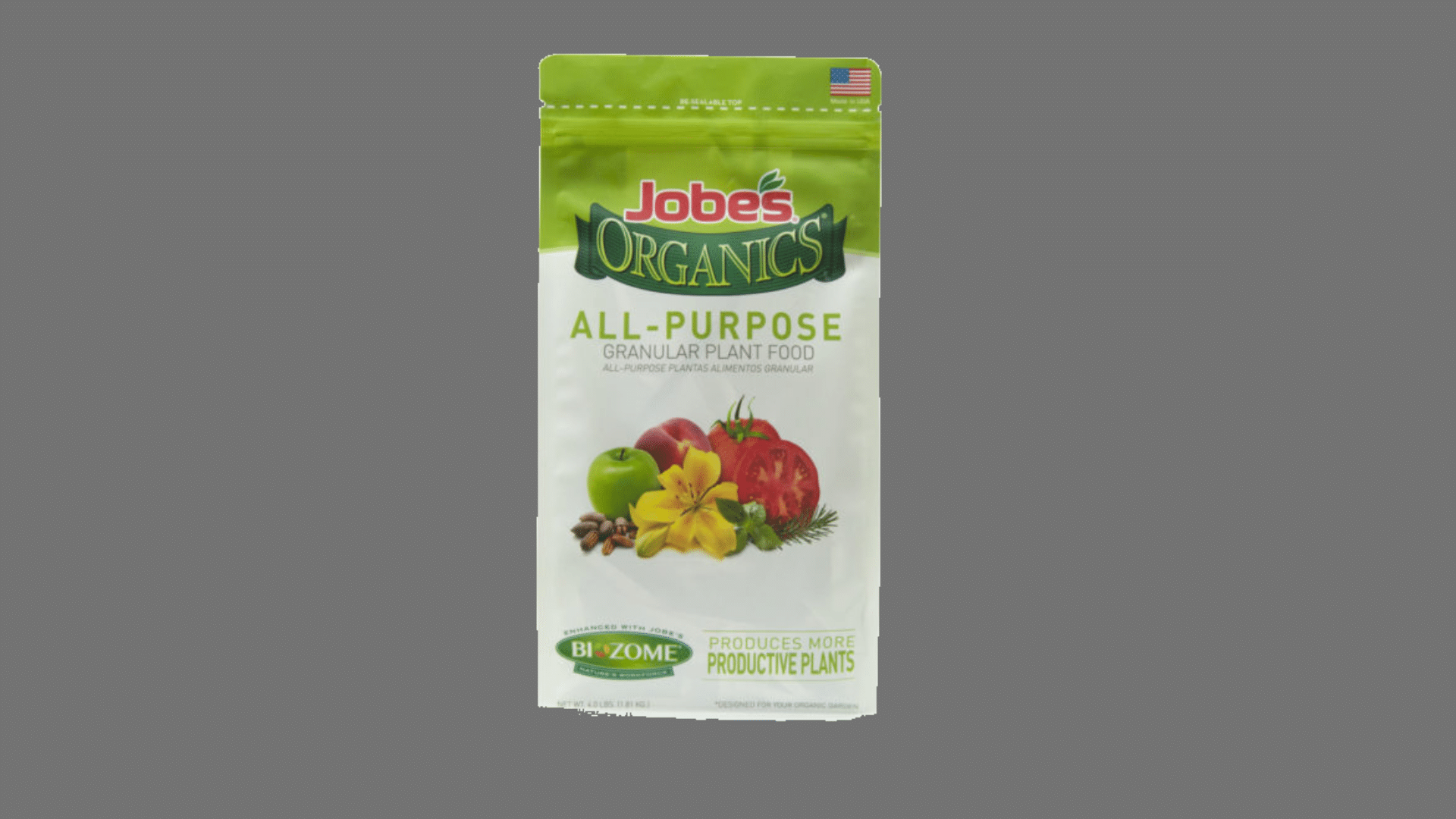
OMRI-listed Biozome formula at the lowest price point of the organic options here. Needs reapplication more frequently (every 4–6 weeks) than some competitors.
For a cozy, budget-friendly garden of small to medium size, it really does the trick!
7. Wiggle Worm Soil Builder (1-0-0)
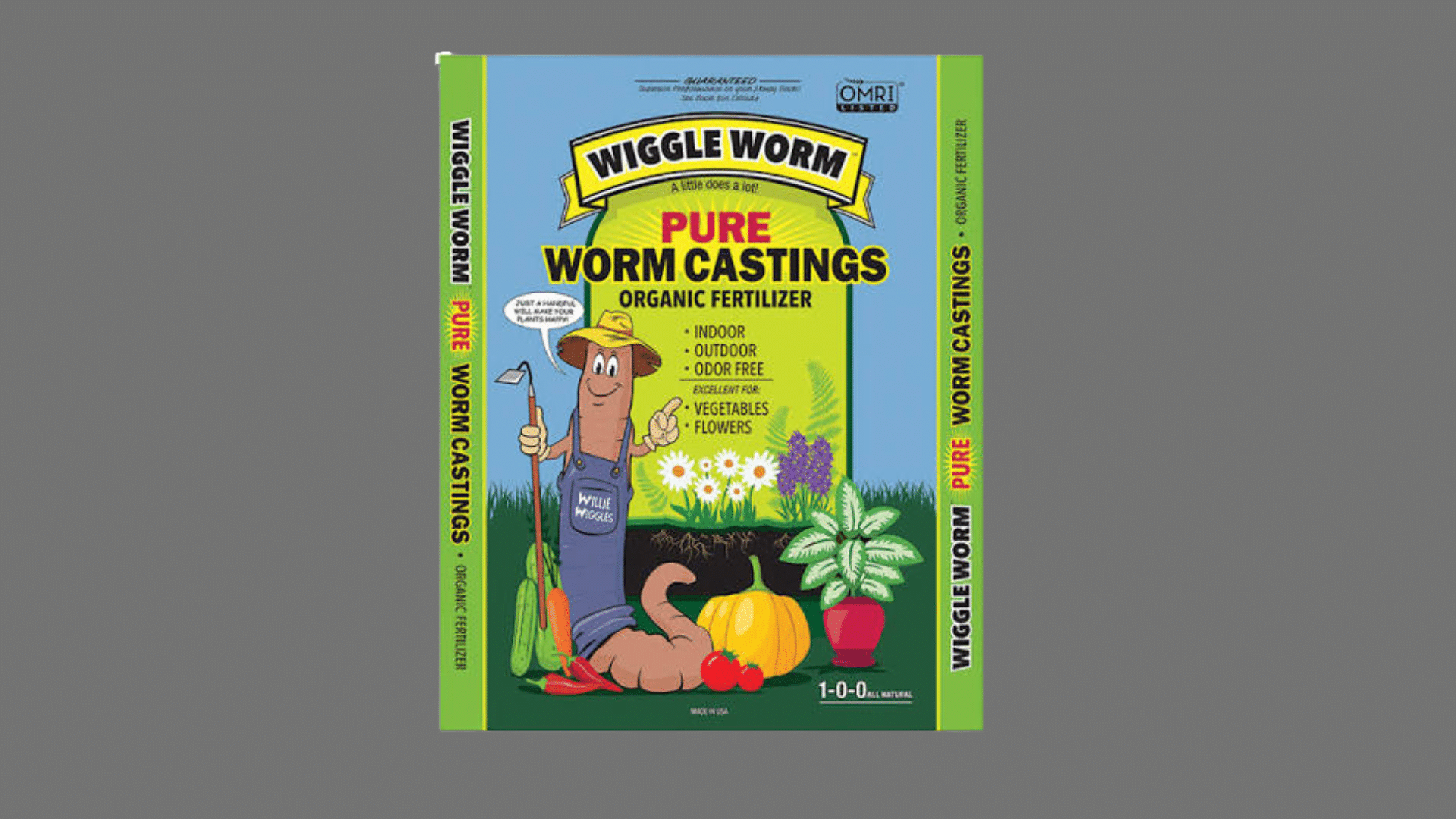
Low NPK, but 60+ micro and macronutrients plus beneficial microbes. Odorless and safe around kids and pets.
This is less a fertilizer in the traditional sense and more a soil conditioner. Use it alongside a balanced granular, not instead of one. Great for containers and seed starting.
8. Dr. Earth Vegetable & Herb Fertilizer (4-6-3)
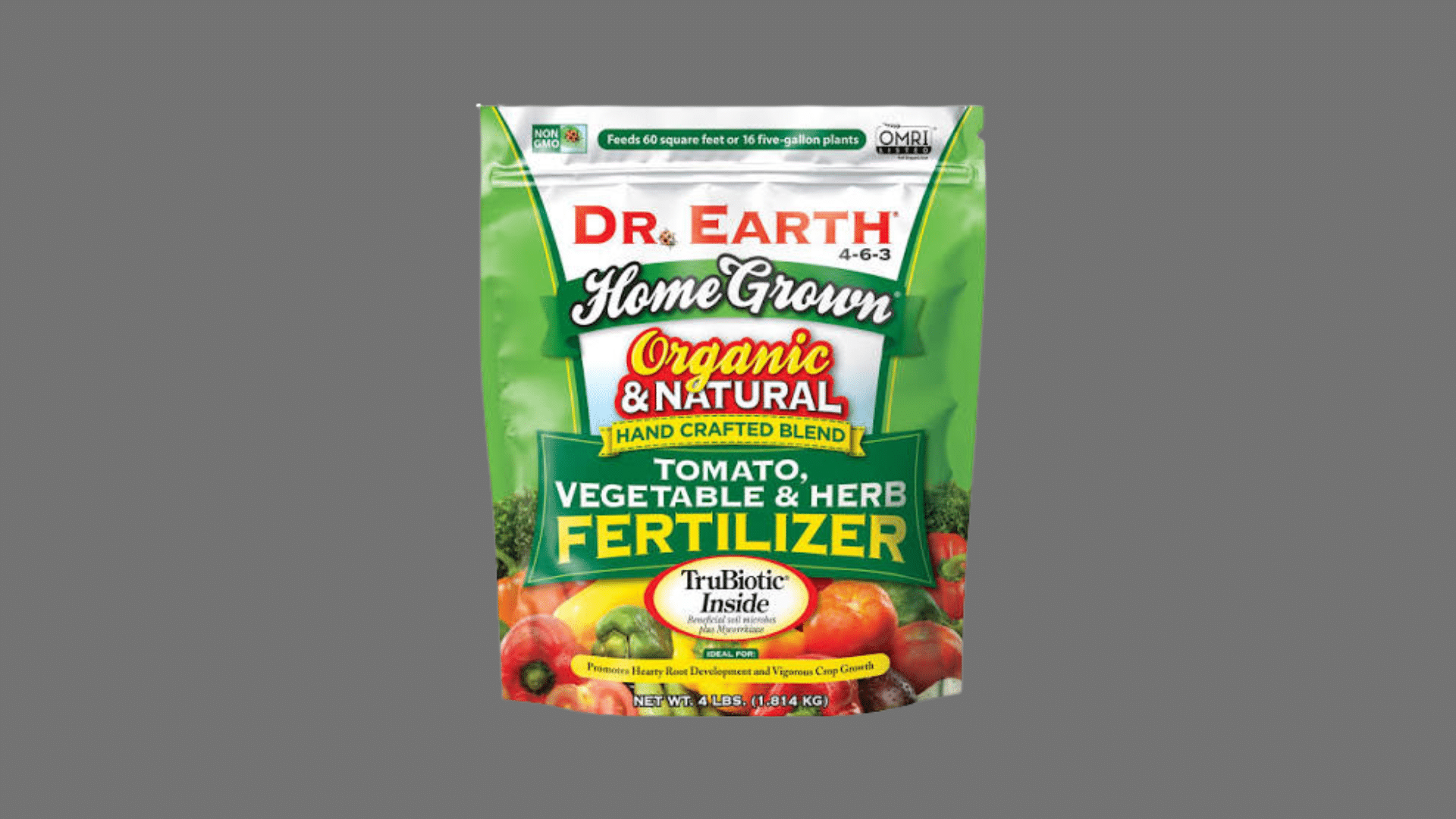
This fertilizer is designed specifically for fruiting vegetables like tomatoes, peppers, cucumbers, and squash.
The higher phosphorus content supports flower and fruit production, while beneficial microbes help improve nutrient availability in the soil.
9. Miracle-Gro Water Soluble Vegetable Food (18-18-21)
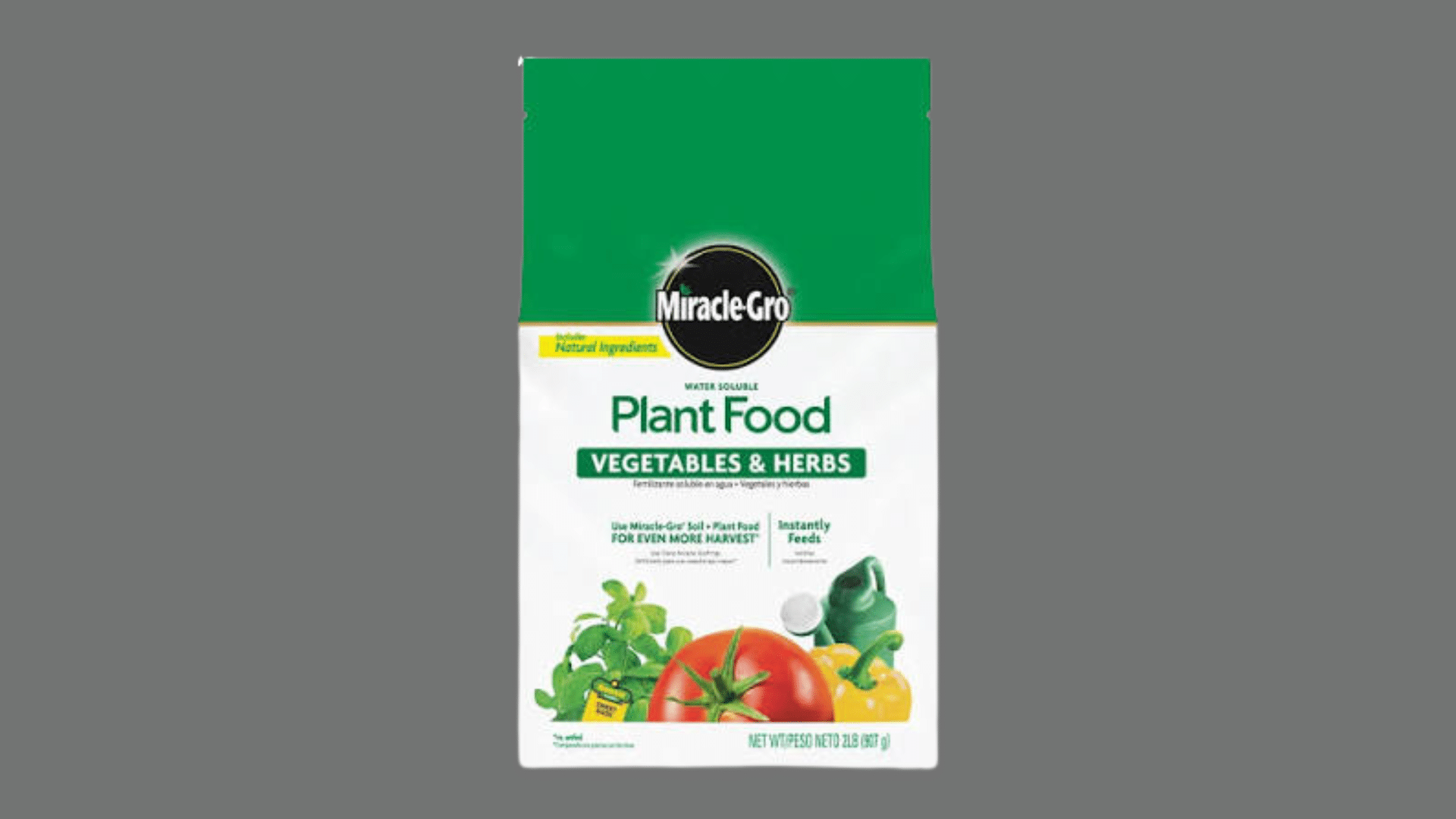
A fast-acting fertilizer that delivers a quick nutrient boost when vegetables show signs of slow growth or nutrient deficiency.
The balanced formula promotes root, foliage, and fruit growth, ideal for container gardens and vegetables needing quick feeding.
Since it provides nutrients quickly, it requires regular application and does not improve soil structure as organic fertilizers do.
10. Neptune’s Harvest Fish & Seaweed Fertilizer (2-3-1)
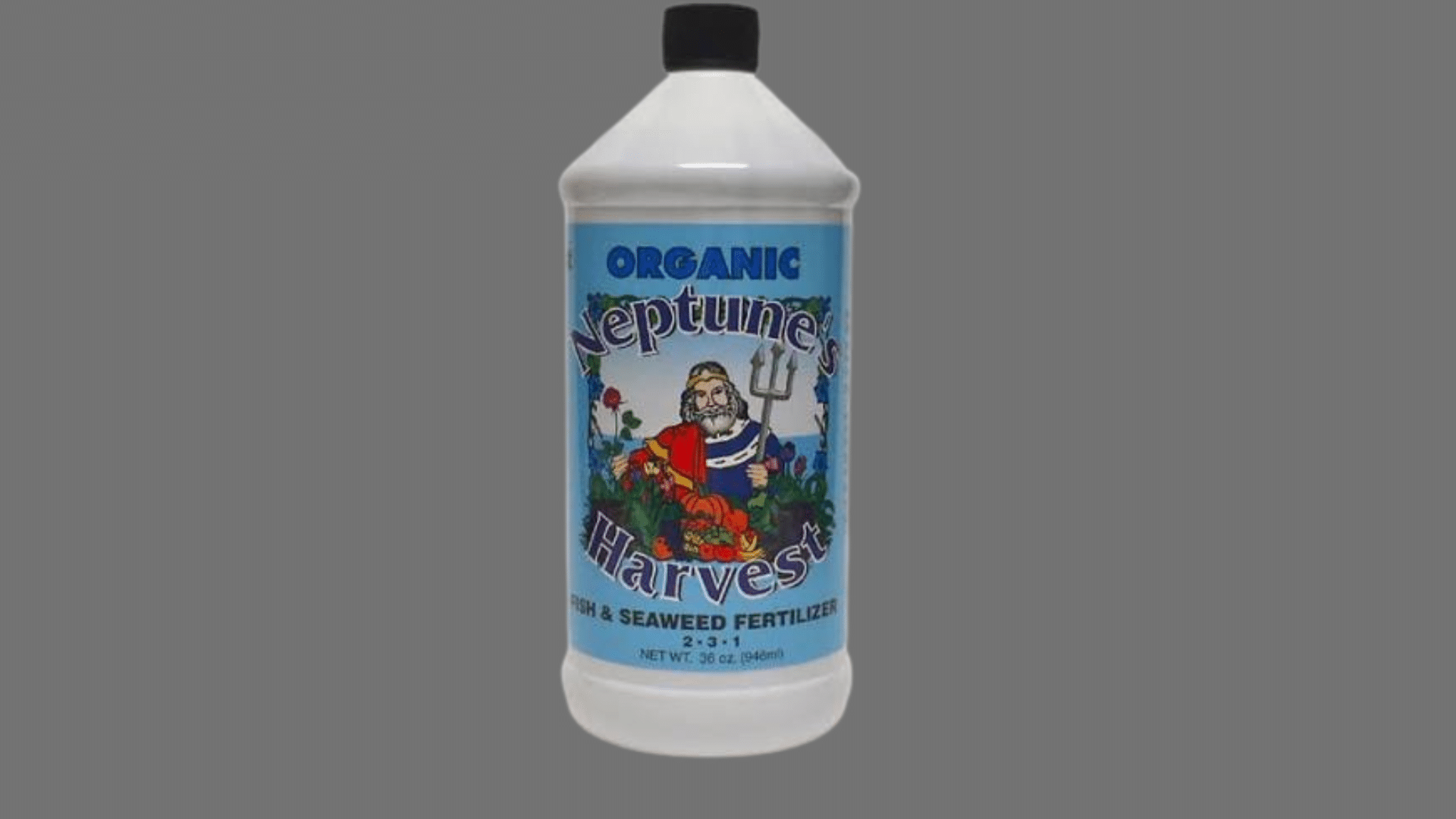
This liquid fertilizer combines fish emulsion with seaweed extract to provide nutrients along with natural growth-supporting compounds.
It is useful throughout the growing season for vegetables, herbs, and seedlings. Apply as a soil drench or foliar spray when plants need a gentle boost.
5 Fertilizers Worth Considering for Vegetable Gardens
Beyond the most popular vegetable fertilizers, there are several other options that can support plant growth, improve soil quality, and solve specific nutrient needs.
These fertilizers are worth considering depending on your garden type, crop choices, and growing goals.
11. Happy Frog All-Purpose Fertilizer (5-5-5)
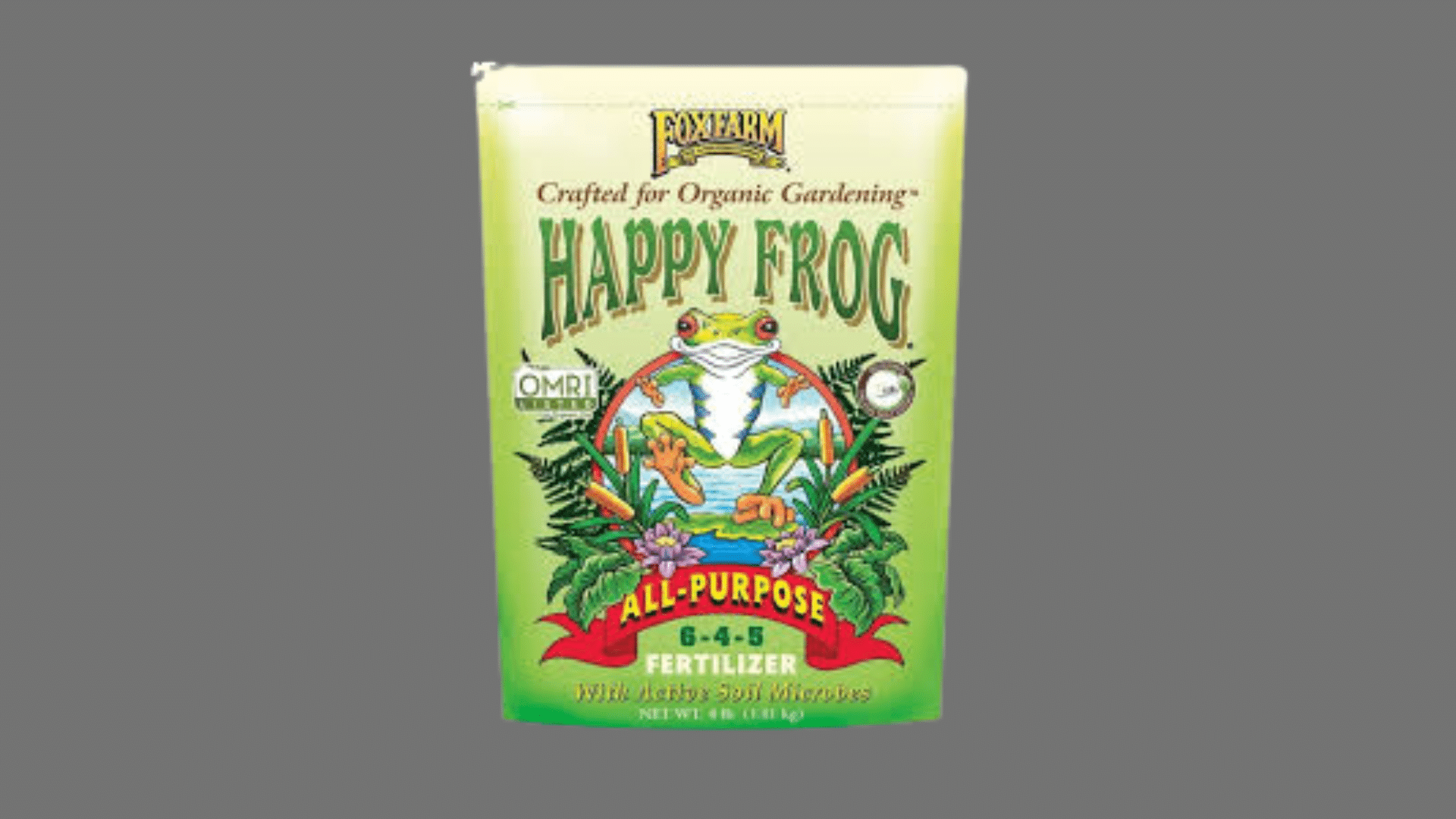
A balanced organic fertilizer made with natural ingredients that provide steady nutrition for a wide range of vegetables.
The equal NPK ratio makes it suitable for mixed gardens where different plants grow together.
It also contains beneficial microbes that support nutrient cycling and healthier soil. Use it when you want a simple, reliable fertilizer without having to adjust formulas for every crop.
12. Garden-tone Organic Fertilizer for Vegetables & Herbs (3-4-4)
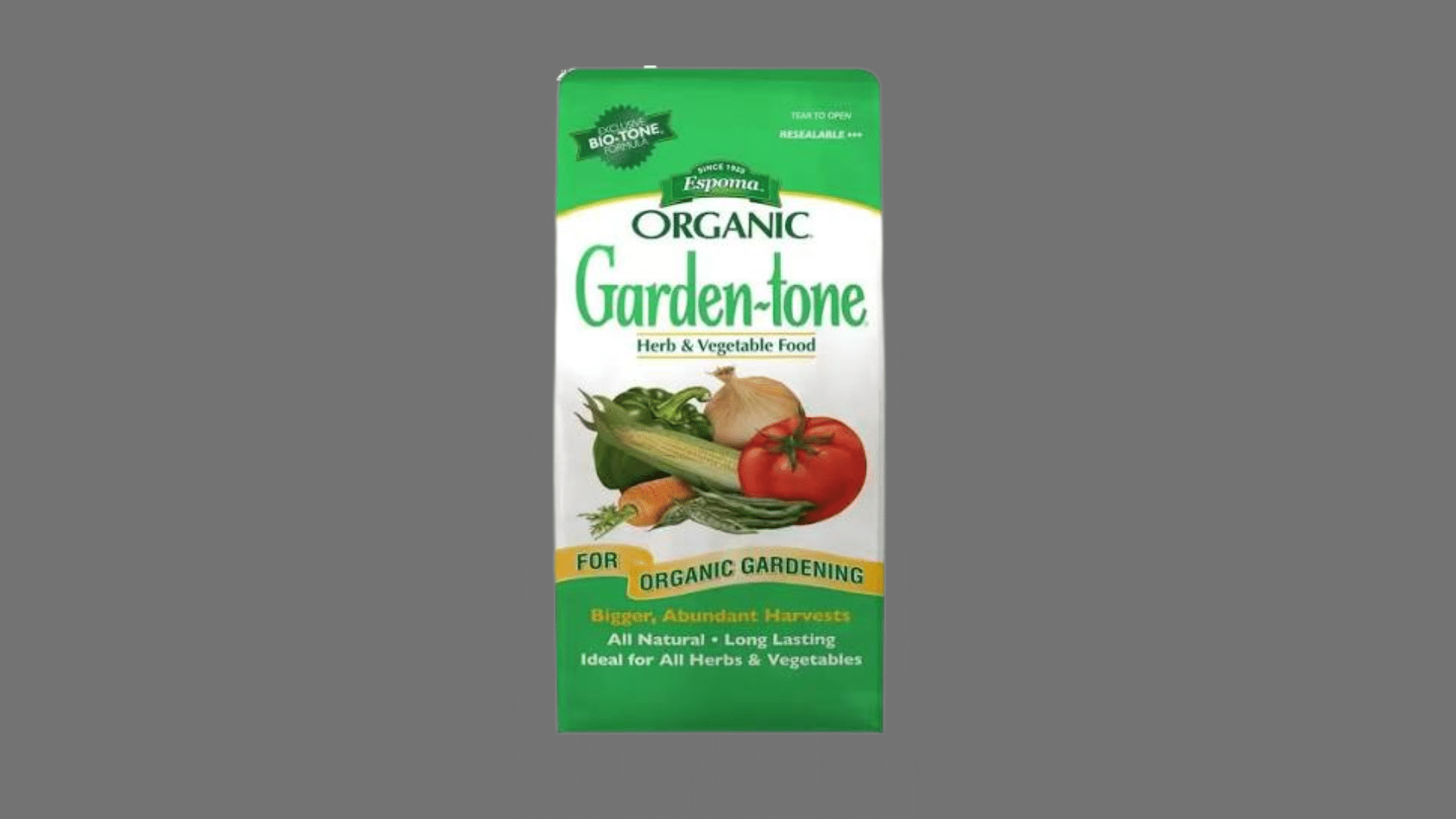
This organic blend is formulated for vegetables, herbs, and edible plants that need consistent feeding throughout the season.
It provides a steady supply of nutrients without causing rapid growth that can weaken plants.
The slow-release formula works well for gardeners who prefer fewer applications. Mix it into planting holes or use it as a side dressing around established plants.
13. Miracle-Gro Shake ’N, Fruit & Vegetable Plant Food (10-5-15)
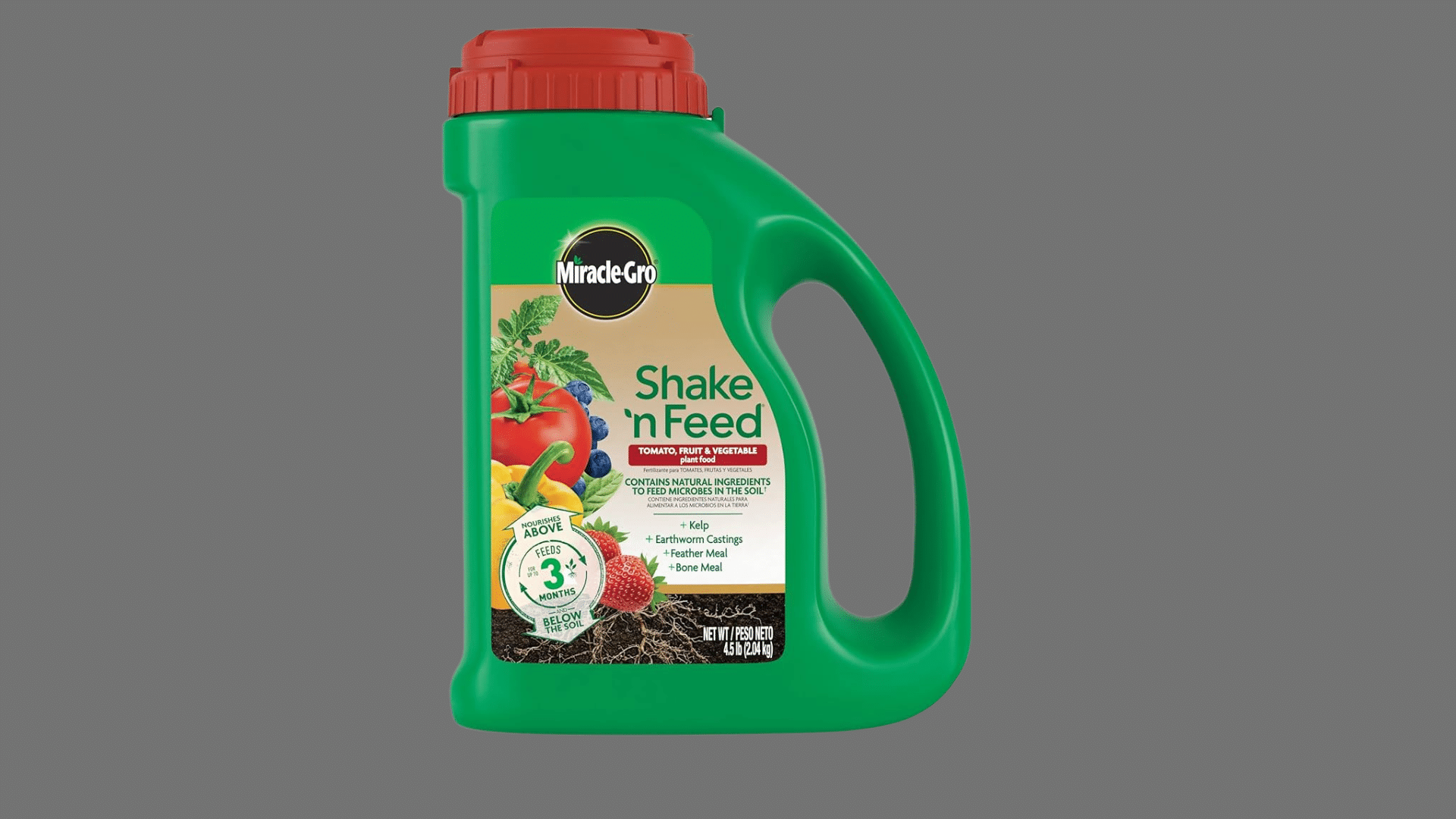
This granular fertilizer is made for fruit-producing vegetables that require extra potassium for strong harvests.
The higher potassium content supports larger fruits, better flavor, and overall plant performance.
It is especially useful for tomatoes, cucumbers, peppers, and squash. The slow-release nutrients continue feeding plants for several weeks after application.
14. Jobes Organics Vegetable & Tomato Fertilizer Spikes (6-18-6)
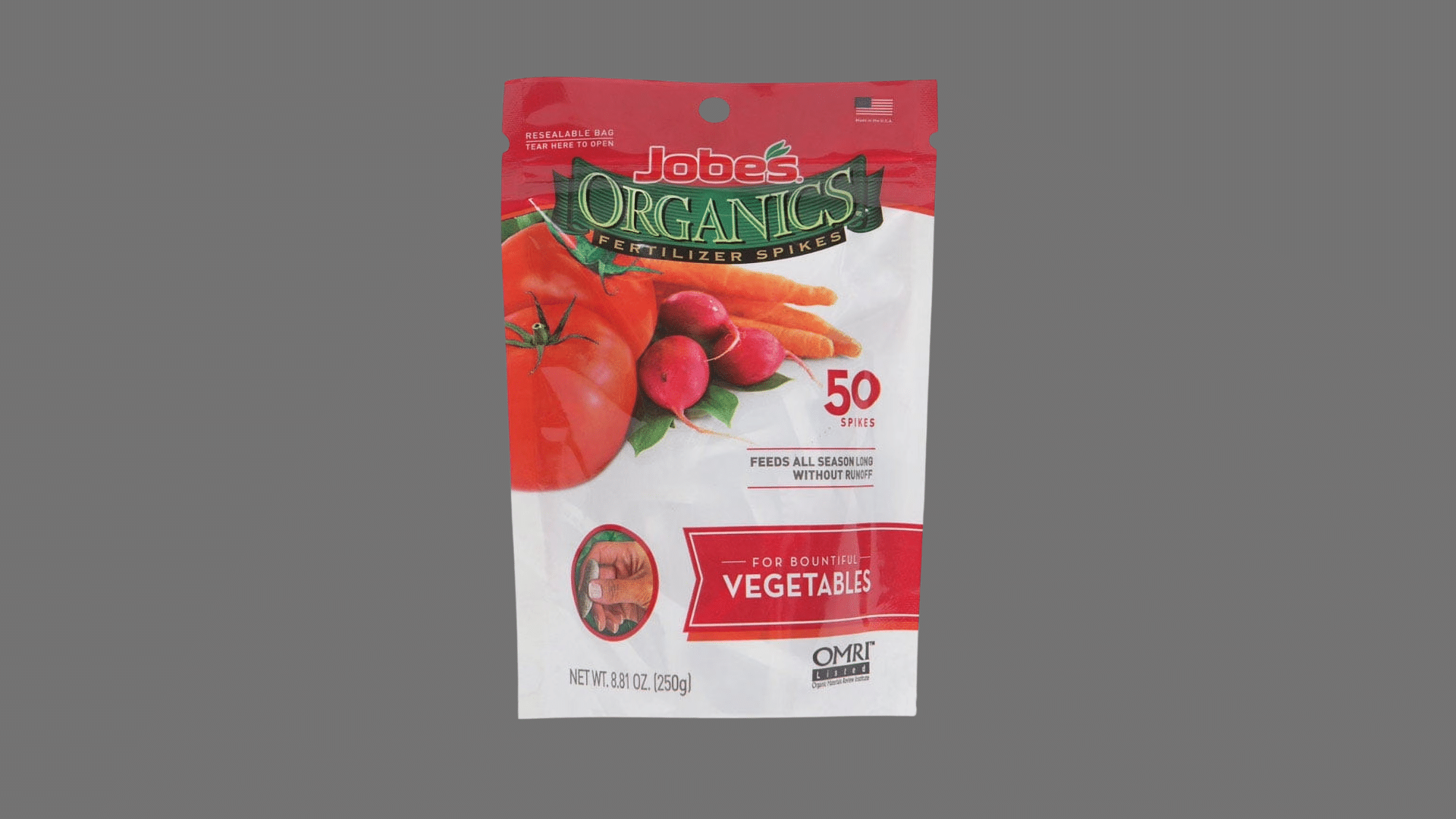
These pre-measured fertilizer spikes provide nutrients directly near plant roots, making feeding simple and mess-free.
The higher-phosphorus formula encourages strong roots and more flowers.
They work well for gardeners who want a low-maintenance option for container plants or individual vegetables. Place them carefully to avoid root damage.
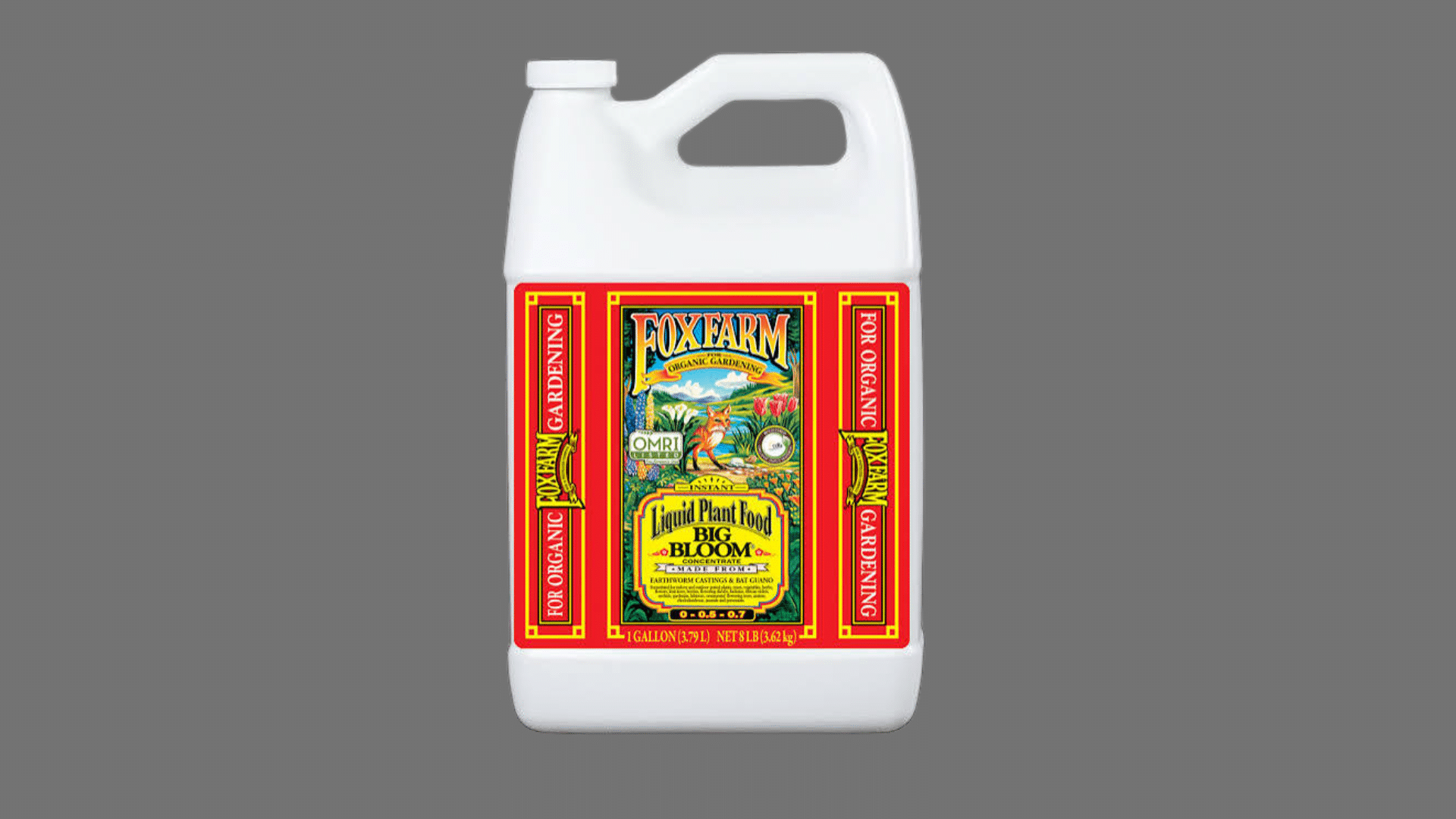
15. FoxFarm Big Bloom Liquid Plant Food (0.5-0.5-0.7)
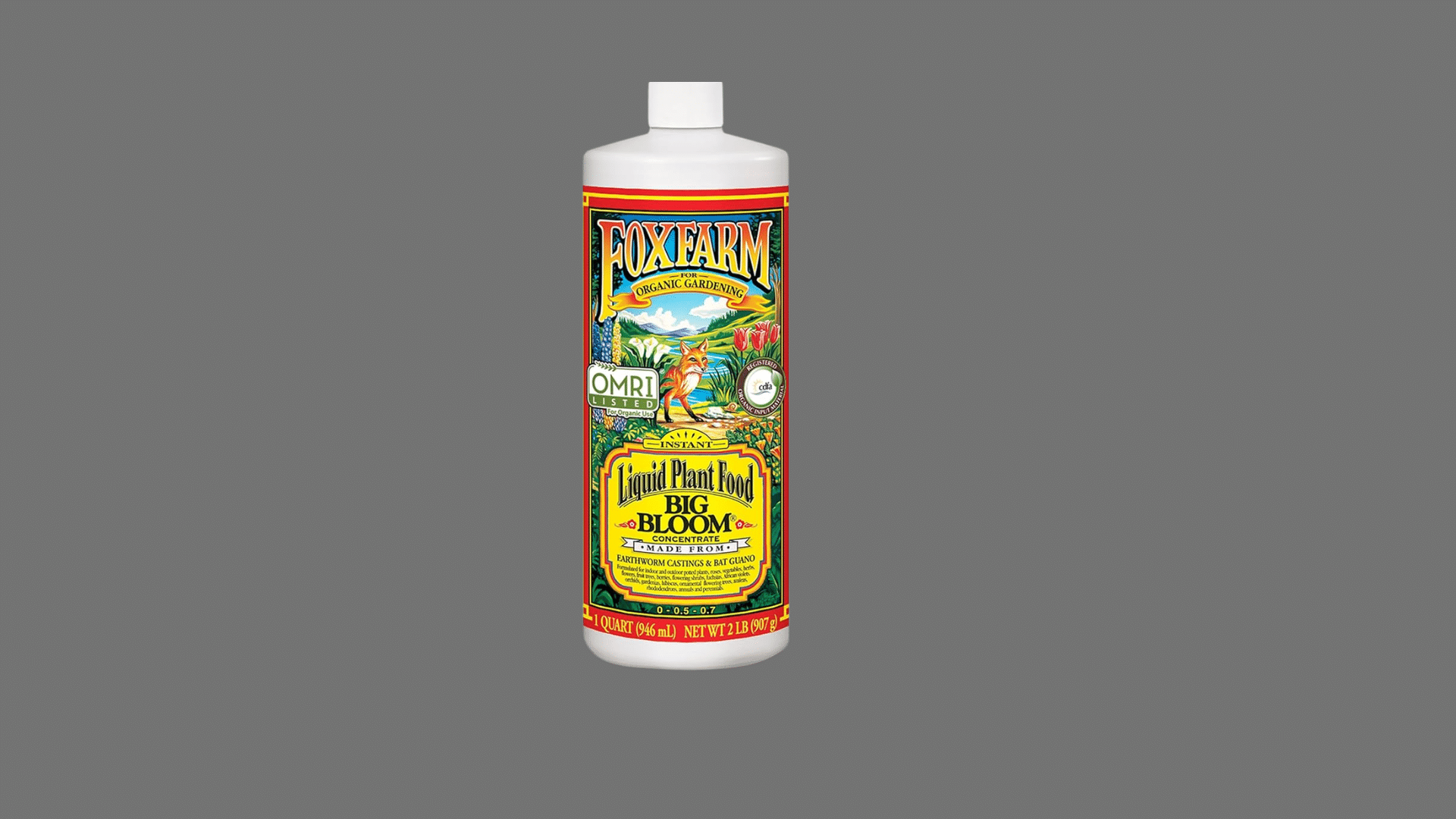
A gentle liquid fertilizer made from natural ingredients like worm castings and bat guano. Instead of pushing rapid growth, it focuses on improving flowering, fruit development, and overall plant vitality.
It is often paired with stronger fertilizers during the growing season.
Use it as a helpful supplement to give vegetables a little extra support during their flowering and harvest times, ensuring they grow healthy and vibrant.
Organic vs. Synthetic Fertilizers
This debate gets more heated than it needs to. Both have real uses. Here’s what’s true:
| Feature | Organic Fertilizers | Synthetic Fertilizers |
|---|---|---|
| Examples | Compost, blood meal, bone meal, fish emulsion, worm castings | Miracle-Gro, Osmocote, water-soluble fertilizers |
| Nutrient release | Slow, gradual release as microbes break materials down | Fast, immediate nutrient availability |
| Soil impact | Improves soil biology and long-term soil health | Does not improve soil structure or biology |
| Risk of overuse | Lower risk, harder to over-apply | Higher risk of over-fertilizing and nutrient burn |
| Best use case | Long-term soil building and general garden feeding | Quick correction of nutrient deficiencies and container gardening |
| Effect on plants | Steady, sustained growth over time | Rapid boost in growth and visible recovery |
| Drawbacks | Cannot quickly fix deficiencies | Can damage roots/leaves if misapplied |
When and How to Apply Fertilizer for Vegetable Gardens
Applying fertilizer at the right time and in the correct way helps vegetables absorb nutrients efficiently and produce better harvests.
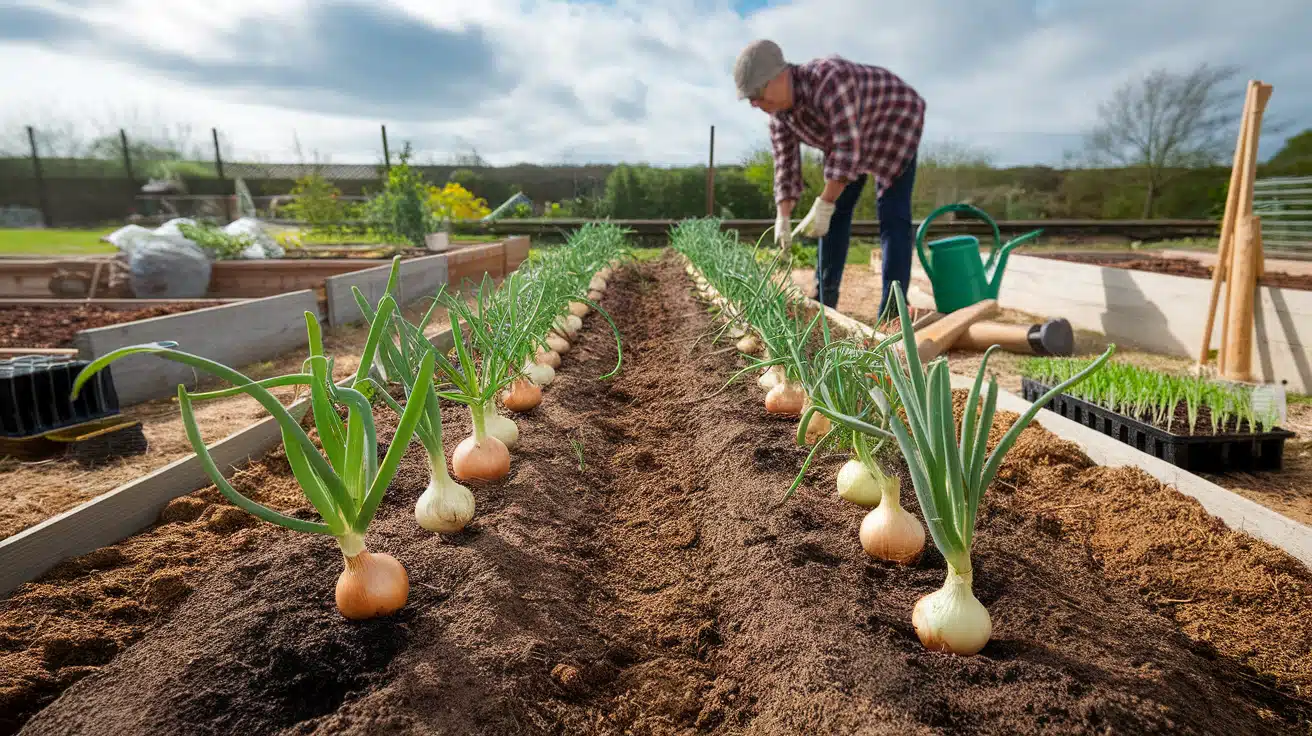
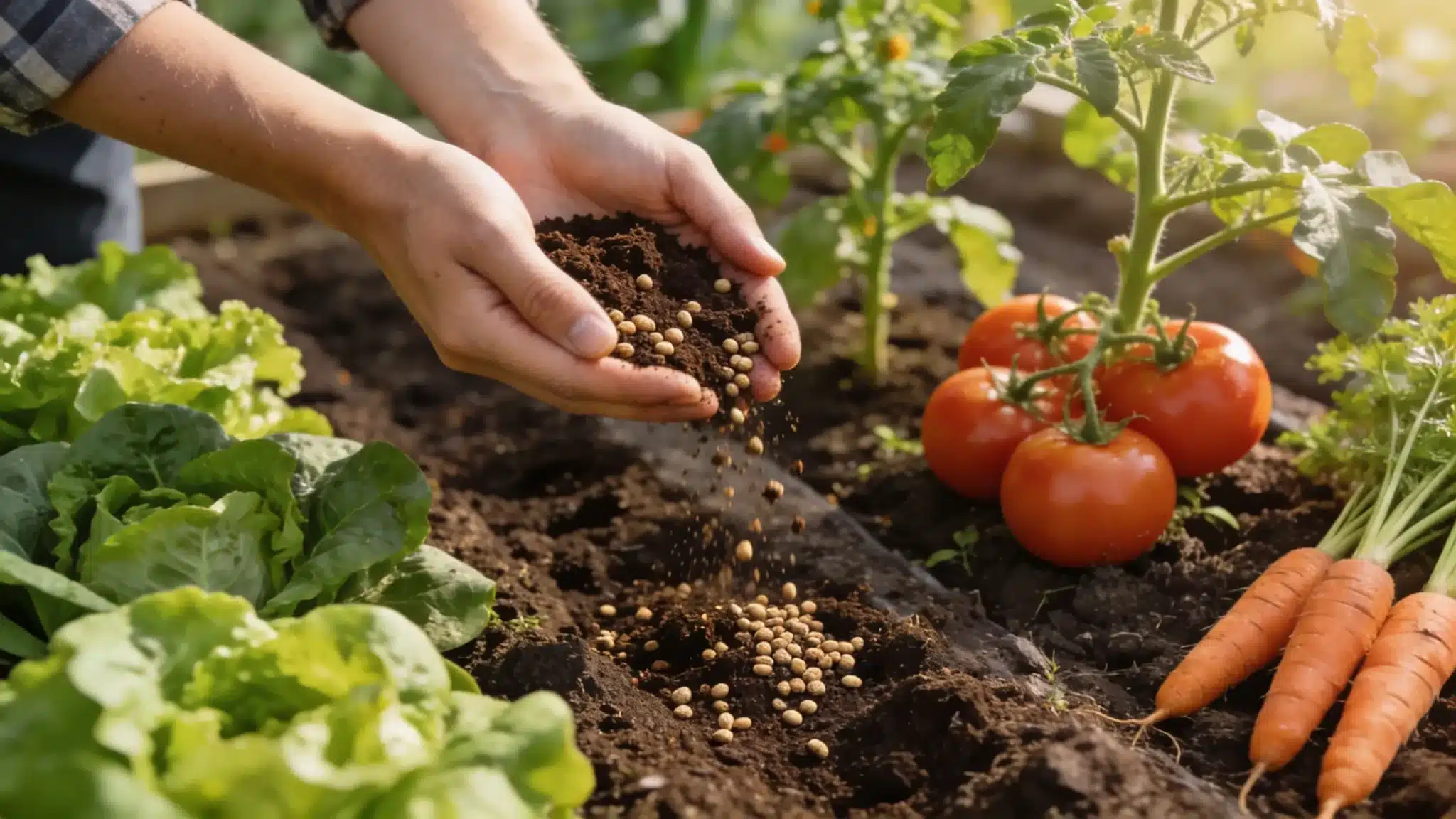
- Spring, before planting: Broadcast a balanced granular; work it into the top 4–6 inches of soil. For individual planting holes on phosphorus-hungry crops like tomatoes, add a tablespoon of bone meal directly.
- At transplanting: Don’t apply liquid fertilizer the same day you transplant. Root hairs break during transplanting, and when liquid fertilizer hits those wounds, it causes a burn. Wait 2–3 weeks, then start liquid feeds.
- Mid-season side-dressing: Sprinkle granular around the dripline of plants, scratch it in gently without disturbing roots, then water in. For liquid, apply to moist soil in the morning.
- Containers: Nutrients leach out with every watering. Feed with liquid fertilizer every 7–14 days, or use a coated slow-release granular at planting and flush the pot with plain water every few weeks to clear salt buildup.
- Rainy climate tip: Skip liquid fertilizer if heavy rain is in the forecast; it washes into storm drains before plants get to use it. Use a slow-release granular fertilizer worked into the soil instead.
Fertilizer Mistakes That Waste Money
Using more fertilizer does not always mean healthier plants. Common mistakes like choosing the wrong formula, overfeeding, or ignoring soil needs can waste money and even harm your garden.
Learn what to avoid so every application actually benefits your vegetables.
- Using lawn fertilizer on vegetables: Lawn fertilizers are high in nitrogen and may contain herbicides that can harm or kill vegetable plants. They are not safe or interchangeable for edible gardens.
- Applying fresh manure: Fresh manure is too strong for plants and can carry harmful pathogens. It should be composted for at least 3–6 months before use, a timeline Texas A&M AgriLife Extension backs for home gardens.
- Fertilizing before heavy rain: Rain can wash fertilizer away before plants can absorb it, leading to nutrient loss and water pollution rather than feeding your garden.
- Not watering after granular application: Granular fertilizer needs water to activate and reach plant roots. Without watering, it stays ineffective in dry soil.
- Adding more fertilizer when plants aren’t growing well: Weak growth may be caused by soil issues, poor drainage, compaction, or disease. Adding more fertilizer can make these problems worse rather than fix them.
Conclusion
Choosing the best vegetable garden fertilizer comes down to three things: knowing what your soil already has, matching the product to what you’re growing, and applying it at the right time.
A balanced organic granular before planting, a liquid side-dress for heavy feeders mid-season, and a slow-release synthetic for containers cover the majority of home gardens.
None of those choices require expensive products or complicated schedules.
What requires attention is the soil test most gardeners skip. A $20 test from your local extension office tells you more about what your vegetable garden actually needs than any bag label ever will.
Get the test, fix the pH if it’s off, build your organic matter, and then fertilize.
In that order. It’s the order I walk every gardener through, and it’s the one that actually saves money. The soil comes first. Everything else follows.
Frequently Asked Questions
What is a Poor Man’s Fertilizer?
A “poor man’s fertilizer” usually refers to simple, low-cost natural options like kitchen scraps, compost, grass clippings, or diluted urine that add nutrients to soil without buying commercial products.
Which Fertilizer is Called the King of Fertilizers?
Urea is often called the “king of fertilizers” because it has the highest nitrogen content of all solid fertilizers (about 46% nitrogen), making it effective for promoting rapid plant growth.
What is the Best All-Around Fertilizer?
There isn’t one universal best fertilizer, but a balanced 10-10-10 (or similar NPK) fertilizer is widely considered the best all-around option because it supports overall plant growth, roots, and fruiting.