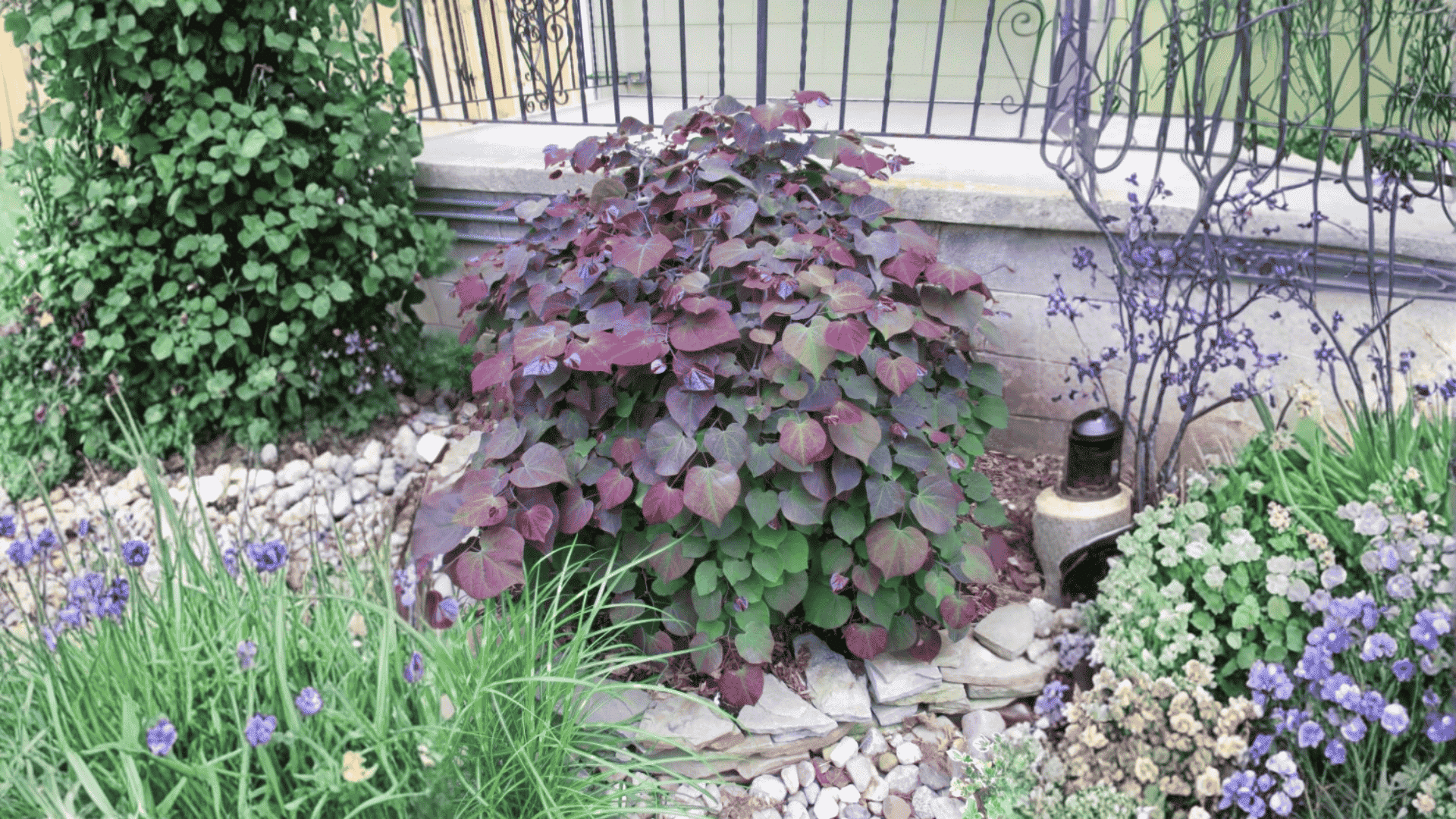

Looking for a tree that packs a punch without taking up too much space? Cercis Ruby Falls is the perfect choice for small gardens and patios.
With its cascading branches and vibrant blooms, it adds a dramatic touch to any landscape.
Whether you’re a seasoned gardener or just starting, this compact tree is easy to care for and offers year-round beauty.
In this blog, we’ll walk you through everything you need to know, from planting and spacing to seasonal care and maintenance, ensuring your Ruby Falls thrives for years to come.
What Is Cercis Ruby Falls?
Cercis Ruby Falls is a cultivar of the Eastern Redbud (Cercis canadensis) known for its weeping form and compact size.
It’s a small, ornamental tree that can fit easily into tight spaces, making it ideal for smaller gardens, patios, or even containers.
With its cascading branches and vibrant blooms, Ruby Falls stands out as one of the most dramatic trees you can plant in your yard.
Native to North America, Cercis canadensis is well-known for its striking pink flowers and heart-shaped leaves.
The Ruby Falls variety enhances these traits with its unique weeping habit, which creates an agile, waterfall-like effect in any garden.
Key Features and Landscape Uses of Cercis Ruby Falls
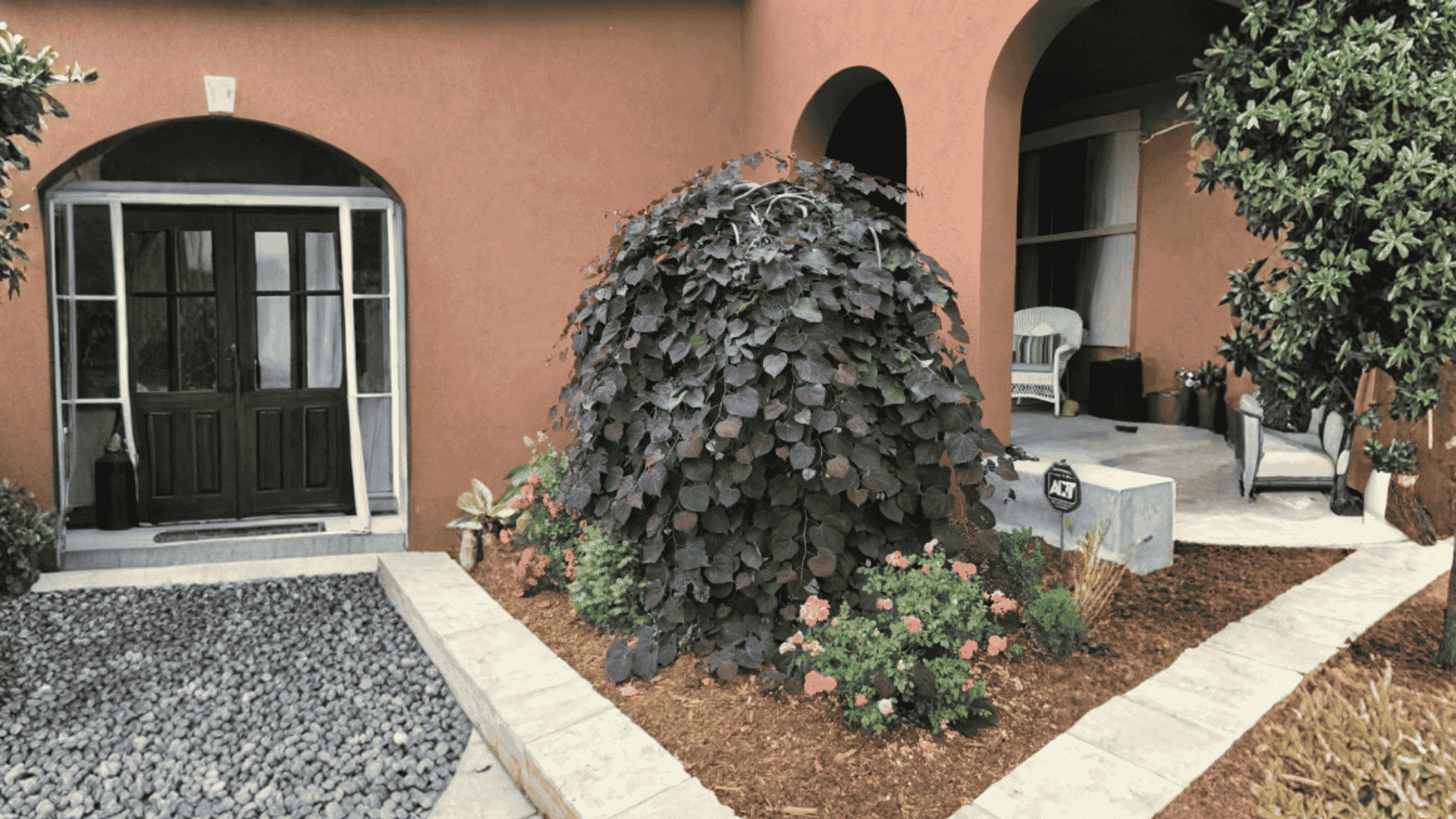
This plant stands out for its compact size, dramatic weeping habit, and bold seasonal color, making it one of the most eye-catching ornamental trees for small U.S. landscapes.
- Size and Growth Habit: This plant reaches 6 to 8 feet tall at maturity and has a 5- to 6-foot spread. Its weeping branches drape downward, creating a cascading focal point year-round.
- Foliage and Seasonal Color: Heart-shaped leaves emerge deep maroon-red in spring, shift to burgundy, then fade to green by late summer. Winter reveals the bare, weeping silhouette still striking and architectural.
- Spring Flowers: Pea-like blooms arrive in early spring, before leaves emerge, in hot pink to lavender on bright red stems. Pollinators, including bees, butterflies, and hummingbirds, visit regularly.
- Landscape and Design Uses: Use this plant as a specimen tree in small gardens or near patios where its weeping form can be appreciated. Foundation plantings and containers work well, too, especially paired with silver or ivory foliage plants.
With its compact size and year-round appeal, Ruby Falls delivers a big visual impact without taking up much space, making it perfect for elevating any small landscape or garden.
Best Growing Conditions for Cercis Ruby Falls
To help Cercis Ruby Falls reach its full potential, it’s important to match it with the right environment. Here are the essential conditions this tree needs to stay healthy and vibrant:
1. Hardiness Zones
This plant thrives in USDA Hardiness Zones 5-9. This range covers most of the continental United States. Northern gardeners in Zone 5 can successfully grow it. Southern gardeners in Zone 9 will also have good results. Check your local zone before purchasing.
2. Light Requirements
Full sun to partial shade works best for this plant. Best flower production occurs in full sun. Partial shade is preferable in hot summer climates. Hot afternoon sun can scorch the purple foliage. Balance sun exposure with your regional climate.
3. Soil and Drainage
This plant prefers well-drained soil above all else. It grows in moderately fertile soil with consistent moisture. Loamy, sandy, or clay soils all work fine. Good drainage matters more than soil type. Poorly drained soils cause root rot and disease. Slightly acidic soil is ideal, but not required.
With the right combination of sunlight, drainage, and climate compatibility, Ruby Falls will reward you with impressive foliage, vibrant blooms, and dependable growth year after year.
How to Plant This Cercis Ruby Falls?

Planting Ruby Falls correctly sets the stage for healthy growth, strong roots, and vibrant seasonal color for years to come.
Best Time to Plant
- Spring: Plant early in the season, once the ground has thawed, and before the tree breaks dormancy. This allows the roots to settle in while temperatures are mild.
- Fall: Planting in early fall gives the tree a few cooler months to establish roots before winter, ensuring it’s well-prepared for the coming growing season.
Spacing and Site Preparation
- Spacing: Plant the tree 3 to 6 feet from structures to allow room for its cascading branches.
- Soil Preparation: Improve drainage and fertility by mixing compost into native soil. The tree thrives in well-drained, slightly acidic to neutral soil.
Planting Steps
- Dig the Hole: The hole should be twice the width of the root ball but no deeper than the root ball’s height.
- Position the Tree: Place the tree so the root flare is level with or slightly above the soil surface.
- Backfill and Firm: Backfill the hole with native soil, gently firming it to remove air pockets.
- Water Thoroughly: Water the tree well after planting to settle the soil and hydrate the roots.
- Mulch: Apply 2-3 inches of mulch around the base, keeping it away from the trunk.
By following these simple steps, yourCercis Ruby Falls will have a great start, ensuring healthy growth and vibrant color for years to come.
Maintenance & Care Instructions for Cercis Ruby Falls
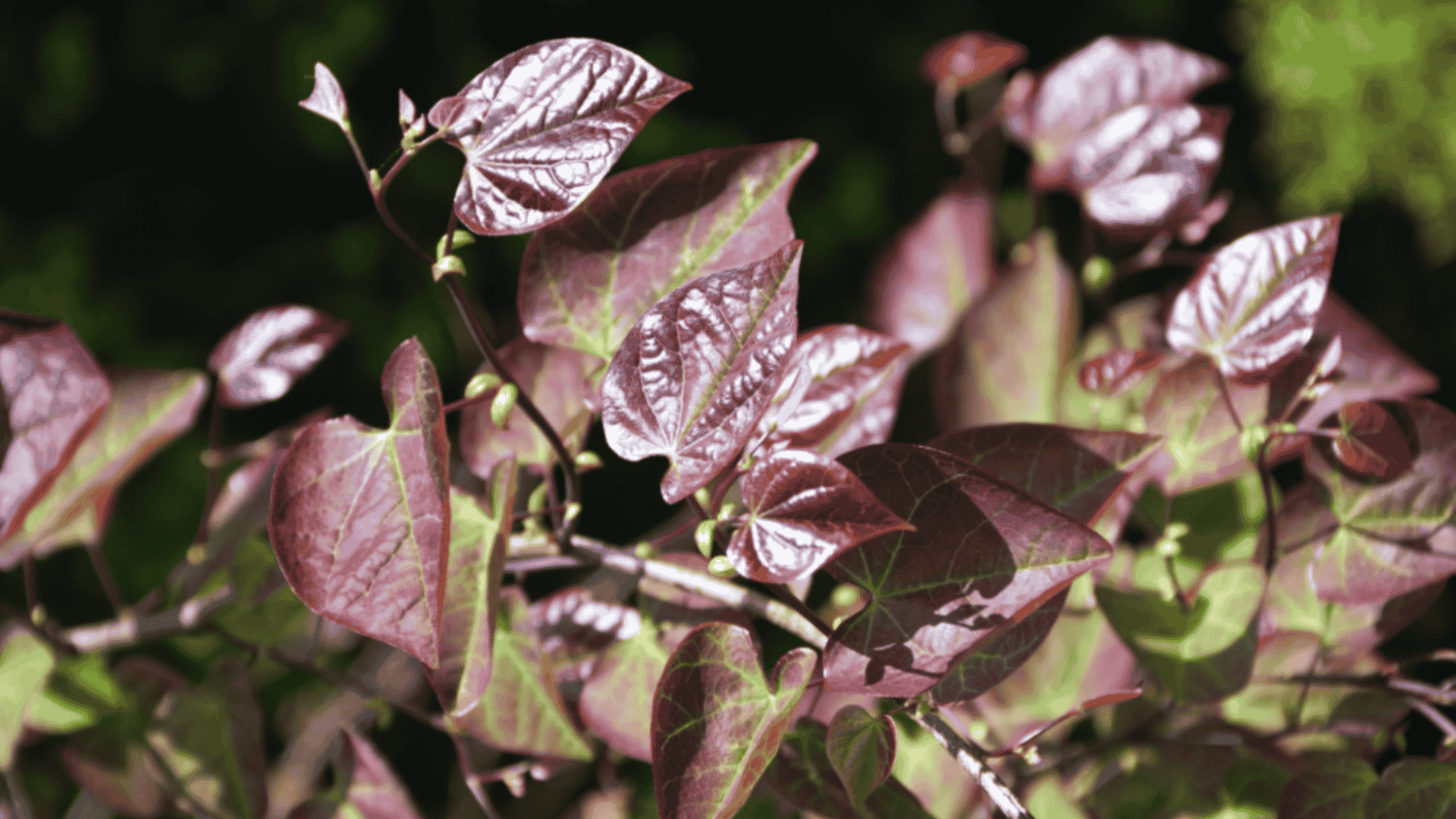
Once established, Cercis Ruby Falls is fairly low-maintenance, but a few consistent care practices will keep it healthy, vibrant, and full of color throughout the year.
1. Watering Schedule
Established trees tolerate periods of dryness but prefer consistent moisture. Water deeply when the top 3 inches of soil are dry. First-year trees need regular watering to establish deep roots.
In hot, dry climates, water more frequently during summer. Reduce watering in fall and winter as growth slows. Avoid overwatering, as it can cause root rot in clay soils.
2. Fertilizing
This plant belongs to the legume family and fixes nitrogen naturally. Heavy nitrogen fertilizer is rarely needed. Apply a balanced, general-purpose fertilizer in early spring before blooms open.
Follow label instructions carefully. One application per growing season is sufficient. If growth appears weak, feed in mid-summer as well.
3. Pruning
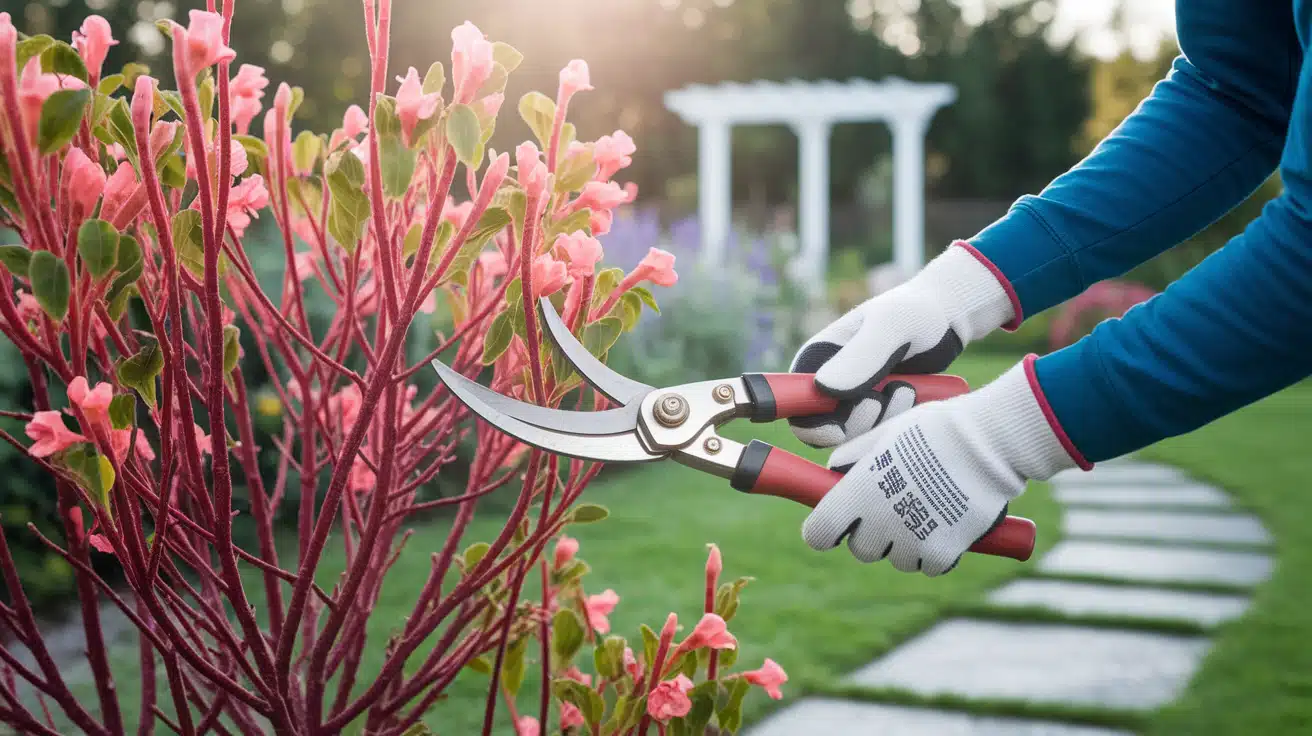
Prune after flowering ends to avoid cutting flower buds. Remove dead, damaged, or crossing branches carefully. Maintain the weeping form by pruning minimally. Avoid removing too many branches in one season.
Late winter to early spring is ideal for major pruning. Light pruning can be done at any time during the growing season.
4. Mulching and Winter Care
Keep 2 to 3 inches of mulch around the base year-round. Refresh mulch annually as it breaks down. In cold Zone 5 areas, add extra mulch for root protection. In hot climates, mulch helps retain soil moisture. Keep mulch away from the trunk to prevent disease.
With consistent watering, light feeding, proper pruning, and good mulching habits, your Ruby Falls redbud will stay healthy and deliver standout color and form season after season.
Problems and Solutions for Cercis Ruby Falls
While Ruby Falls is generally low-maintenance, it can still face a few challenges depending on site conditions and care. Here’s a quick look at the most common issues and how to prevent them:
| Problem | What Happens | How to Prevent |
|---|---|---|
| Diseases | Canker, dieback, leaf spots, mildew, and blight may occur. Verticillium wilt is rare but serious. | Ensure well-drained soil. Prune affected branches. Improve air circulation. |
| Pests | Deer may browse foliage. Leaf rollers, scale, and borers are uncommon. | Generally pest-free. Protect the trunk from lawn equipment. Established trees handle pests well. |
| Environmental Stress | Poor drainage causes root rot. Heat scorch affects foliage. Salt damages growth in coastal areas. | Choose a well-drained site. Water appropriately. Avoid compacted soils. |
With proper planting, routine care, and attention to site conditions, most of these issues can be avoided, keeping your Ruby Falls healthy, vibrant, and thriving.
How to Style Your Garden with Cercis Ruby Falls?
Cercis Ruby Falls is a versatile tree that can improve various landscape designs.
Its weeping form and vibrant seasonal colors make it an excellent choice for creating a focal point in smaller gardens, patios, or courtyards.
The tree’s compact size allows it to be planted near foundations, adding beauty to the space without overwhelming it.
If you’re working with limited space, Cercis Ruby Falls also does well in large containers, making it perfect for adding a touch of polish to balconies, decks, or entryways.
With its striking appearance and adaptability, this tree can upgrade your landscape year-round.
Conclusion
Cercis Ruby Falls is more than just a beautiful tree; it’s a game-changer for any garden.
Its unique weeping form, vibrant blooms, and compact size make it a perfect choice for smaller spaces, adding year-round appeal.
Whether you’re a seasoned gardener or a beginner, its easy care requirements make it an ideal addition to your landscape. Ready to elevate your garden with this stunning tree?
Don’t wait, check out local nurseries or trusted online shops and bring home your very own Cercis Ruby Falls today to start enjoying its beauty for years to come!