
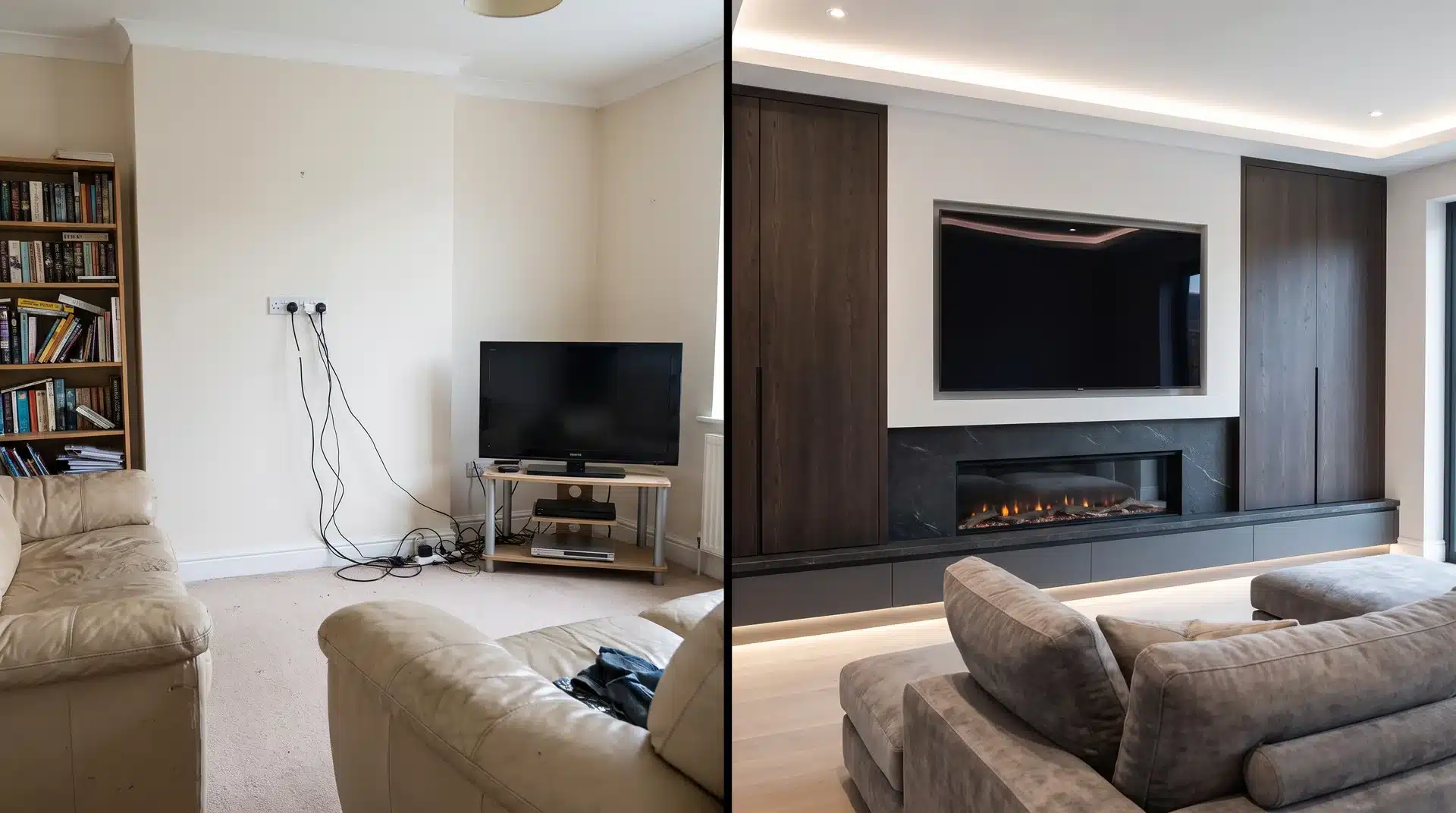
You finally sit down after a long day. The TV is mounted on a bare wall, with cables trailing down the side and a mismatched unit sitting below it.
It works, but it doesn’t feel special. Now think about that same wall replaced with a sleek, built-in media setup.
Everything is fitted, clean, and intentional.
That is what a media wall does to a room. But here is what most homeowners actually want to know: Does it add real value to your property when it is time to sell?
In this blog, we will talk about what the numbers look like, what buyers and agents think, and whether a media wall is worth the investment for your home.
What is a Media Wall?
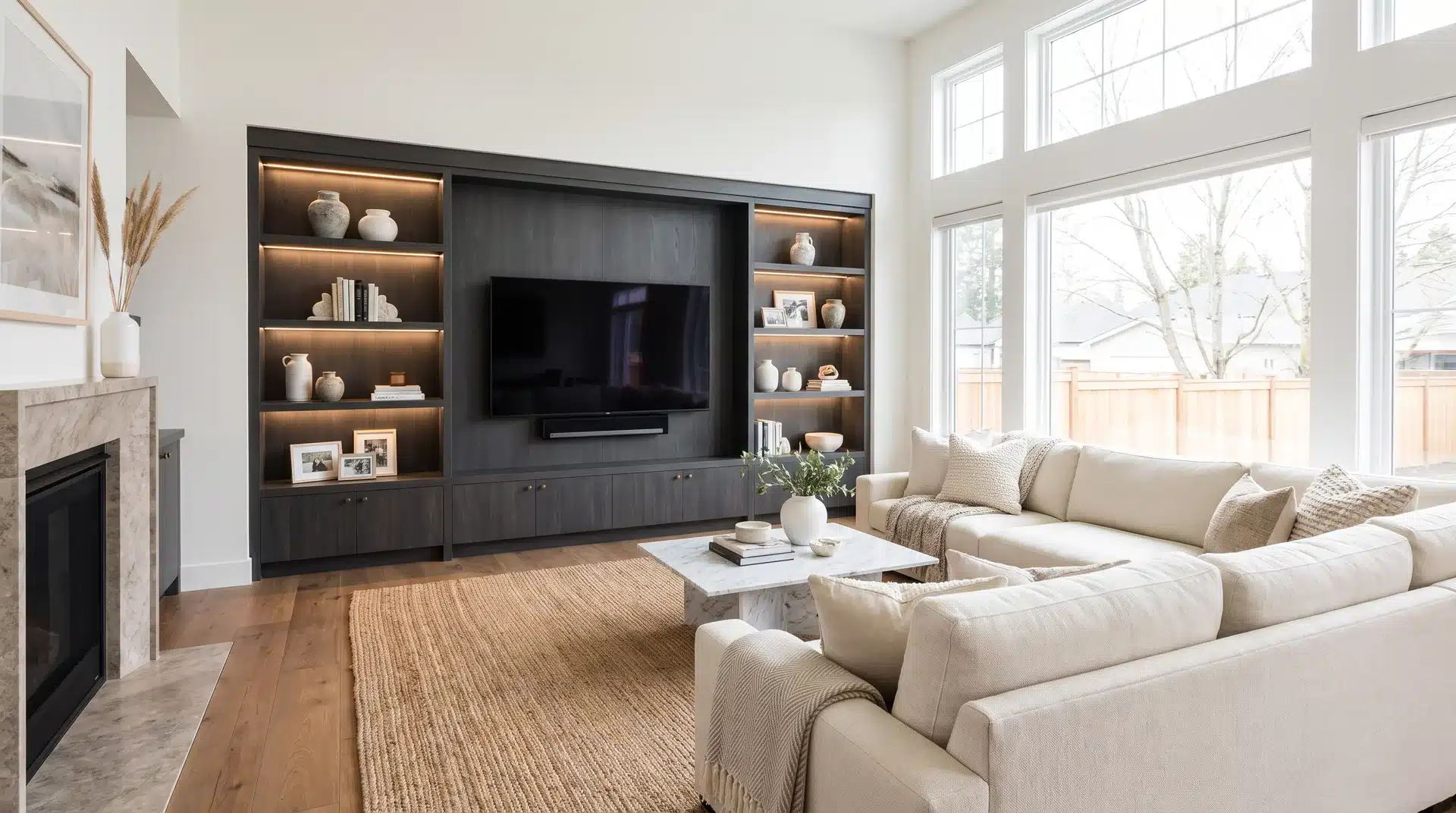
A media wall is more than a TV mounted on a wall. It is a fully built-in unit designed to house your entire entertainment setup in one structured, fitted space. Done right, it becomes the focal point of the room.
A media wall typically includes a flat-screen TV, a sound system, shelving, and storage units. Many setups also include an electric fireplace panel beneath the screen.
The whole thing is built into or against a single wall. It gives the room a clean, fitted look with no loose wires or mismatched furniture.
Some versions include LED lighting strips along the frame, which add visual depth at night. The main appeal is organization.
Everything sits in one place. No tangled cables. No separate TV unit taking up floor space. The wall does the work, and the room feels more open because of it.
Does a Media Wall Add Value to Your Home?
Adding a media wall can work in your favor when selling. But it is not a guaranteed value booster. Context matters a great deal here.
1. The Case for a Higher Asking Price
In my design consultations, I’ve watched buyers walk into a room with a fitted media wall and visibly relax.
They see less work ahead of them, and that changes how they feel about the whole house.
A high-quality media wall signals that the space has been thoughtfully put together. That said, the increase in market value is not always equal to what you spent.
A custom-built unit in the $3,500 range is more likely to influence how fast the home sells and how it photographs than to show up as a specific dollar amount on an appraisal
In high-demand areas where buyers expect polished finishes, it can tip the scales. In quieter markets, buyers may feel more neutral about it.
2. How Media Walls Influence Buyer Decisions
Modern buyers want homes that feel move-in ready. A media wall fits that expectation. It removes the need for buyers to source, buy, and install their own entertainment setup.
They walk in, see the wall, and the room already makes sense.
The look matters too. A clean, fitted wall with no clutter reads as modern and well-maintained.
For buyers in the 25-45 age range, that is a strong draw. It says the previous owner cared about the space.
3. What Return Can You Expect From a Media Wall?
You are unlikely to get back every dollar you put into a media wall. That is true of most home improvements. But a media wall can speed up the sales process.
A home that photographs well sells faster. A fitted media wall reads beautifully in listing photos. It gives the room a clear purpose and makes the space look larger and more considered.
Here is a rough cost breakdown by build type. The “value added” column below is a working estimate, not a figure from an appraisal study, since no industry body currently tracks media walls as their own resale category:
| Build Type | Average Cost | Estimated Value Added |
|---|---|---|
| Basic flat-pack | $600 to $1,000 | $300 to $600 |
| Mid-range with fitting | $1,800 to $3,500 | $1,200 to $2,000 |
| Full custom with fireplace | $5,000 to $9,000 | $2,500 to $4,500 |
The key factor is quality. A cheap flat-pack unit that has started to bow or warp will do more harm than good.
A solid, custom-fitted wall that looks built to last is the version that adds value. Buyers notice the difference.
4. How Real Estate Agents View Media Walls
Most agents agree that a media wall helps a home stand out in a competitive market. It is not a feature that, on its own, dramatically raises the asking price, but it does make the listing more attractive.
Homes with well-designed living spaces tend to receive more viewing requests and spend fewer days on the market.
A media wall contributes to the overall impression of a well-cared-for home.
Once the wall is built, it becomes a fixture. It stays with the house when you sell, the same way built-in cabinetry does, so it pays to build it in a style that will suit the next owner too.
How a Media Wall is Installed
Installation varies by design. A basic media wall uses flat-pack units fixed to the wall with the TV mounted in the center.
A more complex version is fully custom-built by a joiner or carpenter.
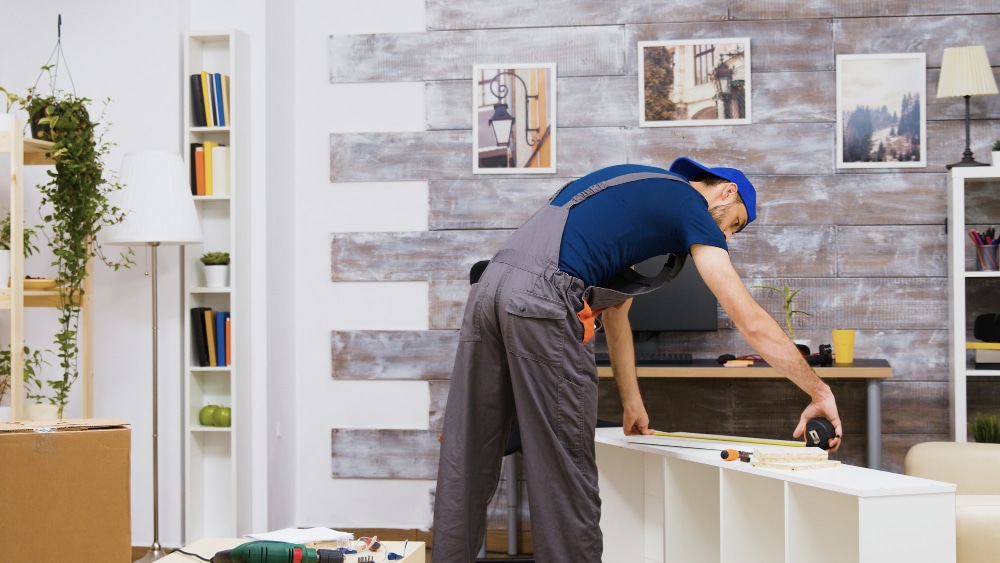
This involves measuring the wall, cutting panels, fitting them flush to the ceiling and floor, and running cables through the wall cavity.
If you’re handy and want to try building the frame yourself, our DIY media wall build guide walks through the costs, steps, and the mistakes that trip people up most.
Most installations also require an electrician to handle the wiring. If a fireplace is included, a licensed contractor may also be needed.
The process can take from one day to a full week, depending on the complexity of the build.
Things to Consider Before Installing a Media Wall
A media wall is a real commitment. Before you go ahead, there are a few practical things worth thinking through carefully.
1. Does Your Room Have the Space?
A media wall works best in rooms with enough depth for the viewer to sit back comfortably. For a 65-inch screen, the general guideline is a viewing distance of at least 8 to 10 feet.
If the room is small, a large media wall can feel overwhelming. It may also block natural light if placed on the wrong wall.
The ideal setup is in a room where the wall opposite the main seating area is free, clear, and wide enough to accommodate the unit.
A standard living room works well. Narrow rooms or rooms with multiple door openings on the same wall make things tricky.
2. Will it Suit the Rest of Your Home?
A media wall that clashes with the rest of the room will not add value. It will just look out of place. Before you build, look at the existing colors, materials, and style of the room.
A sleek white unit works in a minimal space. A dark wood finish suits a warmer, more traditional room. The best media walls feel like they belong.
Neutral finishes protect resale value, since bold personalized colors can read as extra work to a buyer with different taste.
If you are planning to redecorate anyway, a media wall is a good time to reset the room’s look from the ground up.
For finish and layout ideas that hold up over time, our media wall ideas guide has real examples across different home styles.
How Much Should You Budget?
| Media Wall Type | Estimated Cost |
|---|---|
| Basic DIY-Friendly Flat-Pack Media Wall | $600–$1,000 |
| Mid-Range Media Wall with Professional Fitting | $1,800–$3,500 |
| Fully Custom-Built Media Wall with Fireplace, LED Panels & Integrated Sound | $5,000–$9,000+ |
What are Budget-Friendly Media Wall Options
You can create a media wall-inspired look without investing in a full custom build. These alternatives add storage, texture, and a more finished appearance while keeping costs lower.
1. Modular TV Units
Modular shelving systems can create a built-in media wall effect without major construction. Options like the IKEA BESTÅ TV unit can be arranged around a mounted TV to add storage and display space.
Basic setups usually cost around $100 to $500+, depending on the number of cabinets, shelves, and accessories added.
2. Peel-and-Stick Wall Panels
Peel-and-stick panels are an easy way to add texture behind a TV without permanent changes.
Options from Home Depot include wood-look and decorative panels that typically cost around $50 to $300+, depending on size and material.
3. Wood Slat Wall Panels
Wood slat panels create a modern backdrop that makes a simple TV setup feel more custom.
Products from Lowe’s are available in various styles and finishes, with prices generally ranging from $100 to $500+ depending on the panel type and coverage area.
Adding cable management, floating shelves, and matching decor can help these budget options achieve a more polished media-wall look.
Mistakes That Can Ruin a Media Wall Design
Even a well-intentioned media wall can go wrong. Here are a few pitfalls that homeowners run into:
- Mounting the TV too high, which causes neck strain during viewing
- Choosing a unit that is too wide for the wall makes the room feel boxed in
- Skipping professional cable management, which leaves visible wires behind
- Picking a finish that dates quickly, like high-gloss white in a period-style home
- Forgetting to account for ventilation around the TV and any integrated fireplace
Getting these details right from the start saves money and prevents the buyer’s hesitation that comes from a rushed setup.
Conclusion
A media wall can add great value to your home, but only when it is done well and suits the space it sits in.
A quality build improves how your home photographs, appeals to modern buyers, and makes the living room feel complete and move-in ready.
The return on investment is rarely one-to-one, but the speed and ease of sale can more than make up for it.
Avoid common installation mistakes, match the build to your room’s style, and set a budget that leaves room for quality.
If your home has the right setup for it, a media wall is one of the smarter living room upgrades you can make.
Have you installed one, or are you still weighing it up? Share your thoughts in the comments below.
Frequently Asked Questions
What are the Disadvantages of Media Walls?
They can be expensive, limit flexibility for future layout changes, require quick adaptation to tech trends, and overwhelm smaller spaces if not proportionately designed.
Are Accent Walls Outdated in 2026?
Not entirely, but bold, single-color accent walls are less popular. Subtle textures, paneling, and cohesive color schemes are now preferred for a more modern look.
What Makes a Home Look Outdated?
Outdated homes often feature outdated color palettes, bulky furniture, poor lighting, visible clutter, and dated materials such as heavy drapes, glossy finishes, or mismatched design styles.