
Starting a garden sounds exciting until you are standing in a garden centre, staring at dozens of seed packets with no idea where to begin.
Most beginners pick the wrong vegetables first. They struggle, nothing grows, and they give up before the fun part even starts.
Growing vegetables is far simpler than most people think. Pick the right ones, and they do most of the work on their own. You do not need experience, a large garden, or expensive tools.
This post covers the best easy vegetables to grow for beginners. Each one forgives mistakes, produces real food, and builds confidence that keeps you gardening season after season.
Why Are Some Vegetables Easier to Grow?
Not every vegetable asks the same thing from you. Some grow fast, handle dry spells, and produce well even in poor soil. Others need perfect timing and daily care. Three things make a vegetable easy: it grows fast, it forgives mistakes, and it works in most UK climates without special attention.
Three Useful Groups to Know:
| Vegetable Group | Difficulty Level | Growing Characteristics | Best For |
|---|---|---|---|
| Leafy Greens | Easiest | Grow quickly, need less space, and are beginner-friendly. Wide varieties can grow well in containers. | Small gardens, pots, and first-time gardeners |
| Root Vegetables | Moderate | Take longer to mature but need less daily attention once established. Grow below the soil surface. | Garden beds with loose, well-drained soil |
| Fruiting Crops | Most Challenging | Need more time, sunlight, nutrients, and regular care to produce harvests. | Larger garden spaces with room for support structures |
18 Easy Vegetables to Grow That Give You a Real Harvest
Each pick below grows well across most US climates, forgives beginner errors, and produces something you can actually eat. They are grouped by how fast they reward you.
Fast Growers: Harvest in Weeks
Plant these in early spring or fall. They are ready before most people have even prepared their garden beds.
1. Radishes
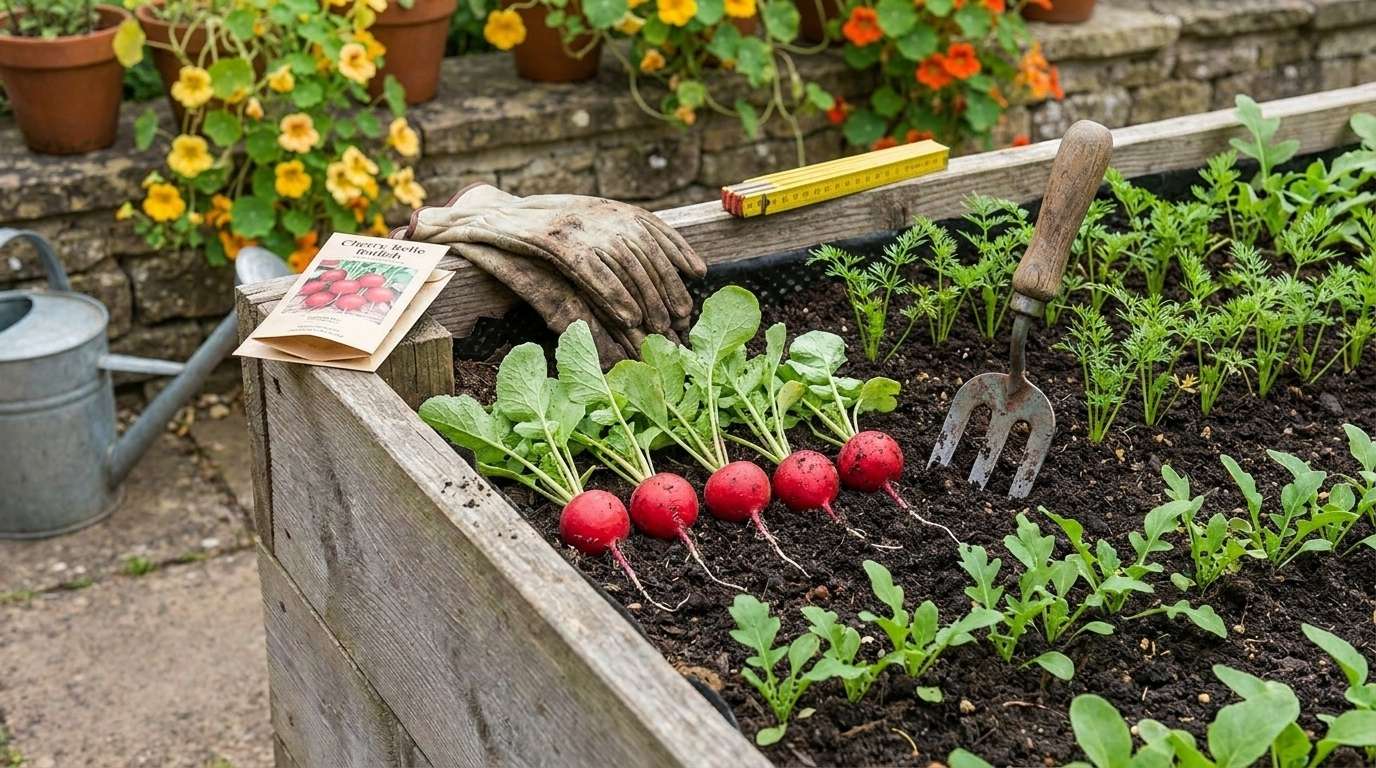
These are the fastest vegetables you can grow. Pull them in 24-30 days. Sow new seeds every two weeks, and you will always have some ready. They also loosen soil for slower-growing crops planted nearby.
2. Lettuce
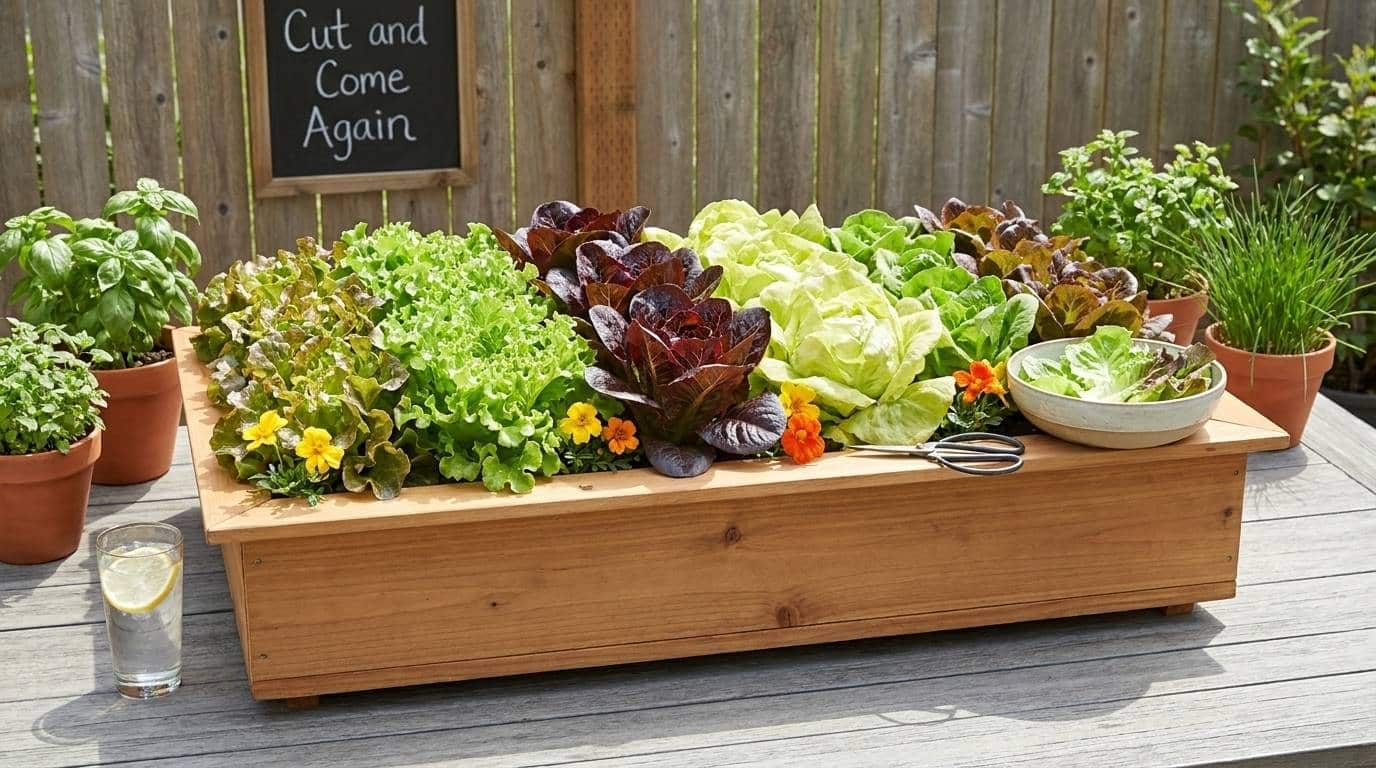
Lettuce is ready in about 30 days. Cut the outer leaves and the plant keeps growing back. It handles partial shade better than most vegetables, so spots with only four hours of sun work fine.
3. Arugula
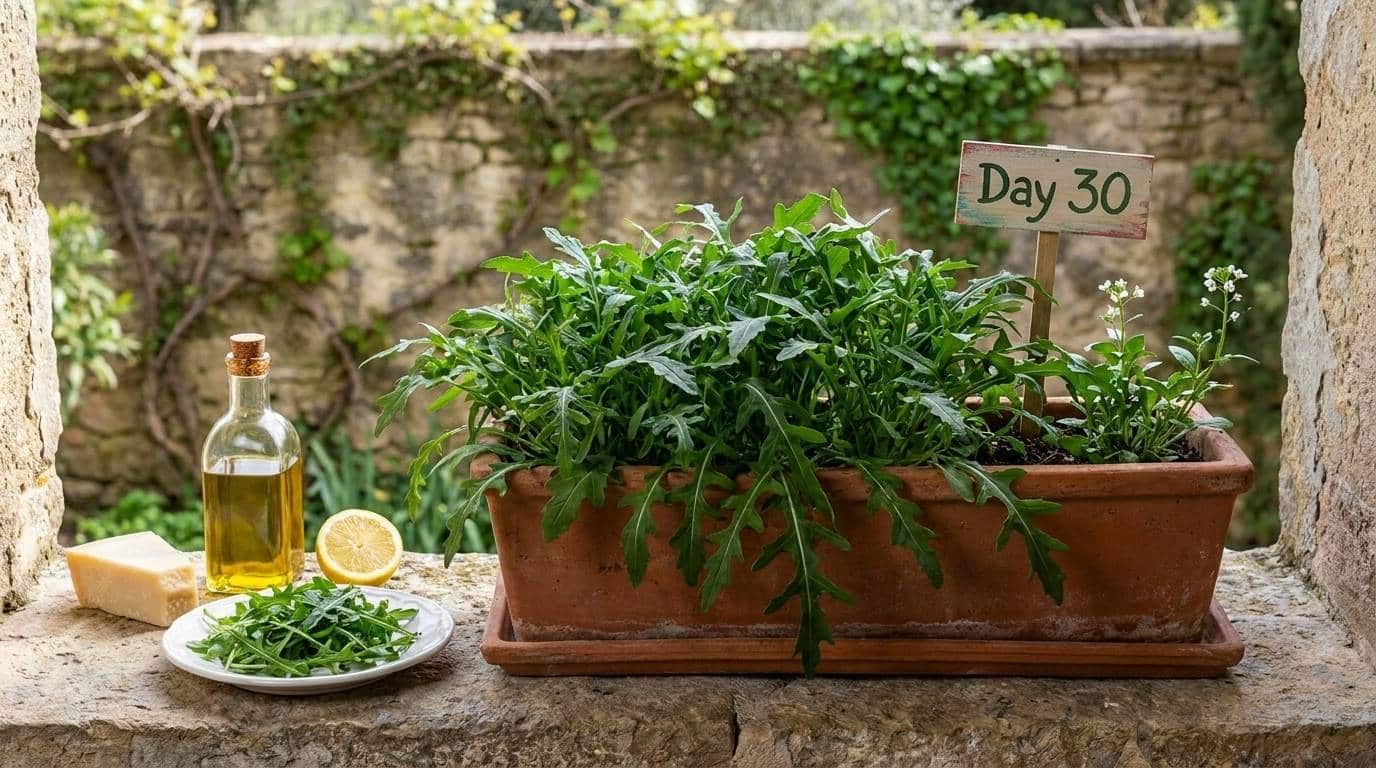
They need almost no attention. Scatter seeds on bare soil, water once, and harvest in 30 days. Cut before flowers appear, and it will grow back twice as much from the same plant.
4. Spinach
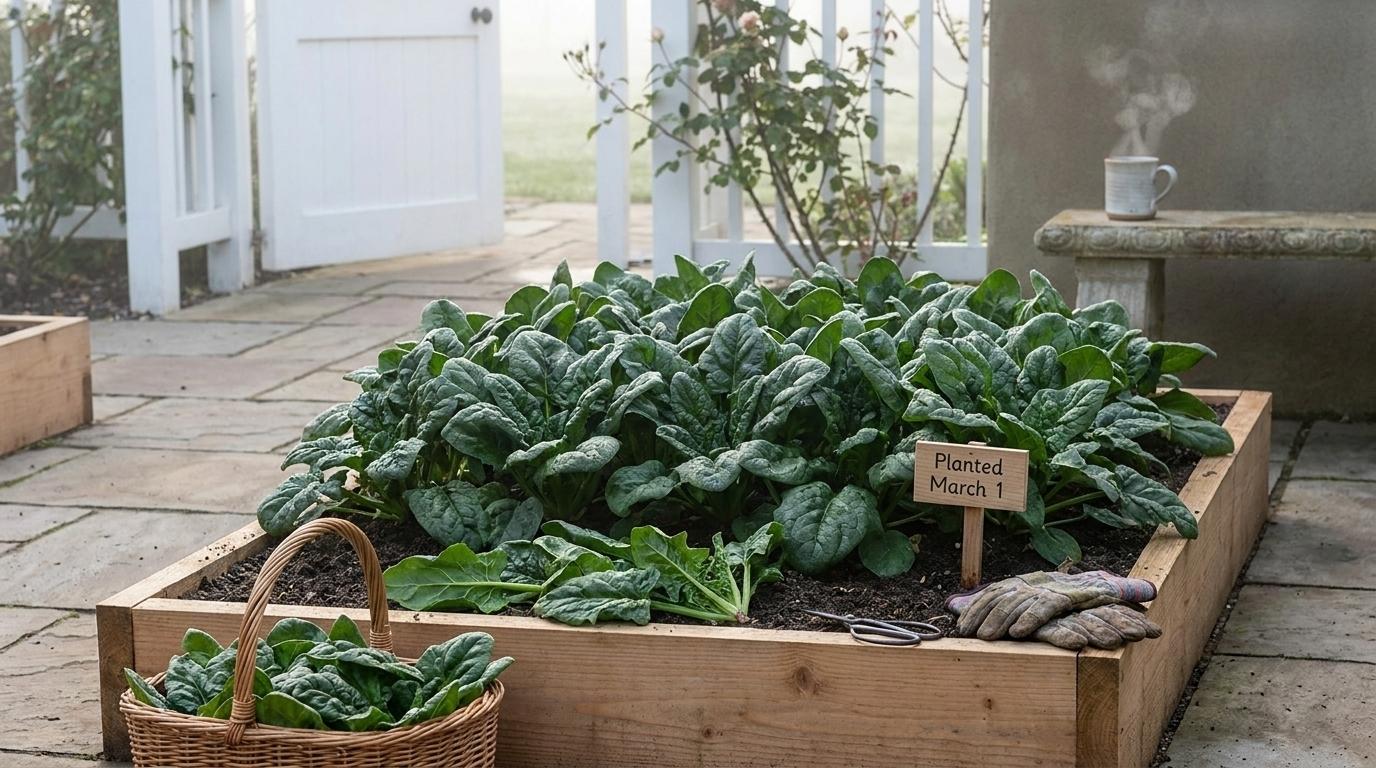
They grow fast in cool weather. It tolerates a light frost and is one of the first crops you can plant in spring. Pick it before summer heat arrives, or it will bolt and turn bitter.
Steady Producers: Big Harvests Over Several Weeks
These warm-season crops take longer but keep producing for weeks once they start. Plant them after your last frost date.
5. Cherry tomatoes
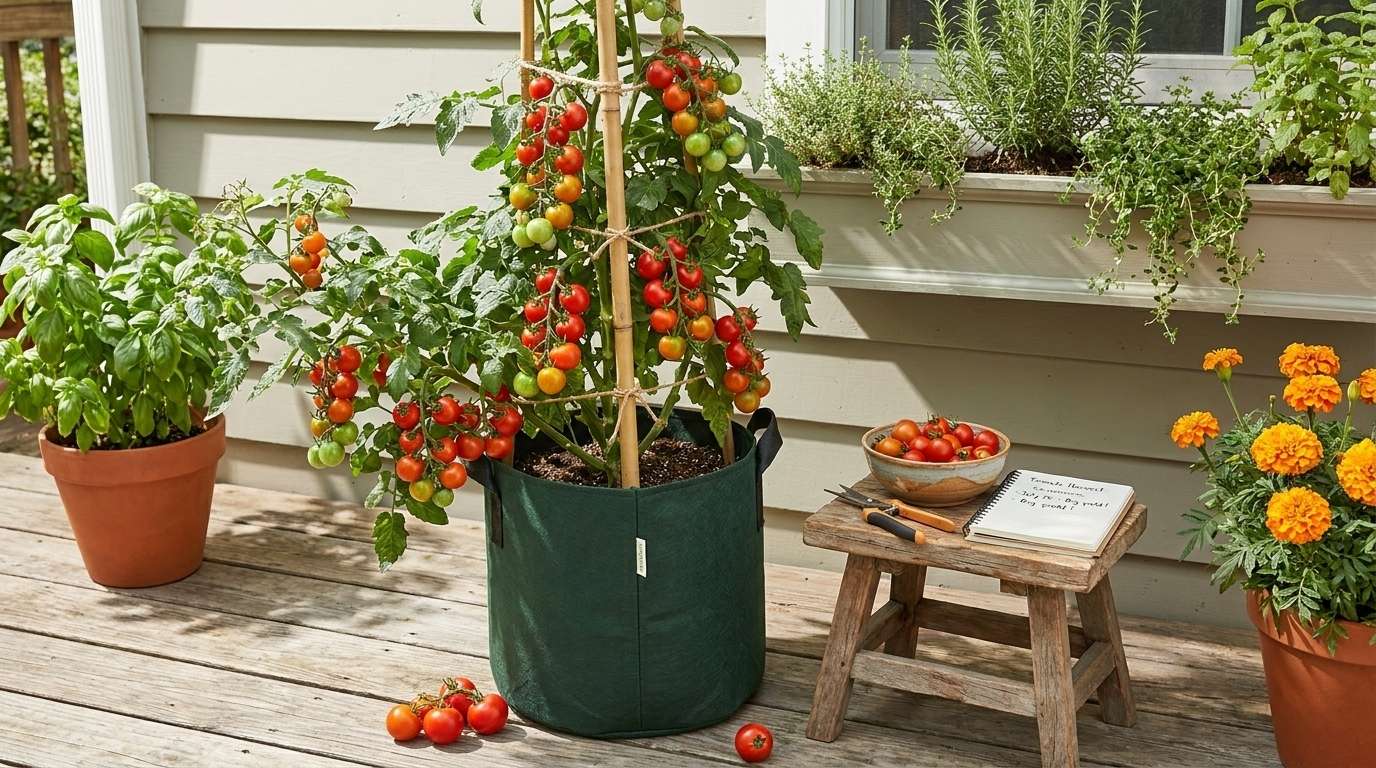
These are the beginner picks over larger tomatoes. They ripen faster, resist disease better, and produce even when watering is uneven.
Sungold and Sweet 100 are both reliable. Use a pot of at least 5 gallons or plant in a garden bed with a cage.
6. Zucchini
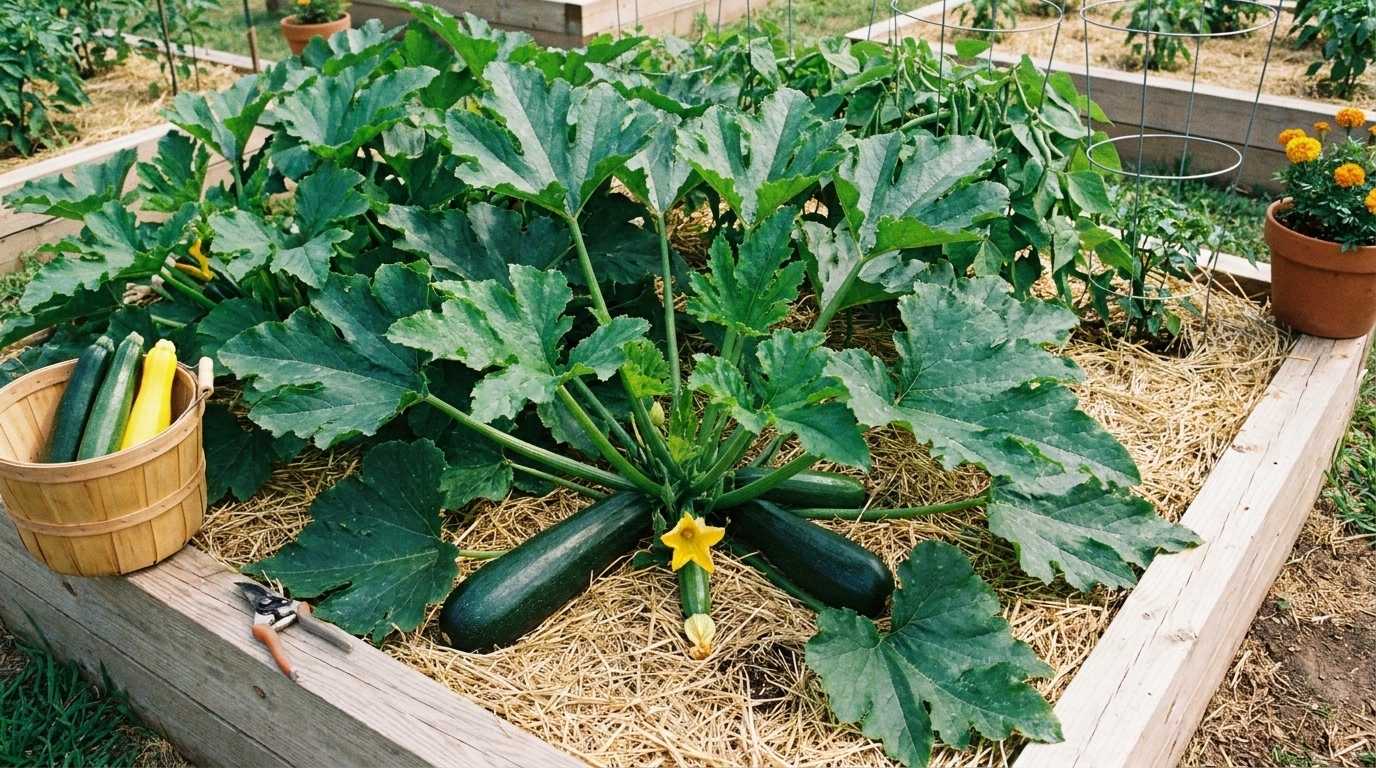
These produce more than most families can use from just one or two plants. Sow seeds directly after the last frost. The only rule: pick often.
Fruit left on the plant too long turns tough, and the plant stops producing new ones.
7. Bush green beans
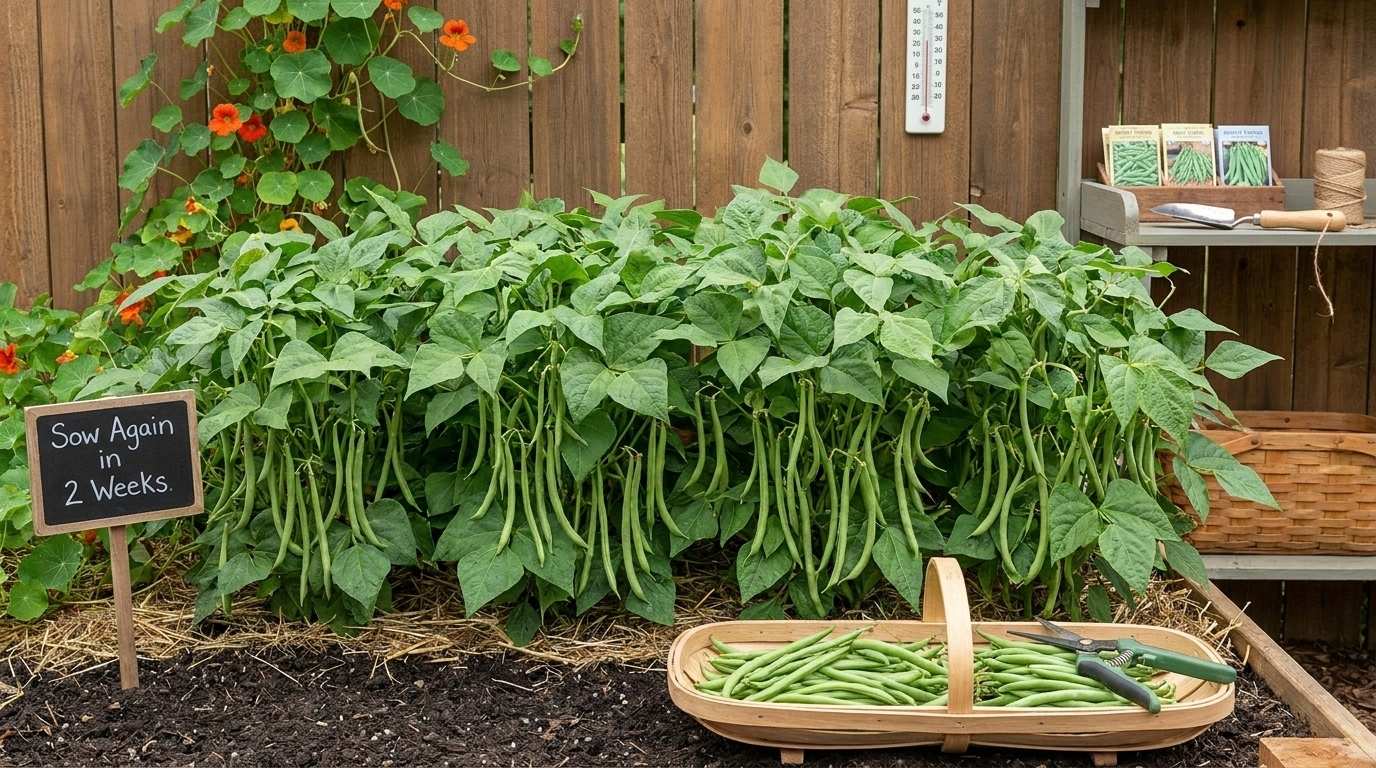
They need no support or trellis. Seeds are large and easy to plant. Sow every two weeks from late May through June for harvests that stretch into September.
Pick pods regularly, or the plant thinks its job is done and stops making more.
8. Cucumbers
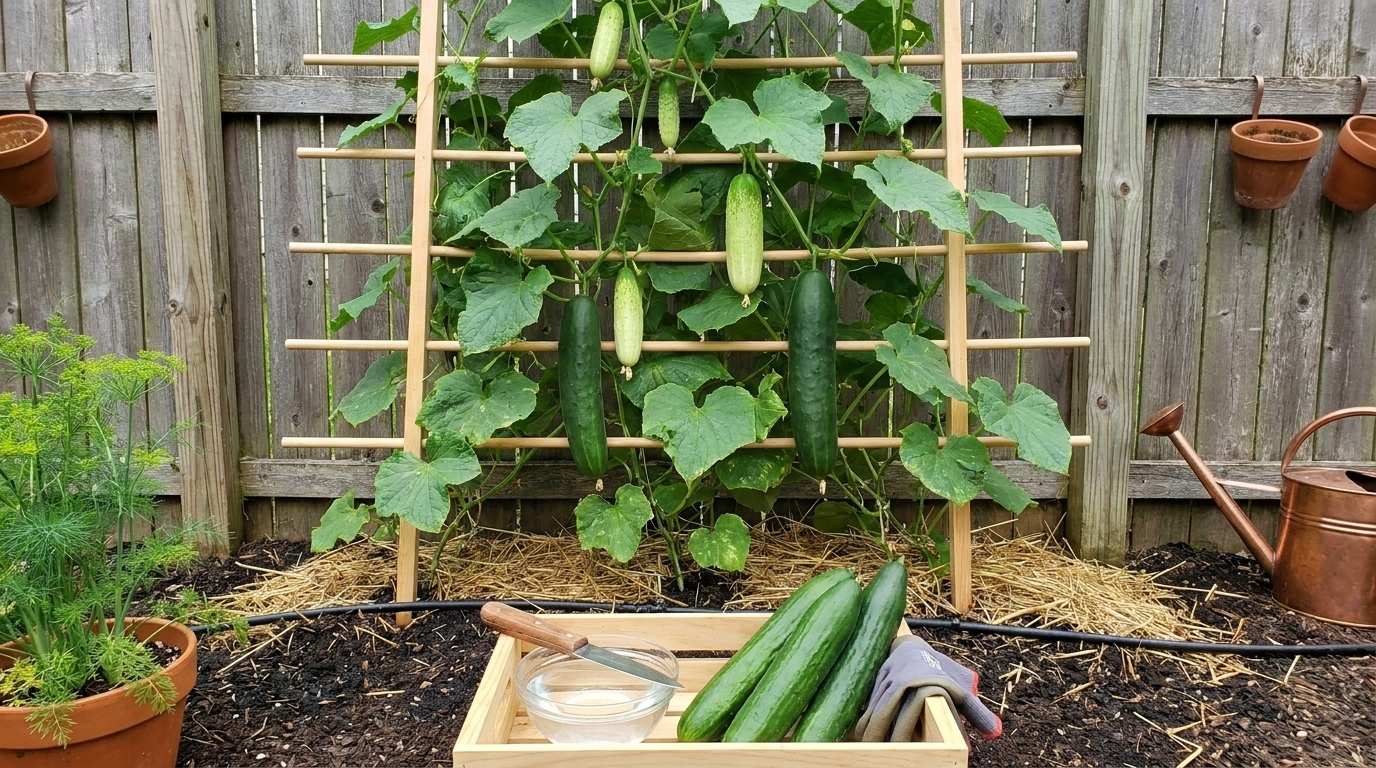
They need warm soil and something to climb. A simple stick or fence works.
Training them upward improves airflow and reduces the mildew that beginners often blame on watering. Pick at six to eight inches for the best taste.
Root and Bulb Crops: Low Effort, Underground Reward
Plant these and mostly leave them alone. They grow quietly and deliver at harvest time.
8. Beets
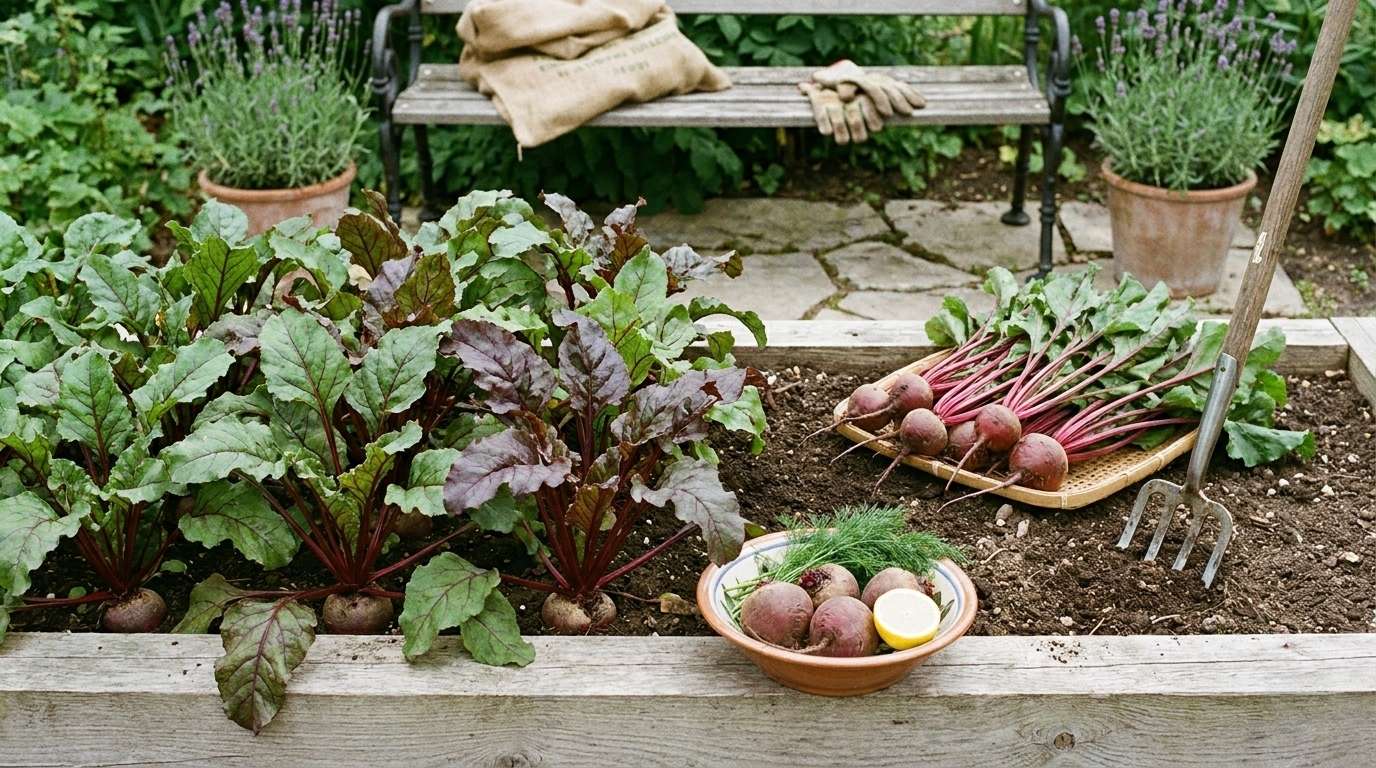
They give you two things: edible roots and edible leaves. The greens can be used like spinach. Beets grow in slightly rocky soil where carrots would fail.
Plant in spring and again in late summer for two separate harvests.
9. Carrots
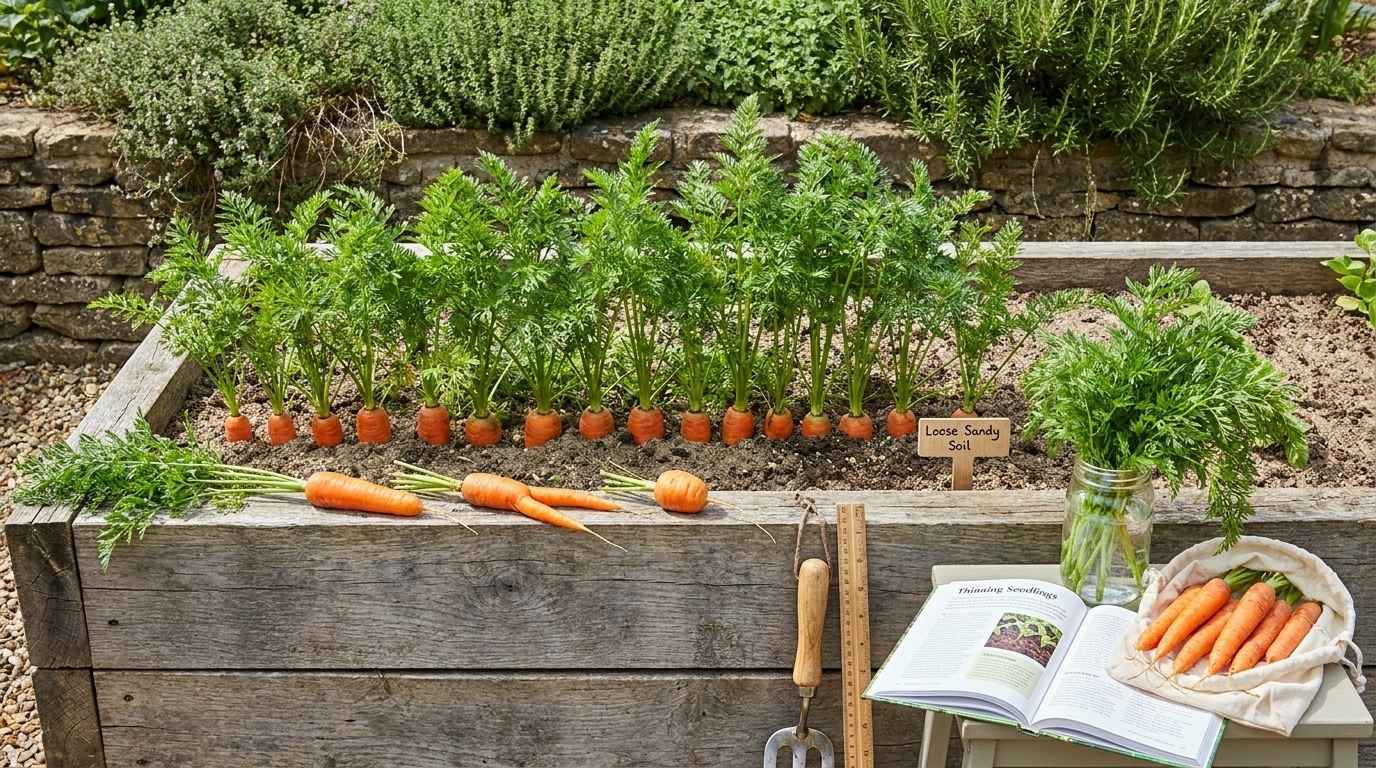
They need one thing: loose soil. Hard or rocky soil gives you short, forked roots. Use short varieties like Chantenay in containers or raised beds.
Thin seedlings to two inches apart, or the roots crowd each other and stay small.
10. Garlic
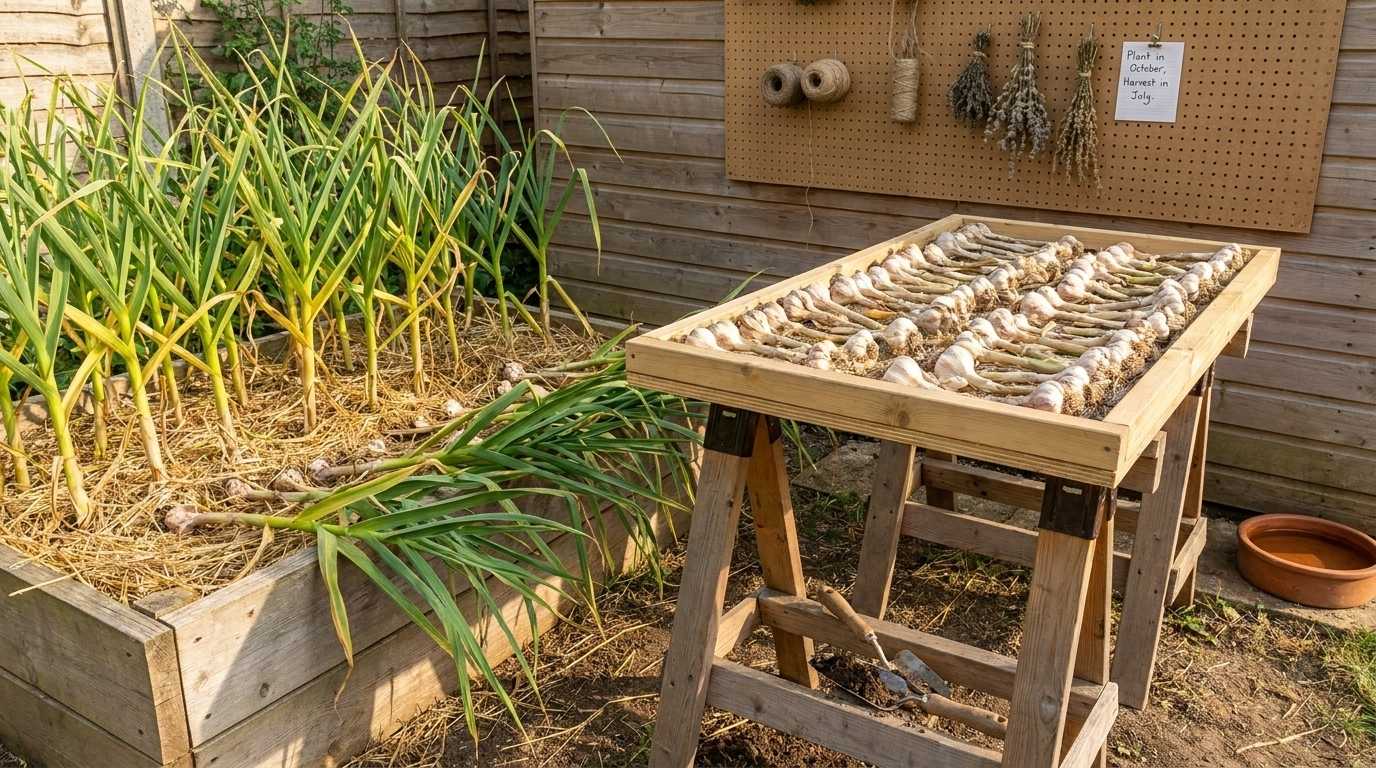
is the lowest-effort crop on this list. Plant cloves in the fall, add a layer of mulch, and dig up the bulbs the following summer.
Almost nothing can go wrong between planting and harvest. It stores well for months after picking.
Two Crops Most Beginner Lists Skip
11. Kale
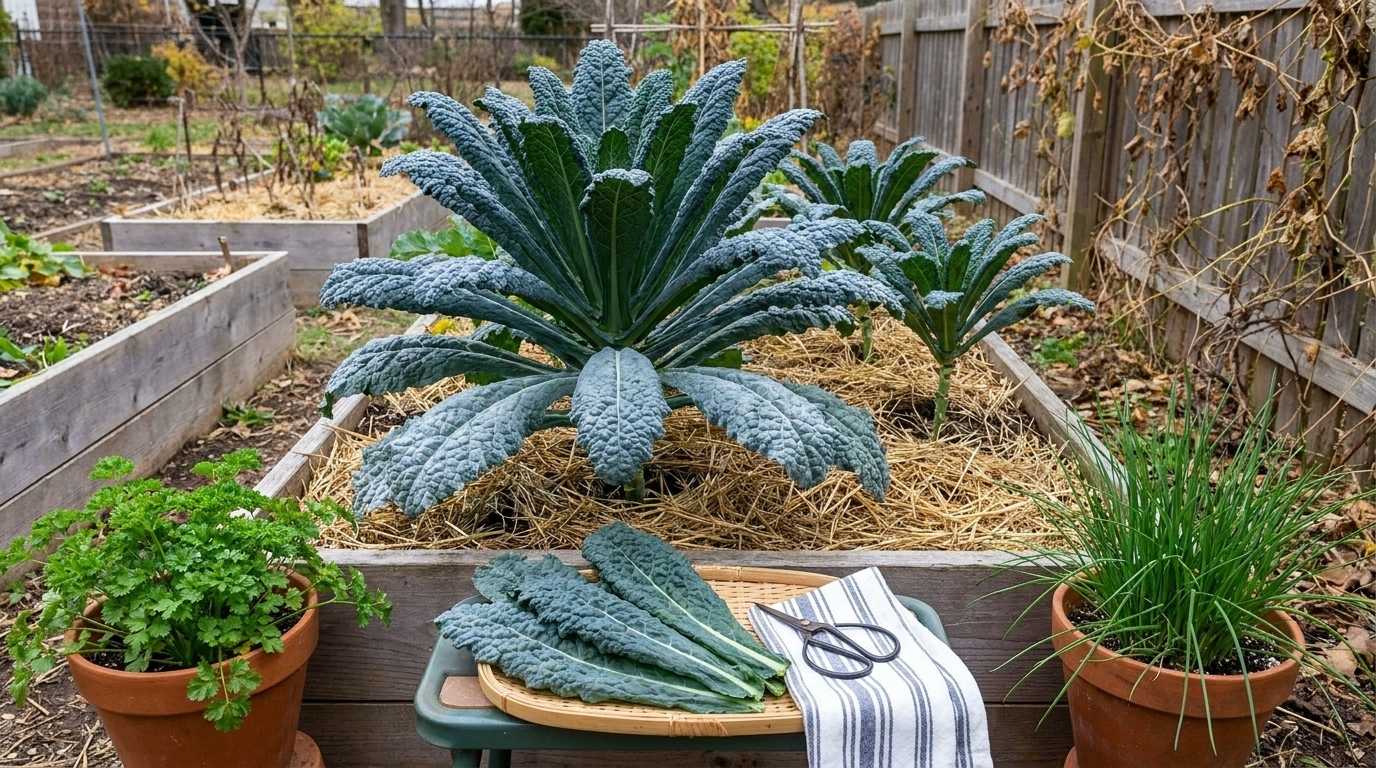
They grow from early spring through the first hard frost without stopping. Pick outer leaves as they grow, and new ones keep coming from the center.
Cold weather actually improves the flavor, so fall harvests taste better than summer ones. It works in containers and asks very little from you.
12. Snap peas
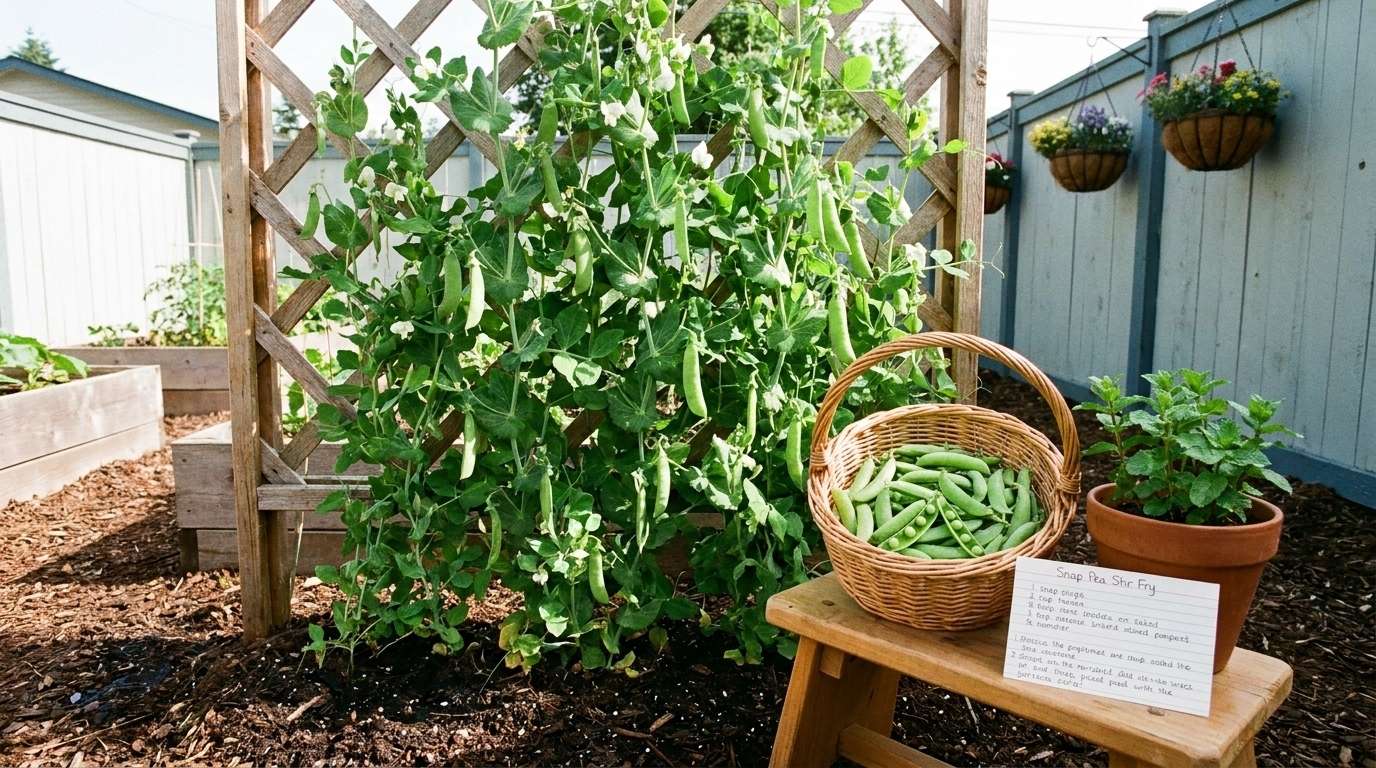
Go in before the last frost, which makes them one of the earliest crops to plant. They climb a simple stake or wire.
Pods are ready fast and taste best when eaten straight from the vine. Let pods stay too long, and they go hard, so check every two days once they start forming.
More Easy Vegetables to Grow That Most Beginners Never Try
These vegetables do not appear on most beginner lists, but experienced gardeners grow them every season because they are reliable, low-maintenance, and worth every bit of garden space they take up.
14. Bok Choy
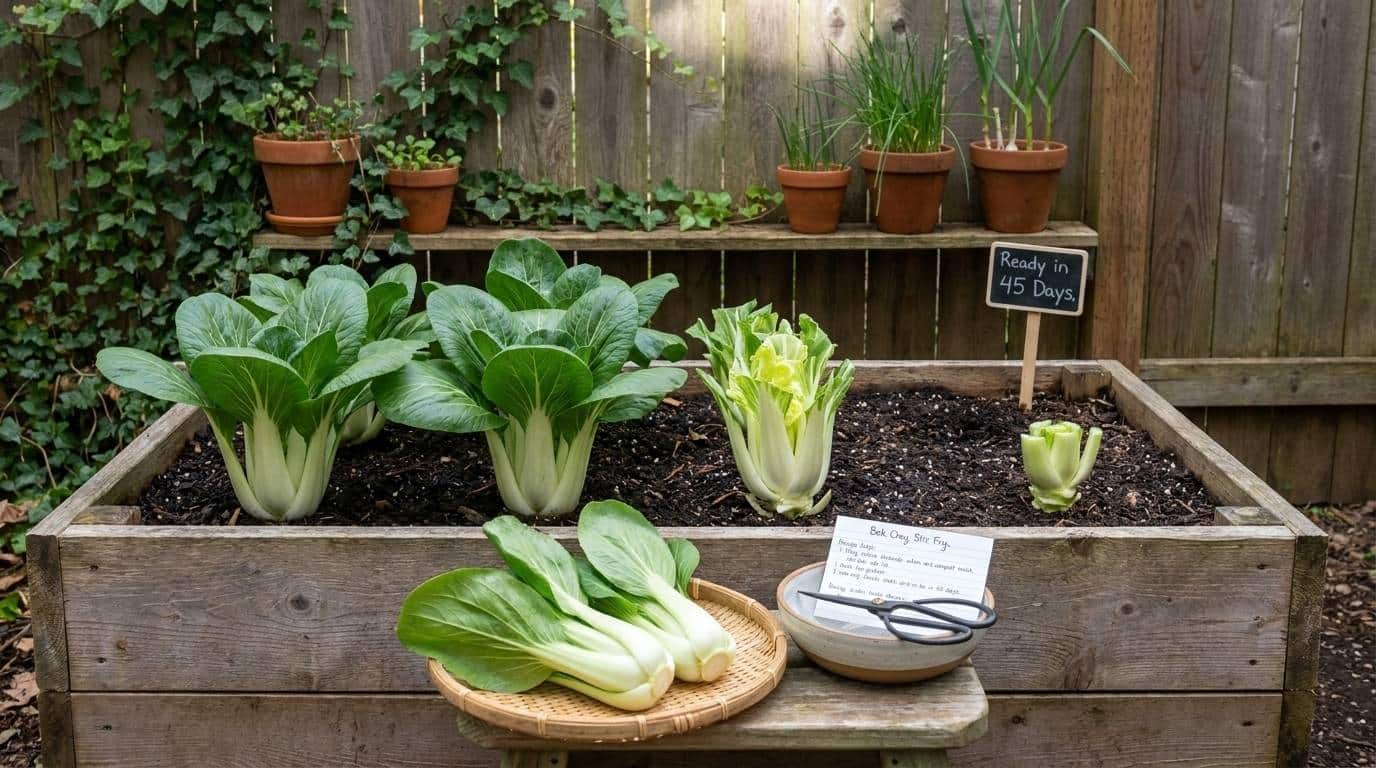
Bok choy is one of the fastest cool-season crops most beginner gardeners have never tried. Seeds go directly into soil or a container, and plants are ready to harvest in 45 to 50 days.
It handles partial shade well, which makes it useful for spots where other vegetables struggle. Harvest the whole plant at once by cutting at the base, or pull outer leaves as it grows.
It bolts quickly in summer heat, so treat it strictly as a spring or fall crop. One short row gives you several harvests, and the mild flavor works in stir-fries, soups, and salads equally well.
15. Tomatillos
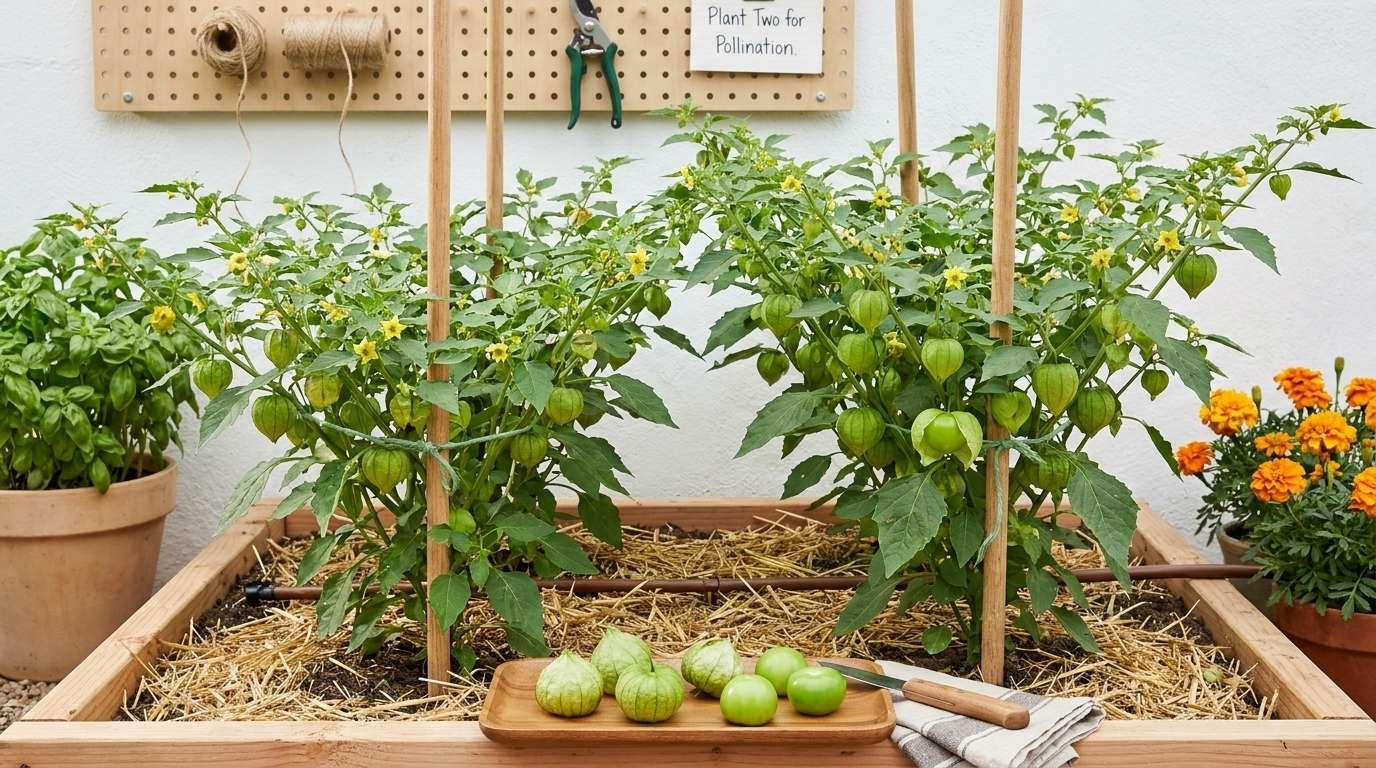
Tomatillos grow almost exactly like tomatoes but with far less fuss. Plant transplants after the last frost in full sun, water consistently, and the plants take care of themselves.
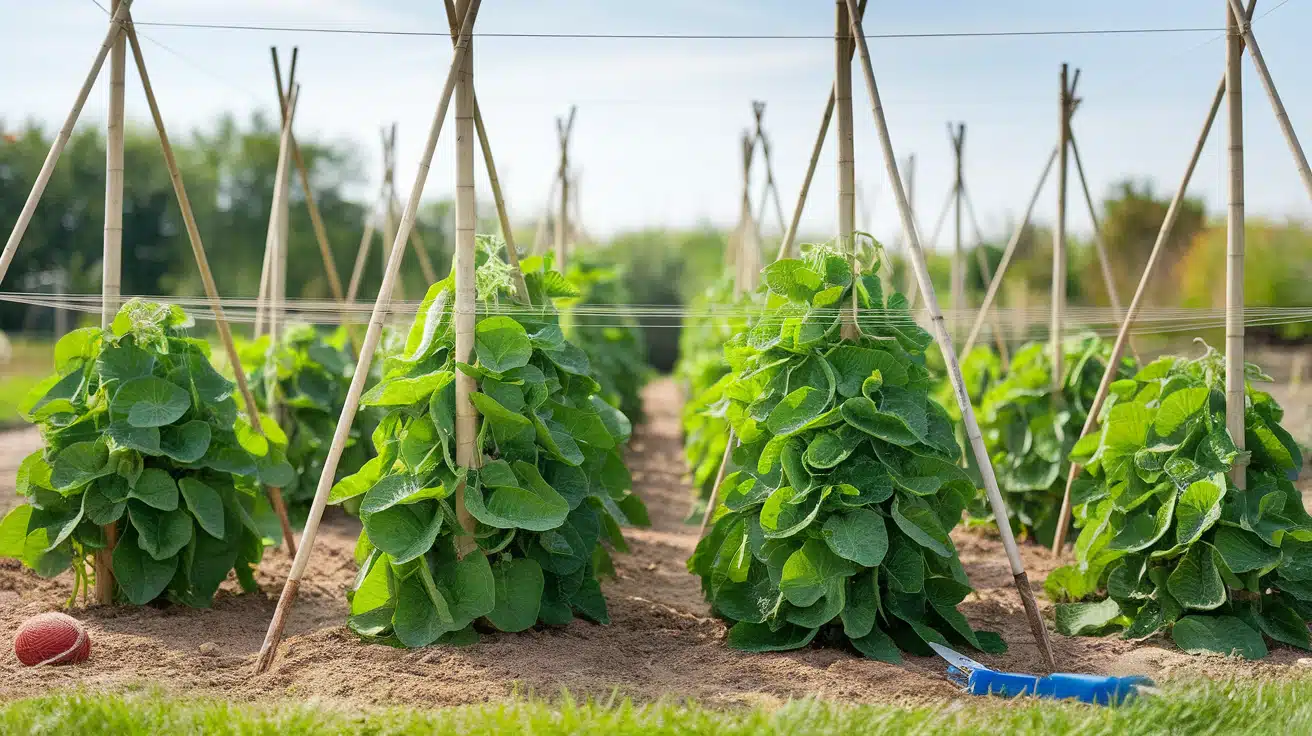
They grow upright and bushy, need basic staking, and produce heavily once they start. The papery husk around each fruit tells you it is ready when the husk splits open; pick it.
16. Collard Greens
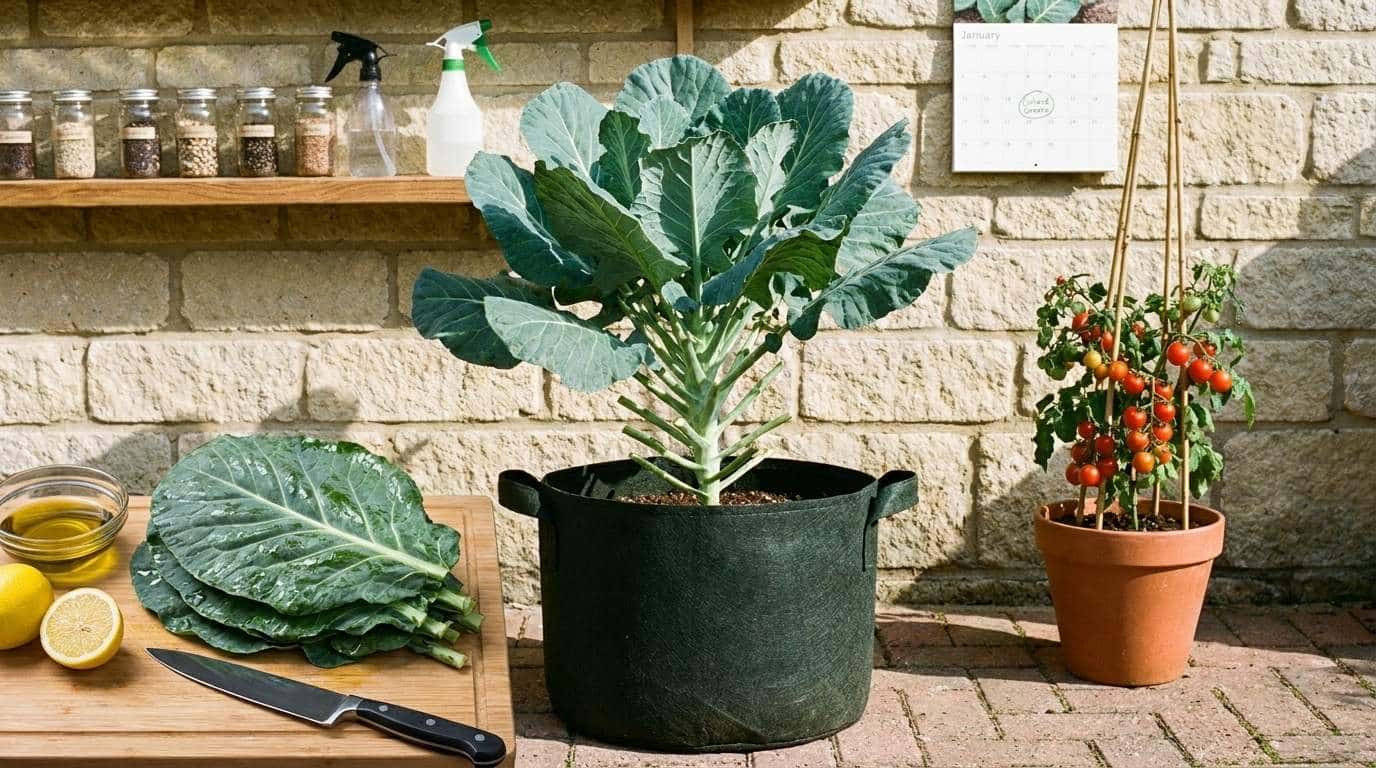
Collard greens are one of the most cold-hardy and heat-tolerant leafy crops available, which means they produce for a longer season than almost anything else in the garden.
Direct-sow or transplant in early spring or late summer. Harvest outer leaves as the plant grows from the bottom up, and it keeps producing from the same stem for months.
Unlike kale, collards do not bolt in summer heat, which makes them a rare year-round producer in mild climates.
17. Sweet Potatoes
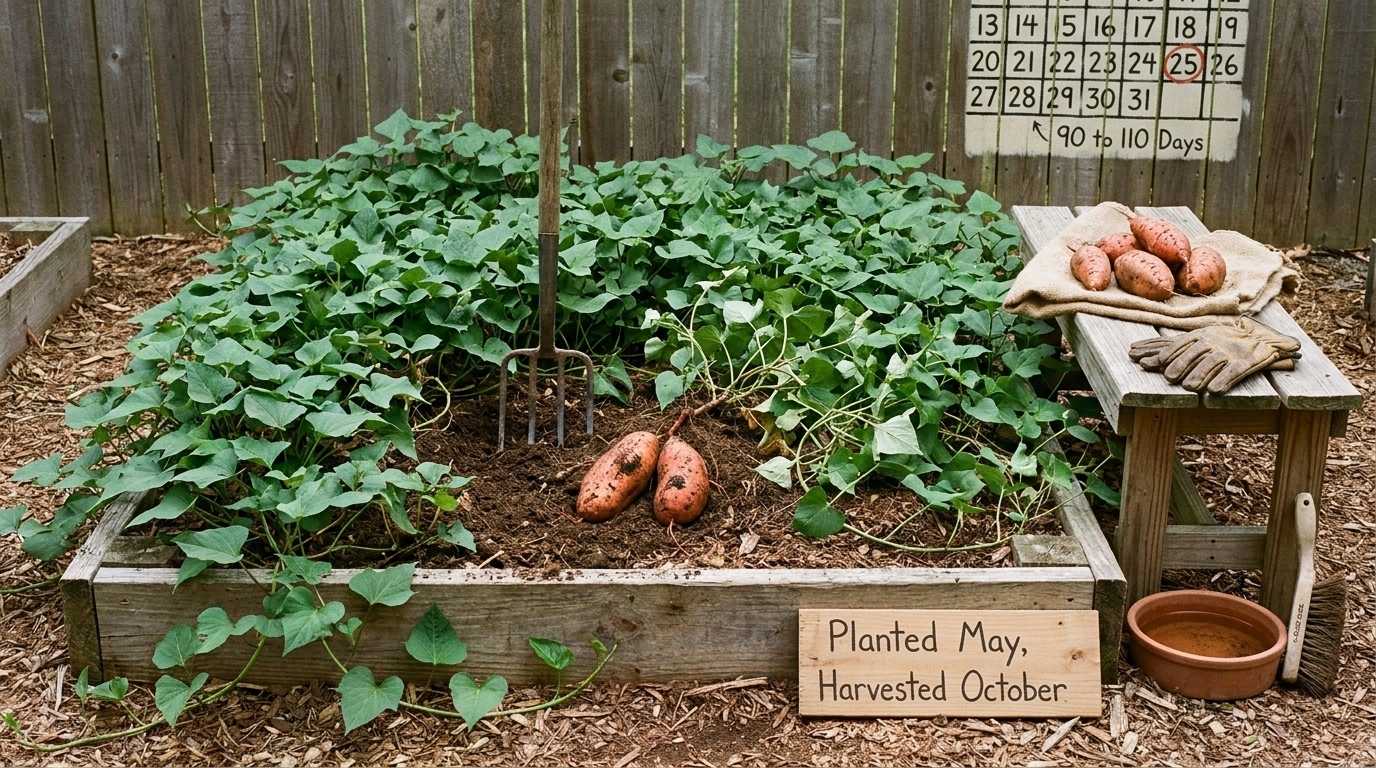 Sweet potatoes are not what most people expect on a beginner list but they deserve a spot. You plant slips rather than seeds, which makes the process simple and reliable. Once planted in warm soil after the last frost, sweet potato vines spread across the ground and need almost no attention. They suppress weeds naturally as they spread, which saves you work. Harvest comes around 90 to 110 days when the leaves start to yellow.
18. Mustard Greens
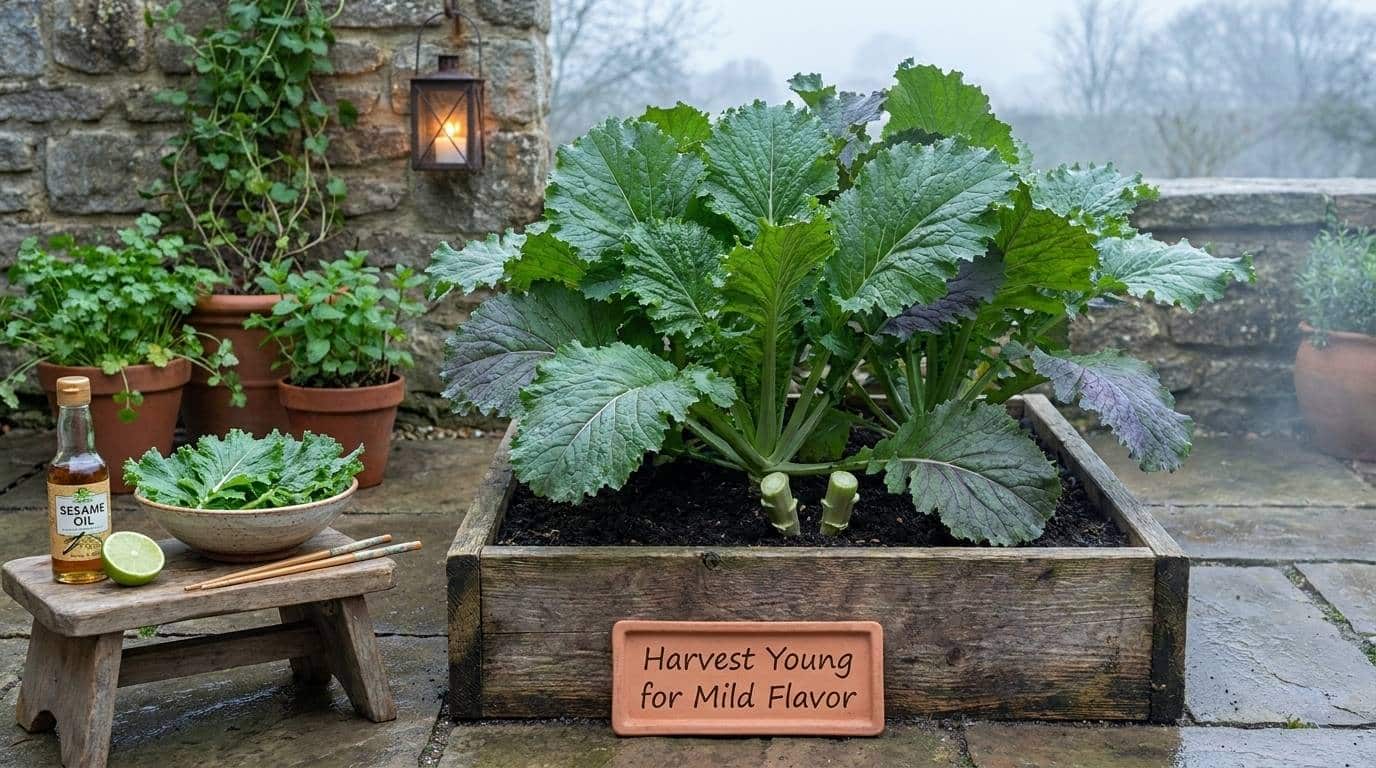
Mustard greens grow fast, tolerate cold, and produce heavily in small spaces. Seeds go directly in the ground or a container in early spring or fall.
Leaves are ready to harvest in about 40 days. Like arugula, mustard greens have a peppery bite that gets stronger as the plant matures, so harvest young leaves for a milder flavor.
Do This Before You Plant Anything
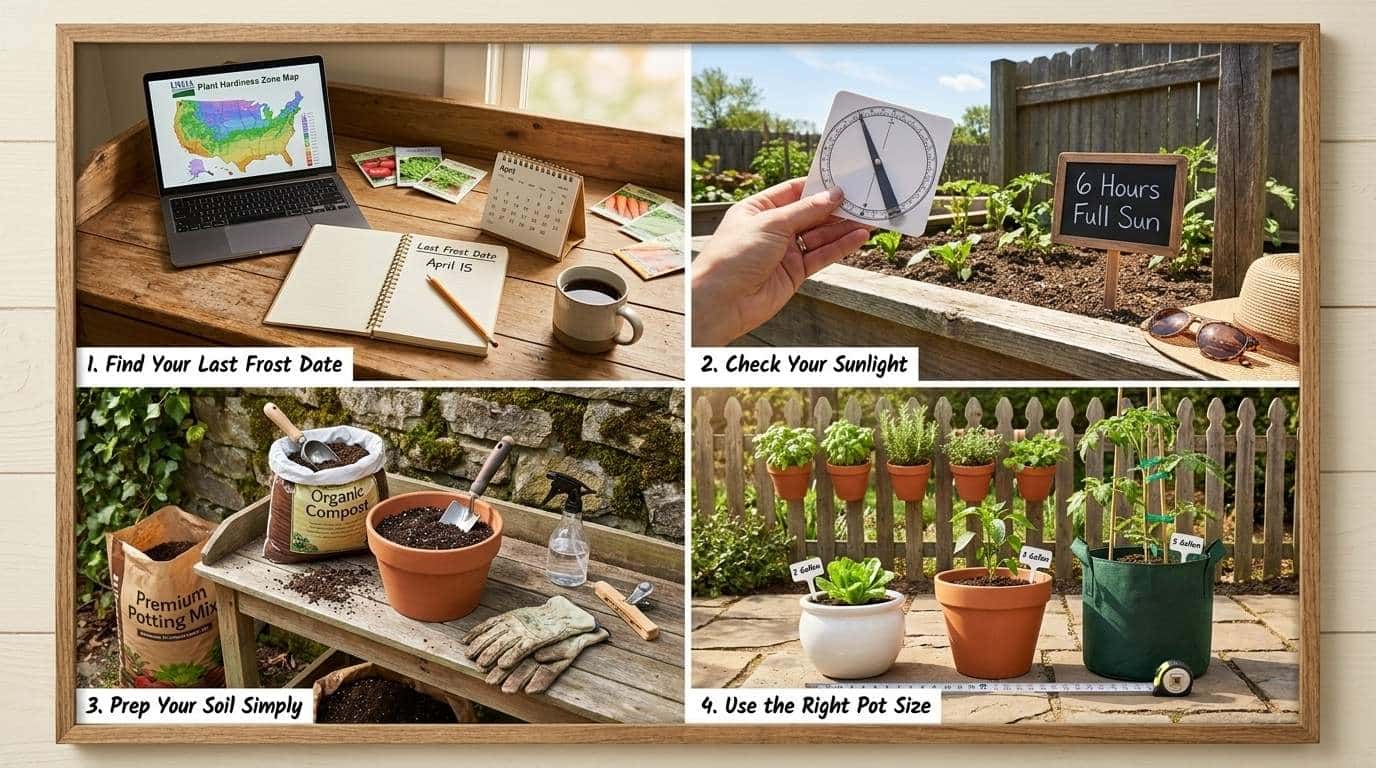
A little prep before planting saves a lot of trouble later. None of this takes long.
1. Know your last frost date: Search your ZIP code on the USDA website. Cool-season crops go in before this date. Warm-season crops go in after. This one number shapes your whole planting schedule.
2. Check your sunlight: Look at your planting spot at noon. Leafy greens need four to six hours of sun. Tomatoes, cucumbers, and beans need six to eight. Planting a fruiting crop in a shady spot is the most common reason first-time gardeners are disappointed.
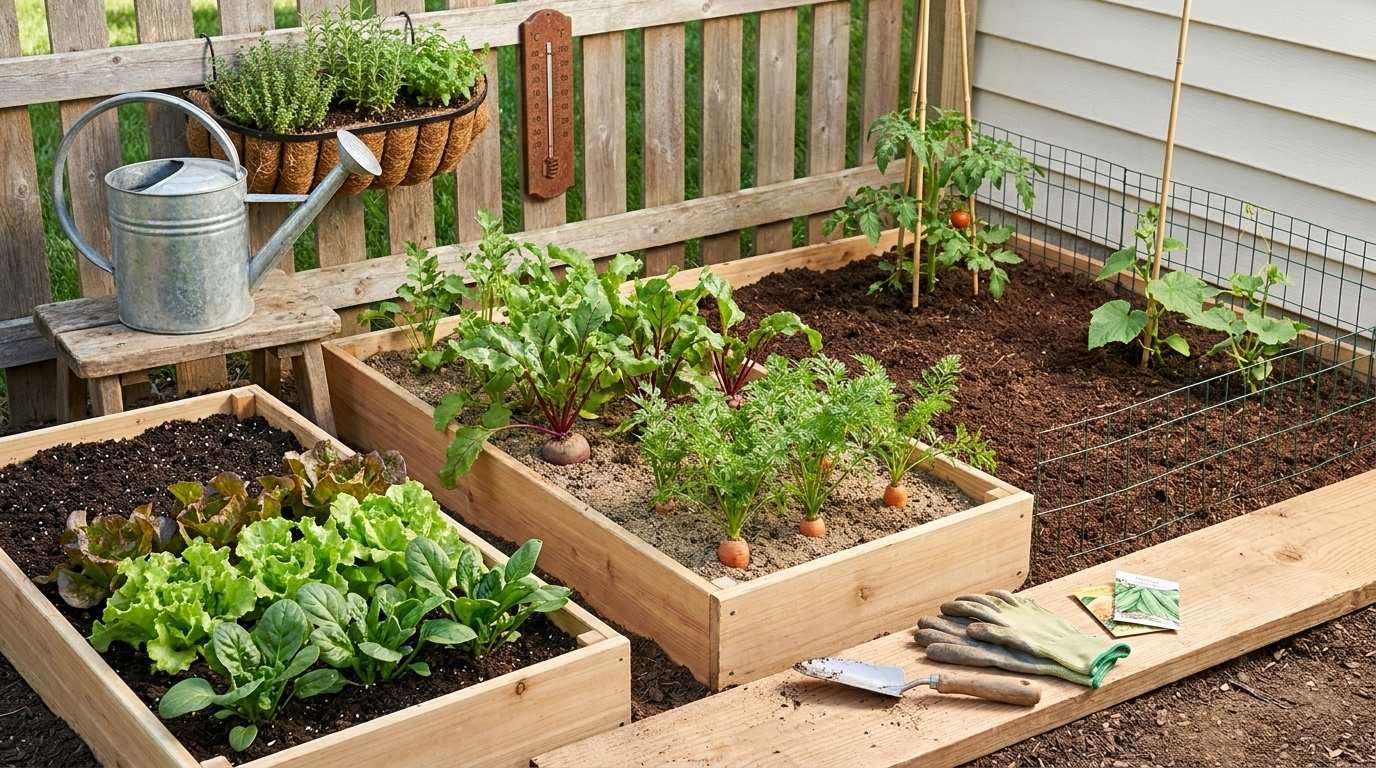
3. Prep your soil: For pots and raised beds, use bagged potting mix. For garden beds, mix in one bag of compost before planting. No soil test needed in your first year.
4. Use the right pot size: Tomatoes need 5 gallons or more. Lettuce and herbs grow fine in 2 gallons. A pot that is too small is the single most common container mistake.
Start Small, Grow More Every Season
You do not need a green thumb to grow your own food. You need the right vegetables and a little consistency.
Start with two or three crops from this list that match your space and the season. Water them regularly, pick often, and pay attention to what works.
Every experienced gardener started exactly where you are right now, with a small patch of soil and a few questions. The difference between one who quits and one who keeps going is simple: early wins. These easy-to-grow vegetables give you those wins fast. Plant something this week.
Frequently Asked Questions
Can I Grow Vegetables in Containers?
Yes, Almost Any Vegetable Can Be Grown in A Pot. Make Sure It Is Deep Enough for Roots and Has Drainage Holes. Bush Beans, Radishes, and Patio Tomatoes Do Especially Well.
Should I Start with Seeds or Starter Plants?
Quick Growers Like Lettuce and Radishes Do Fine from Seed. For Tomatoes and Peppers, Buy Starter Plants from A Nursery to Save Time.
How Much Sunlight Do Vegetables Need?
Most vegetables need 6 to 8 hours of direct sunlight daily. Leafy greens like lettuce and spinach can manage with partial shade
How Often Should I Water My Vegetable Garden?
Water when the top centimeter of soil feels dry. Most vegetables need watering every one to two days in warm weather. Containers dry out faster than garden beds.
What Vegetables Grow Well in the UK Climate?
Lettuce, rocket, kale, spinach, beetroot, radishes, courgettes, runner beans, and garlic all grow well in the UK. They handle unpredictable weather better than most fruiting crops.