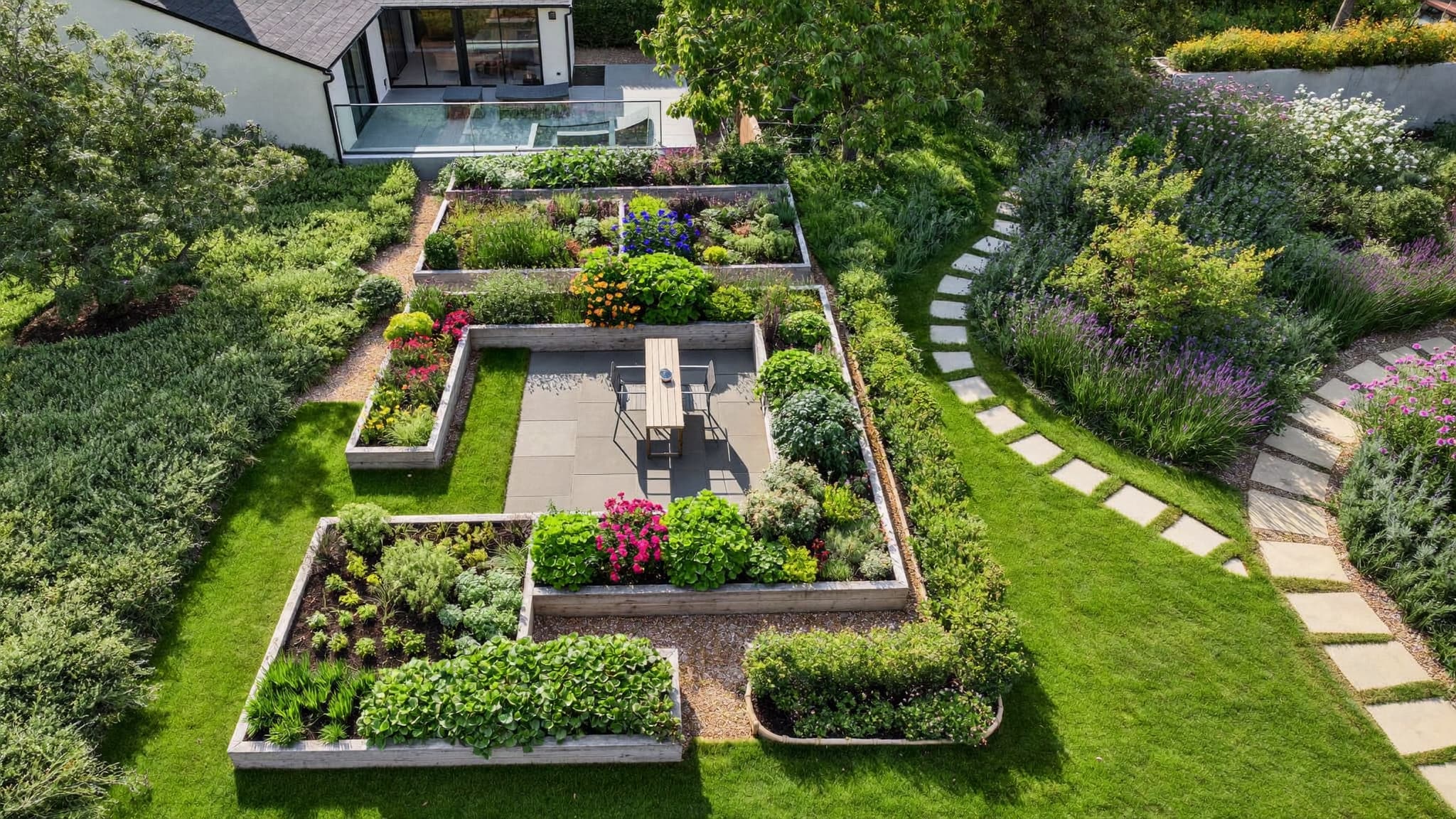

You don’t need a big yard to have a great garden. You need to know where everything goes before you start.
The secret is a good plan made beforehand. The right design can make all the difference.
It shapes how your plants grow, how efficiently you use your space, and, most importantly, how much time you spend maintaining your garden versus simply enjoying it.
A well-laid-out layout ensures your plants get the right amount of sunlight, water, and airflow.
By the end, you will find practical garden layout ideas for every space and skill level, from raised bed arrangements and cottage-style borders to kitchen gardens and vertical growing solutions.
Whether you are starting from scratch or rethinking an existing one, the right layout changes everything.
13 Top Garden Layout Ideas by Style and Function
Not every garden layout suits every space or gardener.
Below are the most practical and popular designs, each one built around a distinct function, aesthetic, or space type.
1. Formal Symmetrical Layout
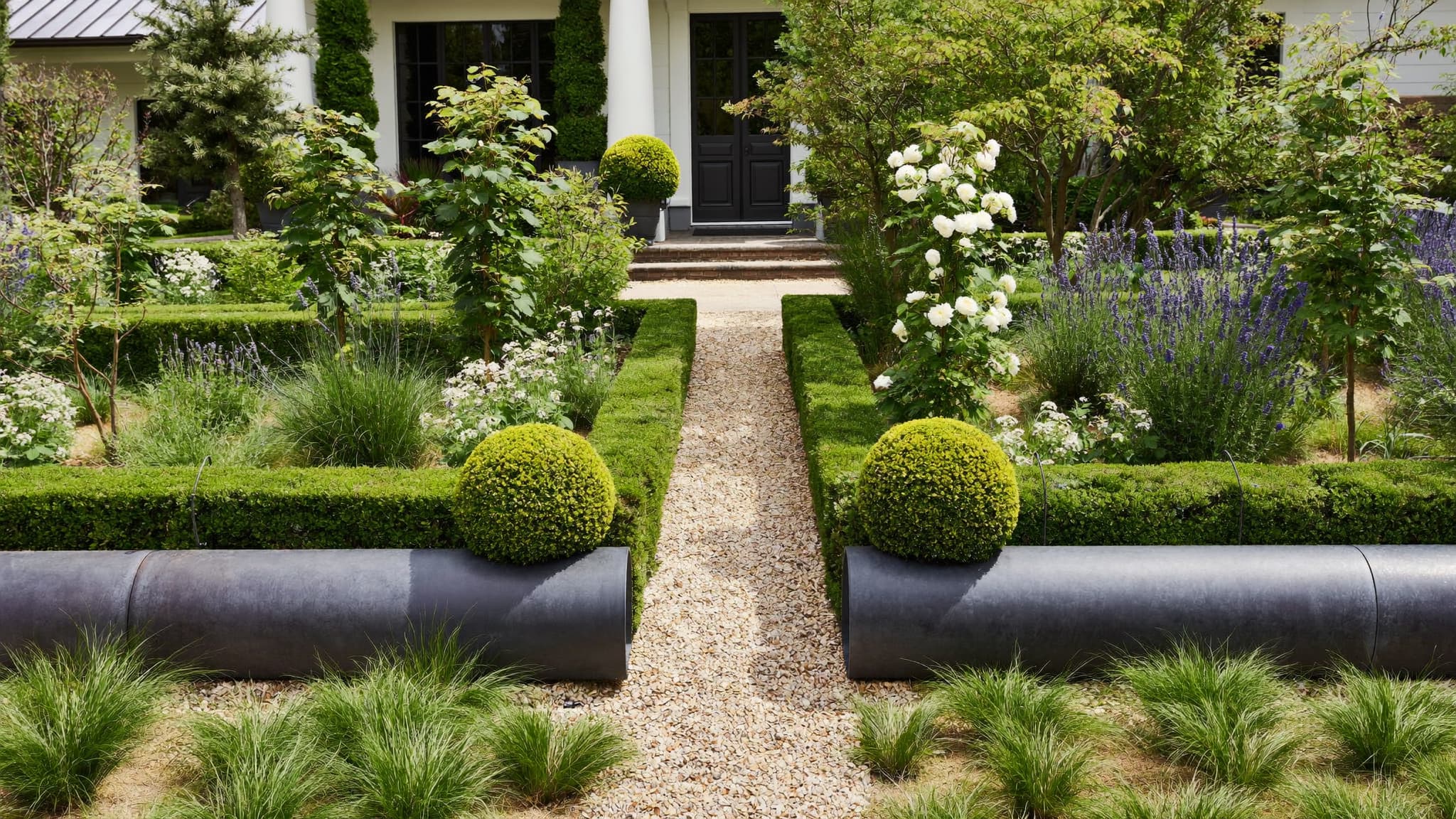
A classic design built around a central axis with mirrored beds, guided pathways, and structured borders.
Best suited to front gardens and walled spaces where a strong first impression matters most.
Clipped hedges, topiary, and repeat planting along both sides of the central path reinforce the sense of order that makes this style so enduringly effective.
To modernize the look without losing its structure, swap traditional box hedging for ornamental grasses or introduce contemporary materials like weathered steel edging alongside the classic planting.
2. Modern Minimalist Layout
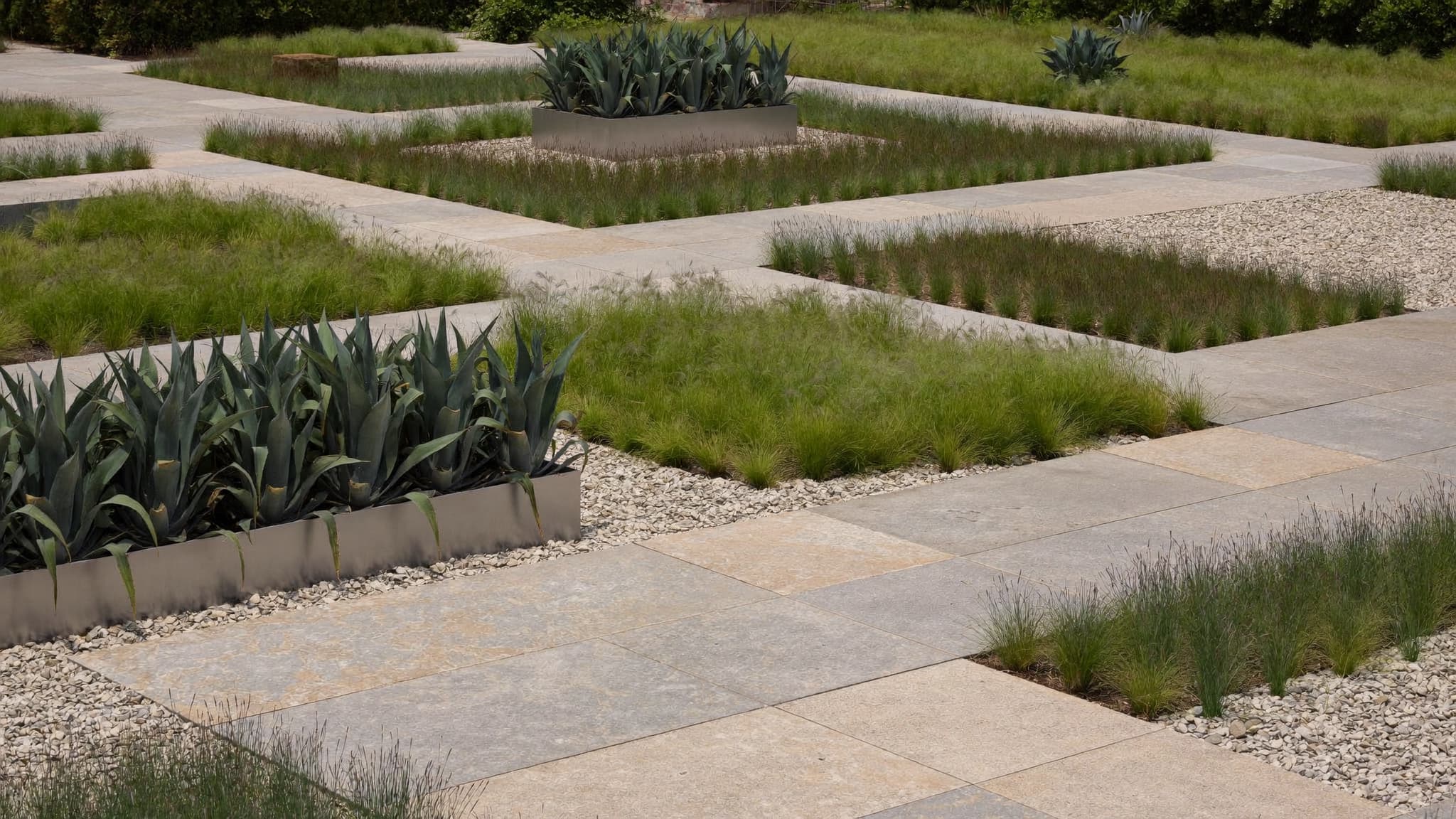
Clean geometric beds, a limited plant palette, and deliberate use of open space. The rule here is simple: fewer plants, more impact.
Repetition of two or three bold species creates rhythm and calm.
Hard landscaping materials such as polished concrete, large-format porcelain tiles, and brushed-steel planters complement the restrained planting beautifully.
Resist the temptation to fill space in a minimalist layout; negative space is a design feature, not a gap waiting to be planted.
3. Cottage Garden Layout
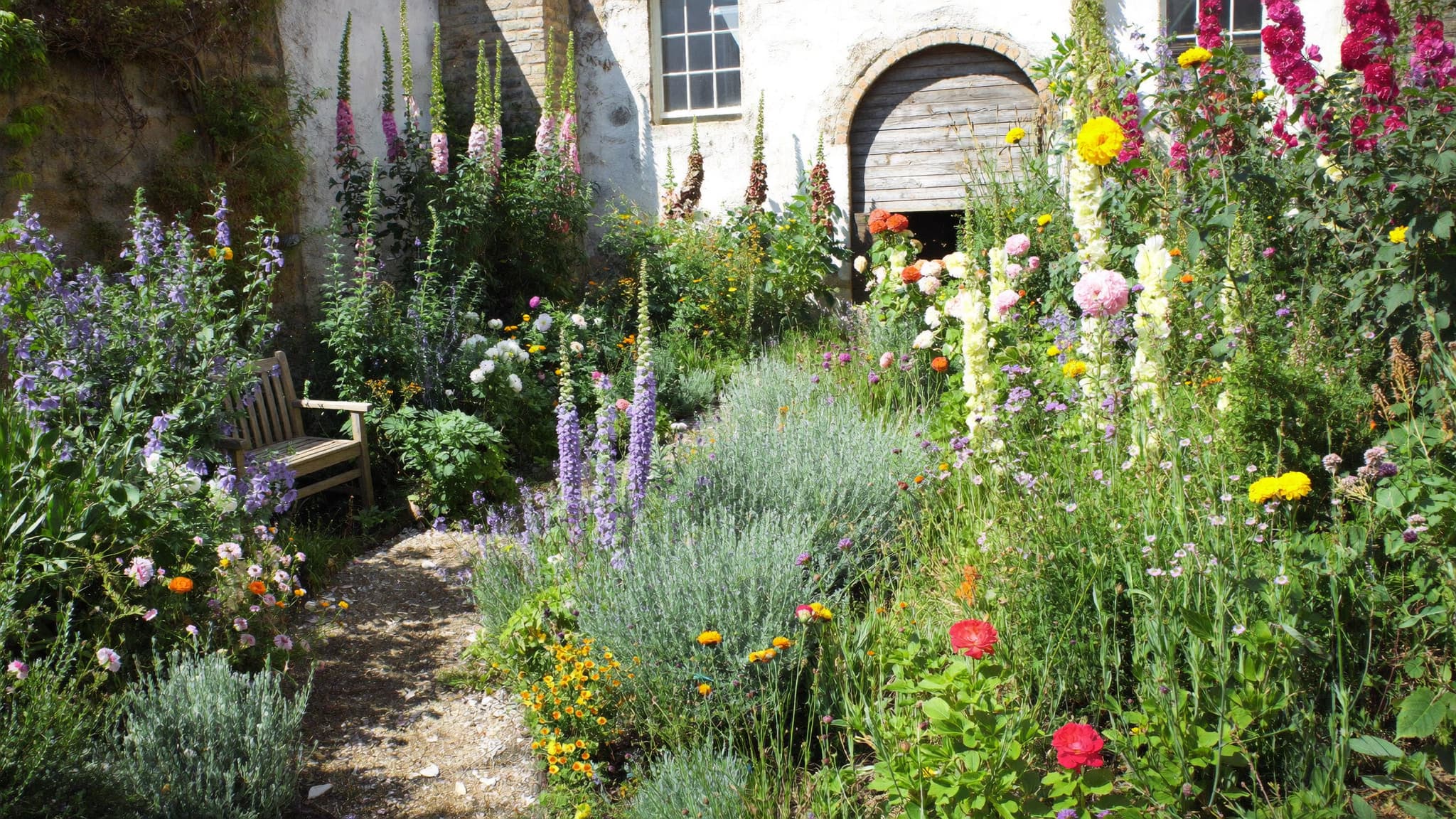
Layered plant heights, natural curves, and densely planted borders filled with pollinator-friendly species.
Tall plants at the back, mid-height in the middle, low-growing varieties spilling forward at the front.
Roses, foxgloves, lavender, and hardy geraniums are the workhorses of this style, reliable, beautiful, and genuinely attractive to bees and butterflies throughout the season.
The beauty of a well-planned cottage layout is that it becomes more abundant and characterful with every passing year, rather than requiring a redesign.
4. Raised Bed Vegetable Layout
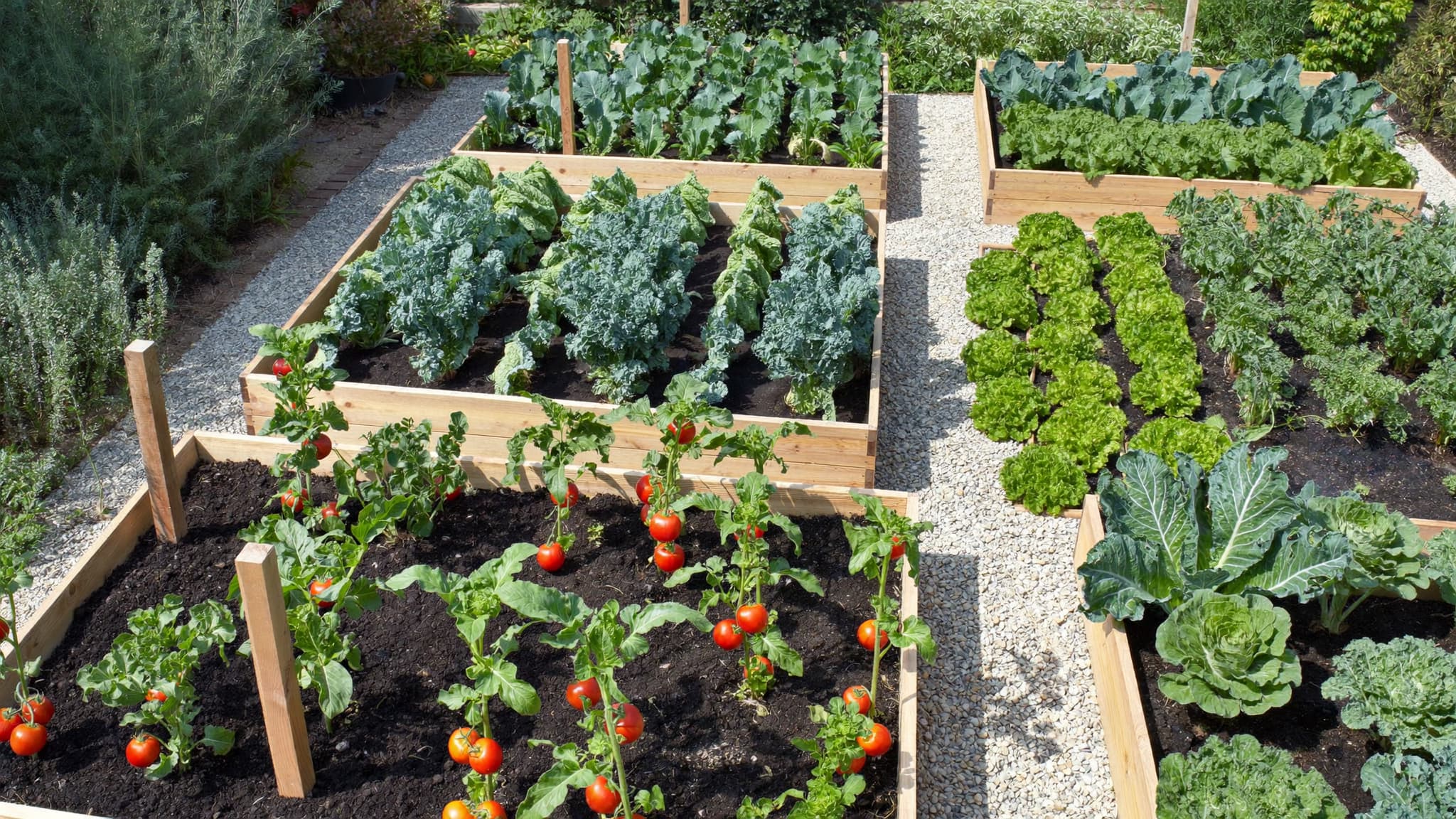
Clearly defined growing zones with full control over soil quality.
Keep beds no wider than four feet so every inch is reachable without stepping onto the growing surface and compacting the soil.
Fill beds with a high-quality mix of topsoil, compost, and organic matter to give crops the nutrient-rich, well-draining environment they need to produce well from the first season.
Raised beds also warm up faster in spring than in-ground soil, giving you an earlier planting window and a longer productive season overall.
5. Square Foot Garden Layout
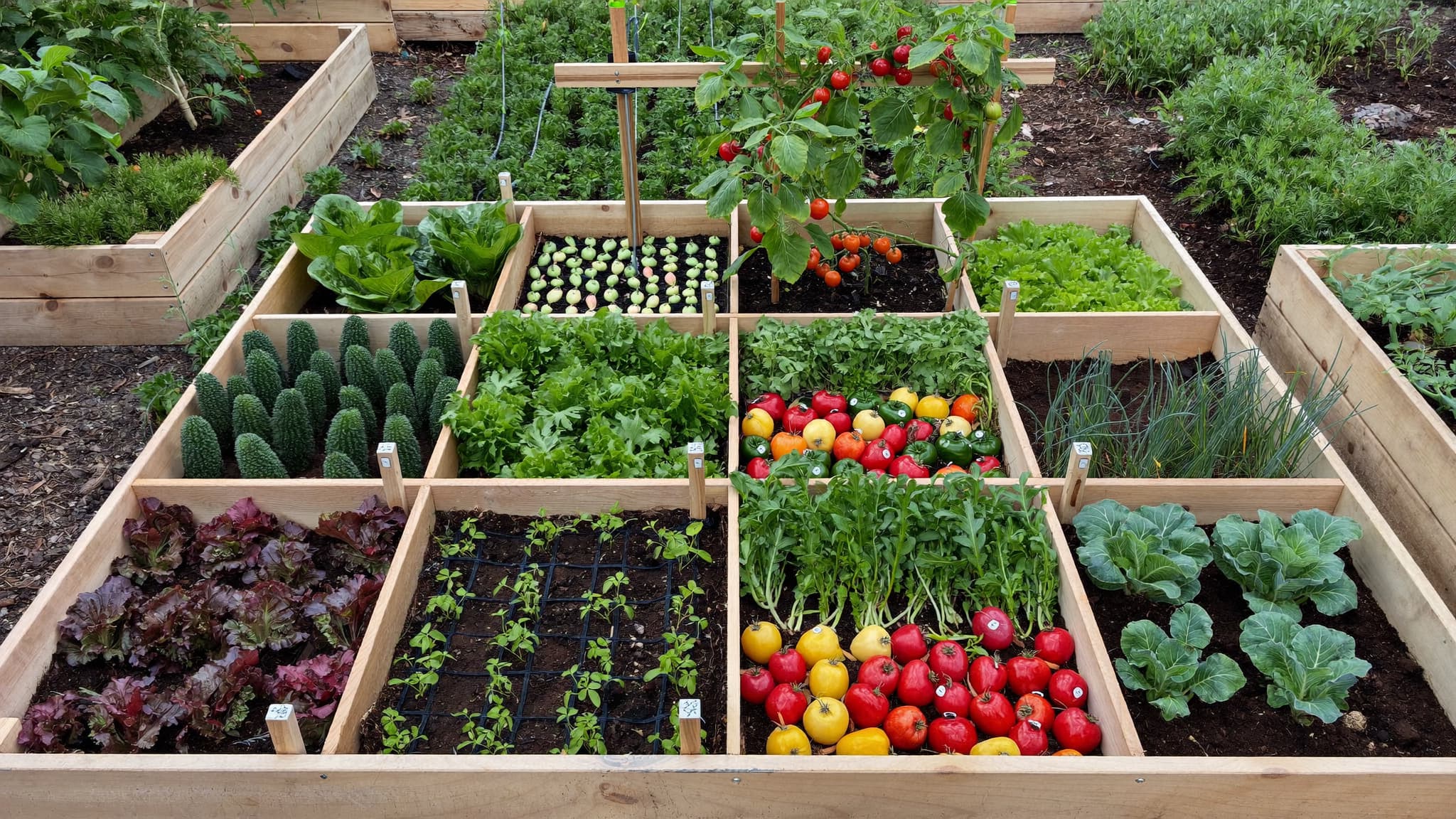
A highly organized raised bed layout that divides the growing area into individual one-foot squares, replacing long rows with dense groupings that maximize space and simplify plant spacing.
Ideal for beginners and small plots alike.
Each square is planted with a different crop, creating an impressive variety within a compact footprint and making succession planting straightforward.
By swapping out harvested squares for new crops.
It is one of the most efficient systems available for growing a wide range of vegetables in a limited area.
6. Traditional Row Garden Layout
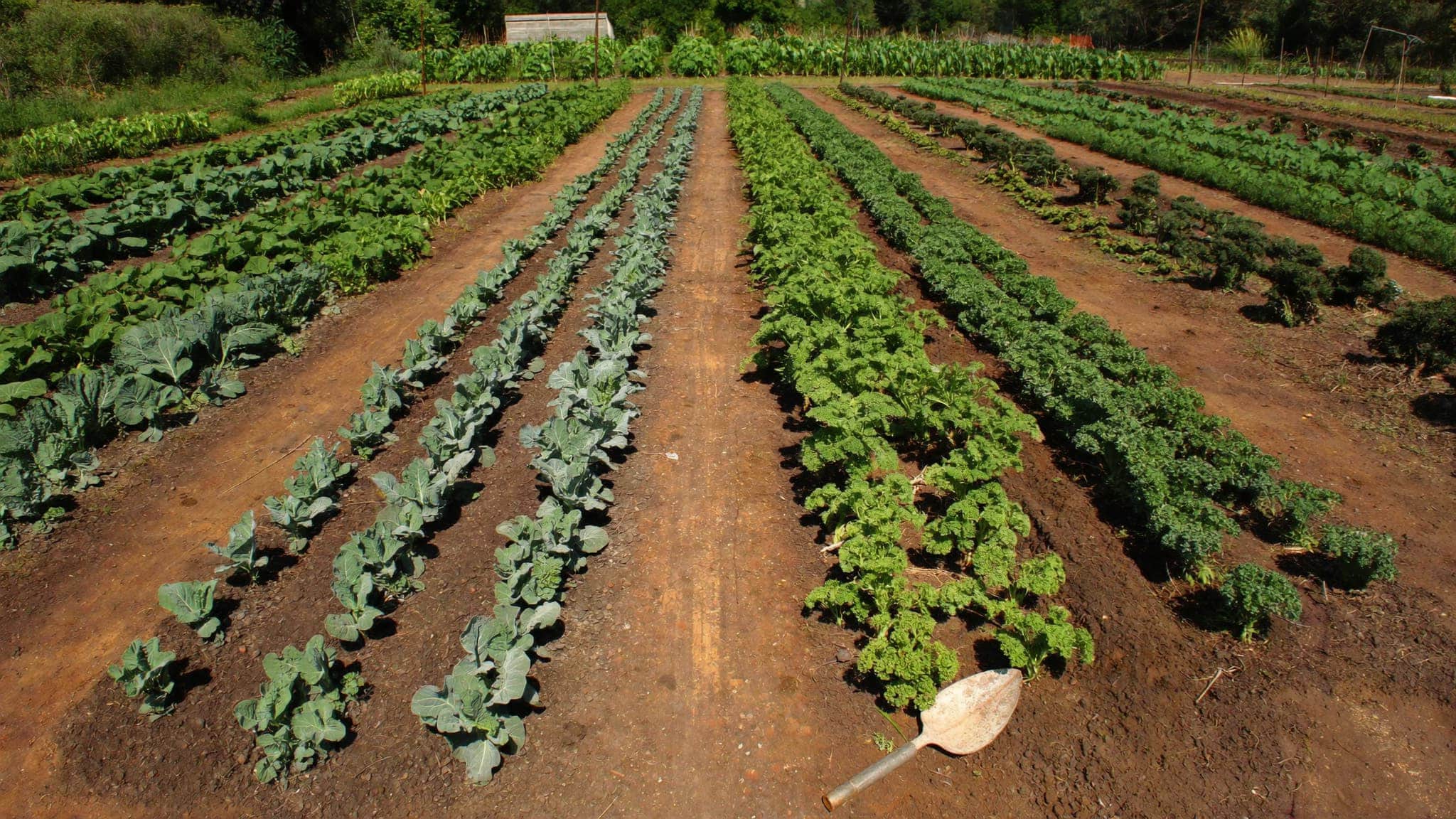
In-ground rows offer open planting, room for larger crops, and flexibility in bed shape and orientation, making them well-suited to larger plots where space is not the primary constraint.
Leave at least 18 inches between rows for comfortable access and to allow good airflow between plants, which reduces the risk of fungal disease.
This layout also makes crop rotation straightforward.
Move each crop family one row along at the start of each new season to maintain soil health and reduce pest buildup over time.
7. Kitchen Garden (Potager) Layout
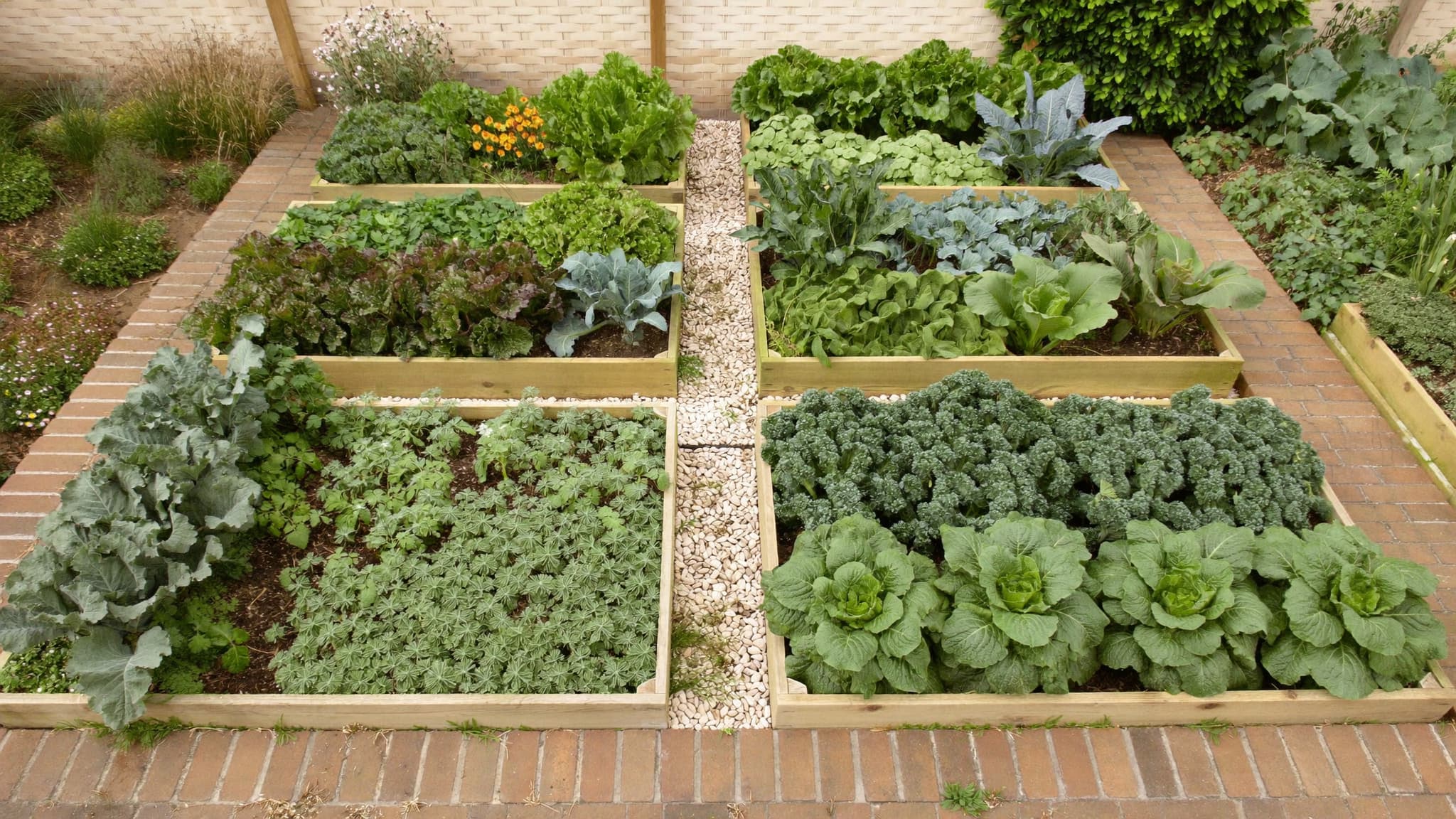
A potager combines vegetables, herbs, and edible flowers into a structured, visually appealing design. Arranging crops in geometric patterns and tiered sections that are as beautiful to look at as they are productive to harvest from.
Traditionally positioned close to the kitchen door for convenience, a well-planned potager makes daily harvesting feel effortless rather than like a dedicated garden task.
Frame individual beds with low box hedging, timber edging, or brick borders to give the layout a polished, considered finish that holds its structure across every season.
8. Vertical Garden Layout
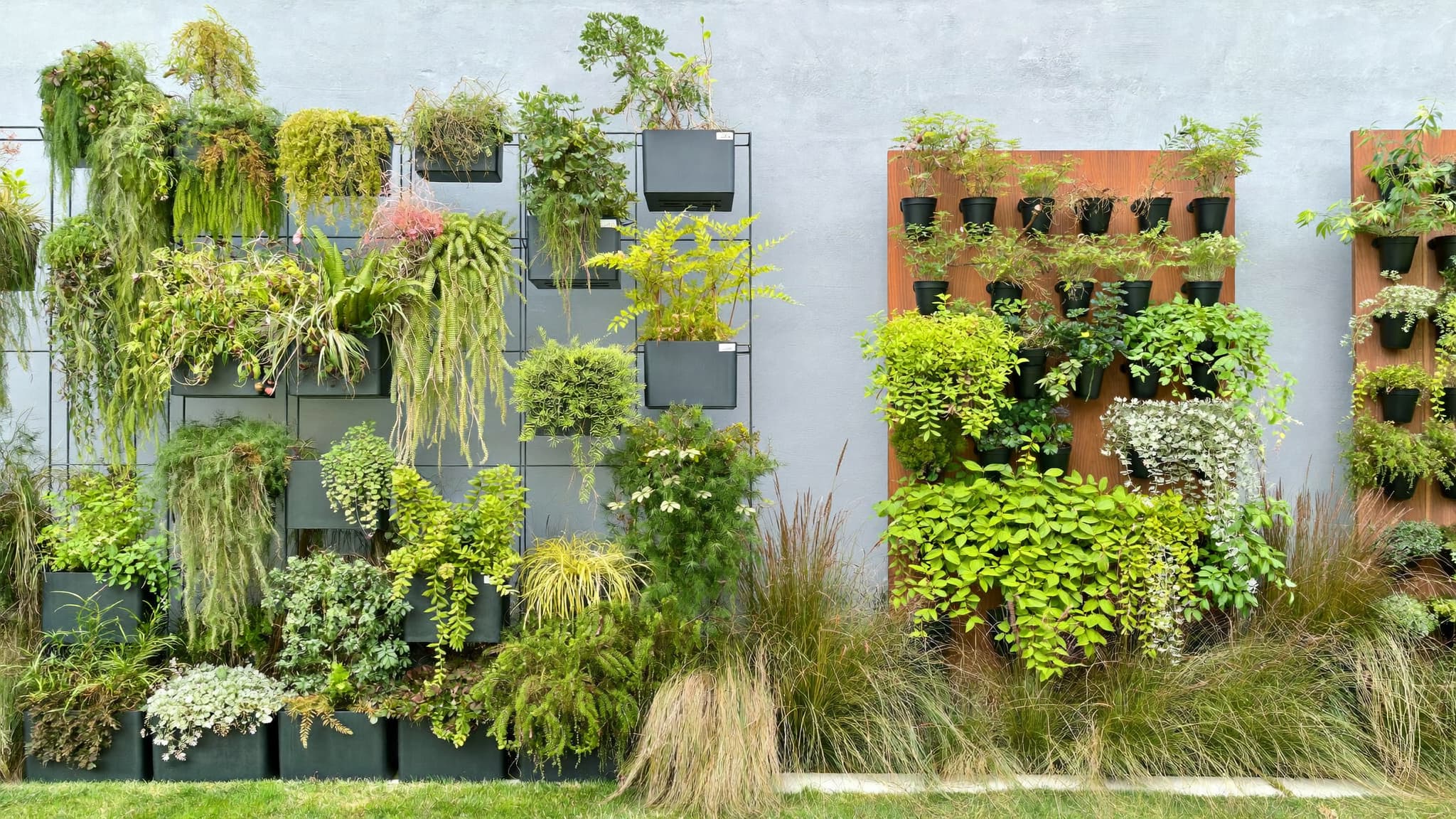
Growing plants upward on trellises, A-frames, and wall-mounted structures frees up ground-level space entirely, effectively creating multiple growing layers within the same footprint.
Ideal for narrow plots, fences, and gardens with limited horizontal space.
Climbing beans, cucumbers, sweet peas, and roses are among the most productive and visually rewarding plants for vertical structures.
Wall-mounted pocket planters and modular panel systems extend the principle further still, turning any fence or exterior wall into a productive growing surface.
9. Container and Patio Layout
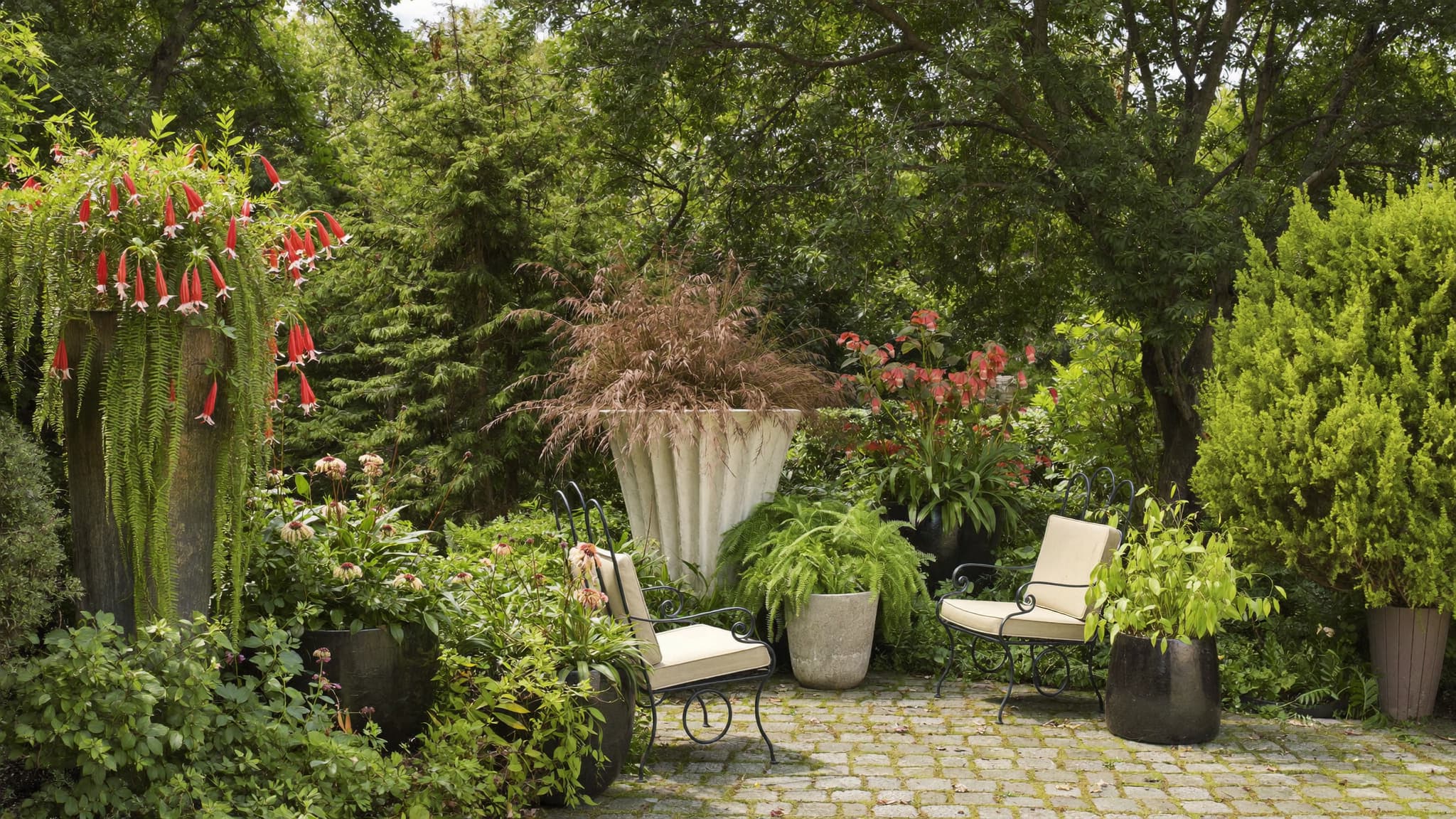
Containers are grouped at varied heights on patios, balconies, or paved courtyards.
Container layouts work particularly well for tomatoes, peppers, lettuce, herbs, and compact vegetable varieties that perform consistently in well-managed pots.
Arrange in odd numbers for a natural, considered finish that avoids the rigid, symmetrical look of evenly spaced pots.
Always use containers with drainage holes, refresh the compost annually, and feed regularly through the growing season.
10. Wildlife and Pollinator Garden Layout
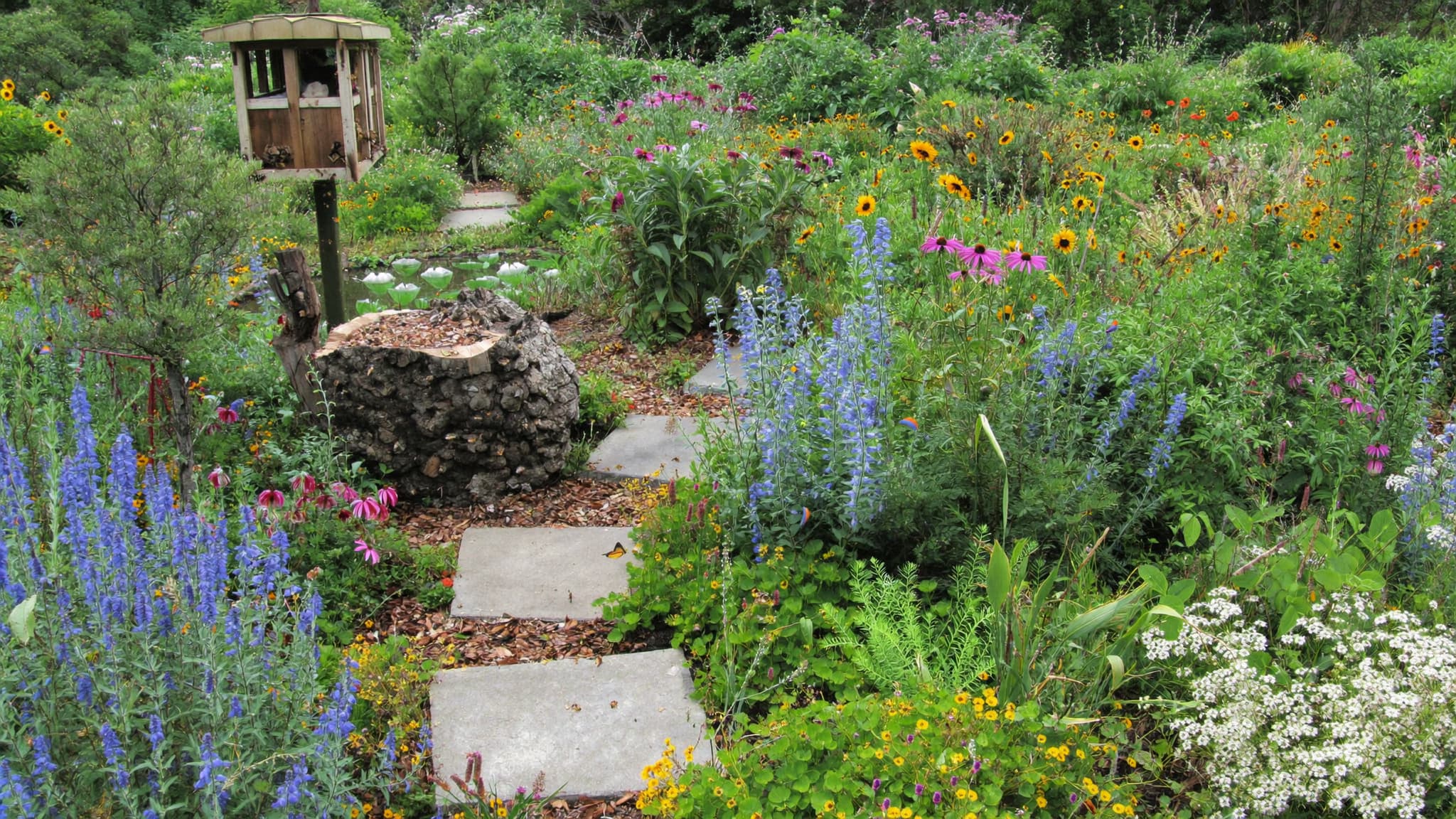
Native plants, layered growing heights, and habitat features like log piles and bug hotels.
Prioritizing the needs of wildlife and implementing sustainable planting practices that nurture local ecosystems.
Creates gardens that are both deeply personal and genuinely environmentally beneficial.
Include a mix of early-, mid-, and late-season flowering species to provide a continuous food source for pollinators from early spring through to the first frosts.
Even a small dedicated wildlife corner within a larger garden layout makes a measurable difference to local biodiversity over time.
Also read: 13 Fast-Growing Evergreen Climbers For Year-Round Screening
11. Zen-Inspired Garden Layout
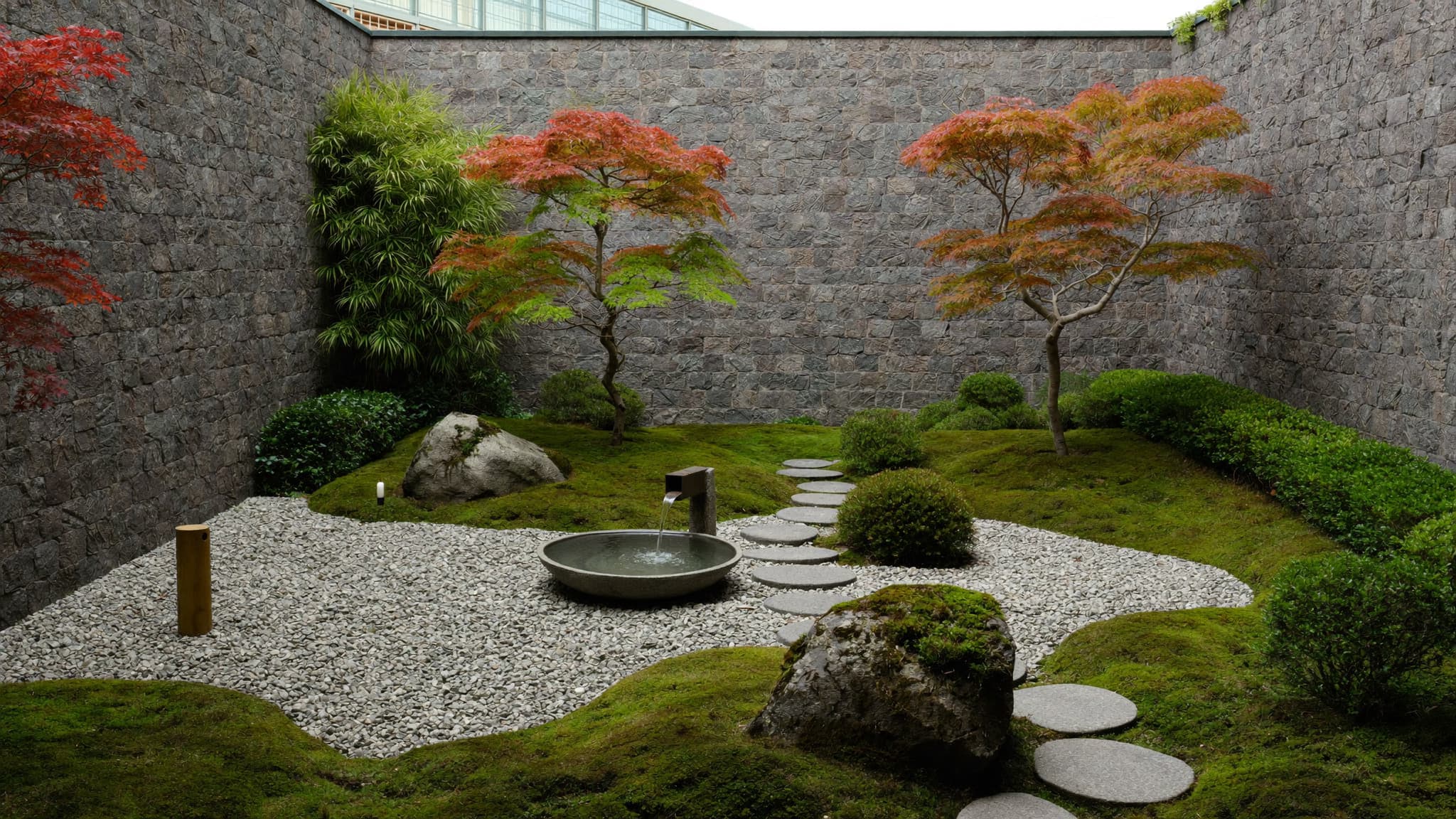
Raked gravel, stepping stones, specimen Japanese maples, and water used sparingly.
Every element earns its place; nothing is included without purpose. Best suited to enclosed, sheltered spaces where stillness is the primary design goal.
Moss, bamboo, and low clipped hedges complement the gravel and stone beautifully, adding subtle texture without disrupting the overall sense of quiet.
Lighting plays an important role in this layout, too. Soft, low-level lighting along pathways and beneath specimen plants extends the calming atmosphere well into the evening hours.
12. Tropical Garden Layout
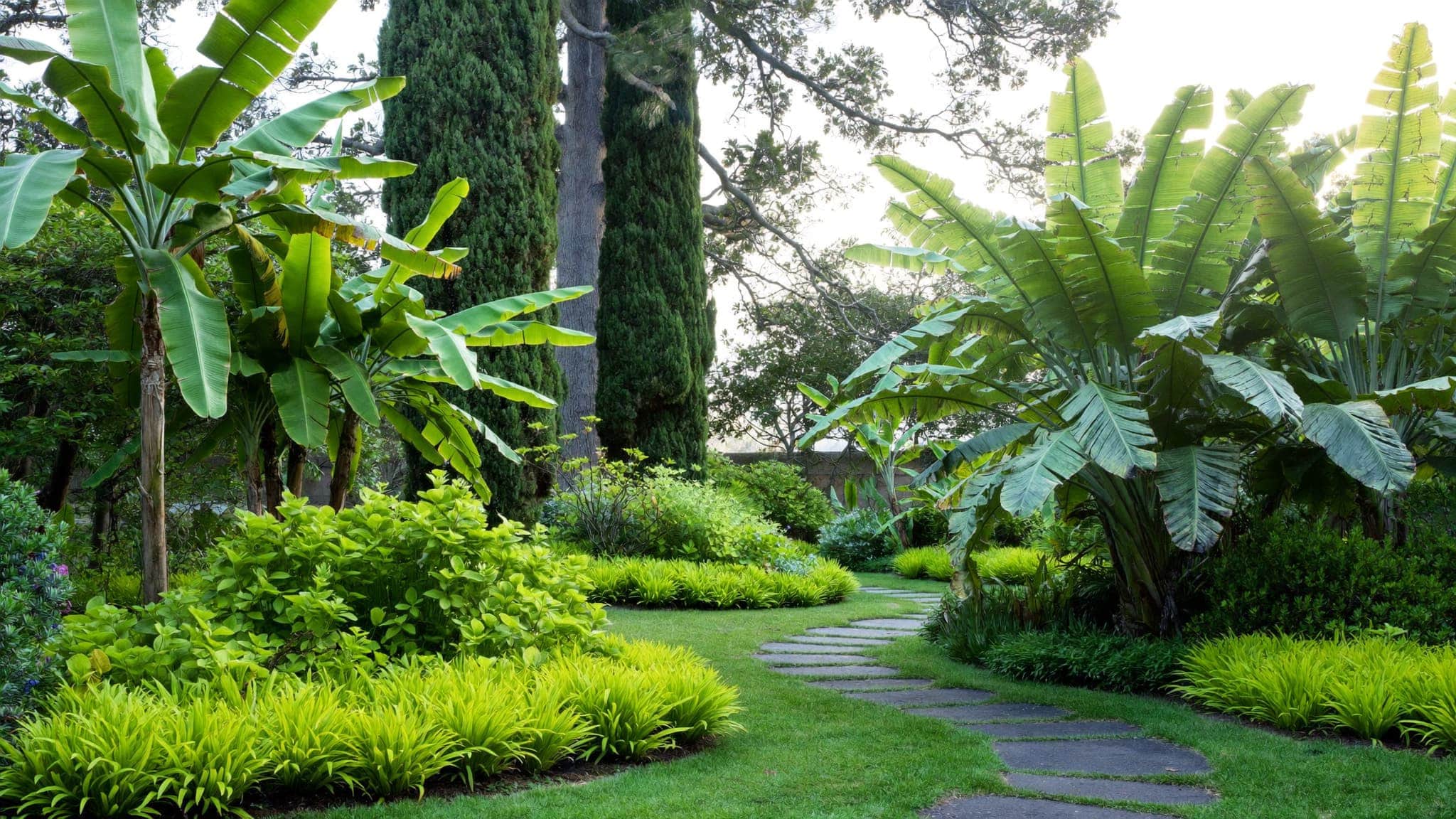
Bold foliage, dramatic scale contrasts, and layered canopy heights.
Combine large-leaved statement plants with lower ferns and shade-tolerant ground covers to build the lush, dense abundance that defines the tropical aesthetic.
Best positioned against south-facing walls or in enclosed courtyards where warmth accumulates and protects tender foliage through cooler months.
In less temperate climates, hardy alternatives like gunnera, tree ferns, and phormiums deliver a convincingly tropical effect without the vulnerability of truly tender species.
13. Sensory Garden Layout
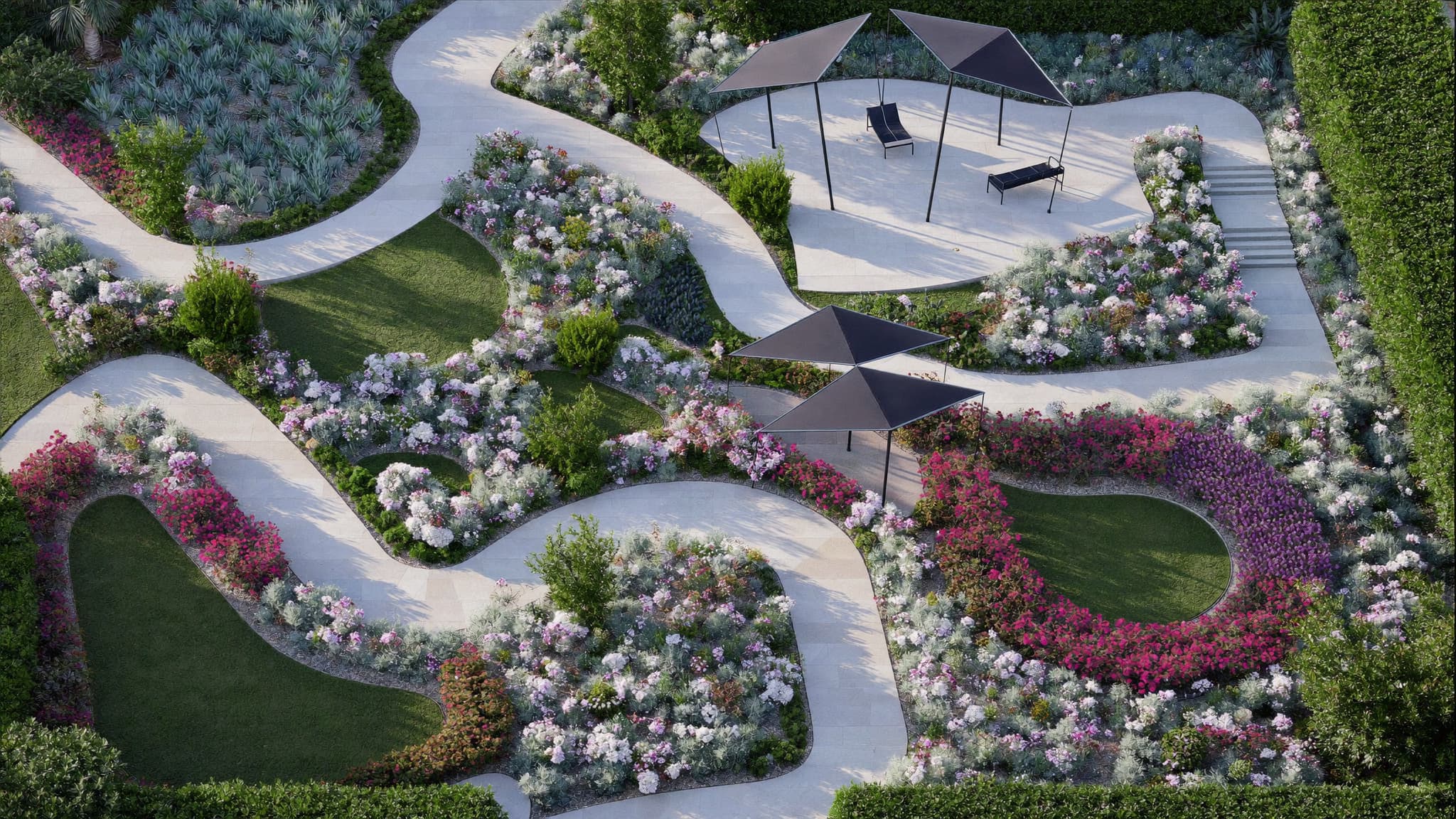
Designed to engage all five senses simultaneously. Fragrant lavender and rosemary for smell, rustling ornamental grasses for sound, lamb’s ear and smooth stones for touch.
A genuinely therapeutic outdoor space for all ages.
Raised beds and clearly defined pathways make sensory gardens particularly accessible for older adults, children, and anyone with mobility considerations.
Functionality and beauty work together rather than in competition.
Include a sheltered seating area at the heart of the layout so visitors can pause and fully experience the space rather than simply moving through it.
Zoning and Functional Layout Techniques
A garden divided into clear, purposeful zones is easier to use, easier to maintain, and far more enjoyable to spend time in. Here is how each zone works and where it belongs.
Creating Distinct Garden Zones
| Zone | Best Position | Key Features | Best Surface |
|---|---|---|---|
| Dining and Lounge | Closest to the house | Outdoor furniture, pergola, privacy screening | Paving, decking, or compacted gravel |
| Play Zone | Away from beds, within sightline of dining area | Soft surfaces, defined boundaries, and equipment storage | Lawn, rubber chippings, or bark mulch |
| Vegetable Production | Sunniest part of the garden | Raised beds, compost area, tool storage nearby | Gravel or bark mulch pathways between beds |
| Ornamental Display | Most visible from key viewpoints | Seasonal planting, structural specimens | Lawn, gravel, or mulched beds |
| Wildlife Corner | Quieter boundary area | Native plants, log piles, bug hotels, and a small water feature | Naturalistic minimal hard landscaping |
| Utility Zone | Hidden from main sightlines | Compost bins, tool storage, potting bench | Concrete or hard-wearing gravel |
Common Garden Layout Mistakes to Avoid
Even the most thoughtful garden layout ideas can fall flat when certain fundamentals get overlooked.
Here’s what to watch for.
1. Avoiding Outdated or Inefficient Designs
The most common layout mistake I see is the classic rectangle of grass with a thin strip of planting pushed to the edges.
It looks dated, offers almost no biodiversity, and ironically makes the space feel smaller rather than larger.
Narrow perimeter beds, anything under 4 feet deep, restrict you to a single row of plants with no room for layering, which is where real visual impact comes from.
2. Ignoring Sunlight and Shade Placement
Poor sunlight planning is one of the most expensive mistakes to fix after the fact, because it often means relocating established plants.
Before finalizing any garden layout, map where the sun falls at breakfast, midday, and late afternoon.
Vegetable beds need at least 6 hours of direct sun daily. Place them where shade from fences, trees, or the house won’t interfere.
3. Poorly Planned Pathways
Narrow paths, awkward turns, and walkways that cut straight through planting beds are far more common than they should be.
A path that looks fine on paper can feel cramped and frustrating in real life, especially when you’re carrying tools, a watering can, or a harvest basket.
Main garden pathways should be at least 36 inches wide to allow two people to pass comfortably and provide easy maintenance access on both sides.
4. Overlooking Drainage and Soil Preparation
Everything looks fine in dry weather, and then the first heavy rain turns your lawn into a swamp, and your plant roots start rotting.
Poor drainage is one of those problems that beginners rarely plan for and experienced gardeners always account for.
Before building any beds or laying paths, look at how water naturally moves across your garden after rainfall.
Pro tip: Always aim for planting beds at least 5–6 feet wide at their broadest point. Anything narrower looks lost in open lawn and severely limits your garden layout options
Conclusion
A great garden does not require a large budget or a professional designer; it requires a clear plan and the confidence to start.
Whatever you are working with, a compact patio, a sprawling backyard, or something in between, the right layout improves any outdoor space into one that genuinely works for you.
Match your design to your goals, prepare your soil before your first plant goes in, and map everything accurately before committing.
The mistakes are avoidable, and the rewards are lasting.
Your outdoor space is waiting. Pick up a sketchpad, mark out your zones, and start building a garden that earns its place in your life across every season.
Frequently Asked Questions
What is the Easiest Garden Layout for Beginners?
A raised bed layout is the most beginner-friendly option available. Start with one or two beds no wider than four feet, fill them with quality compost-rich soil, and focus on easy crops like lettuce, herbs, and tomatoes.
How Do I Design a Garden That Attracts Pollinators?
Plant native flowering species that bloom across different seasons so pollinators have a continuous food source from early spring through to autumn.
What Is the Best Way to Lay out A Garden?
The best way to lay out a garden is to combine your site’s natural conditions with highly accessible and efficient zoning.