Imagine you reach for fresh herbs while cooking, but your basil is wilted and your parsley costs more each week. What if you could grow something better right on your windowsill?
Wild garlic offers that perfect garlicky punch your dishes need. This hardy herb thrives in containers, providing you with fresh leaves whenever you need them.
Most people believe that wild garlic requires a forest floor to thrive. That’s not true at all.
This guide covers everything you need to know about growing wild garlic in pots. You’ll learn the ideal soil mix, effective watering techniques, and expert harvesting tips.
Soon you’ll have fresh wild garlic growing right in your home, ready to boost your cooking with that distinctive flavor.
Why Grow Wild Garlic at Home?
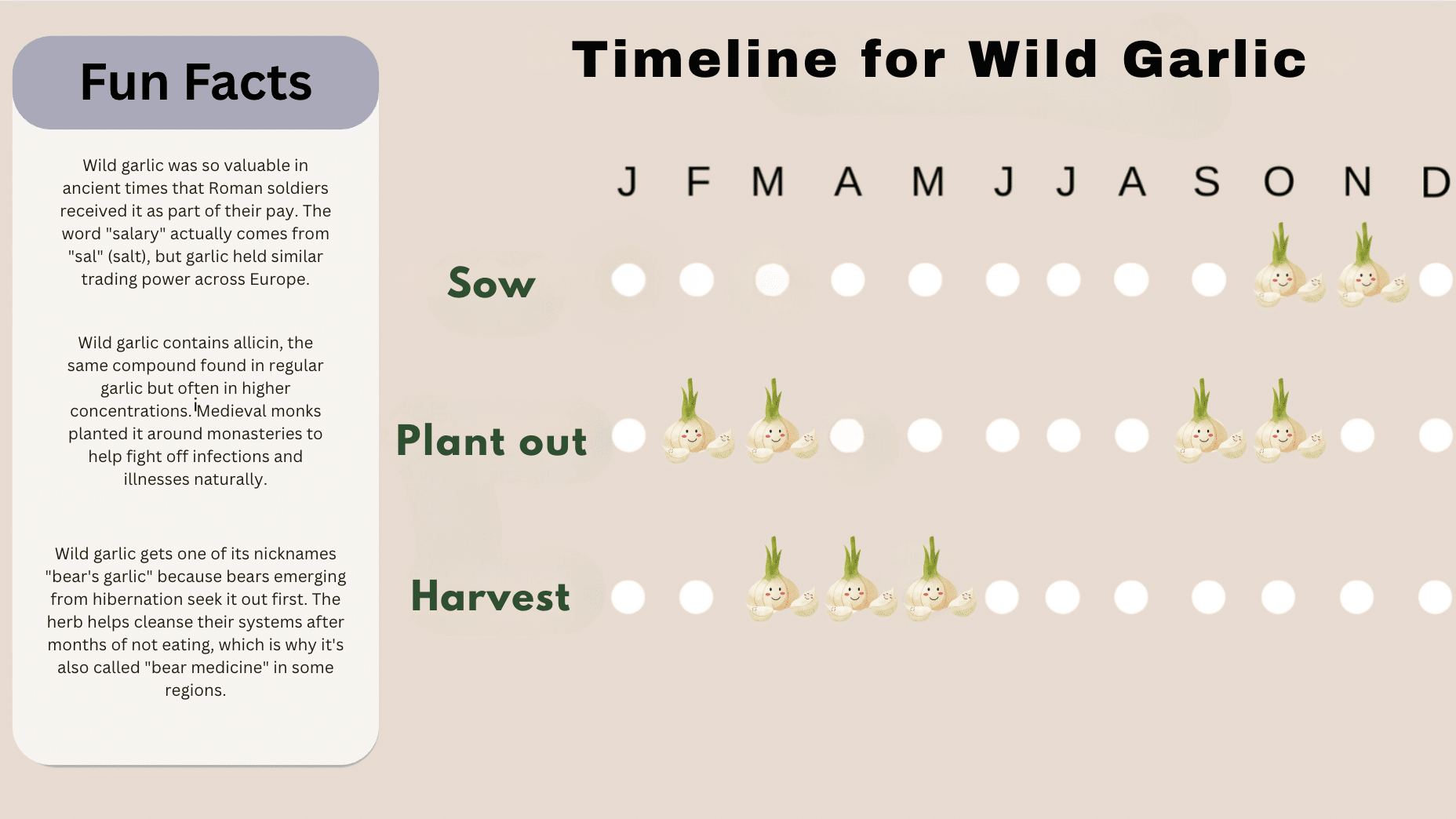
Growing wild garlic at home gives you fresh herbs whenever you need them. Store-bought wild garlic is expensive and often wilts quickly after purchase.
When at home, you can pick leaves as needed for cooking. The flavor stays strong and peppery.
It thrives in low-light conditions, unlike many herbs. You don’t need special skills or lots of time to keep it healthy.
This makes it perfect for busy people who want fresh herbs without the fuss.
A single pot of wild garlic can give you herbs for months. You’ll stop buying expensive packets that go bad quickly in your fridge.
Early spring brings the most tender leaves in March, followed by peak flavor in April, and the final harvest window in May before plants go dormant.
You know exactly how your herbs were grown without chemicals or pesticides. Fresh wild garlic from your own pot always beats store-bought options.
Planting Wild Garlic in Pots at Home
Growing wild garlic in containers allows you to enjoy fresh, flavorful leaves right at home without harming natural woodland areas. This setup works well for small spaces and allows you to control soil conditions precisely.
Here’s exactly what you’ll need to get started with your wild garlic container garden.
Step-by-Step Method of Planting Wild Garlic
Most gardeners already have the basic tools they need. The main expenses are the bulbs and compost, making this an affordable project with years of fresh harvests ahead.
Here are the essential items needed for growing wild garlic in a 30-liter container setup.
| Item | Quantity |
|---|---|
| Wild garlic bulbs | 25 bulbs |
| Large container | 30-liter pot |
| Multipurpose compost | 15 liters |
| Well-rotted compost | 15 liters |
| Basic gardening tools | Set (gloves, trowel, watering can) |
| Mixing container | 1 large bowl |
Optional Extras:
- Potting soil – Can replace multipurpose compost
- Leaf matter – Adds extra organic content
- Stable manure – Provides additional nutrients
Getting your wild garlic container garden started is easier than you might think. Follow these simple steps to plant and grow healthy wild garlic, which will provide you with fresh leaves for cooking.
Step 1: Get Your Wild Garlic Bulbs
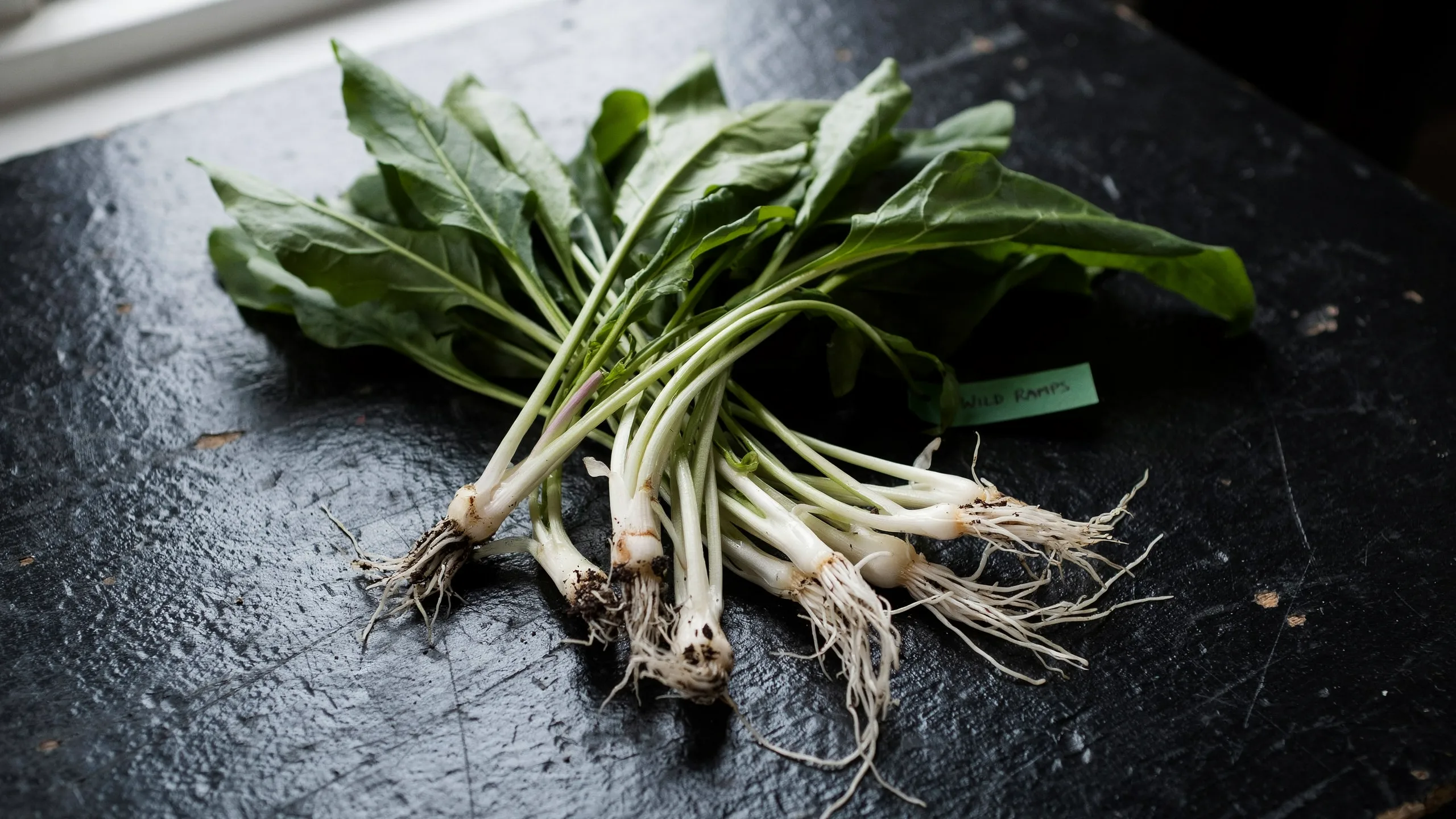
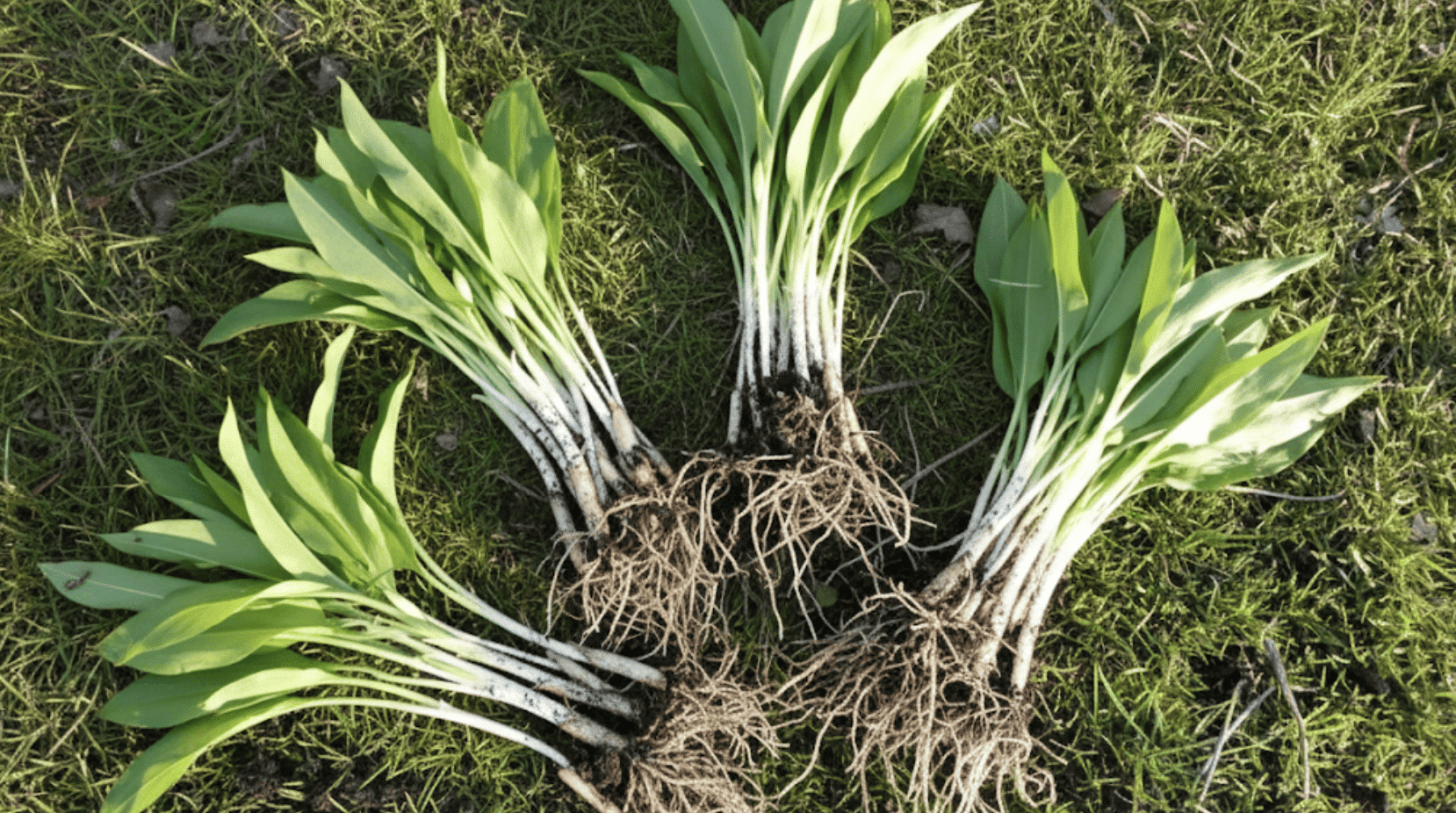
Buy wild garlic bulbs from trusted online sellers instead of harvesting them from woodland areas. Look for healthy bulbs that feel firm and show some root growth.
You should expect different sizes since these aren’t farmed like regular garden plants. Plan to plant them within a few days of getting them to keep the bulbs fresh.
Step 2: Choose the Right Container
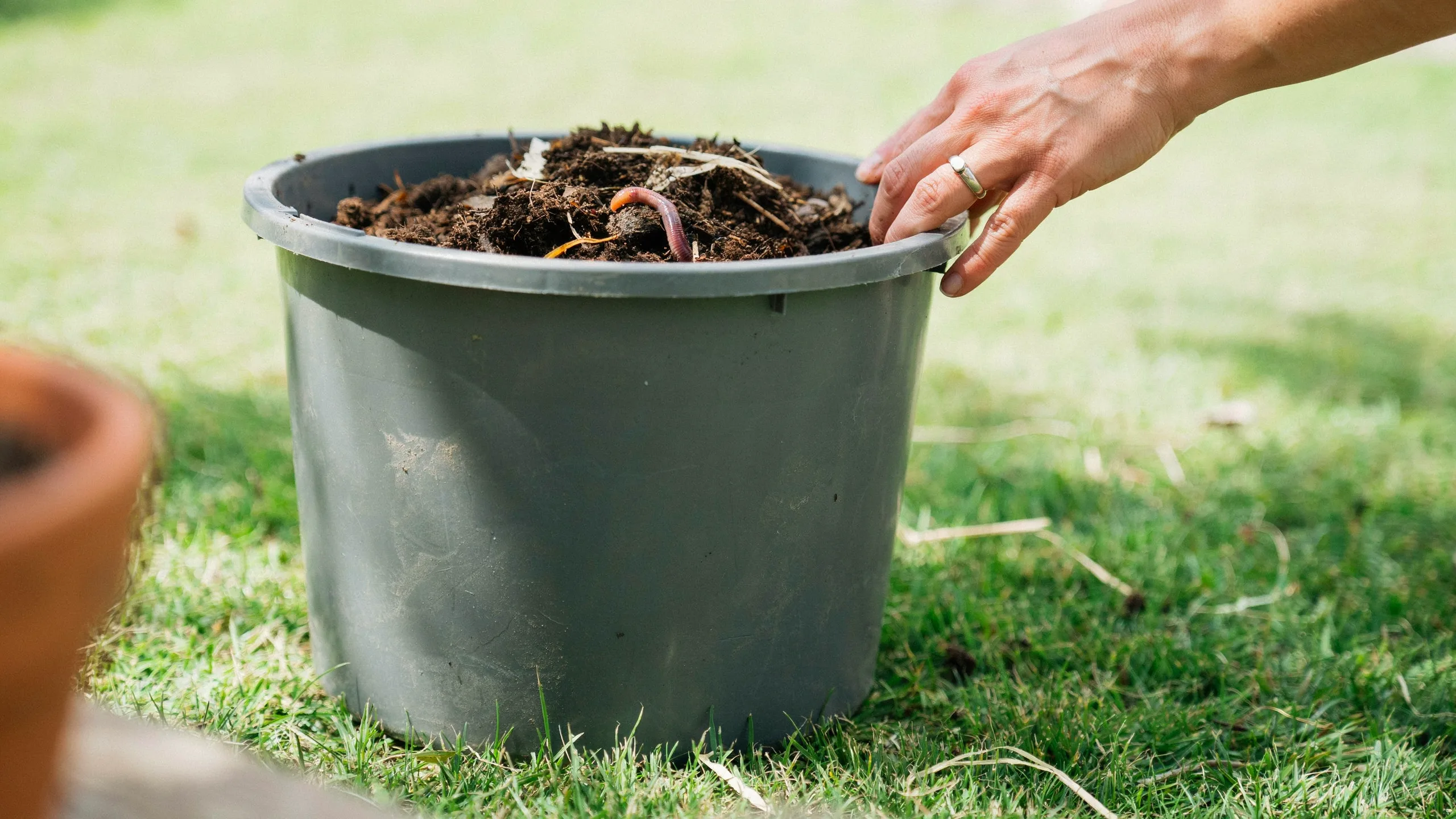
Pick a large container that’s at least 30 liters for best results. Ensure your pot has adequate drainage holes in the bottom.
Wild garlic requires ample space to spread, so larger containers are more suitable than small pots. The container should be deep enough to hold the soil mix and leave space for watering.
Step 3: Make the Perfect Soil Mix
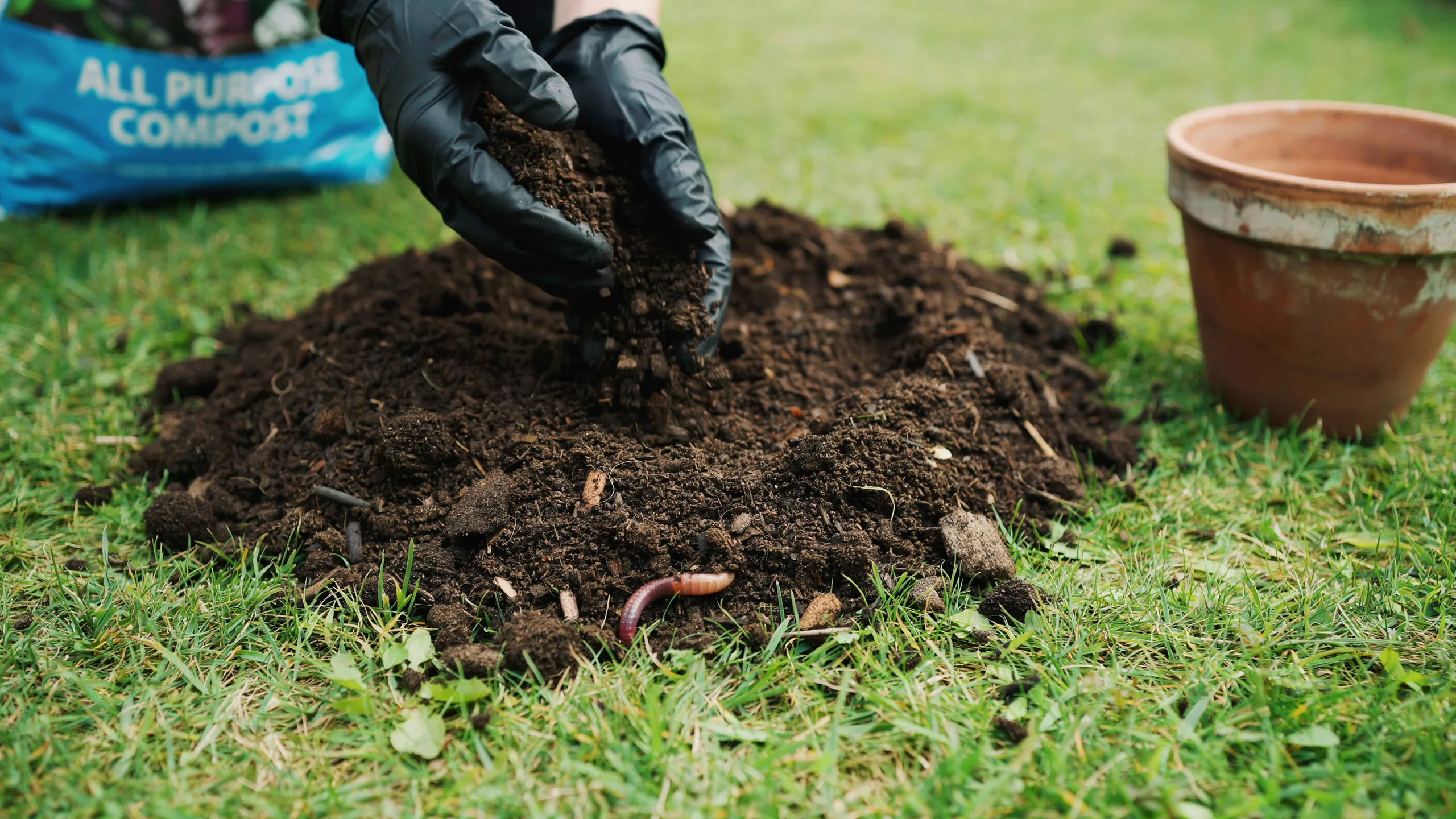
Mix regular potting compost with a generous amount of organic matter. Add well-rotted compost, leaf matter, or stable manure to create a rich growing medium.
The organic matter holds moisture and provides food for your wild garlic. Aim for a mix of about half fresh compost and half organic material for optimal results.
Step 4: Fill and Prepare Your Container
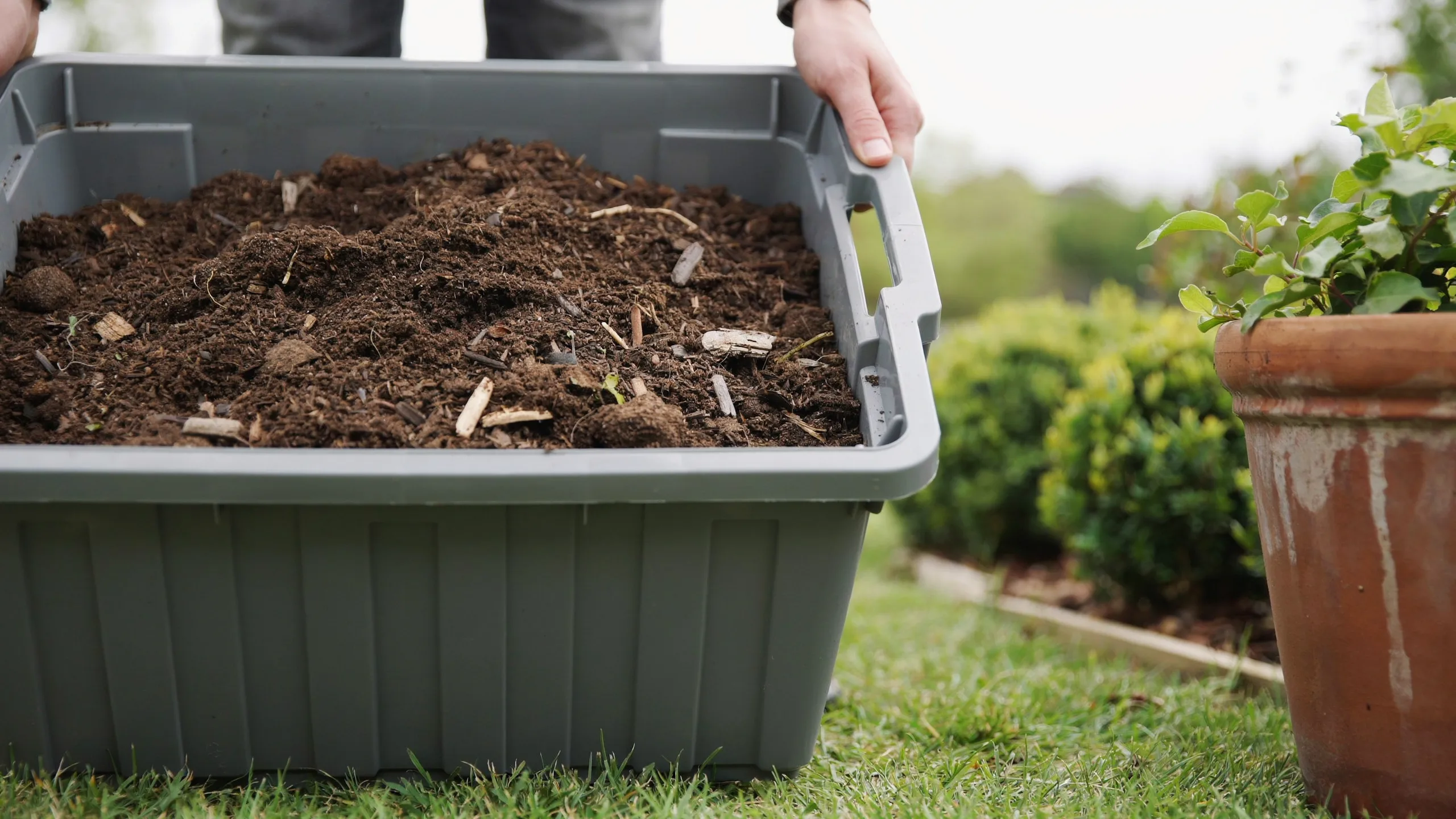
Fill the container, leaving about two inches of space at the top. This space acts as a reservoir, preventing water from overflowing when you water your plants.
Mix everything together thoroughly so that the organic matter is evenly distributed throughout the soil.
Step 5: Plant the Bulbs Properly
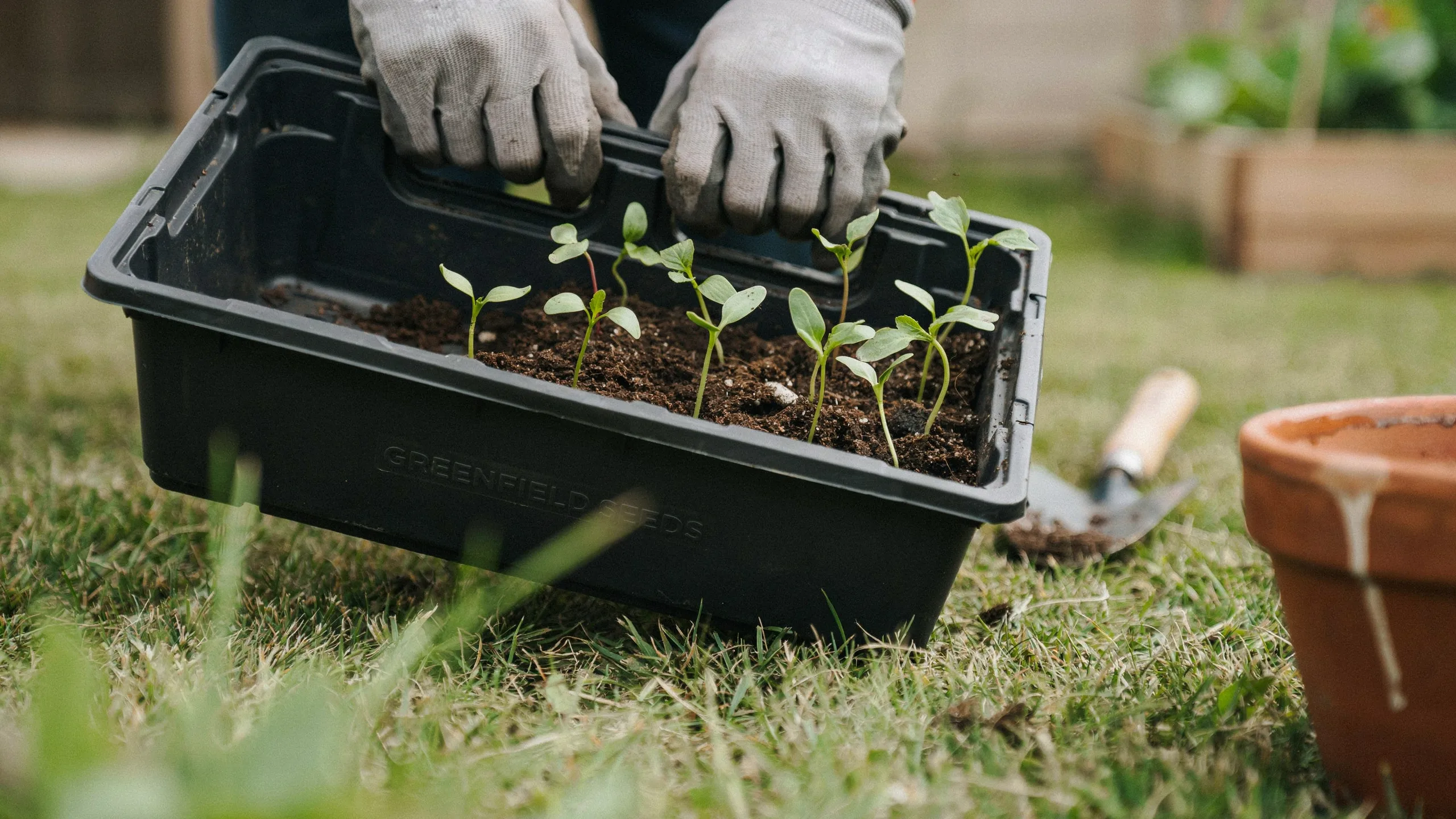
Space your wild garlic bulbs about three inches apart in the soil. Plant them just below the soil surface, right below where the leaf joints start.
Don’t plant them too deep, or they’ll struggle to grow. Gently press the soil around each bulb to remove air pockets.
Step 6: Water and Place in Shade
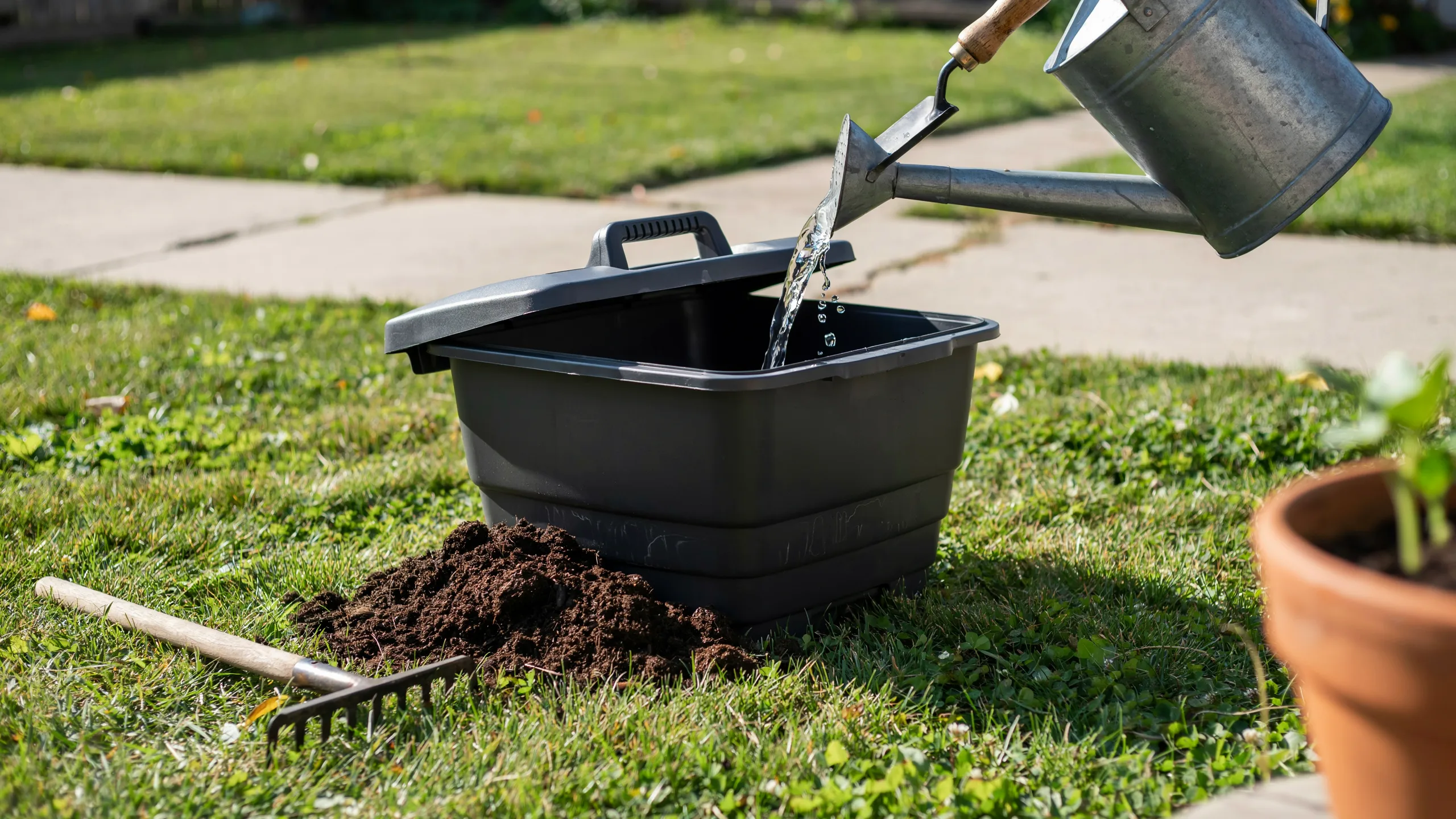
Give your newly planted wild garlic a really good drink of water after planting. Place the container in a shady spot since wild garlic naturally grows in woodland conditions.
Under trees or on the north side of buildings works well for the shade they need.
Growing Wild Garlic in Pots vs. Garden Beds
Choosing between pots and garden beds affects how your wild garlic grows and the level of care it requires. Both methods are effective, but each has distinct advantages that suit your space and goals.
Container
Container growing works best for urban gardeners and those with limited space. Here’s why pots make sense for many home cooks:
- Space flexibility: Perfect for small spaces, balconies, and patios.
- Moveable location: Adjust containers to find the best shady spots.
- Soil control: Create the perfect 50/50 compost blend wild garlic needs.
- Kitchen convenience: Keep plants close for easy harvesting while cooking.
- Contained growth: Prevents spreading into unwanted garden areas.
Garden Bed
Garden bed planting suits those with adequate outdoor space who want to maximize their harvests. This method offers these natural advantages:
- Large harvests: More wild garlic for cooking and preserving.
- Low maintenance: Less daily care once established.
- Natural spreading: Forms large, productive colonies over time.
- Self-feeding: Gets nutrients from the surrounding soil and leaf litter.
- Woodland appearance: Creates authentic natural patches.
Common Problems and Solutions with Wild Garlic Plantation
Wild garlic is generally trouble-free, but container growing can present unique challenges. Most issues stem from incorrect watering, poor light conditions, or unsuitable soil drainage.
Early detection helps prevent small problems from becoming serious plant health issues.
Understanding these common setbacks saves you time and keeps your wild garlic productive throughout the growing season.
Many beginner growers worry when they see initial problems, but most issues have straightforward solutions that don’t require special products or expertise.
| Problem | Solution |
|---|---|
| Leaves turning yellow or brown | Check your watering schedule. Wild garlic likes moist soil but not waterlogged conditions. Water your container once a week and ensure it has good drainage holes. |
| No growth after several weeks | Move your container to a shadier spot. Wild garlic struggles in direct sunlight and needs woodland-like conditions to thrive properly. |
| Bulbs rotting in the soil | Enhance drainage by incorporating more organic matter into your soil mix. Make sure your container isn’t sitting in water and has proper drainage holes. |
| Weak, spindly growth | Feed your wild garlic with liquid fertilizer during the growing season. Container plants need more nutrients than those growing in garden beds. |
| Leaves have holes or damage | Check for slugs and snails, especially in damp conditions. Use organic slug pellets or create barriers around your containers to protect the leaves. |
| Plants not spreading or multiplying | Be patient – wild garlic takes time to establish. Ensure the soil remains consistently moist and provide plants with a feed in summer to promote growth. |
| Strong smell attracts pests | This is actually normal and shows your wild garlic is healthy. The smell usually deters most pests, so you don’t need to worry about the garlic scent from your plants. |
Most wild garlic problems resolve quickly once you adjust watering, light, or feeding schedules. Keep notes about what works for your specific growing conditions to prevent future issues.
Bottom Line
Growing wild garlic in pots allows you to enjoy fresh, flavorful herbs right outside your door. You now have all the knowledge needed to start your container garden successfully.
For optimal results, use well-draining soil and keep the plants shaded.
No more expensive store-bought herbs that wilt quickly in your fridge.
Wild garlic adapts beautifully to container life. Growing wild garlic in a container means you control every aspect of your plant’s health and growth.
Start your wild garlic garden today and taste the difference fresh herbs make in your cooking.
Have you tried growing other herbs in containers? Share your experiences in the comments below and let us know how your wild garlic grows!