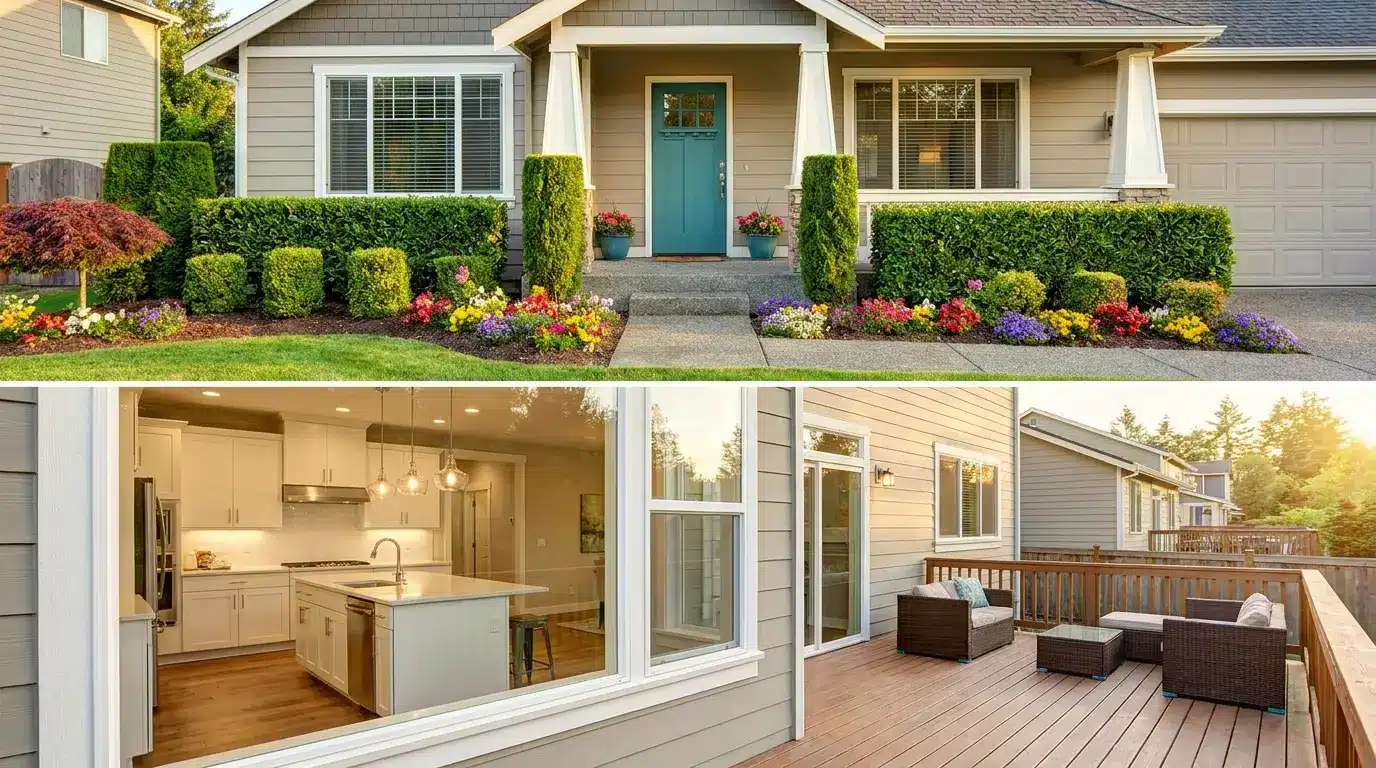

Every renovation you make chips away at or builds up your home’s value, whether you notice it or not. The right upgrades boost equity, strengthen your borrowing power, and set your home apart on the block. The wrong ones just drain your budget without moving the needle.
Not every project pays off equally. Some upgrades return nearly every dollar spent, while others barely register with buyers no matter how much they cost.
This guide breaks down which upgrades are actually worth it, from quick, affordable fixes to bigger remodels, so you can boost resale value and enjoy your home more in the process.
Smart Ways to Add Value to Your Home
From quick weekend fixes to bigger remodels, these upgrades cover the projects that consistently pay off with buyers and make everyday living better in the meantime.
1. Upgrade the Kitchen
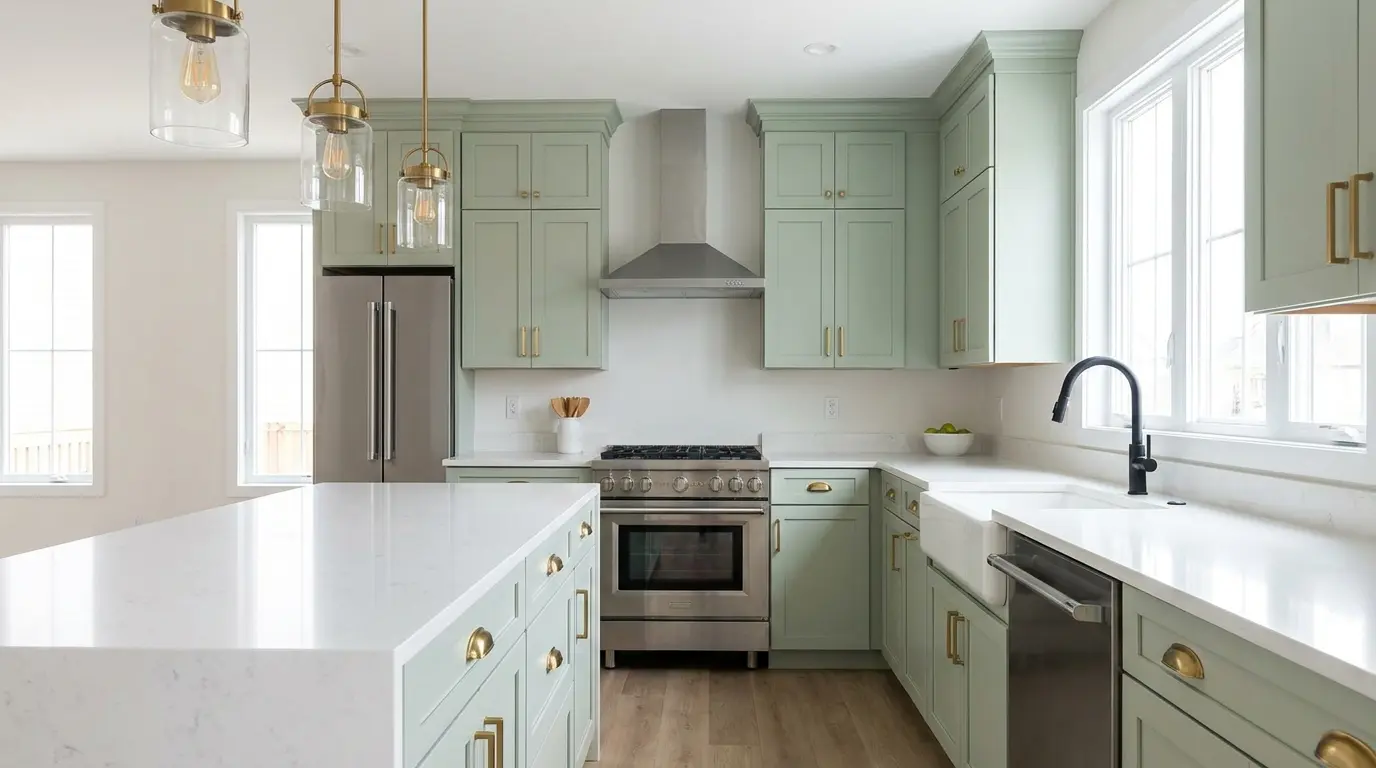
The kitchen carries more weight with buyers than almost any other room, and small changes can shift its entire feel.
- Cabinet refacing or painting: Swap doors or apply a fresh coat instead of full replacement to save on cost.
- New countertops: Quartz and granite offer durability and buyer appeal without a full remodel.
- Modern fixtures and hardware: New faucets, handles, and knobs update the look for a low cost.
2. Remodel Bathrooms
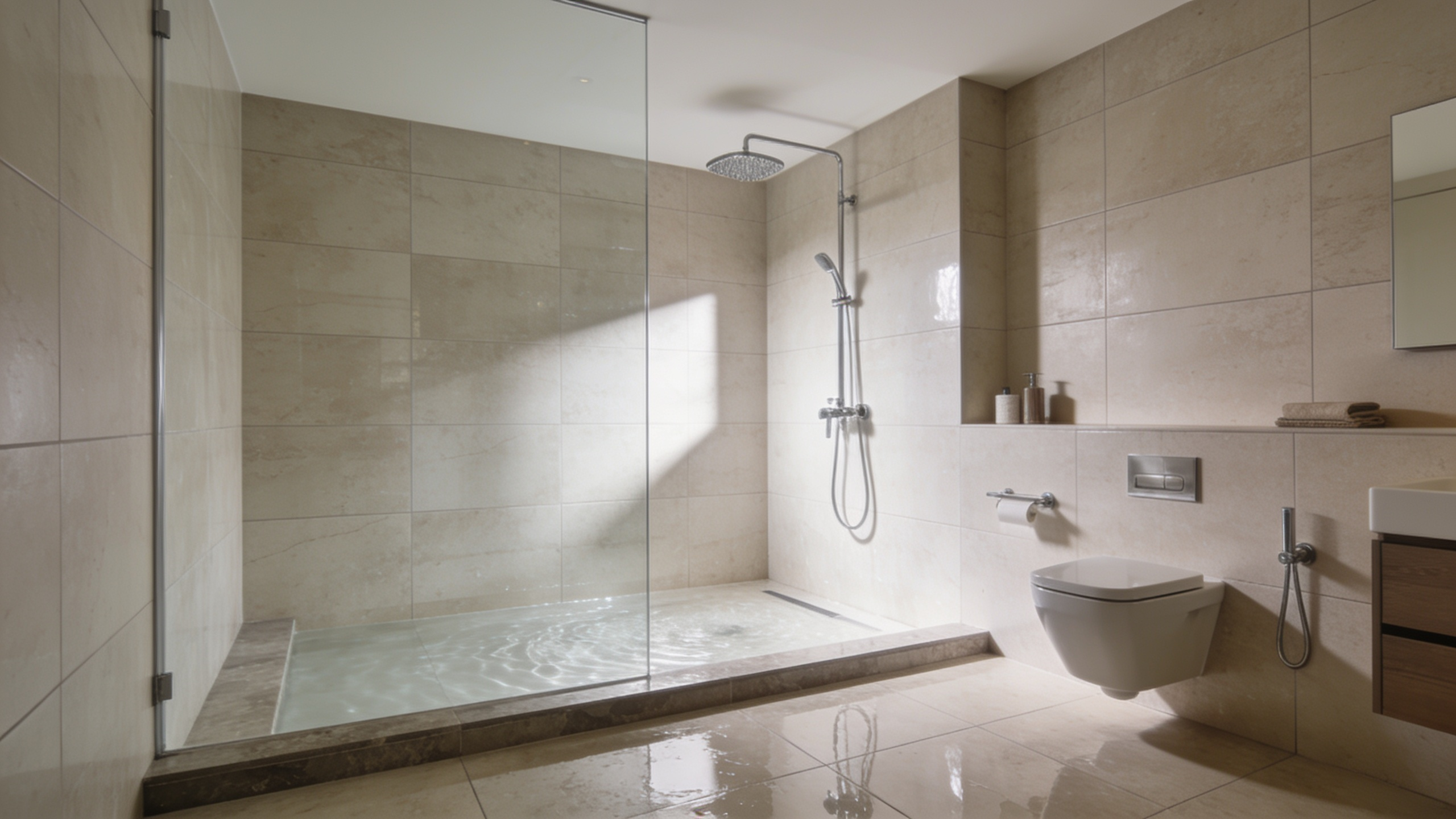
Bathrooms rank close behind kitchens in terms of return on investment, and dated fixtures are often the first thing buyers notice.
- Replace outdated vanities: A new vanity and mirror modernize the space fast.
- Install water-efficient fixtures: Low-flow toilets and showerheads cut utility costs and appeal to eco-conscious buyers.
- Improve lighting: Brighter, layered lighting makes a small bathroom feel larger.
3. Improve Your Home’s Curb Appeal
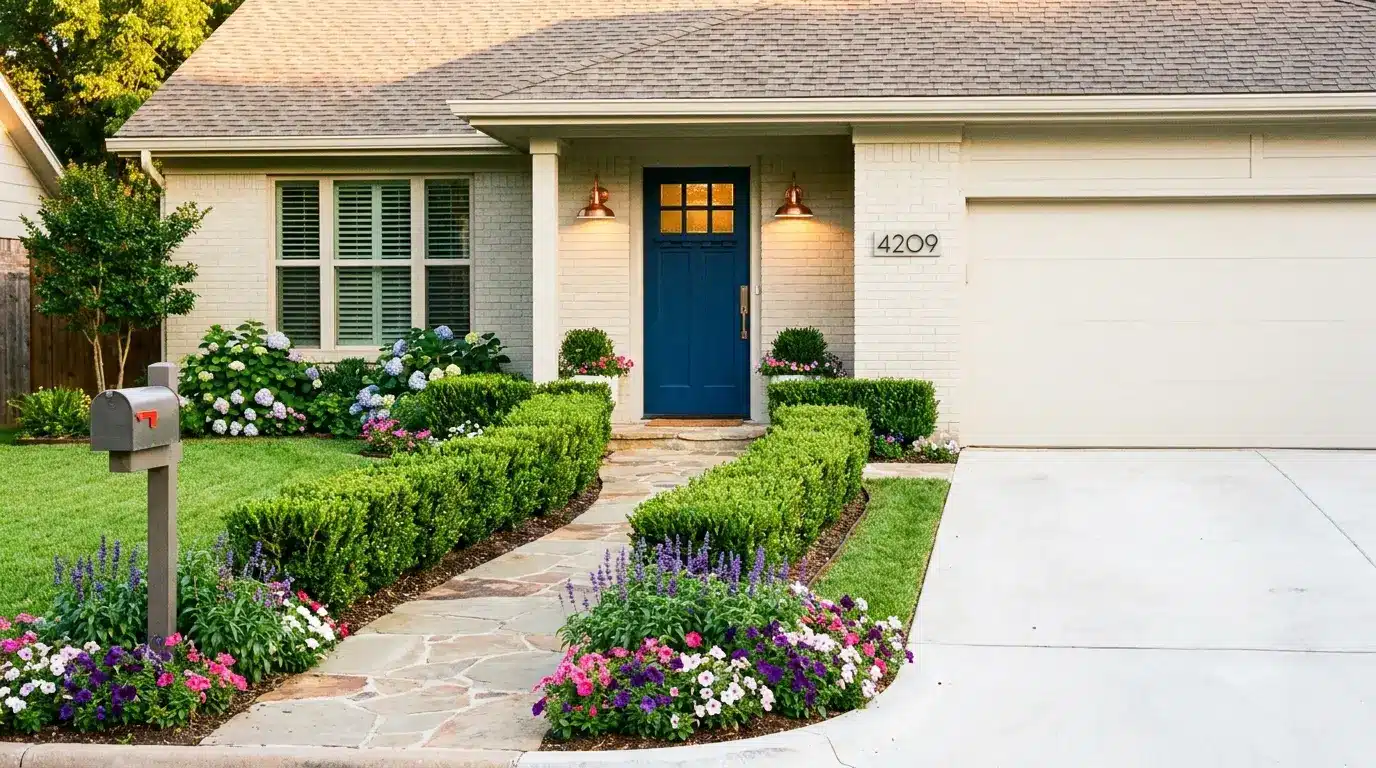
First impressions form before a buyer steps inside, so exterior details carry outsized weight.
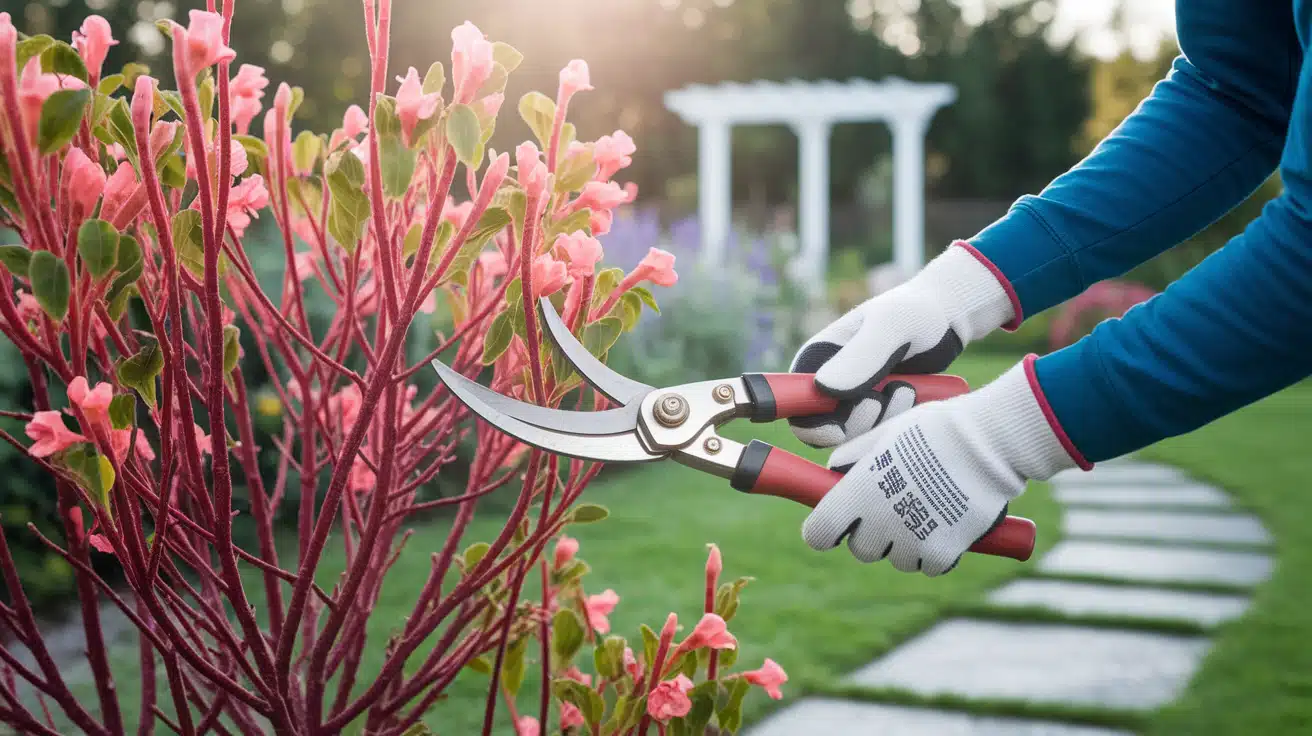
- Landscaping: Trimmed shrubs, mulch, and seasonal plants create a tidy first impression.
- Fresh front door paint: A bold, well-chosen color makes the entry stand out.
- Outdoor lighting: Path lights and porch fixtures add safety and style after dark.
- House numbers and mailbox: Updated hardware is a small detail that signals overall upkeep.
4. Add a Fresh Coat of Paint
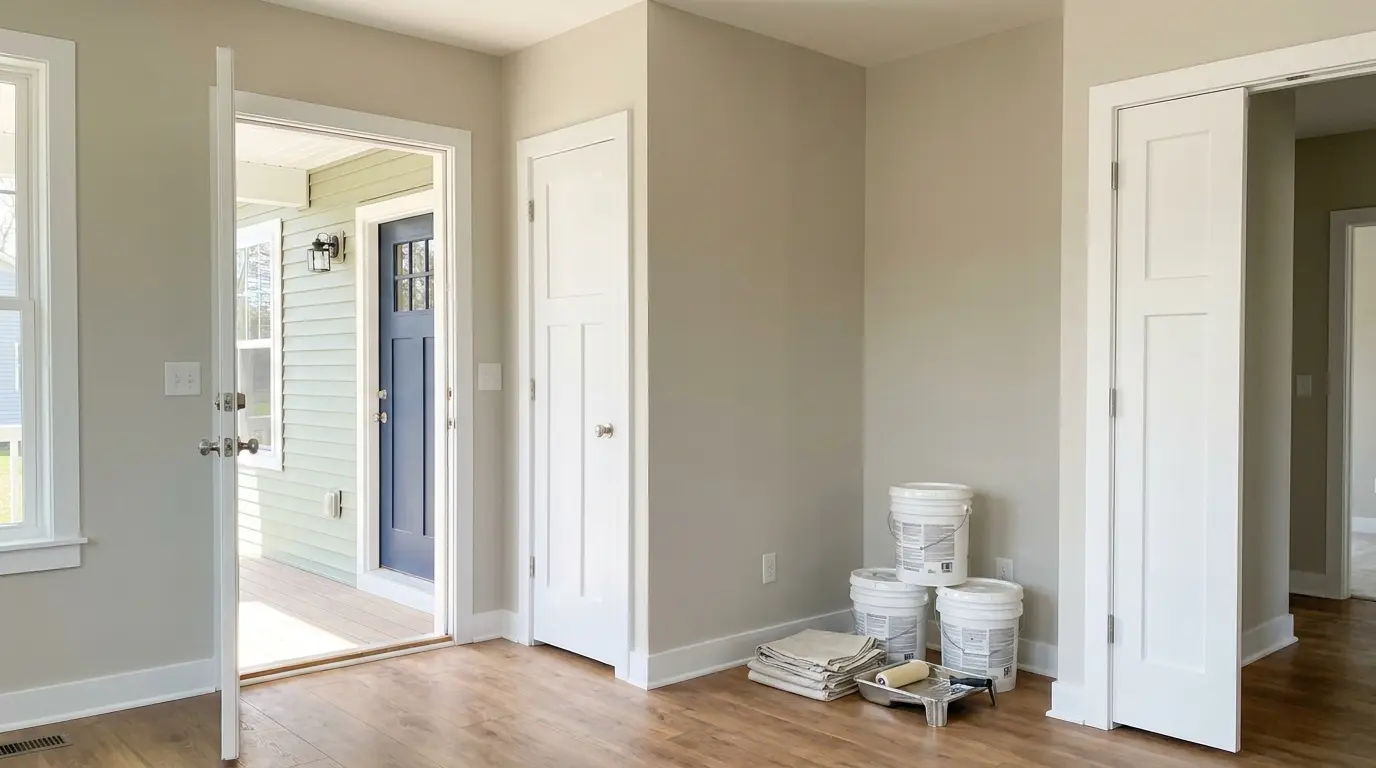
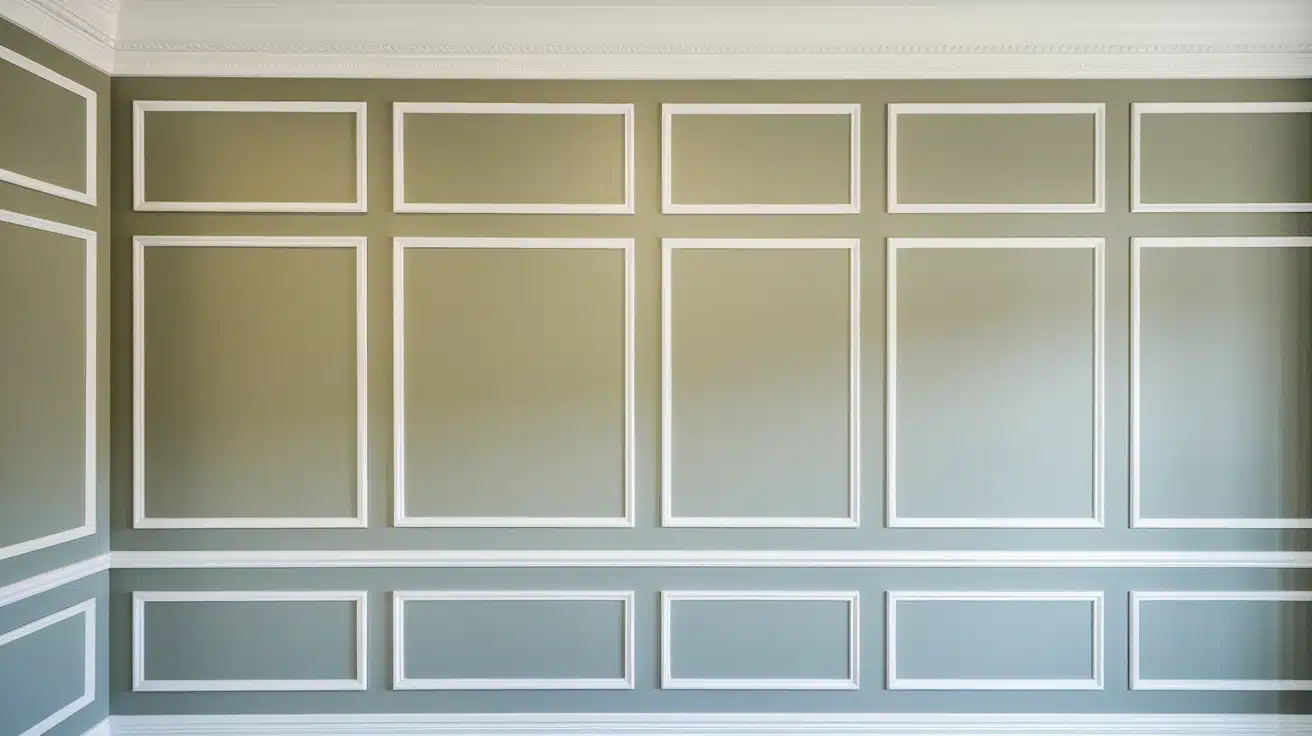
Paint is one of the cheapest ways to change how a home reads to a buyer or appraiser.
- Neutral interior colors: Light, neutral tones appeal to the widest range of buyers.
- Exterior repainting: A fresh exterior coat protects siding and boosts curb appeal.
- Refresh trim and doors: Crisp trim makes walls and floors look newer than they are.
5. Replace Old Flooring
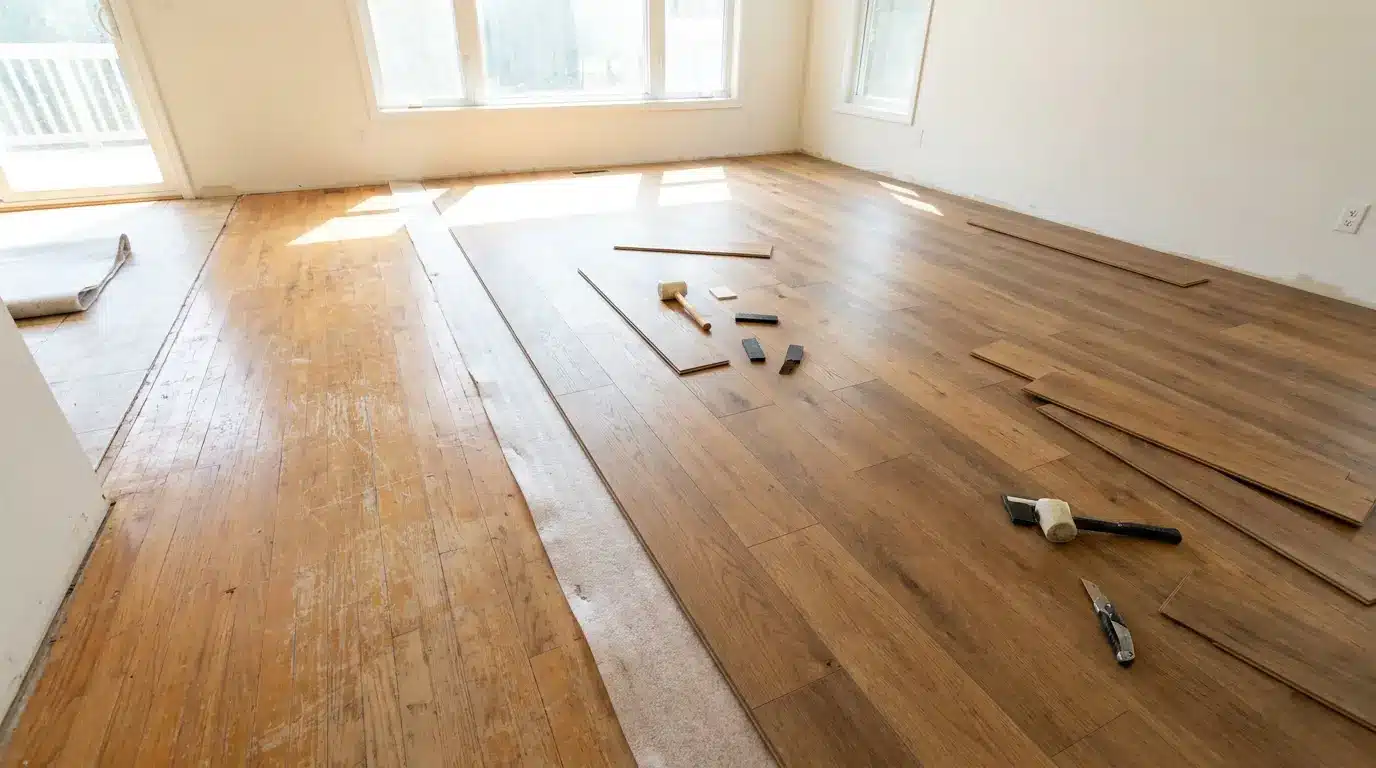
Flooring affects how a home feels underfoot and how it photographs for listings.
- Hardwood: Real hardwood remains a top request among buyers in most markets.
- Luxury vinyl plank (LVP): LVP offers the look of wood with better water resistance at a lower cost.
- Refinish existing wood floors: Sanding and refinishing existing hardwood costs far less than replacement.
6. Increase Energy Efficiency
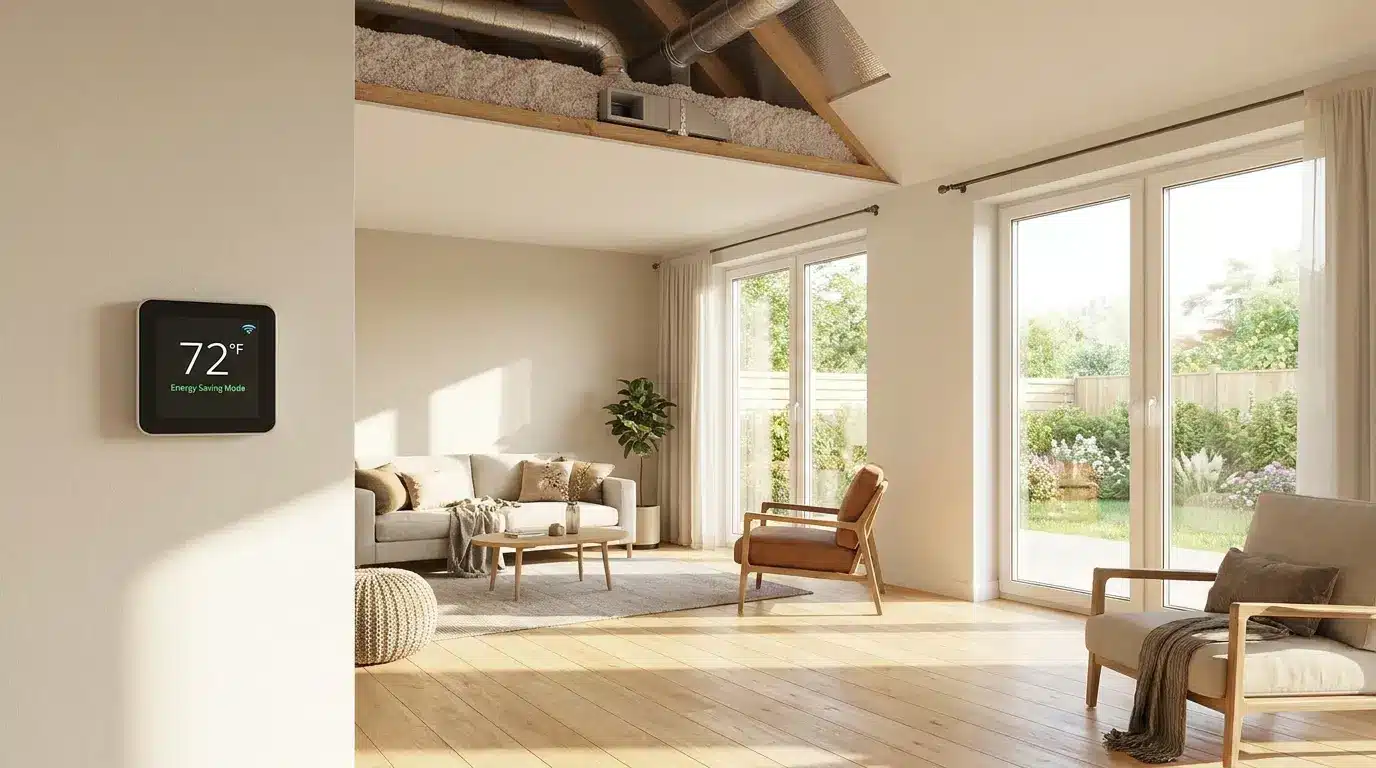
Energy-efficient homes cost less to run, and buyers increasingly factor utility costs into their offers.
- Better insulation: Upgraded attic and wall insulation lowers heating and cooling bills year-round.
- Smart thermostat: A programmable thermostat automatically reduces energy waste.
- Energy-efficient windows: New windows reduce drafts and improve comfort year-round.
7. Create More Usable Living Space
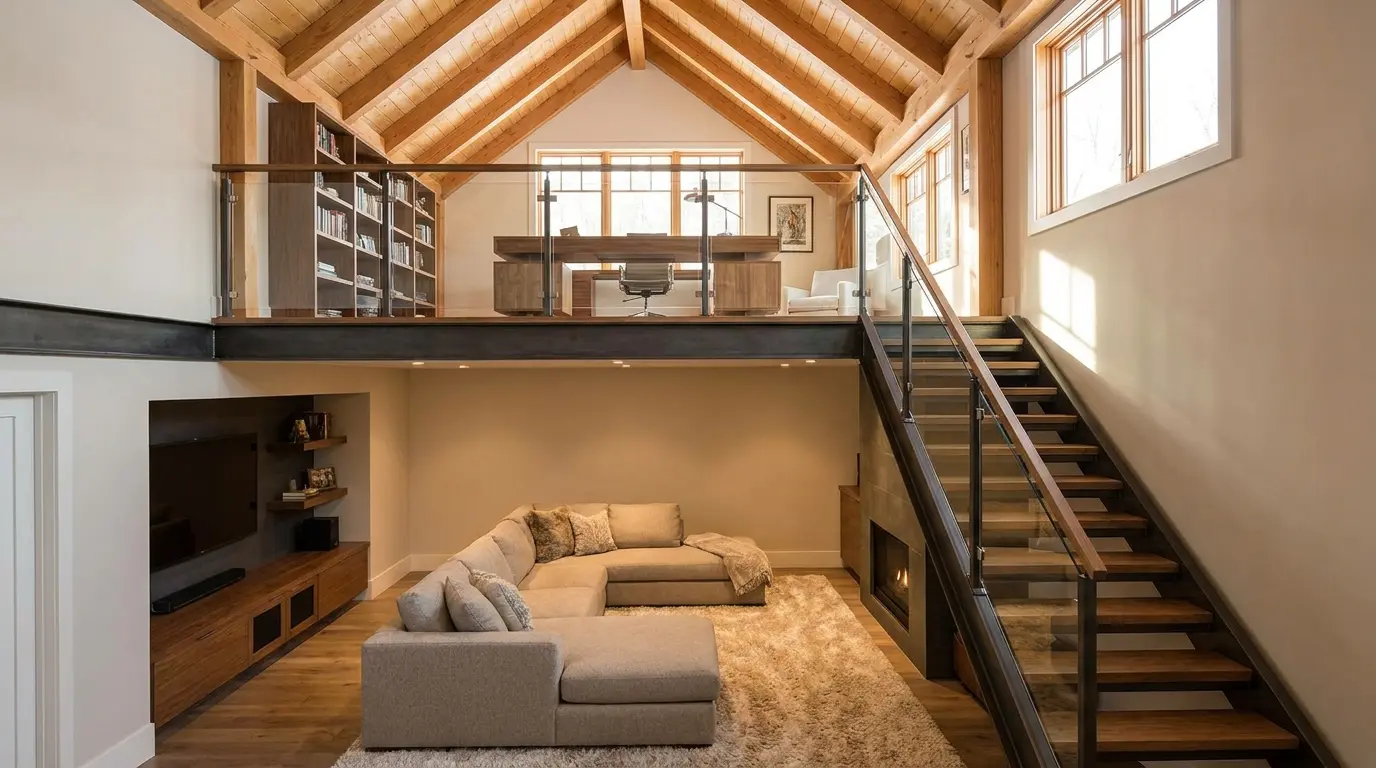
Adding square footage, even without a full addition, raises both value and functionality.
- Finish a basement: A finished basement adds livable space without expanding the home’s footprint.
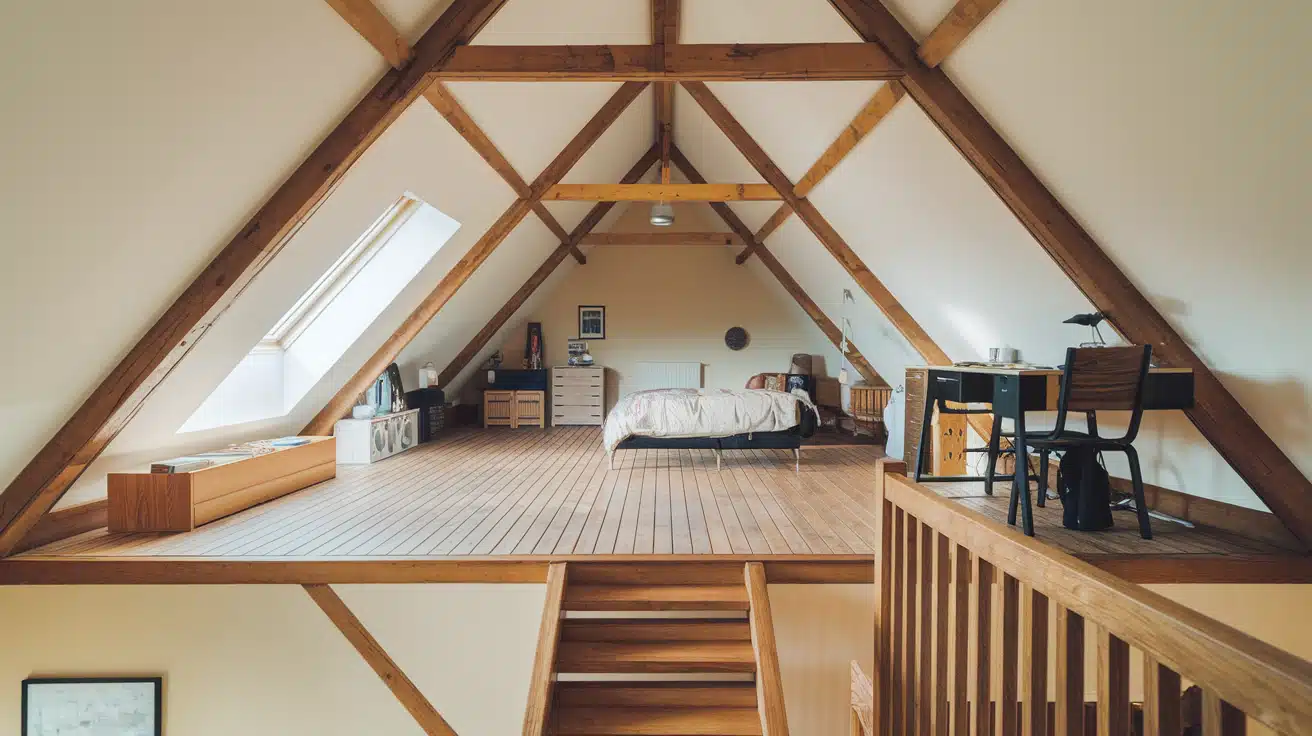
- Convert an attic: It can become a bedroom, office, or playroom.
- Build a home office: Dedicated office space has become a strong selling point since remote work became common.
8. Upgrade Lighting Throughout the Home
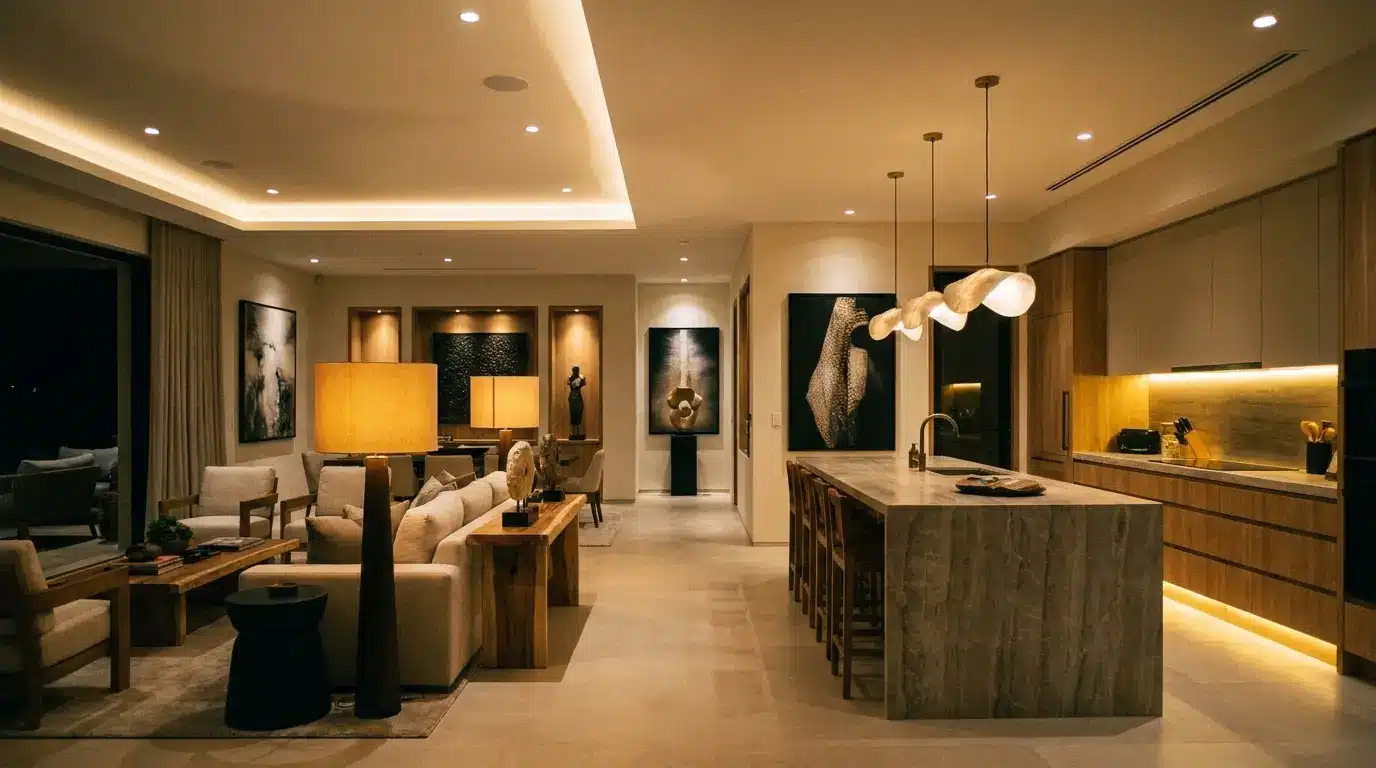
Lighting shapes how spacious and modern a home feels, often more than paint or furniture.
- Recessed lighting: Recessed fixtures brighten rooms without taking up visual space.
- Pendant lights: Pendants over islands or dining tables add a design focal point.
- Layered lighting design: Combining ambient, task, and accent lighting improves both function and mood.
9. Modernize Doors and Windows
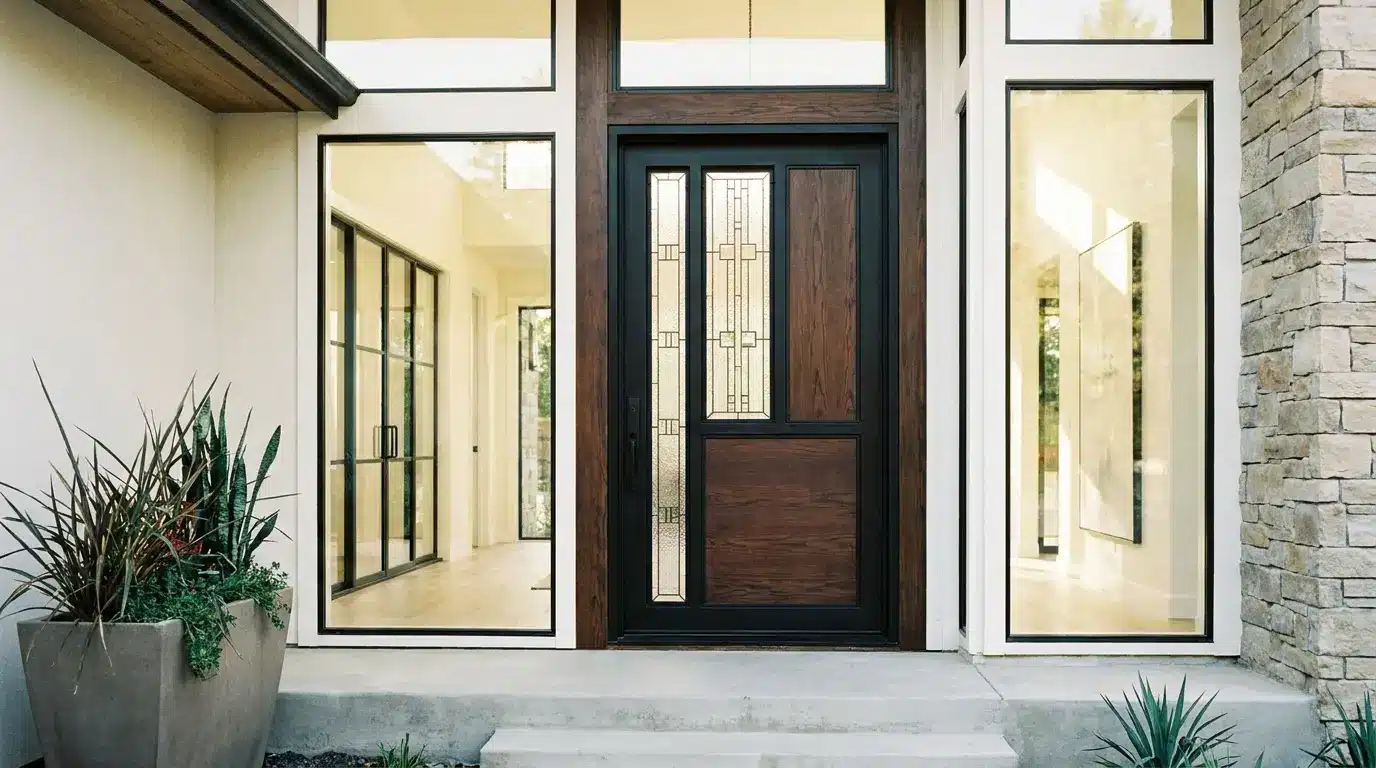
Doors and windows affect a home’s efficiency, security, and curb appeal at once.
- Energy-efficient windows: New windows lower energy bills and reduce outside noise.
- New interior doors: Updated doors and hardware refresh a home’s overall feel.
- Stylish front entry door: A well-designed front door boosts both curb appeal and security.
10. Improve Storage Solutions
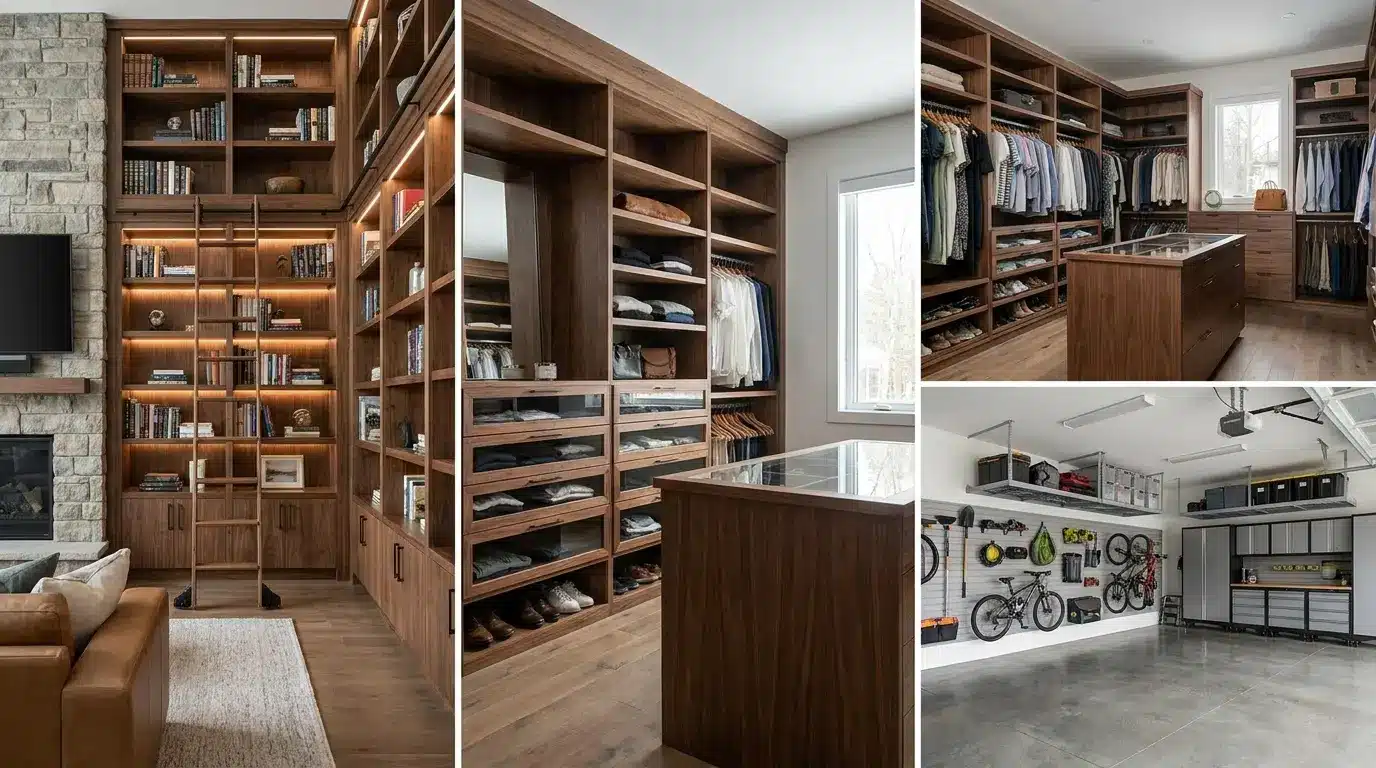
Storage is a top priority for buyers, and better organization can make existing space feel bigger.
- Built-in shelving: Custom shelving adds storage without eating into floor space.
- Walk-in closet organization: An organized closet system makes a home feel more move-in ready.
- Garage storage systems: Overhead racks and wall storage free up garage floor space.
11. Refresh Outdoor Living Areas/h3>


Outdoor space has become a bigger factor in home value since more buyers prioritize time at home.
- Deck or patio: A deck or patio expands usable outdoor living space.
- Outdoor seating: Comfortable seating areas make the yard feel like an extra room.
- Fire pit: A fire pit adds a gathering spot for cooler evenings.
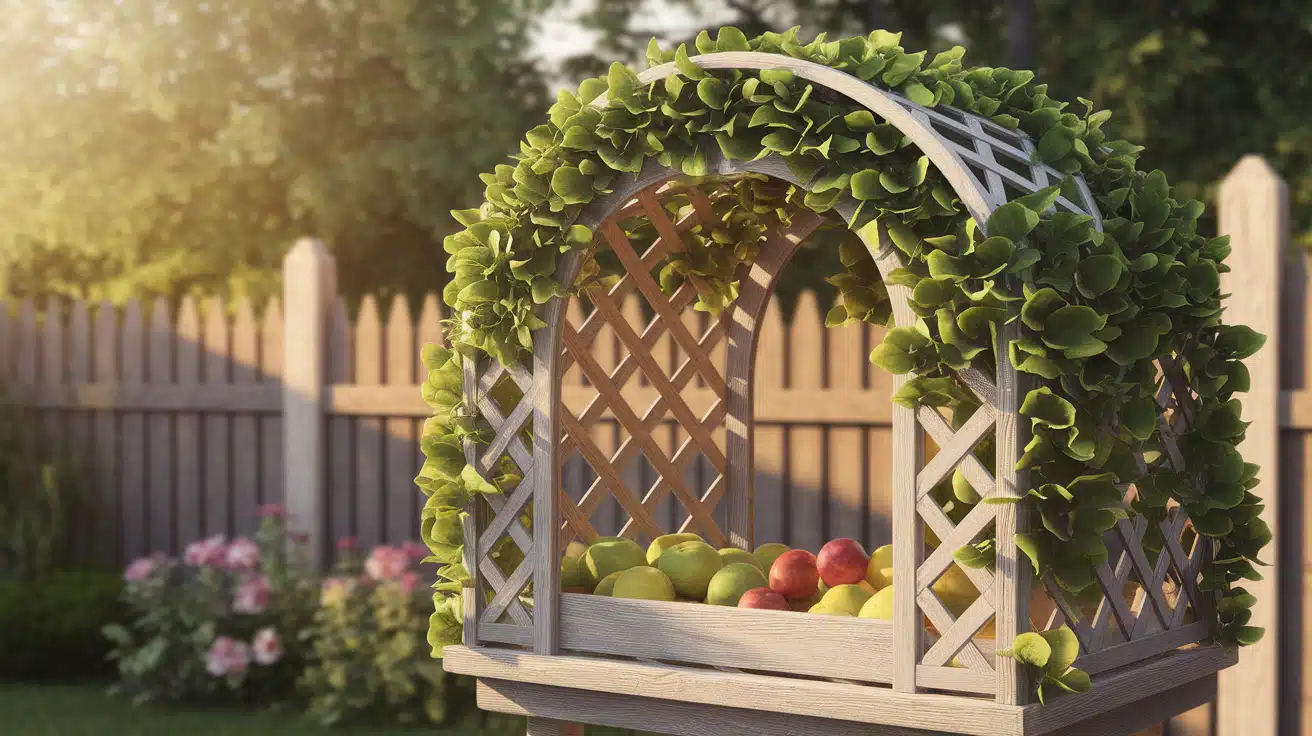
- Pergola: A pergola adds shade and structure to an outdoor living area.
12. Update Heating and Cooling Systems
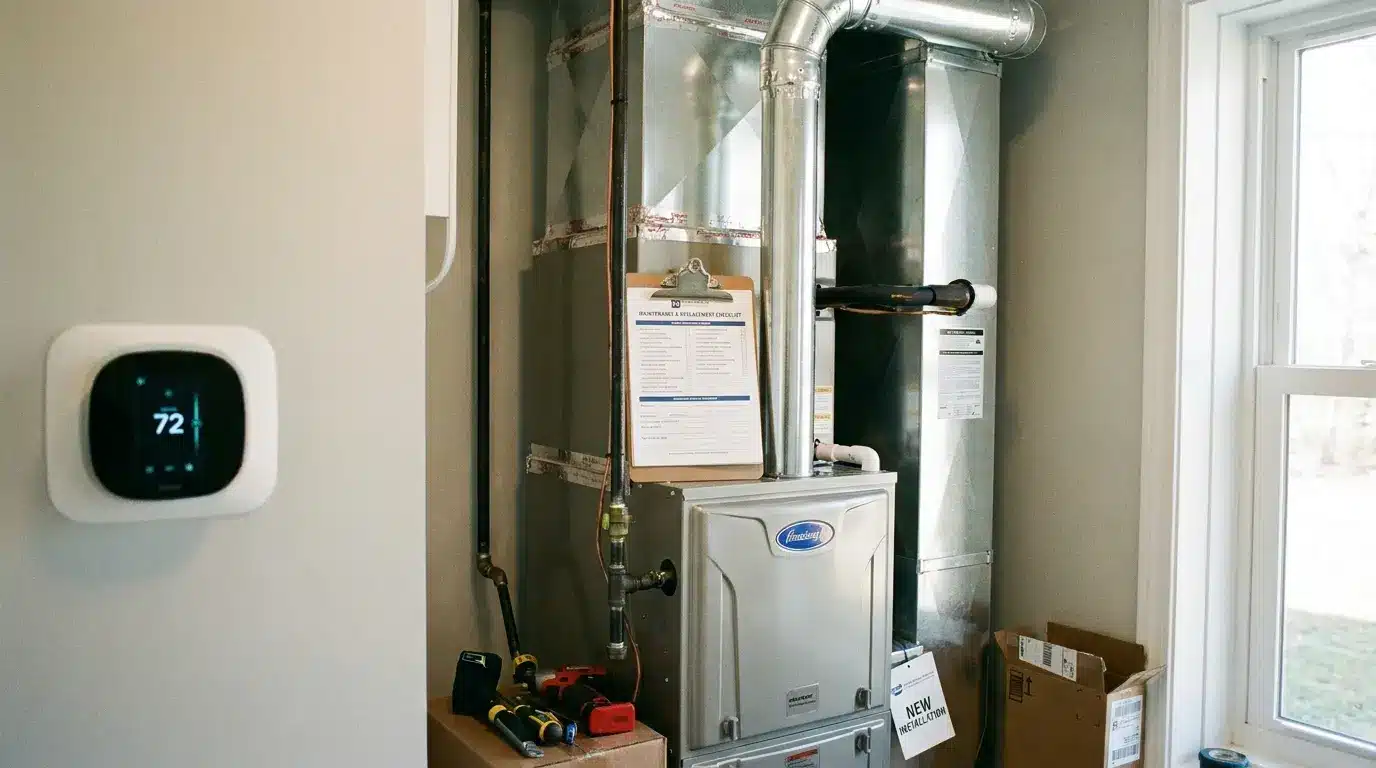
An aging HVAC system is a red flag for buyers, since replacement costs are steep and immediate.
- Replace an aging HVAC: A new system reassures buyers and improves efficiency.
- Annual servicing: Regular maintenance extends the system’s life and catches problems early.
- Smart climate controls: Smart thermostats and zoned systems improve comfort and lower costs.
13. Add Smart Home Features
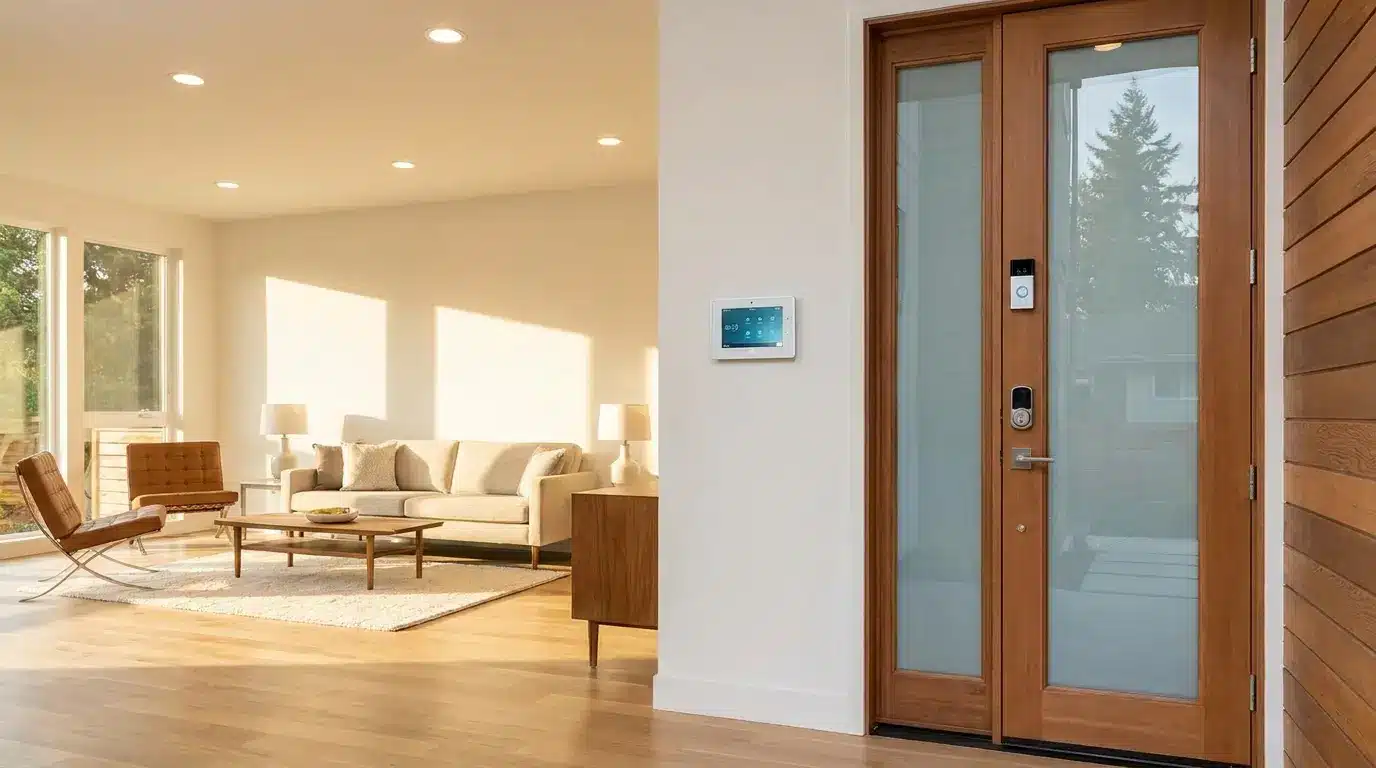
Smart home technology has shifted from novelty to expectation in many markets.
- Video doorbell: A video doorbell adds security and convenience at a low cost.
- Smart locks: Keyless entry appeals to buyers who value convenience and security.
- Security system: A monitored system reassures buyers about safety.
- Smart lighting: App-controlled lighting adds a modern touch throughout the home.
14. Keep Up with Essential Maintenance
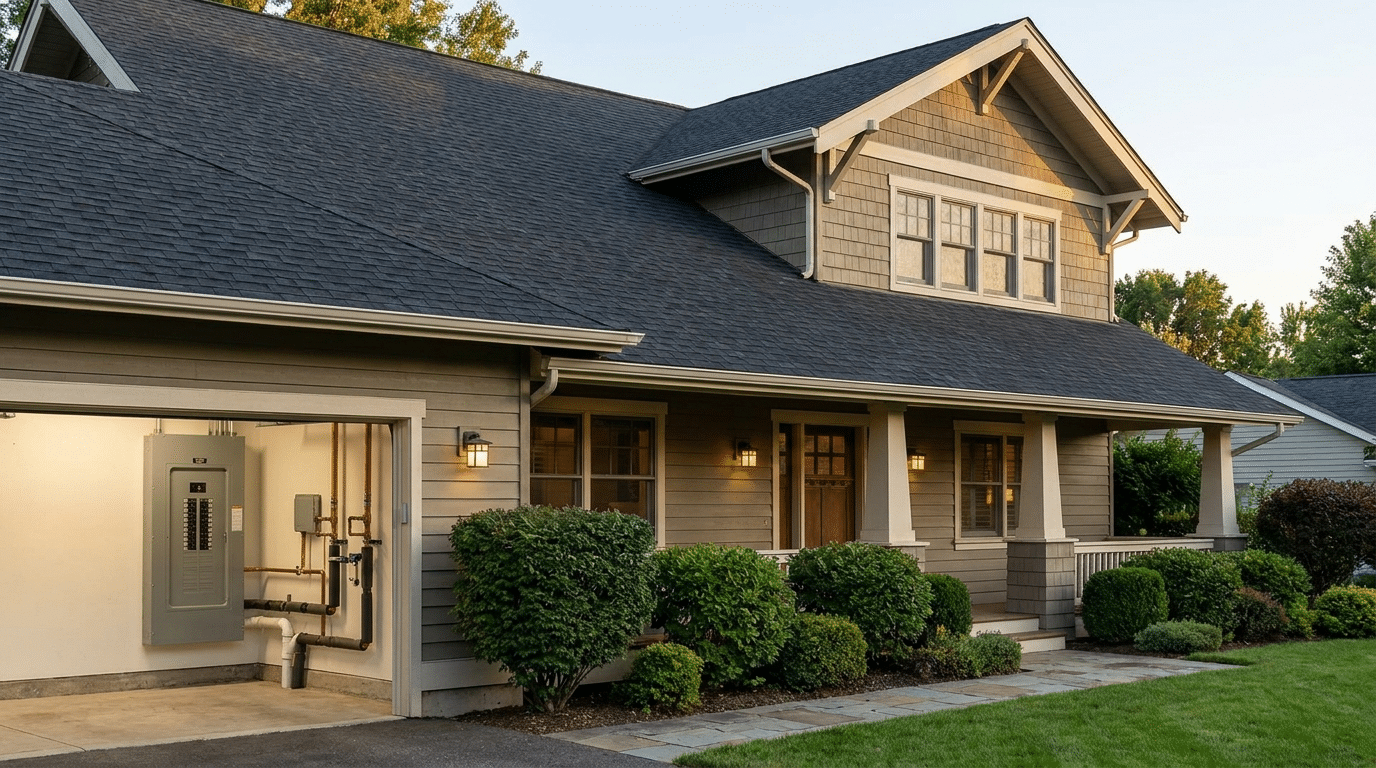
Maintenance protects the value you already have and prevents small issues from becoming costly repairs.
- Roof repairs: A well-maintained roof avoids water damage and reassures buyers.
- Plumbing fixes: Fixing leaks and outdated pipes prevents bigger problems later.
- Electrical updates: Updated wiring and panels meet current safety standards.
- Gutter maintenance: Clean, functional gutters protect the foundation and roofline.
15. Declutter and Stage Your Home
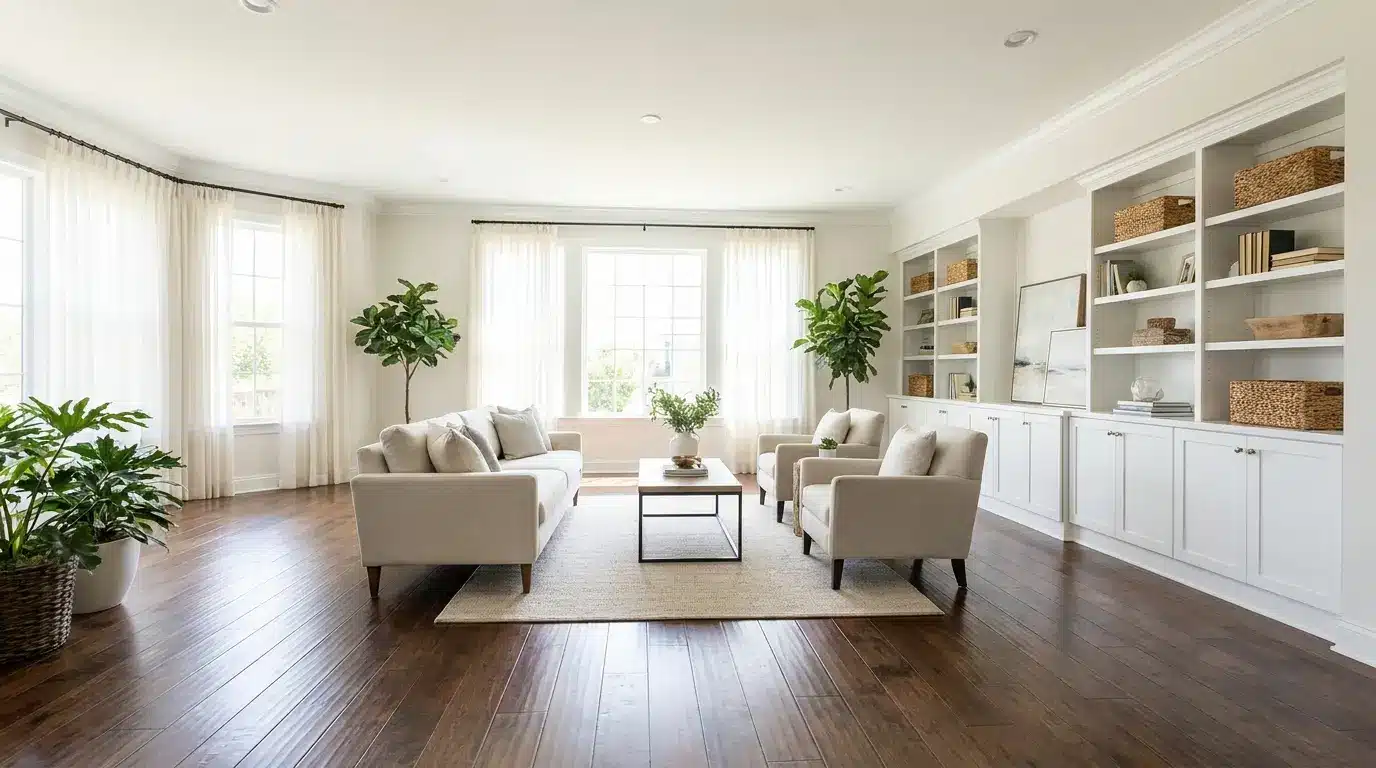
Staging changes how buyers perceive space, light, and flow, often without any construction at all.
- Remove excess furniture: Fewer pieces make rooms feel larger and more open.
- Organize storage: Tidy closets and cabinets suggest a well-kept home.
- Deep clean: A spotless home photographs better and feels more valuable.
- Improve room flow: Rearranged furniture can make traffic patterns feel natural and open
16. Renovation Mistakes That Hurt Resale Value
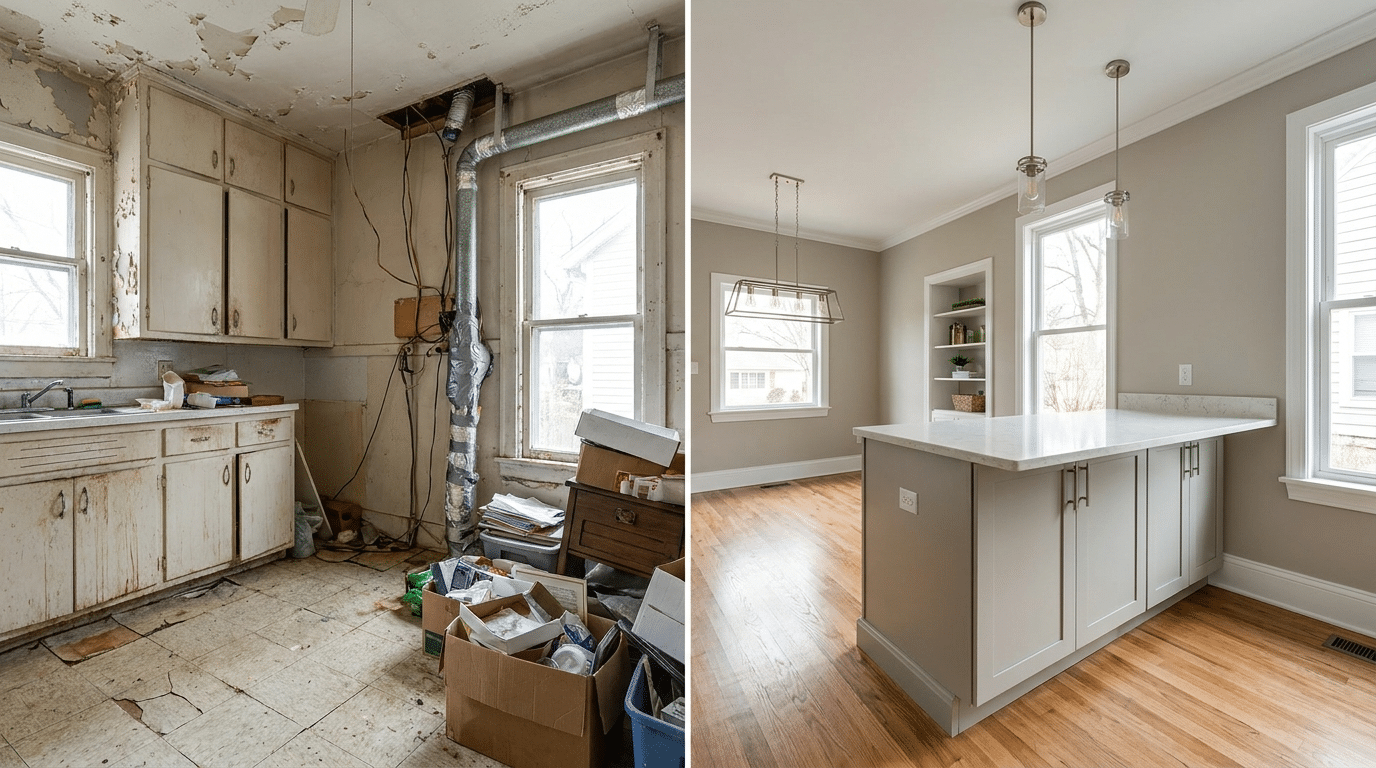
Some projects lose money instead of making it, either through overspending or by turning off potential buyers.
- Over-personalized renovations: Unusual finishes or layouts may not suit the next owner’s taste.
- Ignoring maintenance: Cosmetic upgrades built on top of unresolved repairs won’t hold up at appraisal.
- Poor DIY workmanship: Visible flaws in tile, trim, or paint can cost more in buyer confidence than the money saved.
- Removing bedrooms: Converting a bedroom into a different type of room can lower your home’s official count and its appraised value.
- Mismatched luxury upgrades: High-end finishes rarely pay back their full cost in a modest neighborhood.
Home Value Upgrades: Cost vs. Return
Not every dollar spent on a renovation comes back the same way. Some projects, like a minor kitchen refresh, recover most or all of their cost, while others add comfort without moving the needle on resale price.
The table below breaks down where common upgrades fall on that spectrum.
| Upgrade | Cost | Value Added | ROI |
|---|---|---|---|
| Kitchen Refresh | Moderate | High | 70-80% |
| Bathroom Update | Moderate | High | 60-70% |
| Paint | Low | Moderate | 100%+ |
| Flooring | Moderate | Moderate-High | 70-80% |
| Curb Appeal | Low | Moderate | 100%+ |
| Energy Efficiency | Moderate-High | Moderate | 60-70% |
Low-Cost Projects with the Highest Return
Paint and curb-appeal projects tend to recoup their full cost or more, since they’re inexpensive to complete and make an outsized first impression.
Moderate-Cost Upgrades With Strong Returns
Kitchen refreshes and flooring updates cost more upfront but recover most of that investment through higher buyer demand.
Higher-Cost Improvements With Long-Term Value
Energy-efficiency upgrades pay off gradually through lower utility bills, plus any resale bump, making them a longer-term investment rather than a longer-term investment rather than a quick flip
Conclusion
The best way to add value to your home is to focus on practical upgrades that improve both comfort and resale appeal. Prioritize high-return projects like kitchen updates, fresh paint, curb appeal, and regular maintenance.
If your budget allows, invest in energy-efficient features and functional improvements that add lasting value. With the right upgrades, you can enjoy a better home today while increasing its appeal to future buyers.
Frequently Asked Questions
What Devalues a House the Most?
Poor maintenance, structural damage, outdated features, and low-quality renovations can significantly reduce a home’s value. Keeping the property clean, updated, and well-maintained helps protect its market appeal.
Who is the Best Person to Value a House?
A licensed real estate appraiser provides the most accurate home valuation. A local real estate agent can also estimate your home’s value using recent comparable sales.
What Type of House Has the Best Resale Value?
Well-maintained single-family homes with updated kitchens, modern bathrooms, energy-efficient features, and good curb appeal usually have the strongest resale value