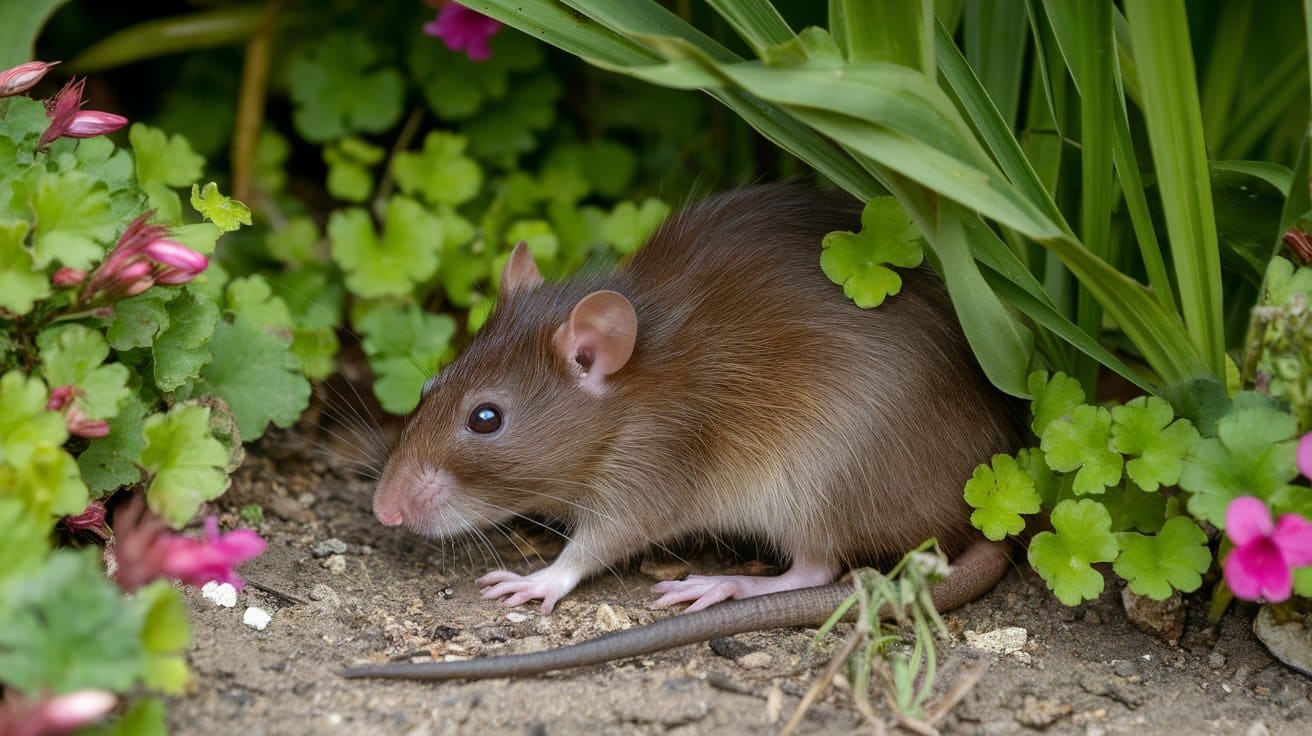

Spotting small holes in your garden soil can send anyone into panic mode. Are those rat burrows? The answer matters because rats multiply fast and cause real damage to plants, structures, and health.
You might have missed the early warning signs until the problem becomes serious. Rats create complex underground tunnel systems, often right beneath your favorite plants or patio.
They work mostly at night, leaving subtle clues that are easy to overlook during the day.
This guide shows you exactly how to identify rat burrows, common rat nesting spots in UK gardens, and other telltale signs of infestation. You’ll learn proven prevention methods, when to handle the problem yourself, and when to call experts.
Most importantly, you’ll know how to respond quickly and safely to protect your garden.
What Are Rat Burrows?
Rat burrows are underground tunnels that rats dig in soil to create safe spaces for nesting, shelter, and raising their young. These holes serve as their home base in your garden.
Rats dig these tunnels in soft soil where they feel protected from predators and harsh weather. The burrows give them a hidden place to live while staying close to food sources.
Once established, a single burrow system can house multiple rats and expand over time.
Most rat burrows stay hidden beneath garden structures, fences, dense shrubs, or piles of wood and debris. Rats prefer areas with good cover where they won’t be easily spotted.
They also choose locations near walls or foundations because these provide extra stability for their tunnel systems.
Rat Species Commonly Found in Gardens
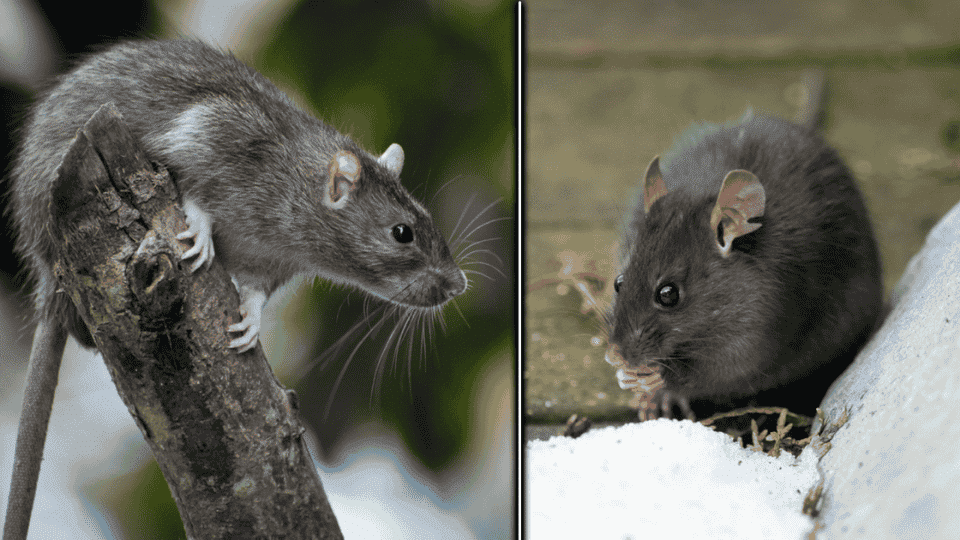
Two common rat species often found in gardens are the brown rat (Norway rat), which prefers to burrow underground, and the black rat (roof rat), which is more arboreal but can also burrow in sheltered areas near food sources.
| Species | Habitat Preference | Behavior |
|---|---|---|
| Brown Rat | Underground burrows near structures | Digs extensive burrow systems |
| Black Rat | Elevated areas, trees, structures | Climbs and prefers sheltered spaces |
What Attracts Rats to Gardens?
Rats are opportunistic feeders and will be drawn to your garden if it offers food, water, and shelter, creating a perfect environment for nesting and survival.
Our pest specialists consistently trace garden infestations back to these same three attractants, no matter how tidy the garden looks on the surface.
- Food Sources: Rats are attracted to easily accessible food, such as fallen fruit, vegetables, and birdseed.
- Water Availability: Standing water, garden leaks, or water sources such as ponds and birdbaths attract rats to gardens.
- Shelter and Hiding Spots: Dense vegetation, woodpiles, and cluttered areas provide ideal hiding spots and nesting sites for rats.
- Accessible Compost or Garbage: Compost bins or open garbage containers filled with food scraps attract rats looking for an easy meal.
Signs of Rats in Your Garden & How to Identify Them?
Spotting rats early makes it easier to stop them before they multiply and cause serious problems throughout your entire outdoor space.
1. Burrows and Holes
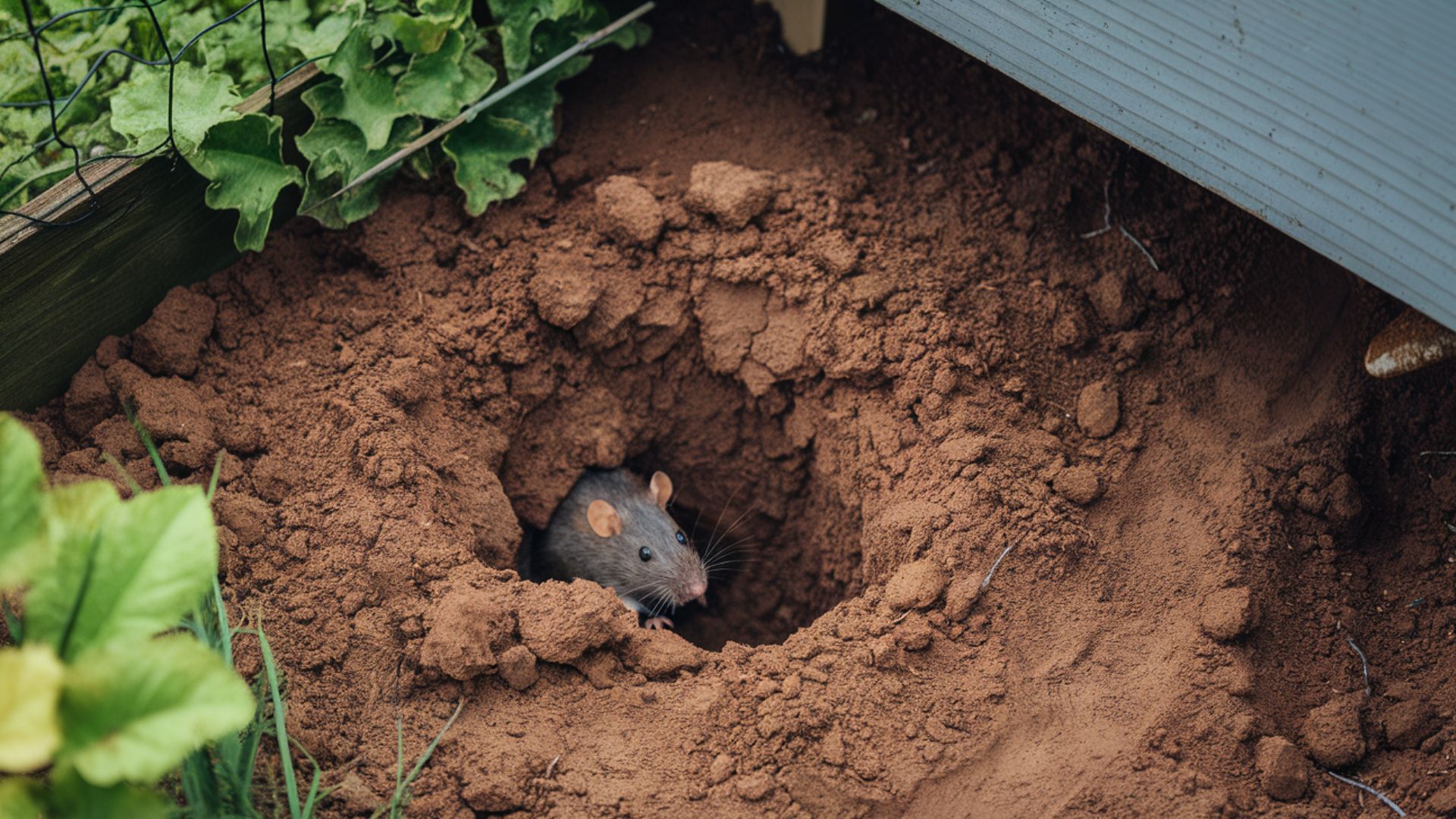
Rat burrows are typically small, round holes 2–4 inches in diameter. Fresh burrows have loose dirt around them, while older ones appear more settled.
Check areas such as decks, sheds, fences, and dense shrubs where rats feel safe. Burrows often connect underground, forming a complex tunnel system. Multiple entry points clustered together signal an active rat colony.
2. Rat Nests
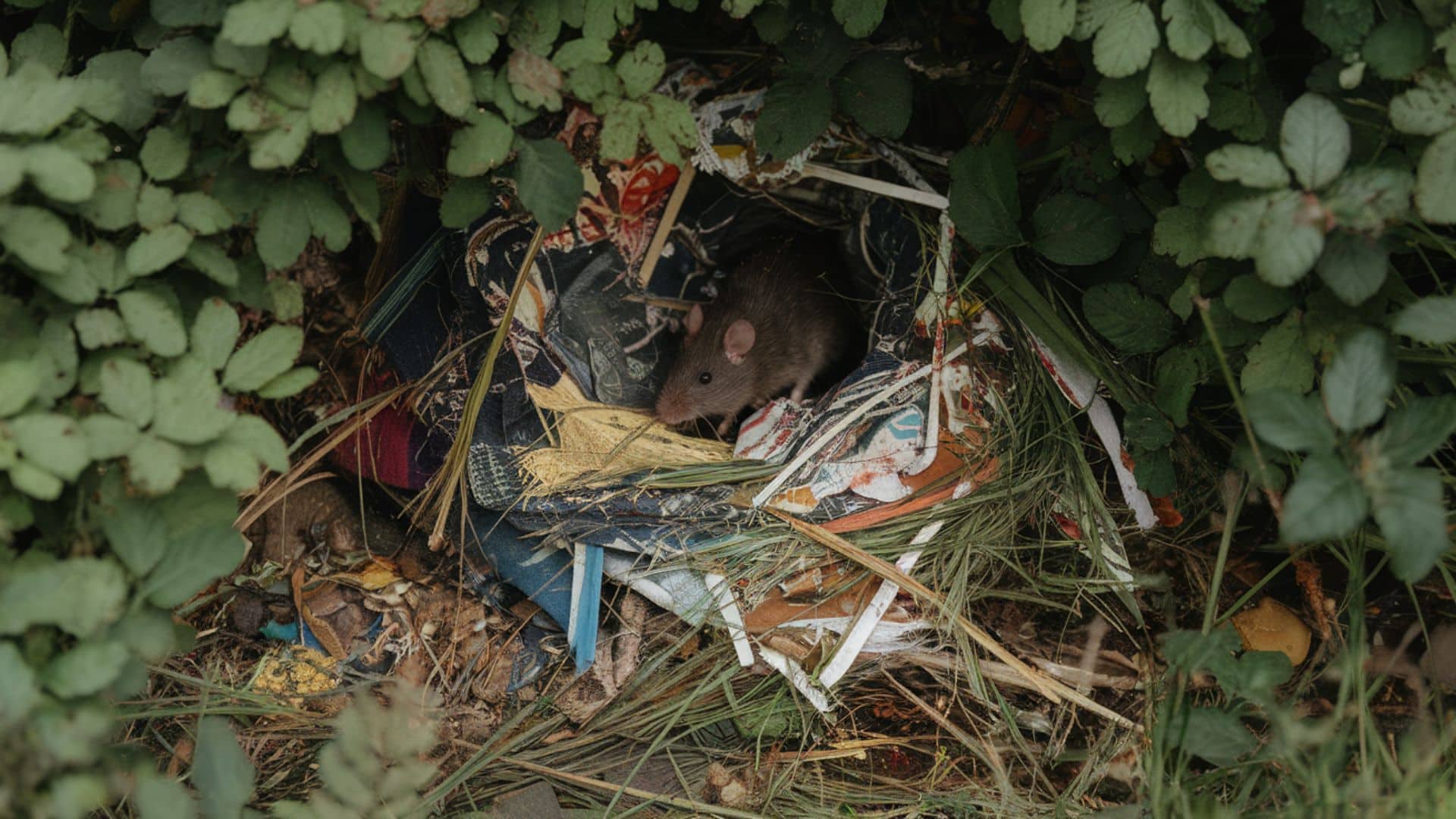
Rats build nests fromshredded paper, fabric, leaves, and grass. These messy, loosely constructed nests are usually found in compost bins, wood piles, or hidden areas such as sheds.
If you find a nest, it’s a sign that rats have settled in your garden long-term, particularly if the nest is soft and insulated, indicating a female preparing for babies.
3. Tunnels and Tracks
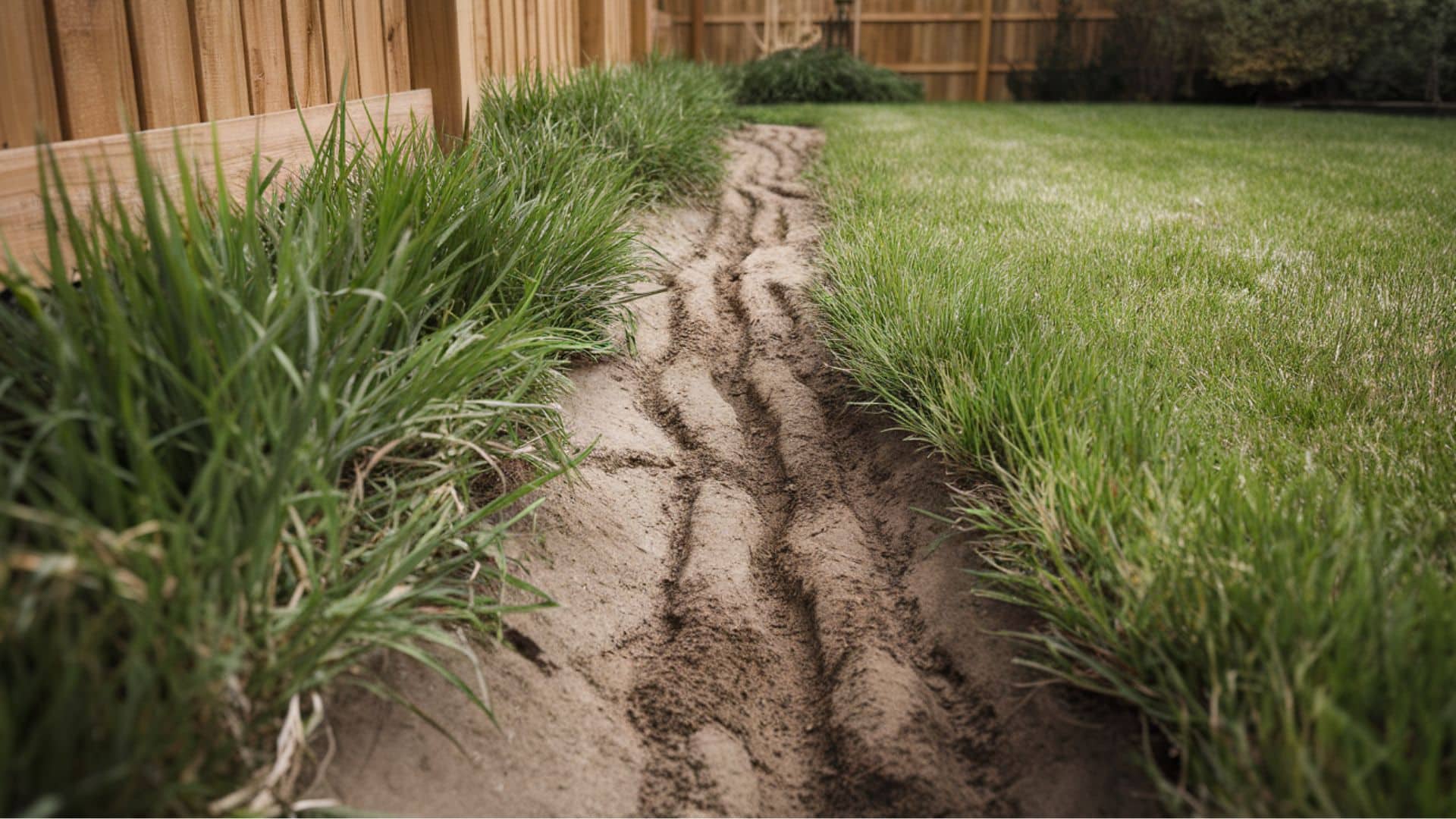
Rats follow the same routes repeatedly, leaving narrow dirt paths around 2–3 inches wide. These paths appear in grass, mulch, or soil and are usually visible along walls, fences, or garden borders.
Over time, these trails get worn down as rats travel from burrows to food sources, such as compost bins or bird feeders
4. Chewed or Damaged Plants
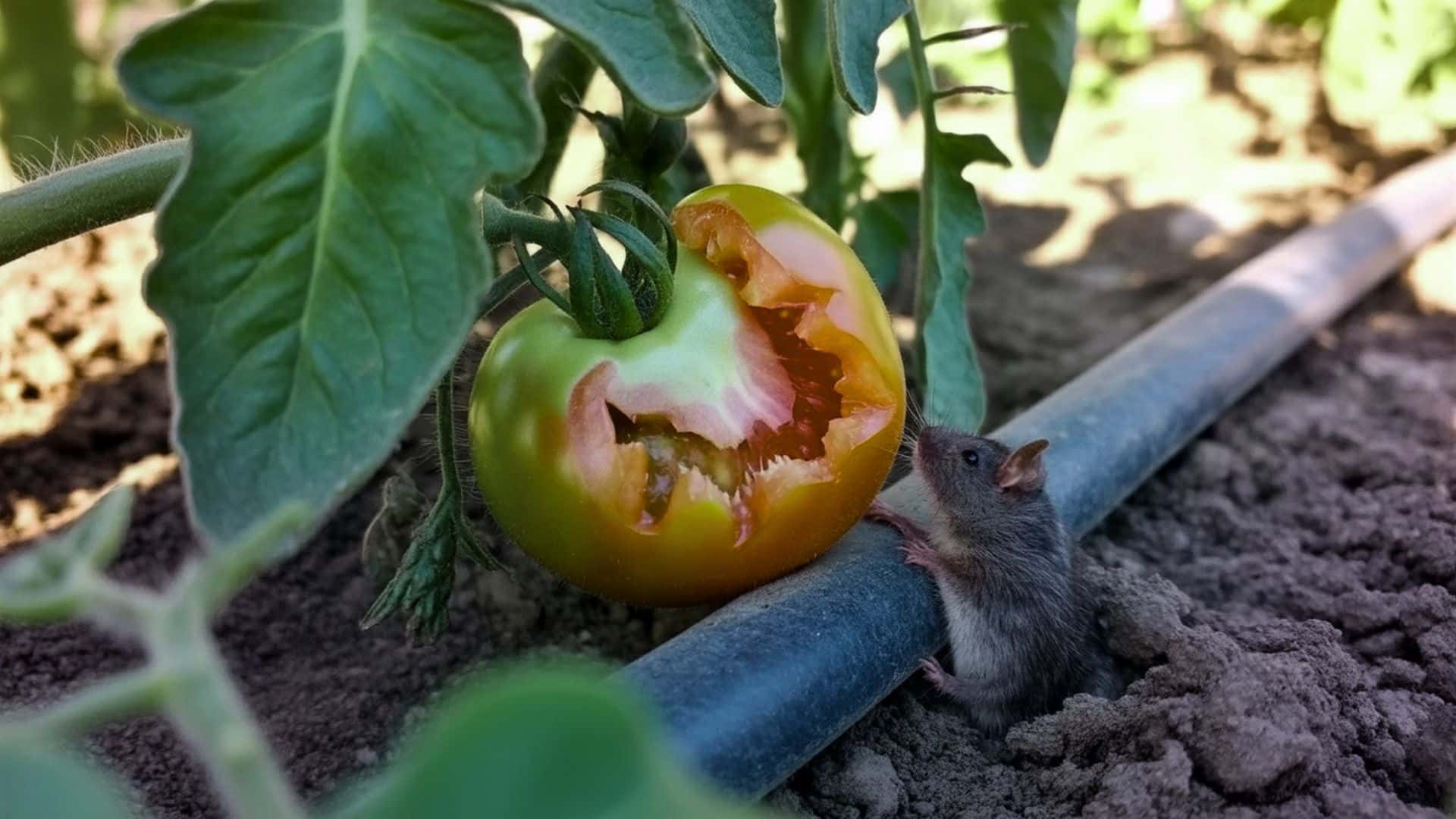
Rats gnaw on a variety of plants, fromfruits and vegetables to tree bark and flower bulbs. The damage appears as bite marks or ragged edges on produce. A simple physical barrier around fruiting plants and vegetable patches can stop this damage before it starts.
Trees may show stripped bark, which can kill them. Rats also dig up seeds and bulbs, leaving small holes in your garden. You’ll notice the damage mostly at night, when rats are most active.
5. Droppings and Smells
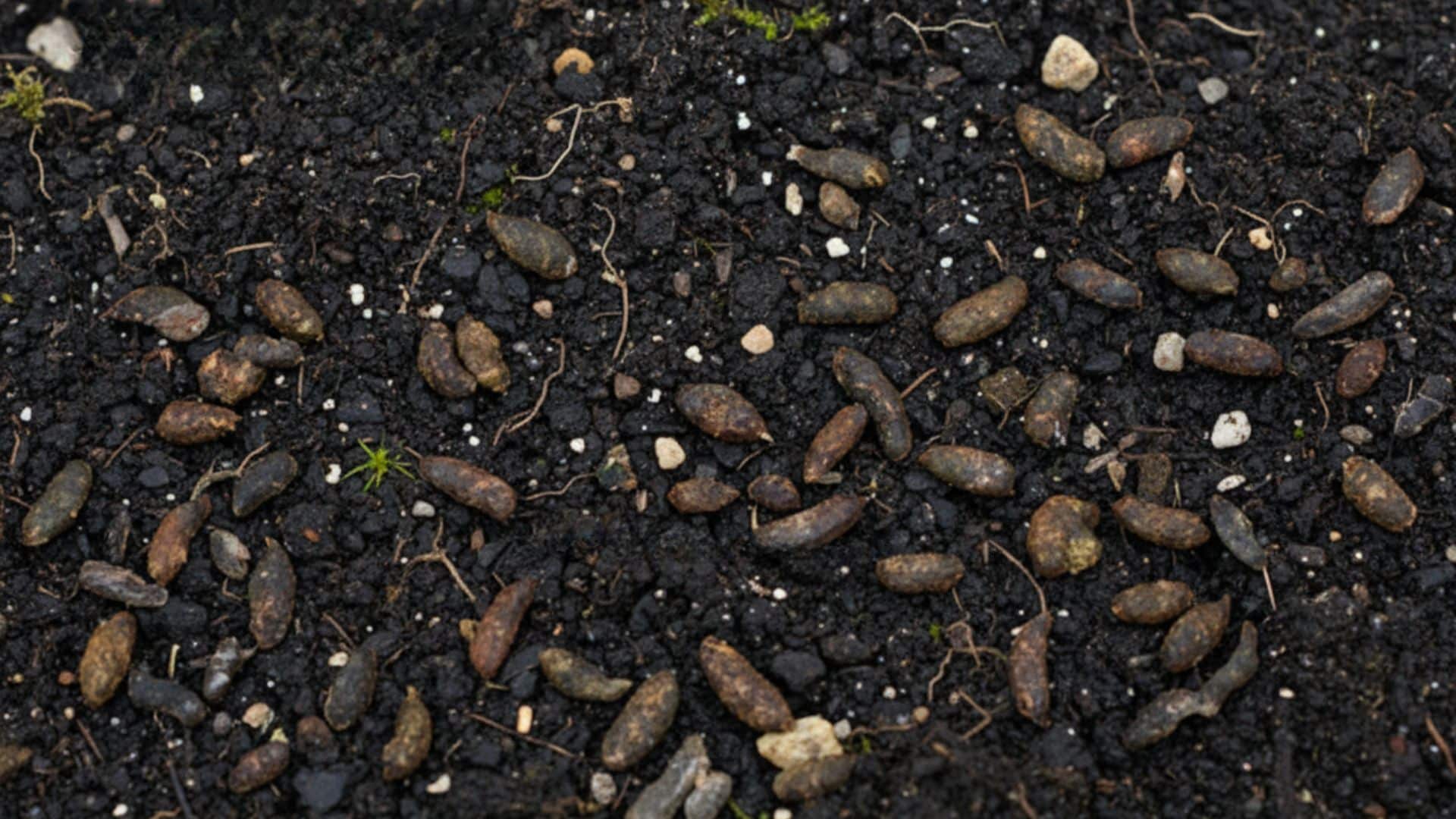
Rat droppings look like dark brown or black pellets, roughly the size of a grain of rice, with blunt ends. Rat droppings are small, dark, and cylindrical, about the size of a grain of rice.
Fresh droppings are shiny and soft, while older ones become gray and crumbly. You’ll often find them near burrows, along walls, and around food sources.
A strong ammonia smell in the air indicates that rats are marking their territory with urine. In confined spaces like sheds or under decks, the odor becomes more pronounced.
A large concentration of droppings suggests a serious infestation that needs prompt action.
How to Get Rid of Rats in the Garden
Stopping rats from invading your garden requires consistent effort, but following these proven methods helps protect your plants and keep your outdoor space healthy.
1. Seal Entry Points
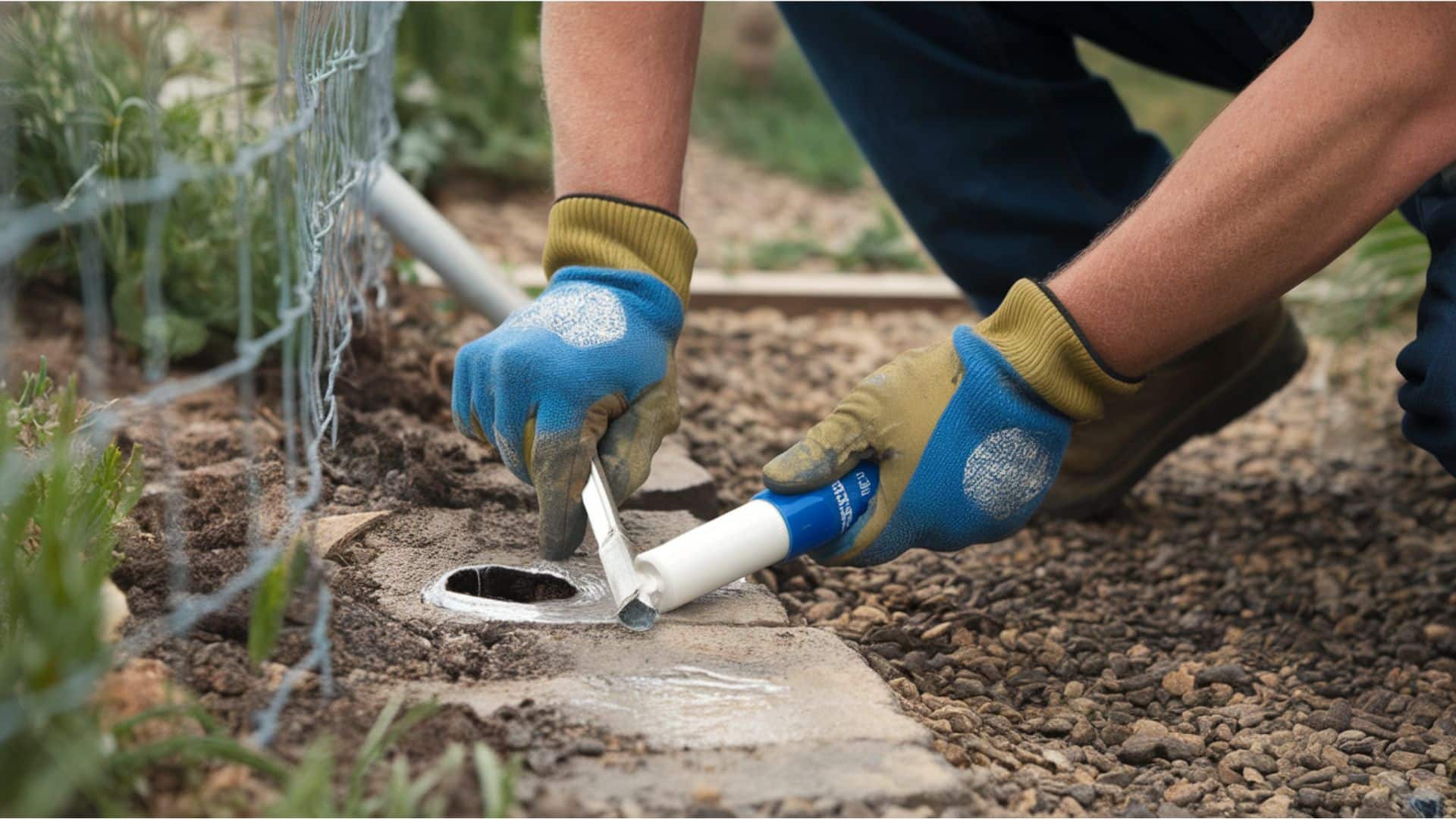
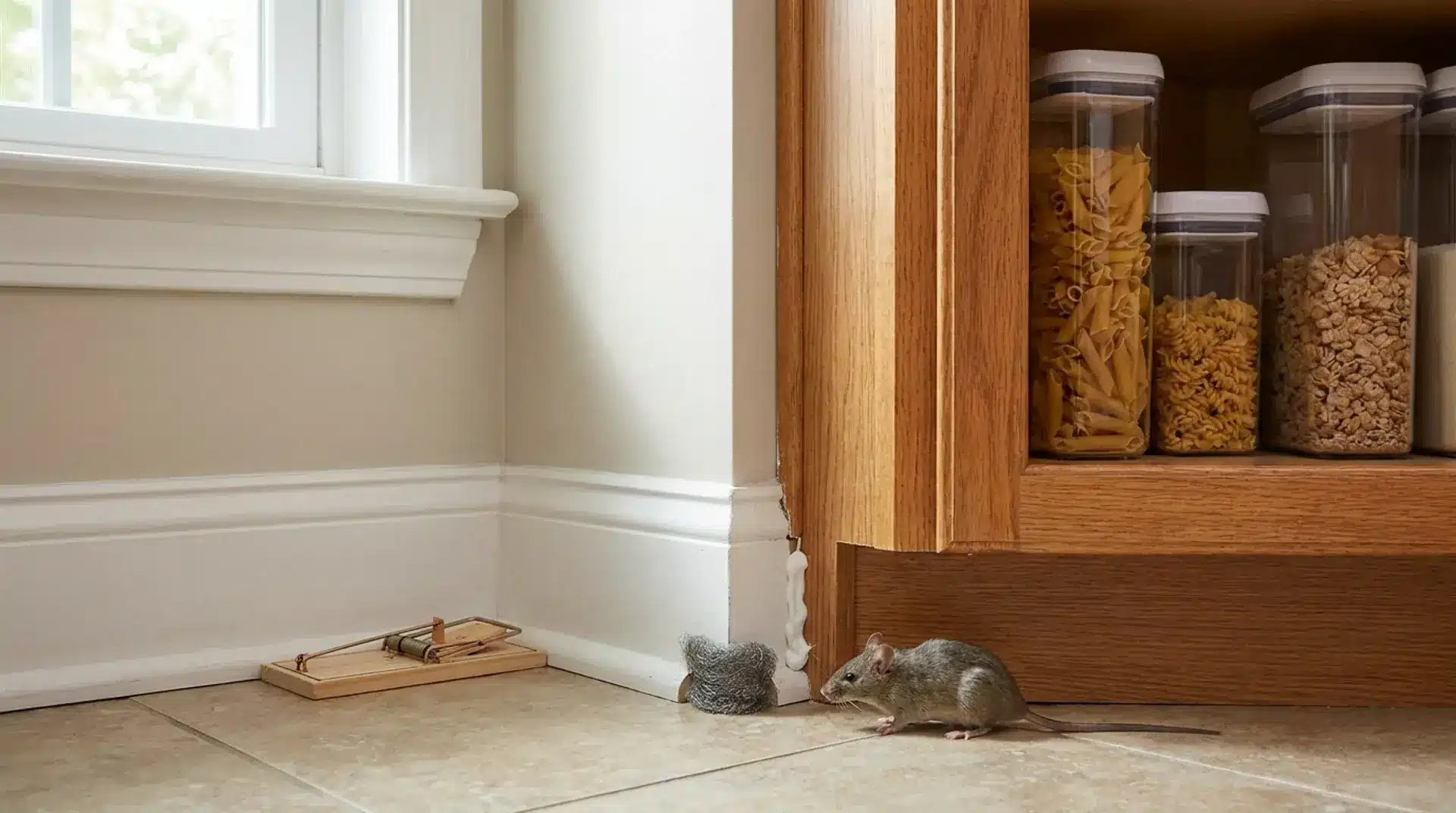
Fill gaps and cracks: Seal holes in fences, walls, and foundations with steel wool and caulk. Rats squeeze through openings as small as a quarter.
Protect garden structures: Install metal mesh around raised beds and compost bins to block burrowing. Regularly repair broken vents, screens, and door sweeps on sheds.
2. Remove Food Sources
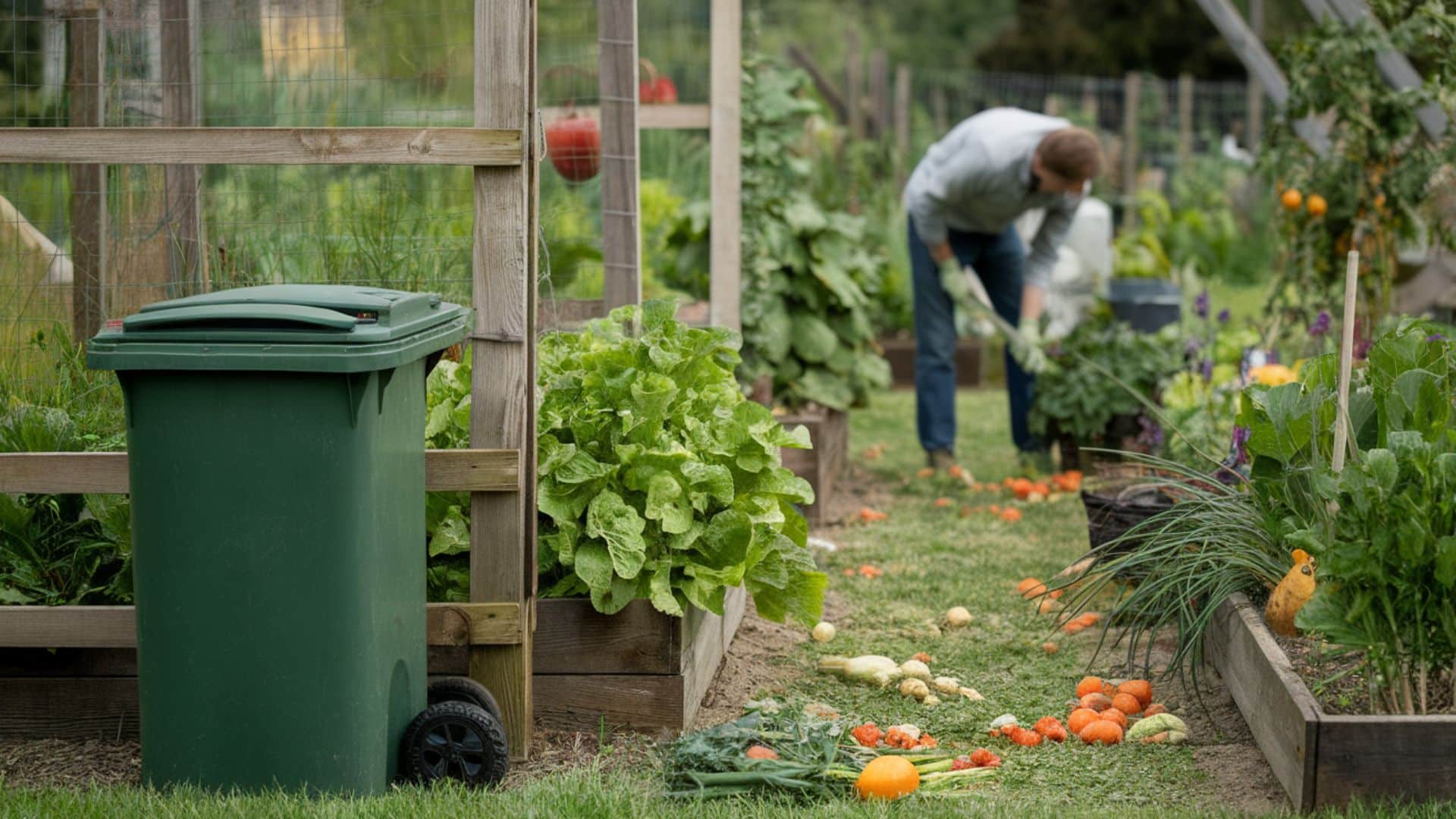
Secure waste and fallen food: Store trash in bins with tight lids away from gardens. Clean up fallen fruit, vegetables, and seeds daily to eliminate easy meals.
Control feeding areas, remove bird feeders, or use enclosed types that prevent spillage. Keep compost bins closed and never add meat, dairy, or oily foods.
3. Set Traps and Baits
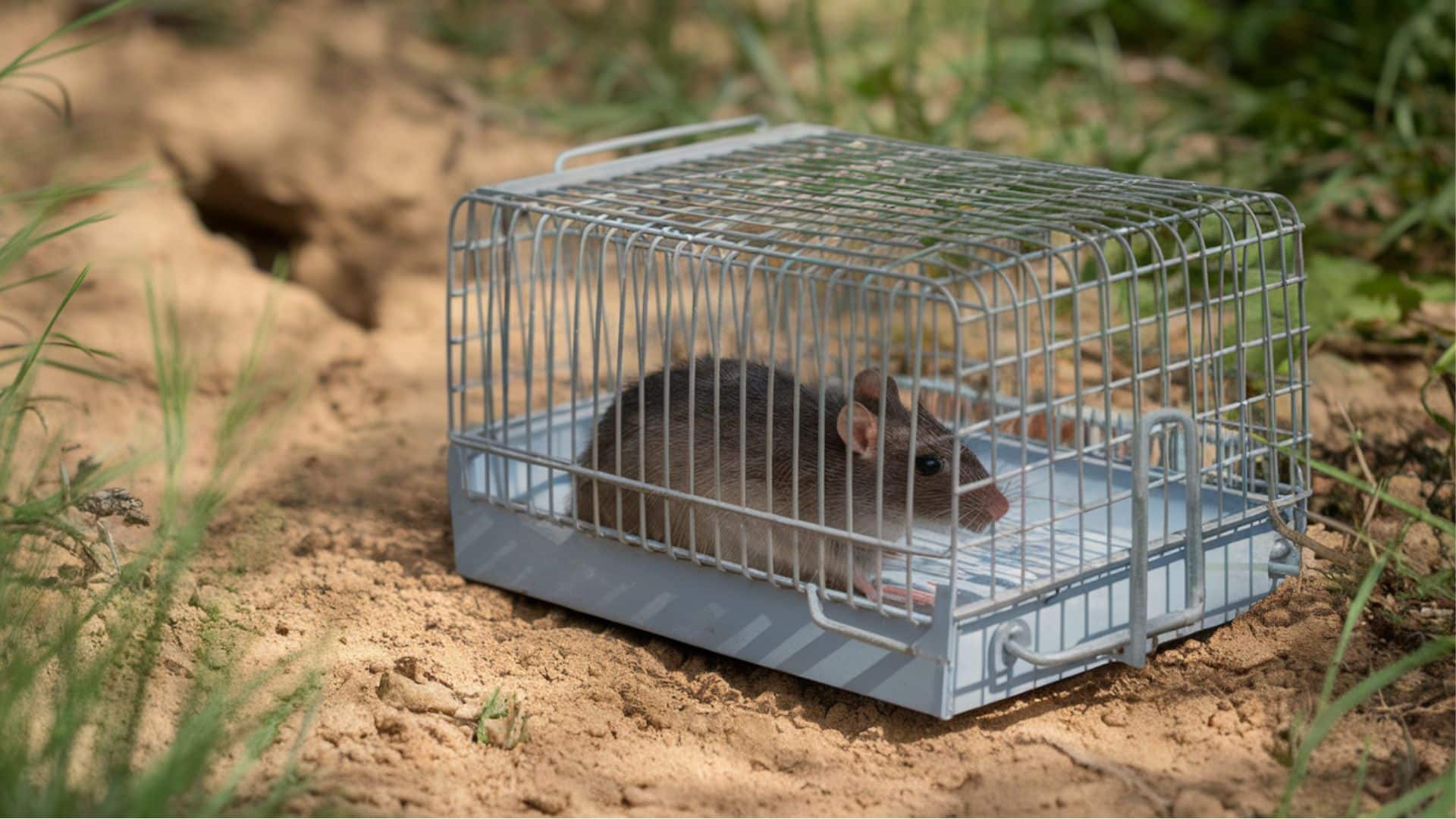
Position snap traps strategically: Place them along walls and near burrows, baited with peanut butter, dried fruit, or nuts. Check and reset them daily. Use multiple traps safely.
Position several traps since rats travel in groups. Keep bait stations away from pets and children, following all product safety instructions.
4. Monitor Your Garden Regularly
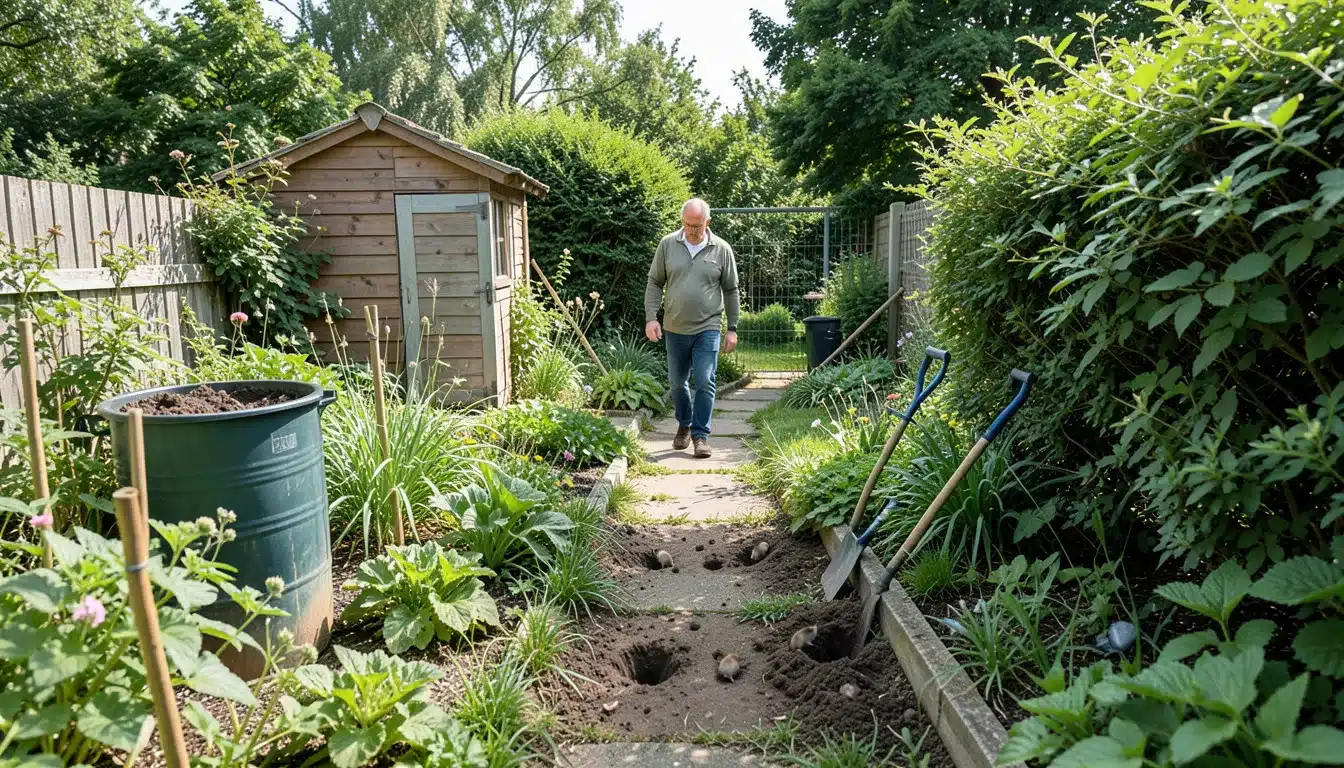
Inspect key areas weekly: Walk through your garden twice per week, checking under decks, sheds, and dense plants where rats typically hide.
Track changes over time, look for fresh droppings, disturbed soil, or new holes in treated areas. Take photos to monitor improvement or worsening conditions.
5. Add Natural Plant Deterrents
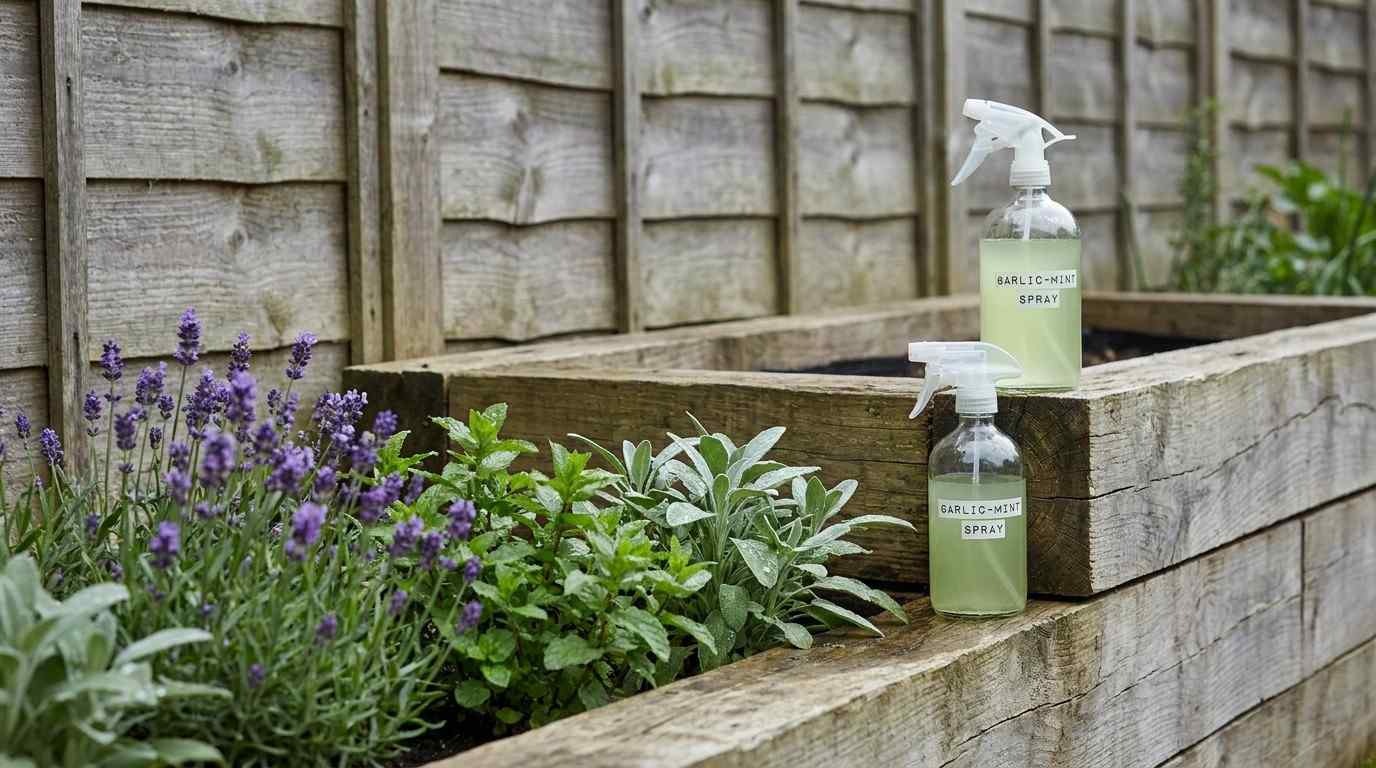
Some plants naturally discourage rats. Lavender, mint, and sage give off strong scents that rats tend to avoid, so planting them along fence lines, near sheds, or around raised beds makes these areas less inviting.
A simple garlic-and-mint spray applied directly to entry points and garden borders adds another layer of protection.
Use this alongside the other prevention steps above, not as a replacement for them.
What to Do if You Find a Rat Burrow in Your Garden?
If you find a rat burrow in your garden, assess its size and the surrounding signs of activity, such as fresh dirt, droppings, or tracks.
For minor infestations, you can set traps near the burrow and seal entry points around your garden. Use bait like peanut butter or dried fruit to attract rats.
If there are multiple burrows or the infestation is near structures, it’s best to call a professional pest control service to safely and effectively address the issue.
Regularly monitor the area to ensure the problem doesn’t spread. Make sure to also clean up food sources and shelter spots to deter further activity.
Safety Tips When Dealing With Rats in Your Garden
Protecting yourself while dealing with rats is just as important as removing them from your garden. Follow these safety measures to stay healthy and avoid direct contact with harmful bacteria, including the one responsible for Leptospirosis, also known as Weil’s disease, which spreads through soil and water contaminated with rat urine.
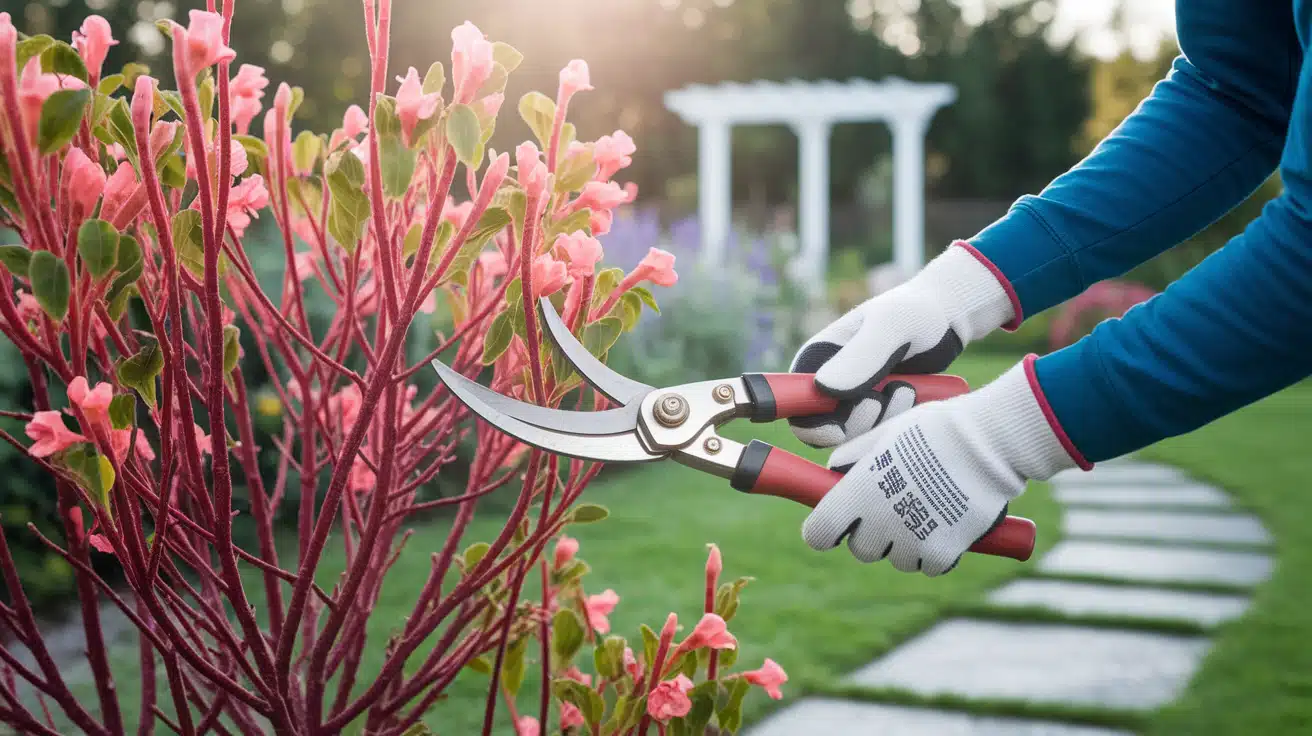
- Wear protective gear: Always use thick gloves, long sleeves, and a face mask when handling traps, cleaning droppings, or working near burrows to avoid direct contact with contaminated materials.
- Keep pets and children away: Block off treatment areas where you’ve placed traps or bait stations. Rats carry diseases that can spread to pets and kids through contaminated soil or droppings.
- Disinfect all surfaces thoroughly: Clean any tools, gloves, or containers that came into contact with rat droppings or urine with a bleach solution. Spray down affected areas before sweeping to prevent airborne particles.
- Never handle dead rats with your bare hands; use disposable gloves and seal them in plastic bags to remove them. Double-bag them and dispose of them in accordance with local waste management rules.
- Wash your hands immediately after work: Scrub your hands with soap and hot water for at least 20 seconds after any contact with treated areas, even if you wore gloves throughout the process.
Frequently Asked Questions
What happens if you disturb a rat’s nest in the garden?
Disturbed rats usually flee rather than attack, but they may abandon the nest and dig a new burrow nearby. Wear gloves and avoid direct contact to reduce the risk of disease.
What do rats hate to walk on outside?
Rats avoid loose, sharp-edged gravel and coarse stone chippings, since shifting ground makes burrowing uncomfortable. Areas treated with peppermint oil also discourage them from crossing.
What is a rat’s biggest enemy?
Cats, foxes, owls, and birds of prey are natural predators, but removing food and shelter, sealing entry points, and trapping are far more reliable for garden control.
How do you get rid of UK garden rat nesting spots?
Remove food and water sources, seal entry points, add natural deterrents, and set traps near burrows. Call a professional if multiple burrows are involved.
Conclusion
Identifying rat burrows and other rat nesting spots in UK gardens early makes all the difference in protecting your garden from serious damage.
The small round holes, droppings, worn pathways, and chewed plants all tell you rats have moved in and started building their colony.
Taking quick action stops the problem before it spreads. Seal entry points, remove food sources, set traps, and monitor your garden regularly.
For minor issues, these steps work well on your own. Severe infestations with multiple burrows near your foundation need professional pest control.
Always prioritize safety when dealing with rats. Wear protective gear, keep children and pets away from treatment areas, and thoroughly disinfect everything.
Your garden deserves a rat-free environment where plants thrive, and your family stays healthy. Start checking for these warning signs today and respond immediately when you spot them.