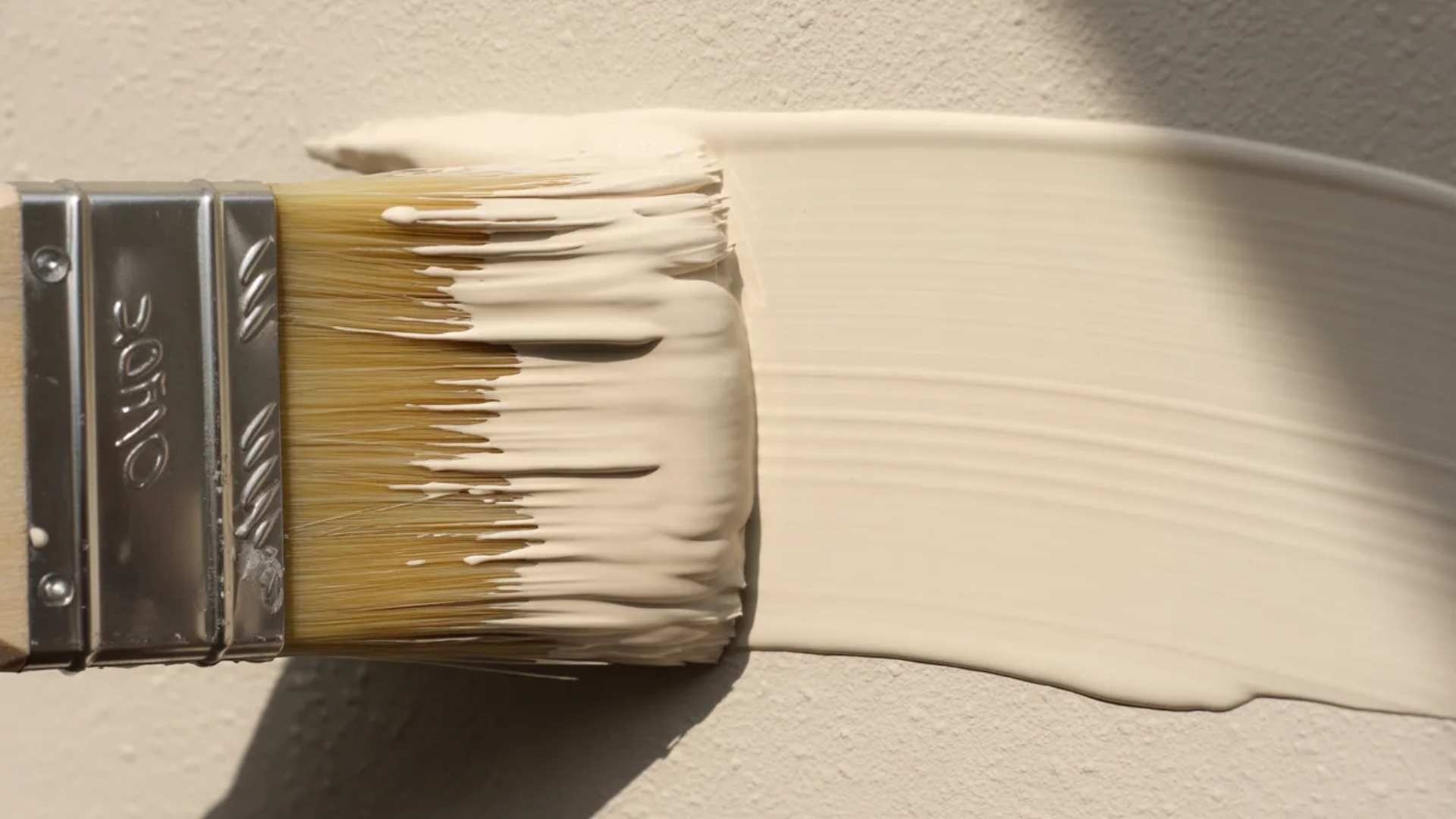
Latex paint is water-based. The word “latex” sounds like rubber, but modern formulas contain no rubber at all.
Water is the carrier that keeps the paint workable. Roll it on, the water evaporates, and a dry solid film stays behind.
After years of working on residential renovation projects, I can tell you that knowing this one fact changes how you prep a surface and pick the right product.
This guide covers what latex is made of, how it compares to acrylic and oil-based paint, and which type is best for your project.
What Does “Latex” Mean in Paint?
Most people hear “latex” and picture rubber gloves. That makes sense, since latex does come from rubber trees. But paint labeled “latex” is different.
The term carried over from the 1940s formulas when synthetic polymers replaced older binders. The name stuck even after the chemistry changed.
Today, modern latex paint contains no natural rubber. It is simply a water-based emulsion.
What Latex Paint Is Actually Made Of:
Latex paint is one of the most commonly used wall finishes because it dries quickly, cleans up easily, and works well on most interior and exterior surfaces. Its performance depends on the balance of ingredients used in the formula.
- Latex paint is made from four core ingredients: water, pigments, binders, and additives. Each part affects how the paint spreads, dries, and performs over time.
- Water keeps the paint liquid during application, while pigments create the color and help cover the surface underneath.
- Binders act like glue, forming the solid paint film once the water evaporates and helping the paint stick to walls.
- Acrylic binders offer better durability, flexibility, and moisture resistance than cheaper vinyl-acrylic blends often used in budget paints.
- Additives fine-tune performance by controlling drying time, mildew resistance, texture, and overall application quality.
Why Water-Based Paint Is the Safer Choice for Most Rooms?
Latex paint became the standard for interior projects largely because it contains lower levels of volatile organic compounds (VOCs) than oil-based paint.
Lower VOC emissions mean less odor, better indoor air quality, and fewer health concerns during application.
Rooms painted with latex paint are usually safe to use again within hours, while oil-based paints require longer ventilation times.
Latex paint is also easier to dispose of, since it is not classified as hazardous waste like many solvent-based paints, making cleanup and handling leftovers more environmentally friendly.
What Is Water-Based Acrylic Paint?
Water-based acrylic paint uses water as its primary carrier, but unlike standard latex paint, it relies on 100% acrylic binders.
These binders create a stronger, more flexible paint film that resists peeling, cracking, and fading over time.
Although acrylic paint costs more per gallon, the added durability makes it a better choice for high-traffic interiors, kitchens, bathrooms, and exterior surfaces exposed to changing weather conditions.
Note: Water-based acrylic paint works well on walls, trims, ceilings, and exterior surfaces. It dries quickly and resists yellowing over time.
When to Use Water-Based Paint?
Water-based paints cover most home painting jobs well, but they have limits worth knowing before you start.
| SITUATION | WHY WATER-BASED PAINT WORKS |
|---|---|
| Indoor Walls and Ceilings | Dries fast, low odor, safe for closed rooms |
| Bathrooms and Kitchens | Resists mold and handles humidity well |
| Exterior Walls and Wood | Expands and contracts without cracking |
| Quick Turnaround Projects | Dry to the touch in one to two hours |
| First Time Painters | Cleans up easily with soap and water |
| Concrete and Plaster Surfaces | Bonds well and lasts long |
Note: Water-based paint becomes difficult to apply in temperatures below 50°F (10°C) because it cannot dry and bond properly. Painting in cold weather often leads to peeling and adhesion problems later on.
Can You Paint Latex Over Oil-Based Paint?
This is one of the most common mistakes in home painting, and it comes up regularly on renovation jobs.
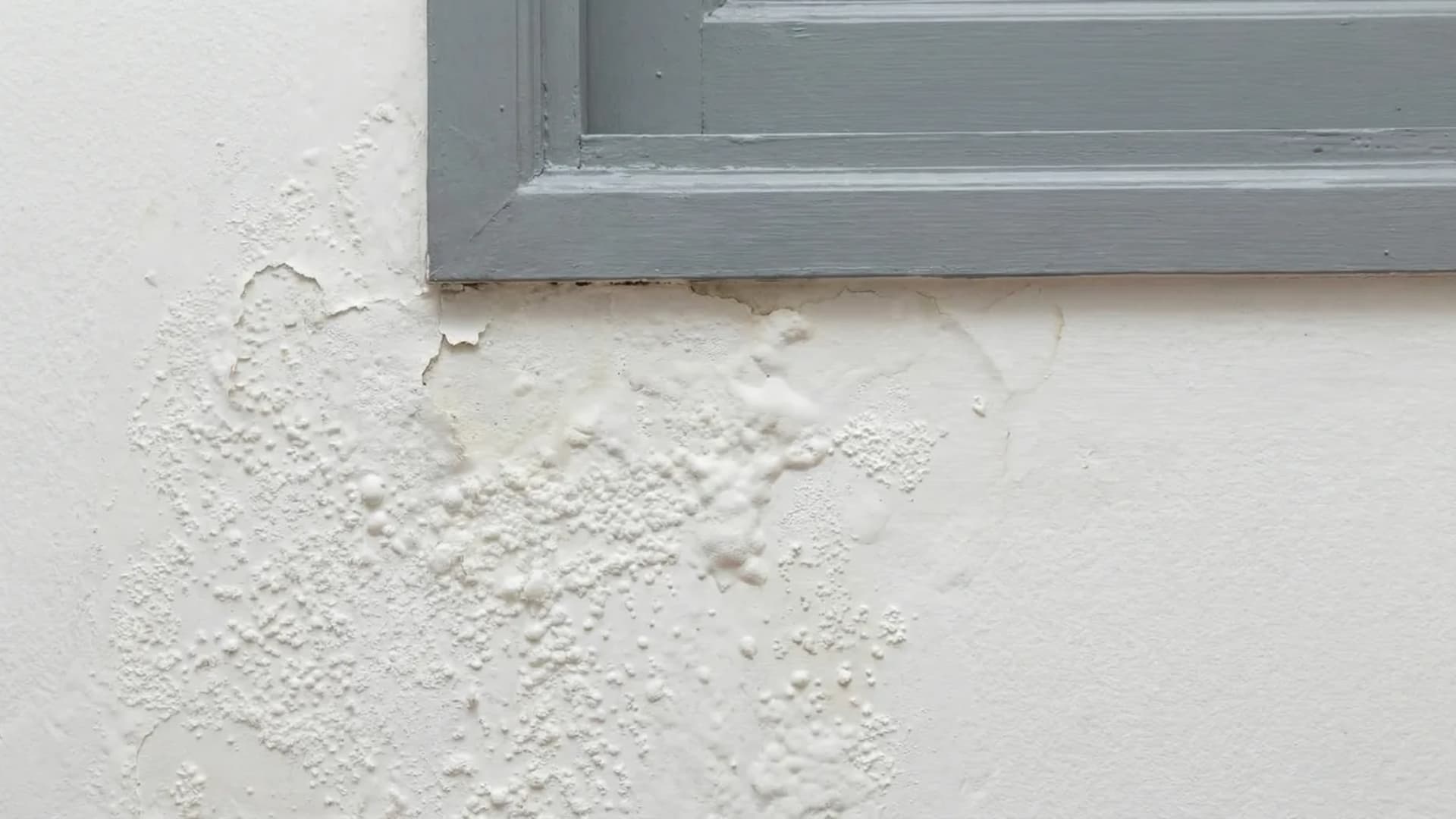
Applying latex paint directly over an oil-based surface without preparation causes the new coat to lift, blister, or peel, sometimes within days. The two formulas cannot bond to each other without a bridge layer.
If you are repainting a surface previously painted with oil-based paint, lightly sand it to dull the gloss, clean it thoroughly, and apply an oil-compatible primer before applying your latex coat.
Skipping that step is one of the most frequent reasons paint bubbles appear on walls shortly after a fresh job. Once properly primed, latex paint adheres well and gives a clean, lasting result.
Latex vs Acrylic vs Oil-Based Paint: What Is the Difference?
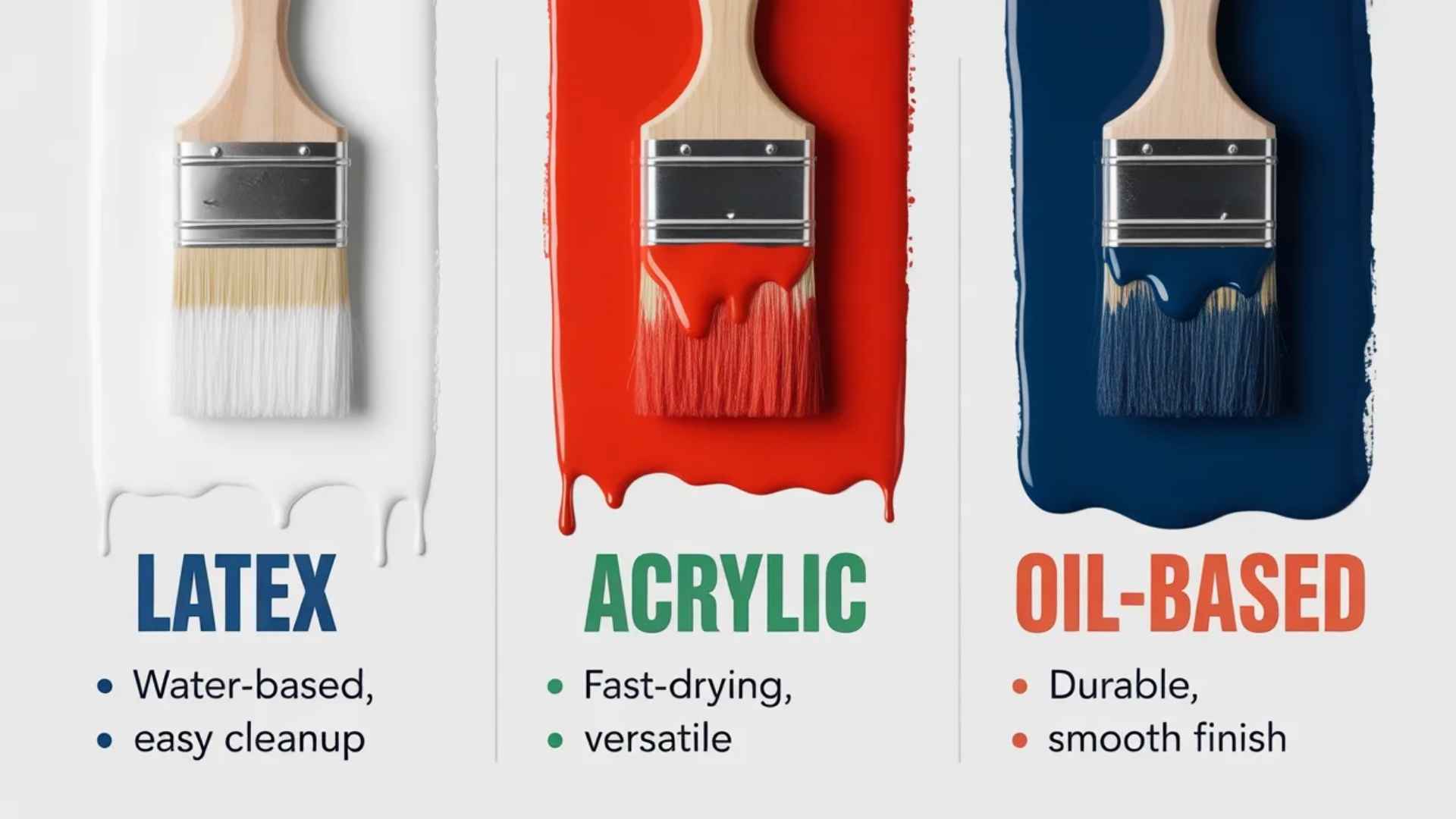
People ask me this all the time. Here is a simple table that clears it up fast.
| FEATURE | LATEX PAINT | ACRYLIC PAINT | OIL-BASED PAINT |
|---|---|---|---|
| Base | Water | Water | Mineral Spirits |
| Binder | Vinyl-Acrylic | 100% Acrylic | Alkyd or Linseed Oil |
| Drying Time | 1 to 2 hours | 1 to 2 hours | 6 to 8 hours |
| Durability | Moderate | High | Very High |
| Finish | Flat to Satin | Satin to Gloss | Semi to High Gloss |
| Cleanup | Soap and Water | Soap and Water | Mineral Spirits |
| Odor | Low | Low | Strong |
| Best For | Walls, Ceilings | Trims, Exteriors | Furniture, Floors |
| Yellowing Over Time | No | No | Yes |
| Flexibility | Moderate | High | Low |
| VOC Level | Low | Low | Low |
Which Paint Is Better?
There is no single best paint for every situation. It depends on what you are painting and the result you need.
Choose Latex Paint If
You are painting indoor walls or ceilings on a budget. It is easy to apply, dries fast, and works well for large surface areas.
Before committing to a finish, it is worth understanding how different sheens behave in real rooms.
The considerations around light levels and daily wear are easy to underestimate until you are looking at a wall that reads nothing like the sample card.
Choose Acrylic Paint If
You want a finish that withstands moisture, heat, and daily scrubbing. Acrylic uses 100% acrylic binders, which means better adhesion, less cracking, and stronger color retention over time.
It costs a little more than standard latex, but on exterior walls, trims, and busy hallways, that extra durability pays off. You will not need to repaint as often.
Choose Oil-Based Paint If
You are working on furniture, floors, or metal surfaces that need a very hard finish. Keep in mind it takes longer to dry and needs proper ventilation throughout the cure period.
Water-based latex and acrylic paints are ideal for most home projects because they dry fast, smell less, and resist yellowing. Oil-based paint is tougher but requires more maintenance and cleanup.
If a recent paint job has started blistering or peeling, the cause of paint failure on walls is usually traced to a missed prep step rather than the paint itself.
Conclusion
Latex paint is water-based, and knowing that shapes every decision that follows: choosing the right primer, picking the right cleanup method, and understanding which surfaces actually call for something stronger.
For most walls, ceilings, and interior surfaces, water-based latex or acrylic is the practical choice. It dries quickly, holds color well, and does not yellow the way oil-based formulas do over time.
Oil-based paint earns its place on floors, furniture, and metal surfaces that take hard daily use, but it asks more from you in return.
Match the paint type to the surface, prep properly, and the result takes care of itself.
Frequently Asked Questions
What Is the Main Carrier in Latex Paint?
Water. It holds the pigments and binders in suspension and evaporates as the paint dries, leaving a solid film on the surface.
Does It Contain Real Rubber?
No. Modern latex paint uses synthetic acrylic or vinyl-acrylic binders. The name carried over from older formulas; there is no rubber in the tin.
How Do You Apply It Over an Oil-Based Surface?
Sand lightly, clean thoroughly, then apply an oil-compatible primer first. Without that prep, the latex coat will lift or blister within days.
What Is the Minimum Application Temperature?
50°F (10°C). Below that threshold, adhesion breaks down, and the drying process fails, leaving an uneven, poorly bonded finish.
How Do You Clean Brushes After Using Them?
Soap and warm water while the paint is still wet. Once cured, latex becomes very difficult to remove, so clean tools immediately after use.
Is It Safe for Occupied Rooms?
Yes. Low VOC content makes latex paint significantly safer indoors than oil-based alternatives. Ventilate the room during application, but heavy-duty airflow is not required.