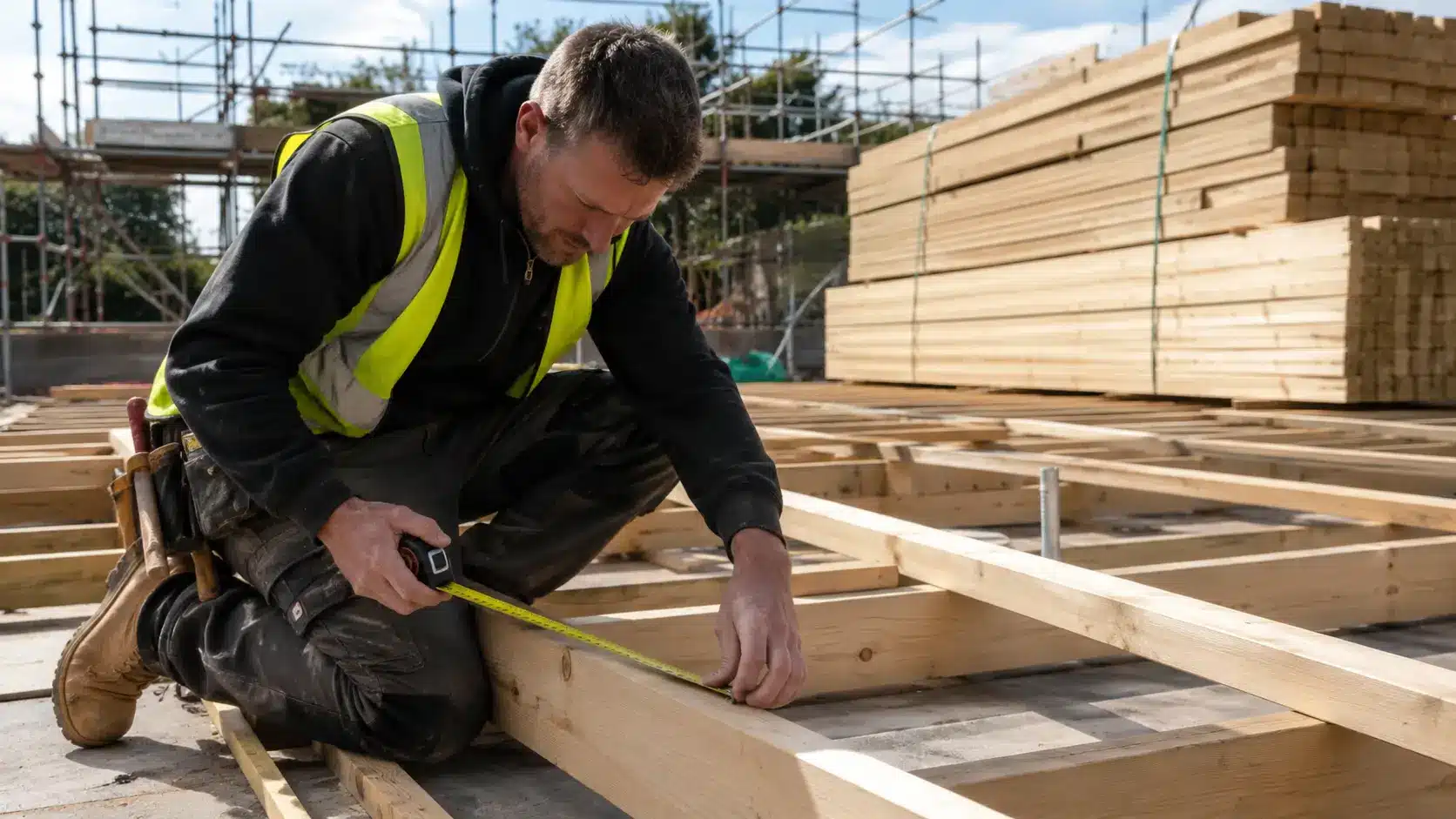

If you have ever stood in a timber yard wondering what those C16 and C24 stamps actually mean, you are not alone.
This guide covers everything you need to know about C16 timber, including what it is, where it is used, and how strong it really is.
Get the grade wrong, and you risk a failed building control inspection, or worse, a floor that flexes underfoot. It pays to know the difference before you order a single length.
Choose the wrong grade, and you risk inspection issues or a weak, flexing floor.
By the end, you will know how C16 and C24 differ, which sizes suit common jobs, and how to buy the right timber with confidence.
What Is C16 Timber?
C16 timber is a strength-graded softwood used for structural work like joists, studs, and rafters. The “C” stands for coniferous, meaning the timber comes from a softwood tree rather than a hardwood.
The number 16 indicates the timber’s bending strength class under British Standard EN 338, where higher numbers mean greater strength.
C16 has a minimum bending strength of 16 N/mm², and C24 has a minimum bending strength at 24 N/mm². It’s a measured strength, not just a label.
C16 is most often cut from spruce, pine, or fir. These species grow quickly, cost less than hardwoods, and respond well to strength grading.
Builders choose C16 as it meets most domestic building regulations at a lower cost than higher grades. It suits standard spans and loads, covering most UK house projects.
How Is C16 Timber Strength Graded?
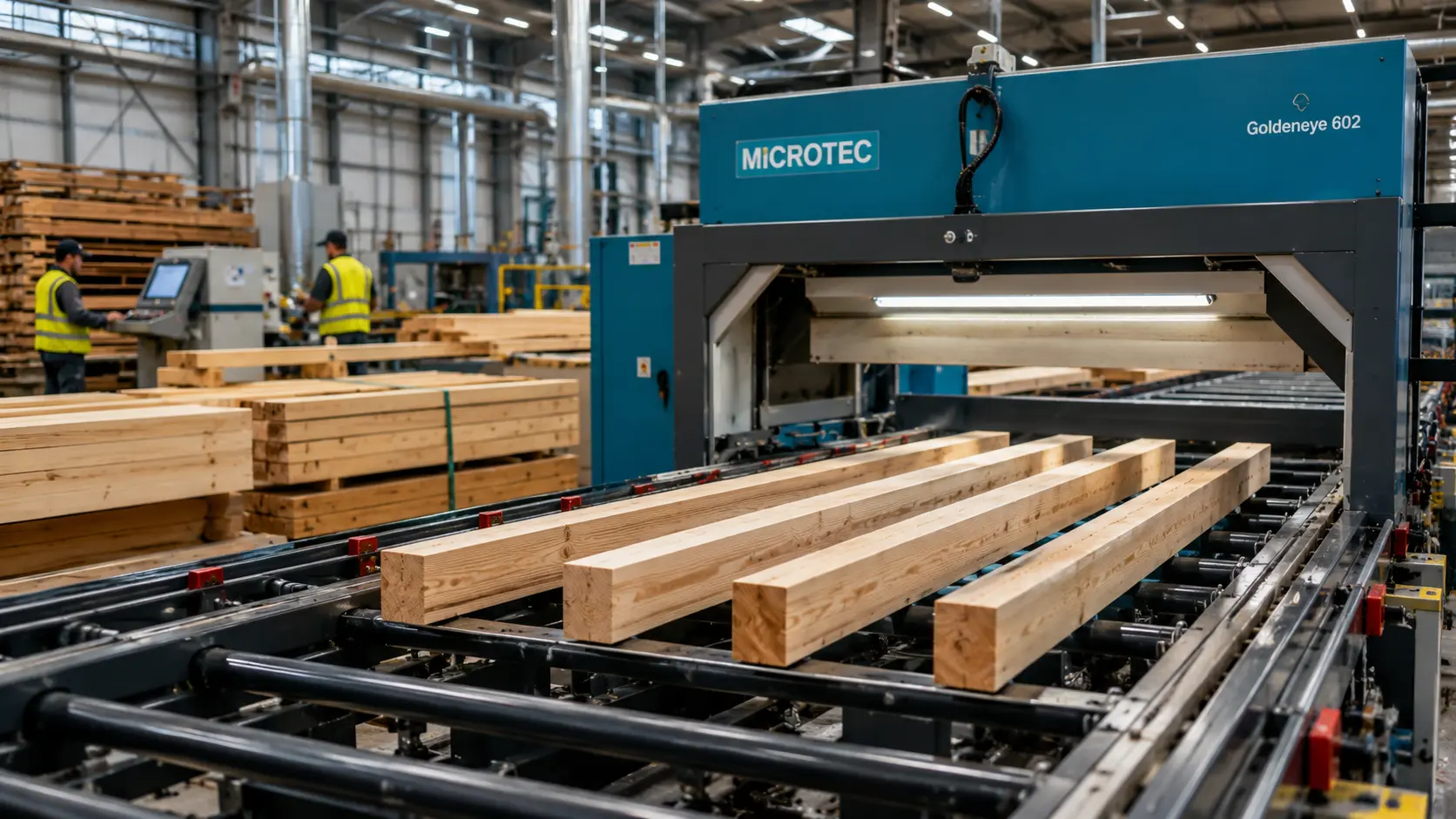
Timber strength grading assesses a piece of wood for safety before it is used in a structure.
Graders look at knots, grain slope, and density, then assign a class based on how much load the timber can bear.
Machine Grading vs Visual Grading
Machine grading and visual grading are the two main methods used to assess timber strength. Each method checks different qualities to determine the correct structural grade.
| Grading Method | How It Works | Key Benefit |
|---|---|---|
| Machine grading | Uses stress-grading equipment to test timber stiffness, strength, and flexibility under controlled pressure. | Provides accurate, consistent results for large timber volumes. |
| Visual grading | A trained grader inspects knots, splits, grain direction, and defects by eye. | Useful for checking timber features without machinery. |
British Standards Used for Structural Timber
Structural timber in the UK is graded under BS EN 338, which sets the strength classes from C14 up to higher grades like C24 and C30.
BS 4978 provides guidelines for visually assessing strength, while BS EN 14081 focuses on grading using machines.
These standards help ensure that all suppliers provide high-quality timber, maintaining consistency and trust in every shipment.
Why Strength Grades Matter for Safety
Strength grades tell builders how much load a piece of timber can safely carry before it bends or fails.
Using the correct grade helps prevent issues like sagging floors, weak roofs, or structural failure, ensuring your building stays safe and sturdy.
Building control inspectors check that timber grades match the structural calculations before signing off work.
Key Properties of C16 Timber
Here is a quick snapshot of what makes C16 timber tick, from moisture content to typical cost.
| Property | Details |
|---|---|
| Timber Type | Softwood (coniferous) |
| Strength Grade | C16 |
| Moisture Content | Typically below 20 percent (dry graded) |
| Density | Around 370 kg/m³ average |
| Common Species | Spruce, pine, fir (whitewood or redwood) |
| Structural Use | Yes, rated for load-bearing applications |
| Indoor/Outdoor | Indoor by default, outdoor only when treated |
What Is C16 Timber Used For?
C16 timber is used in most parts of a standard UK home build. It handles everyday structural loads without the extra cost of a higher grade.
1. Floor Joists
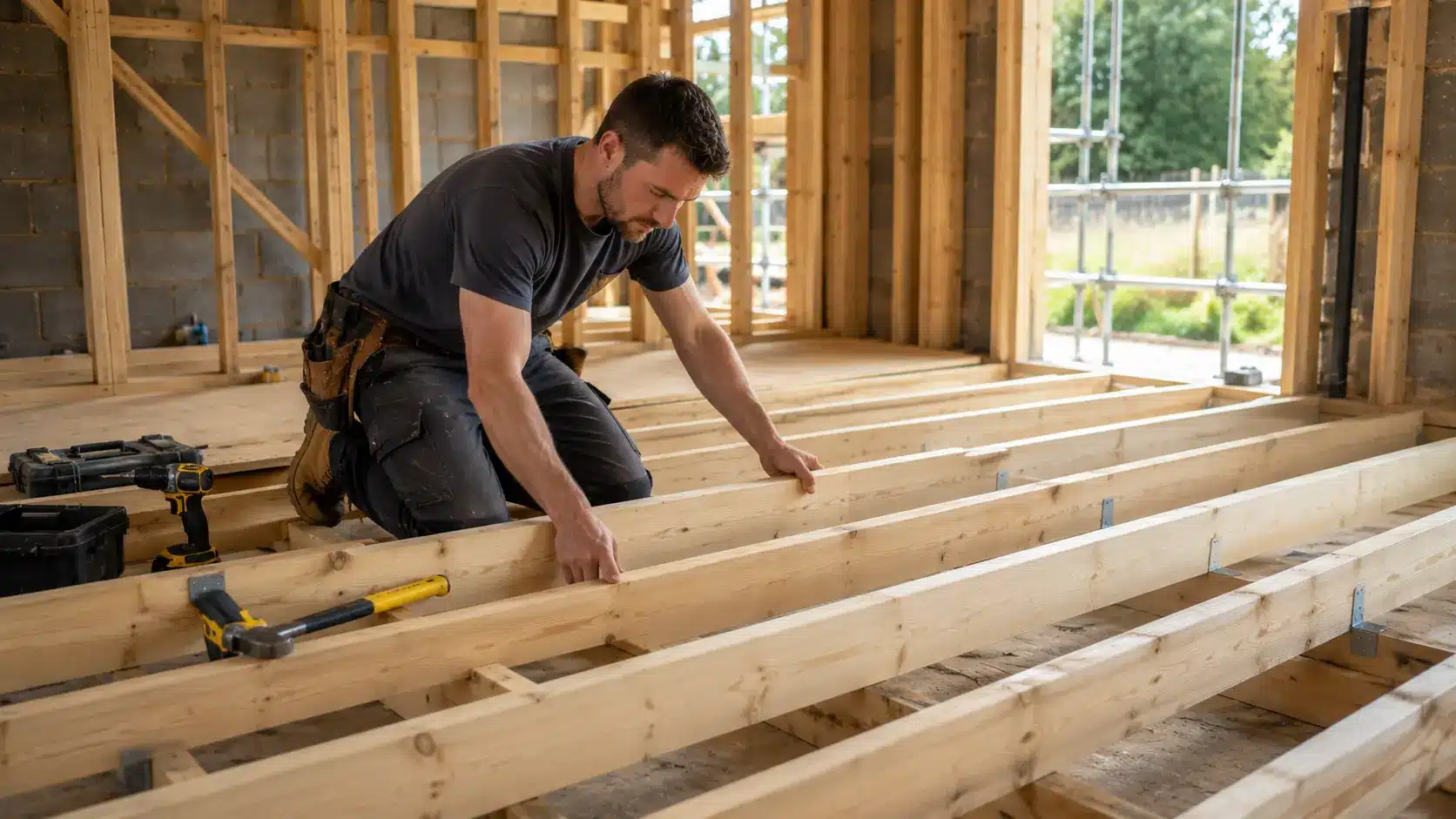
C16 is a common choice for floor joists in domestic properties. It supports typical residential loads across standard spans found in most homes.
Builders like it because it meets building regulations without pushing up material costs.
In the UK, both single-story and two-story homes typically use C16 joists throughout the ground and upper floors.
2. Roof Rafters
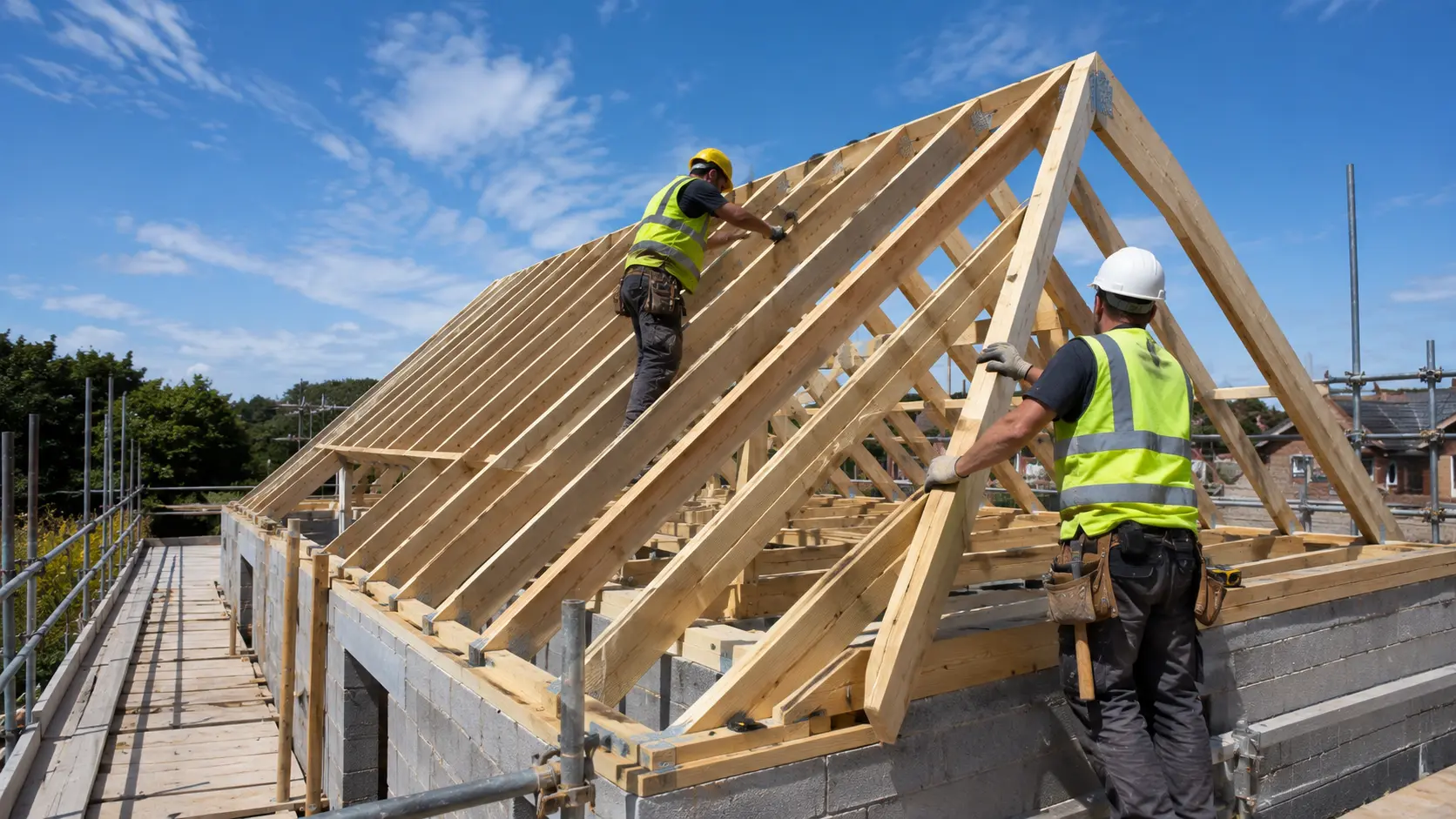
Roofs use C16 rafters on standard-pitched designs. The grade holds up well under typical roof loads, including snow and wind in most UK regions.
It suits standard roof pitches and common rafter spacing found on most residential builds. For steeper pitches or wider spans, an engineer may still call for a stronger grade.
Flat roofs are a different case again, built with a construction method that doesn’t rely on rafters the same way, so it’s worth understanding the difference before you order timber.
3. Timber Framing
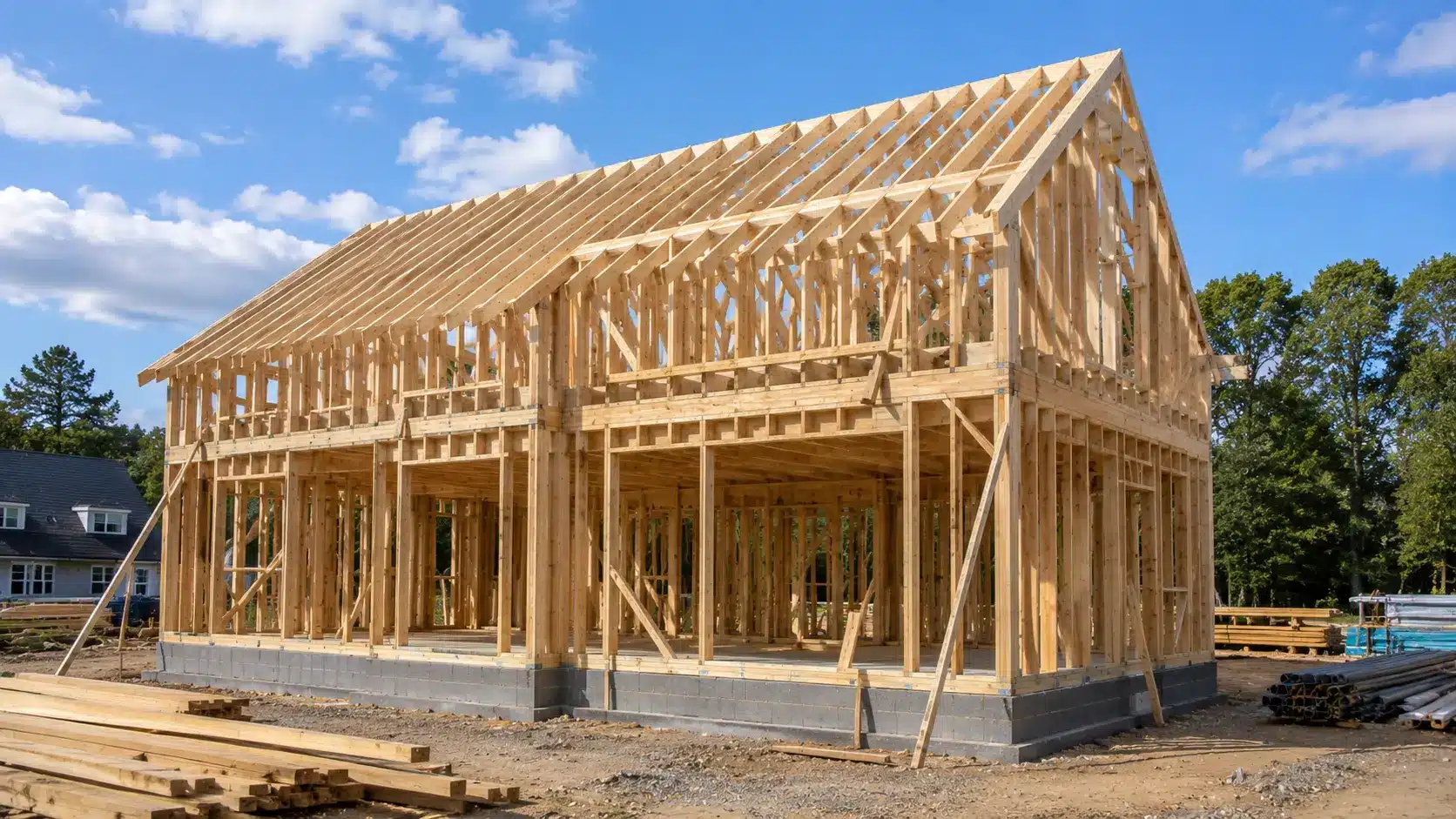
C16 works throughout timber frame construction, including internal framing and non-critical structural sections. It keeps overall material costs down without cutting corners on safety.
Many timber frame manufacturers use C16 as their default grade unless a design calls for a stronger grade. It pairs well with standard fixings and connectors used across the industry.
4. Garden Buildings and Sheds
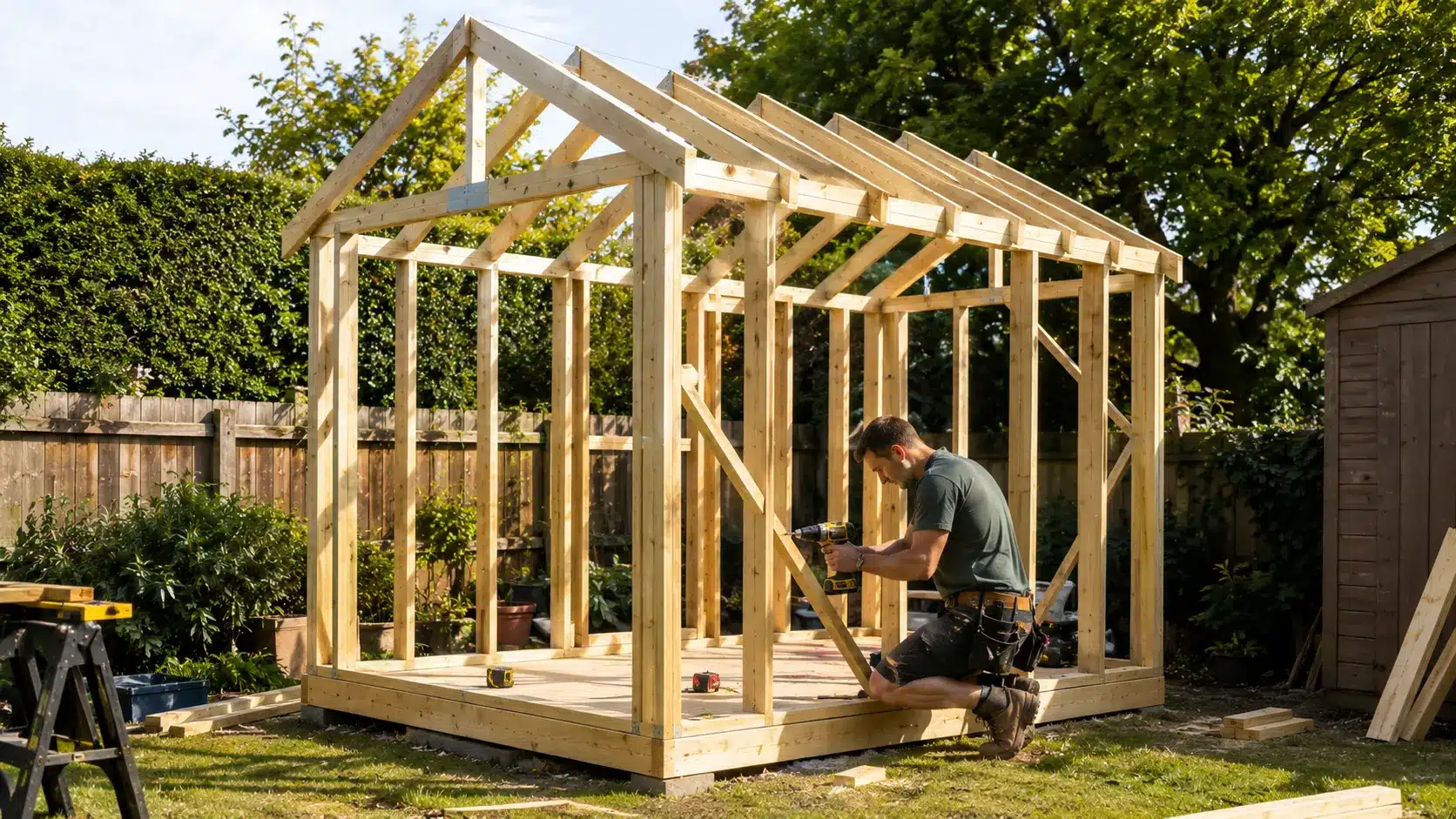
Garden rooms, sheds, and outbuildings commonly use C16 for their frames. These smaller structures rarely need the extra strength of C24.
Loads on garden buildings are typically lighter, and spans are shorter, so C16 covers most designs comfortably. This keeps the cost of small builds and outbuildings lower without compromising safety.
5. Decking Frames and Fencing
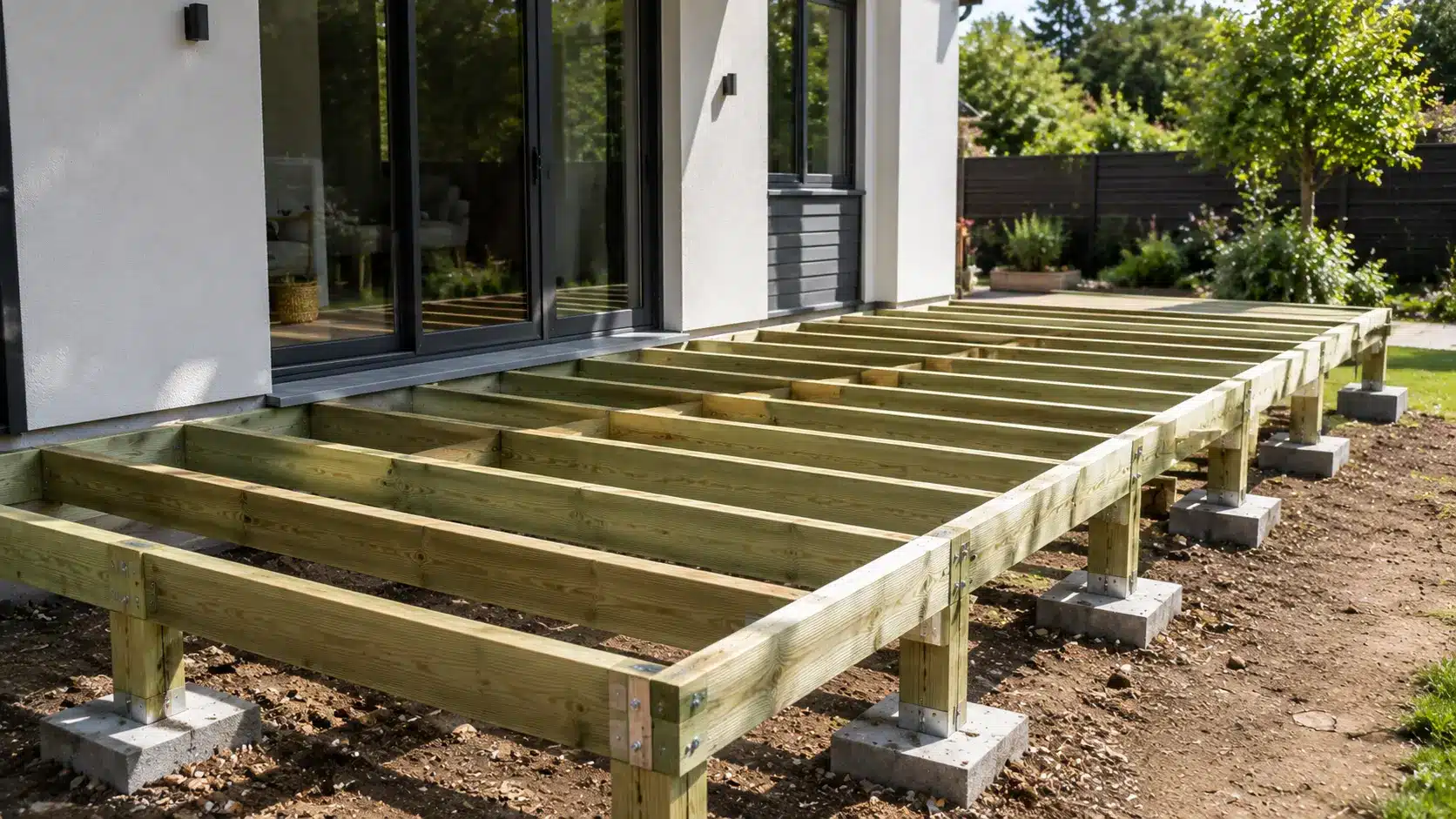
C16 can be used for decking frames and fence posts, but only when pressure-treated. Untreated C16 will rot quickly when exposed to soil and weather.
Treated C16 holds up well under UK weather conditions when installed with proper drainage and ground clearance. Always confirm the treatment level matches the intended outdoor use before building.
Can C16 Timber Be Used Outdoors?
Yes, C16 timber can be used outdoors, but only when it has been pressure-treated to resist rot and insect damage. Untreated C16 is designed for internal, dry conditions and will decay if left exposed.
- Treated vs Untreated C16 Timber: Treated C16 has been chemically processed to resist moisture, fungal decay, and insects. Untreated C16 is intended for internal structural use, where it remains dry and protected from the weather.
- When Pressure Treatment Is Required: Pressure treatment is required whenever timber will come into contact with soil, be in a damp environment, or face direct exposure to weather. This includes decking frames, fence posts, and any outdoor structure.
Maintenance Tips for Longer Life
Regular maintenance helps protect outdoor timber from moisture, decay, and weather damage, keeping it strong and attractive for years.
- Keep It Off the Ground: Use post supports, brackets, or concrete bases to prevent direct soil contact and reduce moisture absorption.
- Check for Standing Water: Make sure decking, frames, and other timber structures have proper drainage to stop water from collecting.
- Reapply Treatment: Refresh exterior stains, oils, or protective coatings every few years, especially on exposed areas and cut ends.
- Inspect Joints Regularly: Check corners, connections, and fixings for soft spots, cracks, or discoloration where moisture may build up.
What Is C24 Timber?
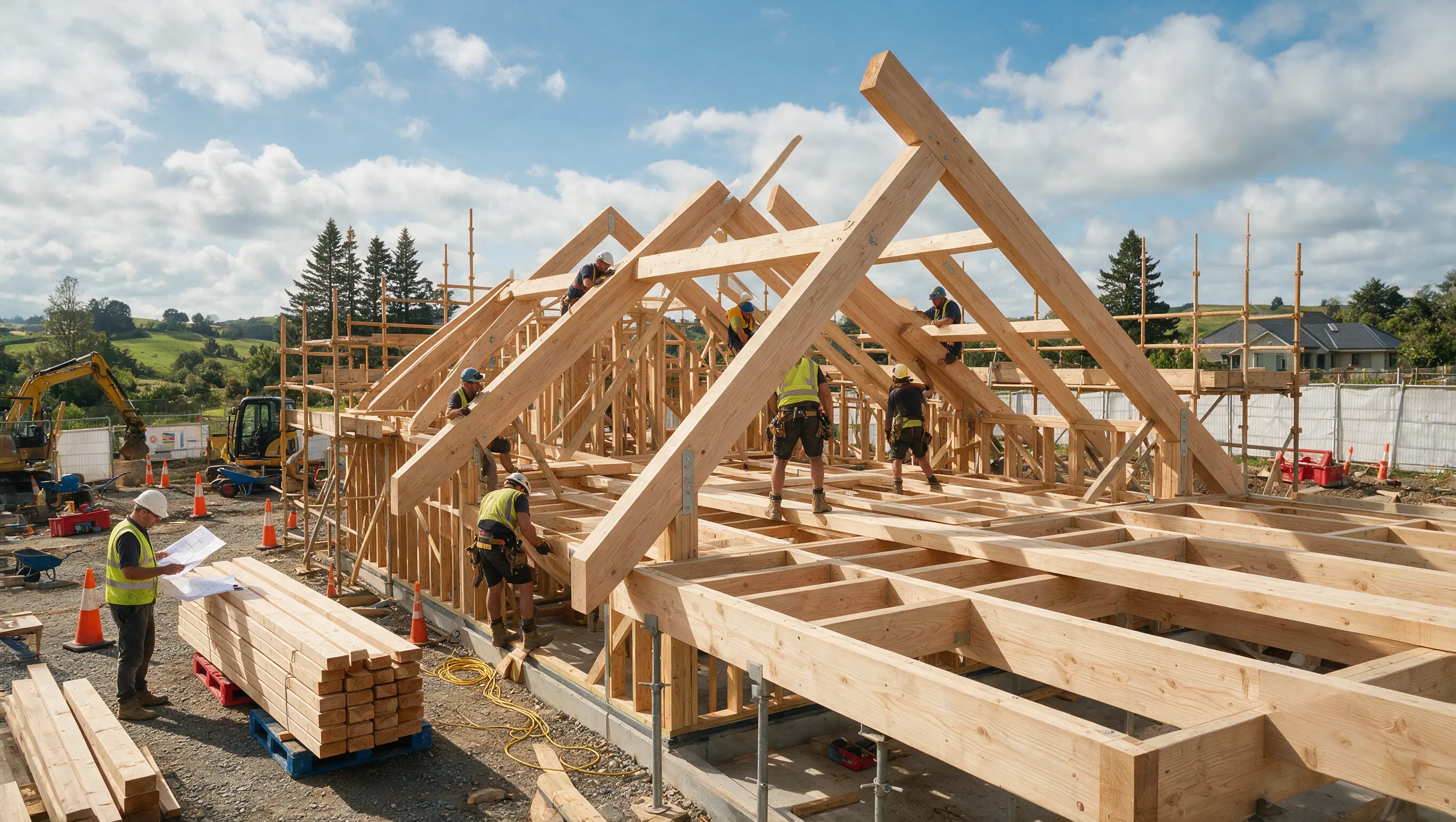
C24 timber is a stronger structural softwood grade than C16, rated for higher bending strength under BS EN 338.
It comes from denser, straighter-grained stock with fewer and smaller knots, which gives it a higher load capacity.
Builders specify C24 when a structure needs to carry heavier loads or span longer distances without extra support.
This includes larger open-plan floors, longer roof spans, and situations where structural calculations demand extra strength.
Engineers often call for C24 in loft conversions, wide-span roofs, and any project where the structural design leaves less margin for error.
C16 Timber vs C24 Timber
Here is how the two grades stack up side by side, from strength and price to where each one fits best.
| Feature | C16 Timber | C24 Timber |
|---|---|---|
| Strength | Standard structural grade | Higher structural grade |
| Load Capacity | Suits typical residential loads | Handles heavier loads and longer spans |
| Knot Size | Larger, more frequent knots allowed | Smaller, fewer knots allowed |
| Appearance | Slightly rougher grain | Straighter, cleaner grain |
| Price | Lower cost | Higher cost |
| Typical Uses | Joists, studs, rafters, sheds | Long-span floors, wide roofs, loft conversions |
| Best For | Standard domestic builds | Projects needing extra strength |
Should You Choose C16 or C24 Timber?
The right grade depends on your span, load, and the structural drawings. Most standard home builds use C16, while heavier or longer-span projects need C24.
Choose C16 If
C16 timber is a practical choice for many everyday building projects where standard strength and shorter spans are suitable.
- You’re building standard floors or roofs: Typical residential spans and loads suit C16 well.
- Budget matters: C16 costs less while still meeting building regulations.
- Your span is short to medium: Shorter joist and rafter runs rarely need extra strength.
Choose C24 If
C24 timber is better suited for projects that require stronger support, longer spans, or heavier loads.
- Your span is long: Wide floors or roofs without added support need stronger timber.
- The load is heavy: Loft conversions, storage areas, and multi-story builds often call for C24.
- Your engineer specifies it: Structural drawings that name C24 should be followed exactly.
Note: Always follow the timber grade named in your engineer’s calculations. Swapping C16 for C24, or the reverse, without written sign-off can fail building control and compromise the building’s safety.
Common C16 Timber Sizes
Timber merchants stock a handful of standard sizes, each suited to a different job on site.
| Nominal Size | Typical Uses |
|---|---|
| 38 × 89 mm | Stud walls, light framing |
| 47 × 100 mm | Floor joists, small spans |
| 47 × 150 mm | Floor joists, roof rafters |
| 47 × 200 mm | Longer floor joists, larger rafters |
| 75 × 225 mm | Heavy-duty beams, longer spans |
Buying Tips Before Choosing Structural Timber
A few simple checks before ordering structural timber can help avoid costly mistakes and ensure the right grade is used for the project.
- Check the Strength Grade Stamp: Every graded piece of structural timber should have a stamp showing its strength class, such as C16 or C24. Always check this before accepting delivery.
- Confirm Whether It Is Treated: Ask your supplier if the timber is treated or untreated, especially for outdoor projects or areas exposed to moisture and ground contact.
- Match the Timber Size to the Span: Use span tables or follow an engineer’s guidance to ensure the timber size can safely support the required load without sagging.
- Don’t Upgrade to C24 Unless Needed: C24 timber costs more, so choose it only when longer spans, heavier loads, or structural plans require the extra strength.
Common Errors to Avoid When Buying C16 Timber
A few simple errors account for most of the problems buyers run into with structural timber. Watching for these can save time, costs, and rework on-site.
- Assuming all softwood is structural: Only graded timber stamped C16 or higher meets building regulations for structural use.
- Ignoring treatment requirements: Untreated timber used outdoors will rot far sooner than expected.
- Choosing timber by price alone: The cheapest option may not match the grade your project actually needs.
- Using C16 where engineered plans specify C24: Substituting a lower grade can compromise structural safety.
- Forgetting span and load calculations: Always check timber size against actual span, not just habit or guesswork.
Conclusion
C16 timber handles most of the structural work found in a standard UK home, from floor joists to roof rafters, at a lower cost than higher grades.
The right choice always comes down to what your span, load, and structural drawings call for, not habit or guesswork.
Check the grade stamp, match the size to the job, and ask an engineer before swapping anything on-site.
Frequently Asked Questions
Is C16 Timber the Same as CLS Timber?
No, CLS describes planed, rounded-edge sizing, not strength. CLS studwork is usually graded C16 or C24 underneath the finish.
How Long Does C16 Timber Last?
When kept indoors and dry, C16 timber can last the lifespan of the building. Outdoors, treatment quality and drainage decide how many decades it survives.
Can C16 Timber Be Used for a Loft Conversion Floor?
Rarely on its own. Loft floors usually need C24 or engineered joists, since a converted loft carries heavier loads than a standard upper floor.