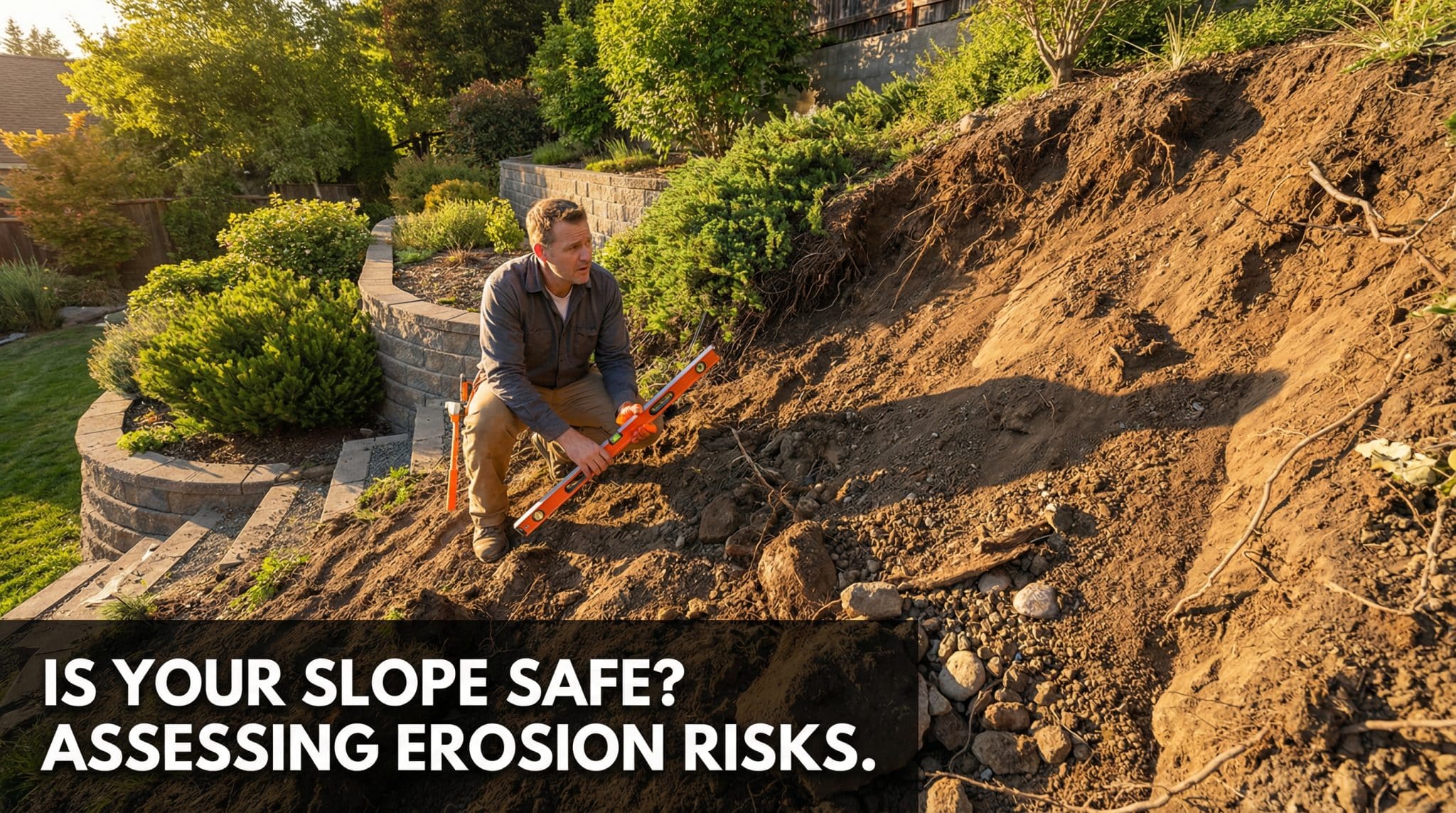
Concerned that your home extension or loft conversion might not be legally compliant?
Recent changes to UK planning law have left many property owners uncertain about their legal position. From April 2024, the government replaced previous shorter enforcement timeframes with a uniform decade-long period for all unauthorised development across England.
This significant shift means local councils now have substantially more time to investigate and act against work completed without proper planning permission.
Whether you completed building work years ago or recently purchased a property, grasping these updated regulations is essential for protecting your investment and demonstrating compliance. This comprehensive guide explains everything you need to know about navigating these critical legal changes.
Before diving into specifics, let’s establish exactly what this enforcement mechanism means for your property.
What Is the 10 Year Rule in Building Regulations?
This enforcement principle allows certain unauthorised developments to become lawful after a specified period passes without council action. If local authorities fail to take enforcement measures within set timeframes, developments gain immunity from future challenges.
Two separate legal frameworks exist here:
- Planning Enforcement – Addresses whether development had proper permission from local authorities before work commenced. This covers changes of use, extensions, and structural alterations requiring planning consent.
- Building Regulations Enforcement – Concerns whether work meets safety and construction standards, including structural integrity, fire safety, accessibility, and energy efficiency requirements. These operate independently of planning permission.
When the relevant enforcement window closes without action, property owners can apply for a Certificate of Lawful Development, formally confirming immunity. However, achieving planning immunity does not automatically satisfy building regulations compliance, as these remain enforceable regardless of time elapsed.
Grasping this foundational concept helps clarify why recent reforms matter so significantly for property owners nationwide.
Why Did the UK Change the 10 Year Building Rule?
The government’s decision to reform enforcement timeframes stems from several critical factors that emerged following recent safety concerns and legislative reviews.
| Aspect | Old 4-Year Rule (Before April 2024) | New 10-Year Rule (From April 2024) |
|---|---|---|
| Authority Powers | Limited detection time | Enhanced investigation capabilities |
| Safety Focus | Quick immunity for substandard work | Prioritises long-term safety |
| Accountability | Less scrutiny time | Greater construction sector accountability |
| Safety Concerns | Catastrophic failures exposed gaps in detection | Stricter oversight prevents unauthorised work from evading scrutiny |
| Perverse Incentives | Shorter timeframes encouraged concealment strategies | An extended period undermines the motivation to hide work |
| Investigation Time | Insufficient time to identify problematic developments | Authorities gain adequate time for proper enforcement |
| Safety Strategy | Administrative convenience prioritised over protection | Long-term housing safety and accountability prioritised |
Beyond these systemic improvements, the reforms represent Parliament’s response to the challenges of comprehensive enforcement. This comparative analysis reveals how the new framework addresses fundamental safety and accountability gaps that previously compromised public protection.
Recent legislative amendments have fundamentally restructured planning enforcement mechanisms across England in several critical ways.
Key Changes Made in UK Law

Recent reforms introduced through the Levelling Up and Regeneration Act represent the most significant overhaul to planning enforcement in decades.
End of the 4 Year Rule
The expedited four-year pathway for residential developments has been completely abolished, closing what many viewed as an exploitable loophole.
Universal 10 Year Period for All Planning Breaches
All unauthorised development now faces identical ten-year enforcement windows, eliminating previous inconsistencies and creating stricter, simpler enforcement.
What Has Not Changed
Building regulations enforcement remains unlimited regardless of time elapsed. Listed buildings and protected properties continue to face a perpetual enforcement risk.
Specific property characteristics and development circumstances determine whether this enforcement framework applies to your particular situation.
So, When Does the 10 Year Rule Apply?
This comprehensive table clarifies which developments qualify for enforcement immunity and which circumstances permanently exclude properties from protection.
| Category | When It APPLIES | When It Does NOT Apply |
|---|---|---|
| Types of Work | Extensions, loft conversions, garage conversions, structural alterations, annexes, and use changes. | Unsafe work, building regulation failures, listed buildings, and conservation areas. |
| Timeframe Conditions | Continuous 10-year existence, no enforcement notice served, documented evidence available. | Deliberately concealed work, fraud, paused enforcement proceedings, and court extensions. |
| Planning Status | Unauthorised operational development, use changes, and condition breaches without enforcement. | Dangerous structures, temporary buildings, protected species impacts, and environmental concerns. |
| Evidence Requirements | Photographs, receipts, utility bills, council tax records, neighbour declarations. | Missing documentation, inconsistent records, and substantial changes during the period |
| Property Types | Standard residential and commercial properties. | Listed buildings, Article 4 areas, and environmentally protected sites. |
| Exemptions | None for standard unauthorised development meeting all conditions. | Listed buildings, Article 4 areas, fraud, unsafe work, temporary structures, and environmental violations. |
Carefully assessing your specific circumstances against these criteria determines whether you can pursue a lawful development certification or need alternative approaches. Non-compliance triggers a cascade of legal and financial repercussions that every property owner should understand thoroughly.
What Happens If You Break the Building Regulations 10 Year Rule
Violations carry serious consequences ranging from formal notices to complete demolition orders and significant financial penalties.
1. Enforcement Notices – Local planning authorities issue formal notices requiring you to fix unauthorised development within set deadlines or face legal action.
2. Stop Notices – Councils immediately halt your ongoing unauthorised work with criminal penalties imposed if you fail to comply with orders.
3. Demolition Orders – Authorities can demand you completely demolish unauthorised structures and return your site to its previous lawful condition at your expense.
4. Remediation Requirements – Your building failing safety and construction standards will face requirements to undertake extensive and costly remediation work regardless of age.
5. Mortgage Refusals – Lenders routinely refuse financing for your home, lacking documented approval, creating substantial problems when you attempt to sell.
6. Transaction Failures – Conveyancing solicitors identify these defects during property searches, often derailing your transactions entirely or significantly reducing your property values.
The financial and legal implications of non-compliance far exceed the cost of securing proper approvals from the outset. Proactive measures taken today can shield your property from future enforcement complications and preserve its market value.
How to Protect Your Property Legally
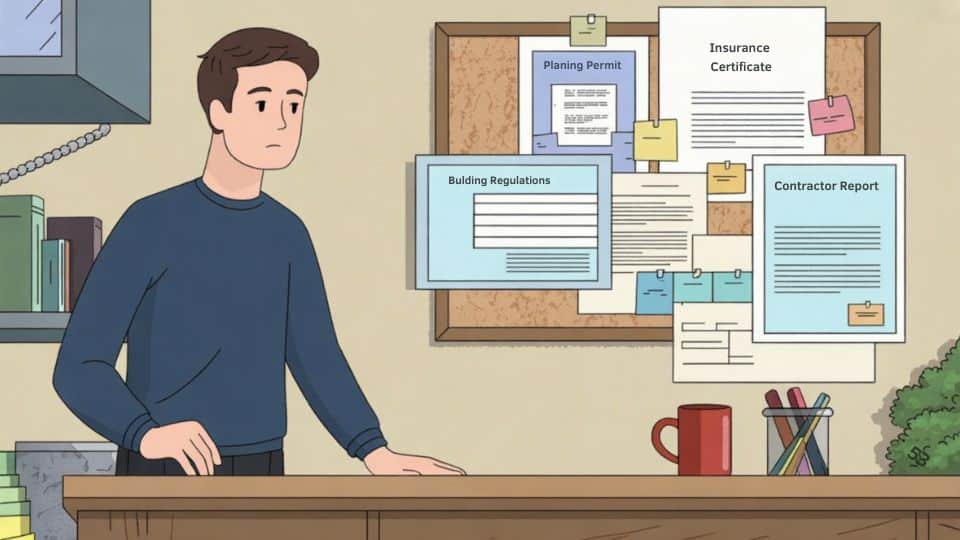
Implementing these protective measures ensures your property remains compliant and legally secure against potential enforcement actions ahead.
1. Always Use Proper Planning Permission or Lawful Development Certificates
Securing appropriate approvals before commencing any building work remains the safest approach. Where work has already been completed without permission but meets enforcement immunity criteria, applying for a Certificate of Lawful Existing Use or Development provides formal legal protection.
2. Maintain Full Documentation of All Work
Comprehensive records, including planning permissions, building regulations certificates, architect’s drawings, structural engineer’s reports, contractor invoices, and photographic evidence throughout the construction phases, prove invaluable for demonstrating compliance when selling or remortgaging properties.
3. Seek Advice From Planning Consultants or Solicitors When Needed
Professional guidance helps navigate complex regulations, particularly for unusual developments or properties with complicated planning histories requiring expert interpretation of applicable rules.
4. Managing Older Properties With Unknown Work
Indemnity insurance policies can protect against enforcement risks for historical alterations where documentation no longer exists. Retrospective planning applications legitimise unauthorised work that complies with current planning policies, though councils retain discretion to refuse applications that require the removal of non-compliant structures.
Taking these preventive steps now protects both your immediate investment and your long-term property value.
Conclusion
The 10-year rule in building regulations has fundamentally changed how property owners approach unauthorised development across England.
From April 2024, all planning breaches face a uniform 10-year enforcement period, eliminating shorter timeframes that created exploitable loopholes.
Planning immunity does not override building regulations compliance, which remains enforceable regardless of age.
Maintain comprehensive documentation of building work, conduct thorough due diligence when purchasing properties, and seek professional legal advice to protect your investment.
Understanding these regulations enables you to navigate planning requirements confidently, avoid costly enforcement actions, and ensure properties remain legally compliant and financially secure.
Ready to apply for a Certificate of Lawful Development? Let our specialists guide you. Contact us.