Got a shady garden? Here’s an amazing fact: you can still grow plenty of vegetables in full shade UK conditions, once you know which crops actually cope without direct sun.
Fences, mature trees, and neighboring buildings create pockets where sunlight barely reaches.
Many people think vegetables need full sun to grow well, but that’s actually not true. You might be pleasantly surprised by what they can do in less sunlight!
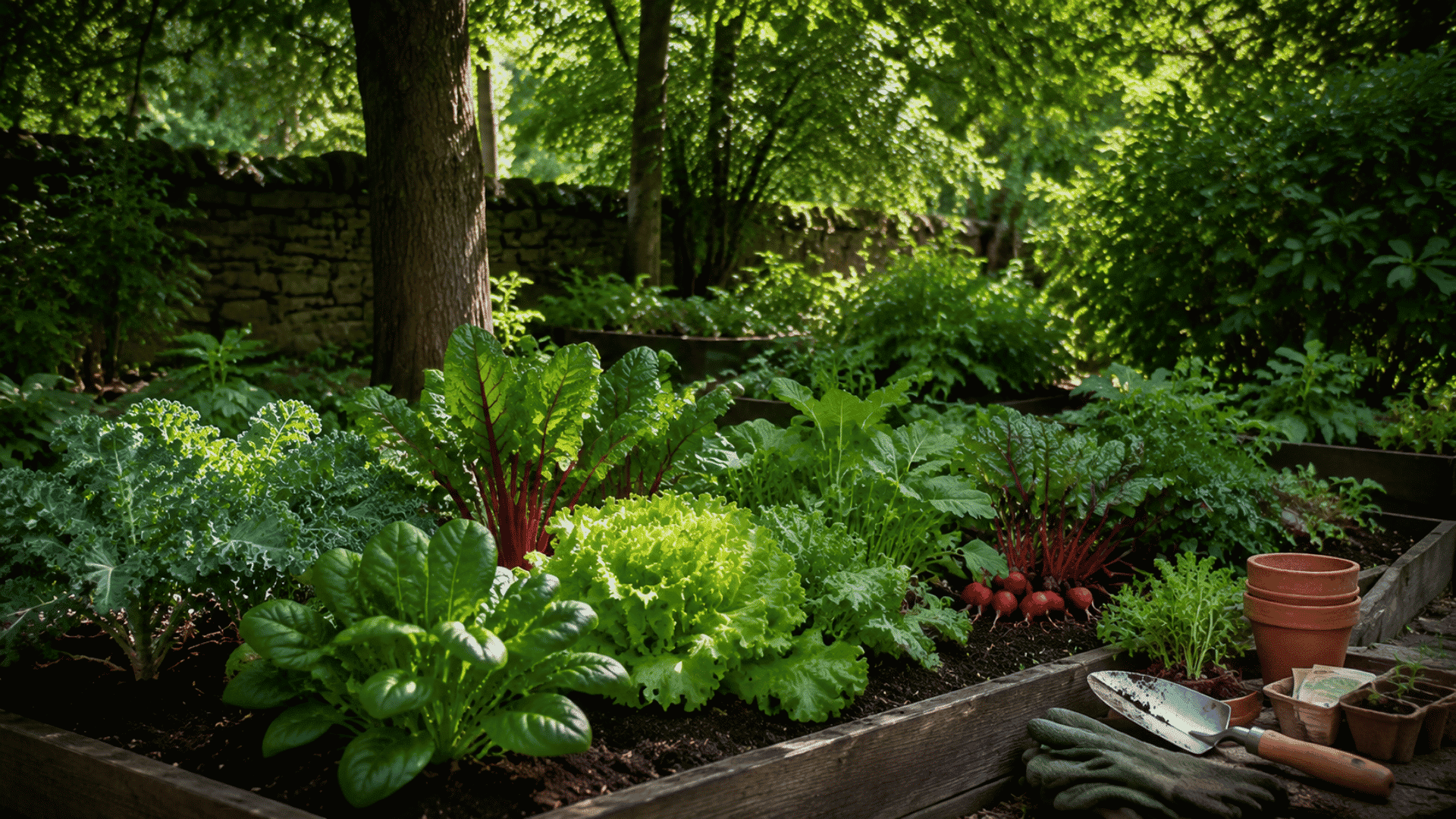
Leafy greens and root vegetables are the most reliable crops for shady gardens.
Will they grow as quickly as in full sun? No. Shade slows growth rates, and temperatures drop 5-10°C in sunny spots.
But these conditions prevent bolting in lettuce and other greens during warm weather.
Choose crops that match your shade, and even the darkest garden corners can produce a healthy, productive harvest all season long.
Types of Shade in UK Gardens -Half Shade, Dappled Shade, and Full Shade
Shade varies significantly across gardens. Different types of vegetables affect growth in different ways. Before planting anything, identify exactly which type of shade conditions you’re actually dealing with.
- Half Shade (Partial Shade): Gets 3 to 6 hours of gentle sunlight daily, typically morning sun with afternoon shade. Many vegetables tolerate this.
- Dappled Shade: Sunlight filtered through tree leaves or structures, creating shifting sun and shadow patterns throughout the day. Suits specific crops.
- Full Shade: Receives almost no direct sunlight. Found near north-facing walls, under dense hedges, or behind tall buildings. Very few vegetables thrive.
The UK’s cooler temperatures and shorter daylight hours mean photosynthesis rates run lower than in sunnier climates. Vegetables grow more slowly but bolt less often.
Spend a full day watching how shade moves across your garden before selecting what to grow. Knowing your specific shade patterns makes the difference between disappointing harvests and genuinely productive growing spaces.
Vegetables Suitable for Half Shade
Half shade is the easiest type of shade for growing a wide variety of vegetables in UK gardens. These spots still receive some direct light, so plants grow more vigorously than those in deeper shade.
| Vegetable | Why It Works in Half Shade |
|---|---|
| Lettuce | Stays productive longer, won’t bolt in summer heat, and extends harvest window. |
| Spinach | Avoids bitterness, doesn’t bolt quickly in afternoon shade, maintains quality. |
| Kale | Tolerates lower light naturally, benefits from cooler conditions, and produces decent yields. |
| Chard | Thrives in cooler conditions, grows steadily, and is less likely to bolt. |
| Beetroot | Handles reduced light well, with slightly slower growth, but reaches a good size. |
| Radishes | Tolerates half shade well; cooler light prevents heat stress. |
| Peas | Performs well with morning sun and afternoon shade; benefits from protection. |
Yield potential in half shade approaches full-sun results with proper soil and water management. Growth rates slow slightly, but this extends harvest periods.
Cooler light prevents bolting and keeps crops productive for weeks longer than sunny positions.
Half-shade balances light and protection; vegetables grow well here without heat stress or excessive bolting.
Full Shade Vegetables for UK Gardens
Full shade receives little to no direct sunlight throughout the day. North-facing walls, dense hedges, and building shadows create these challenging conditions.
Most vegetables struggle here, but a select few thrive when given proper care and realistic expectations.
These four vegetable types manage full shade conditions best:
- Leafy greens (loose-leaf varieties work best)
- Oriental greens such as pak choi and mizuna, along with mustard greens and certain brassica greens.
- Spinach during cool seasons
- Mint, chives, parsley
Managing expectations and maximizing success in full shade:
| Realistic Expectations | Soil Quality Matters More Here |
|---|---|
| Growth will be slower, and yields will be lower than in half-shade. | Full-shade areas often have nutrient-poor or compacted soil. |
| These crops won’t produce at the same rate as in sunnier positions. | The lack of light already limits growth, so poor soil makes things worse. |
| They’ll still be usable for continuous harvest. | Raised beds filled with enriched compost significantly improve success. |
| You can strip leaves from plants gradually rather than harvesting whole heads at once. | Regular moisture monitoring is essential, as these spots dry out differently than sunny areas. |
Full shade tests your patience more than your skills. Soil quality and moisture make the real difference here.
How Does Dappled Shade Work Better Than Full Shade?
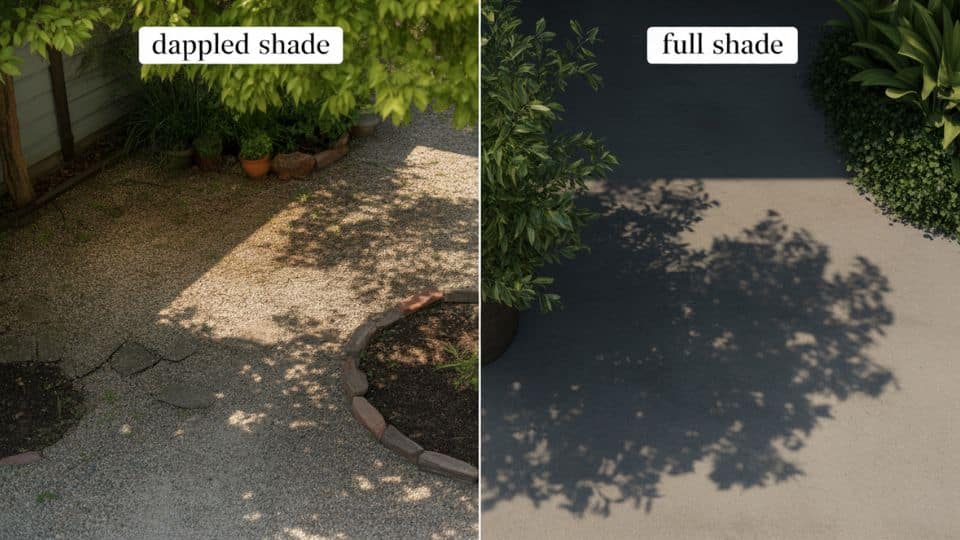
Dappled shade is less challenging than full shade.
Sunlight filters through tree leaves, creating shifting patterns throughout the day. These vegetables handle fluctuating light well but face competition from tree roots for moisture and nutrients.
Best performers: Salad leaves, spinach, rocket, parsley, mint, and some brassicas thrive here.
They stay tender and won’t bolt quickly during warm weather. However, tree roots draw moisture away quickly, so water consistently and add compost generously.
Dappled shade offers easier growing conditions than full shade and allows effective management of tree root competition.
Leafy Greens That Grow in Shade
Six leafy crops handle shade particularly well, each offering different flavors and growing characteristics for UK gardens.
1. Lettuce Varieties
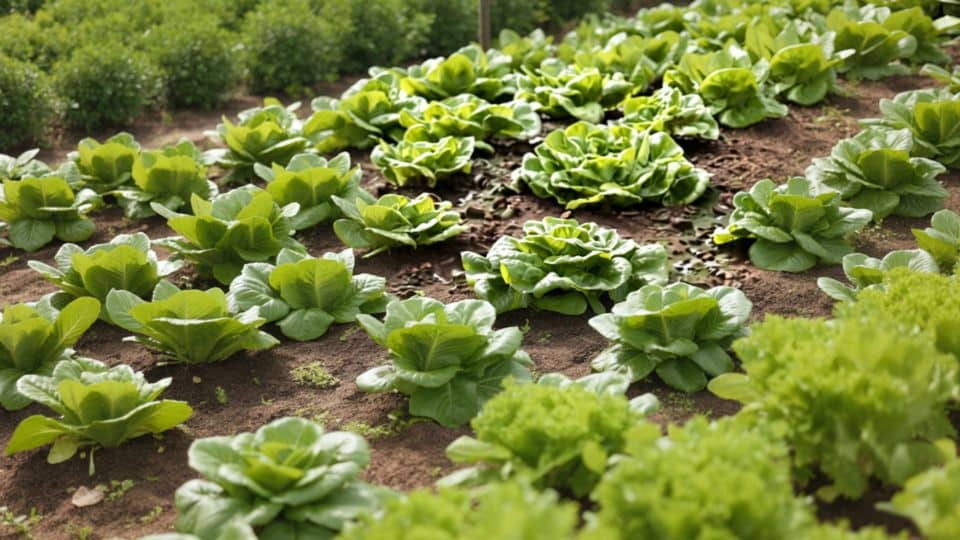
Loose-leaf lettuce works best in all levels of shade. They tolerate reduced light better than heading varieties and allow continuous harvest by picking outer leaves.
Planting multiple times in shaded areas enables harvests from spring to autumn, maximizing garden productivity and enjoying fresh produce for many months.
2. Spinach
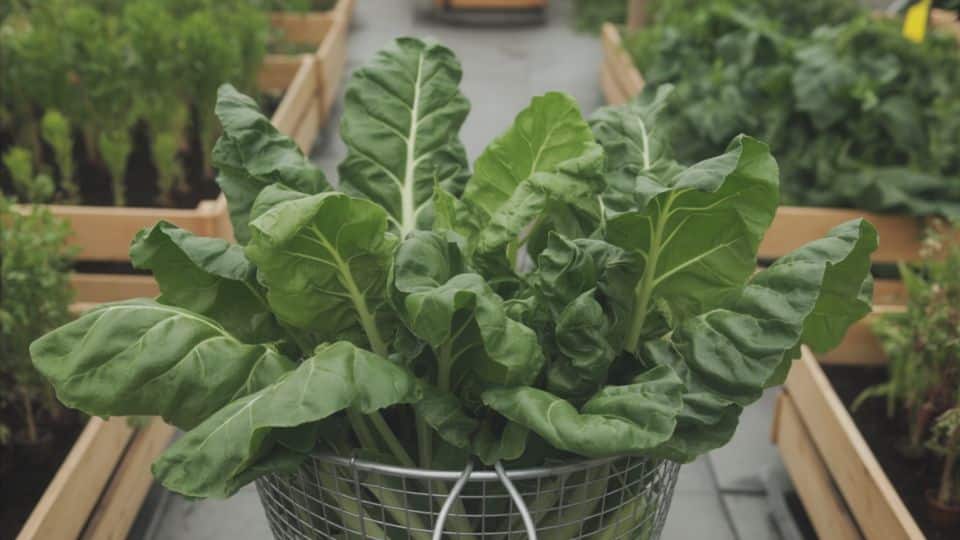
Handles half to dappled shade reliably without turning bitter. Stays productive longer in shade than full sun, where it bolts within weeks during warm weather.
Although the growth rate slows down a bit, you’ll be happy to know that the leaf quality gets better!
3. Kale
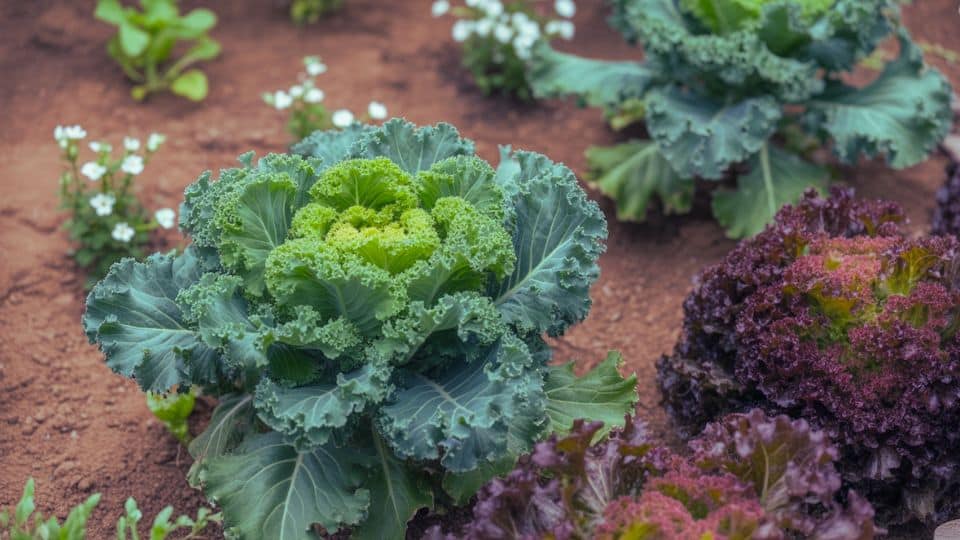
Tolerates reduced light while maintaining nutrition and flavor. Actually, it becomes sweeter in cooler, shaded conditions.
It produces reliably throughout the cozy autumn and winter months in a gently shaded area positions.
4. Rocket
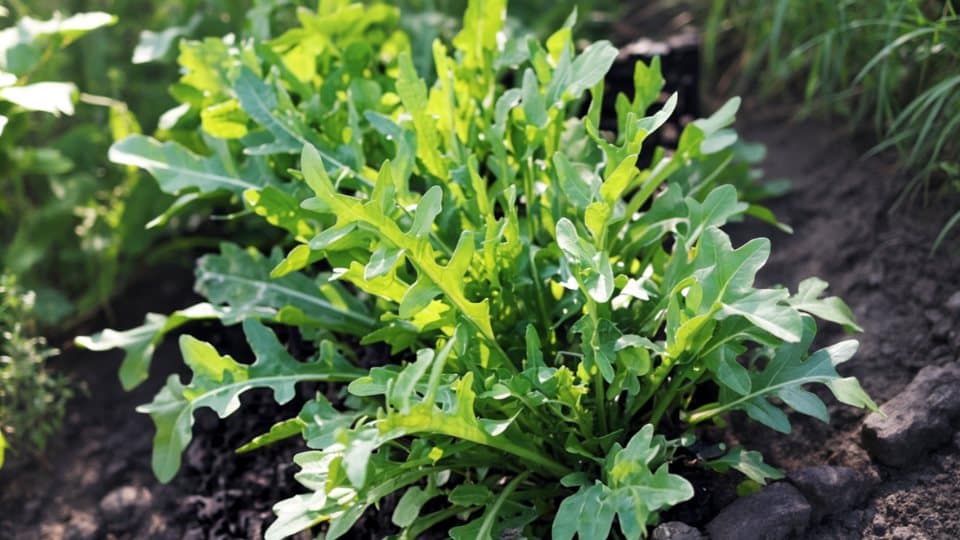
It maintains a gentle flavor in the shade, avoiding becoming too peppery. Benefits from protection against heat stress.
It grows a bit more slowly, but it stays tender and good to use for several weeks longer.
5. Chard
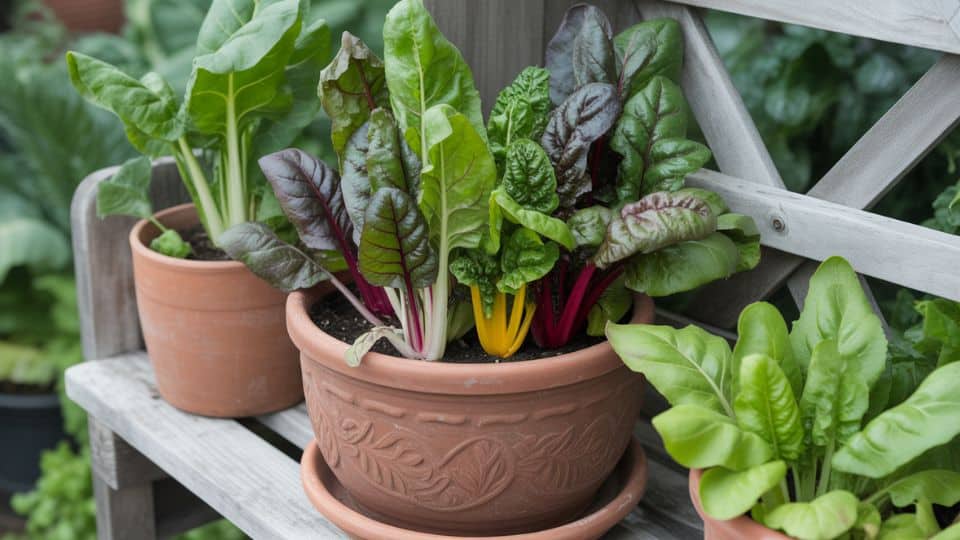
Grows steadily with consistent moisture in shaded areas. Colorful stems develop well even with reduced light.
It comfortably thrives in both half shade and dappled conditions all season long.
6. Mustard Greens
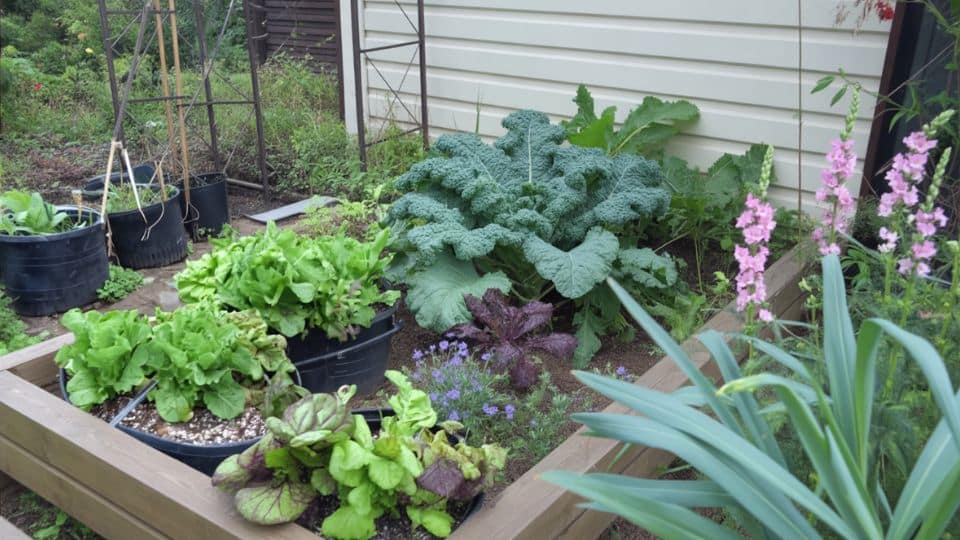
Manages even in dappled to full shade, making them among the most versatile leafy crops.
Maintains flavor and texture despite low light levels. Particularly useful for full-shade areas where few other crops succeed.
Leafy greens in the shade grow more slowly but last longer; the trade-off often works in your favor here.
Root Vegetables for Low-Light UK Gardens
Many root vegetables don’t rely heavily on sunlight for leaf production, making them suitable for half-shade or dappled-shade conditions.
UK gardeners can successfully grow root crops with reduced light, as long as the soil stays loose, deep, and well-fed.
1. Beetroot
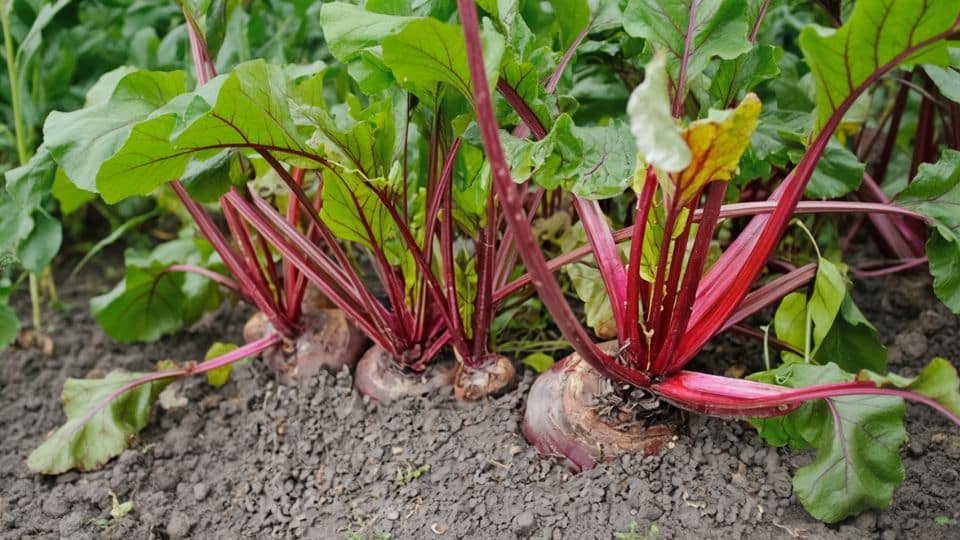
Beetroot handles half shade well and develops good colour and flavour even with reduced light. Growth tends to be slower than in full sun positions, but roots remain flavourful and usable.
Cool UK temperatures help beetroot remain crisp and avoid becoming woody. Thin regularly to prevent crowding and water consistently to help roots develop evenly.
2. Radishes
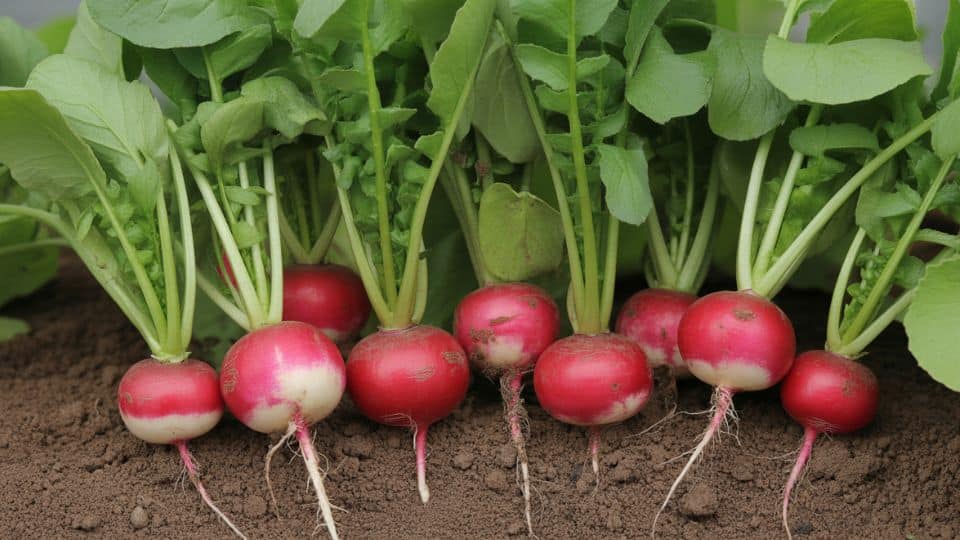
Quick-growing crop that tolerates reduced light and stays crisp in shade. May be slightly smaller than full-sun radishes, but maintains quality.
Choose short or round varieties over long types for the best results. Mulch around plants to retain moisture and ensure the soil is loose and well-drained before planting.
3. Carrots
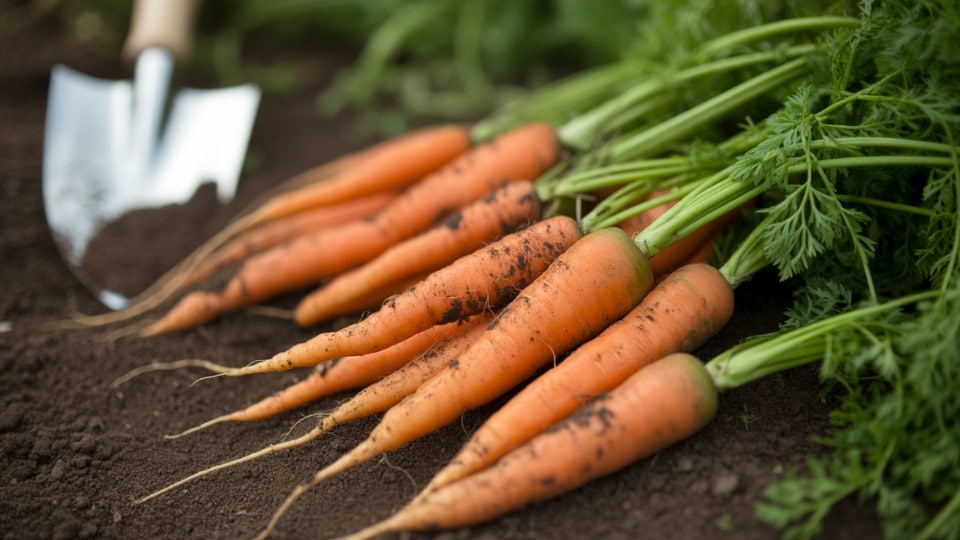
Short carrot varieties are recommended for low-light areas as they develop more reliably than long types. Growth will be slower, and carrots may be slightly smaller, but they remain sweet and usable.
Root development relies more on soil quality than light intensity. Focus efforts on improving the growing medium rather than worrying about sun exposure.
4. Turnips
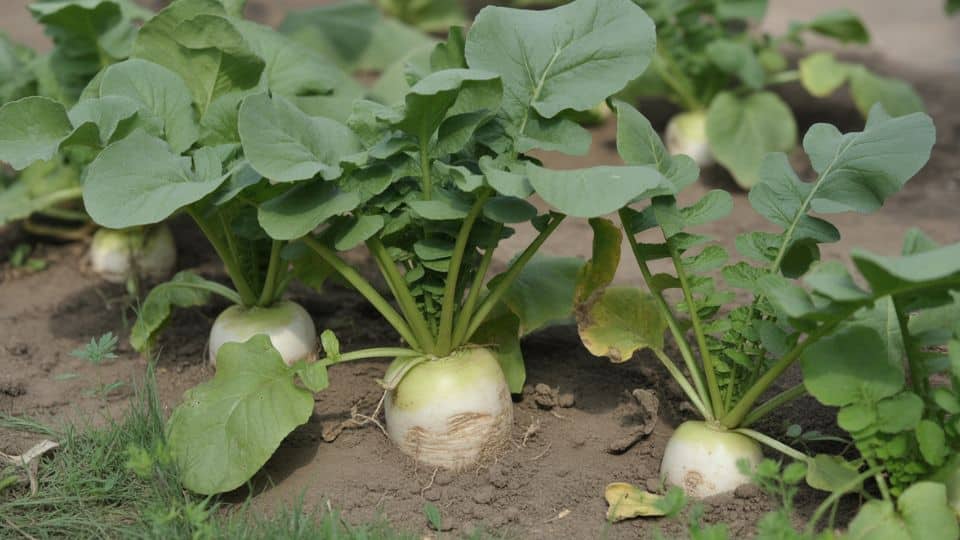
Manages dappled shade effectively if soil quality is high. Maintains texture and flavour in reduced light conditions. Water consistently and thin regularly to allow proper root expansion.
Cool temperatures in shaded spots actually benefit turnips by preventing them from becoming woody or overly pungent.
Root crops in shade need loose soil and steady moisture more than they need extra sunlight.
Cool-Season Crops That Perform Well in Shade
Beyond the leafy greens and root vegetables already covered, several cool-season crops thrive in shaded UK gardens.
Shade creates a cooler microclimate that keeps these vegetables in their preferred 10-20°C range, preventing the heat stress that triggers bolting in full sun.
1. Peas
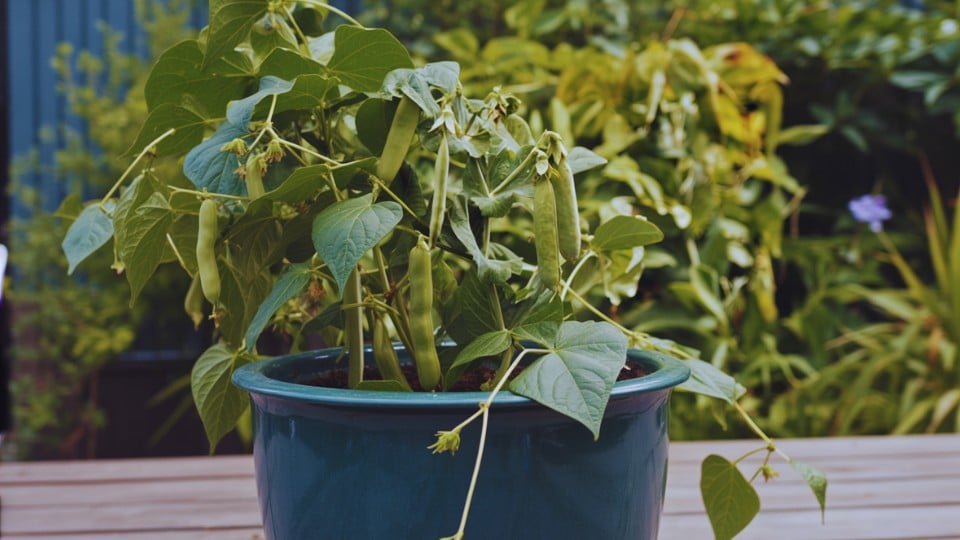
Handle morning sun positions particularly well. Perform surprisingly well in reduced light due to a preference for cooler conditions.
Shaded microclimates reduce water loss through evaporation, thereby reducing the need for watering.
2. Broad Beans
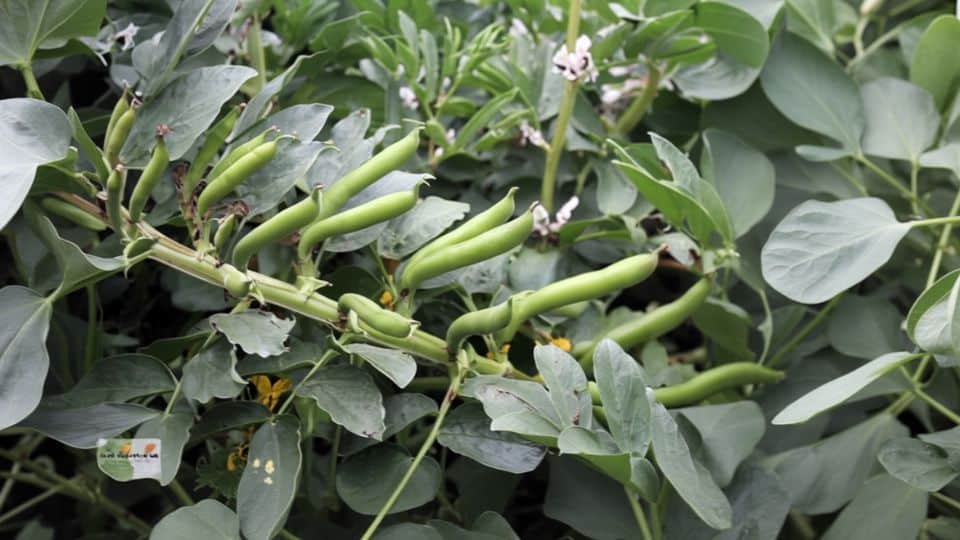
Broad beans tolerate dappled shade throughout the growing season and benefit from protection during warmer months.
Resilience in the July heat makes them stand out. Yields remain reliable even with reduced light.
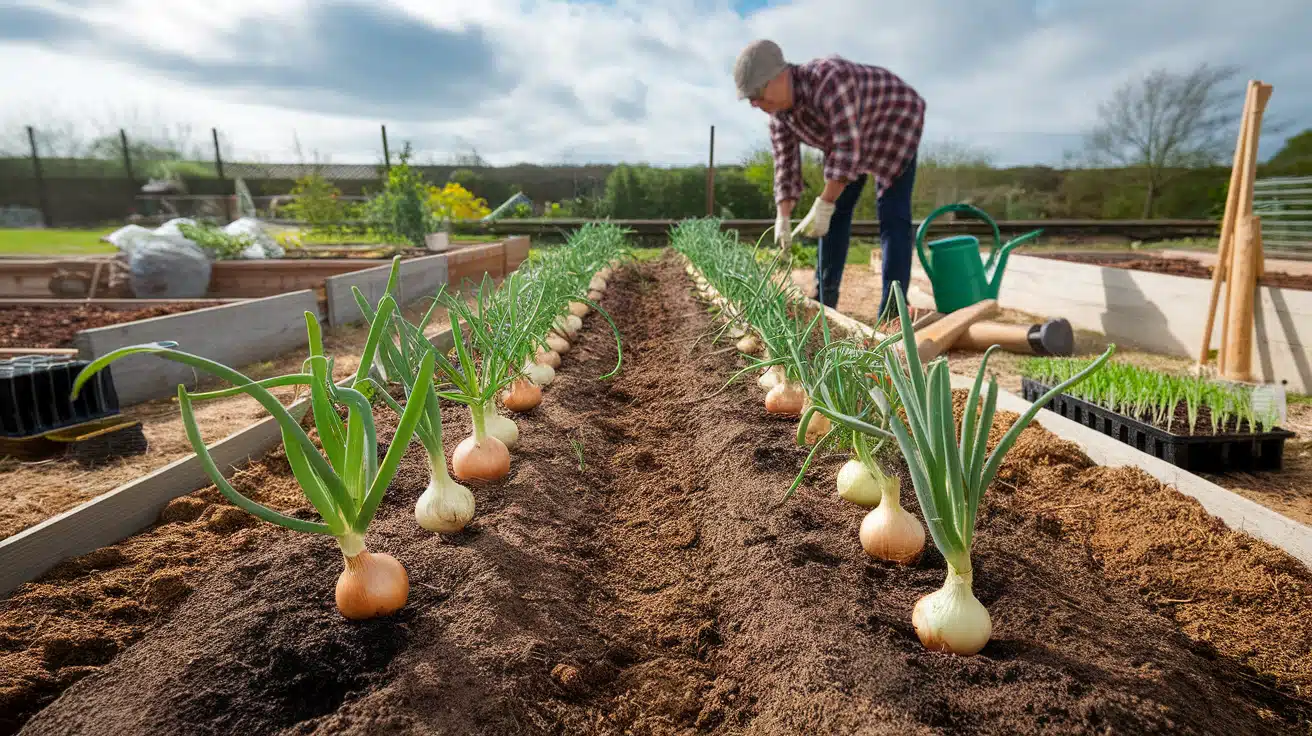
3. Spring Onions
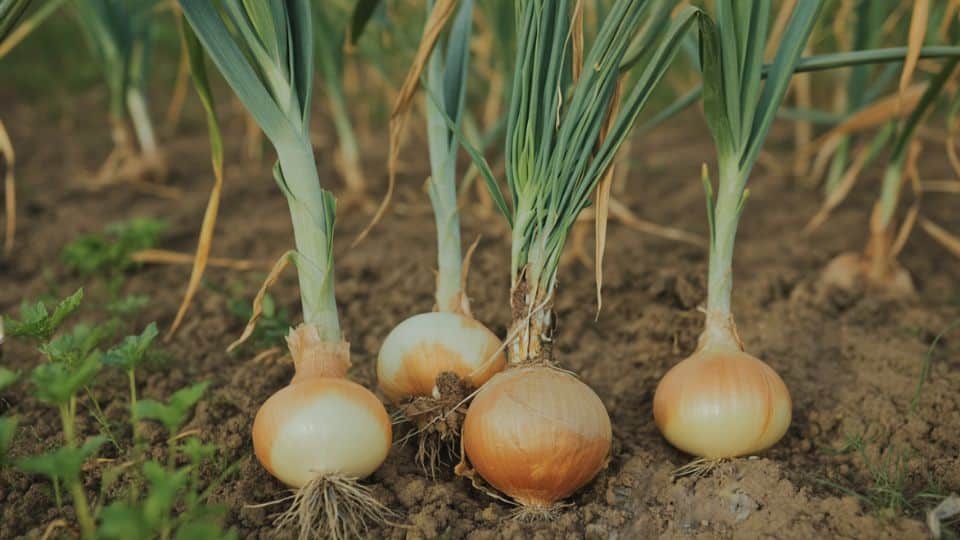
Grow steadily in reduced light without developing harsh flavors. Develop consistent thickness above ground while maintaining mild taste.
Produce reliably from spring through autumn in half-shaded positions.
Key Tips for Growing Vegetables in Full Shade
Full shade demands different strategies than half or dappled shade. These six tips address the unique challenges effectively.
-
Soil Quality First: Enrich with 2-3 inches of compost before planting. Full shade limits light, so nutrient-rich soil becomes critical for plant survival and growth.
-
Choose Loose-Leaf Varieties: Heading types struggle in deep shade. Loose-leaf lettuce, spinach, and mustard greens perform better and allow continuous harvesting.
-
Monitor Moisture Twice Weekly: Full-shade areas dry out unpredictably. Check the top 2-3 inches of soil regularly and water when it feels dry to the touch.
-
Build Raised Beds: Avoid compacted ground-level soil common in full-shade areas. Raised beds improve drainage and make root development easier for struggling plants.
- Reflect What Light You Have: Painting nearby walls or fences white bounces extra,
-
Harvest Continuously: Strip the outer leaves gradually rather than waiting for the plants to mature. This keeps plants productive longer in low-light conditions.
-
Accept Slower Growth: Full-shade vegetables take 30-50% longer to mature than sunny positions. This is normal, not a failure; adjust expectations accordingly.
Expert guidance from RHS confirms what practical experience already shows shade gardening works with the right approach.
What RHS Recommends
The Royal Horticultural Society remains one of the UK’s most trusted authorities on gardening practices. Their guidance on vegetables suitable for shade aligns closely with practical growing experience.
| Shade Type | RHS Recommended Vegetables | Key Advice |
|---|---|---|
| Half Shade | Leafy greens, chard, kale, beetroot, radishes, peas | Tolerate low light, stay tender, and benefit from cooler conditions. |
| Dappled Shade | Salad leaves, rocket, oriental greens, herbs (parsley, chives, mint) | Prefer cooler temperatures, be protected from strong sun, and reduce bolting. |
| Full Shade | Loose-leaf greens, cut-and-come-again salads, mint, parsley | Very few succeed. Needs minimal direct sunlight. |
| Critical Caution | All shade vegetables | Yields are smaller, and growth is slower. Enrich the soil, choose tolerant varieties, and maintain consistent moisture. |
RHS guidance reinforces that, in shade gardening, practical experience shows that you succeed when you match crops to conditions and prioritize soil quality.
Final Thoughts
UK gardens with half-shade, dappled shade, or full shade can grow many vegetables when you choose the right crops.
If you’re wondering what vegetables grow in full shade UK gardens, leafy greens, spinach, kale, chard, radishes, and beetroot are reliable choices.
Shade-grown vegetables grow more slowly but often stay tender and productive for longer.
Enrich the soil, pick shade-tolerant varieties, and start with one shady spot by planting lettuce or spinach this week.
Frequently Asked Questions(FAQ)
Can You Grow Potatoes in Full Shade?
No. Potatoes need at least 5-6 hours of sun daily to form tubers properly. Full shade produces weak plants with little to no harvest.
Do Shady Vegetable Beds Need More Fertilizer?
Yes. Reduced light means slower growth, so nutrient-rich soil helps compensate. Work in compost or a balanced organic feed before planting.
Are Slugs a Bigger Problem in Shady Vegetable Gardens?
Yes. Cool, damp shade attracts slugs and snails. Raised beds and slug-resistant varieties best protect young seedlings.
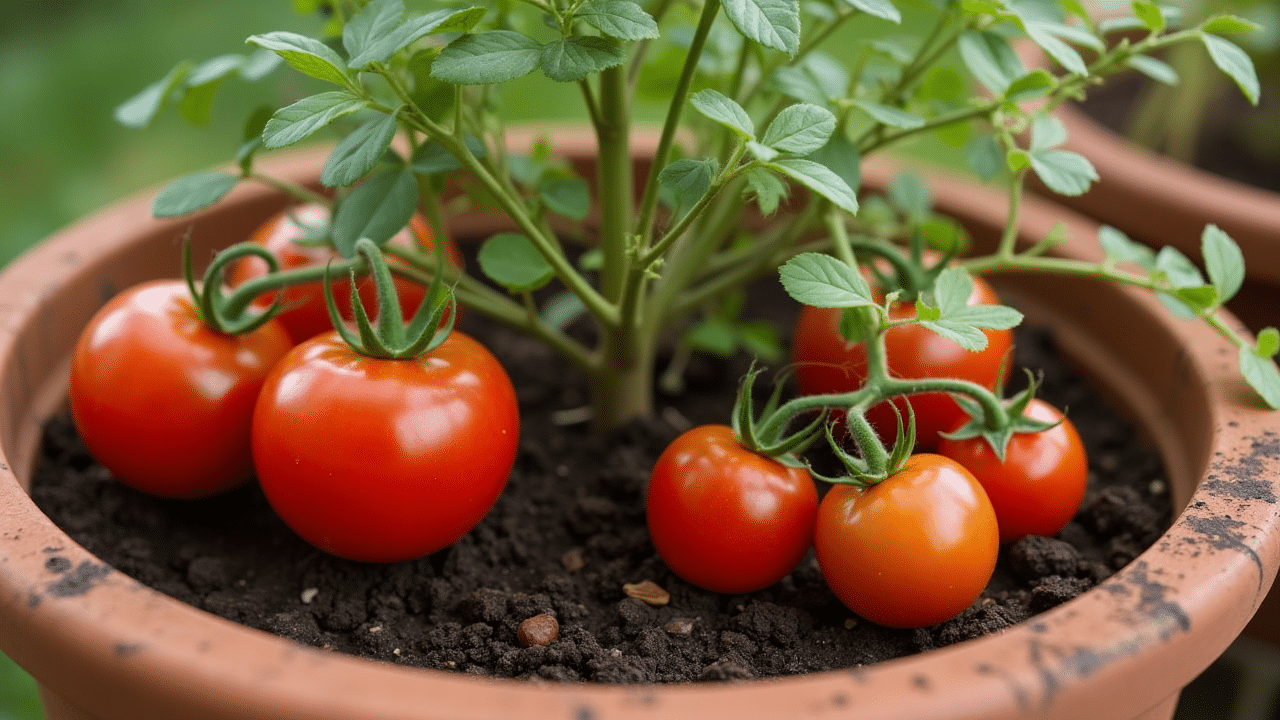
Can Tomatoes Grow in Full Shade?
No. Tomatoes need 6-8 hours of direct sun to flower and fruit. Full shade gives leafy growth but little to no fruit.