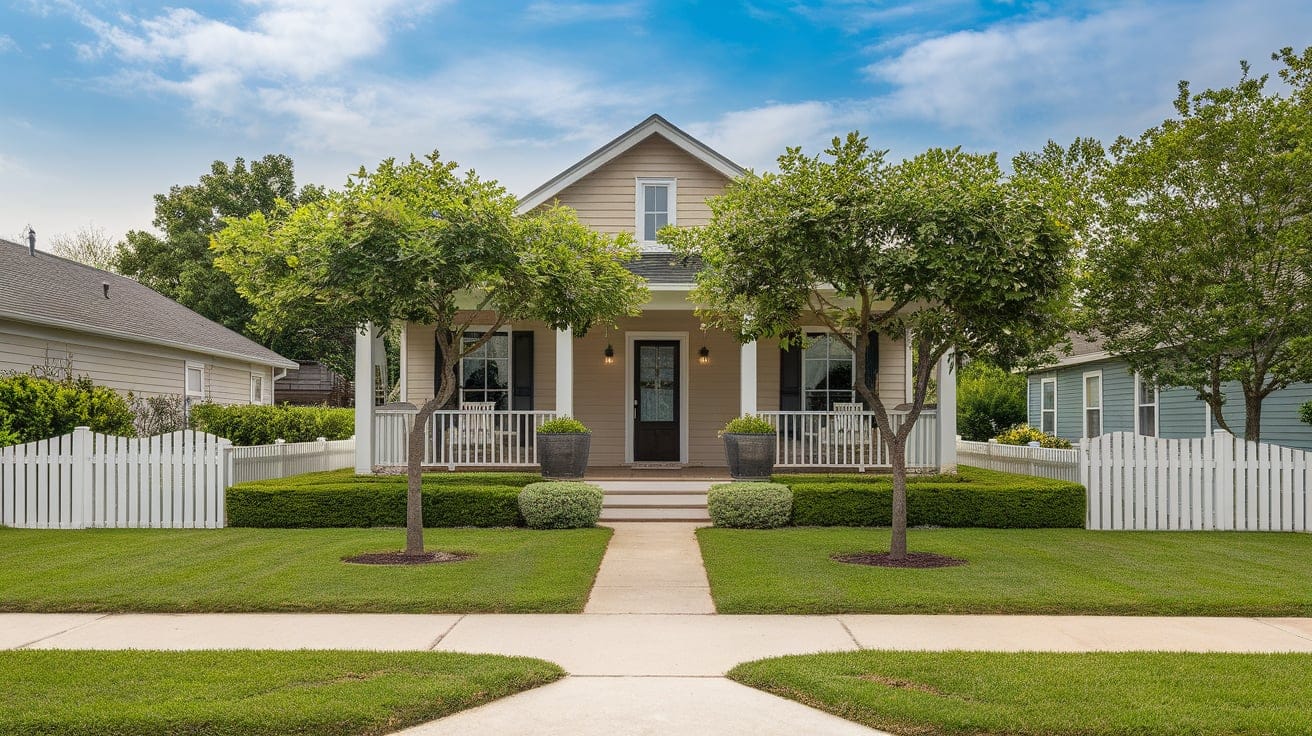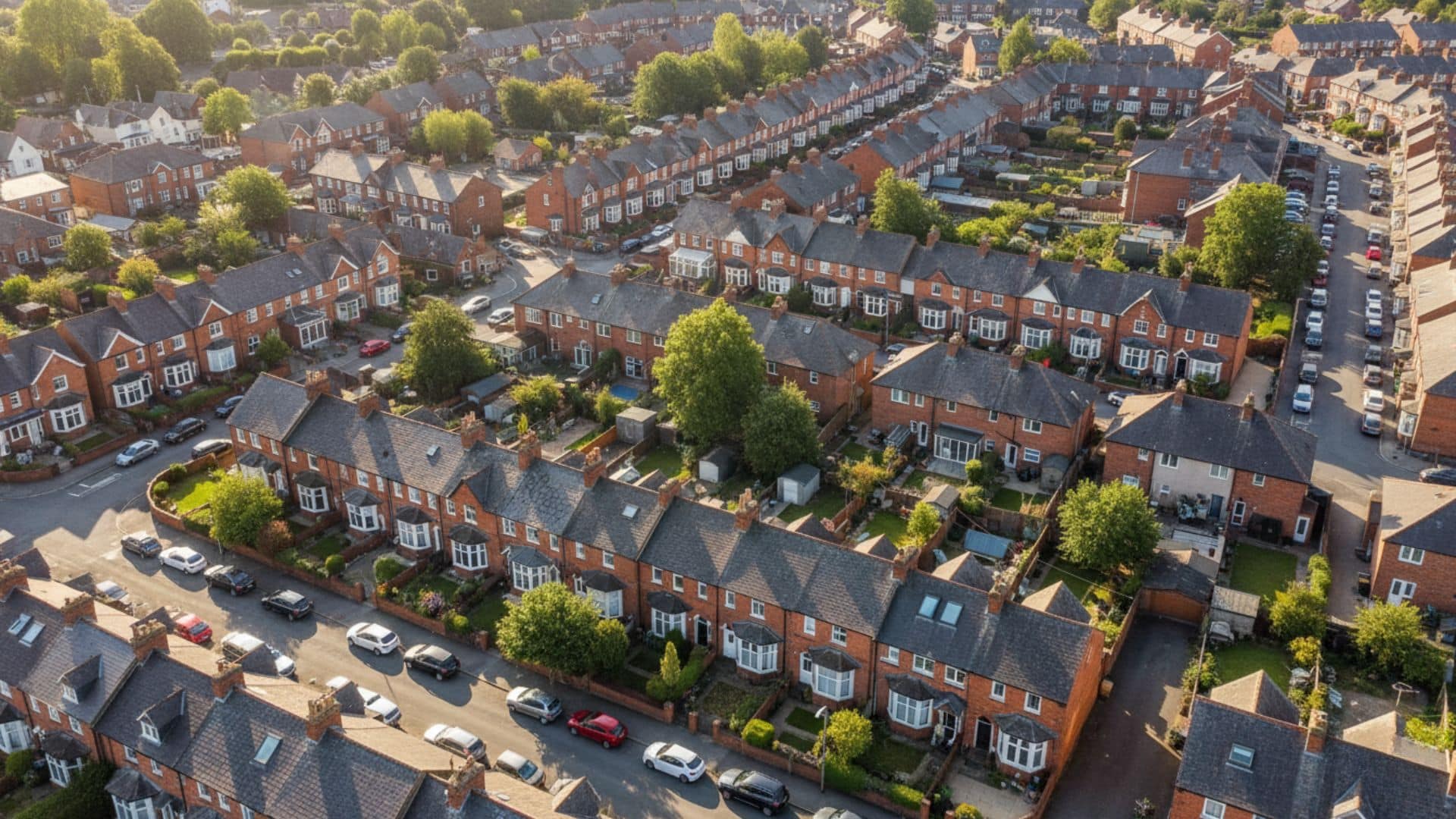

Have you seen rows of identical residences lining city blocks, each attached to the next? These are terraced houses, a building style that’s shaped neighborhoods for centuries.
But what makes them different from standalone dwillas? Why did this architectural approach become so widespread? And is this the right option for your next move?
This guide answers everything. We’ll examine defining traits, construction methods, and layout patterns.
Are the cost savings worth the trade-offs? Can you handle proximity to others? Will the perks outweigh the limitations?
Let’s get started. By the end, you’ll know precisely what to expect from this enduring residential format.
What Is A Terraced House?
A terraced house is a type of medium-density housing in which homes are arranged in a continuous row. Each house shares walls with neighbors on either side. This creates an unbroken line along the street.
Only end houses have one external side wall. Middle homes have neighbors on both sides. All units face the same direction.
Different regions use different names. Americans call them row houses. Some areas use the term townhouse. In the UK and Australia, terraced houses remain standard.
The basic concept stays the same. Multiple homes built together in one continuous structure.
Now that you know what defines a terraced house and where the term comes from, let’s look at how this housing style developed and spread across different regions over the centuries.
The History of Terraced Houses
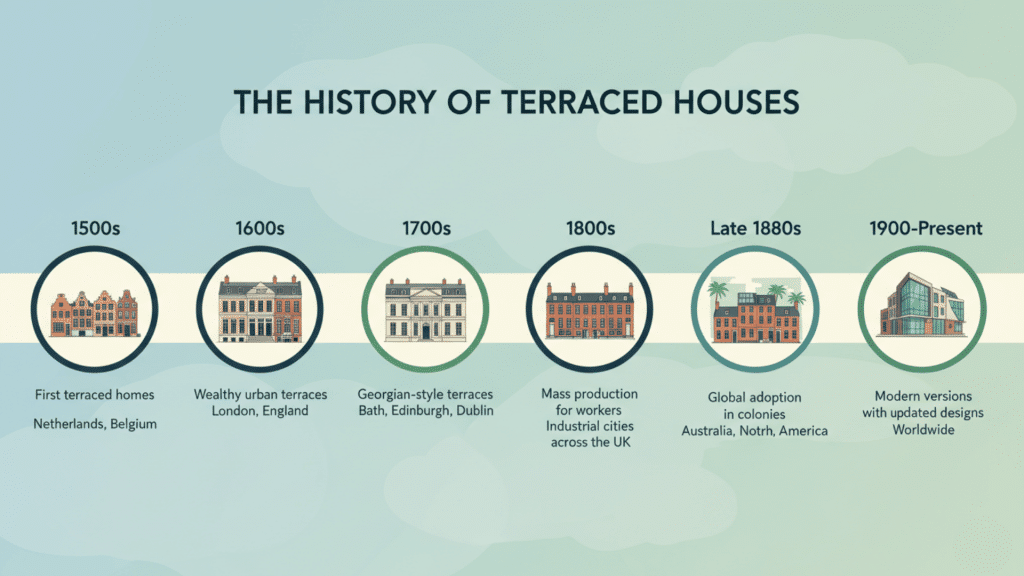
Terraced houses first appeared in European cities during the 16th century. Dutch and Belgian towns built early versions for merchants and traders. The design helped maximize the limited urban space.
These homes attracted wealthy families who wanted city residences.
Timeline of Terraced House Development:
| Period | Key Development | Location |
|---|---|---|
| 1500s | First terraced homes built | Netherlands, Belgium |
| 1600s | Wealthy urban terraces constructed | London, England |
| 1700s | Georgian-style terraces spread | Bath, Edinburgh, Dublin |
| 1800s | Mass production for workers began | Industrial cities across the UK |
| Late 1800s | Global adoption in colonies | Australia, North America |
| 1900s-Present | Modern versions with updated designs | Worldwide |
The design spread quickly across Europe. Paris, Edinburgh, and Dublin built their own versions. Each city adapted the style to local needs and tastes.
Now that we’ve covered their origins and evolution, let’s take a closer look at the defining features that set terraced houses apart from other types of homes.
Key Features of Terraced Houses
These connected properties share specific design elements that set them apart from detached homes. The structure emphasizes efficient use of space while maintaining individual ownership for each unit.
Key structural features:
- Shared side walls connecting properties
- Uniform façades along the street
- Two to three stories in height
- Narrow frontage with deeper floor plans
- Individual front entrance for each unit
- Continuous roofline across the row
- Load-bearing walls running front to back
- Separate foundations for each home
|
Additional features: Basements for extra storage, Attics for additional space, Compact overall footprint |
Having reviewed the key features, let’s look at the various types of terraced houses and how they differ.
Types of Terraced Houses
These homes come in various styles and configurations. Each type offers different benefits based on location, construction era, and structural design. Here are the main categories you’ll find.
1. Mid-Terraced Houses
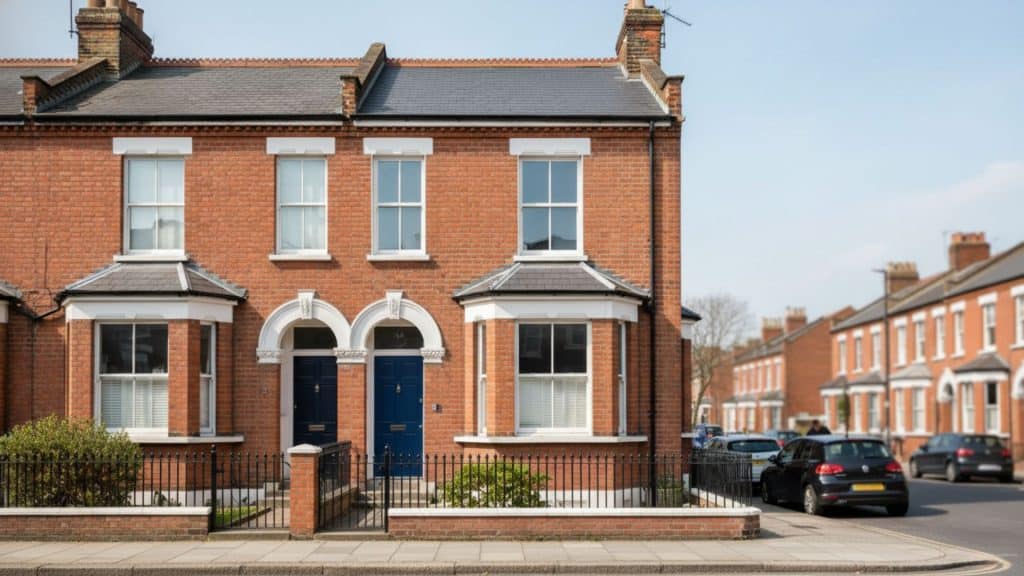
These properties share walls with neighboring homes on both sides. They sit in the middle of a row. This is the most common and affordable type you’ll encounter in urban areas.
2. End-Terraced Houses
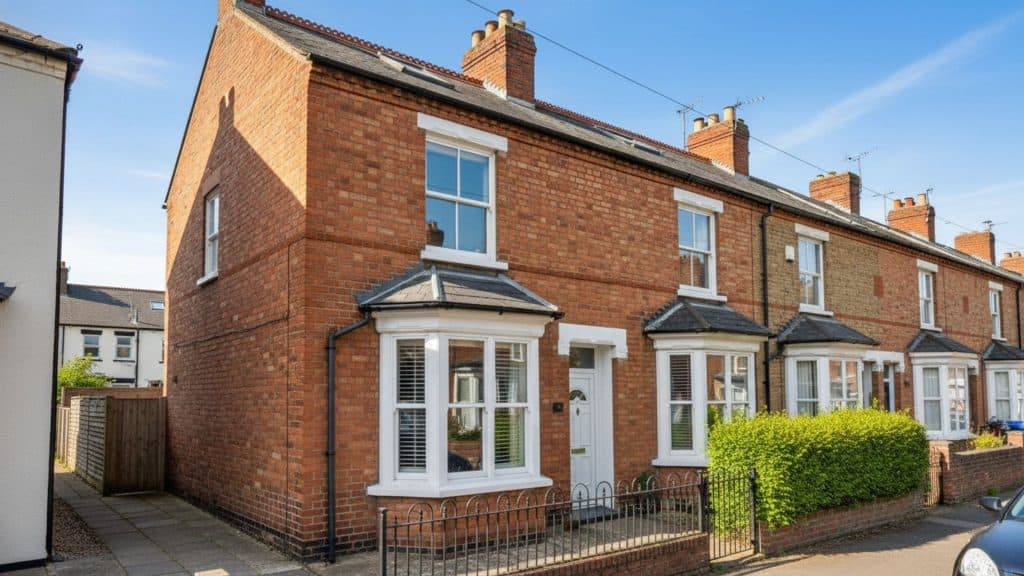
These units have only one shared wall. The other side remains external. They receive more natural light and offer slightly more space. Buyers often prefer them over mid-terraced options.
3. Corner Terraced Houses
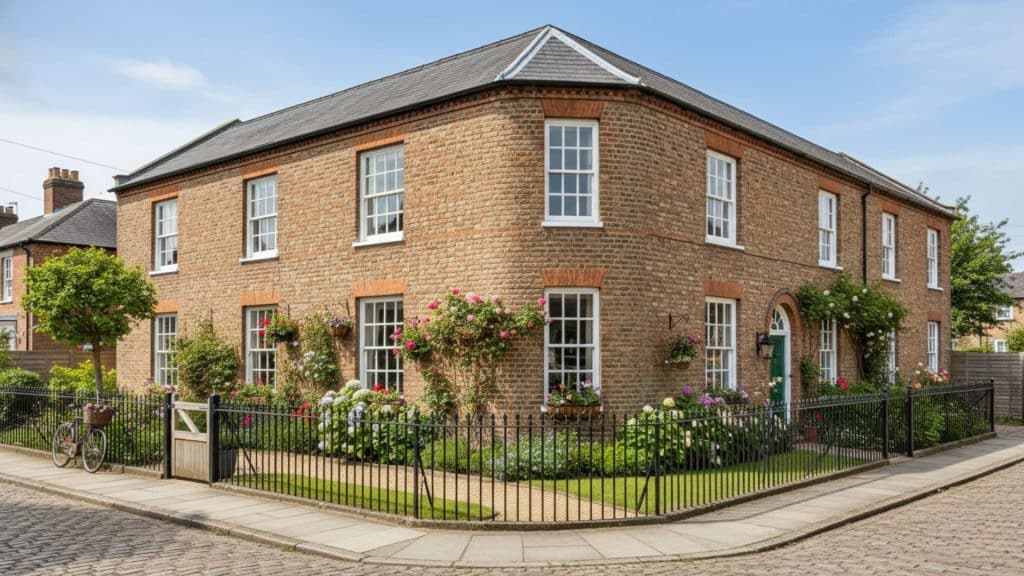
Located at street corners, these homes have two exterior walls. They provide more privacy than other types. Gardens tend to be larger. Windows on multiple sides allow better ventilation and light.
4. Victorian Terraced Houses
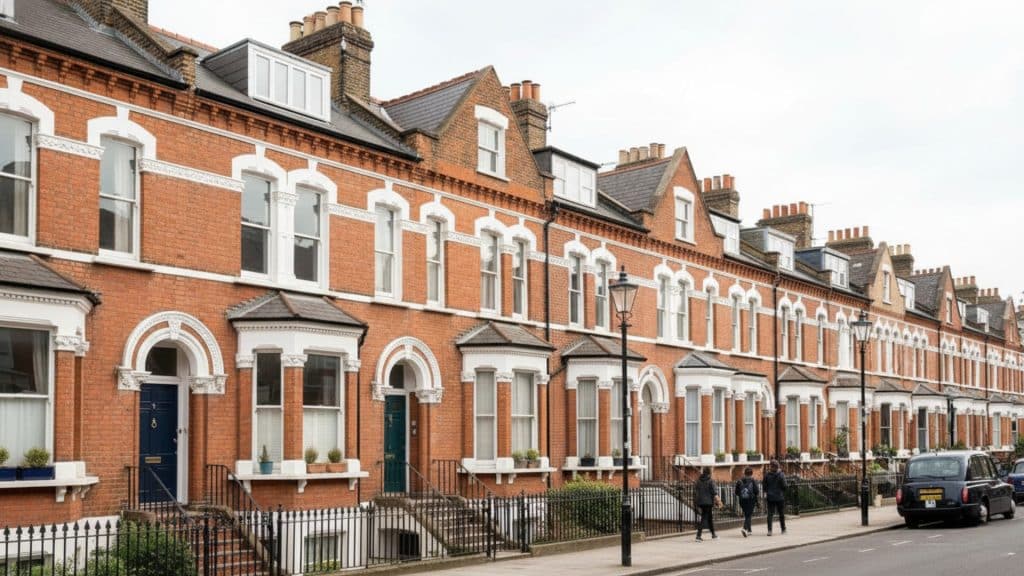
Built during the Victorian era from 1837 to 1901. These feature large windows, high ceilings, and ornate brickwork. Cities like London and Manchester have thousands of examples.
Bay windows are a standard feature.
5. Georgian Terraced Houses
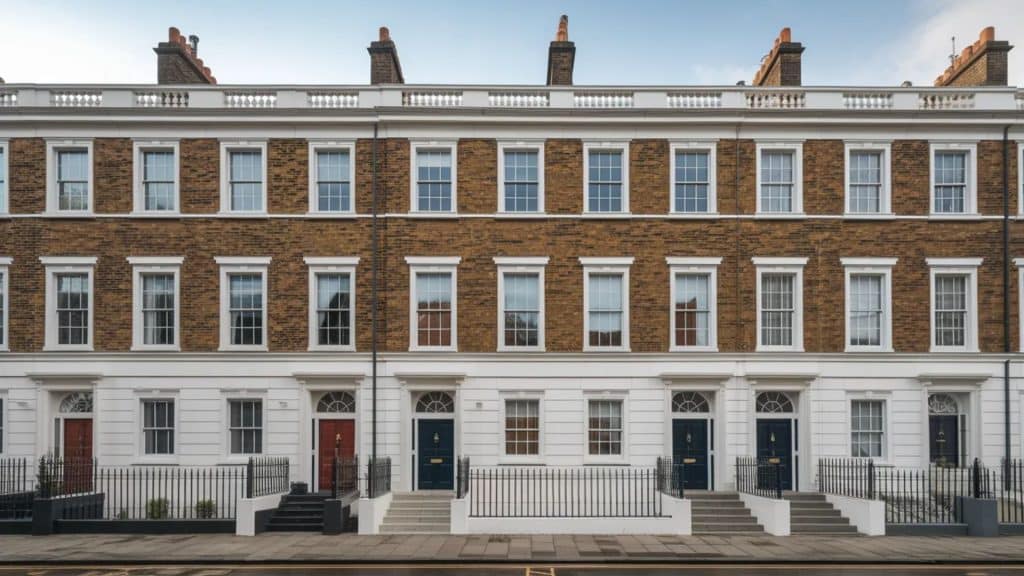
Constructed during the Georgian period from 1714 to 1830. These homes showcase symmetrical designs and elegant proportions. Large sash windows and brick façades define the style.
Many remain highly desirable today.
6. Edwardian Terraced Houses
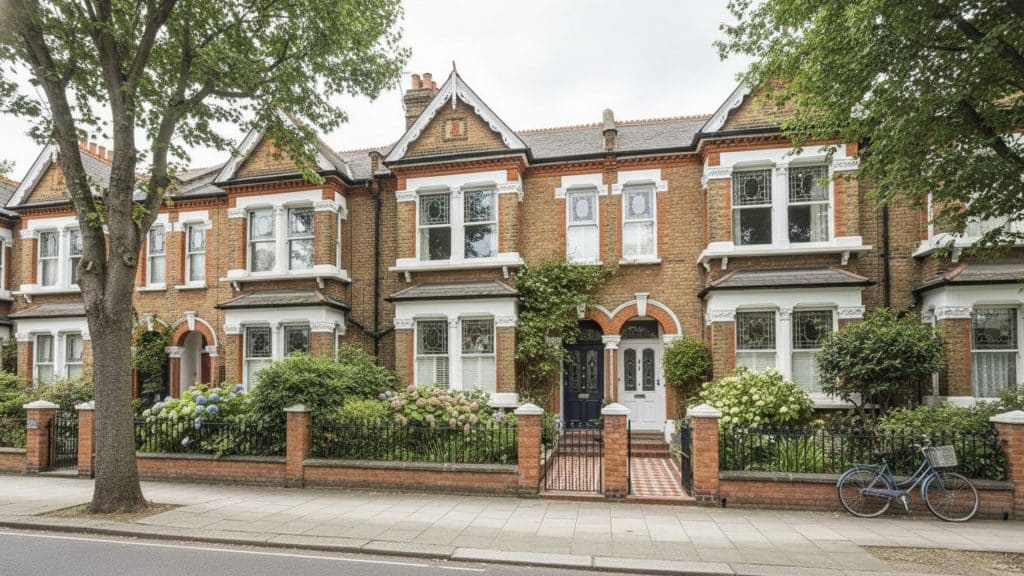
Built during the Edwardian era from 1901 to 1910. These properties are typically larger than Victorian versions. They feature bigger gardens, wider hallways, and more natural light.
Bay windows extend across two floors.
7. Modern Terraced Houses
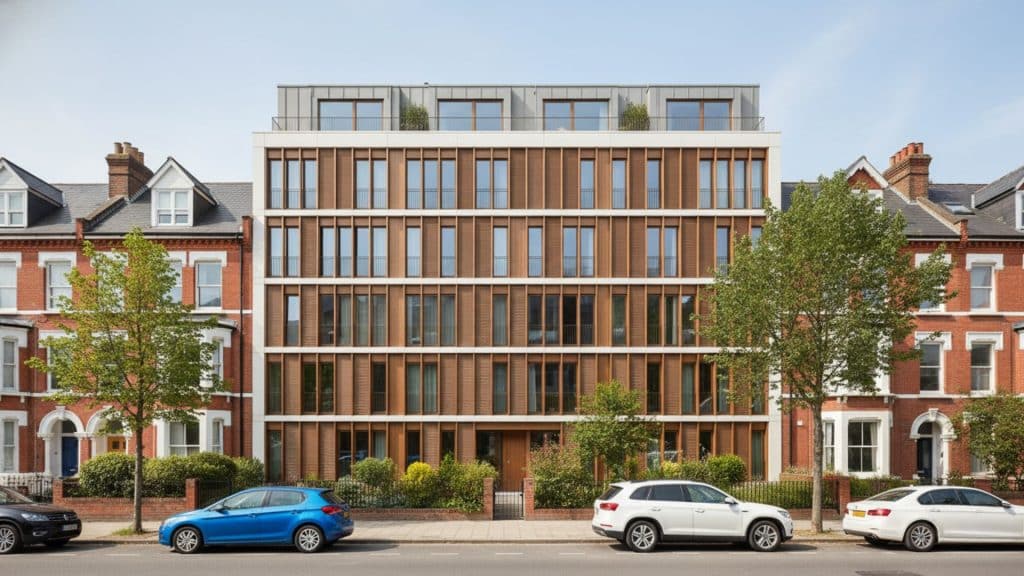
Contemporary builds using current materials and technologies. These include energy-efficient features such as solar panels and improved insulation. Open-plan layouts are common.
Designs focus on maximizing space and reducing environmental impact.
8. Back-To-Back Terraced Houses
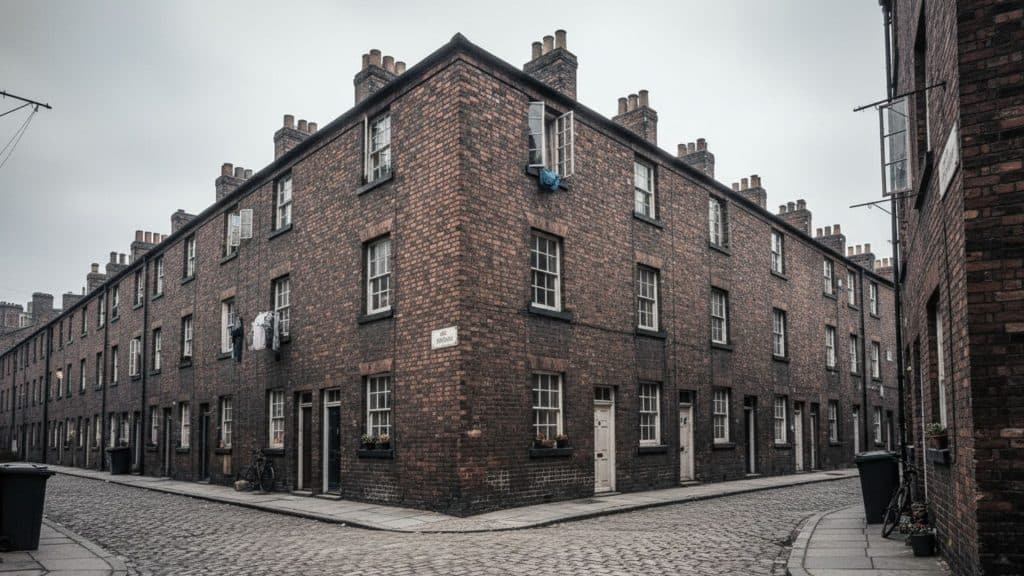
Built with no front or rear garden space. Properties connect directly at both ends. This design maximized urban density during industrial times. Few remain today due to poor ventilation and limited light.
9. Duplex And Triplex Terraced Houses
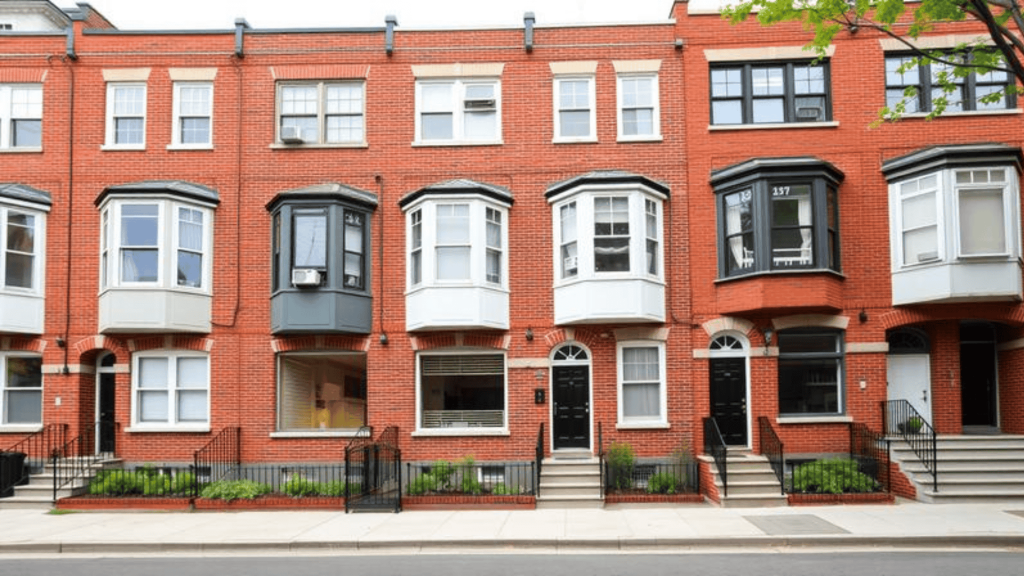
Multi-floor properties are divided into separate living units. Each unit functions as an independent home. Duplexes are split into two apartments. Triplexes contain three.
This design provides multi-family accommodation within one structure.
With an acquaintance of the various types, let’s now look at the advantages and disadvantages of living in a terraced house.
Pros And Cons Of Living In A Terraced House
Living in a terraced home offers distinct advantages and challenges. Both sides help you make an informed decision about whether this housing style suits your lifestyle and budget.
| Pros | Cons |
|---|---|
| Lower purchase price compared to detached homes | Limited outdoor space with small gardens |
| Energy efficient due to shared walls, reducing heat loss | Noise transfer through shared walls from neighbors |
| Urban locations close to jobs, shops, and transport | Parking challenges in older neighborhoods |
|
Why does this matter? These factors affect your daily comfort, expenses, and the fit of your lifestyle when choosing a home. |
We know the pros and cons, let’s wrap up with a final summary of terraced houses and their significance in modern living.
What Are the Alternatives to a Terraced House?
Alternatives to a terraced house include detached homes for maximum privacy and outdoor space, semi-detached houses that share just one wall, and apartments or flats designed for compact urban living.
Townhouses offer a similar multi-level layout with a bit more flexibility, while bungalows suit buyers looking for single-floor living.
Each option fits different budgets, space needs, and lifestyle preferences, making it easier to choose a home that aligns with how you want to live.
Conclusion
Terraced houses remain a practical and popular housing choice across the world. From Victorian rows to modern builds, these connected homes offer affordable urban living with energy-efficient benefits.
They suit first-time buyers, young professionals, and families seeking city convenience. The shared wall design reduces costs and environmental impact.
Whether you prefer a historic Georgian terrace or a contemporary townhouse, are you ready to find your ideal terraced home? Consider your priorities.
Do you value location over garden space? Can you manage with limited parking? Think about your lifestyle needs.
What’s your experience with terraced living? Share your thoughts in the comments below. Have questions about specific types or features?