
If you’ve come across a property listing mentioning BISF construction, you might be wondering what makes these homes different from standard brick-built houses.
BISF houses represent a unique chapter in British residential building, born from necessity during one of the nation’s most challenging periods.
These steel-framed properties were created when speed and affordability mattered more than anything else.
While they may look unusual compared to conventional homes, understanding their origins and characteristics can help you decide if a BISF house is right for you.
We’ll cover everything you need to know about BISF construction, from identifying these distinctive properties to considering the realities of ownership and renovation.
What is BISF Construction?
BISF construction refers to a type of prefabricated steel-framed housing built primarily in post-war Britain.
The acronym stands for the British Iron and Steel Federation, an organization comprising steel manufacturers who collaborated with the government to address severe housing shortages following World War II.
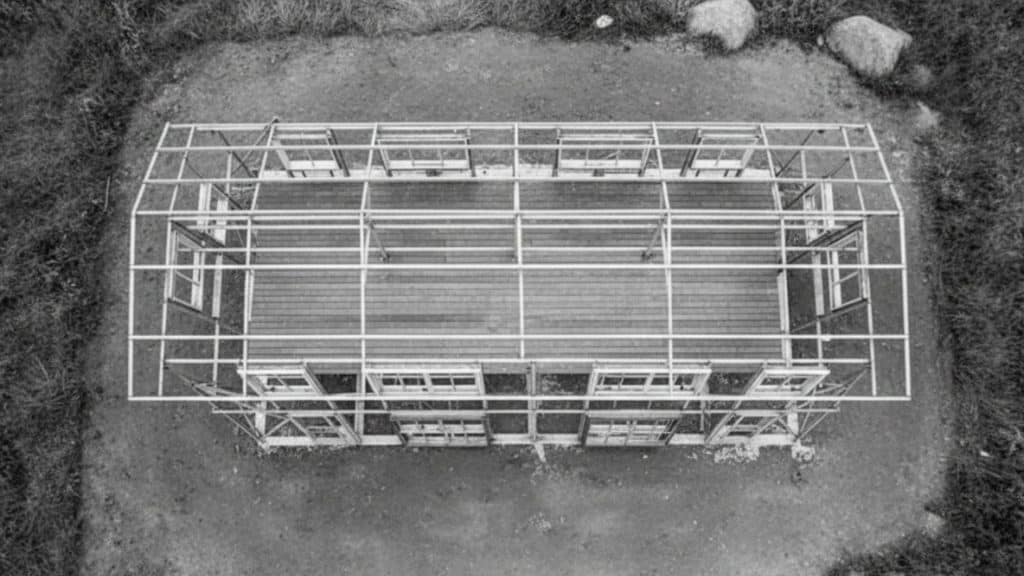
These properties utilized steel frames with concrete panel infills, creating structures that could be assembled quickly and cost-effectively.
Unlike traditional brick-built houses, BISF properties used factory-made components transported to building sites and erected in weeks rather than months.
This method allowed local authorities to provide thousands of families with homes during one of Britain’s most critical housing crises.
Today, approximately 35,000 BISF houses remain standing across the UK, many of which have been modernized and continue to serve as family homes.
The History Behind BISF Construction
Britain came out of World War II facing a housing emergency. Bombing had destroyed hundreds of thousands of homes, and traditional construction was too slow to meet the urgent demand.
- 1934: The British Iron and Steel Federation forms to coordinate national steel production.
- 1944: The Federation teams up with architect Sir Frederick Gibberd and engineer Donovan Lee to design a steel-framed house for mass production.
- 1944: The Burt Committee reviews prototype designs and selects the Type A and Type B BISF designs for development.
- 1944: Two prototype homes are built at the Ministry of Works Housing Demonstration Site, Northolt, Middlesex. The Type A design is chosen for full production.
- 1944 to 1950: British Steel Houses Ltd manufactures and builds approximately 35,000 BISF houses across England, Scotland, and Wales.
Most were built as two-story semi-detached pairs. A smaller number of terraced versions were also built. They were placed mainly in urban areas, closest to areas with the greatest housing need.
How Is a BISF House Built?
A BISF house starts with concrete strip footings topped by a minimum nine-inch brick wall, with a four-inch concrete slab and a damp-proof course above.
A steel frame of numbered, factory-made components is then bolted to the foundation and assembled on-site.
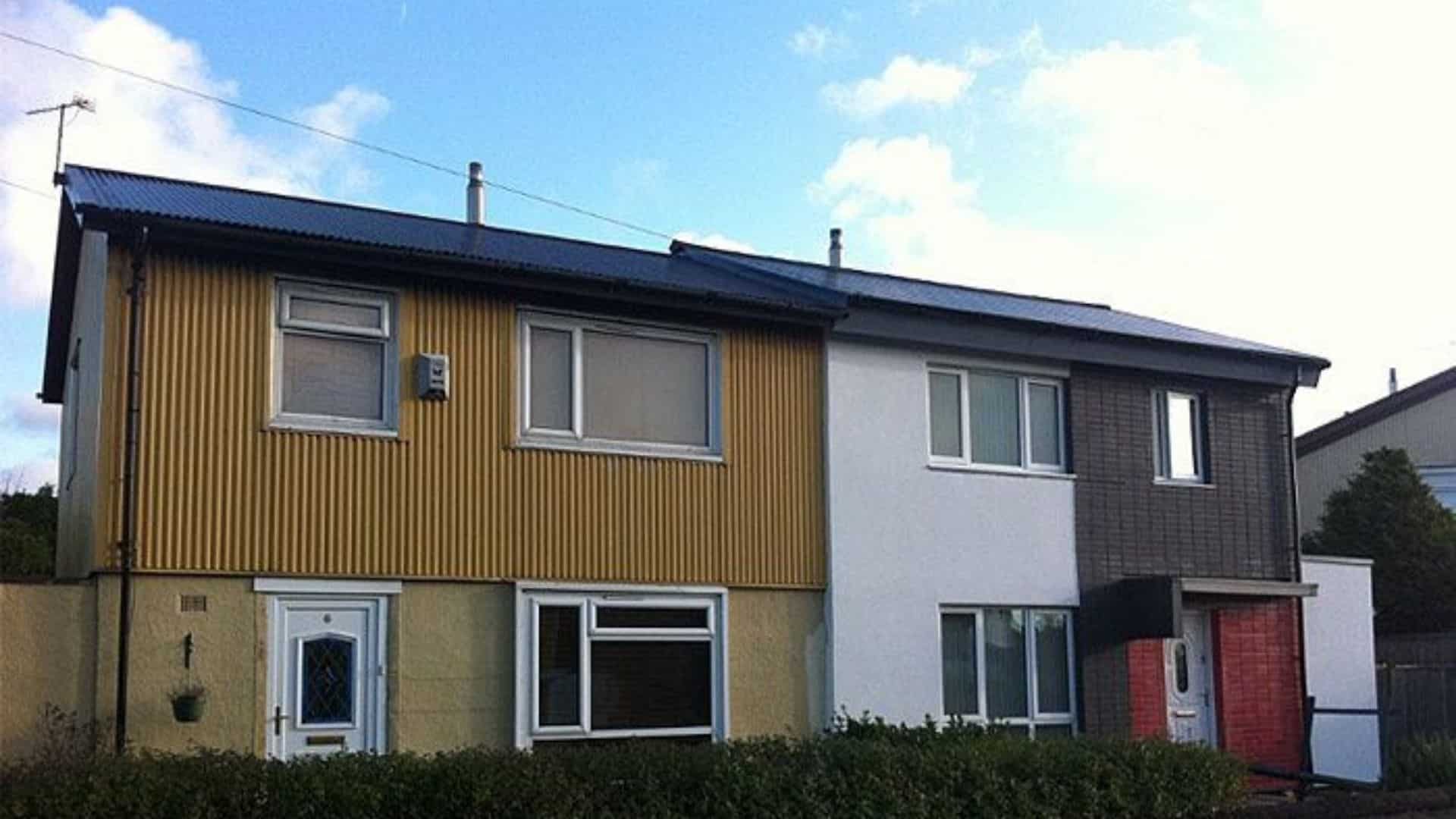
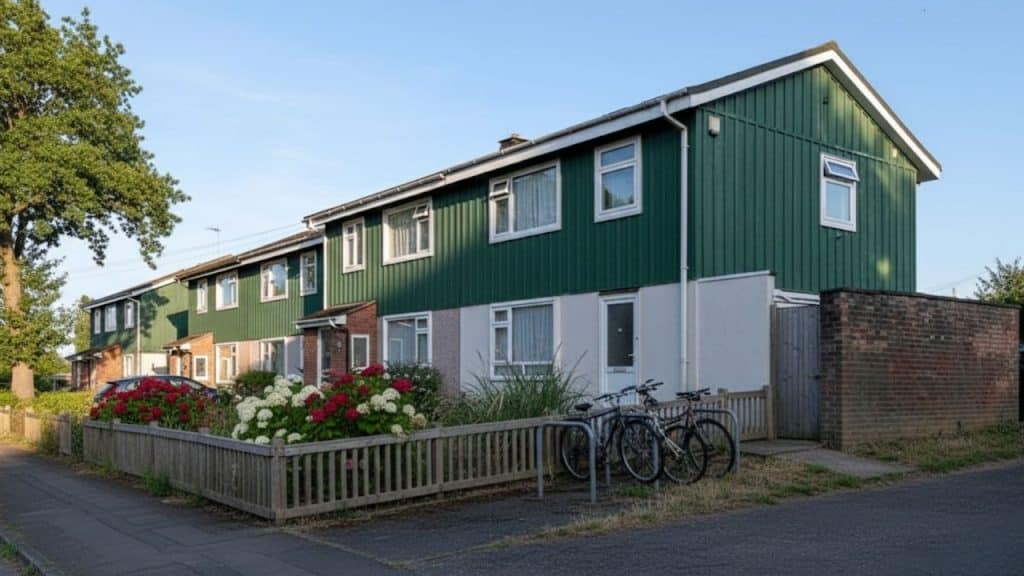
The ground floor exterior is finished with cement render over expanded metal lathing, while the upper floor is clad with vertically profiled steel sheets, often called “wrinkly tin.”
Inside, partitions are timber framing faced with plasterboard or hardboard. The roof is a shallow-pitch gable, originally covered with profiled asbestos cement or steel sheets.
How to Identify a BISF House?
Recognizing a BISF house involves looking for specific structural characteristics that set them apart from traditional brick homes.
External Clues to Identify a BISF House
- Metal or concrete cladding: Most BISF houses feature distinctive external cladding that may appear as rendered concrete panels or metal sheeting, often painted or covered with more modern materials during renovations
- Shallow-pitched roof: The roof typically has a gentler slope than standard houses from the same period, often covered with concrete tiles
- Uniform appearance: BISF houses on the same street tend to look identical, reflecting their prefabricated origins
- Single or semi-detached layout: Most were built as two-story semi-detached pairs, though some detached versions exist
- Visible panel joints: Close inspection may reveal the seams where concrete panels meet on external walls
Interior Features of BISF Houses
- Steel frame visibility: In some properties, the steel framework can be seen in lofts or where internal walls meet ceilings
- Standard room layouts: BISF houses typically follow predictable floor plans with two or three bedrooms upstairs and living spaces downstairs
- Solid internal walls: Unlike modern stud walls, many internal partitions are concrete panels attached to the steel frame
- Compact dimensions: Rooms tend to be smaller than in modern homes, reflecting post-war building standards and material constraints
Pros and Cons of BISF Houses
Understanding both the strengths and limitations of BISF construction helps potential buyers make informed decisions.
| Advantages of BISF Houses | Challenges with BISF Houses |
|---|---|
| Quick construction time using prefabricated components | Poor insulation by modern standards leads to higher heating costs |
| Durable steel frame structure when properly maintained | Asbestos presence requires professional removal |
| Lower purchase price compared to traditional brick homes | Mortgage restrictions from cautious lenders |
| Represents important British housing history | Steel frame corrosion risk from water penetration |
| Accessible option for first-time buyers | Harder to resell due to the non-standard construction label |
While these considerations might seem daunting, the good news is that many of the limitations can be addressed through thoughtful renovation.
Can You Get a Mortgage on a BISF House?
Yes, you can. But it is harder than with a traditionally built home, and you need to approach it the right way. BISF houses are classified as non-standard construction. This puts some lenders off.
But it does not mean a mortgage is out of reach. Research shows that from over 100 lenders, at least 48 will consider steel-framed properties, though each has its own criteria.
Here is what can help your mortgage application:
- Put down a larger deposit. A 60% deposit significantly reduces the lender’s risk.
- Use a mortgage broker who specialises in non-standard construction. They know which lenders are open to BISF homes.
- Get a full structural survey by a BISF-experienced surveyor. A clear survey report gives lenders the confidence they need.
- Show evidence of repairs or upgrades. Documented work on the frame, roof, or insulation indicates the property has been well-maintained.
- Consider a guarantor. If your deposit is limited, a guarantor with a strong credit rating can improve your chances.
BISF House Renovation & Modernization
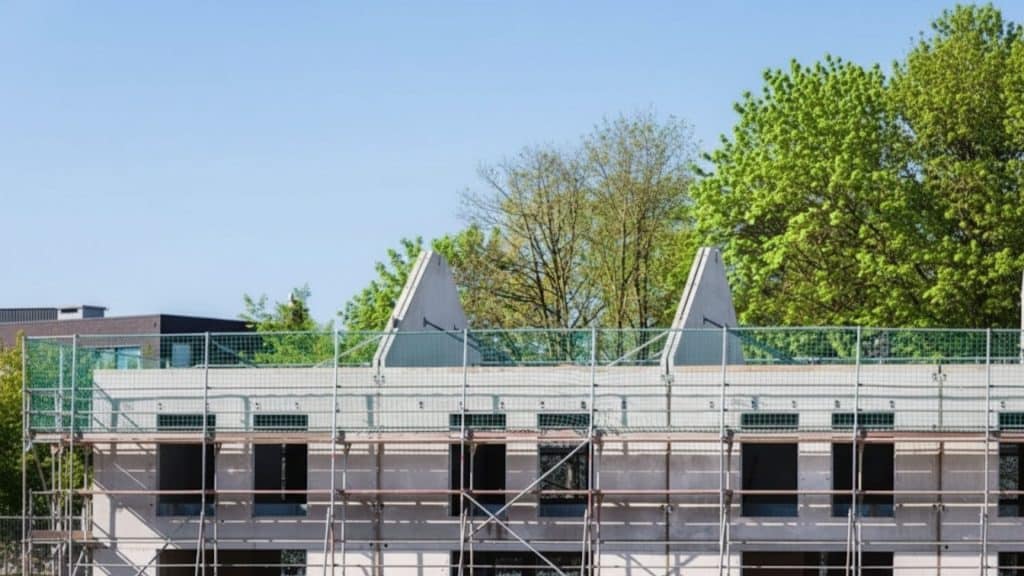
Many BISF houses have been successfully upgraded to meet contemporary living standards while preserving their structural integrity.
Renovation Opportunities
- Insulation improvements: Adding cavity wall insulation, loft insulation, and external wall insulation dramatically improves thermal performance
- Interior modernization: Updating kitchens, bathrooms, and living spaces while working within the existing steel frame structure
Considerations Before Buying or Renovating a BISF House
- Mortgage availability: Contact specialist lenders or mortgage brokers experienced with non-standard construction before making offers
- Structural surveys: Commission a surveyor familiar with BISF construction to assess the steel frame condition and identify any corrosion
- Asbestos assessment: Professional asbestos surveys are essential, as removal costs can significantly impact renovation budgets
- Planning permissions: Some external modifications may require local authority approval, particularly in conservation areas
- Long-term value: Research local market trends for BISF properties to understand potential appreciation and resale prospects
Navigating Financing and Insurance for BISF Houses
-
Use a Specialist Broker: Given the non-standard nature of BISF homes, working with a specialist mortgage broker will improve your chances of securing a mortgage, especially for non-standard construction.
-
Insurance Providers for Non-Standard Homes: Approach specialist insurers who deal specifically with BISF or steel-framed houses to ensure you get the coverage needed.
Is a BISF House Safe to Live In?
Yes, and many people still live in them today, more than 75 years after they were built. BISF houses are not classified as defective under the Housing Defects Act 1984.
They are listed as non-standard construction under the Housing Act 1985, which affects mortgage availability but says nothing about safety.
As long as the steel frame is in good condition, the asbestos is undisturbed, and the render is maintained, a BISF house is structurally sound. The key is regular upkeep and a specialist survey to catch any issues early.
Conclusion
BISF construction is a real part of British housing history. These steel-framed homes were built to solve a genuine crisis, and many are still standing strong today.
Yes, they come with things to manage. Mortgages take more effort. The steel frame needs upkeep. Asbestos may need handling.
But with the right survey, the right broker, and a clear picture of the property’s condition, BISF homes can be bought, sold, and lived in with confidence.
If you are thinking about a BISF property, start with a specialist surveyor. That one step makes everything else far easier.
Got a question about BISF construction? Drop it in the comments below. If you have bought or sold one, share your experience. It could help someone else in the same position.
Frequently Asked Questions
What Is the Life Expectancy of a BISF House?
BISF houses can last well beyond their intended lifespan of 30 years, with many still standing after 70+ years when properly maintained.
What Does the Acronym BISF Stand For?
BISF stands for the British Iron and Steel Federation, the organization that helped design these steel-framed homes after WWII.
Are Bisf Houses Easy to Extend?
BISF houses can be extended, but the steel frame means you will need a structural engineer and specialist builder who understands non-standard construction before any work begins.