Most sweet pea failures happen before the seeds germinate. Sweet peas germinate best at 50 to 55°F, a range that feels counterintuitively cold to most gardeners.
Using a heat mat pushes soil past that threshold, producing soft, leggy seedlings with shallow roots that collapse when summer arrives.
The ceiling at the other end is just as fixed. Once daytime temperatures hold above 80°F, sweet peas stop flowering and go to seed.
Heat will be what shuts them down in most climates, and warm nights alone are enough to end the season. There is no recovering from a late start once that threshold arrives.
Sweet peas are cool-season plants. The entire strategy is to get them rooted, established, and blooming in the window before summer closes it.
This blog covers zone-specific timing, correct seed prep, soil, support structure, harvest technique, and the specific decisions that cut the season short before it begins.
What are Sweet Peas and Why Should You Grow Them
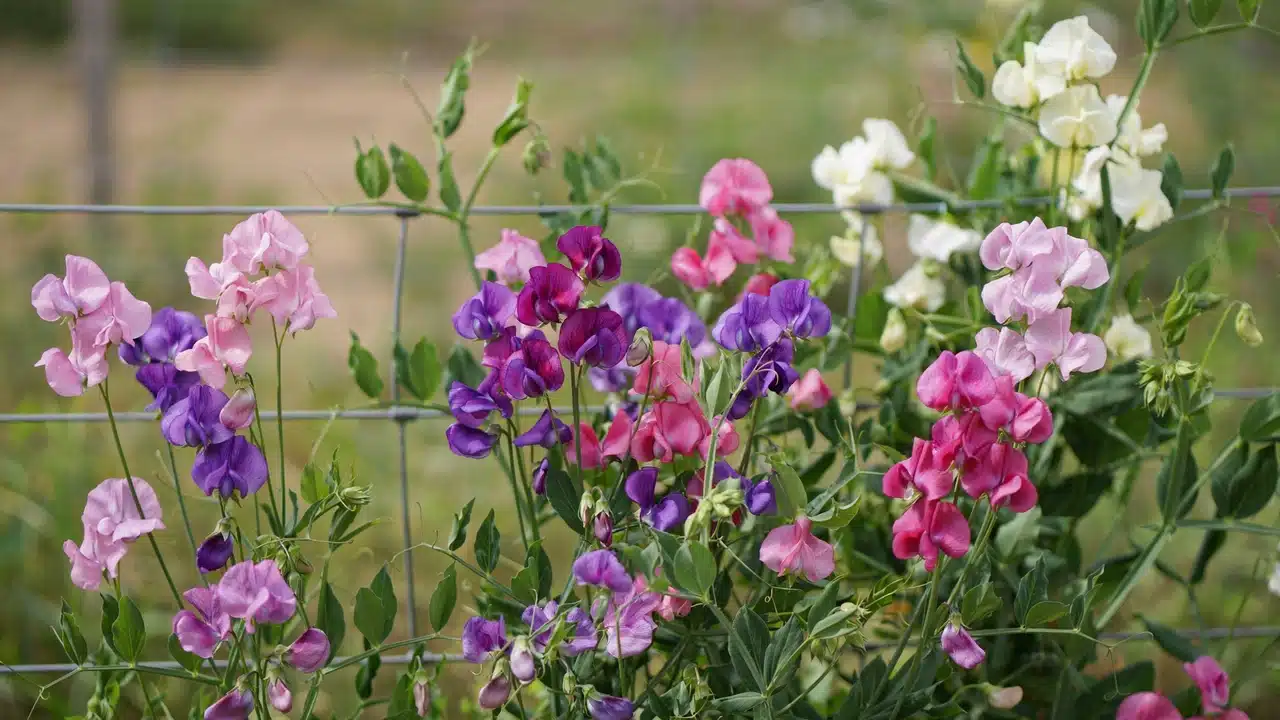
Sweet peas (Lathyrus odoratus) are annual climbing vines grown for their fragrant, ruffled flowers. They bloom in shades of white, pink, purple, blue, and magenta.
Most varieties climb 5 to 9 feet tall. Dwarf bush types stay compact and work well in containers.
They make some of the best cut flowers you can grow at home. The fragrance alone is worth the effort.
One thing to know before you plant: all parts of the sweet pea plant are toxic if eaten. The seed pods look similar to edible snap peas, but they are not the same.
Keep them away from children and pets, and do not confuse them with your peas in the vegetable garden.
How to Grow Sweet Peas That Thrive and Delight
Sweet peas are a gardener’s favorite for their vibrant colors and irresistible fragrance. With the right care, you can enjoy a stunning display all season long.
1. How to Prepare and Sow Sweet Pea Seeds
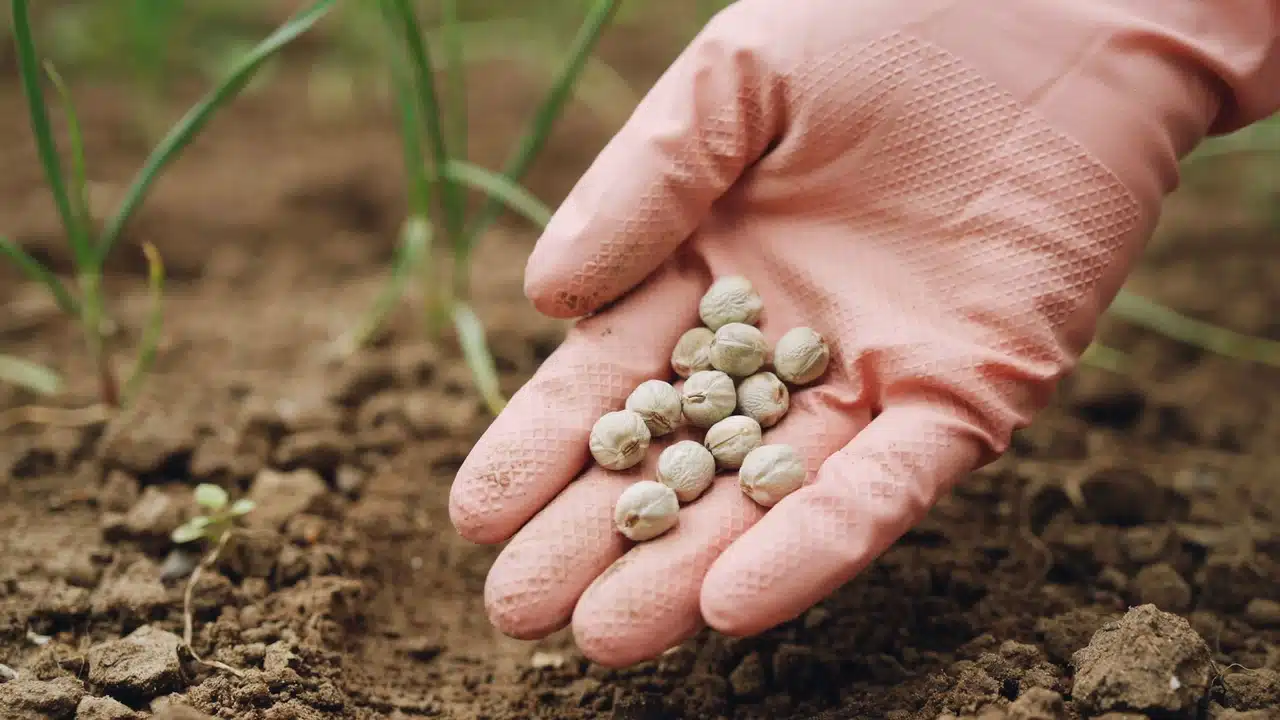
Sweet pea seeds have a hard outer coat. You will often read that you need to soak them for 24 hours or nick the seed coat with a nail file before planting.
Both methods help, but here is what I have learned after years of starting them in my greenhouse: if you are using fresh, high-quality seed, you can skip both steps and still see strong germination.
There is actually a growing debate about soaking. Some specialist growers, including the team at Ardelia Farm, argue that soaking can introduce bacteria and actually lower germination rates.
My suggestion: if your seed is fresh, plant it dry. If it is a year old or more, a 12- to 24-hour soak in room-temperature water gives it a better chance.
Here is how I start mine:
- Use deep containers. Sweet peas develop long roots fast. Shallow seed trays restrict that growth. I use 4- to 5-inch pots or root trainers. Regular seed trays will hold them back.
- Sow ½ inch deep, two seeds per pot. Cover lightly and press the soil down to block out light. Sweet peas need darkness to germinate.
- Avoid using a heat mat, a common mistake for beginners. Sweet peas germinate best at 50–55°F. Temperatures of 70°F or higher produce weak, leggy seedlings that struggle to recover. Keep them cool from the start.
- Expect germination in 7 to 15 days when soil temperatures stay in that cool range.
Once sprouted, move your seedlings to a bright, cold location. An unheated greenhouse, cold frame, or cool sunroom works well. A warm indoor windowsill will cause them to stretch toward the light and flop over.
2. Soil Prep and Where to Plant Them
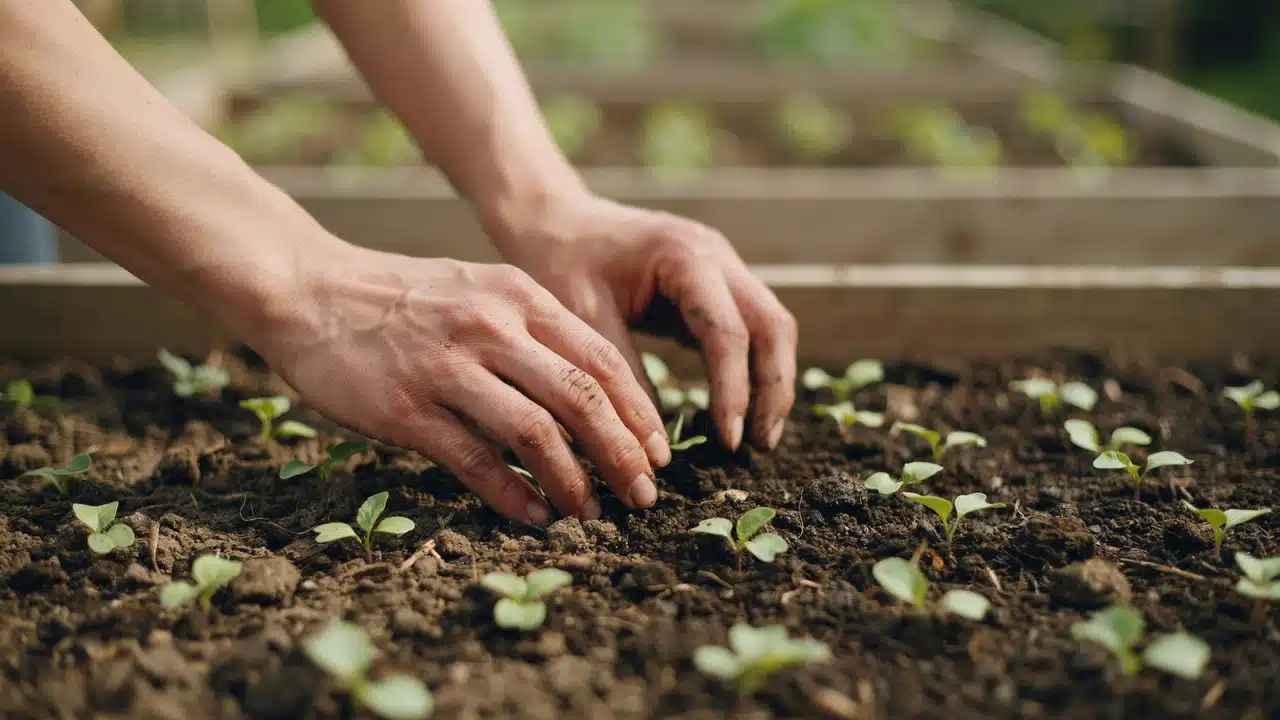
Sweet peas are heavy feeders. They want rich, well-draining soil with a slightly alkaline pH, around 7.0 to 7.5. If your soil tends acidic, sprinkle a little powdered lime on the surface before planting.
Before you plant out your seedlings, dig a trench about 12 inches deep down the center of your bed and fill it with compost or well-rotted manure.
Sweet peas send their roots surprisingly deep, and when those roots hit a nutrient-rich layer, the plants respond with noticeably stronger growth and more flowers.
A few placement notes:
- Full sun works best in zones 5 and colder. In zones 7 and warmer, afternoon shade extends the season by keeping root temperatures down.
- Raised beds are a great option if your native soil drains poorly. Standing moisture at the roots invites rot.
- Plant a low-growing annual like lobelia or alyssum in front of the sweet peas to shade the soil and keep roots cooler through late spring.
Space transplants 6 to 8 inches apart. Do not crowd them. Poor air circulation around the base is the main trigger for powdery mildew and other plant pest problems.
3. Support, Pinching, and Training Sweet Peas
One of the most common mistakes I see is gardeners waiting until vines are already climbing before they set up support.
By then, you are fighting the plant and risking root damage by driving stakes into the ground. Install your support at planting time, before anything is in the ground.
What works well:
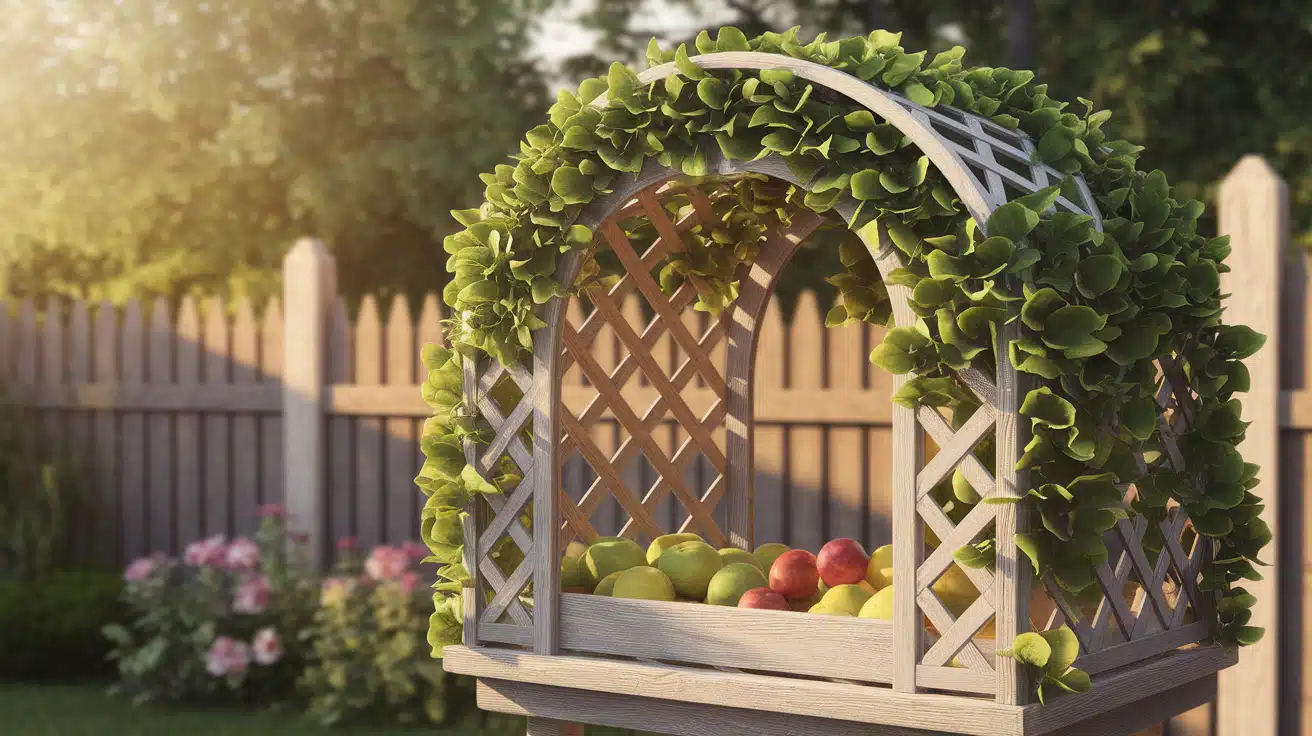
- Bamboo cane wigwams for small plantings or containers
- Tenax Hortonova netting stretched between T-posts for a row
- Chicken wire or garden mesh on a fence
If you use netting, check that the grid openings are at least 2 inches by 2 inches. A smaller mesh leaves tendrils nothing to grip. Most sweet pea varieties grow 5 to 9 feet, so plan for height.
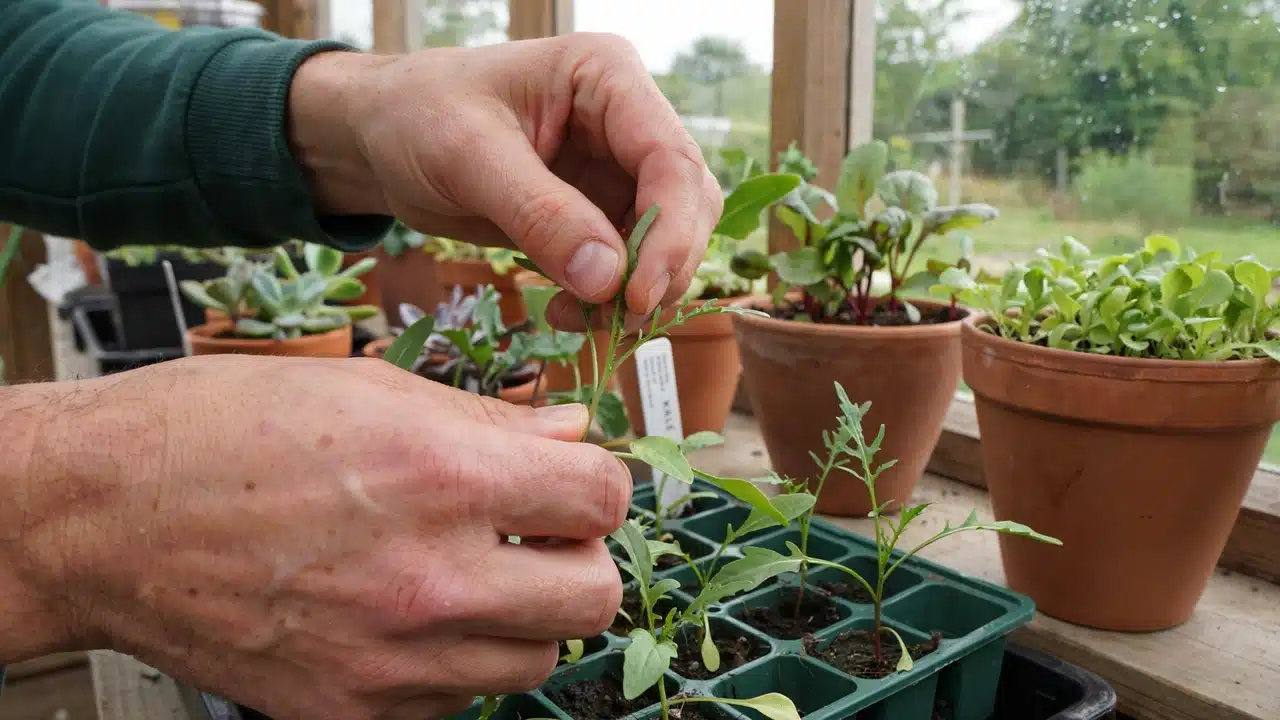
Once seedlings hit 4 to 6 inches tall, pinch out the central growing tip just above a leaf joint. This forces the plant to branch out from the base rather than racing upward as a single weak stem.
More branches mean more flowering stems. More flowering stems mean more blooms. It takes 30 seconds and makes a real difference.
Tie new growth to the support every few days as it climbs. Keeping stems trained straight produces better cut flower stems and prevents the vines from tangling into a dense, mildew-prone mass.
4. Watering and Feeding Sweet Peas
Sweet peas will drop their flower buds when the soil dries out. That is not a quirk. That is just how they are built. Consistent moisture matters more than any other single care factor once plants are in the ground.
Water deeply two to three times per week. I recommend drip irrigation or soaker hoses if you have them. Keeping water off the foliage slows the spread of powdery mildew. Mulch around the base to hold moisture and keep roots cool.
For feeding: wait until you see flower buds forming, then start using a high-potash fertilizer. Tomato feed works perfectly and is easy to find.
Avoid high-nitrogen fertilizers. Nitrogen drives leafy growth and reduces flower production. It is a common mistake that leaves gardeners with beautiful green vines and almost no blooms.
5. How to Harvest Sweet Peas for the Longest Vase Life
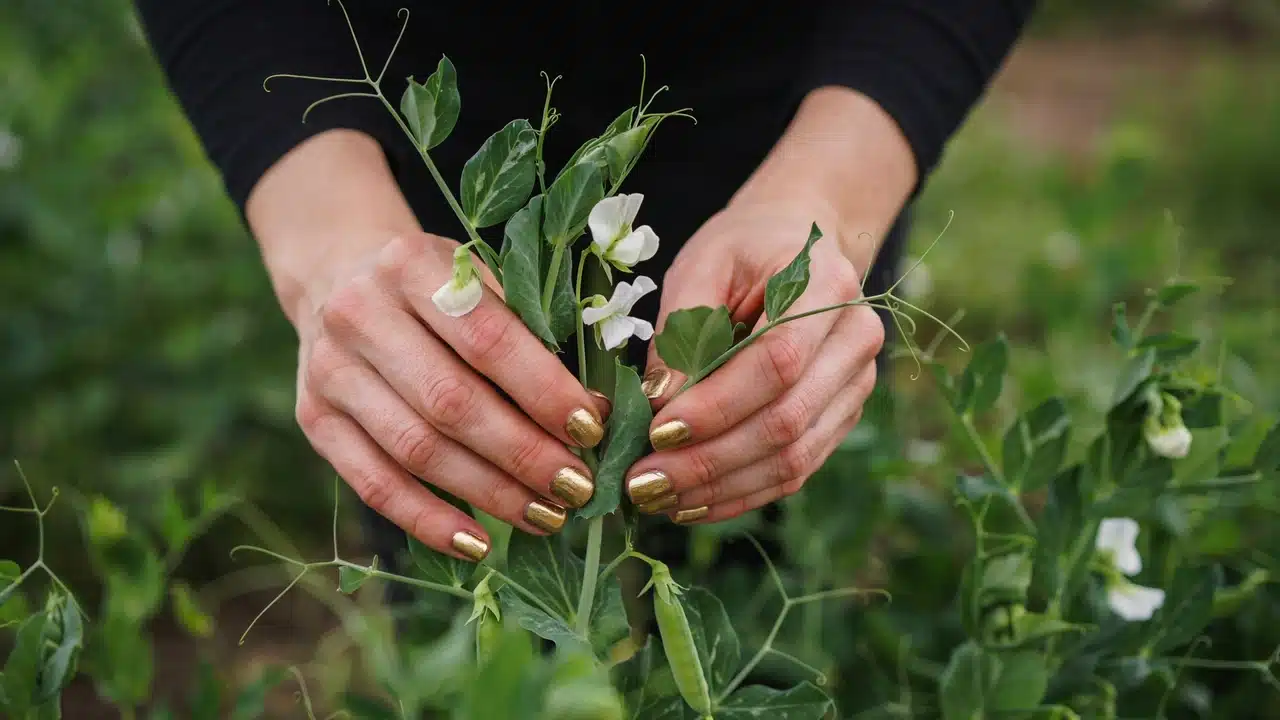
Cut stems when the lowest blossom is just beginning to open, with at least two unopened buds at the tip.
Pick in the morning before heat builds. Sweet peas in a vase last about 4 to 5 days. Adding a pinch of sugar or a drop of flower preservative to the water can extend the life by a day or two.
Here is the most important rule: deadhead every two to three days without fail. Once a sweet pea sets seed, the plant shifts all its energy into pod production and stops making flowers.
Picking the blooms, even the ones you do not want for a vase, is how you keep the plant producing. Harvesting is not optional maintenance. It is the main way you control how long your plants bloom.
When to Plant Sweet Peas?
Let me break it down by zone.
- Zones 3 to 4 (Northern states, Montana, Minnesota, Vermont): Start seeds indoors in late February to mid-March, 8 to 10 weeks before your last frost date. Transplant out as soon as soil can be worked, even if light frost is still possible.
- Zones 5-6 (Mid-Atlantic, Midwest, Pacific Northwest): Start indoors in January or February. These zones have the most flexibility, but early is always better.
- Zone 7 (Virginia, Tennessee, Pacific Coast mid-region): You can sow directly outdoors in fall, October through November. Seeds will sit dormant through winter and push up roots before spring heat arrives.
- Zones 8 to 10 (Deep South, Southern California, Arizona): Fall sowing is the right approach here. Plant in September through November for late-winter and early-spring blooms. Spring planting in these zones almost always fails because plants hit heat before they are mature enough to bloom.
The rule that matters: sweet peas need to finish blooming before your daytime temperatures stay above 65°F. Plant to that deadline, not to your last frost date.
Conclusion
If there is one thing I want you to take from this, it is this: sweet peas reward early planting and cool conditions more than almost anything else you do for them.
Get the timing right for your zone, prepare your soil well, and deadhead consistently. Those three things matter more than any fancy product or technique.
What zone are you growing in? Drop it in the comments and let me know when you plan to sow. I read every reply and am happy to help you nail the timing for your area.
Frequently Asked Questions
1. What is the Secret to Growing Sweet Peas?
Plant in cool soil, provide full sun, rich well-draining soil, and support for climbing. Regular watering and deadheading encourage continuous blooms.
2. How Many Years Does a Sweet Pea Plant Live?
Most sweet peas are annuals, completing their life cycle in one season. Some perennial varieties may survive 2–3 years with proper care.
3. What is the Best Variety of Sweet Pea?
‘Spencer’ varieties are highly popular for their tall, fragrant blooms and wide range of colors. Other favorites include ‘Old Spice Mix’ and dwarf garden types.