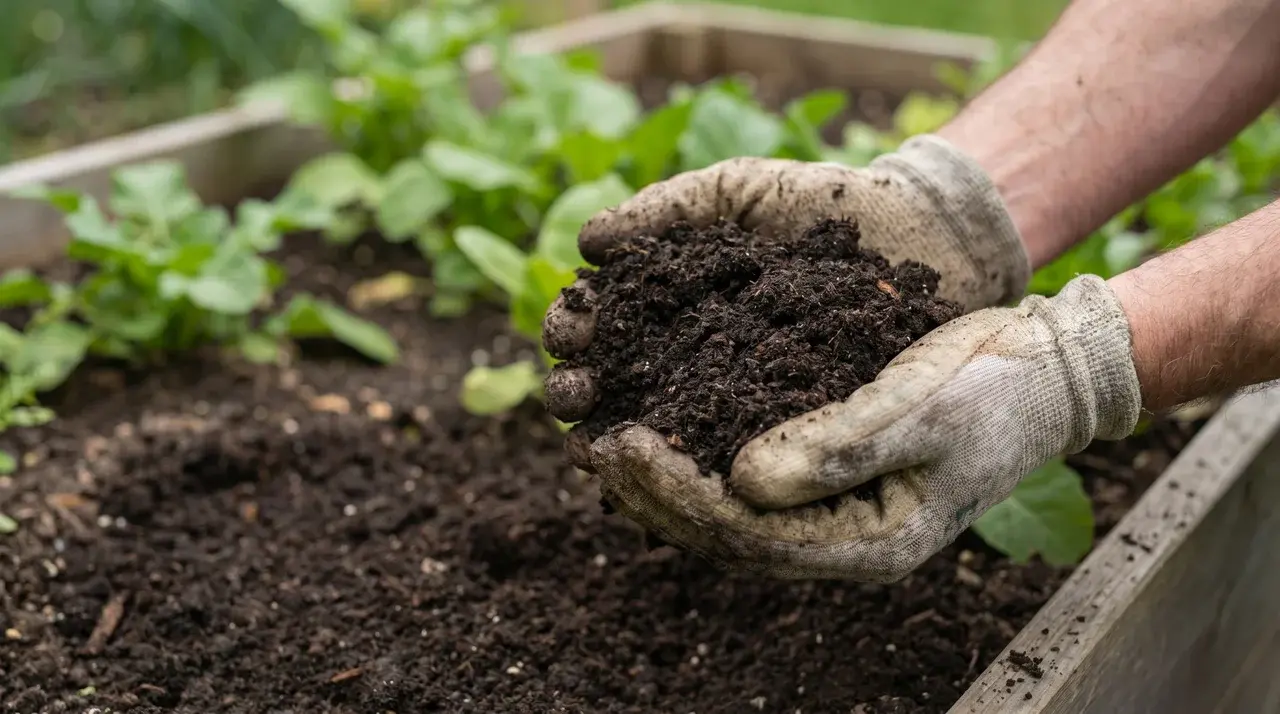

You bought a bag of compost. You mixed it in. Nothing happened.
This is a common mistake, and an expensive one. Most pick the wrong type for their soil or plants. They spend money and see no results.
Not all garden compost is the same, and not every bag does the same job.
Mushroom compost, worm castings, and manure blends each do a different job. Using the wrong one can hold your plants back. The good news?
You only need to check a few things before buying garden compost.
This post covers every type of garden compost. You will learn which one is best for your plants, how to read labels, and how to apply it correctly.
Keep reading to find the right match for your garden.
What is Garden Compost?
Garden compost is broken-down organic matter. It improves soil structure, feeds plants, and helps soil hold moisture.
Before buying a bag, it helps to know exactly what compost is and how it differs from the other products on garden center shelves.
How Compost Differs from Potting Mix, Topsoil, and Mulch:
| Product | Best Use | Key Feature |
|---|---|---|
| Garden Compost | Soil amendment | Feeds soil biology |
| Potting Mix | Containers only | Light, drains well |
| Topsoil | Filling or leveling | Heavy base material |
| Mulch | Surface layer only | Retains moisture |
What Compost Adds to Your Soil:
- Feeds the microbes that break nutrients down for plants.
- Improves drainage in heavy clay soils.
- Helps sandy soils hold water for longer.
- Slowly releases nutrients as it continues to break down.
- Increases soil organic matter with each application.
Types of Garden Compost You Can Buy
Not every bag of garden compost is the same. Type, source, and nutrient content all vary between products.
Knowing which type suits your specific plants or garden beds helps you make a smarter buying decision at the store or online.
1. Mushroom Compost
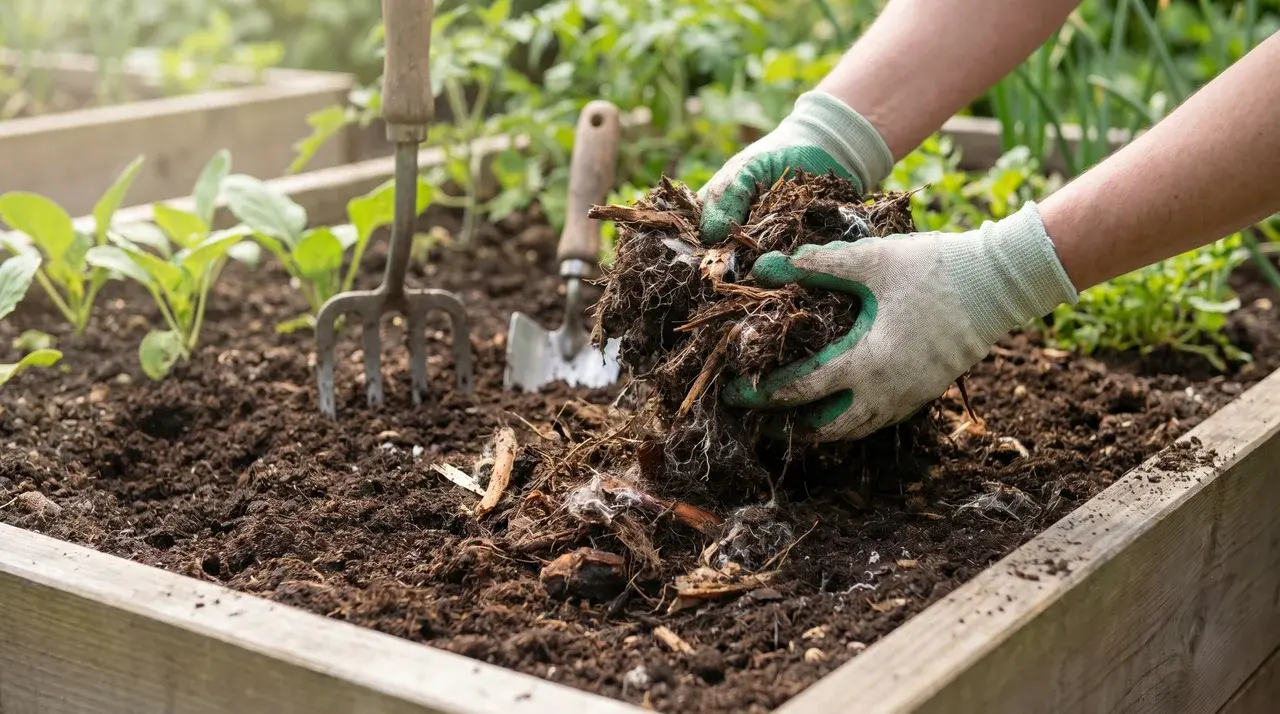
Mushroom compost comes from commercial mushroom farms. It is rich in organic matter and works well in vegetable beds. Always check the salt content on the label before buying.
- Best for: Vegetable beds and heavy-feeding plants
- High in: Organic matter and trace minerals
- High salt content: Avoid it around blueberries, azaleas, and other acid-loving plants
- Application tip: Mix it into existing soil rather than applying it straight from the bag
2. Worm Castings (Vermicompost)
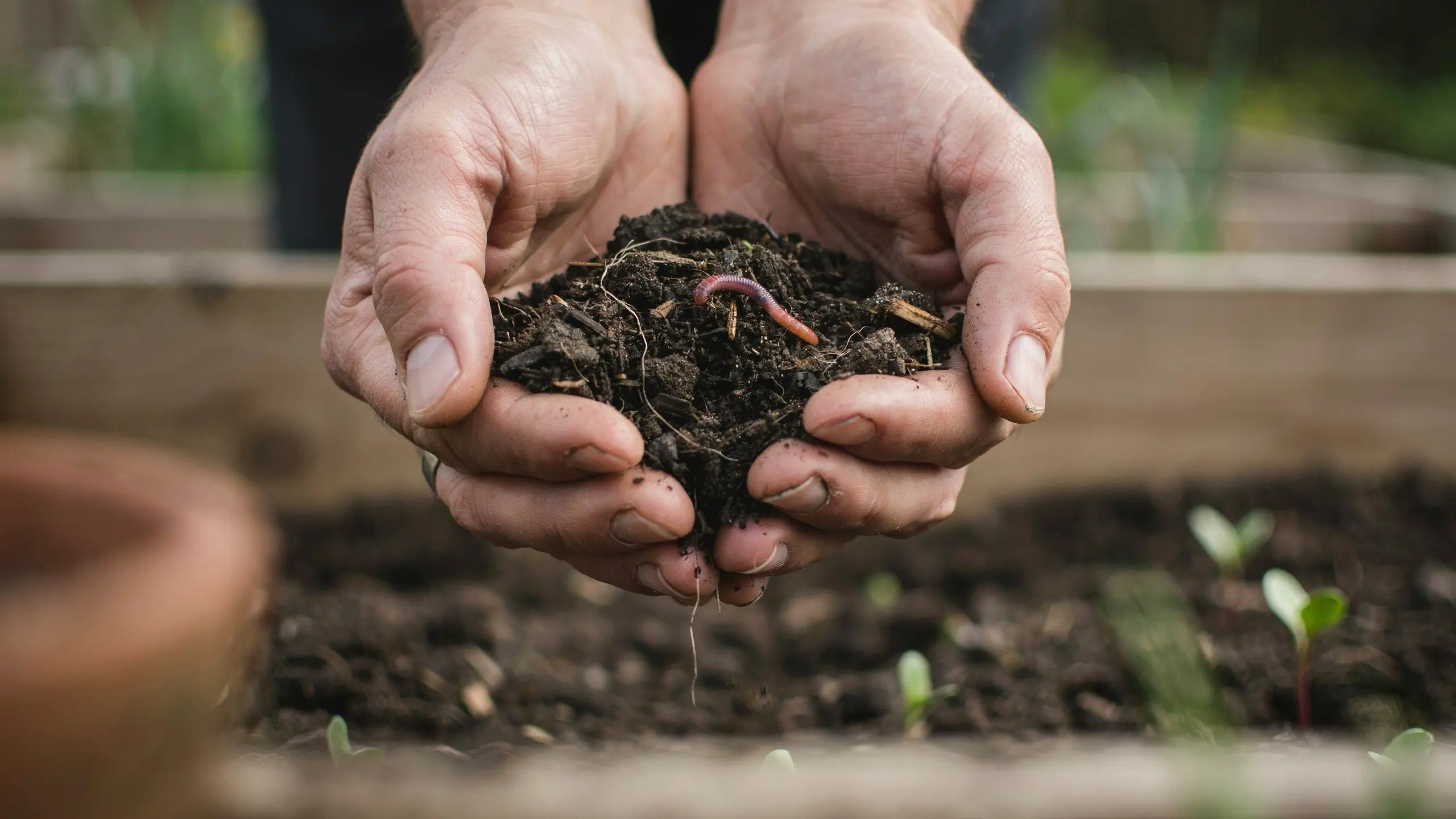
Worm castings come from worms processing organic waste. They are nutrient-rich and fine-textured. This type costs more per bag but produces strong results for seedlings and containers.
- Best for: Seedlings, containers, and indoor potted plants
- Texture: Fine texture works well in small pots and seed trays
- Cost: Costs more per volume than most other compost types
- Application tip: Small amounts go a long way when mixed into potting soil
3. Manure-Based Compost
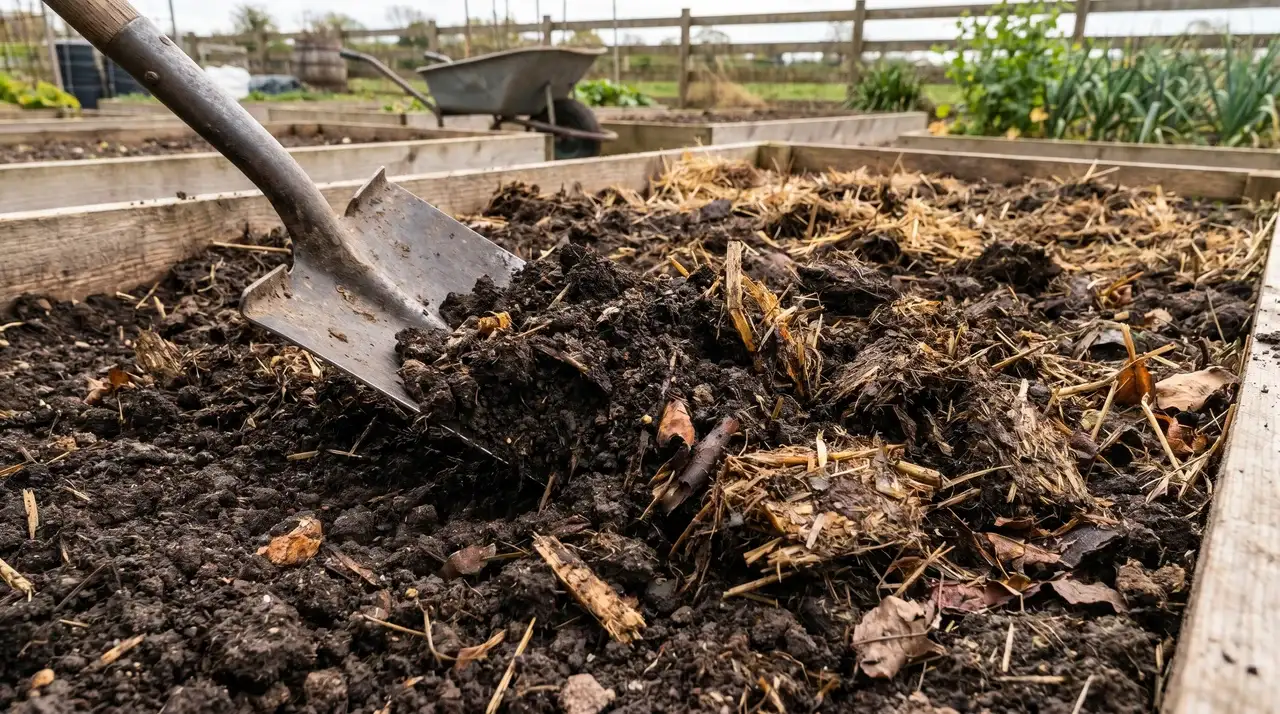
Manure-based compost uses farm animal waste as its base. Each animal type varies in nutrient strength. Always buy fully aged or composted versions. Never use raw or fresh manure on garden beds.
- Chicken manure compost: Highest nitrogen content; use sparingly
- Cow manure: Gentler nutrient profile, good for general beds
- Horse manure: Bulky and ideal for improving heavy clay soils
- Application tip: Raw manure burns plant roots. Stick to bags labeled composted or aged. Fresh manure is one of the most common organic fertilizer mistakes home gardeners make.
4. Peat-Free Compost
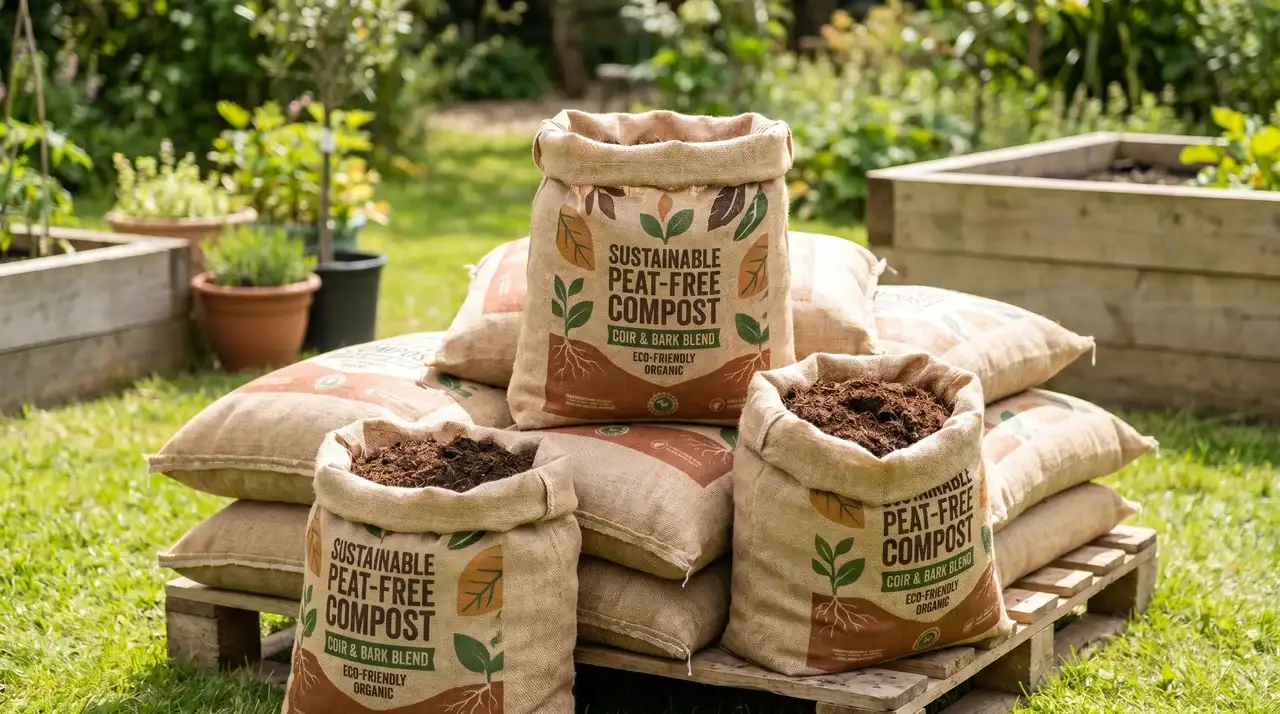
Peat-free compost uses coir, bark, or green waste instead of peat. It is a better environmental choice. More garden stores now carry it as a standard shelf option across most regions.
- Ingredients: made from coconut coir, composted bark, or garden green waste
- Impact: lower environmental impact than peat-based alternatives
- Best for: works well as a general-purpose option for most garden plants
- Application tip: coir-based versions can dry out faster
5. Check Moisture Retention on The Label
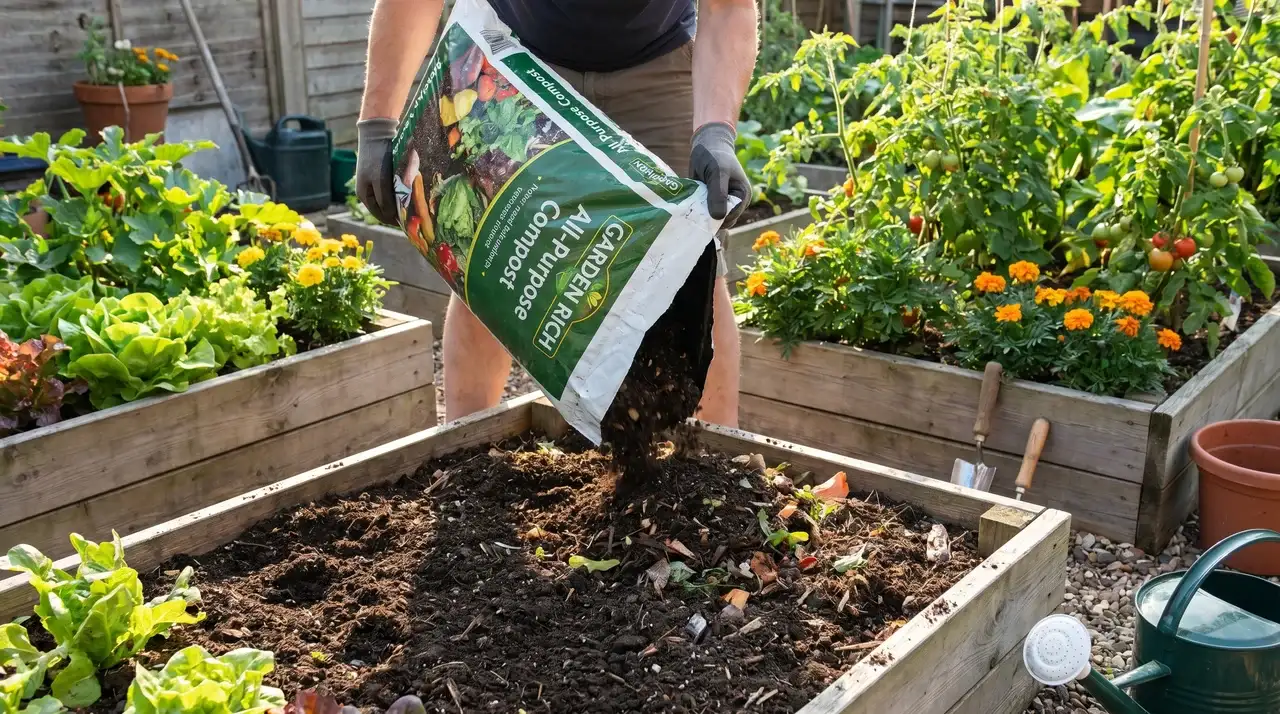
Blended bagged compost is the most common option at garden centers. It combines multiple organic materials into one product. This type suits a wide range of general garden tasks and is a solid starting point.
- Coverage: Covers most standard garden uses without extra preparation
- Ingredients: Typically a mix of green waste, bark, and other organic materials
- Label check: Check the NPK label to compare nutrient levels between brands
- Best for: A good first choice for anyone buying compost for the first time
How to Choose the Right Garden Compost?
Picking the right garden compost depends on your plant type, soil condition, and budget. A quick check of each factor before buying saves money and improves results.
| Plant or Bed Type | Best Compost Choice |
|---|---|
| Vegetable beds | Mushroom compost or blended |
| Flowers and borders | Blended or worm castings |
| Lawn feeding | Manure-based |
| Seedlings and transplants | Worm castings |
| Acid-loving plants | Avoid mushroom compost |
Check the NPK Label Before You Buy
Every compost bag carries an NPK number. This shows the nitrogen, phosphorus, and potassium levels inside. Knowing what these mean helps you pick the right product for your plants.
- N (Nitrogen): Supports leaf and stem growth.
- P (Phosphorus): Drives root development and flowering.
- K (Potassium): Supports plant health and stress resistance. Some gardeners top this up further with a dedicated potash fertilizer during fruiting.
- A balanced ratio like 3-2-2 works well for most general garden beds.
- Skip any bag with no nutrient information listed at all.
When and How to Apply Garden Compost
Buying the right compost is only half the job. Applying it at the right time and in the right amount makes the real difference. Here is what to know before you start.
| When to Apply | How Much to Use | Best For |
|---|---|---|
| Spring | 2 to 3 inch layer | Preparing beds before planting |
| Fall | 2 to 3-inch layer | Rebuilding soil after harvest |
| Mid-season | Light top dressing | Side-feeding tomatoes and squash |
| Any time | Half-inch layer | Lawn top dressing |
| Any time | 1 part compost to 3 parts potting soil | Containers and pots |
Where to Buy Garden Compost
Retail options range from garden centers to DIY chains to bulk suppliers. Buy only what you can use within six to eight weeks, since bagged compost loses quality once opened.
- Garden centers: Dobbies stocks multi-purpose, peat-free, and ericaceous compost across a range of bag sizes.
- DIY and hardware stores: Wickes and Homebase carry compost and topsoil year-round, often at a lower price per liter than garden centers.
- Budget options: B&M and The Range sell cheaper multi-purpose compost, useful for large beds where volume matters more than premium quality.
- Bulk suppliers: local landscape suppliers deliver loose compost by the cubic yard, which costs far less than buying bag by bag for large projects like filling a new raised bed from scratch.
Common Mistakes When Using Garden Compost
Even the best garden compost will not help if you apply it incorrectly. These are the most common errors gardeners make. Fixing just one of them can improve your results noticeably in a single season.
- Using unfinished compost: Immature compost still generates heat. It can damage roots and kill young seedlings.
- Applying too much at once: A layer over 3 inches thick can compact and reduce airflow in the soil.
- Confusing compost with mulch: These are two different products used in two different ways at different depths.
- Skipping a soil test: Heavy amendments without testing can push your soil pH too far in the wrong direction.
- Buying with no organic certification: A certified label confirms the contents have met a verified standard.
Conclusion
Choosing the right garden compost need not feel like guesswork. You now know the main types and what each one does.
You know how to read a label, when to apply it, and how much to use. Most importantly, you know which compost matches your specific plants and beds.
Soil quality is often the deciding factor between a garden that struggles and one that produces well. Garden compost is one of the most straightforward ways to improve it.
Start with one bed. Pick the compost type that fits your plants. Apply the right amount and track what changes over the season.
Frequently Asked Questions
What Plants Don’t Like Compost?
Acid-loving plants like blueberries, azaleas, and rhododendrons do poorly with rich compost. It raises soil pH and disrupts their preferred growing conditions.
Can I Just Put Compost on Top of The Soil?
Yes. Spreading compost as a top dressing works well. Rain and worms gradually pull it into the soil beneath over time.
What is Poor Man’s Fertilizer?
Snow is often called the poor man’s fertilizer. It absorbs nitrogen from the air and releases it into the soil as it melts.
What to Never Put in Compost?
Avoid meat, fish, dairy, pet waste, and diseased plants. These attract pests, create bad odors, or introduce harmful pathogens into your compost pile.
Do Banana Peels Add Potassium to Compost?
Yes. Banana peels break down and release potassium directly into the compost mix. This supports plant root development and overall growing strength.
Is Bagged Compost as Good as Bulk Compost?
Yes, if the quality matches. Bagged compost is just packaged for convenience and costs more per cubic foot than bulk. Choose bulk for large beds, bagged for small ones.