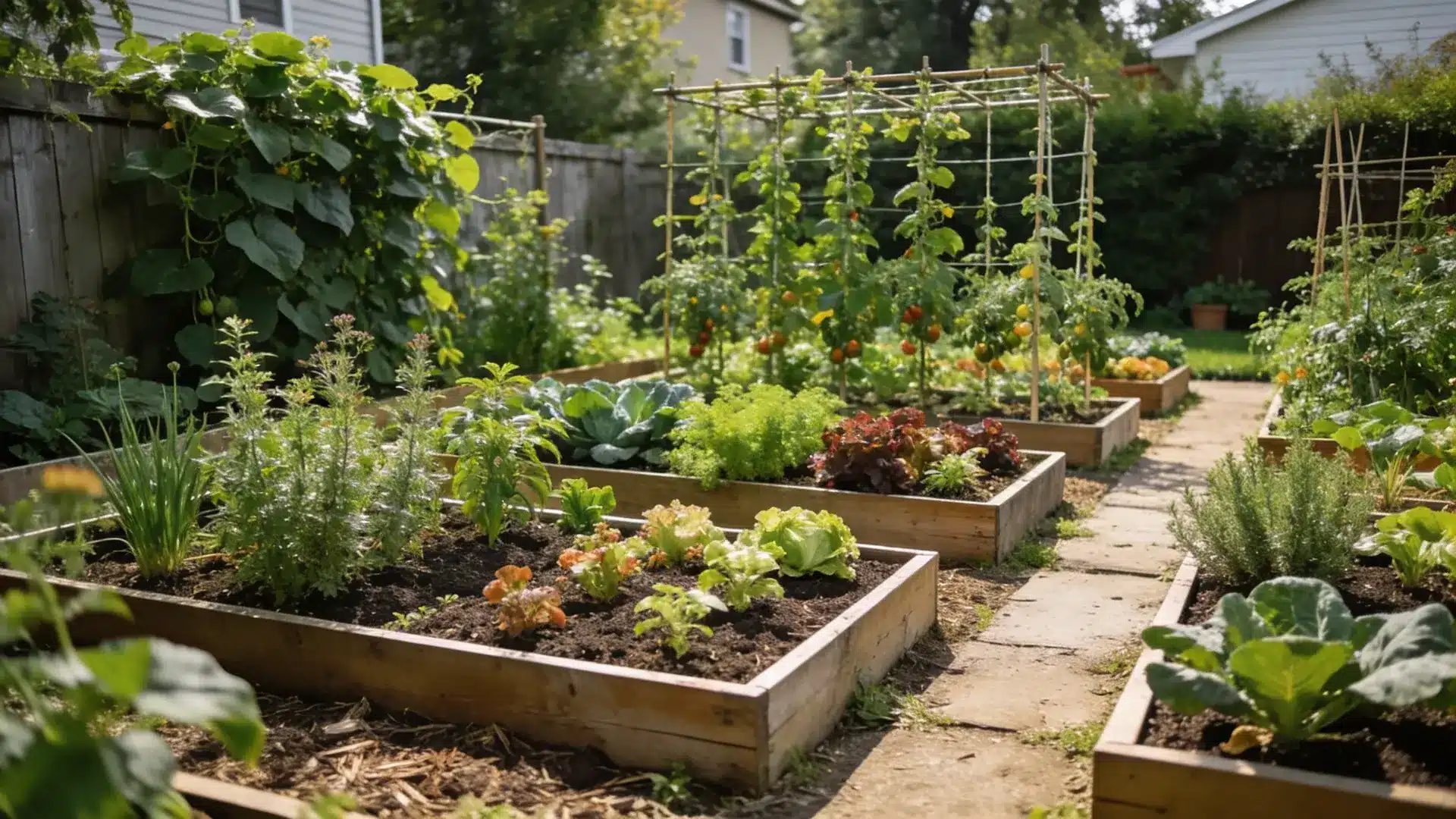

Garden productivity comes down to a few decisions you make before the first seed ever goes in the ground.
Gardens rarely fail because of bad luck or bad weather. They fail because of poor soil, the wrong plants, and a lack of a real planting plan.
Fixing all three is simpler than people think.
The most practical ways to get more out of your garden work, whether you have a single raised bed or a full backyard plot.
You will find tips on soil prep, smart plant selection, succession planting, and more.
Why Your Garden Is Not Producing Enough
Three problems come up again and again: planting everything at once, skipping soil prep, and picking plants that do not suit the space.
According to the University of Minnesota Extension, soil that has been heavily disturbed or compacted makes gardening a real challenge from the start.
Plants simply cannot reach their potential when roots have nowhere to go.
The fix starts with understanding what is holding your garden back. Once you spot the root cause, the right steps become much clearer.
Healthy Soil Is the Starting Point for Garden Productivity
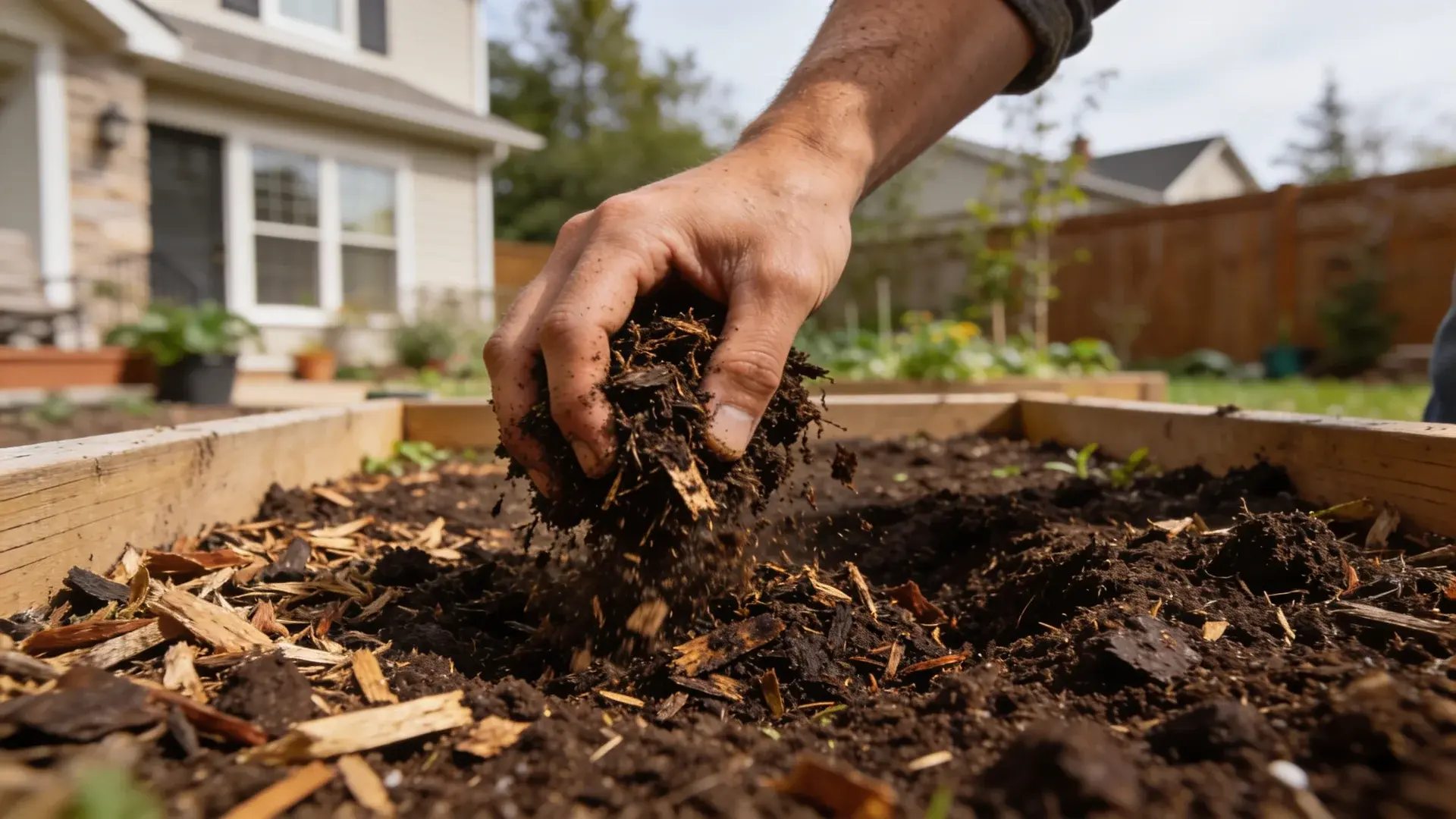
The soil is where everything begins. Plants grown in nutrient-rich, well-draining soil produce more and need less care overall.
According to gardening experts at Houzz, plants in healthy, fertile soil that holds water well will be far more productive throughout their life cycle.
That means fewer interventions, fewer problems, and a better harvest.
What to do before you plant:
- Soil test first: Check pH and nutrient levels before adding anything.
- Add organic matter: Work in compost or aged manure to raise fertility.
- Mulch the surface: It holds moisture and blocks weeds.
- Keep foot traffic off beds: Compacted soil leaves roots nowhere to go.
According to Three Acre Farm, bare soil will always grow weeds. Keeping the soil covered with mulch also adds fertility as it breaks down over time.
One underrated step is to build a simple composting routine and work it into the soil between every planting round.
This matters even more when you are replanting the same bed multiple times in a season.
Raised Beds Give You an Immediate Boost
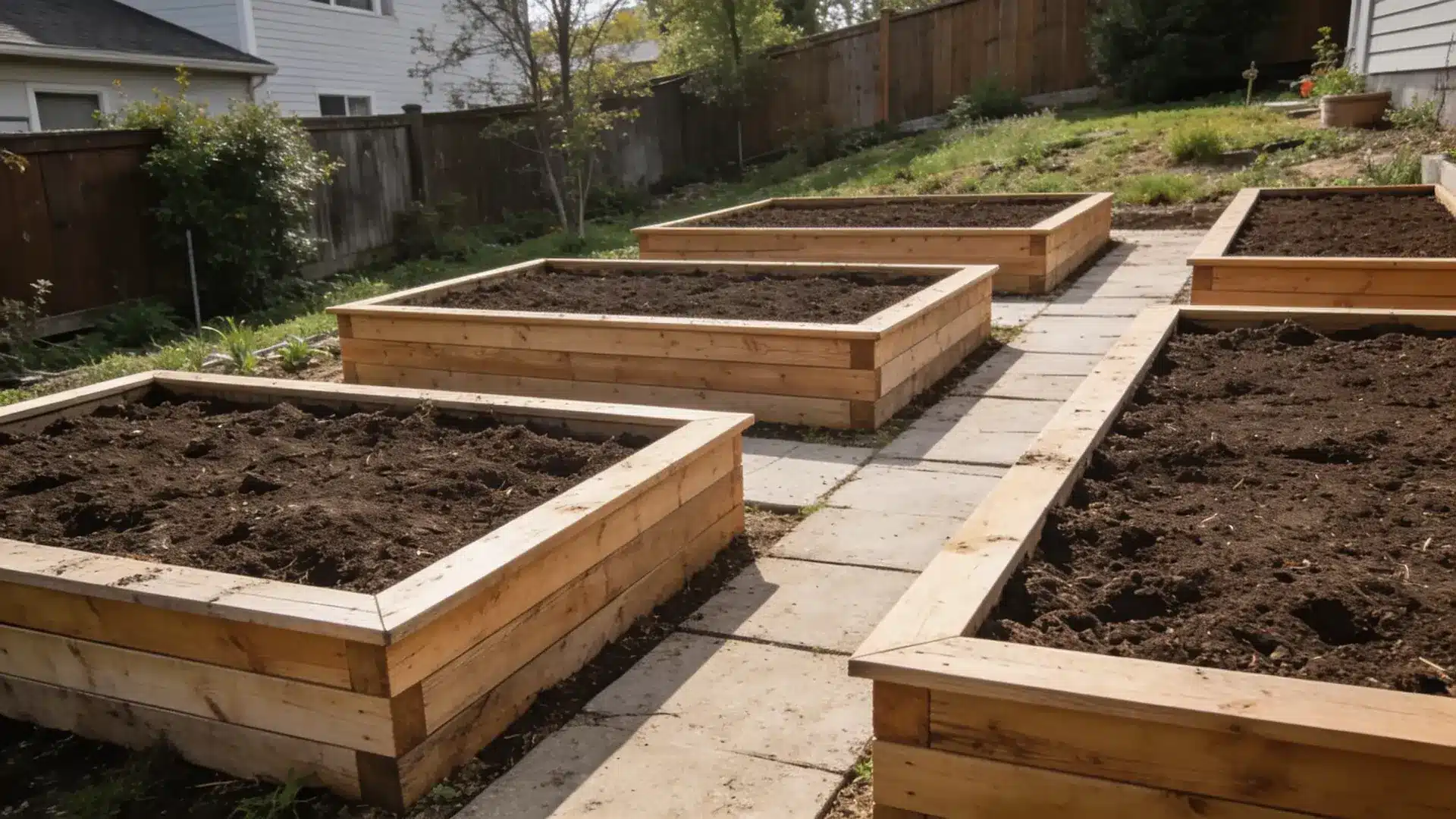
Raised beds are one of the fastest ways to improve garden productivity. They let you start with the right soil from day one, rather than spending seasons trying to fix what is already in the ground.
According to Gardenary, a gardening education platform, raised beds stay warmer than in-ground soil, which lets you plant earlier in spring and keep growing later into fall.
That alone adds weeks of growing time each year.
The University of Minnesota Extension notes that raised beds also address problems such as compaction, poor drainage, contaminated soil, and limited access.
They are a practical option for patios, driveways, and areas where traditional gardening is not possible.
Key raised bed rules to follow:
- Keep beds four feet wide or less: So you never have to step inside.
- Fill with a rich, airy blend: Skip plain topsoil.
- Build up, not down: Add height rather than fight poor native soil.
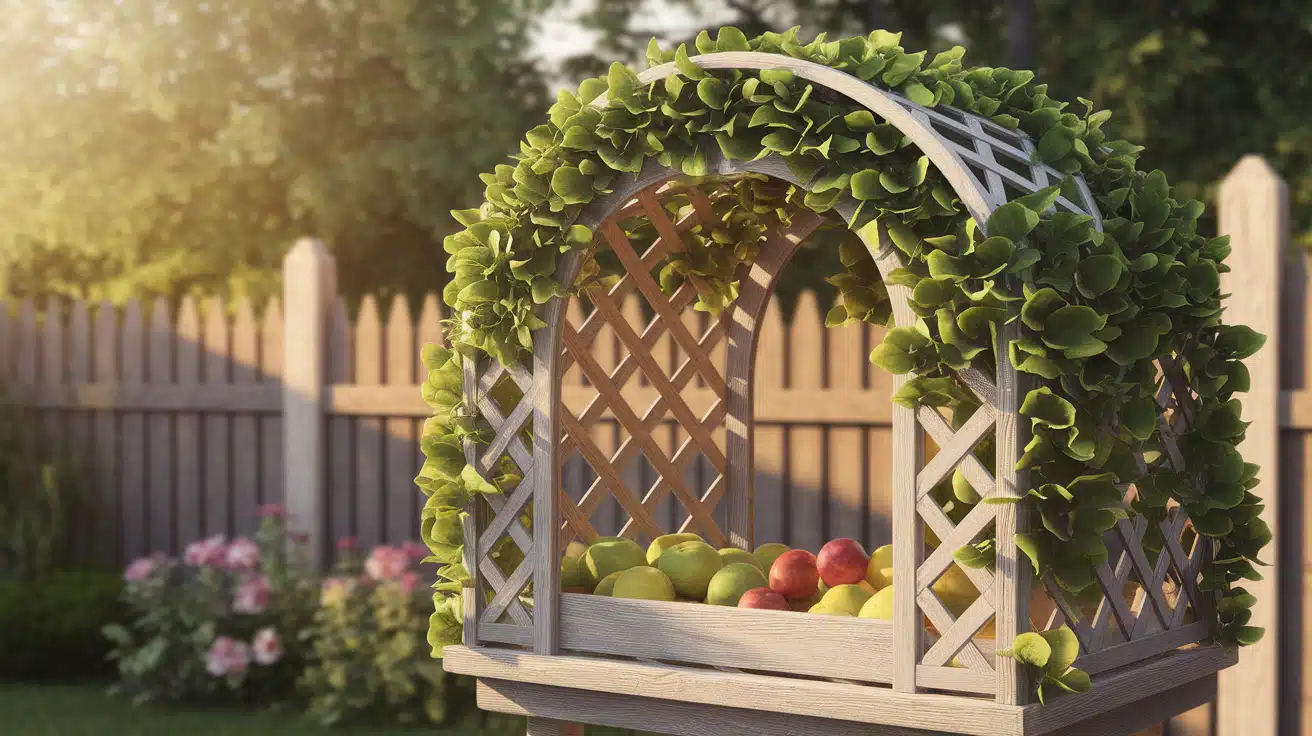
- Add a trellis to every bed: It supports vertical growth from day one.
Stepping inside a raised bed compacts the soil and undoes much of the benefit. A well-designed bed is one you can tend entirely from the outside.
In my own beds, keeping the width to four feet meant I never had to step in and undo the soil structure I’d spent a season building.
Sketching your bed layout before you build it saves you from rework once the beds are filled with soil and plants.
Pick Plants That Match Your Space and Climate
Choosing the right plants is just as important as building good soil. The wrong plant in the wrong spot will struggle no matter how well you prepare.
Houzz recommends knowing your climate zone and tracking how much sun each bed gets throughout the day.
Plants that naturally suit your conditions will give you more flowers, better fruit, and healthier vegetables with far less effort.
If space is limited, focus on high-yield crops that produce a lot from a small footprint.
According to Houzz, cut-and-come-again lettuces, cherry tomatoes, green beans, culinary herbs, and radishes are among the best options for small kitchen gardens.
High-yield crops for small spaces:
- Cherry tomatoes: Compact, prolific, and easy in containers or beds.
- Cut-and-come-again greens: Lettuce and arugula regrow after each harvest.
- Green beans: Climb a trellis and keep producing all summer.
- Radishes: Ready to harvest in under a month.
- Fresh herbs: Basil, parsley, and chives earn their space many times over.
The Curious Nook, a gardening blog run by a grower with over 15 years of experience, suggests tracking heat zones alongside standard climate zones.
Heat zones show how many days per year go above 86 degrees, which directly affects what crops will thrive in your area.
Keeping a simple garden journal helps you spot patterns from season to season. Over time, this gives you a much clearer picture of what actually grows well in your specific conditions.
Successional Planting Keeps Beds Working All Season
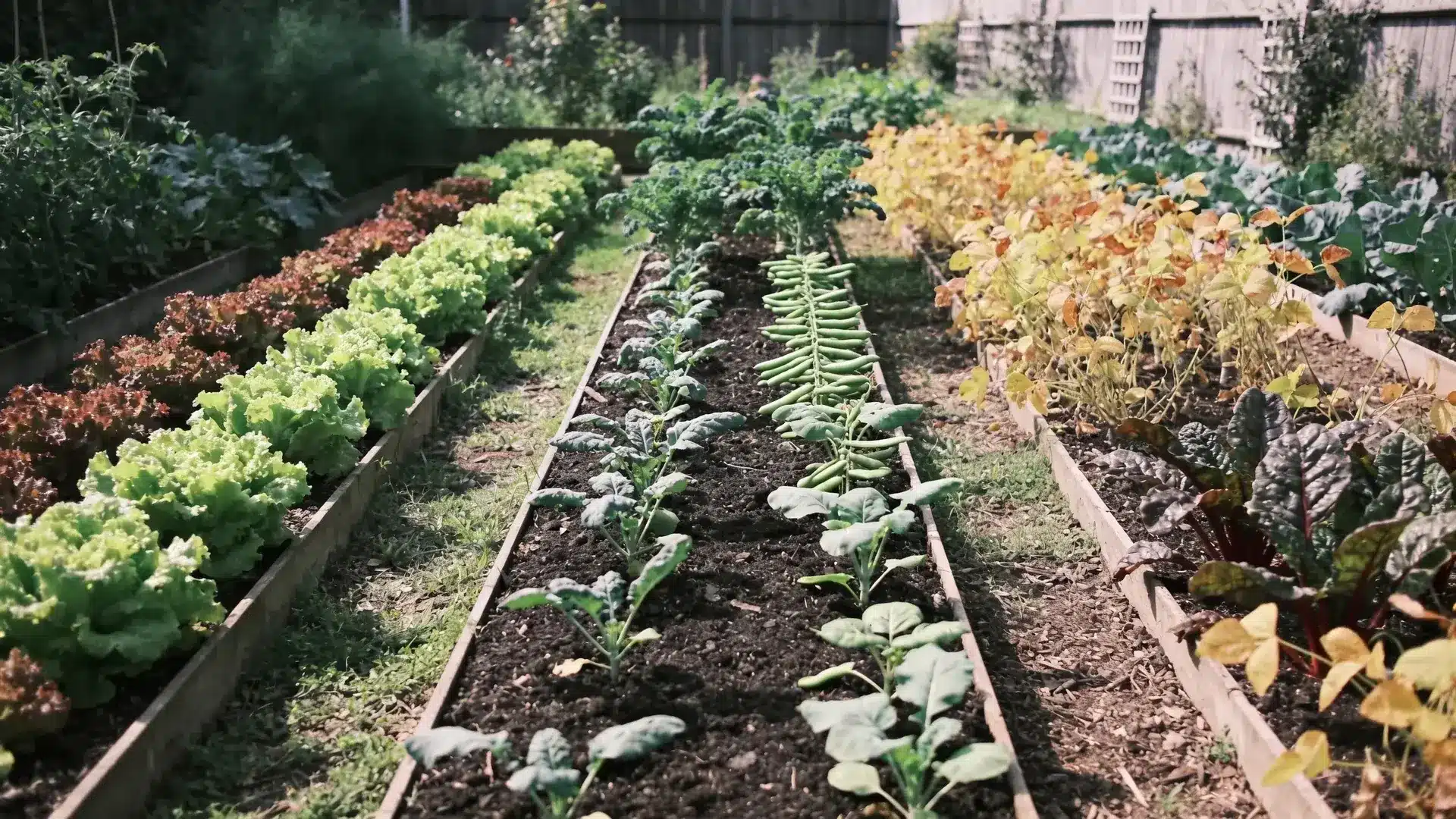
One of the biggest mistakes home gardeners make is planting everything at once. You get one big harvest, a long gap, and a lot of empty beds. Successional planting solves this.
According to Grow a Good Life, succession planting means replacing a finished crop with a new one right away, so your beds stay full and your kitchen stays stocked from spring through the first frost.
The idea is straightforward. Instead of sowing all your seeds in one weekend, you divide plantings into smaller batches timed throughout the season.
A simple three-season planting sequence:
- Early spring: Spinach, lettuce, peas, and radishes.
- Summer: Beans, cucumbers, and basil.
- Fall: Kale, carrots, and more radishes.
According to Garden Aider, after you pull a crop, the soil needs a quick boost before the next seeds go in. Adding a handful of compost or organic fertilizer replenishes the nutrients the previous plants used up.
Leaving beds bare between plantings also invites weeds. A light layer of mulch between rounds helps retain moisture and prevent the soil surface from crusting, making it easier for the next round of seeds to germinate.
Companion Planting Adds Protection and Boosts Yield
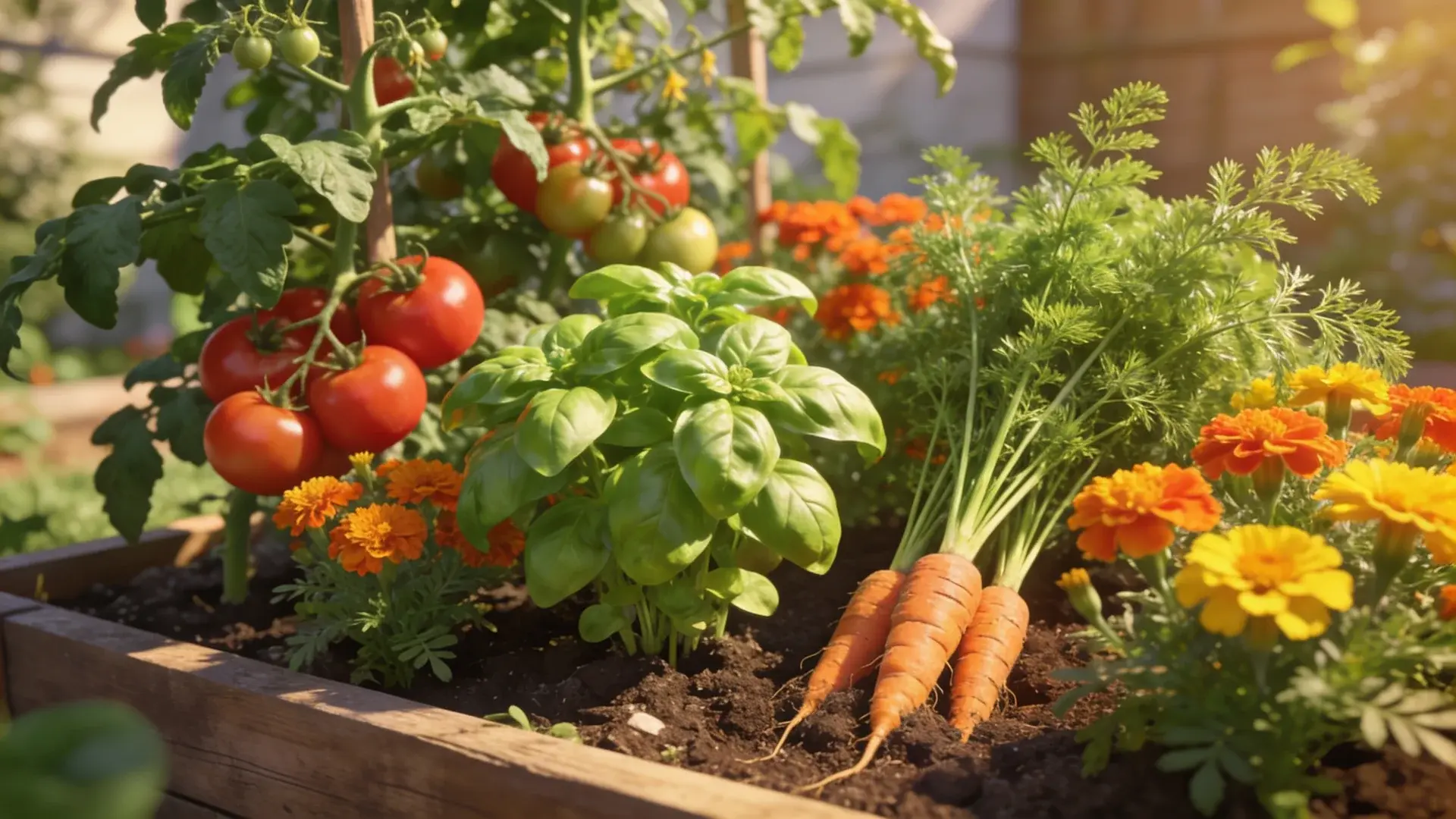
Companion planting means putting specific plants side by side because they help each other grow. It is one of the most practical ways to raise your garden’s output without adding more space or products.
According to the University of Minnesota Extension, planting early short-season crops alongside later maturing ones is a proven way to conserve space and grow multiple rounds of plants in the same bed.
Lettuce or basil planted early in a bed, for example, can be harvested before tomatoes or peppers fill in the canopy.
Legumes like beans and peas fix nitrogen from the air and add it back to the soil. Planting them as part of your rotation reduces the amount of fertilizer you need the following season.
Companion planting pairs that work:
- Tomatoes and basil: Basil repels many pests that target tomatoes.
- Carrots and onions: Each repels the other’s main pest.
- Marigolds and any vegetable bed: Marigolds deter nematodes and aphids.
- Corn, beans, and squash: The Three Sisters method, used for centuries, feeds soil and saves space.
The traditional Three Sisters combination demonstrates how three plants can fully support one another.
Corn supports the beans, beans fix nitrogen for the corn, and squash shades the soil to keep it moist and reduce weeds.
Growing Vertically Multiplies Your Usable Space
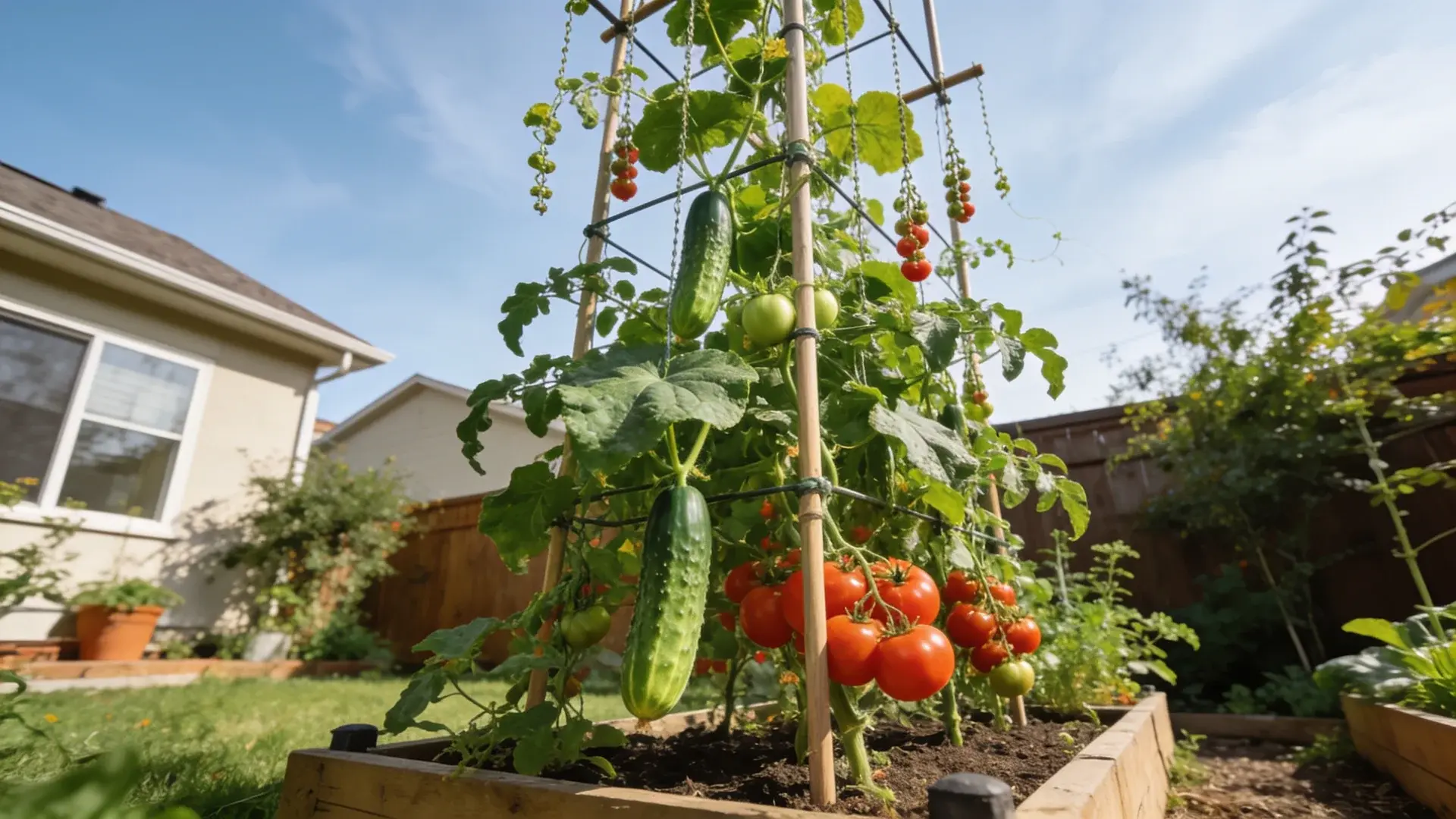
Garden space usually gets measured side to side. But growing up instead of out is one of the best ways to produce more from a small plot.
Three Acre Farm, a homestead blog, describes using cattle-panel walls, arched trellises, and obelisk structures to support climbing crops and make use of every inch of vertical space.
A single cattle panel trellis can support a wall of cherry tomatoes that would otherwise sprawl across several square feet of ground.
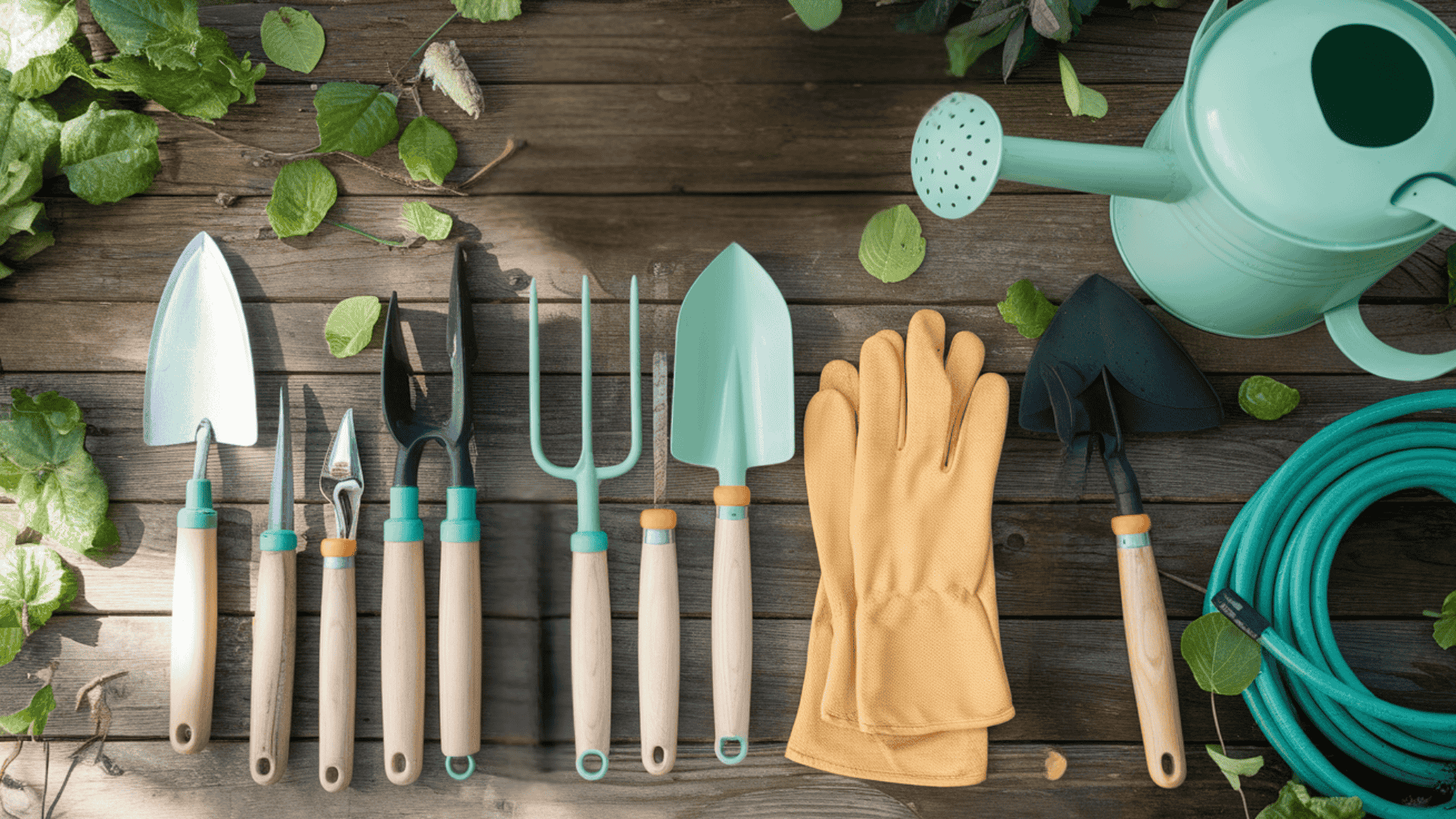
Building your own trellises from cattle panels or cedar stakes is a straightforward weekend project with the right hand tools, and having the right ones on hand makes the job go a lot faster.
According to Gardenary, plants like peas that would normally need three to five inches of ground spacing between each one can grow tightly together when a trellis sends them upward.
This is why standard seed packet spacing rules often do not apply to raised bed and trellis growing.
Plants that grow well on vertical supports:
- Cherry tomatoes: The classic trellis crop.
- Pole beans: Fast climbers that need little training.
- Cucumbers: Stay cleaner and straighter off the ground.
- Sugar snap peas : Grow in tight vertical spacing.
- Squash and small melons: Use fabric slings to support the fruit.
The Old Farmer’s Almanac notes that you can grow up to ten times the produce in the same space by combining raised beds with vertical growing.
Supports also make harvesting easier and keep fruit off the soil, reducing rot and pest issues.
Water Smarter to Keep Plants Healthy Without Waste
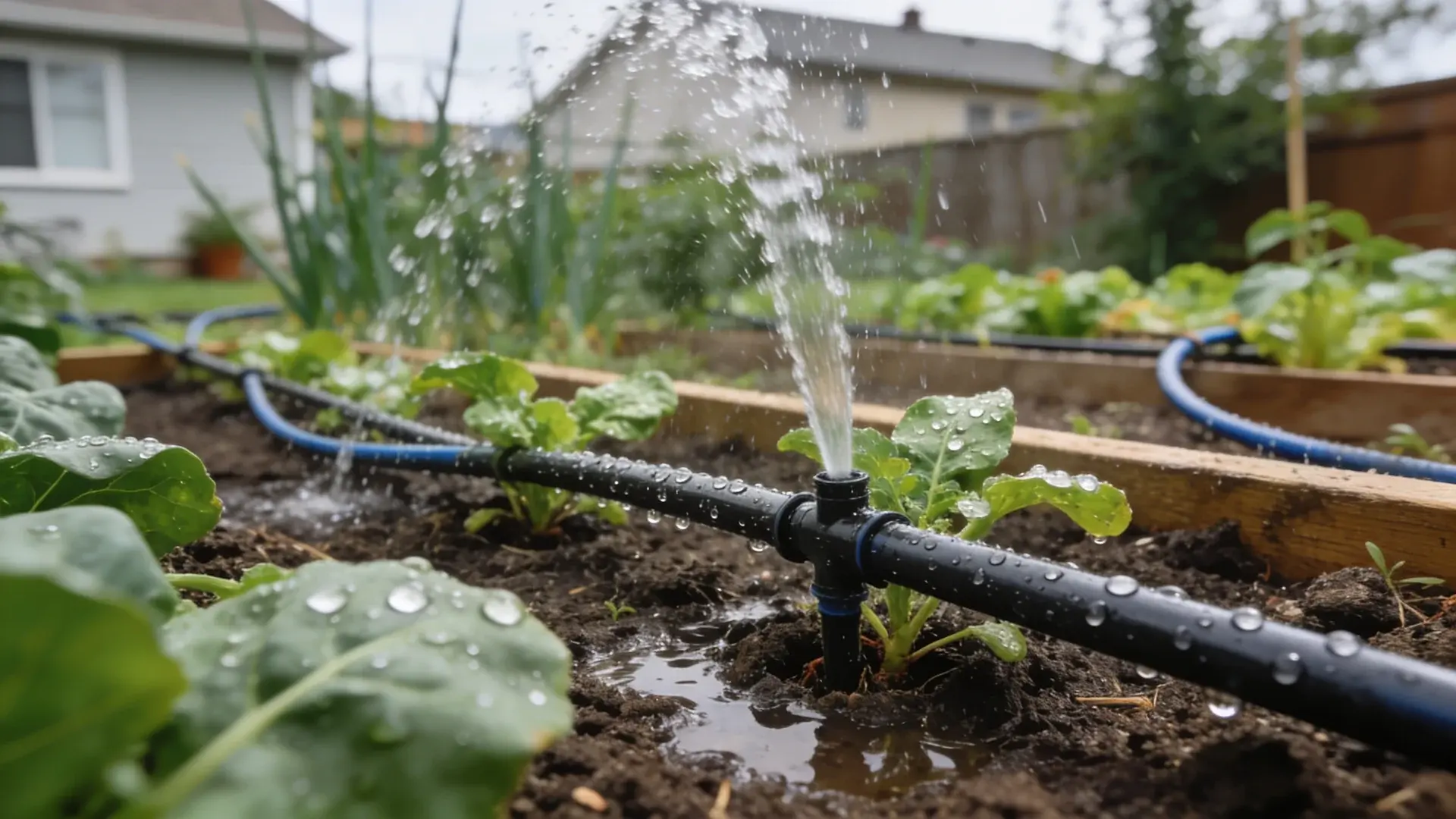
Inconsistent watering is one of the most common reasons garden plants underperform. Too much water causes rot. Too little causes stress, and stressed plants produce less.
According to Skillins Greenhouses, a reliable watering system makes a real difference. Drip irrigation delivers water directly to the root zone.
Soaker hoses keep soil consistently moist. Rain barrels collect free water from your roof and reduce how much tap water you use.
A one-inch rainfall event can collect over 600 gallons per 1,000 square feet of roof. For a kitchen garden, that is more than enough water to last through a dry stretch.
Practical watering tips:
- Water at the soil level, not the leaves, to prevent disease.
- Water in the morning so surfaces dry before evening.
- Reduce watering to ripen melons and tomatoes for better flavor.
- Check moisture two to three inches below the surface before watering again.
The Art of Doing Stuff, a gardening blog with over a decade of practical experience, notes that cutting back on water as melons approach ripeness leads to sweeter fruit. The same applies to tomatoes in their final stage of ripening.
Review Each Season to Keep Improving
Garden productivity is not a one-time fix. It builds over time as you learn what works in your specific space, soil, and climate.
Skillins Greenhouses recommends reflecting on each season before planning the next.
Ask yourself which crops did well, which struggled, whether you had enough space, and whether pests or disease caused problems. Each answer shapes a better plan for the following year.
Gardenary, founded by Nicole Burke, describes running a garden on a monthly rhythm: building in winter, planting in spring, training and pruning in summer, and observing in fall.
This kind of steady seasonal approach reduces guesswork and builds real skill over time.
Simple ways to track your garden:
- Write down planting dates and harvest results.
- Note which varieties performed well in your climate.
- Record pest or disease problems and where they showed up.
- Sketch your bed layout each season to support crop rotation.
Crop rotation across seasons also prevents disease from building up in the soil. The University of Minnesota Extension recommends waiting three to four years before planting the same crop family in the same bed again.
How Gardening Boosts Personal Productivity
Garden productivity is not the only thing that improves with time spent outdoors.
Regular gardening can also make you more productive in your everyday life by building habits that carry over into work, study, and daily routines.
- Builds consistency and discipline: Gardens reward regular effort rather than occasional bursts of work. Watering, pruning, and harvesting on schedule translate into better time management in other areas of life.
- Improves focus: Working with plants gives your mind a break from constant screens and distractions, leaving you feeling more refreshed and able to concentrate.
- Encourages better planning: Successful gardens require thinking ahead, from choosing the right crops to planning planting dates and crop rotations. The same habit of sticking to a routine and reviewing what worked carries over into daily habit-building elsewhere in life.
- Reduces stress and mental fatigue: Spending time in the garden provides a calming routine that helps alleviate both. Feeling less mentally drained leads to higher productivity.
- Creates a stronger sense of accomplishment: Watching plants grow from seed to harvest provides visible progress over time. Completing small gardening tasks regularly builds motivation.
When you invest in your garden, you are often investing in your own habits as well.
The same patience, planning, and consistency that produce healthier plants can also help you become more productive beyond the garden.
Conclusion
Garden productivity improves when you make a few smart choices and stick with them season after season.
Healthy soil, the right plants, and a solid planting schedule do more for your harvest than any tool or product. Use vertical space. Rotate your crops. Add compost between plantings.
These habits are simple, and they build on each other over time.
Start with one change this season, whether that is building a raised bed, trying succession planting, or simply keeping a garden journal.
Which step are you going to try first? Share your thoughts in the comments below.
Frequently Asked Questions
What Is the 70-30 Rule for Gardening?
The “70/30 rule” in gardening is a popular design framework suggesting that 70% of your plants should be structural, while 30% should be seasonal fillers.
Is Gardening Good for Osteoporosis?
Gardening is highly beneficial for osteoporosis. It serves as an excellent weight-bearing and resistance workout that forces your body to work against gravity.
What Is the 3-Hour Gardening Rule?
The 3-hour gardening rule is a safety and plant-care guideline advising you to avoid yard work between 11 a.m. and 2 p.m.